What Is Brush Filament Diameter?
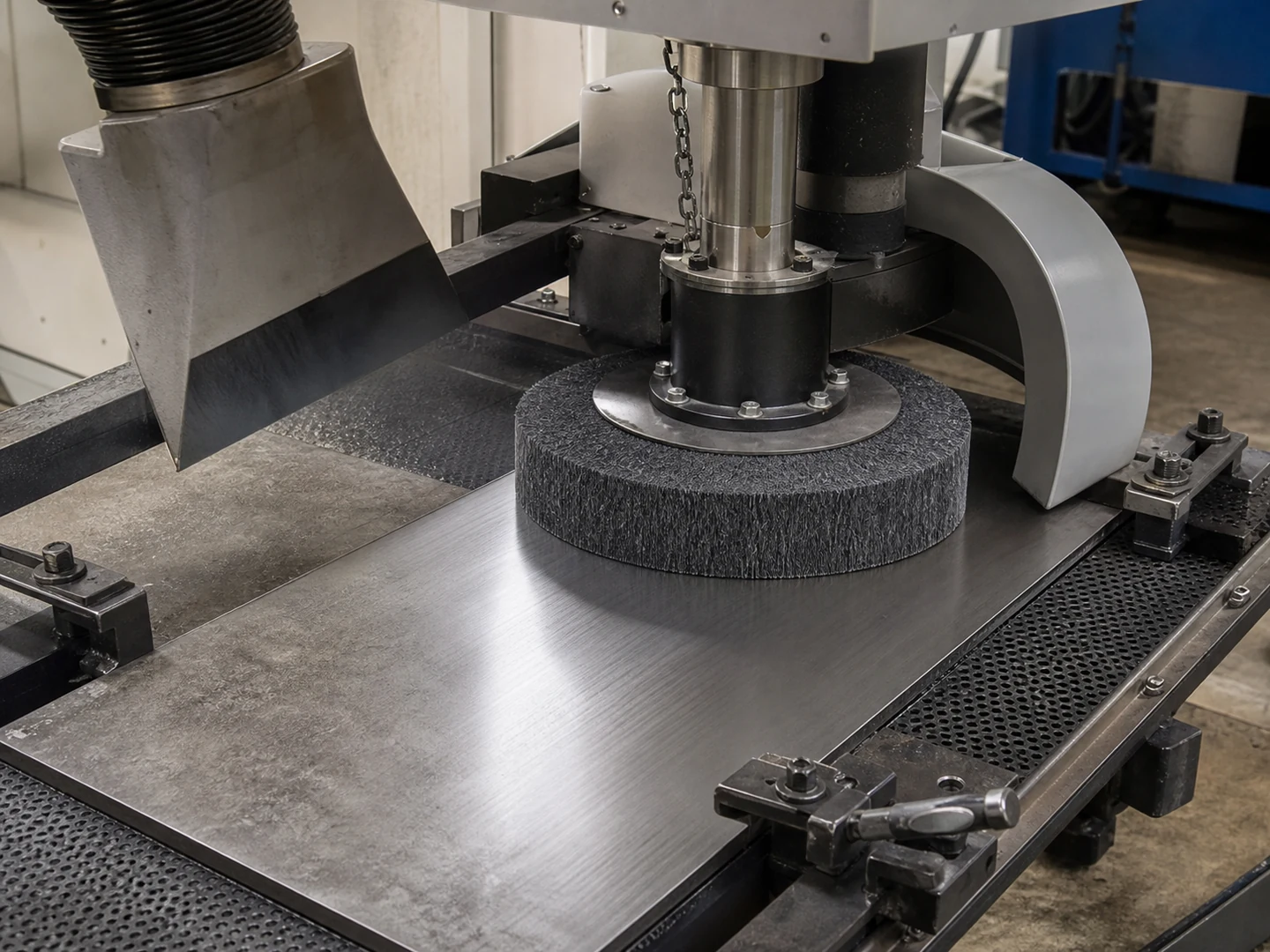
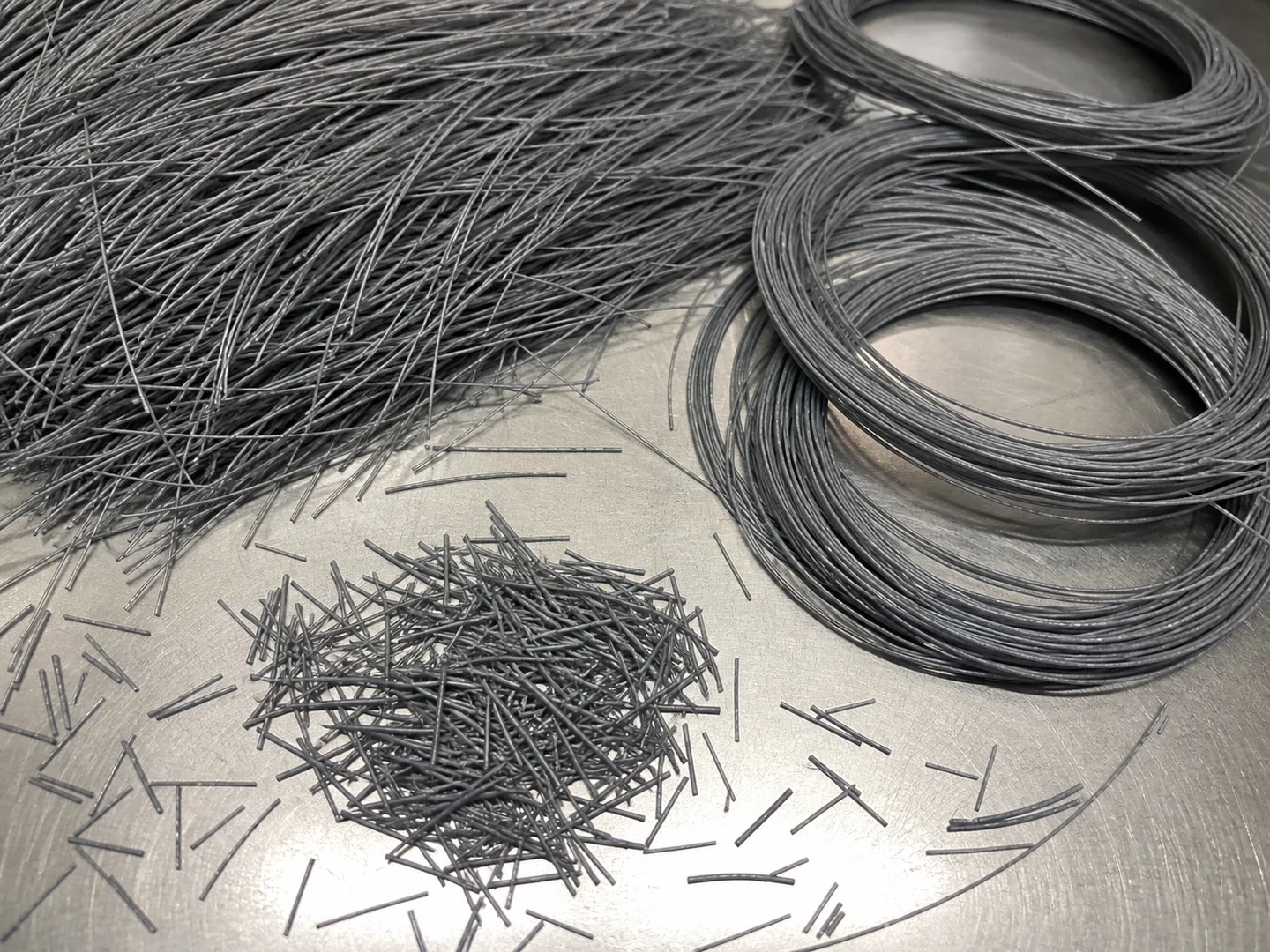
Brush filament diameter is the nominal thickness of an individual bristle, typically measured in thousandths of an inch or millimeters. In industrial and technical brushes — such as abrasive nylon wheel brushes, cup brushes, and disc brushes — this dimension is often specified as a decimal inch value (for example, a 0.018‑inch filament) or a metric equivalent. It is distinct from overall brush diameter, trim length, and bristle density, yet all of these characteristics work together to produce a specific cutting or finishing action.
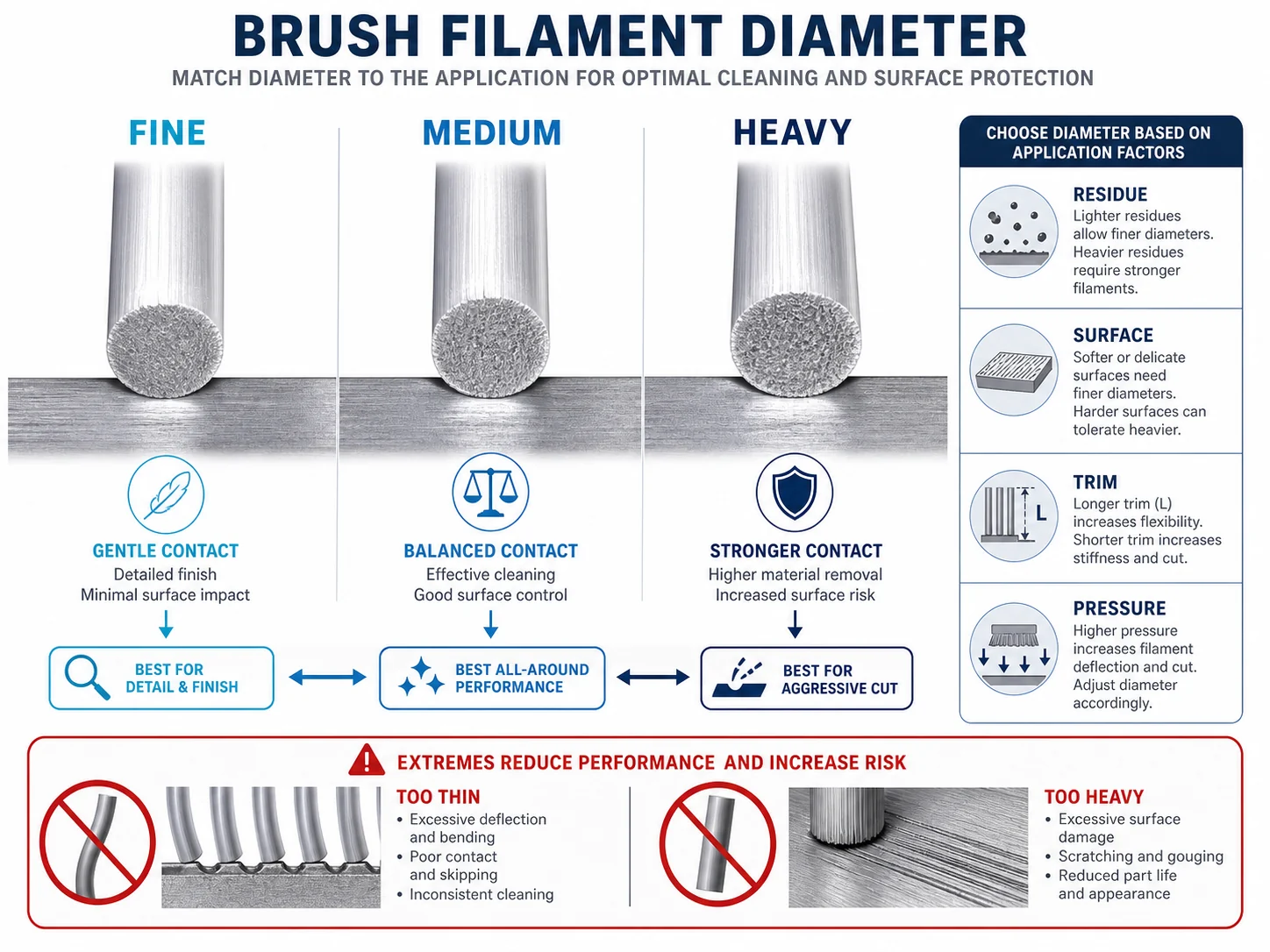
Filament diameter is a primary driver of bristle stiffness. All other factors being equal, a thicker filament resists bending more than a thinner one, which directly controls how aggressively the tips engage the workpiece surface.
How Filament Diameter Affects Brush Performance
Choosing a filament diameter means choosing where your brush falls on the trade‑off curve between cutting power and surface sensitivity. Changing this single variable influences four main outcomes:
- Cutting force: Thicker filaments apply more pressure at the tip, making them better for heavy deburring, scale removal, and stock removal. Thinner filaments bend easily and produce less material removal.
- Flexibility: Fine filaments can conform to irregular shapes and get into tight recesses without damaging the base material. Heavy filaments resist bending and may bridge over contours.
- Surface finish: A smaller diameter leaves finer scratch patterns and smoother surfaces. A larger diameter creates deeper scratches but can cover more area per stroke.
- Bristle life: Thicker filaments withstand wear longer under high‑stress conditions, while very fine filaments may fatigue and break sooner if overloaded. However, proper filament material (like abrasive‑filled nylon) can extend life even with a fine diameter.
General Filament Diameter Categories
Although every brush manufacturer has its own standards, technical buyers and operators commonly think in three broad selection groups:
- Fine filament (typically 0.003–0.011 in / 0.08–0.28 mm): Used for light blending, surface finishing, polishing, and cleaning delicate substrates such as coated metals, anodized parts, and soft alloys. Fine filaments are also preferred where part geometry requires deep reach into narrow slots.
- Medium filament (typically 0.012–0.020 in / 0.30–0.50 mm): A general‑purpose range for medium‑duty deburring, edge radiusing, and surface preparation on steel, stainless steel, and aluminum parts. This range balances cutting ability with acceptable surface finish on many industrial applications.
- Heavy filament (typically 0.020 in / 0.50 mm and above): Reserved for aggressive material removal, heavy deburring, rust and scale removal, and cleaning of heavy castings or weldments. Heavy filaments are common in abrasive cup brushes and wheel brushes designed for high‑pressure industrial use.
These ranges are not universal; they serve as practical starting points. A 0.012‑inch filament may behave as a medium in one brush design and fine in another, depending on trim length, bristle density, and filler material.
Fine vs Medium vs Heavy Filament Diameter: Comparison Table
| Characteristic | Fine Filament | Medium Filament | Heavy Filament |
|---|---|---|---|
| Typical use cases | Polishing, light deburring, surface finishing, cleaning coated surfaces | General deburring, edge radiusing, surface conditioning | Heavy deburring, rust/scale removal, weld cleaning |
| Cutting aggressiveness | Low | Moderate | High |
| Surface finish (Ra) | Smoother; low roughness | Moderate roughness | Rougher; potential for deeper scratches |
| Conformability to contours | Excellent | Good | Limited; may bridge over fine details |
| Bristle life under load | Lower if overloaded; good for light‑duty | Moderate | High; withstands high force |
| Suitable workpiece materials (examples) | Anodized aluminum, brass, coated steel, plastics | Mild steel, stainless steel, aluminum castings | Heavy steel, iron castings, hardened alloys |
How to Choose the Right Filament Diameter
A practical selection process weighs several interdependent factors:
- Workpiece material hardness and sensitivity: Soft, coated, or polished surfaces often require fine or medium filament to prevent scratching or coating removal. Hard, uncoated metals can accept heavy filaments for fast stock removal.
- Type of residue to be removed: Light oxidation, light burrs, and fine process residues respond well to fine‑medium filaments. Heavy mill scale, hard burrs, or thick rust call for heavy filaments.
- Required surface finish: If final Ra is critical, start with a finer filament. If the part will be painted or further processed, a more aggressive filament may be acceptable.
- Brush density and configuration: A dense brush pack can sometimes allow a slightly finer filament to achieve higher cutting force because of cumulative bristle support. Conversely, a very open brush may require a heavier filament to deliver enough work.
- Trim length: For a given filament diameter, a shorter trim makes the bristle feel stiffer; a longer trim increases flexibility. Consider the interplay between diameter and trim length when fine‑tuning performance.
- Machine and process parameters: High RPM or high pressure can overload a fine filament, leading to premature breakage. Match filament diameter to the available power and fixturing.
In practice, many users start with a medium filament for unknown applications and adjust after initial testing.
Common Mistakes When Selecting Filament Diameter
- Assuming finer is always safer. A very fine filament may not have enough cutting power for the intended task, requiring excessive time and pressure that actually damages the workpiece or wears the bristles prematurely.
- Using heavy filament on coated or delicate surfaces. Even a single pass with a heavy abrasive brush can remove anodizing, paint, or a precise surface finish, causing expensive rework.
- Ignoring the effect of brush density. Two brushes with the same filament diameter may perform very differently if one is much denser. Density amplifies the effective stiffness.
- Selecting diameter based on cost or availability alone. A cheaper brush with the wrong filament diameter can increase overall process cost through scrap, rework, and shorter tool life.
- Overlooking material compatibility. An abrasive nylon filament with silicon carbide grit behaves differently from an aluminum oxide grit, even at the same diameter. Match the grit to the material.
- Failing to communicate real operating conditions. Supplying only the filament diameter to a manufacturer without trim length, speed, and desired finish often leads to suboptimal recommendations.
When Filament Diameter Alone Isn’t Enough
Filament diameter is just one brush design variable. If you focus only on this number, you risk missing a better solution. Scenarios where diameter alone is insufficient include:
- When bristle density must compensate: High‑density brushes with a slightly finer filament can match the cutting force of a lower‑density heavy‑filament brush while preserving better surface finish.
- When trim length radically changes performance: A short‑trim heavy filament may be too stiff; a long‑trim medium filament may deliver the compliance you need without sacrificing durability.
- When abrasive grit size matters more: For abrasive nylon brushes, the grit size (e.g., 80 grit for coarse, 320 grit for fine) can have a larger influence on finish and stock removal than filament diameter within a reasonable range.
- When part geometry demands a special configuration: Narrow slots, deep holes, or complex contours may require a combination of filament diameter, density, and wheel shape that cannot be solved by diameter choice alone.
- When you need to balance multiple operations: A brush that must deburr and finish in one station may need a middle‑range filament backed by a careful grit/trim/density selection — not simply the heaviest or finest option.
In these cases, your best path is a structured sample test on your actual workpiece. Many brush manufacturers offer sample programs or can recommend a test matrix. Specify not only filament diameter but also trim length, density, abrasive type/grit, and operating speed. Collect data on edge quality, surface roughness, cycle time, and bristle wear before committing to a full production order.
Final Takeaway
Filament diameter selection is a deliberate balance between what you need to remove and what you need to leave behind. When you approach it as part of a system — considering workpiece material, surface requirement, brush configuration, and process conditions — you will land on a reliable starting point. Fine filaments protect delicate surfaces; heavy filaments move material fast; medium filaments cover the middle ground. But always remember that diameter works together with density, trim length, and abrasive choice. A quick trial often saves more time than a perfect specification on paper.
Frequently Asked Questions
Can I use the same filament diameter for all materials?
No. Soft, coated, or non‑ferrous materials often require finer filaments to avoid surface damage, while hard steel or cast iron can withstand heavier filaments for efficient removal. Always match the filament to the specific workpiece material.
How do I know if my filament is too fine for my application?
Signs include excessive bristle breakage, long cycle times, or the brush failing to remove burrs or scale even after multiple passes. If you must increase pressure significantly to get the job done, consider moving up to a medium or heavy filament.
Does a larger filament always wear out faster?
Not necessarily. Heavier filaments resist wear better under high loads, but if they are used on delicate surfaces they can cause part damage rather than wearing out prematurely. Fine filaments may wear quickly if overloaded. Bristle life depends on the application and the match between filament size and job demands.
What is the relationship between filament diameter and trim length?
Trim length is the free length of the bristle extending from the hub. For the same diameter, a shorter trim creates a stiffer, more aggressive brush; a longer trim increases flexibility. These two variables should always be considered together when specifying a brush.
Can I mix filament diameters in the same brush?
Yes, some brushes use a combination of fine and heavier filaments to achieve a specific balance of cutting and finishing. This is more common in custom‑engineered brushes for unique applications, and you should work with the manufacturer to determine if a mixed‑filament design is appropriate.
How does filament diameter influence cycle time in automated lines?
A heavier filament may remove material faster, reducing cycle time, but it can also leave a rougher finish that might require a secondary step. A finer filament may need more dwell time but yields a finish closer to final specification. The best choice minimizes total process time, not just brush contact time.
Is there a standard filament diameter for general-purpose deburring?
While no universal standard exists, many shops start with a medium filament (around 0.014–0.018 in) for general‑purpose deburring on steel and aluminum. The exact number depends on brush type, density, and specific finish requirements, so initial testing is always recommended.
Which bristle material fits this job — Abrasive Nylon, AISI 304 Stainless Steel Wire or Nylon PA?
| Material | Continuous temperature (°C) | Peak temperature (°C) | Water absorption | Hardness |
|---|---|---|---|---|
| Abrasive Nylon | 120 | 150 | 0.1–1.0% | Abrasive filament; stiffness and cutting level is controlled by PA base, grit type, grit size, filament diameter and trim height. |
| AISI 304 Stainless Steel Wire | 400 | 500 | 0% | Rockwell B 70–95 depending on temper and cold work |
| Nylon PA | 93 | 121 | 0.3–9% by PA grade and conditioning | Medium to firm; filament diameter and trim length control bending force. |
Figures as published by Perlon; Alleima; Brushtec / DuPont. Confirm the exact grade against the supplier datasheet before ordering.
When is Abrasive Nylon the wrong choice for surface finishing?
- Abrasive Nylon — Exposed grit can change a surface finish, and high heat or aggressive chemicals can weaken the polymer carrier.
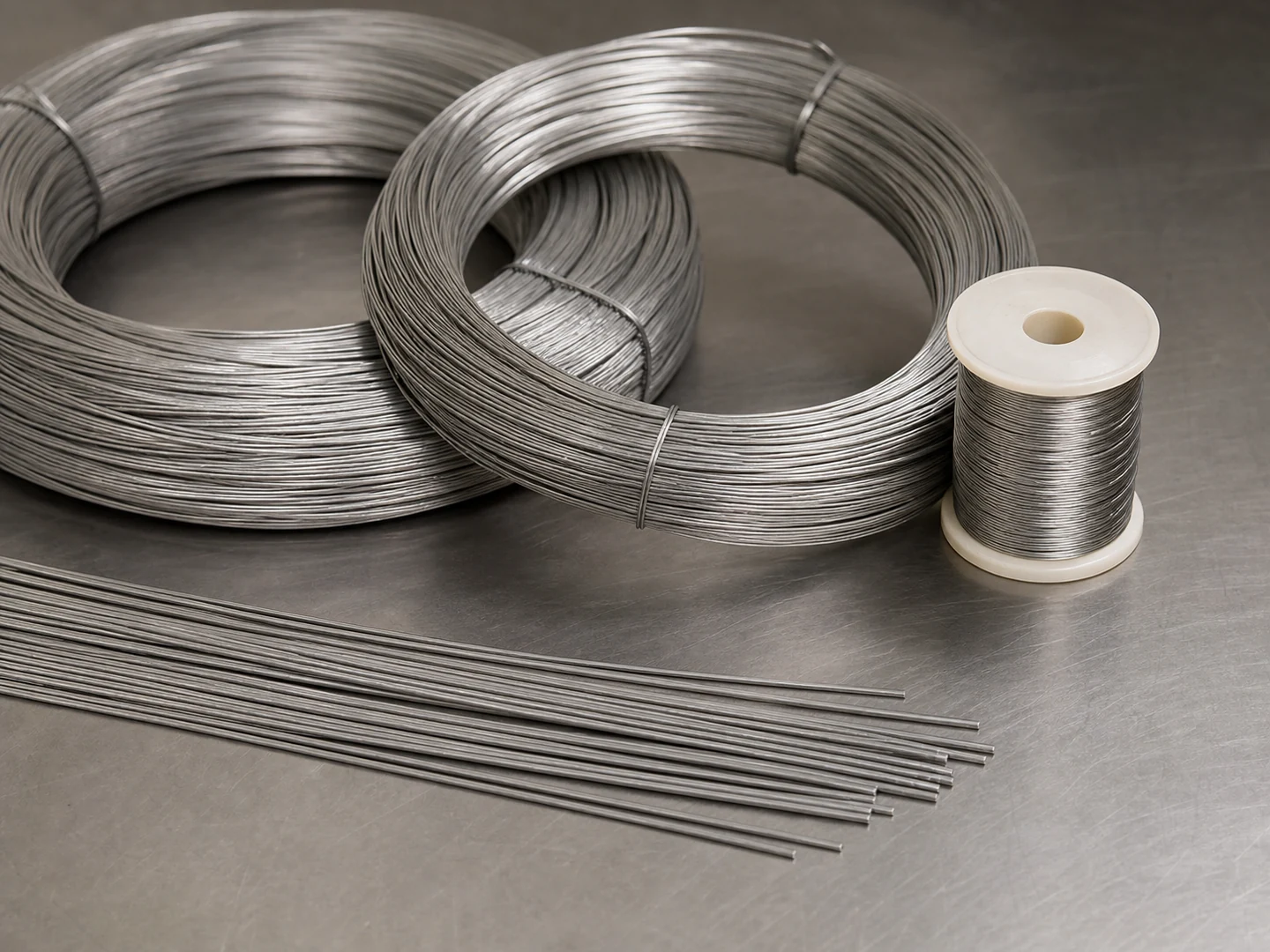
- AISI 304 Stainless Steel Wire — Avoid using AISI 304 as the default in marine, brine, hypochlorite, and persistent chloride environments; use AISI 316 when higher pitting and crevice-corrosion resistance is required.
- Nylon PA — The nylon family spans several grades, so heat, moisture and chemical limits should follow the selected PA resin rather than a generic nylon value.
What should replace Abrasive Nylon for surface finishing?
- Abrasive Nylon — Compare Abrasive Nylon with PP, PBT, PET. Change material when wet stiffness, temperature, chemical resistance, conductivity, particle shedding, or surface marking becomes the limiting factor.
- AISI 304 Stainless Steel Wire — Use AISI 316 stainless steel wire for chloride, marine, dairy, beverage, chemical washdown, or higher pitting-resistance requirements. Use carbon steel for dry aggressive cutting and brass or abrasive nylon for lower marking risk.
- Nylon PA — Compare Nylon PA with PP, PBT, PET. Change material when wet stiffness, temperature, chemical resistance, conductivity, particle shedding, or surface marking becomes the limiting factor.