
Application
Polishing
Polishing is a process-use page rather than a general cleaning category. Select the brush from the required contact function, working surface, motion, and interface, then verify how Oxide film / fine scratches / polishing compound / haze and Workshop / Finishing Line / Controlled Production Area affect the construction.
At a glance
- Cleaning target
- Oxide film / fine scratches / polishing compound / haze
- Working environment
- Workshop / Finishing Line / Controlled Production Area
- Cleaning method
- Dry Polishing / Compound-Assisted Polishing
- Requirements to check
- Surface-finish and residue-control requirements defined by the workpiece
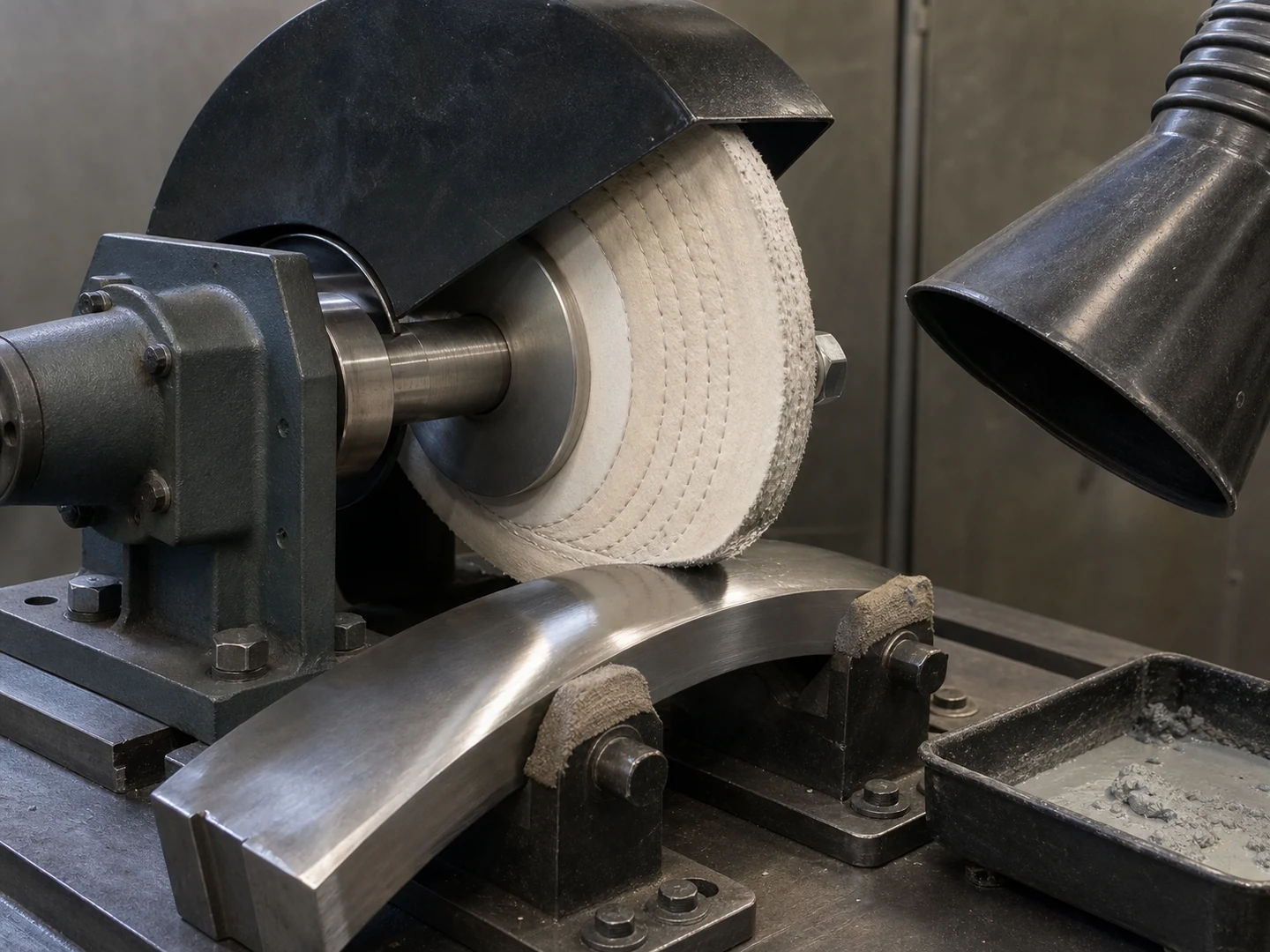
Polishing is the buff’s job and the compound’s job together — the wheel carries and holds the compound, so buff material and compound are one decision rather than two.
What makes Polishing different from other industrial and manufacturing cleaning?
The main difficulty is removing burrs, oxide, glaze, coating, sanding dust, and texture peaks from metal, wood, ceramic, glass, leather, and machined surfaces without damaging the surface, loading the brush, or carrying contamination back into the process.
The work happens in workshop, finishing line and controlled production area against oxide film, fine scratches, polishing compound and haze.
The part people get wrong: the residue tells you the filament, but the access opening tells you the construction. Get them in that order and the shortlist is short.
What are the most common cleaning targets in Polishing?
5 targets, each with its own opening, residue and contact requirement.
| Part or area | Residue type | Cleaning requirement |
|---|---|---|
| Metal Polishing | Oxide film, fine scratches, polishing compound, haze | The filament must cut at a controlled depth and hold the same profile across the whole contact band, because here the surface the brush leaves is the product rather than a by-product. |
| Wood and Furniture Polishing | Wax build-up, polish residue, sanding dust, raised grain | The head must reach the working face and apply even contact without marking the surface. |
| Glass and Optical Polishing | Oxide film, fine scratches, polishing compound, haze | The filament must cut at a controlled depth and hold the same profile across the whole contact band, because here the surface the brush leaves is the product rather than a by-product. |
| Jewelry and Precious-Metal Polishing | ||
| Automotive Surface Polishing |
What the equipment leaves you to work inside:
| Parameter | Typical range |
|---|---|
| Free trim length | 8–60 mm; 10–60 mm |
| Wire diameter | 0.08–0.80 mm; 0.15–0.80 mm |
| Face width | 10–300 mm; 5–100 mm |
| Tool diameter | 20–500 mm |
| Filament / abrasive size | 0.15–2.0 mm or 46–1,000 grit |
Which brush types work for each cleaning target?
Loose or sewn buff, airway/pleated wheel, sisal wheel or shaped polishing tool.
| Cleaning target | Recommended brush type | Why it fits |
|---|---|---|
| Metal Polishing | Polishing Buffing Wheels | A buffing wheel carries the compound and conforms to the part, so the cut happens in the abrasive rather than in the wheel itself. |
| Wood and Furniture Polishing | Wood has open grain and mouldings, so a soft wheel follows the profile and works wax into the grain instead of skating over the high points. | |
| Glass and Optical Polishing | Glass polishing is controlled removal, so a flat wheel keeps pressure even across the face and avoids dishing one area. | |
| Jewelry and Precious-Metal Polishing | Precious metal is soft and the pieces are small, so a small wheel with fine compound reaches detail without rounding an edge or losing metal. | |
| Automotive Surface Polishing | Clearcoat is a thin film over colour, so a wheel at even pressure across a flat panel refines the finish without burning through at an edge. |
How the brush is usually carried on the machine:
- Driven brush — use when burrs, oxide, glaze, coating, sanding dust, and texture peaks needs repeatable scrubbing or controlled relative movement
- Passive or free-running brush — use for loose contamination and lower process complexity on metal, wood, ceramic, glass, leather, and machined surfaces
- Localized hand, strip, or tube brush — use where only an edge, gap, port, or maintenance point needs contact
In practical brush terms: match the construction to the access before anything else. A geometry that cannot reach the target will not be rescued by a better filament.
What filament materials work best for Polishing?
Cotton, sisal, wool, felt or synthetic buffing media with a compatible compound.
| If the condition is… | Filament to start with | Why |
|---|---|---|
| Sensitive or coated surface | Nylon PA | balanced flex life and abrasion resistance |
| Wet, washdown, or detergent service | Abrasive Nylon | controlled cutting without loose wire |
| Bonded residue or aggressive cleaning | Carbon Steel Wire | strong economical rust and scale removal |
What the duty rules out before you start comparing grades:
| Constraint | Value for this application |
|---|---|
| Filament hardness | Soft to Medium |
| Maximum service temperature | 120°C |
| Chemical exposure | Polishing compound, wax, oil or compatible solvent |
| Cleaning method | Dry Polishing, Compound-Assisted Polishing |
How do I choose the right brush for my polishing equipment?
Choose the compound and the buff together, because the wheel’s job is to carry and hold it, then size the arbor to your machine.
Work through it in this order:
- Identify the target part and measure the access opening or clearance
- Describe the residue: what it is, how thick it sits, and how strongly it holds
- Choose the construction that can physically reach that target
- Set the filament from surface risk, working temperature and cleaning chemistry
- Fix filament diameter, free trim length and density for the contact pressure you need
- Run one cycle and check the result before committing to a production quantity
Before you commit to a quantity, send the part material, the compound you use, the wheel arbor size, and the finish you are aiming for.
When is a polishing brush the wrong tool?
Vibratory and centrifugal finishing polish whole batches without a wheel touching any single part, and chemical or electropolishing reaches geometry no buff will. A buff is wrong wherever heat build-up damages the substrate — thin plating, plastics and coated surfaces.
What common mistakes should I avoid in Polishing?
- Choosing a buff without naming the compound it has to carry
- Changing brush material while leaving excessive engagement, poor alignment, or no discharge path unchanged
- Copying a worn brush without recording motion, direction, mounting, and the original working diameter
If the brush is already in service and the result is wrong, work from the symptom:
| Symptom | What to change |
|---|---|
| Residue remains | Increase relative motion or discharge, then change filament diameter or density; do not add pressure before checking loading by burrs, oxide, glaze, coating, sanding dust, and texture peaks. |
| Surface marks or scratches | Reduce engagement, use finer or softer fill, and remove trapped abrasive particles from contact with metal, wood, ceramic, glass, leather, and machined surfaces. |
| Rapid wear or uneven cleaning | Check alignment, runout, support, motion, temperature, chemical attack, and whether the brush covers the complete working path. |
| Brush loads or redeposits residue | Open the fill pattern or add wash, vacuum, air, scraping, or a collection path so removed burrs, oxide, glaze, coating, sanding dust, and texture peaks leaves the contact zone. |
Questions this page is asked
How should heat be controlled during brush polishing?
Establish a tested window for speed, load, dwell, passes, compound amount and cooling that keeps the actual workpiece and coating within their documented limits. Stop for rapid temperature rise, smearing, coating transfer, distortion, color change or a gloss increase that no longer accompanies defect removal.
How can a polishing wheel avoid transferring compound or color between jobs?
Dedicate and label wheels by compound, abrasive stage, color and compatible workpiece family, and store them covered so airborne grit cannot load the face. Retire a wheel that cannot be cleaned by its procedure or that shows glazing, embedded chips, shedding, imbalance or cross-color during the witness-piece check.
Guides that go deeper on this
Capsule Polishing Machine Brushes: Selection and Maintenance
Read this guideGuideGlass Polishing Brush: Material and Size for Coated Glass
Read this guideGuideGlass Polishing Brush: Material and Size for Flat Glass
Read this guideGuideHow to Choose a Flexible Diamond Abrasive Polishing Brush
Read this guideGuideHow to Choose Ceramic Polishing Brush
Read this guideGuideHow to Choose Commercial Floor High-speed Polishing Brush
Read this guideGuideHow to Choose Diamond Dry Polishing Pad Brush
Read this guideGuideHow to Choose Diamond Wet Polishing Pad Brush
Read this guideGuideHow to Choose Elastic Polishing Block Brush
Read this guideGuideHow to Choose Fiber Polishing Brush
Read this guideGuideHow to Choose Industrial Polishing Brush
Read this guideGuideHow to Choose Polishing Wheels by Material, Surface, and Finish
Read this guide26 guides are indexed against this one. The rest are in the technical resources library.
Continue Exploring
Recommended Reading & Related Brush Resources
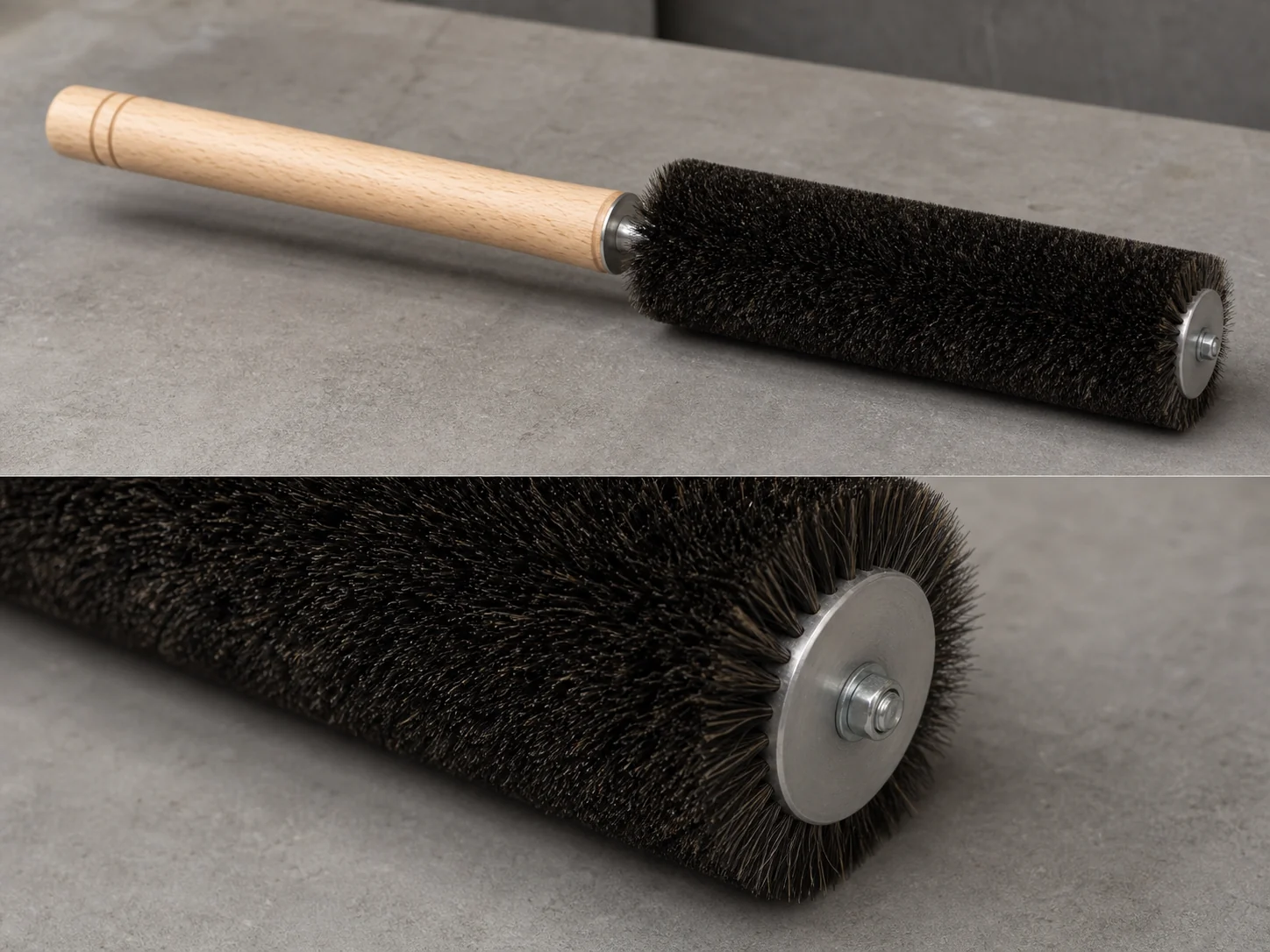
100x400mm Horsehair Polishing Roller Brush
100x400mm horsehair polishing roller brush with natural fiber fill and fixed steel or aluminum…
See the specification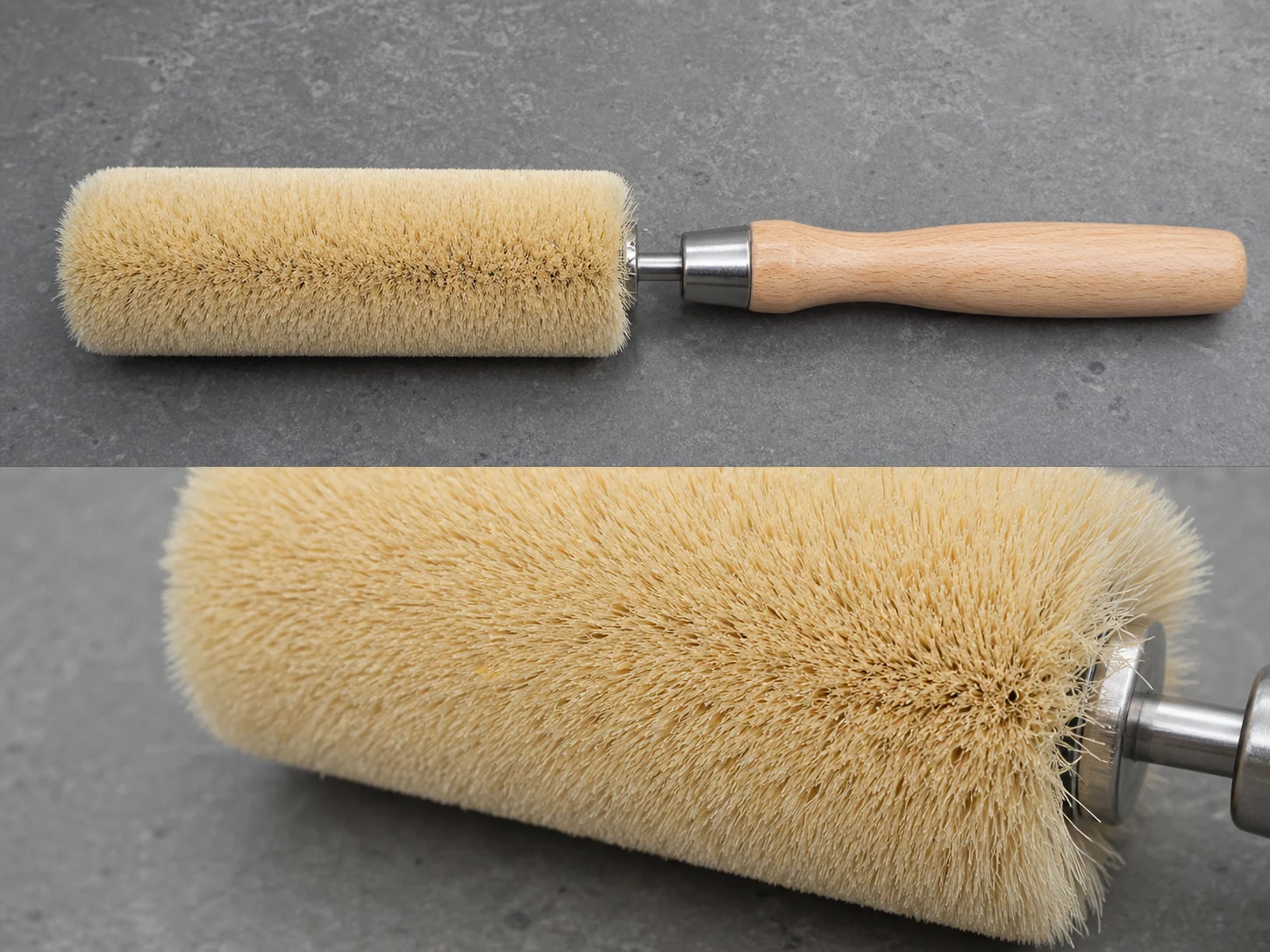
80x300mm Tampico Polishing Roller Brush
80x300mm Tampico polishing roller brush for denibbing, satin finishing, and compound polishing on wood,…
See the specification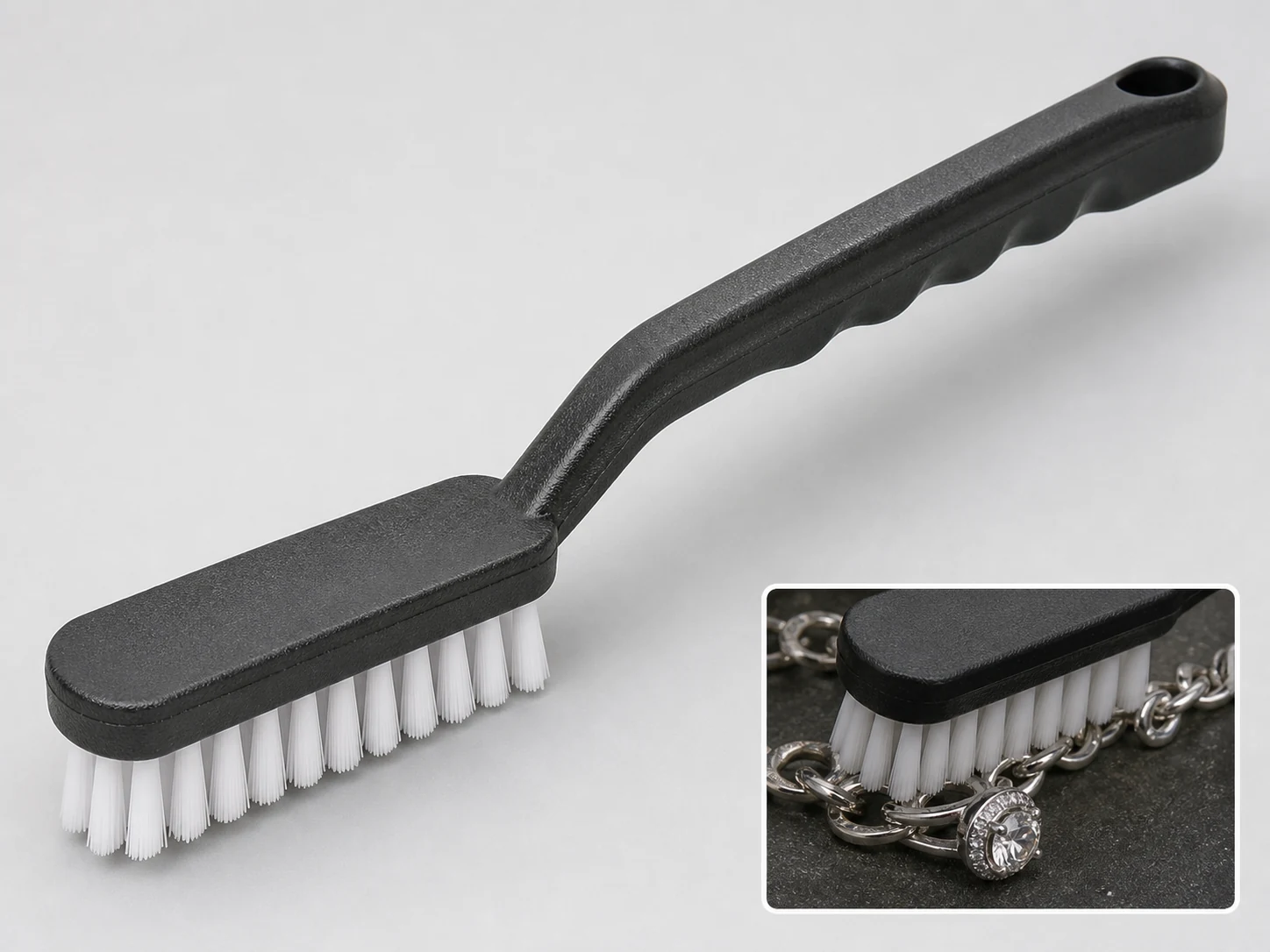
Cleaning Brush Jewelry
Soft goat hair and nylon jewelry brushes for removing polishing compound, tarnish, skin oils…
See the specification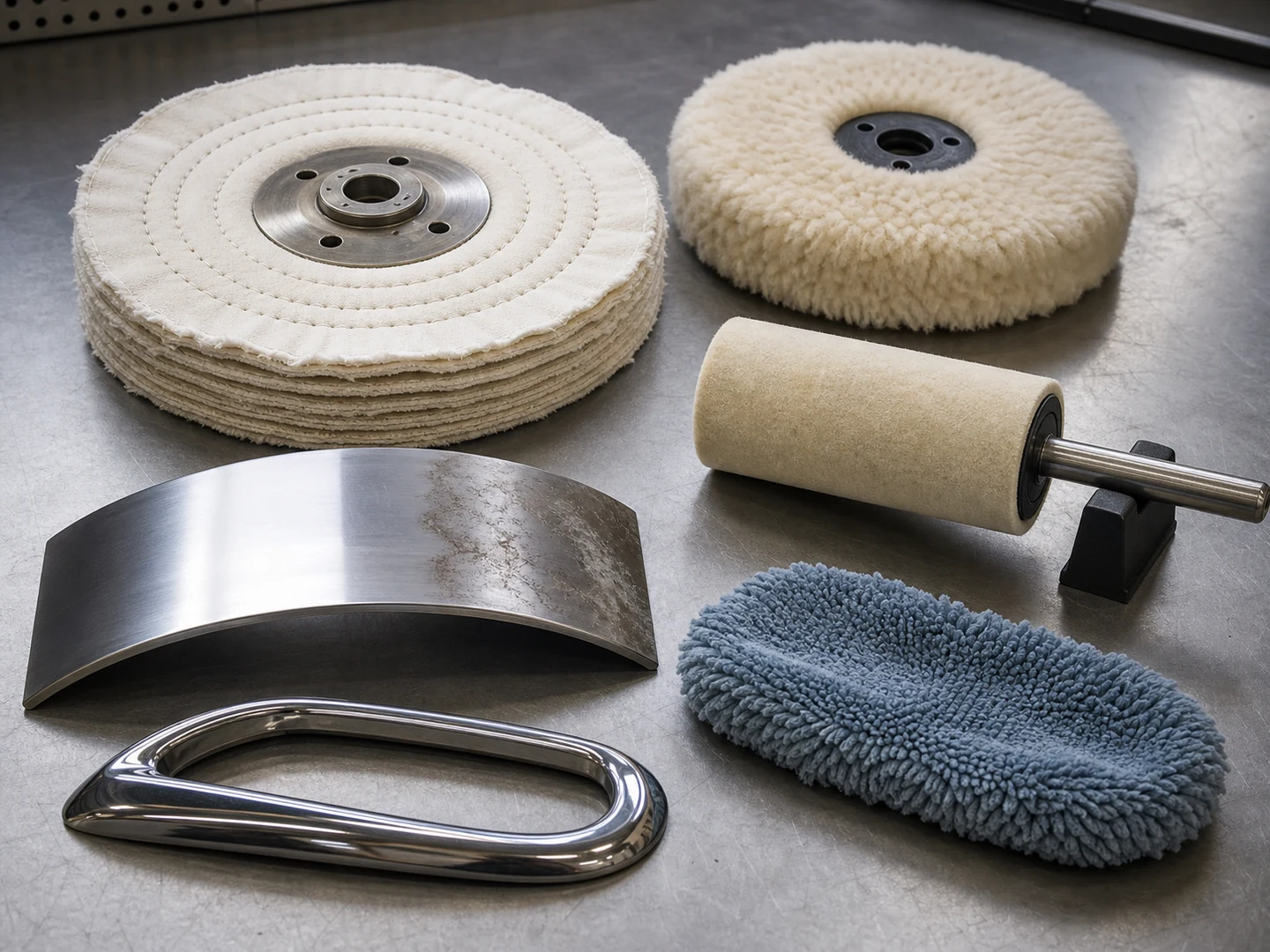
Custom Polishing Buffing Wheels
Choose a polishing or buffing wheel when a rotating flexible face must cut, blend,…
See how this type is built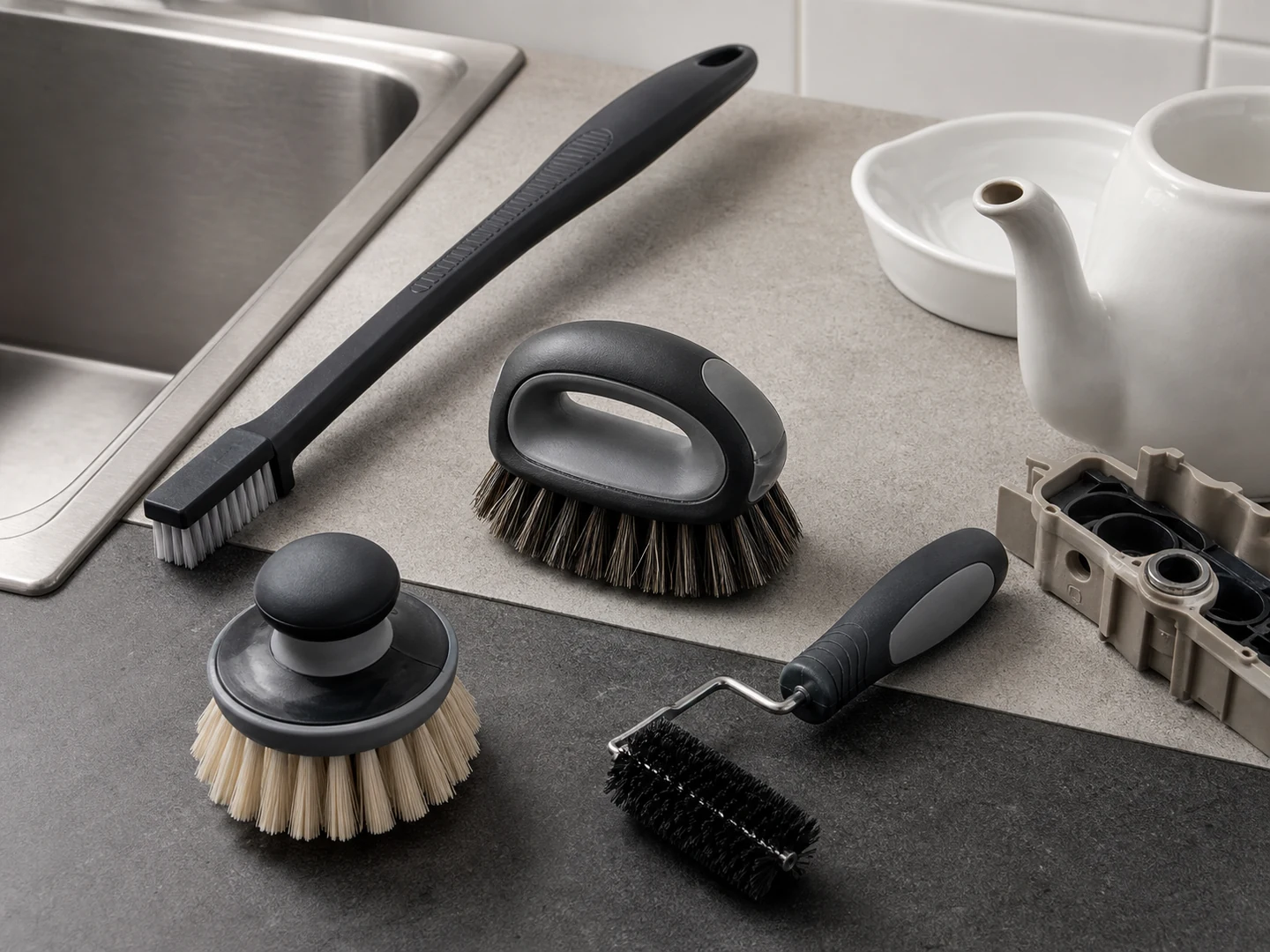
Custom Handheld Detail Brushes
Choose a handheld detail brush when you need direct control in seams, recesses, fittings,…
See how this type is built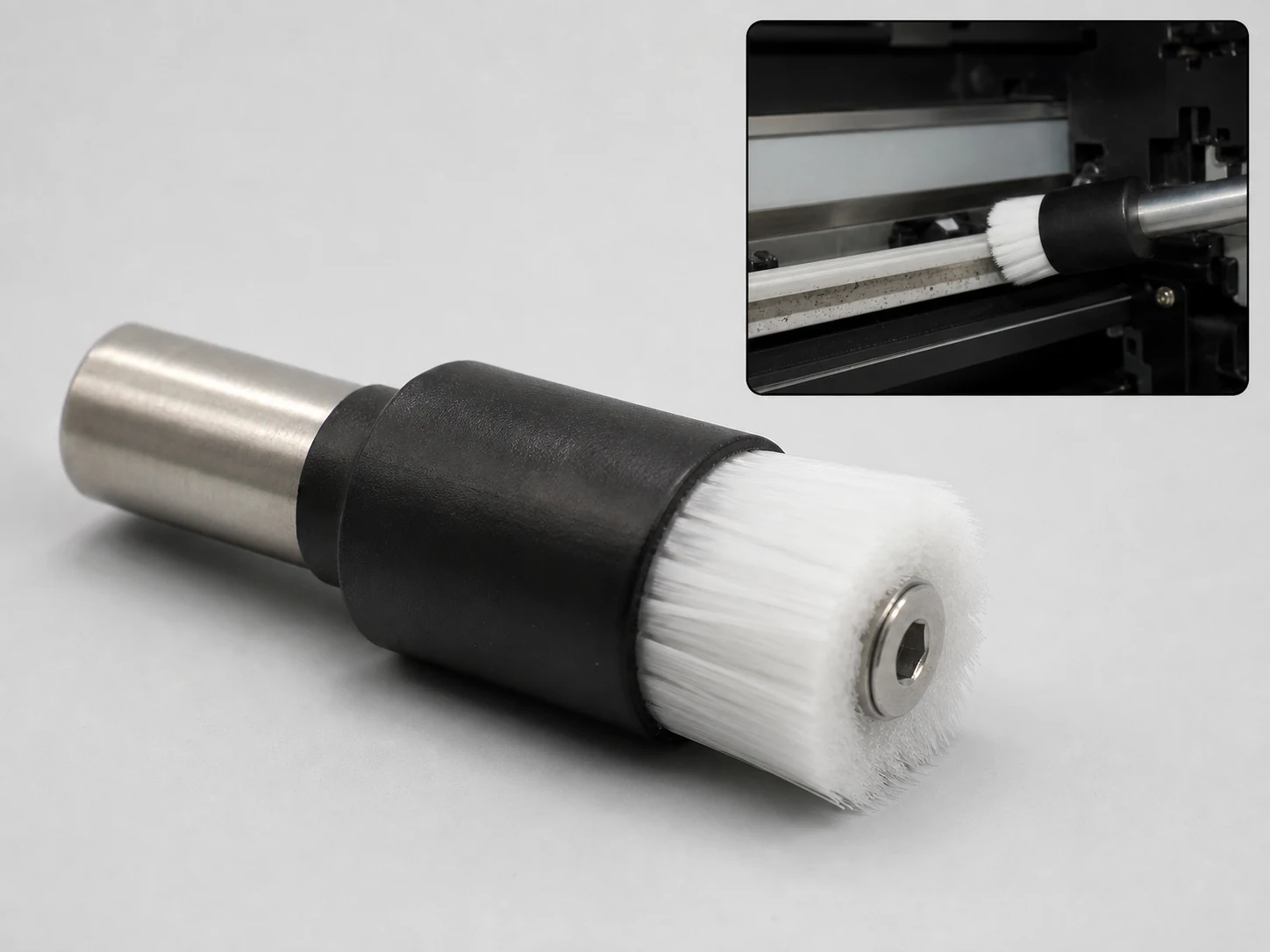
Custom End Brushes
Choose an end brush when concentrated rotating or reciprocating tip contact is needed inside…
See how this type is built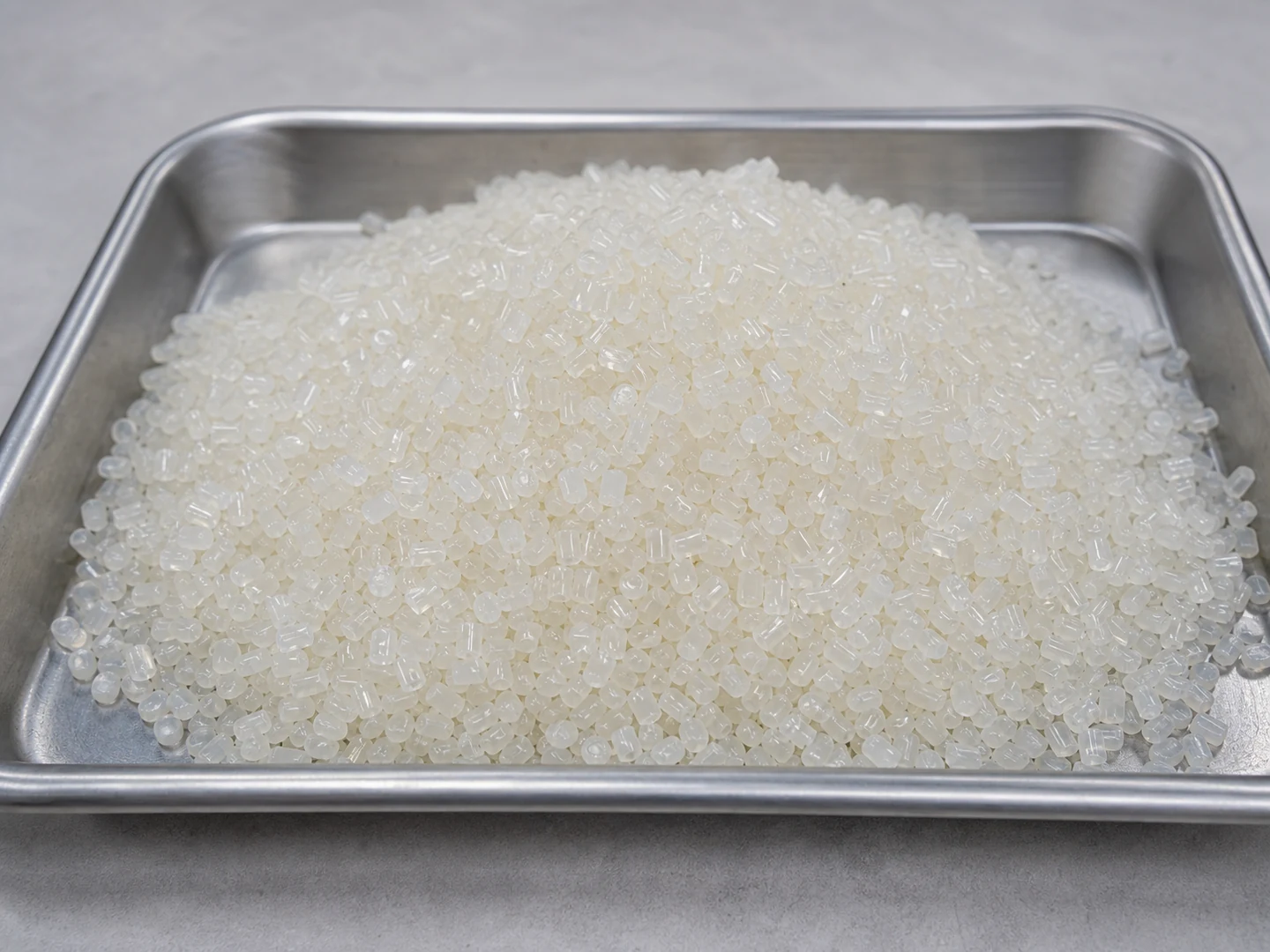
Nylon PA
Choose Nylon PA based on its stiffness, recovery, wear, wet-service, chemical, and temperature behavior.
Compare this material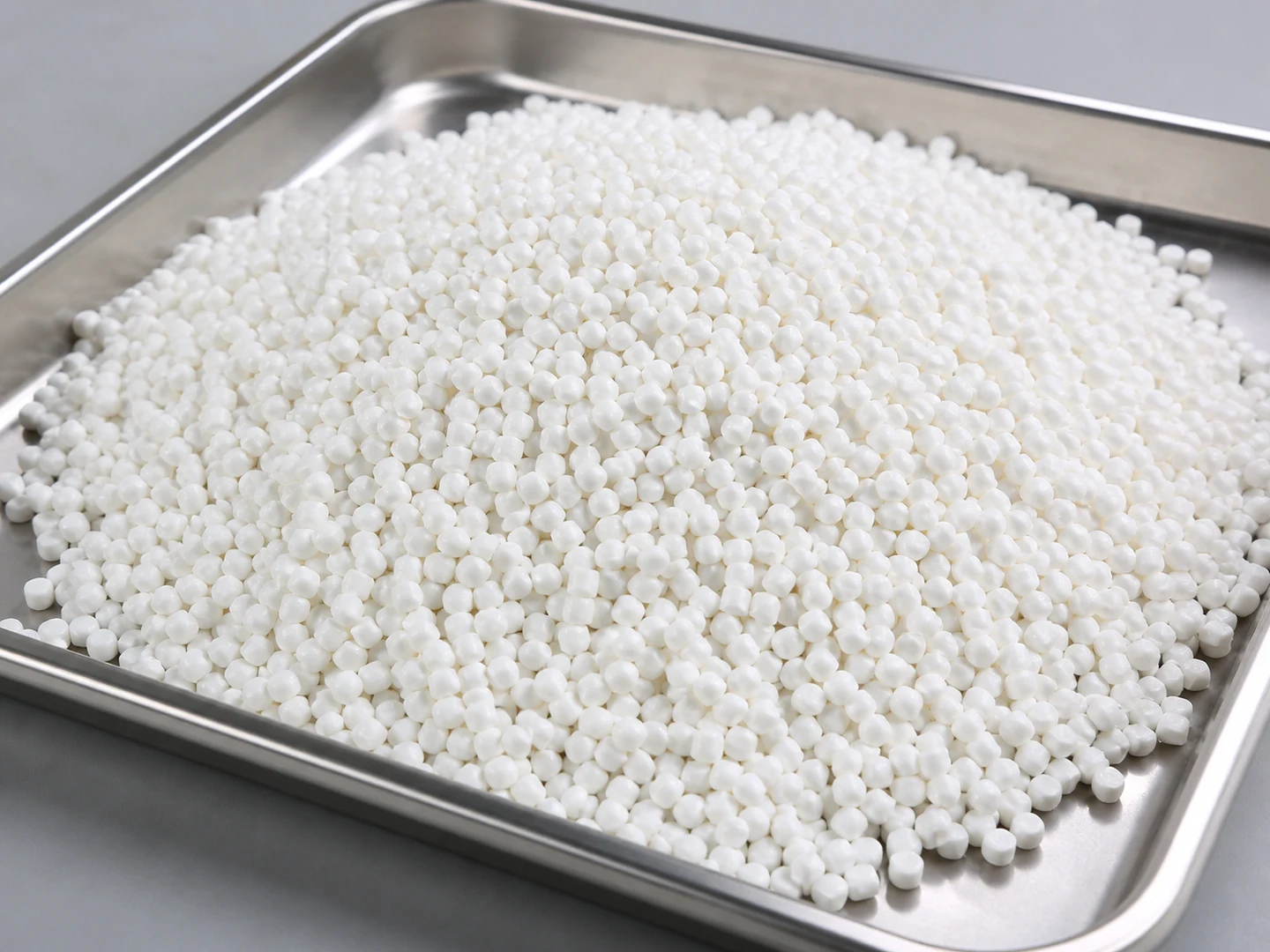
PBT
Choose PBT based on its stiffness, recovery, wear, wet-service, chemical, and temperature behavior. Do…
Compare this materialCustom Manufacturing RFQ
Discuss This Application
Share the working surface, residue, dimensions, material direction, interface, quantity and drawing or sample photo.
Custom Brush RFQ
Request a Custom Cleaning Brush Quote
Upload a drawing, product photo, or sample photo and provide the core dimensions and cleaning conditions.
“We need a brush to remove wet residue from a stainless steel conveyor, about 800mm wide. The current brush wears quickly. We can send photos.”
“We sell drinkware and need a cleaning brush to include with the product. Quantity around 5,000 pieces.”