
Custom Cleaning Brush
Tube Cleaning Brush
Order custom tube cleaning brushes with nylon, PBT, stainless steel, or brass wire fill. Diameters 3.2–50.8 mm, flexible stems, power-tool ends.
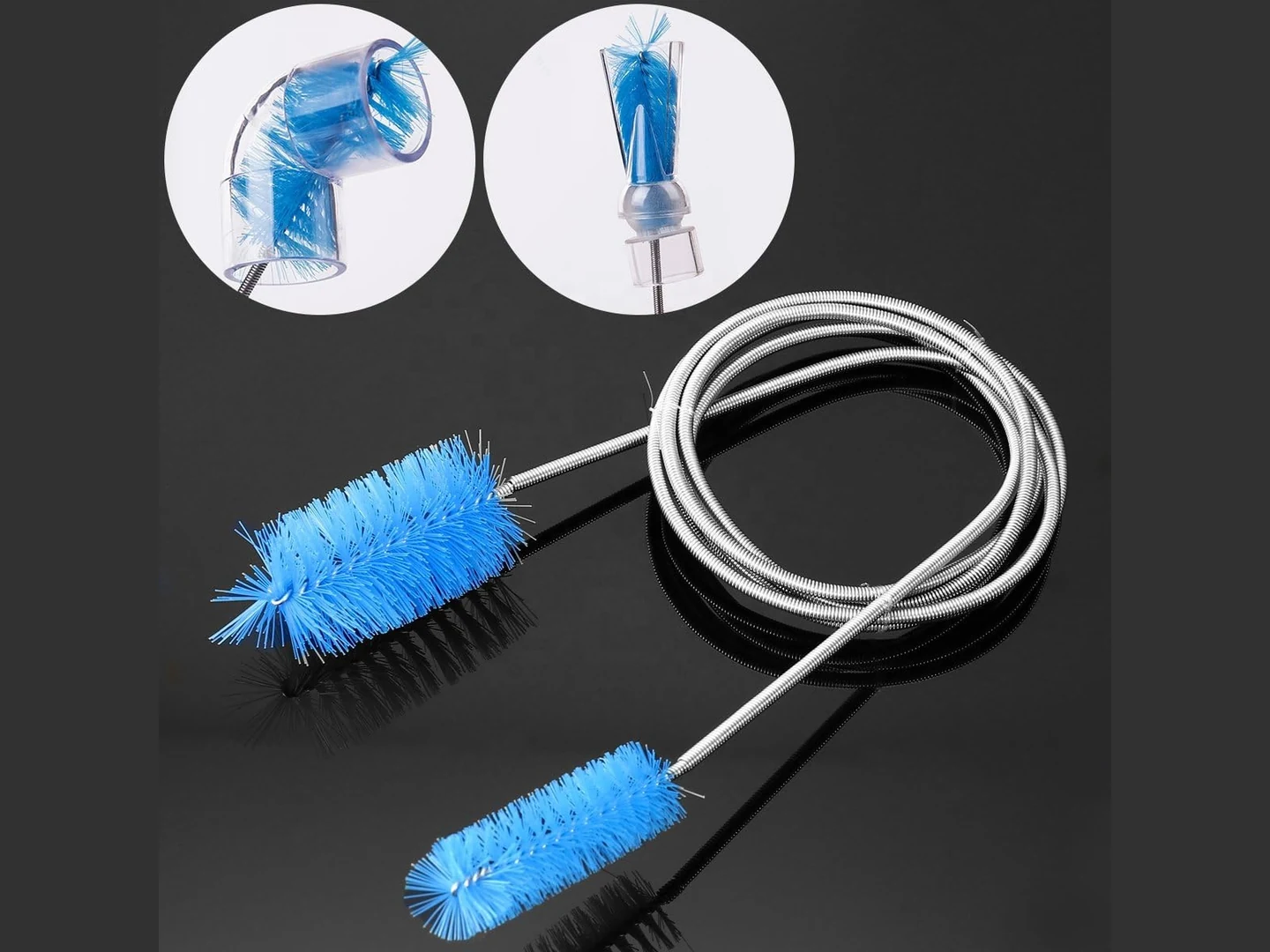
Small brush
500 pcs
Minimum order
Held in one hand: tube, bottle, detail and swab brushes — including long-handled ones with a small head.
Production lead time, once the specification is confirmed
- Up to 500 pcsWithin 7 days
- 501–50,000 pcsWithin 14 days
- Over 50,000 pcsWithin 21 days
Peak season can extend these times; the shipping date is confirmed in writing with your quotation. Sampling and shipping are quoted separately.
A tube cleaning brush reaches inside bores, tubes, ports, and piping to remove scale, rust, chips, oil, coolant, powder, and biological residue without dismantling the assembly. Choose the fill, diameter, and stem configuration to match the tube ID and the deposit you need to remove.
What can this brush do for you?
Reach Full-Depth Contact in Bores and Tubes
A radial-fill brush section centered on a stem contacts the entire inner circumference of the tube in one rotation. Unlike a swab or cloth, the fill returns to the wall after passing an obstruction, so a threaded end, seam, or slight ID variation does not leave a dead zone.
Match the Filament to the Job, Not to the Guess
Nylon and PBT filament remove oil films, coolant residue, powder, and biological buildup without metal contamination. Brass wire takes off light rust and scale on ferrous and non-ferrous tubes without sparking. Stainless steel wire attacks heavier corrosion and carbon deposits in steel and stainless tubes. Abrasive nylon adds grit for deburring and surface prep.
Clean Curved and Offset Passages Without Kinking
Flexible stem constructions—wire-wound or polymer—follow tube bends while the fill section stays centered. That lets one operator clean heat exchanger U-bends, hydraulic ports, and formed tubing without withdrawing and re-orienting a rigid rod.
Drive Small Bores by Hand or by Power
Threaded, loop, and ring ends work with manual handles, while plain or hex shanks chuck into drills and rotary tools. The brush section diameter can be as small as 3.2 mm, so condensate lines, pilot passages, and small fittings get the same mechanical cleaning as larger tube IDs.
Use the Same Tool for Wipe-Down and Scrub-Up
Near-size diameter gives low-force wiping for light film and final cleaning. A 5–20% oversize on flexible polymer fill increases wall pressure for real scrubbing. Wire fill runs at lower interference to protect the core and reduce torque build-up.
What is a Tube Cleaning Brush?
A tube cleaning brush is a cylindrical brush built on a central stem or twisted-wire core, with radial filament fill sized to the internal diameter of a tube, pipe, bore, or port. It is inserted into the passage and rotated or stroked so the fill scrubs the full inner wall. The stem carries the load, keeps the fill centered, and transfers rotation or reciprocation from the operator or a power tool.
Most tube cleaning brushes are built in one of two ways. Single-stem and double-stem designs anchor one or two rows of filament into a straight or flexible shaft, giving a compact brush section that reaches deep IDs while leaving clearance for debris movement. Twisted-wire construction uses a spiral wire core with filament captured between the twists; this is the most common form for barrel brushes and aggressive wire brushing. Threaded, loop, ring, and plain-end interfaces connect the brush to a handle or drill.
The brush does its work through contact pressure and relative motion. For straight tubes, a rigid or semi-rigid stem gives the operator control over depth and feed rate. For curved tubes, a flexible stem follows the bend while the fill stays mechanically centered. In either case, the fill material—not just the diameter—determines what the brush removes. Nylon and PBT wipe and scrub; wire scrapes and cuts; abrasive nylon grinds lightly.
This is a maintenance and preparation tool, not a replacement for chemical descaling, high-pressure jetting, or honing. It excels at removing attached deposits and deburring small internal edges when the residue is accessible to the fill.
Technical Specifications
| Parameter | Standard Range / Options |
|---|---|
| Brush diameter | 3.2–50.8 mm (custom diameters available outside this range) |
| Brush section length | 25–127 mm, selected to cover the required contact zone |
| Overall length | 152–406 mm, matched to tube depth and handle or chuck access |
| Filament diameter | 0.08–0.25 mm for nylon/PBT; wire diameters selected by wire gauge |
| Stem style | Single stem, double stem, threaded, loop, ring, or flexible extension |
| Fill material | Nylon (PA), PBT, brass wire, stainless steel 316 wire, carbon steel wire, abrasive nylon (impregnated with aluminum oxide or silicon carbide) |
| Core material | Twisted galvanized steel wire, twisted stainless steel wire, straight steel/stainless stem, or polymer core for non-metallic applications |
| End / interface | Plain shaft, hex shank, threaded end, loop, ring, or T-handle holder |
| Recommended interference | Near-size for wiping and light film removal; 5–20% oversize on flexible polymer fill for scrubbing; lower interference (near-size to +5%) for wire fill to protect the core and control torque |
| Brush type | Custom Tube & Pipe Bore Brushes |
| How it is driven | Hand-guided |
| Cleaning target | heat exchanger and condenser, boiler tube, and hydraulic cylinder and valve body cleaning |
| Surface or part | tubes, bores, ports, passages, walls, bends, pipes, and tube walls |
| Residue or debris | scale, rust, oil, powder, chips, carbon, coolant, and corrosion |
| Mounting / connection | Plain shaft, hex shank, threaded end, loop, ring, or T-handle holder |
All dimensions above can be adjusted to the tube, port, or fitting being cleaned. When the tube has reducer sections, specify the minimum ID so the brush passes the narrow point while still contacting the main bore.
Where does this brush work best?
- Heat exchangers and condensers: Remove light scale, rust, and sludge from copper, stainless steel, and titanium tubes between chemical cleanings. Flexible stems follow U-bend sections; wire fill handles tube-side fouling.
- Boiler tubes: Clear soot, carbon, and scale from firetube and watertube boilers as part of annual inspection and retubing prep. Boiler tube cleaning brushes with stainless steel or brass wire remove deposits without gouging tube walls.
- Hydraulic cylinders and valve bodies: Remove chips, honing sludge, and light corrosion from bores, ports, and cross-drilled passages before assembly or seal replacement.
- Pipes and fittings: Deburr and clean internal surfaces after cutting, threading, or welding; remove cutting oil, filings, and protective coatings from threaded regions.
- Food, beverage, and pharmaceutical lines: Clean product-contact tubes, fill ports, and sight gauges where powder, biofilm, and protein residue must be removed. Nylon or PBT fill works with most cleaning agents; specify material grade for washdown and hygiene requirements.
- HVAC/R and water systems: Clear clogged condensate drain lines, small copper and plastic tubing, and heat pump water passages. Small-diameter brushes reach where flat tools cannot.
- Precision bores and firearms: Clean barrel chambers, gas ports, and internal channels with exact-size nylon or wire brushes. Near-size fill minimizes bore wear.
How do I choose the right one?
- Measure the internal diameter and the narrowest restriction. Use a bore gauge or pin gauge. The brush must pass the tightest section without binding, then still contact the main ID. For scrubbing, size the brush diameter 5–20% over the nominal ID if using nylon or PBT; for wire fill, stay near-size or up to about 5% over to prevent excessive torque and core fatigue.
- Match the fill to the deposit and the tube material. Nylon or PBT for oil, coolant, powder, biological film, and light dust; brass wire for light rust or scale on steel tubes and for non-sparking cleaning near flammable residue; stainless steel wire for heavier rust, scale, and carbon in steel or stainless tubes; abrasive nylon for deburring and removing stubborn deposits from ferrous tubes. Avoid stainless steel wire on copper, aluminum, or soft alloys because it will score the surface; use brass or nylon there.
- Consider the tube path. Straight tubes accept rigid or semi-rigid stems. Curved tubes, U-bends, and offset ports need a flexible extension that follows the bend without kinking the core. Double-stem or twisted-wire flexible constructions keep the brush section centered in the bend.
- Define the drive method. For hand use, select a loop, ring, or T-handle end that gives comfortable rotation. For power cleaning, choose a plain shank or hex end that fits a drill chuck; keep the speed low and use wire fill with near-size interference to control torque. Threaded ends allow extension rods for long tubes or air tools.
- Check the operating environment. If cleaning agents, water, or steam contact the brush, select stainless steel wire and a stainless or polymer core; nylon absorbs moisture and may swell, so PBT is preferred in wet or chemical lines. High temperatures call for wire fill or heat-stabilized polymer.
When a tube brush is not the right tool: For hardened scale, carbonized deposits, or severe corrosion, start with chemical cleaning or high-pressure water jetting, then use the brush for final surface preparation. If the tube is extremely long and the brush cannot reach the full depth, use a flexible shaft-driven brush or a powered rotary cleaner. If the ID has a non-circular cross-section or internal features like keys or splines, a twisted-in-wire brush may not conform; a custom brush with shaped filament or a flap brush may be more suitable.
Can I customize this brush?
Yes. Tube cleaning brushes are built to the tube, not sold only in fixed catalog sizes. To configure the brush, provide the nominal tube ID, the narrowest restriction, the tube length, any bends and bend radius, the residue type, the tube material, the drive method, and any chemical or temperature exposure. A drawing or sample tube speeds the process.
Adjustable dimensions and features include:
- Brush diameter — any size from 3.2 mm upward, matched to the ID with the interference you specify.
- Brush section length — short sections for ports and fittings, long sections for full-length tube scrubbing.
- Overall length and stem length — set to reach the deepest cleaning zone while leaving enough shaft for the handle or chuck.
- Stem and core — single stem, double stem, twisted wire (galvanized, stainless, or polymer), flexible wire-wound extension, or rigid shaft.
- Fill material and density — nylon (PA6, PA6.6, PA612), PBT, brass wire, 316 stainless steel wire, carbon steel wire, or abrasive nylon. Single-spiral, double-spiral, or full-fill density for different scrubbing aggressiveness.
- Filament diameter — finer filament for light wiping and sensitive bores; heavier filament for aggressive scrubbing and longer wear.
- End configuration — plain, hex shank, threaded stud, loop, ring, eyelet, or T-handle. Custom adapters are possible for existing equipment.
- Color and marking — colored fill for size coding, colored stem for identification, or branded packaging.
- Packaging — bulk cartons, individual sleeves, tube brush kits, or project-specific packing lists.
If your project requires material certifications, traceability, inspection, or third-party testing reports, we can support those requirements during the customization process. The brush is built to your drawing and your acceptance criteria.
Which filament survives the cleaning and still lasts on a tube cleaning brush?
How do I keep a flexible tube brush from jamming in a curved tube?
Keep the brush diameter near the minimum ID of the bend and avoid forcing the fill through a radius tighter than the stem’s bend limit. Pull the brush through rather than pushing when possible, and if it binds, reduce the interference or switch to a double-spiral fill that sheds debris more easily.
What rotational speed should I use with a powered tube cleaning brush?
Stay below 1,500 RPM for nylon and PBT fill and below 800 RPM for wire fill unless the tube ID is above 25 mm and the core is heavy gauge. Higher speeds generate excess heat and can fatigue the wire core or melt polymer filament at the wall contact.
Can I use a stainless steel wire tube brush on copper or aluminum tubes?
No. Stainless steel wire is harder than copper and aluminum and will score the tube wall. Use brass wire or nylon fill on non-ferrous metals. Stainless steel wire is appropriate for carbon steel and stainless steel tubes where heavier rust or scale must be removed.
How do I know when a tube brush is worn out?
Inspect the brush section after each use. For polymer fill, look for flattened, melted, or broken filament that no longer returns to length. For wire fill, check for broken wires, splayed tips, or a core that has unwound. Replace the brush when it no longer contacts the full ID with the original interference or when filament loss exceeds about 20% of the fill density.
How should I clean and store tube brushes between uses?
Rinse polymer fill with clean water or solvent to remove loosened debris, then let it dry completely before storing. Wire brushes should be air-dried and lightly oiled if they will be stored in a humid environment. Store brushes flat or hanging so the fill is not compressed or bent against a surface.
What should I check if the brush is not removing scale effectively?
First verify the fill material and filament diameter are aggressive enough for the deposit — nylon will not cut hard scale. Second, check the interference: if the brush is near-size on a tube with light wall contact, it will polish but not scrape. Increase the oversize on polymer fill or switch to wire. Also check for clogging: if debris packs between filament rows, switch to a double-spiral or lower-density fill that sheds material more freely.
Guides that go deeper on this
Aquarium Tube Brush Mistakes in Beverage Tubing
Read this guideGuideAquarium Tube Brush Mistakes in Curved Pipes
Read this guideGuideBiofilter Brush vs Filter Tube Brush: Where Each One Works Best
Read this guideGuideBoiler Tube Brush vs Standard Brushes on HVAC Coils
Read this guideGuideBoiler Tube Brush vs Standard Brushes: Heat Exchangers
Read this guideGuideBoiler Tube Brush vs Standard Brushes: Small Tube Bores
Read this guideGuideCannula and Endotracheal Tube Brushes: Protecting the Channel
Read this guideGuideColonoscope Tube Brush Mistakes in Reprocessing Rooms
Read this guideGuideColonoscope Tube Brush: Material and Size for Narrow Channels
Read this guideGuideColonoscope Tube Brush: What Decides Diameter and Length?
Read this guideGuideCondenser Tube Brush: Material and Size for Heat Exchangers
Read this guideGuideCondenser Tube Brush: Material and Size for Small Bores
Read this guide51 guides are indexed against this one. The rest are in the technical resources library.
RELATED BRUSH RESOURCES
Recommended Reading & Related Brush Resources
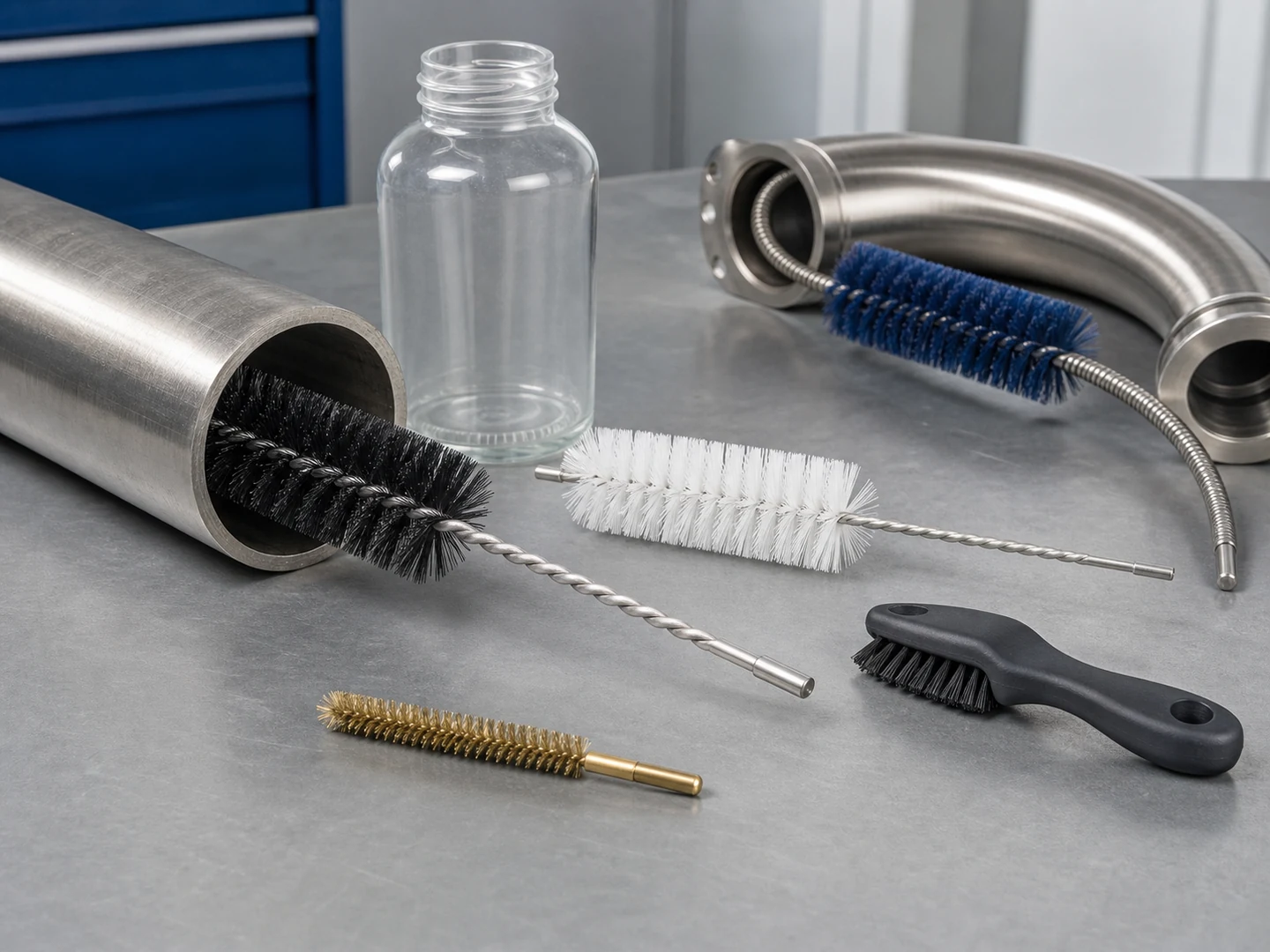
Custom Tube & Pipe Bore Brushes
Choose a tube, pipe, or bore brush when the working surface is inside a…
See how this type is built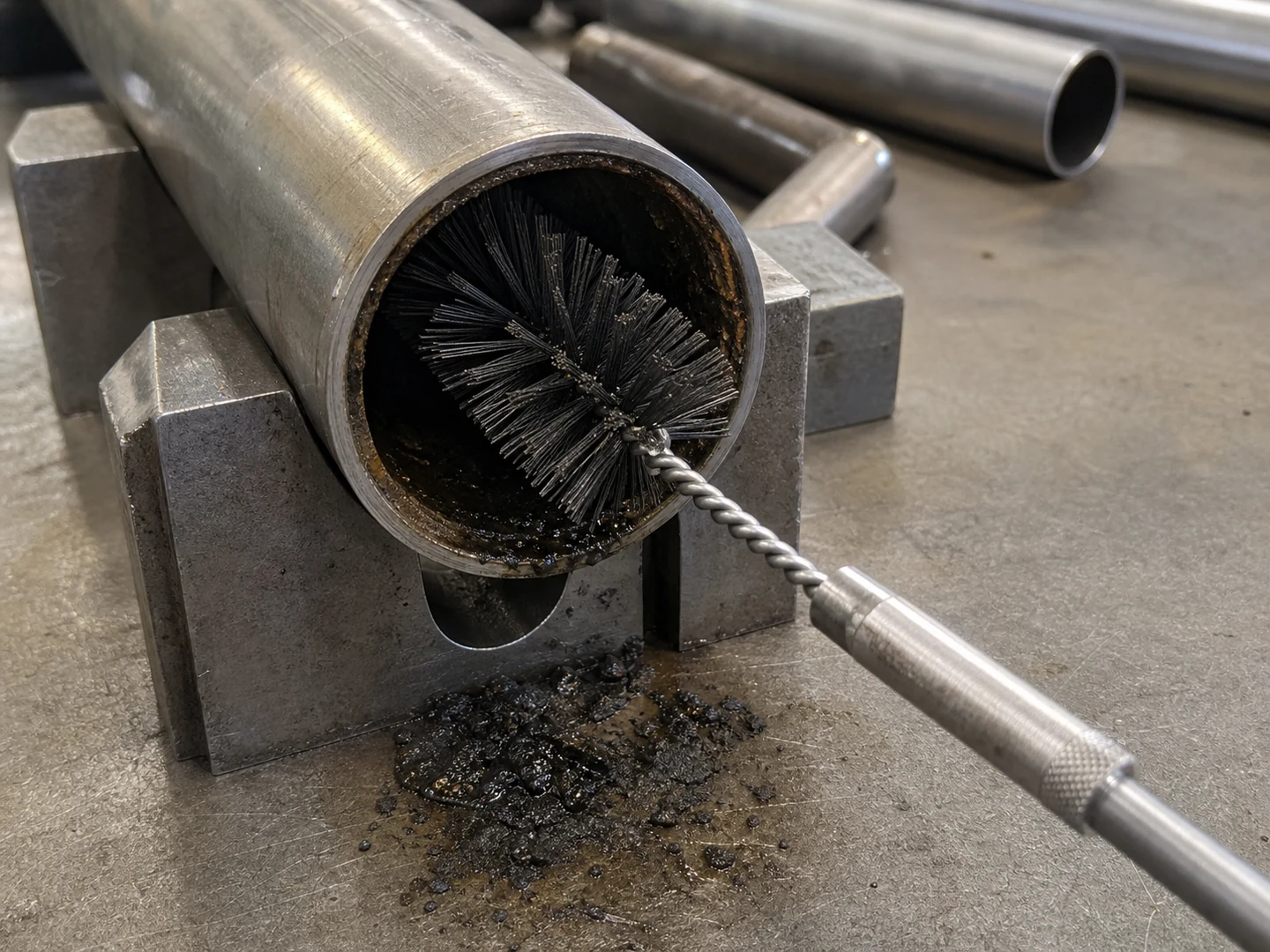
Tube & Pipe Cleaning
For Tube & Pipe Cleaning, the brush must reach the working area, disturb or…
See the cleaning job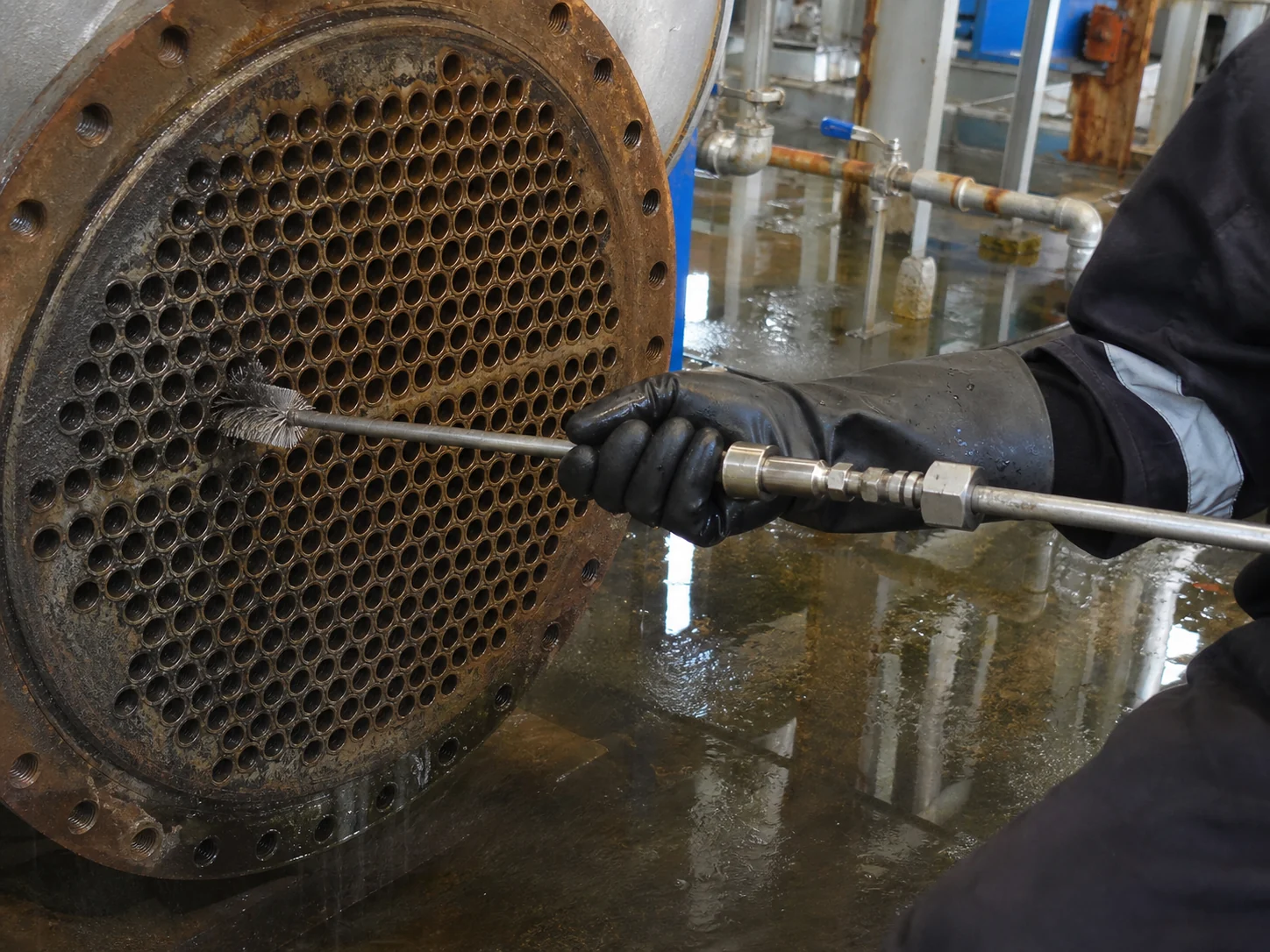
Heat Exchanger Tube Cleaning
For Heat Exchanger Tube Cleaning, the brush must reach the working area, disturb or…
See the cleaning job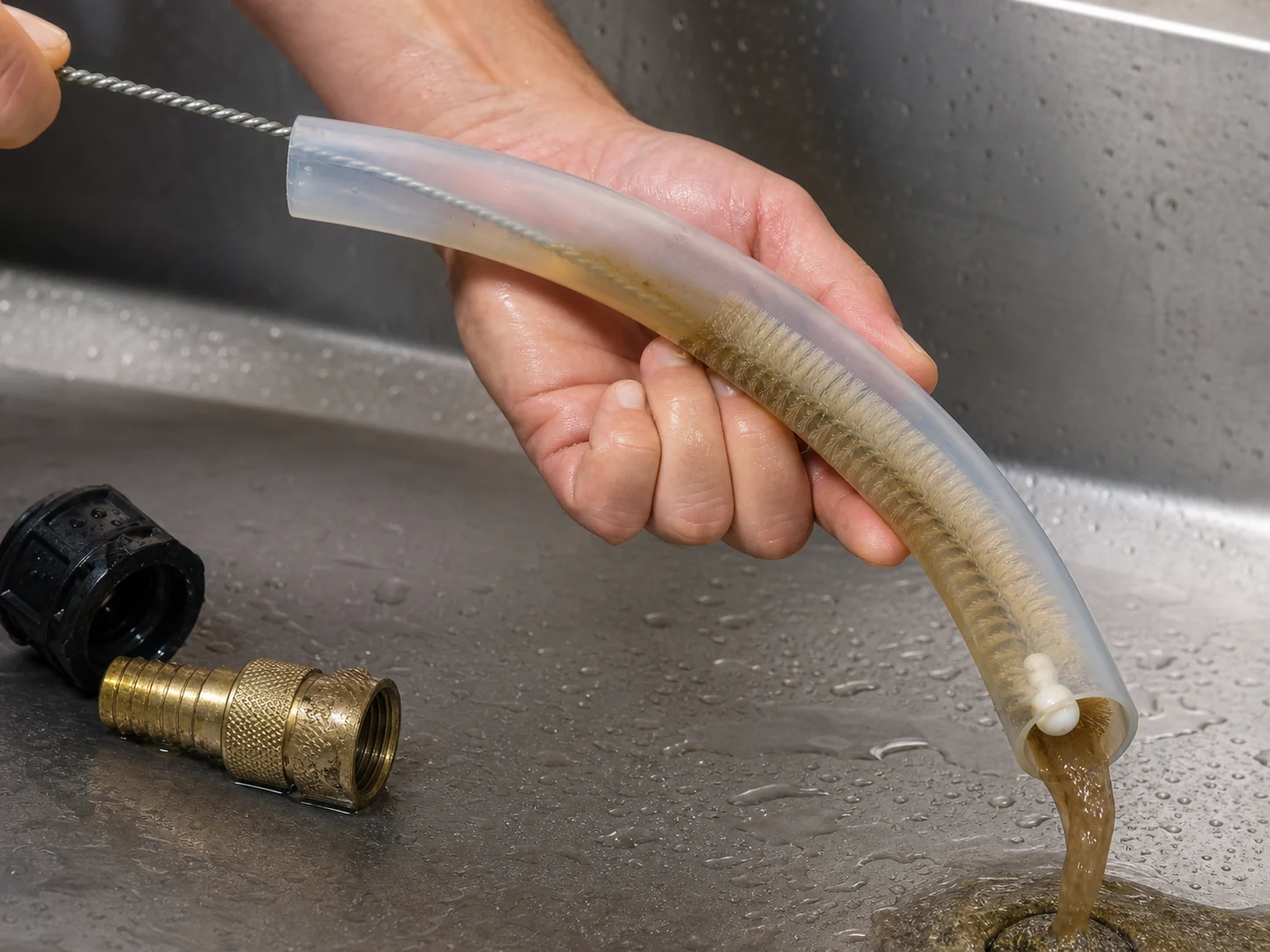
Hose Cleaning
For Hose Cleaning, the brush must reach the working area, disturb or collect oil…
See the cleaning job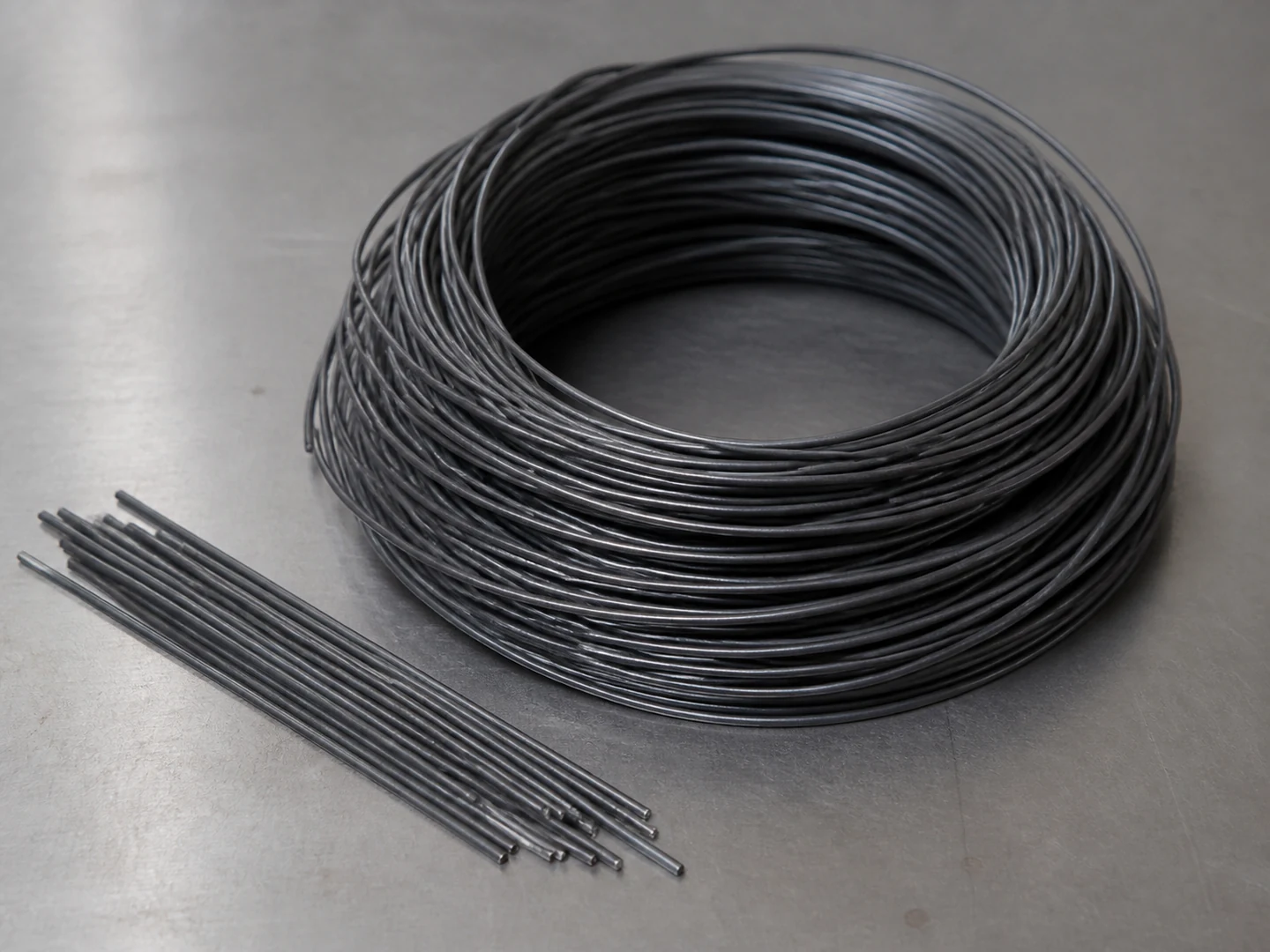
Carbon Steel Wire
Choose Carbon Steel Wire based on its stiffness, recovery, wear, wet-service, chemical, and temperature…
Compare this material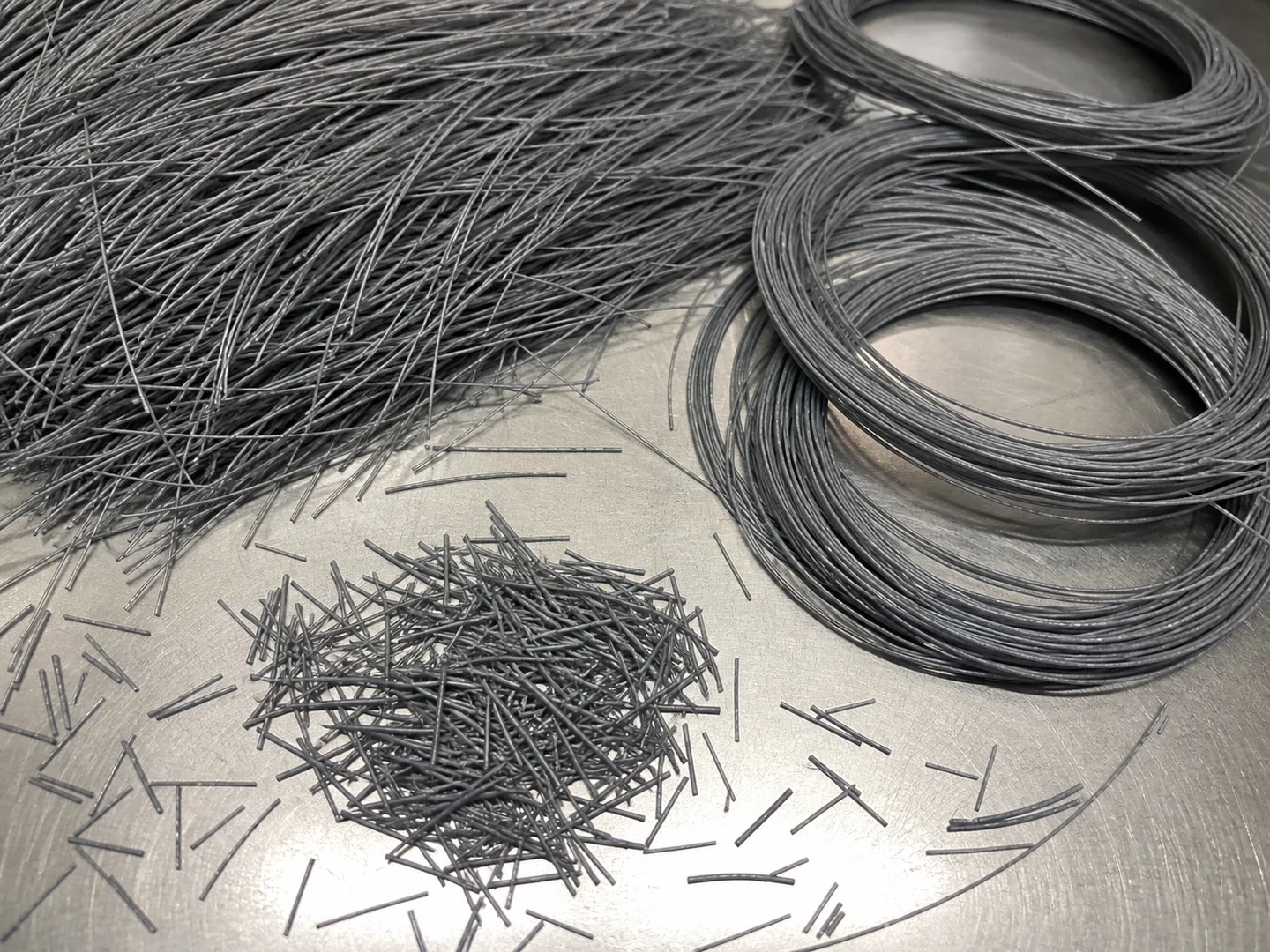
Abrasive Nylon
Choose Abrasive Nylon based on its stiffness, recovery, wear, wet-service, chemical, and temperature behavior.
Compare this material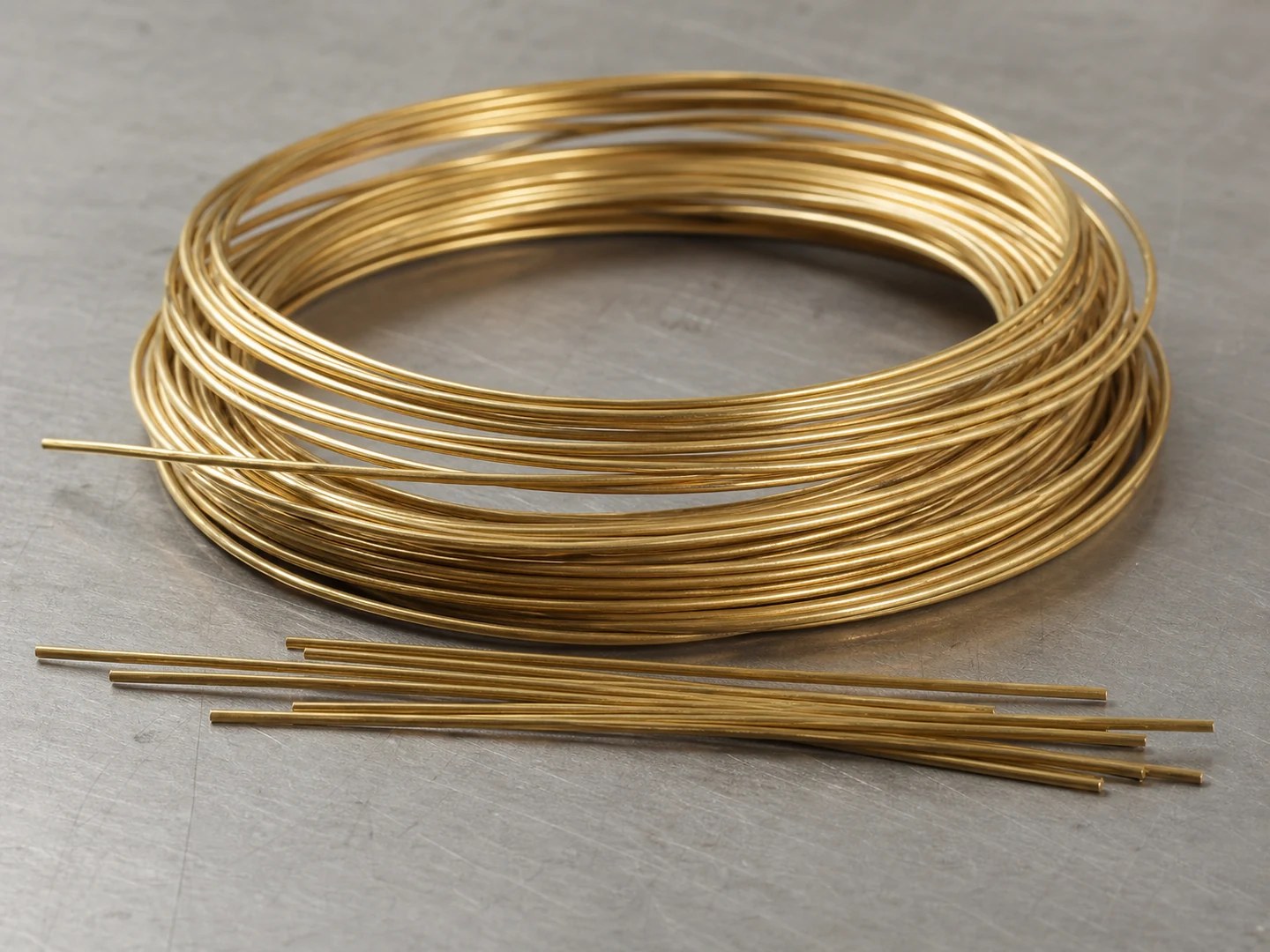
Brass Wire
Choose Brass Wire based on its stiffness, recovery, wear, wet-service, chemical, and temperature behavior.
Compare this material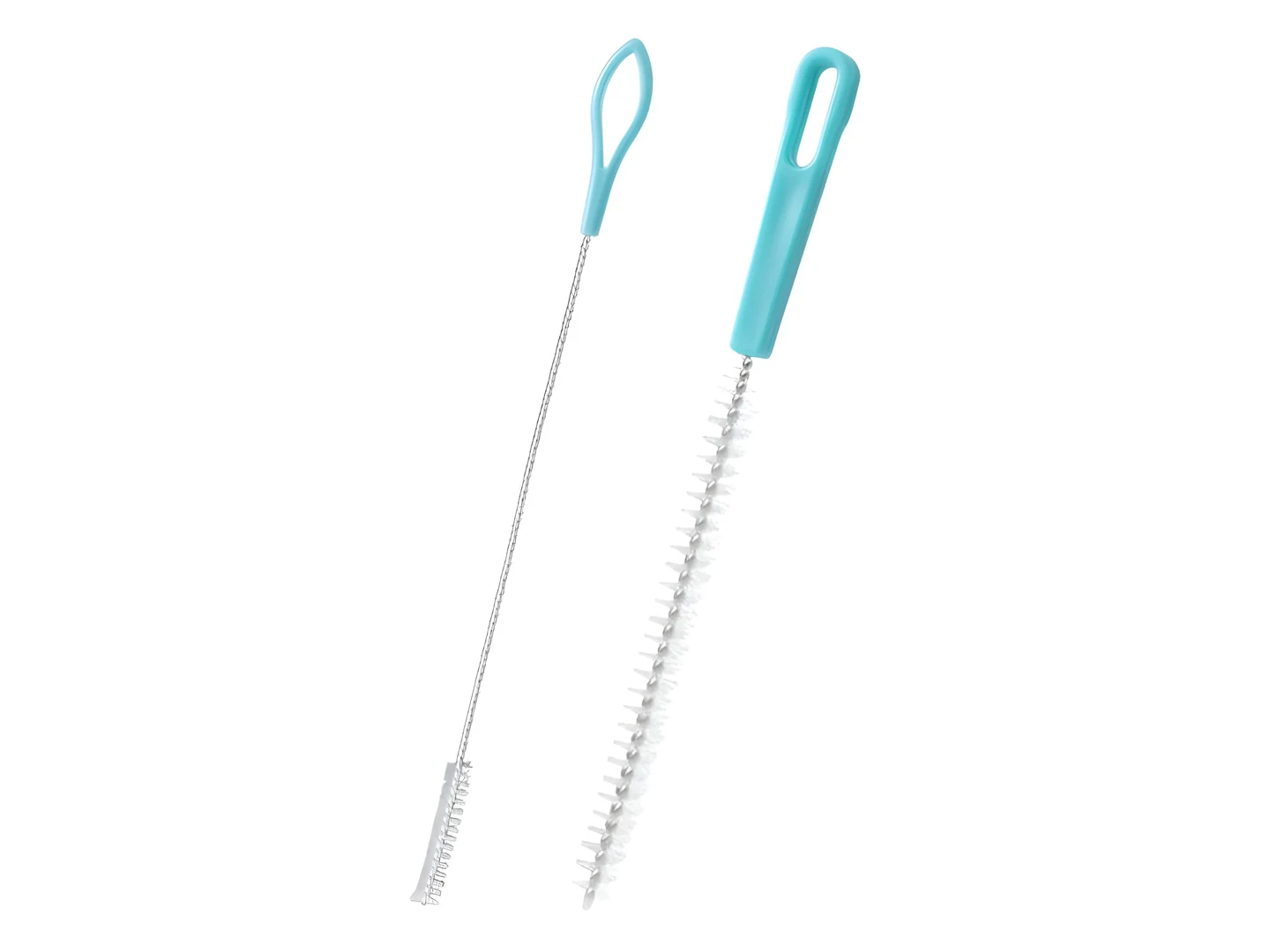
Pastry Tube Brush
Custom pastry tube brush for piping tips and nozzles. Food-contact PBT/nylon fill, stainless wire…
Compare the specificationCustom Manufacturing RFQ
Describe Your Application
Please share the brush dimensions, working area, residue type, material direction, quantity, and a drawing or photo for quotation.
Drawing or photo optional — it speeds things up, it does not gate the enquiry.
Custom Brush RFQ
Send Your Brush Project
Upload a drawing, product photo, or sample photo and provide the core dimensions and cleaning conditions.
“We need a brush to remove wet residue from a stainless steel conveyor, about 800mm wide. The current brush wears quickly. We can send photos.”
“We sell drinkware and need a cleaning brush to include with the product. Quantity around 5,000 pieces.”