
Custom Cleaning Brush
Automotive Detail Brush
Custom automotive detail brush with boar bristle, nylon PA, or microfiber fill for wheel faces, barrels, tires, chains, and tight body gaps.
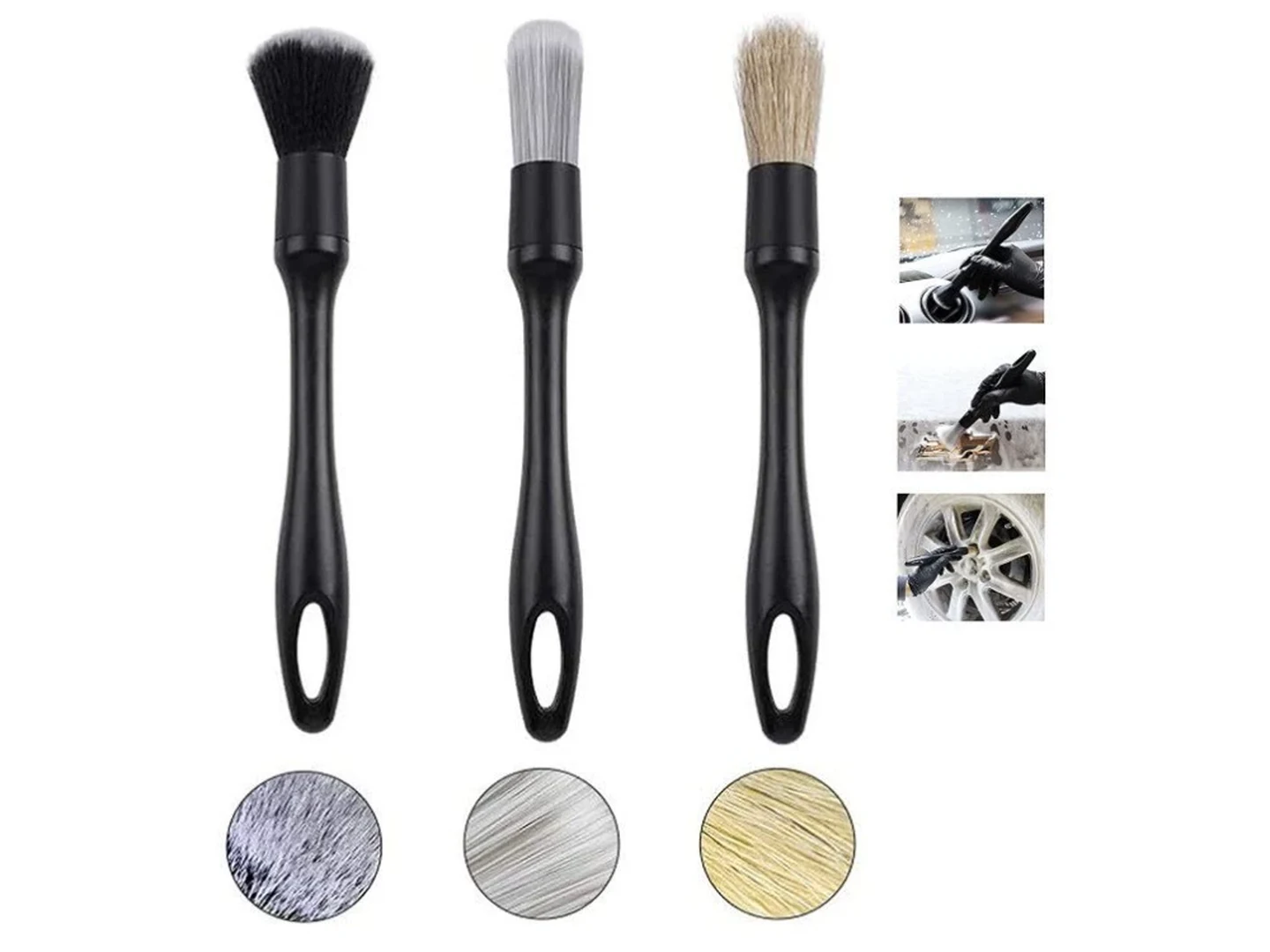
Small brush
500 pcs
Minimum order
Held in one hand: tube, bottle, detail and swab brushes — including long-handled ones with a small head.
Production lead time, once the specification is confirmed
- Up to 500 pcsWithin 7 days
- 501–50,000 pcsWithin 14 days
- Over 50,000 pcsWithin 21 days
Peak season can extend these times; the shipping date is confirmed in writing with your quotation. Sampling and shipping are quoted separately.
A hand-guided automotive detail brush built for wheel faces, rim barrels, spokes, tires, chains, and tight body gaps. Boar bristle, nylon PA, or microfiber fill lifts brake dust, road film, grease, and rubber bloom while keeping contact controlled on painted and coated surfaces.
What can this brush do for you?
Reaches brake dust in wheel faces and rim barrels
A slim head profile from 10 mm to 50 mm, a tapered or angled nose, and a long-reach ferrule let the brush enter spoke gaps, lug nut recesses, caliper windows, and the back surface of the barrel. As a detail wheel brush, it removes brake dust without requiring the wheel to be taken off for routine cleaning.
Lifts residue without dulling the finish
Natural boar bristle carries its own soft, naturally flagged tips, while fine nylon PA can be flagged or controlled by filament diameter between 0.10 and 0.50 mm. On clear-coated and painted rims, keeping deflection in the 1–5 mm range removes brake dust and road film without the scoring that stiff or contaminated bristles can leave behind.
One head platform, three contact behaviors
The same head and handle design can be filled to match the task: boar bristle for painted wheels, chrome, and body gaps; nylon PA for tire sidewalls, chains, and textured plastic; microfiber for final dusting or waterless-wash passes. A detail kit can share one ergonomic handle while each brush stays dedicated to its own surface.
Controls reach and pressure from outside the wheel well
Overall lengths from 180 mm to 450 mm keep the operator’s hand away from wet wheel wells and chain areas, and handle diameters of 15–35 mm with an optional soft-grip overmold stay controllable when hands are wet or soapy. Longer reach does not have to mean a looser grip.
What is an Automotive Detail Brush?
An Automotive Detail Brush is a hand-guided cleaning tool with a narrow loaded head and a dense fill of boar bristle, nylon PA, or microfiber. It is used in wheel, tire, chain, and body-gap detailing to agitate residue that a wash mitt, wheel woolie, or general-purpose brush cannot reach or should not touch.
During use, the operator works the brush with short linear and circular strokes while a wheel cleaner, car shampoo, or degreaser keeps the contact area wet. The bristles release brake dust, rubber bloom, dried tire dressing, chain lube, and road film so the chemical can suspend and carry them away. Pressure is controlled by watching filament deflection rather than bearing down with force.
Tires, chains, and wheels deposit embedded grit and solvents into a brush, so professional detailers assign separate brushes to wheels, tires, chains, and painted bodywork. The brush is also inspected between uses for trapped particles that could transfer to softer surfaces.
This is an agitation and detailing tool, not a wire brush or a replacement for chemical decontamination of bonded iron or rust scale.
Technical Specifications
The dimensions below are the production range for configured automotive detail brushes. We adjust length, head shape, fill, and handle to the customer’s vehicle or part.
| Parameter | Value / Options |
|---|---|
| Overall length | 180–450 mm, matched to required reach and control |
| Head width / diameter | 10–50 mm, selected for spoke gaps, vents, and panel seams |
| Working length | 30–250 mm, the filled section that enters the recess |
| Trim length | 15–60 mm, shorter for precise contact, longer for tire and chain scrubbing |
| Filament diameter | 0.10–0.50 mm; finer for painted surfaces, heavier for textured or metal-contact areas |
| Fill material | Boar bristle, nylon PA, or microfiber, selected by surface and residue |
| Head profile | Tapered, angled, curved, round detail tip, or flat fan |
| Handle diameter | 15–35 mm; optional soft-grip or TPR overmold |
| Handle material | PP, TPR-overmolded plastic, wood, or stainless steel |
| Ferrule / head base | PP, stainless steel, or corrosion-resistant plated steel |
| Operating exposure | Compatible with common shampoos, wheel cleaners, degreasers, and ambient-to-warm water; formula compatibility confirmed for the project |
| Brush type | Custom Handheld Detail Brushes |
| How it is driven | Hand-guided |
| Cleaning target | wheel face and rim barrel, tire sidewall and tread groove, and bicycle and motorcycle chain cleaning |
| Surface or part | chains, gaps, roads, spokes, rims, sidewalls, tire sidewalls, and grilles |
| Residue or debris | dust, brake dust, road film, rubber bloom, dressing, particles, grease, and metal particles |
| Mounting / connection | Fixed |
Use 1–5 mm of filament deflection on painted, clear-coated, or chrome surfaces, and 3–10 mm on tires, chains, and textured plastics.
Where does this brush work best?
- Wheel faces and rim barrels. A tapered head reaches behind spokes and around brake calipers, while flagged boar bristle lifts brake dust from clear-coated and painted rims. This is the core automotive wheel brush use.
- Tire sidewalls and tread grooves. Nylon PA with a medium-to-long trim breaks up mud, rubber bloom, and old tire dressing before the sidewall scrub.
- Bicycle and motorcycle chains, cassettes, sprockets, and derailleurs. Stiff nylon PA filaments remove chain lube, metal particles, and road grit from links; a narrow head works between chain and frame.
- Grilles, emblems, badges, window trim, panel gaps, and door jambs. Fine flagged filaments remove road film, dried wax, and dust without scratching painted or plated surfaces.
- Interior vents, seams, and upholstery crevices. With a dedicated soft fine-fill configuration, the same platform handles interior dust and debris when kept separate from wheel and chemical brushes.
How do I choose the right one?
Start with the narrowest opening
Measure the smallest spoke gap, lug recess, seam, or chain-to-frame clearance the brush must enter. The loaded head must pass through with light pressure and still contact the surface. A head 10–25 mm wide suits most wheel faces and chain work; wider heads cover tire sidewalls and large grille openings faster.
Match the fill to the surface and the residue
Boar bristle is the default for painted, clear-coated, chrome, and plated surfaces because the naturally flagged tips hold shampoo and release film gently. Nylon PA is better for tires, chains, and textured plastic where more backbone and chemical tolerance are needed. Microfiber fill is for final passes and dusting, not primary scrubbing. A simple rule: if the surface can scratch, start with boar or fine flagged nylon; if the residue demands pressure, move to nylon PA.
Set trim and filament diameter to the contact pressure
Shorter trim lengths give more precise control on badges and lug holes; longer trim wraps around spokes and reaches into barrel curvature. Filament diameter works with trim: 0.10–0.25 mm for soft painted contact, 0.30–0.50 mm for tire, chain, and plastic scrubbing. For painted surfaces keep deflection around 1–5 mm; tires, chains, and textured plastics can take 3–10 mm.
Choose head shape and reach for the access path
A tapered or angled head follows curved wheel faces and reaches the barrel back; a round detail tip enters lug holes and small vents; a flat fan covers tire sidewalls and grille openings. Overall length should keep the handle clear of the fender and chain while leaving enough leverage to control the head.
Handle and wet-grip matter
When the brush is used with wheel cleaners and degreasers, specify a textured or TPR-overmolded grip and a handle diameter that fits gloved hands. A hanging loop or flat side prevents the brush from rolling off the cart and keeps wet bristles off the floor.
When a different brush or method fits better
Use a wire brush for rust, weld spatter, or heavy corrosion, not this brush. For deep, caked-on iron contamination, let an iron-remover or wheel cleaner dwell first, then use the brush for agitation. For large flat body panels, a wash mitt or wide boar’s hair wash brush is more efficient. And if the brush has been used on tires, chains, or wheels, do not move it to painted panels without a thorough cleaning or a dedicated brush.
Can I customize this brush?
Yes. Automotive detail brushes are configured around the wheel style, gap widths, and cleaning chemicals in your process. To specify a build, we need the target part or vehicle, the narrowest access dimension, the surface material, the residue to remove, the chemicals and wash temperature in use, the preferred handle form, and any color-coding or packaging requirement. A photo or drawing of the wheel or area speeds up head-shape development.
- Head geometry — straight, angled, curved, tapered, round tip, fan, or multi-profile head; width, length, and working length adjusted to the access gap.
- Fill material and filament — boar bristle, nylon PA, or microfiber; filament diameter, trim length, density, flagged or straight tips, and fill color for dedicated-use coding.
- Handle — length, diameter, PP/TPR/wood/stainless construction, wet-grip overmold, hanging hole, ergonomic grooves, or custom shape.
- Ferrule and head base — material and corrosion-resistant finish for wet or solvent-based use.
- Color, marking, and packaging — custom handle and fill colors, pad printing, laser marking, branded retail card, polybag, bulk pack, or a pre-configured wheel/tire/detail kit.
If the project requires material documentation, inspection, or third-party testing for a specific market or customer specification, we can support those requirements during the customization process.
When does a worn an automotive detail brush stop being safe to use?
How do I know whether this brush is safe on painted or clear-coated wheels?
Use a boar-bristle or fine flagged nylon PA fill and keep filament deflection in the 1–5 mm range. Before full use, run the damp brush across an inconspicuous area; if the finish shows no marks and the tips spring back, the configuration is suitable. Never use a brush that has already been run across tires, chains, or heavily soiled metal.
Can this brush remove baked-on brake dust or rust by itself?
No. Bonded iron particles and rust require chemical decontamination and dwell time before brushing. The brush supplies mechanical agitation after the deposit has softened; it will not grind off rust or scale the way a wire brush would.
Should I use dedicated brushes for wheels, tires, and body panels?
Yes. Brake dust, chain lube, and road grit embed in the filament and can be transferred to softer surfaces. Dedicated, color-coded brushes keep contact zones separate and reduce scratching and warranty claims.
How do I clean and store the brush after detailing?
Rinse the brush under clean water, work the bristles with your fingers to release trapped particles, shake out excess water, and hang it bristle-down or store flat until dry. If the handle is wood, avoid soaking or leaving it in standing water.
How can I tell when the brush needs replacement?
Replace the brush when tips stay bent, filaments feel stiff or melted, trim height becomes uneven, bristles pull out, or the fill no longer springs back after deflection. A worn brush loses agitation and is more likely to streak or drag debris across the surface.
Is this brush suitable for engine bays and undercarriage cleaning?
It can be, but only with a configuration built for those areas. Engine bays need chemical-resistant nylon PA and a head shape that reaches around hoses and wiring. Heavy undercarriage mud and crusted deposits usually call for a stiffer brush or pressure washing first, with this brush reserved for accessible detail areas.
Guides that go deeper on this
We have not written a guide specific to this one yet. The material that covers selection, filament, dimensions, maintenance and sourcing is collected in the technical resources library.
RELATED BRUSH RESOURCES
Recommended Reading & Related Brush Resources
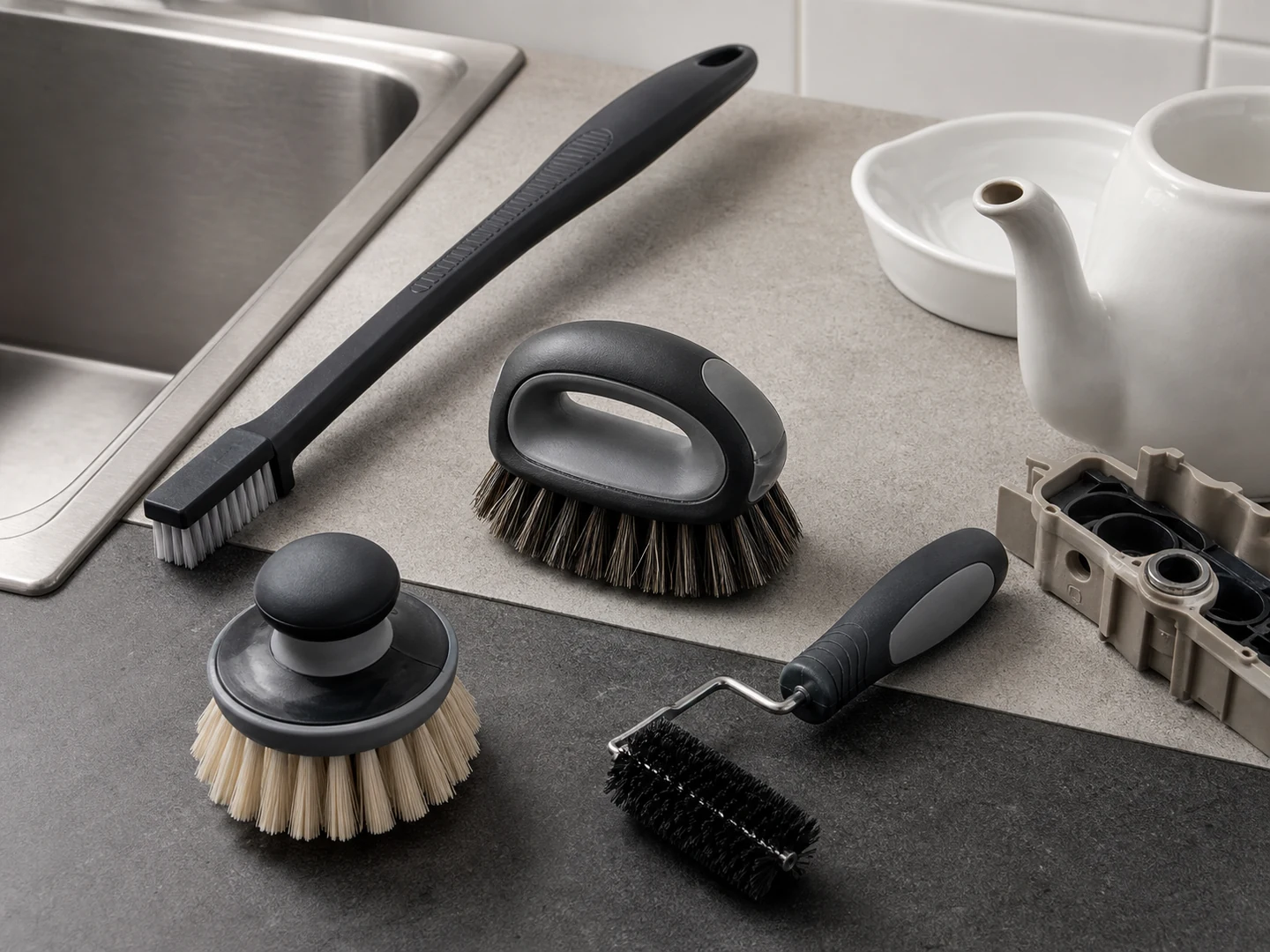
Custom Handheld Detail Brushes
Choose a handheld detail brush when you need direct control in seams, recesses, fittings,…
See how this type is built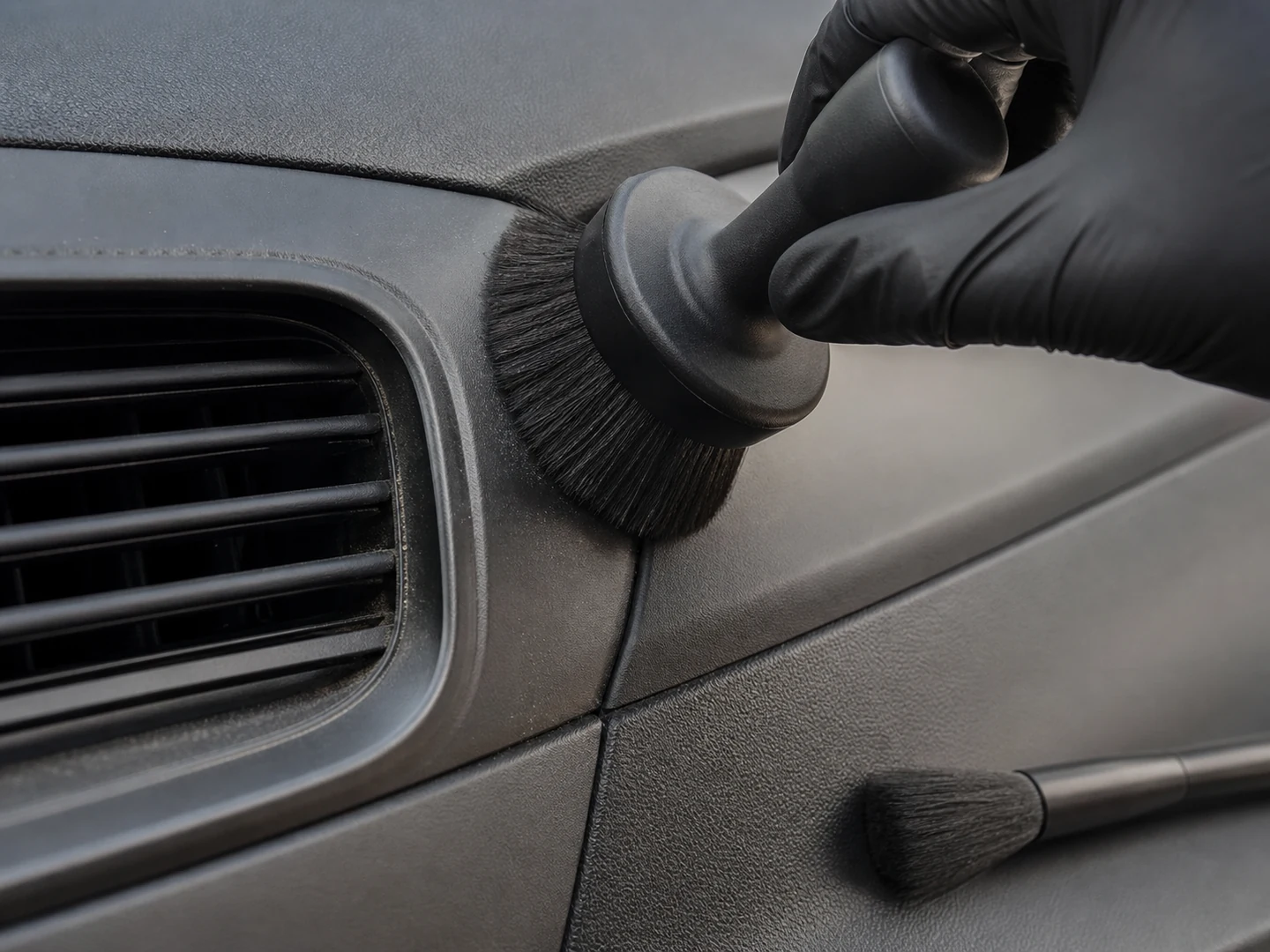
Automotive Detail Cleaning
For Automotive Detail Cleaning, the brush must reach the working area, disturb or collect…
See the cleaning job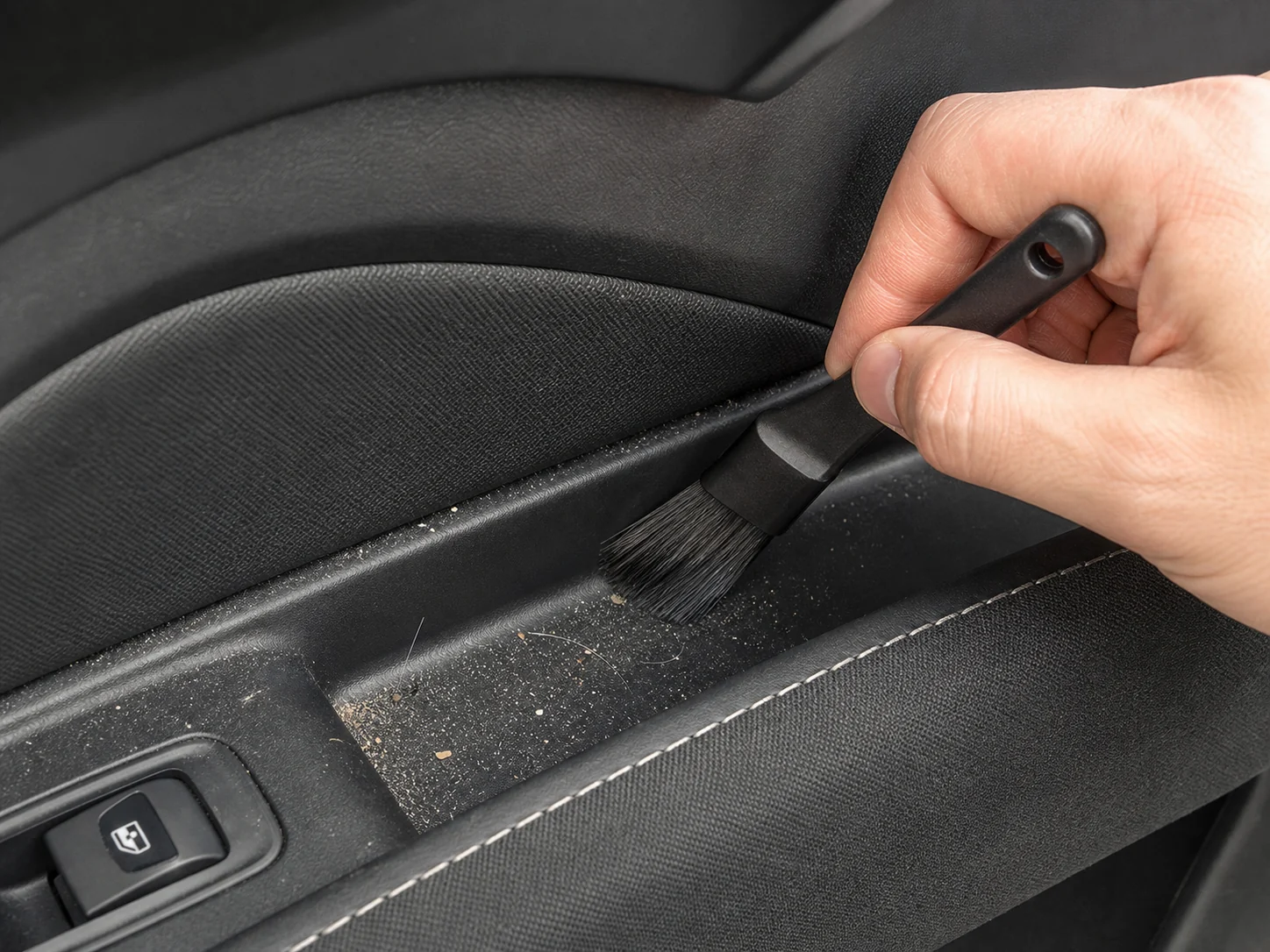
Automotive Interior Crevice Cleaning
For Automotive Interior Crevice Cleaning, the brush must reach the working area, disturb or…
See the cleaning job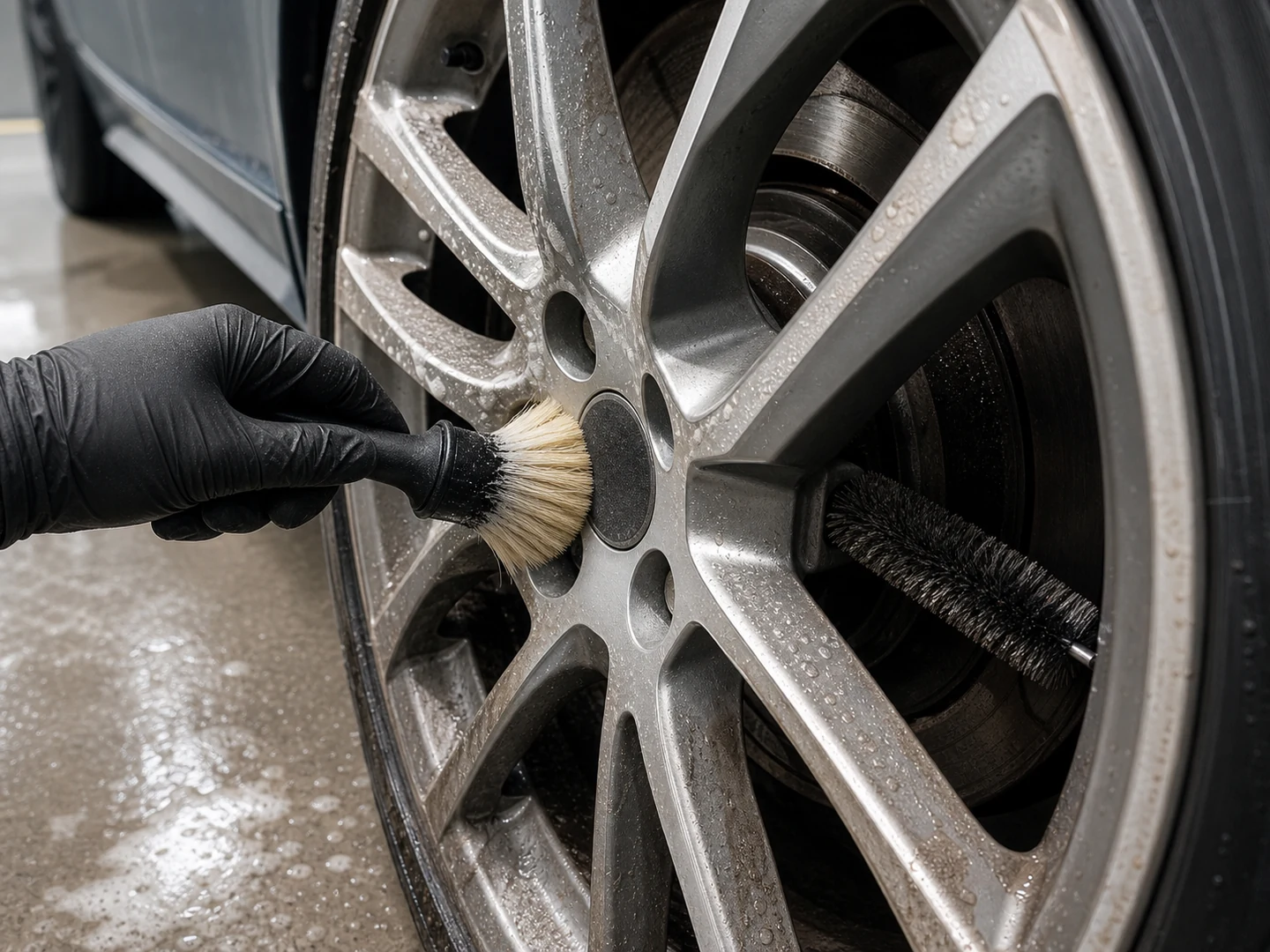
Wheel & Rim Cleaning
For Wheel & Rim Cleaning, the brush must reach the working area, disturb or…
See the cleaning job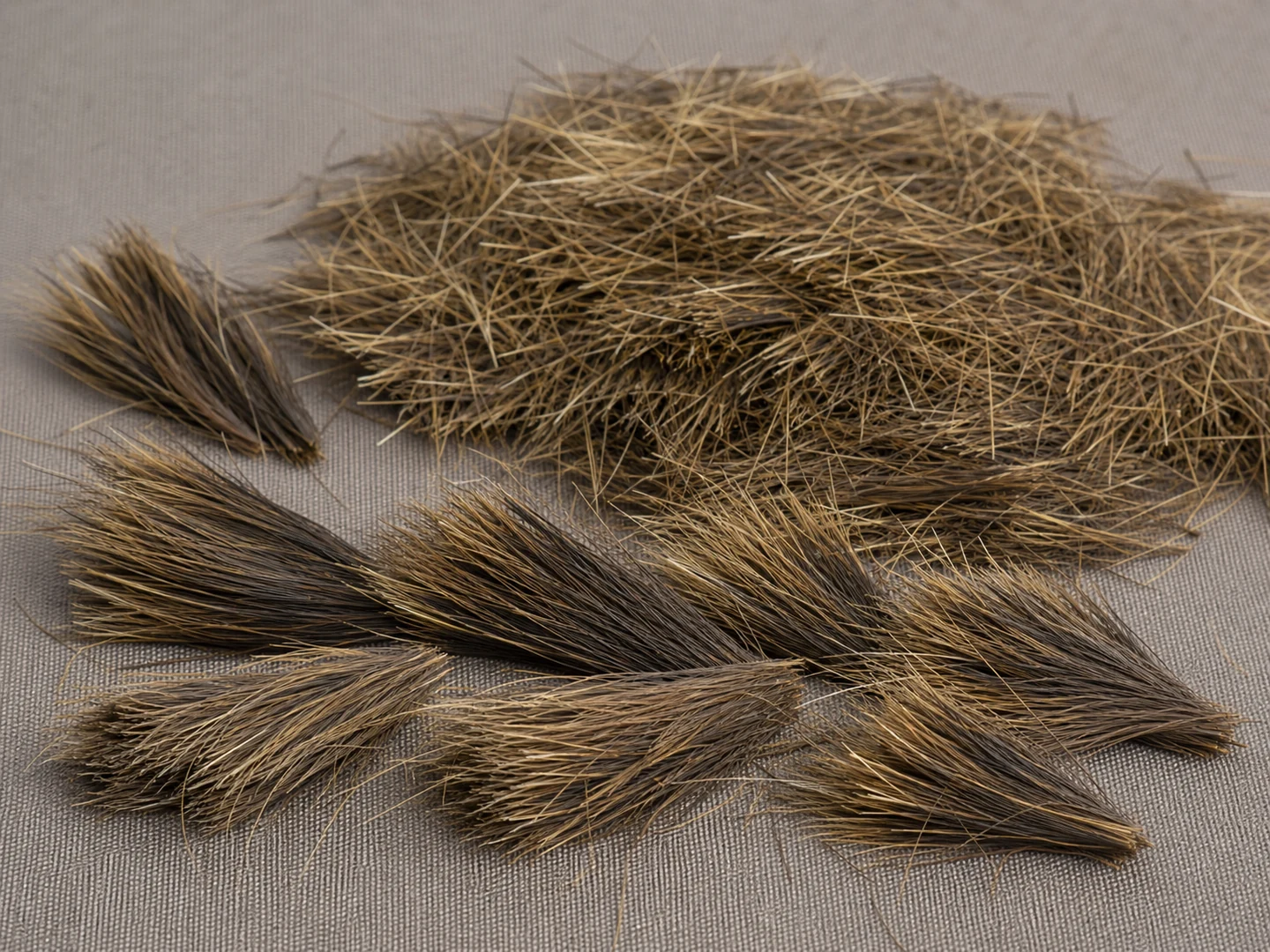
Boar Bristle
Choose Boar Bristle based on its stiffness, recovery, wear, wet-service, chemical, and temperature behavior.
Compare this material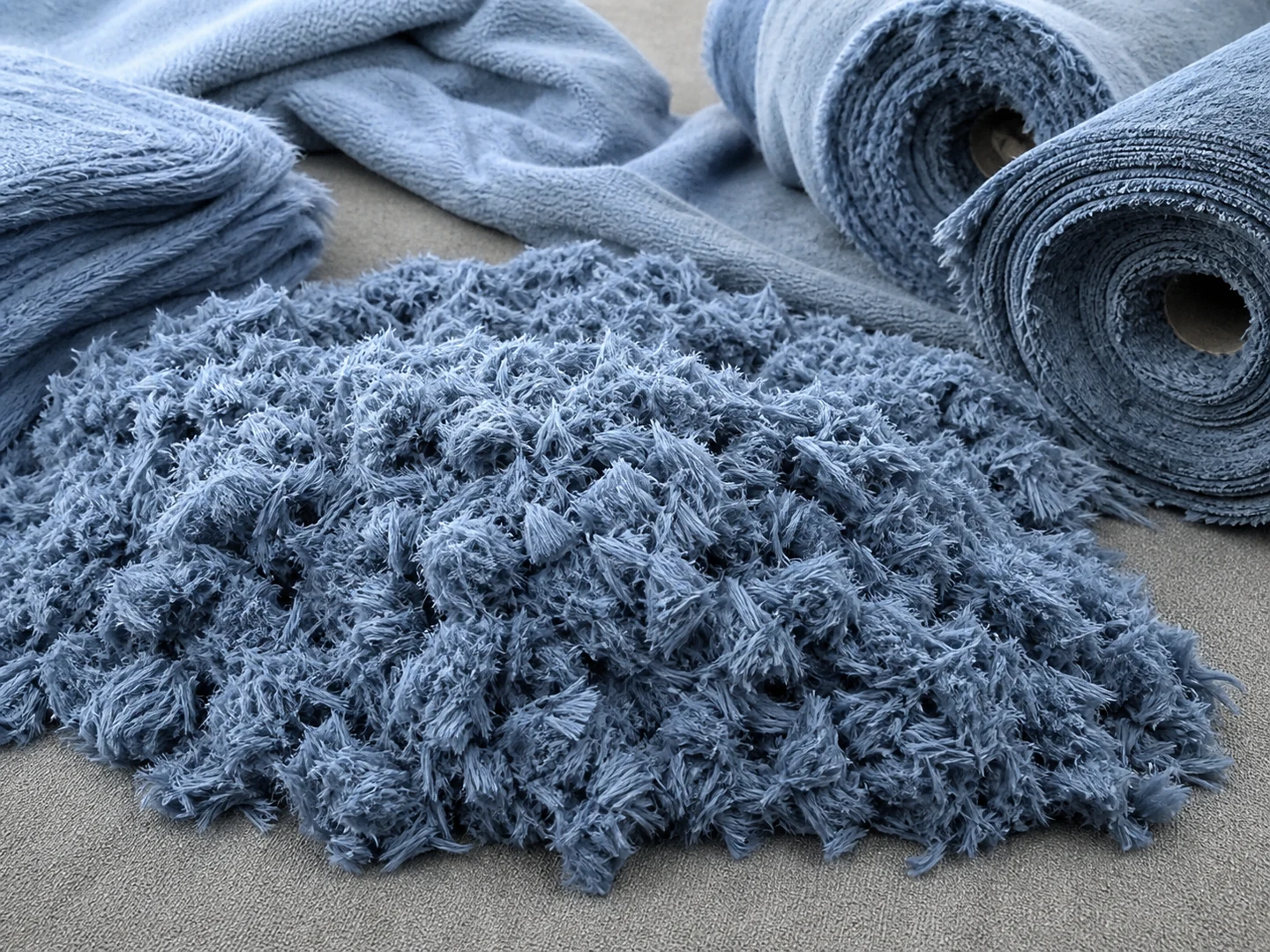
Microfiber
Choose Microfiber based on its stiffness, recovery, wear, wet-service, chemical, and temperature behavior. For…
Compare this material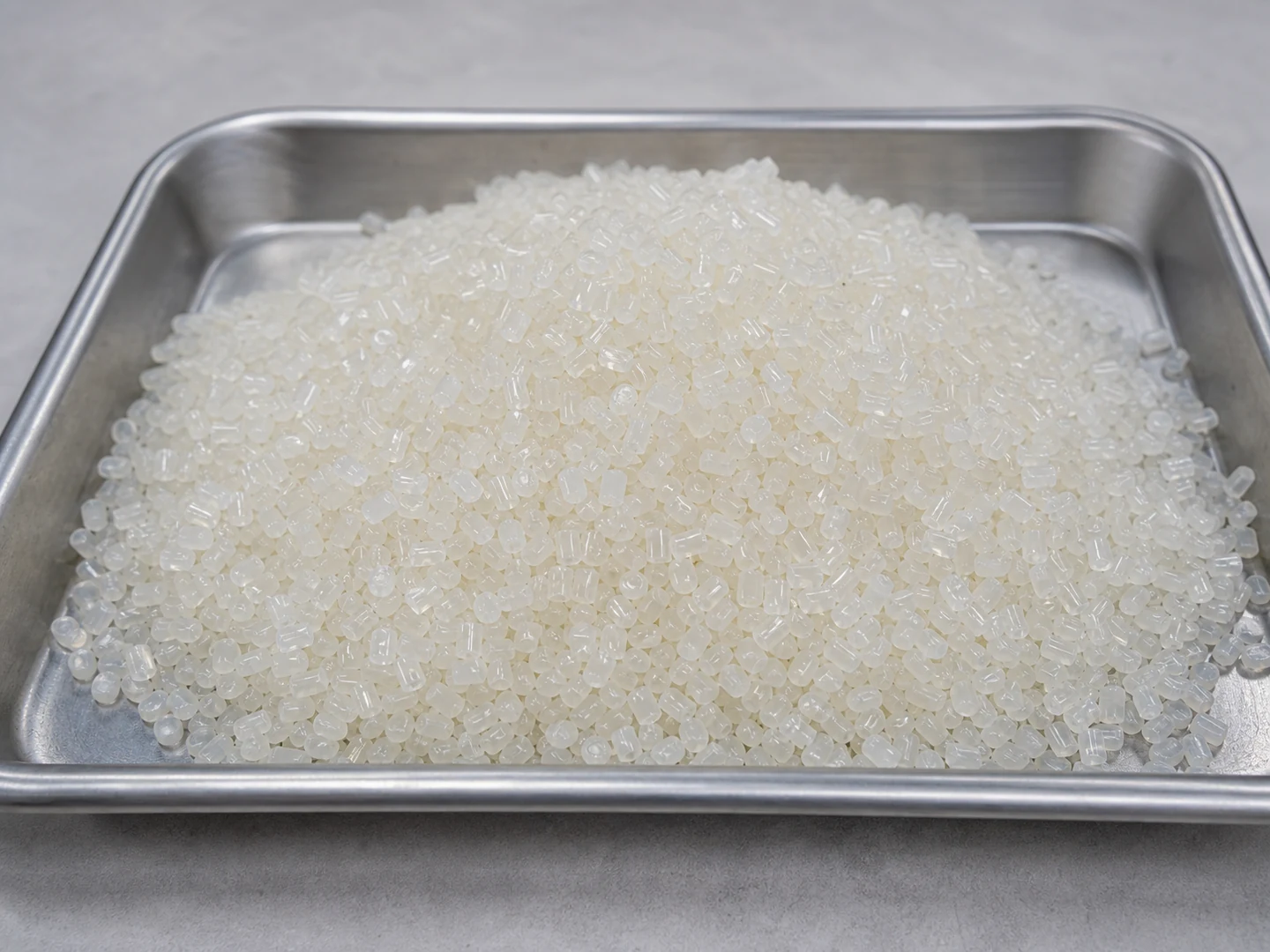
Nylon PA
Choose Nylon PA based on its stiffness, recovery, wear, wet-service, chemical, and temperature behavior.
Compare this material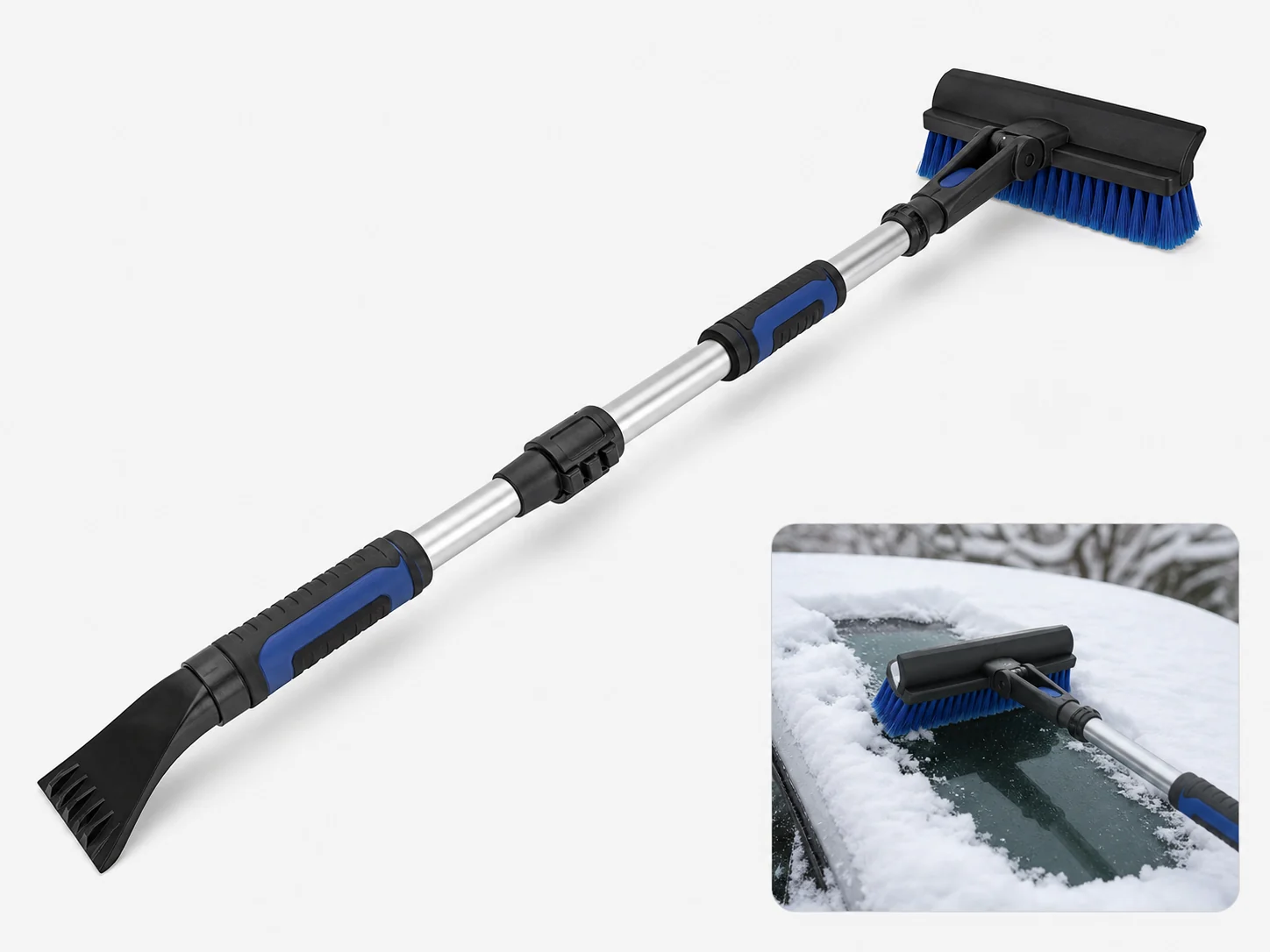
Automotive Snow Cleaning Brush
Extendable automotive snow cleaning brush with non-scratch PET or PP fill and ABS ice…
Compare the specificationCustom Manufacturing RFQ
Describe Your Application
Please share the brush dimensions, working area, residue type, material direction, quantity, and a drawing or photo for quotation.
Drawing or photo optional — it speeds things up, it does not gate the enquiry.
Custom Brush RFQ
Send Your Brush Project
Upload a drawing, product photo, or sample photo and provide the core dimensions and cleaning conditions.
“We need a brush to remove wet residue from a stainless steel conveyor, about 800mm wide. The current brush wears quickly. We can send photos.”
“We sell drinkware and need a cleaning brush to include with the product. Quantity around 5,000 pieces.”