Quick Answer
Do not solve every failure by choosing a stiffer brush. First identify whether the problem is insufficient contact, wrong contact location, wrong filament, low relative motion, loaded fill, poor residue discharge, excessive heat, or an unstable mount.
Diagnostic Table
| Symptom | Check first | Correction path |
|---|---|---|
| Residue remains | Does the filament touch the full target and move relative to it? | Correct diameter/profile, engagement, direction, speed, and support |
| Brush cleans only edges | Shaft deflection, crowned surface, belt tracking, or face profile | Stiffen shaft, support surface, contour face, add sections |
| Surface scratches | Coarse fill, trapped grit, excessive engagement, metal contamination | Clean face, use finer/softer fill, lower contact, segregate brushes |
| Polymer smears or glazes | Heat from speed, dwell, side loading, or loaded residue | Lower surface speed/contact, add cooling and discharge |
| Brush wears rapidly | Sharp edges, chemical attack, high temperature, wrong rotation, overspeed | Remove snag, change material, correct motion and process window |
| Brush clogs | Dense face, sticky soil, no liquid/air/exit path | Open pattern or combine scraper, spray, air, vacuum |
| Wire breaks or flies out | Overspeed, reverse impact, snagging, fatigue, weak retention | Use rated construction, reduce speed, correct contact and guard |
| Cleaning varies by batch | Residue condition, part position, wet conditioning, operator settings | Standardize inputs and record the process window |
Run a Controlled Test
- Clean or replace the brush so loading is not confused with design.
- Verify dimensions, alignment, runout, direction, and surface support.
- Set low engagement and the intended speed.
- Change one variable: filament, trim, density, grit, speed, or fluid.
- Measure residue, finish, time, current, temperature, and wear.
- Repeat until a stable process window is defined.
Escalation Logic
If a softer brush does not clean, increase relative motion or add chemical/thermal assistance before increasing filament diameter. If a stiffer brush scratches, reduce engagement and remove trapped abrasive before changing material. If wear remains uneven after alignment, inspect shaft stiffness, bearings, belt support, and part positioning.
Data to Send
Send photos of the brush face and cleaned surface, new and worn dimensions, speed, direction, engagement, line speed, motor current, temperature, chemistry, residue, hours/cycles, surface finish, and the location of the first visible failure.
Technical References
Which bristle material fits this job — Abrasive Nylon, PA612 Nylon or AISI 304 Stainless Steel Wire?
| Material | Continuous temperature (°C) | Peak temperature (°C) | Water absorption | Hardness |
|---|---|---|---|---|
| Abrasive Nylon | 120 | 150 | 0.1–1.0% | Abrasive filament; stiffness and cutting level is controlled by PA base, grit type, grit size, filament diameter and trim height. |
| PA612 Nylon | 90–110 | 130–150 | 0.3–0.7% | Shore D 70–80 |
| AISI 304 Stainless Steel Wire | 400 | 500 | 0% | Rockwell B 70–95 depending on temper and cold work |
| AISI 316 Stainless Steel Wire | 400 | 500 | 0% | Rockwell B 70–95 depending on temper and cold work |
Figures as published by Perlon; Brushtec / DuPont; Alleima. Confirm the exact grade against the supplier datasheet before ordering.
When are Roller and Conveyor Brushes the wrong choice?
- Roller and Conveyor Brushes — Use a stationary strip brush for a fixed linear seal or wipe, or another process when rotating line contact interferes with the product or cannot discharge the residue safely.
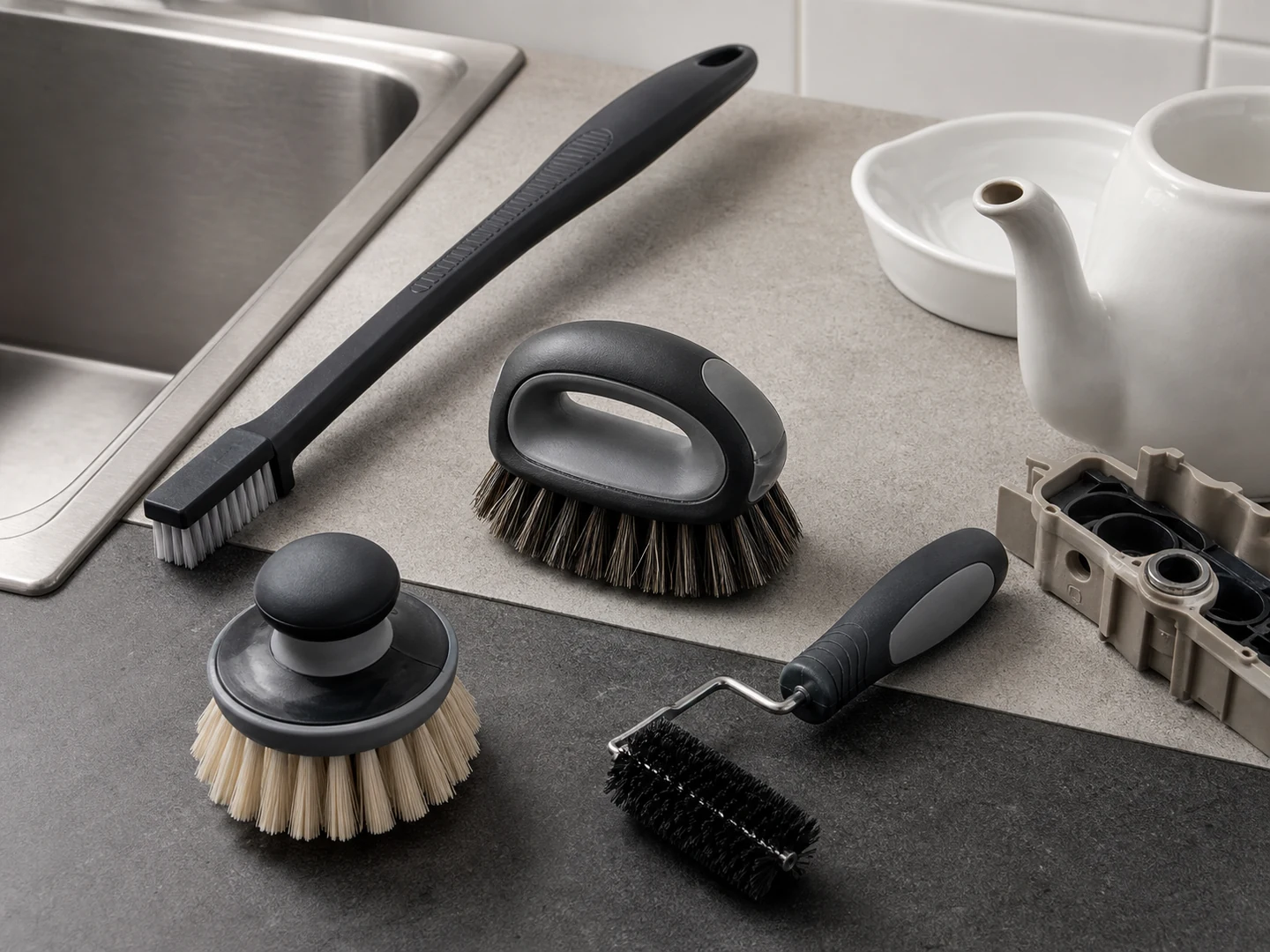
- Handheld Detail Brushes — Use a tube brush, powered brush, scraper, wipe, sponge, or vacuum when the target is internal, heavily bonded, or highly delicate.
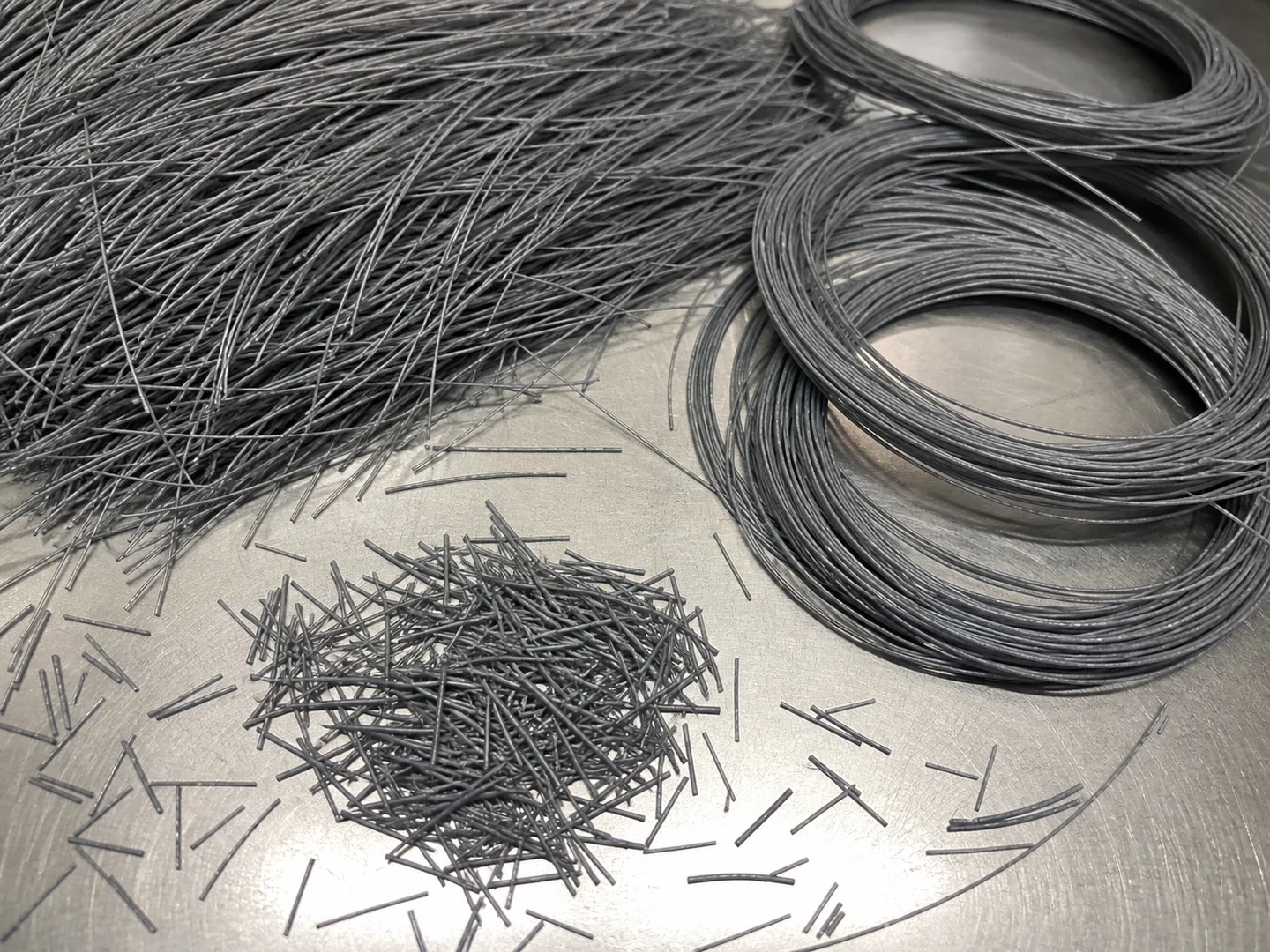
- Abrasive Nylon — Exposed grit can change a surface finish, and high heat or aggressive chemicals can weaken the polymer carrier.
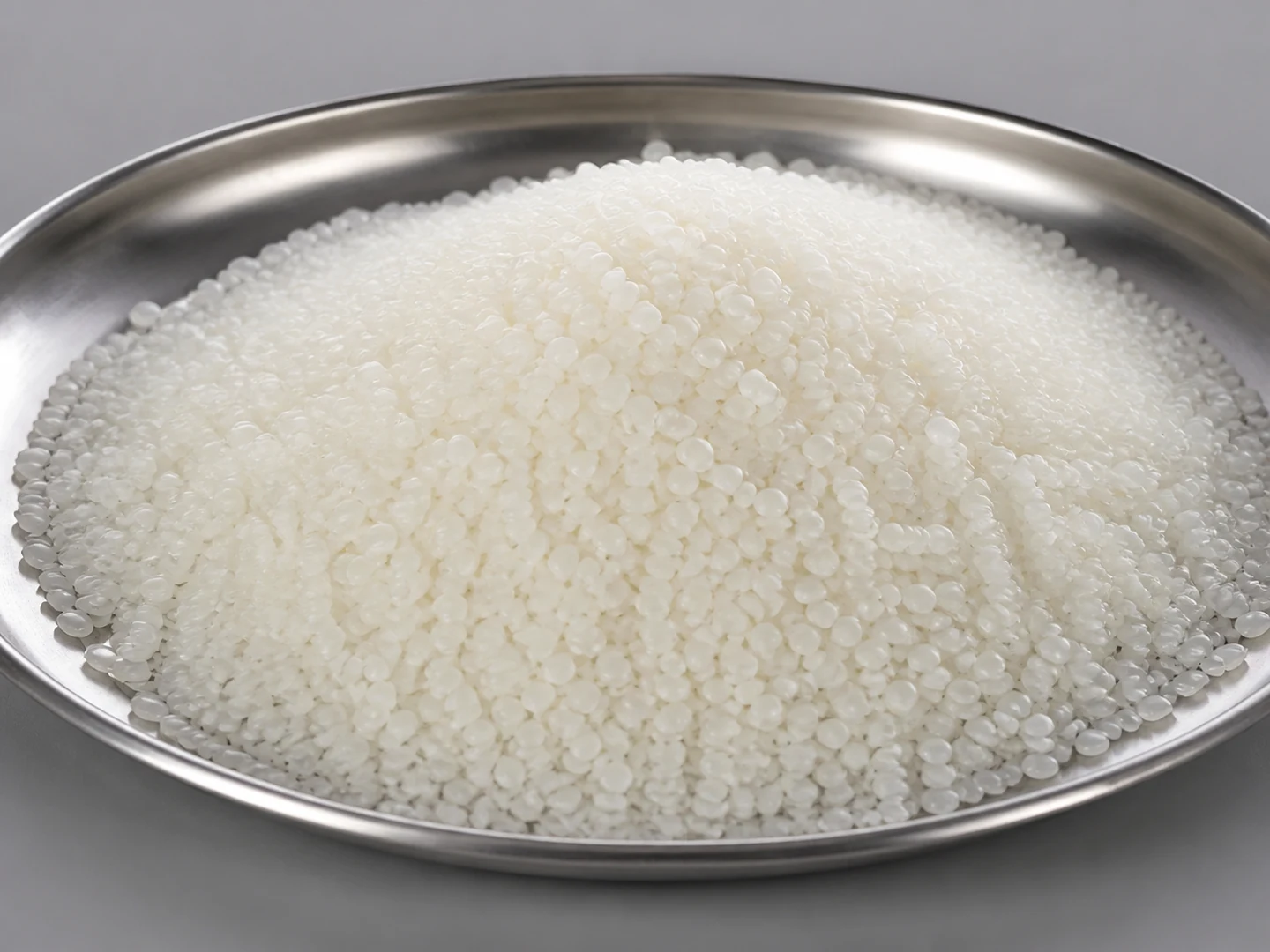
- PA612 Nylon — PA612 costs more than general PA6 and should be used where its wet stability, recovery or wear life creates a real process benefit.
What should replace Roller and Conveyor Brushes when they stop working?
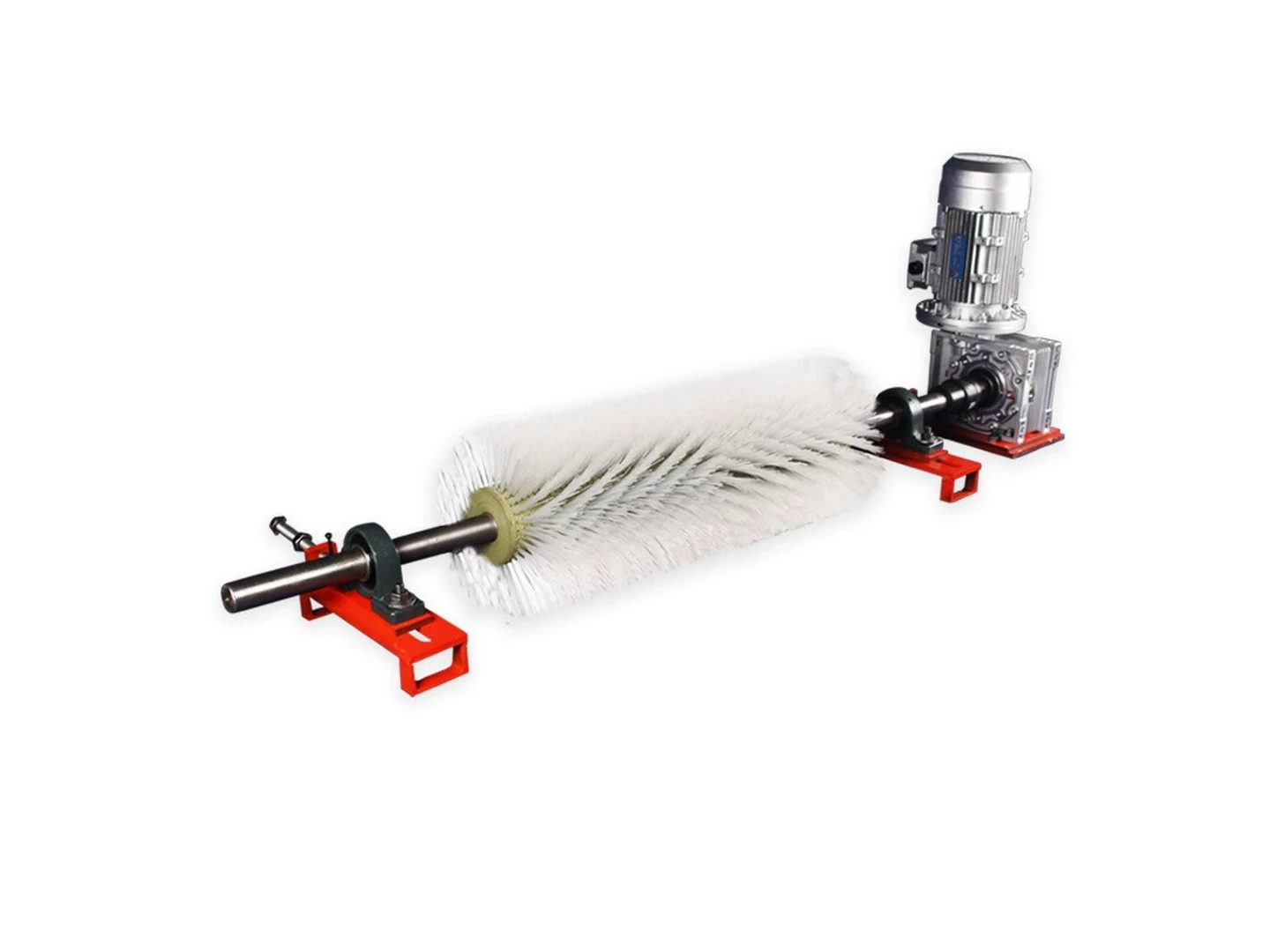
- Roller and Conveyor Brushes — Roller and conveyor brushes hold cylindrical line contact across a working width, including helix-wound builds where the filament path is set to move loosened material toward one side; a strip brush holds the same line without rotating, so it seals or wipes but cannot carry residue along the width.
- Handheld Detail Brushes — Handheld detail brushes cover general precision cleaning; auto-detailing brushes impose tighter controls for painted, polished, leather, display, and trim surfaces.
- Abrasive Nylon — Compare Abrasive Nylon with PP, PBT, PET. Change material when wet stiffness, temperature, chemical resistance, conductivity, particle shedding, or surface marking becomes the limiting factor.
- PA612 Nylon — Compare PA612 Nylon with PA66, PP, PBT. Change material when wet stiffness, temperature, chemical resistance, conductivity, particle shedding, or surface marking becomes the limiting factor.