
Material
Aluminum Holder
Metal brush holder material
Aluminum Holder is evaluated as a brush component material rather than as filament. Choose this component material by considering the load, shape, connection, corrosion or chemical exposure, and cleaning process.
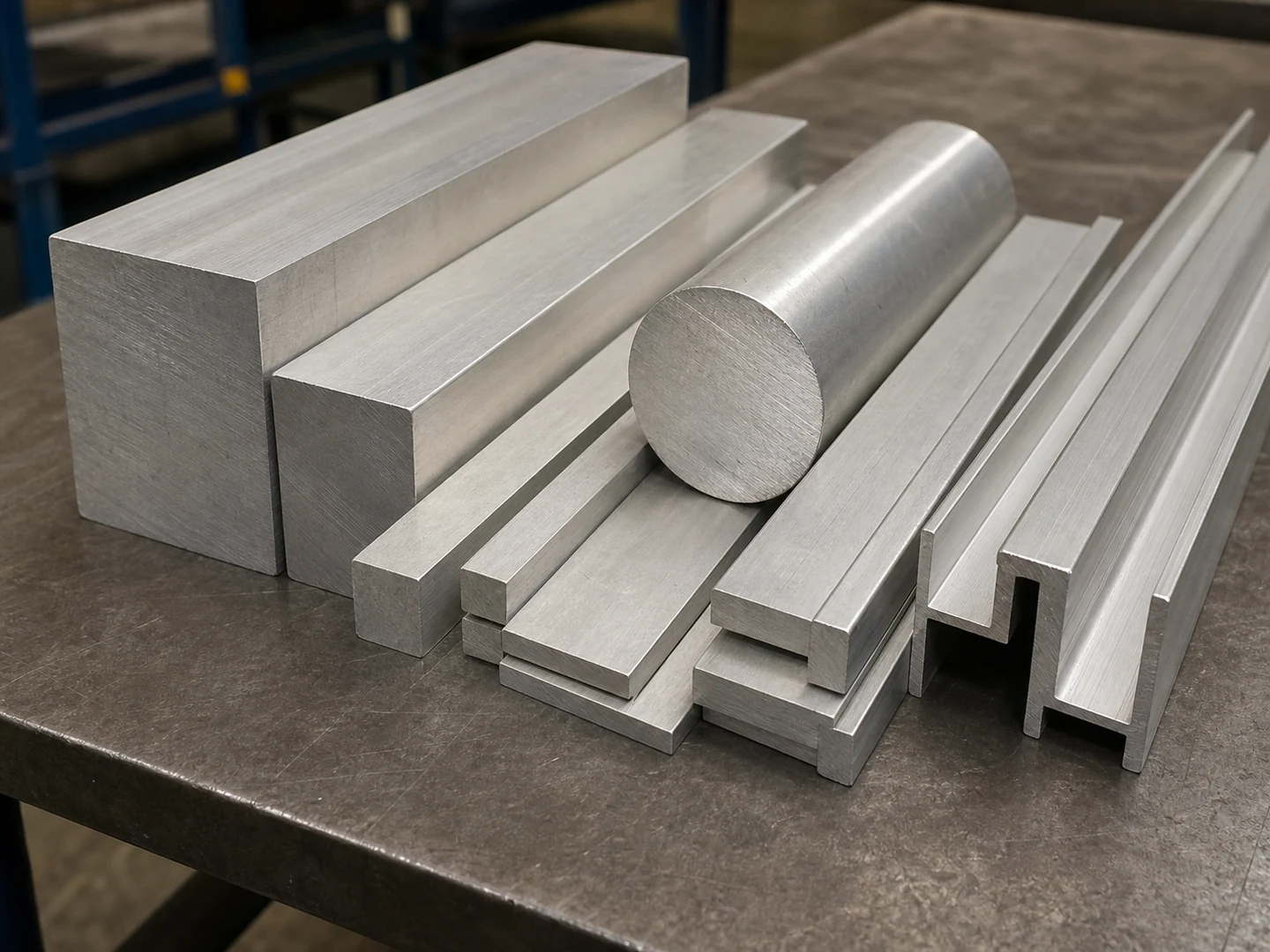
Datasheet values
- Density
- 2.70 g/cm³
- Common alloys
- 6061 or 6063
- Channel width
- 3–20 mm
- Holder length
- 50–6,000 mm
- Use temperature
- up to 150–200°C
An aluminum holder is an extruded or machined profile that retains a strip-brush backing and locates it relative to a gap or surface.
What is Aluminum Holder, and what makes it different from other brush filaments?
In the metal brush holder material family, Aluminum Holder is specified, supplied as extruded channel, h, f or custom holder profile, machined bracket and anodized support rail.
Aluminum Holder is used in custom cleaning brushes for replaceable strip seals, cable-entry brushes, guards and conveyor-edge brushes mounted in a stiff light rail.
Compare Aluminum Holder with Stainless holder, PVC holder, flexible polymer backing. Change material when wet stiffness, temperature, chemical resistance, conductivity, particle shedding, or surface marking becomes the limiting factor.
What stiffness and contact pressure can I expect from Aluminum Holder?
Aluminum Holder is rigid; alloy and profile moment of inertia determine support stiffness, which is why Aluminum Holder changes brush stiffness through filament diameter, free trim, density, crimp, and contact. Use finer filament and longer trim for conformable contact; use coarser filament, shorter trim, or higher density for stronger displacement or cutting.
The part people get wrong: rigidity here controls how flat the working face stays under load, not how hard the brush scrubs. Those are two different specifications.
How does water affect Aluminum Holder performance?
Good for many wet applications with proper alloy and finish.
What this means for your application: aluminium does not swell, so the hole pattern is stable. What water does here is corrode — pitting under the fill and white bloom on the face, both worst where a dissimilar metal is in contact.
A practical check: cycle a sample through the actual wet process and look under the tufts. Corrosion products lifting around the hole, not movement of the hole, is what loosens the fill.
What temperature limits apply to Aluminum Holder?
The holder temperature limit depends on aluminum alloy, temper, section thickness, anodizing/finish, fasteners, retained strip backing and mechanical load. Do not use the alloy melting point as the assembly service temperature.
Where it stops working: validate with a sample if the process sits near the top of that band. A permanent bend under load means the answer is a higher-temperature filament family, not a heavier trim.
The usable limit also moves with diameter, trim and contact pressure. A fine filament under light load tolerates more than a thick one under heavy scrubbing.
What chemicals attack Aluminum Holder?
6000-series examples provide good atmospheric corrosion resistance and anodized; galvanic contact remains a design concern.
The same cleaner can be harmless or destructive depending on how strong it is, how hot it runs and how long it sits. Quote the concentration and the dwell time, not just the product name.
Before you commit to a quantity: Specify the exact Aluminum Holder grade or alloy, filament or profile size, color, straight or crimped form, working temperature, wet or dry use, chemical exposure, surface finish, and any required material documentation.
What is the practical lower limit for filament diameter?
Filament diameter does not apply to Aluminum Holder. It is a brush component rather than the fill, so it carries no filament of its own and sets no lower diameter limit.
The dimensions that do decide it are the bore or mounting size it has to fit, its wall section or thickness, and the hole pattern that receives the fill. Those come from the machine interface, not from the cleaning task.
If the sample comes back rejected: fix the component dimensions against the equipment first, then choose the fill material and its diameter for the residue you are removing. The two are specified separately.
What applications typically use Aluminum Holder?
Replaceable strip seals, cable-entry brushes, guards and conveyor-edge brushes mounted in a stiff light rail.
Where it turns up in practice:
- Door Gap Sealing
- Rail Transit Platform Door & Noise Control Sealing
- Data Center Cabinet Cable Entry Sealing
- Cable Entry Sealing
- Brick, Tile & Building Material Machine Brush Use
- Dust Removal
It is normally set into these constructions:
- Custom Strip Seal Brushes
- Custom Roller and Conveyor Brushes
In practical brush terms: Wrong slot size, weak wall, galvanic corrosion or poorly located fasteners can release or distort the strip.
How do I specify Aluminum Holder for a custom brush?
A usable specification carries the construction, the filament diameter and free trim, the density and contact setting, and the service conditions: wet or dry, temperature, and what the cleaner actually is.
The mistakes that most often send a sample back:
- Selecting Aluminum Holder from the material name alone without setting filament diameter, trim length, and density
- Using dry stiffness to predict wet behavior without checking moisture absorption or liquid exposure
- Ignoring trapped abrasive particles, chemical concentration, temperature, or contact motion when assessing surface risk
Reference standards behind the figures on this page: ISO 2768-1:1989; ISO 2859-1:2026.
Source: Kaiser Aluminum / brush-holder engineering reference — 6061 Technical Data / Aluminum holder design basis. Aluminum alloy properties are grade- and temper-specific. The finished holder assembly, strip backing and fasteners set the usable brush temperature.
Questions this page is asked
How should a holder and retained strip be mechanically released?
Test the actual strip insertion and pullout, fastener torque and spacing, support span, contact load, vibration, thermal movement and repeated replacement cycle while checking slip, slot opening, wall distortion and mounting movement. Include end stops and joints in the test, and set inspection limits for loose backing, cracked fastener holes or profile damage before the strip can migrate into machinery.
Which wet-service checks are needed at an aluminum holder interface?
Expose the complete holder, strip backing, fasteners and adjacent machine metal to the real cleaner, ions, temperature, rinse, drainage and drying cycle, including any crevice that retains liquid. Inspect coating cuts, bores and contact edges for pitting, galvanic attack, staining, fretting, swelling products and loss of clamping, and isolate or redesign dissimilar contacts when the tested interface fails its release limit.
Where these figures come from
| Property | Published value | Source |
|---|---|---|
| Chemical resistance | 6000-series examples provide good atmospheric corrosion resistance and anodized; galvanic contact remains a design concern. | Hydro Retrieved 2026-07-20 |
| Published datasheet figures |
|
Hydro Retrieved 2026-07-20 |
| Hardness and stiffness | Rigid; alloy and profile moment of inertia determine support stiffness. | Hydro Retrieved 2026-07-20 |
| Limitations | Wrong slot size, weak wall, galvanic corrosion or poorly located fasteners can release or distort the strip. | Hydro Retrieved 2026-07-20 |
| Temperature resistance | Suitable above 200°C; backing and fasteners set the assembly limit. | Hydro Retrieved 2026-07-20 |
| Water resistance | Good for many wet applications with proper alloy and finish. | Hydro Retrieved 2026-07-20 |
Guides that go deeper on this
Continue Exploring
Recommended Reading & Related Brush Resources
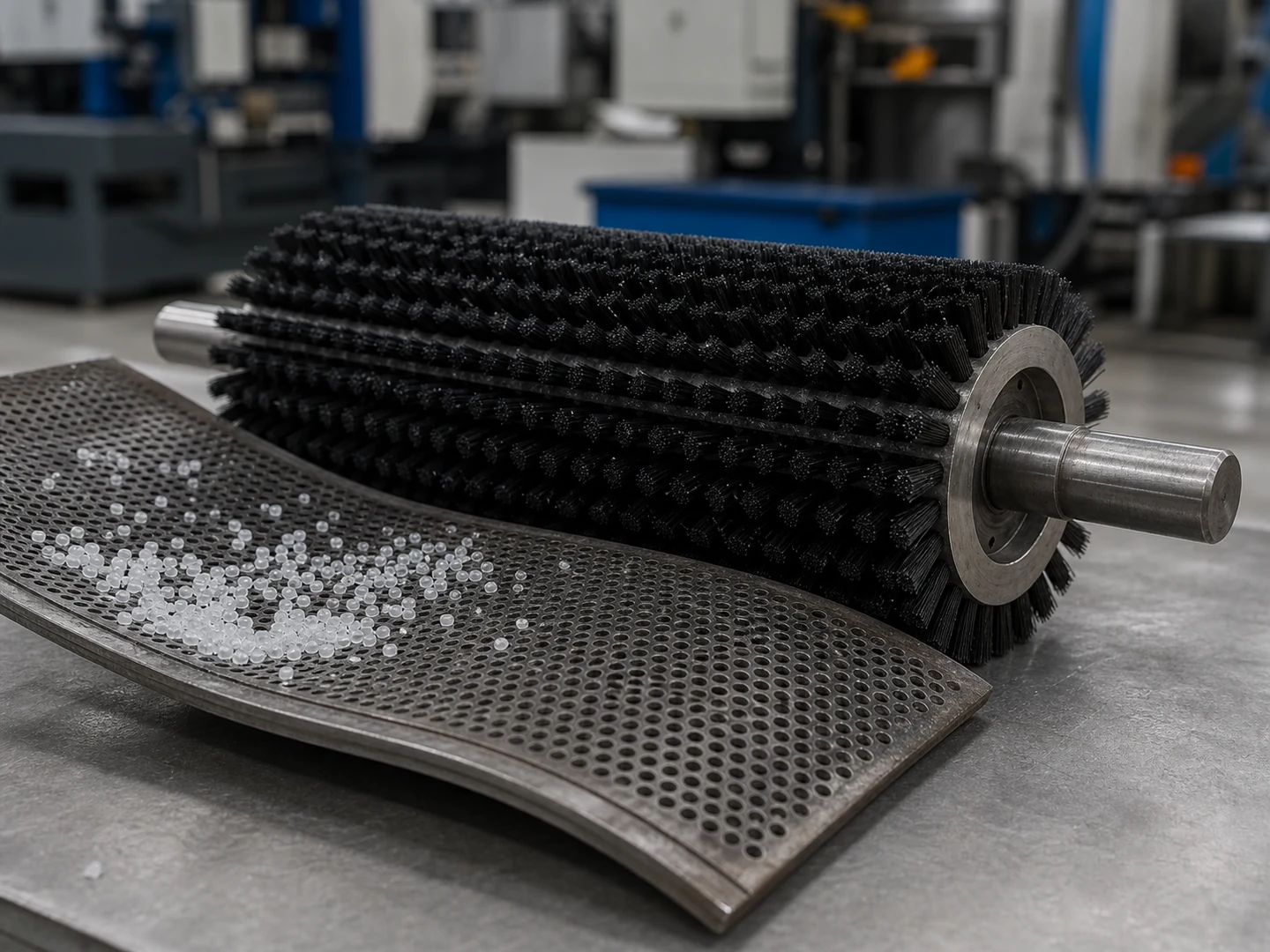
Granulator Screen Brush
Nylon filament brush for clearing blinded granulator and sifter screens. Widths 100–3000 mm, adjustable…
See the specification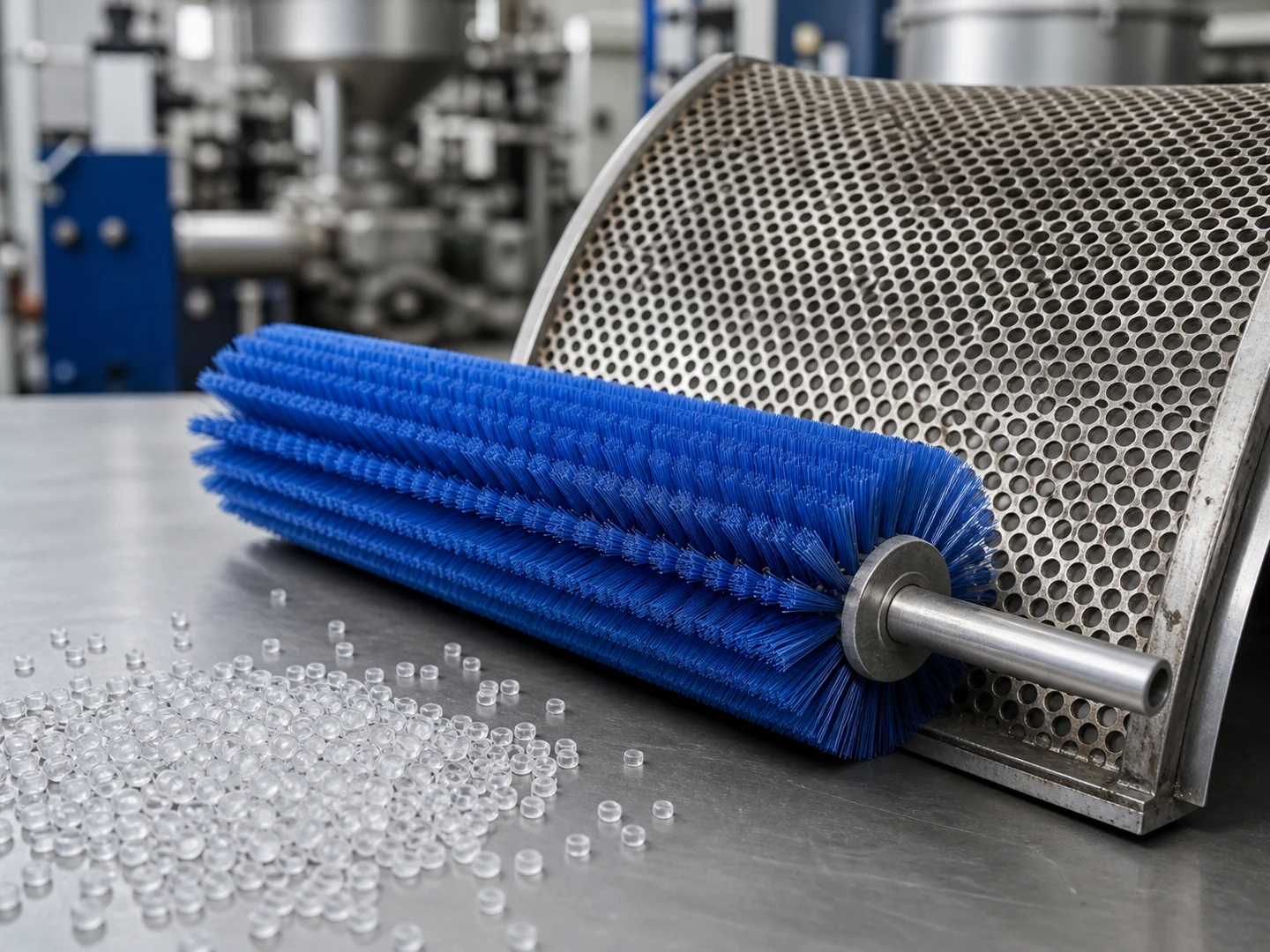
Pellet Screen Cleaning Brush
Custom pellet screen cleaning brushes for wire mesh, perforated plate and wedge-wire screens.
See the specification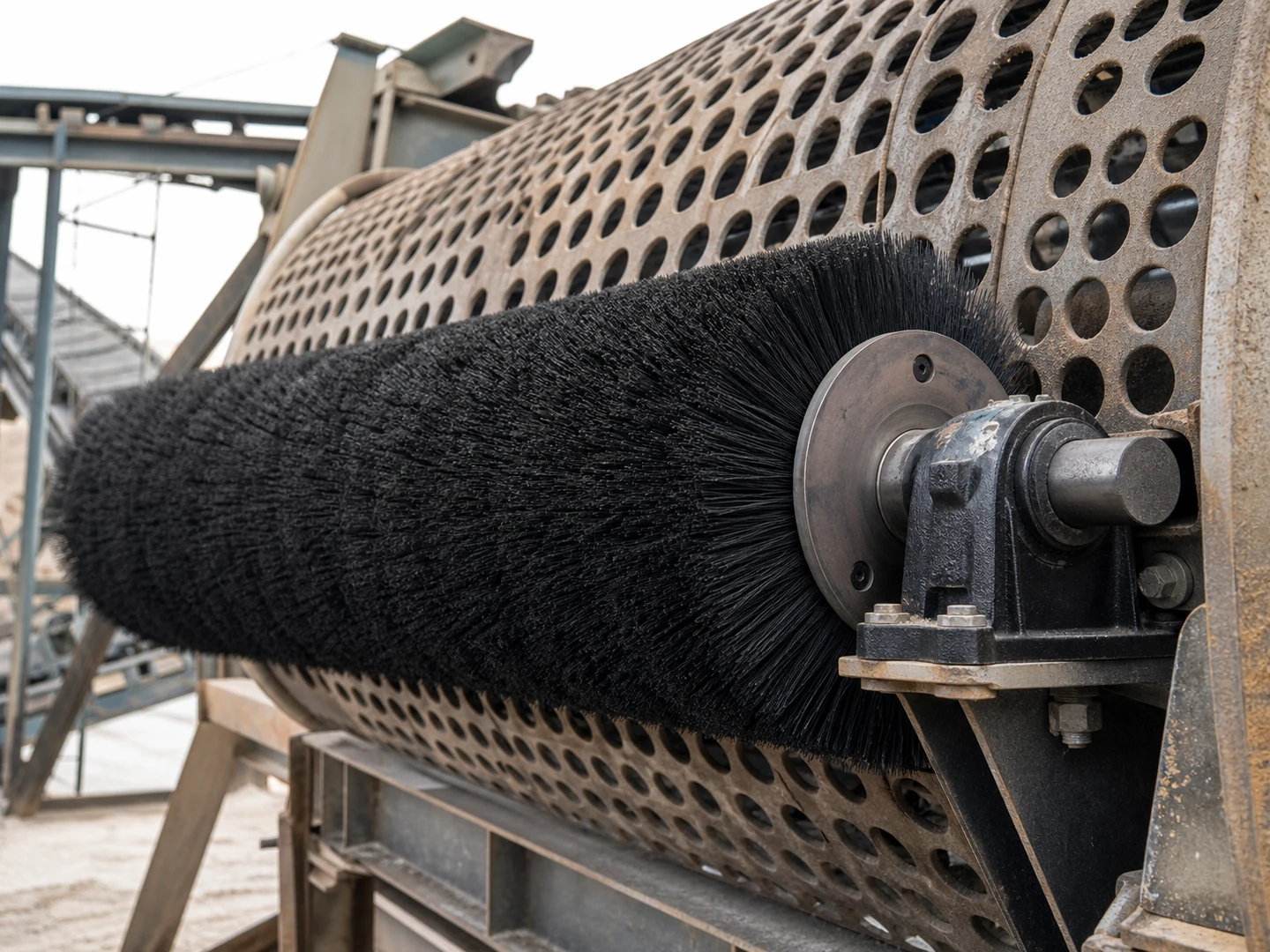
Trommel Screen Brush
Custom trommel screen brushes with nylon PA filaments clear aperture blinding on rotating screens.…
See the specification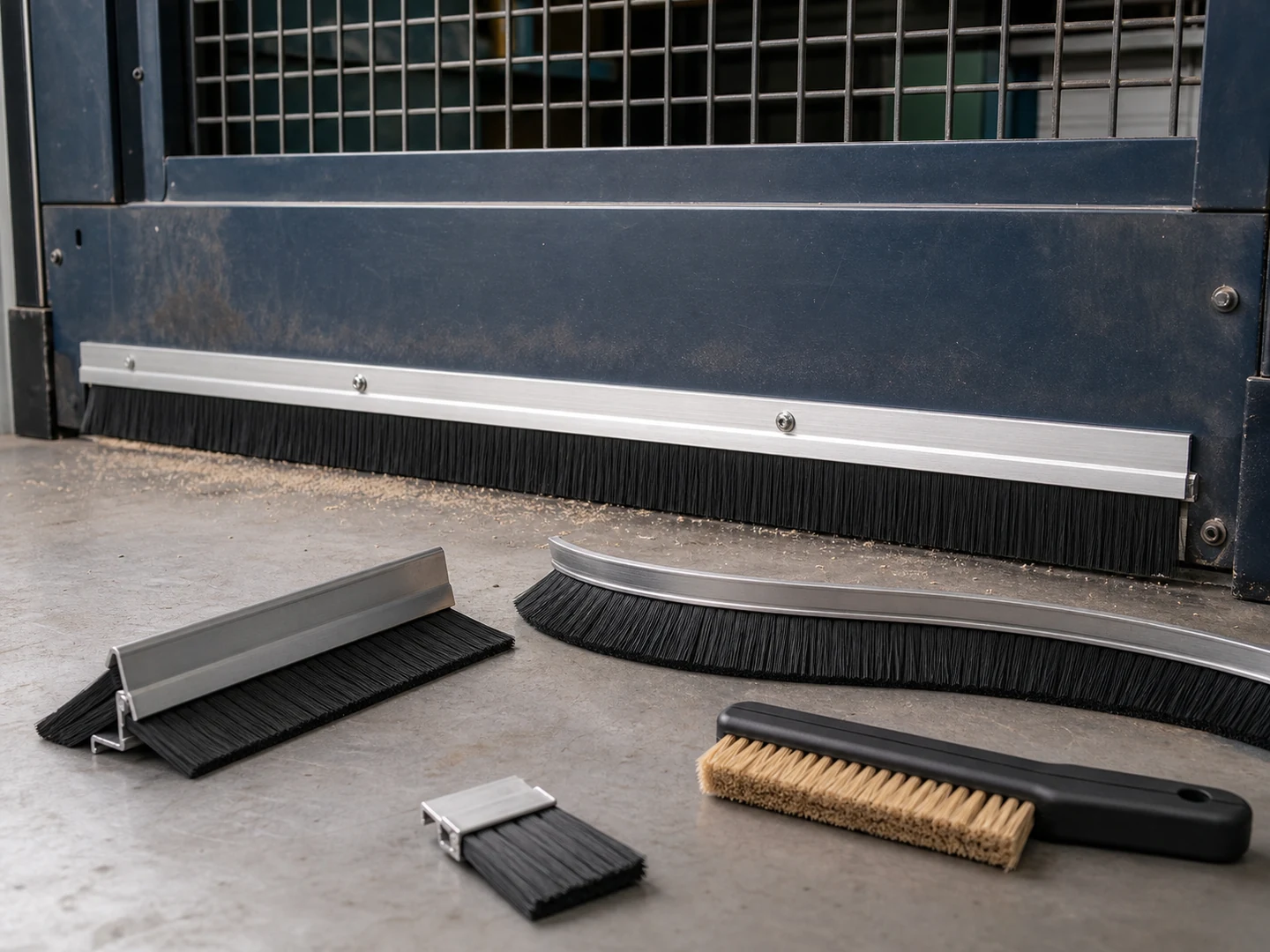
Custom Strip Seal Brushes
Choose a strip seal brush when a continuous line of filament must seal, wipe,…
See how this type is built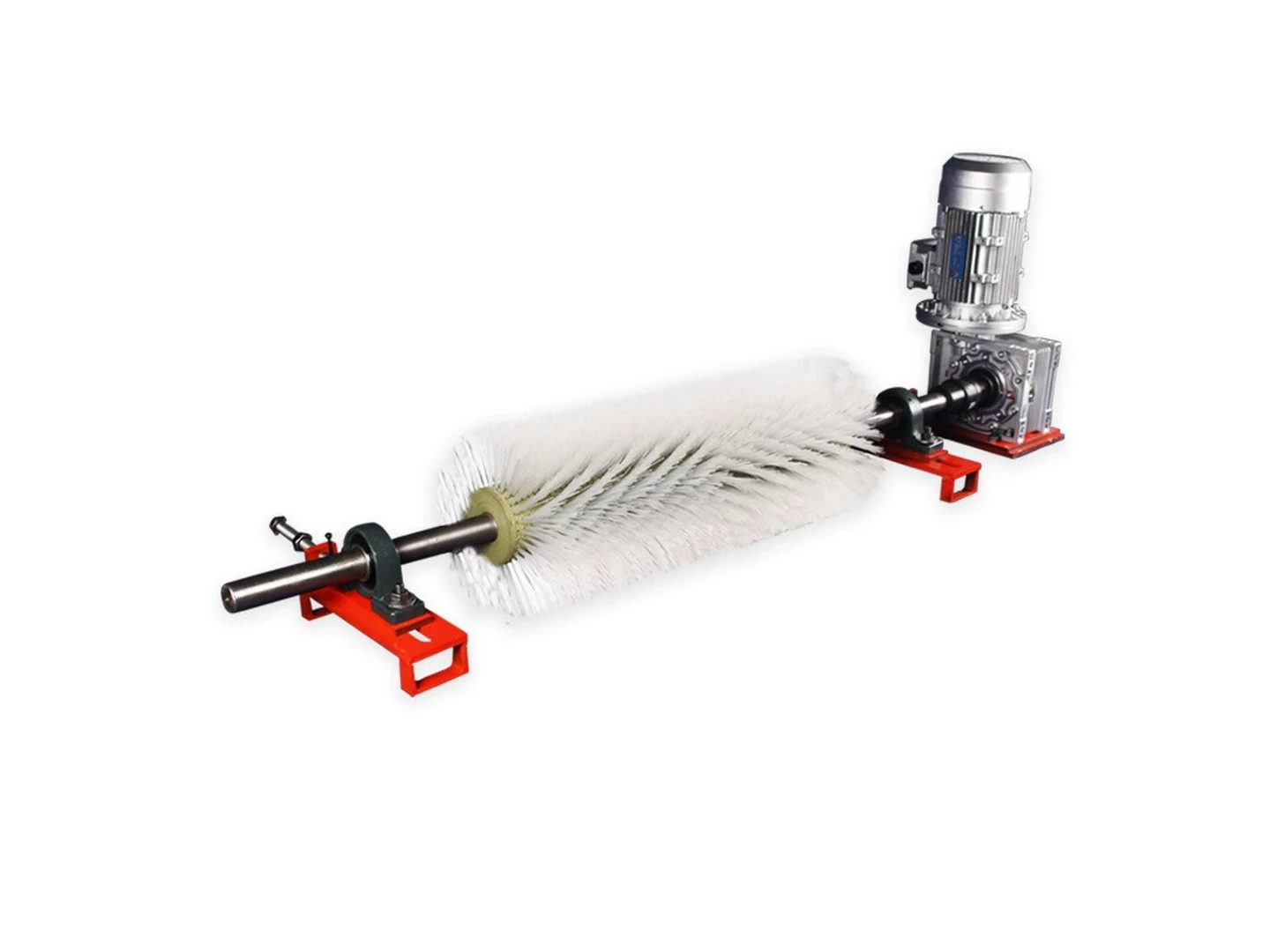
Custom Roller and Conveyor Brushes
Choose a roller or conveyor brush when a cylindrical brush must clean, wipe, guide,…
See how this type is built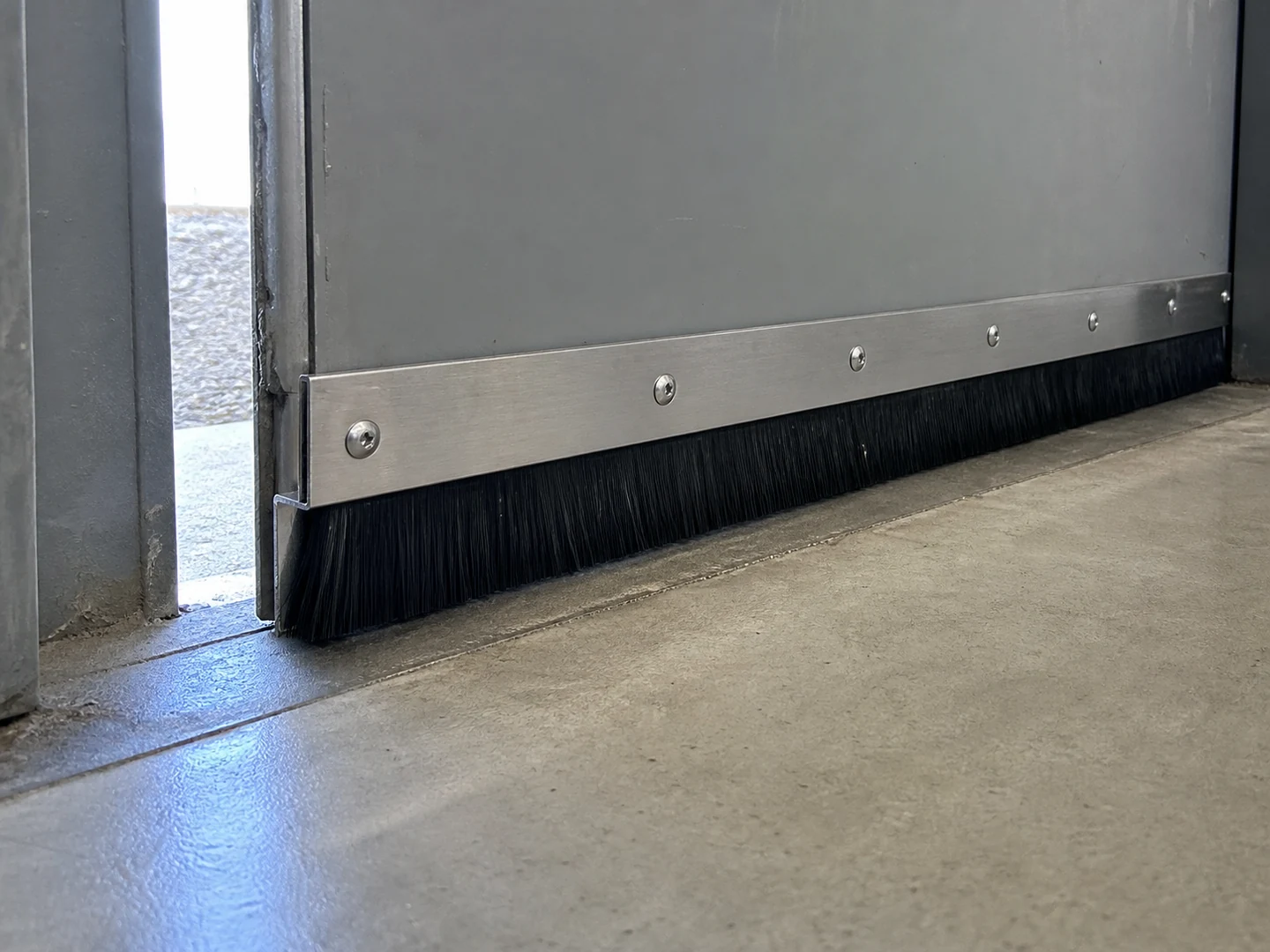
Door Gap Sealing
Door Gap Sealing is a process-use page rather than a general cleaning category.
See the cleaning job
Rail Transit Platform Door & Noise Control Sealing
Rail Transit Platform Door & Noise Control Sealing is a process-use page rather than…
See the cleaning job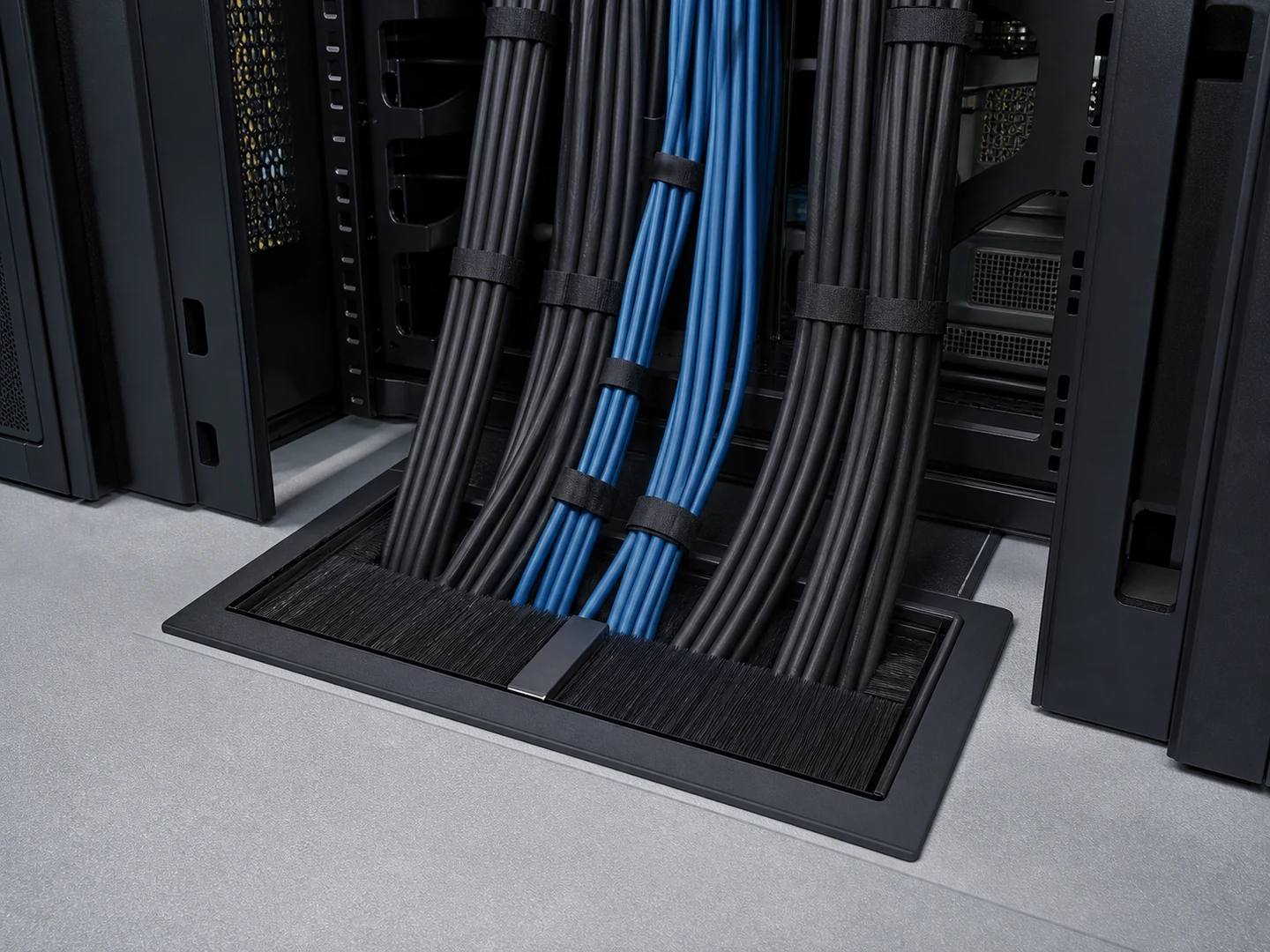
Data Center Cabinet Cable Entry Sealing
Data Center Cabinet Cable Entry Sealing is a process-use page rather than a general…
See the cleaning jobCustom Manufacturing RFQ
Discuss This Material
Share the working surface, residue, dimensions, material direction, interface, quantity and drawing or sample photo.
Custom Brush RFQ
Request a Custom Cleaning Brush Quote
Upload a drawing, product photo, or sample photo and provide the core dimensions and cleaning conditions.
“We need a brush to remove wet residue from a stainless steel conveyor, about 800mm wide. The current brush wears quickly. We can send photos.”
“We sell drinkware and need a cleaning brush to include with the product. Quantity around 5,000 pieces.”