
Application
Cup & Mug Cleaning
For Cup & Mug Cleaning, the brush must reach the working area, disturb or collect coffee or tea film / milk residue / lipstick / mineral scale, and release it without creating unacceptable surface damage or process interference. Choose the brush structure from the available access, contact direction, and cleaning process.
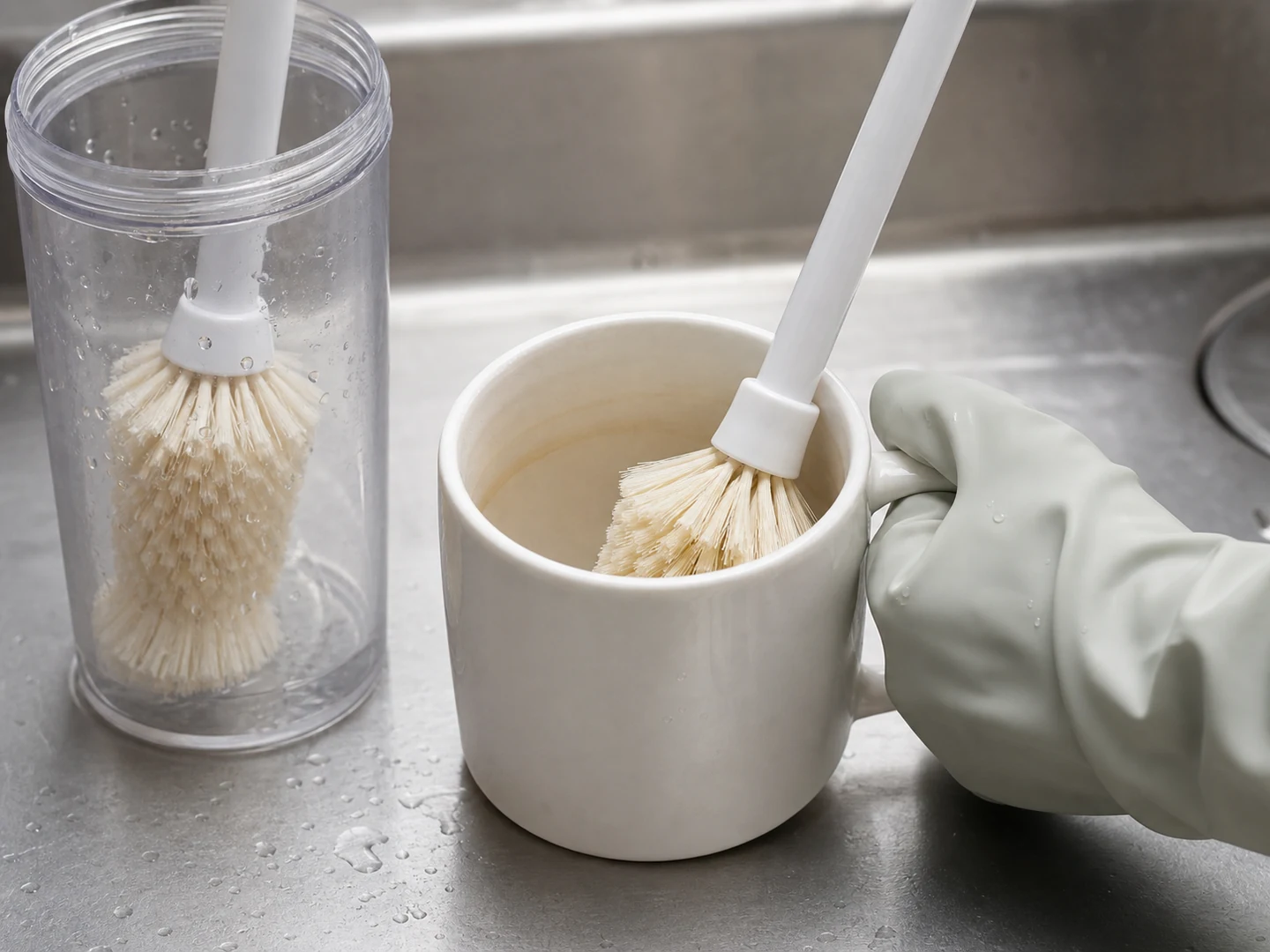
At a glance
- Cleaning target
- Coffee or tea film / milk residue / lipstick / mineral scale
- Working environment
- Indoor Wet Area / Commercial Kitchen / Household
- Cleaning method
- Wet Brushing / Soaking
- Requirements to check
- FDA 21 CFR and EU 10/2011 food-contact material requirements where applicable
Drinkware is short, wide and finished on the inside, so the risk is scratching the surface rather than reaching it: tip protection and filament softness matter more than reach on mugs, tumblers and stemware.
What makes Cup & Mug Cleaning different from other food and beverage cleaning?
The main difficulty is removing liquid film, product residue, biofilm, powder, and particles from internal container walls, necks, shoulders, bases, and narrow openings without damaging the surface, loading the brush, or carrying contamination back into the process.
The work happens in indoor wet area, commercial kitchen and household against coffee or tea film, milk residue, lipstick and mineral scale.
The part people get wrong: this is not one job. The same equipment carries several targets, each with a different opening and a different residue, and one brush rarely covers them all.
What are the most common cleaning targets in Cup & Mug Cleaning?
There are 5 distinct targets here, and the brush that suits one will usually not reach another.
| Part or area | Residue type | Cleaning requirement |
|---|---|---|
| Coffee Mug | Coffee oils, spent grounds and fines | The head must pass the neck or opening, then expand against the internal wall and reach the base curve. |
| Travel Mug and Tumbler | Coffee or tea film, milk residue, lipstick, mineral scale | |
| Insulated Cup | ||
| Glass and Stemware | The face must stay flat against the surface so the whole working width contacts, with filament soft enough not to mark it. | |
| Lidded Cup and Lid-Groove | The head must be narrower than the opening and stiff enough to lift residue without splaying at the mouth. |
What the equipment leaves you to work inside:
| Parameter | Typical range |
|---|---|
| Cup head diameter | 30–120 mm |
| Working section height | 40–180 mm |
| Overall height or reach | 150–450 mm |
| Container opening / bore | 3–120 mm |
| Working insertion length | 80–1,000 mm |
Which brush types work for each cleaning target?
Rounded bottle brush, palm brush or soft block head with protected tip and controlled diameter.
| Cleaning target | Recommended brush type | Why it fits |
|---|---|---|
| Coffee Mug | Handheld Detail Brushes | A mug is wide open but has a tight base radius where the film survives, so a head that reaches into that corner clears what a sponge slides over. |
| Travel Mug and Tumbler | A travel mug is deep and narrow with a threaded rim, so the head must reach the base and still be worked around the thread without folding. | |
| Insulated Cup | A double-walled cup has a straight deep interior and no drainage, so the brush needs to hold contact from the rim to the base in one insertion. | |
| Glass and Stemware | A glass is thin-walled and marks under point pressure, so a flat soft head spreads the load across the bowl instead of concentrating it. | |
| Lidded Cup and Lid-Groove | The lid groove is a narrow ring the dishwasher jet cannot enter, so a fine head is run around it to lift the residue out. |
How the brush is usually carried on the machine:
- Driven brush — use when liquid film, product residue, biofilm, powder, and particles needs repeatable scrubbing or controlled relative movement
- Passive or free-running brush — use for loose contamination and lower process complexity on internal container walls, necks, shoulders, bases, and narrow openings
- Localized hand, strip, or tube brush — use where only an edge, gap, port, or maintenance point needs contact
In practical brush terms: match the construction to the access before anything else. A geometry that cannot reach the target will not be rescued by a better filament.
What filament materials work best for Cup & Mug Cleaning?
Soft nylon or PBT, silicone, sponge or selected natural fiber; abrasive or wire fill is normally excluded from finished drinkware.
| If the condition is… | Filament to start with | Why |
|---|---|---|
| Sensitive or coated surface | Nylon PA | balanced flex life and abrasion resistance |
| Wet, washdown, or detergent service | Brass Wire | softer conductive metal contact |
| Bonded residue or aggressive cleaning | PU Sponge | conformable wet or dry wiping |
What the duty rules out before you start comparing grades:
| Constraint | Value for this application |
|---|---|
| Filament hardness | Soft to Medium |
| Maximum service temperature | 100°C |
| Chemical exposure | Neutral or mildly alkaline detergent, typically pH 6–11 |
| Cleaning method | Wet Brushing, Soaking |
How do I choose the right brush for my cup & mug equipment?
Start from the finish rather than the soil — drinkware is scratched far more often than it is under-cleaned — then size the head to the rim and the base radius.
The order that avoids rework:
- Identify the target part and measure the access opening or clearance
- Describe the residue: what it is, how thick it sits, and how strongly it holds
- Choose the construction that can physically reach that target
- Set the filament from surface risk, working temperature and cleaning chemistry
- Fix filament diameter, free trim length and density for the contact pressure you need
- Run one cycle and check the result before committing to a production quantity
Before you commit to a quantity, send the rim diameter, the internal depth and the base radius, plus which finish the brush will touch: glass, ceramic, coated stainless or plastic.
When is a cup & mug brush the wrong tool?
A dishwasher does more for volume drinkware than any brush, and scale inside a kettle or an insulated body dissolves in a descaling acid rather than coming off under contact. Keep the brush for the lid groove, the stem and the base corner, which is where the spray arc never lands.
What common mistakes should I avoid in Cup & Mug Cleaning?
- Treating drinkware as one item, when a lid groove, a stem and an insulated base each need a different head
- Changing brush material while leaving excessive engagement, poor alignment, or no discharge path unchanged
- Copying a worn brush without recording motion, direction, mounting, and the original working diameter
If the brush is already in service and the result is wrong, work from the symptom:
| Symptom | What to change |
|---|---|
| Residue remains | Increase relative motion or discharge, then change filament diameter or density; do not add pressure before checking loading by liquid film, product residue, biofilm, powder, and particles. |
| Surface marks or scratches | Reduce engagement, use finer or softer fill, and remove trapped abrasive particles from contact with internal container walls, necks, shoulders, bases, and narrow openings. |
| Rapid wear or uneven cleaning | Check alignment, runout, support, motion, temperature, chemical attack, and whether the brush covers the complete working path. |
| Brush loads or redeposits residue | Open the fill pattern or add wash, vacuum, air, scraping, or a collection path so removed liquid film, product residue, biofilm, powder, and particles leaves the contact zone. |
Questions this page is asked
How should a brush be screened for glazed, printed, coated or polished drinkware?
Use the proposed brush, cleaner, temperature, dwell time and stroke count on an inconspicuous area or a representative coupon before releasing the process. Inspect under consistent light for gloss change, fine scratches, color transfer, lifted decoration and edge damage, including particles retained in the brush from earlier use.
What acceptance check can show that the mug base curve is actually clean?
After the validated wash and rinse, inspect the wall-to-base transition and any handle joint under directed light, then use the site's approved residue test or a clean swab on the hardest-to-see zone. Define the pass limit before testing and repeat the check after the proposed number of brush strokes rather than accepting a clean-looking opening as proof.
When should cup-cleaning brushes be segregated by use?
Assign separate, clearly identified brushes when allergen-containing milk residues, non-food soils or different sanitation zones cannot be controlled by one validated reprocessing method. Store each cleaned brush so it drains and air-dries without contacting dirty tools, splash zones or another brush's working end.
Guides that go deeper on this
We have not written a guide specific to this one yet. The material that covers selection, filament, dimensions, maintenance and sourcing is collected in the technical resources library.
Continue Exploring
Recommended Reading & Related Brush Resources

Cup and Mug Cleaning Brush
Custom cup and mug cleaning brushes with nylon, boar, or PBT fill. 30–120 mm…
See the specification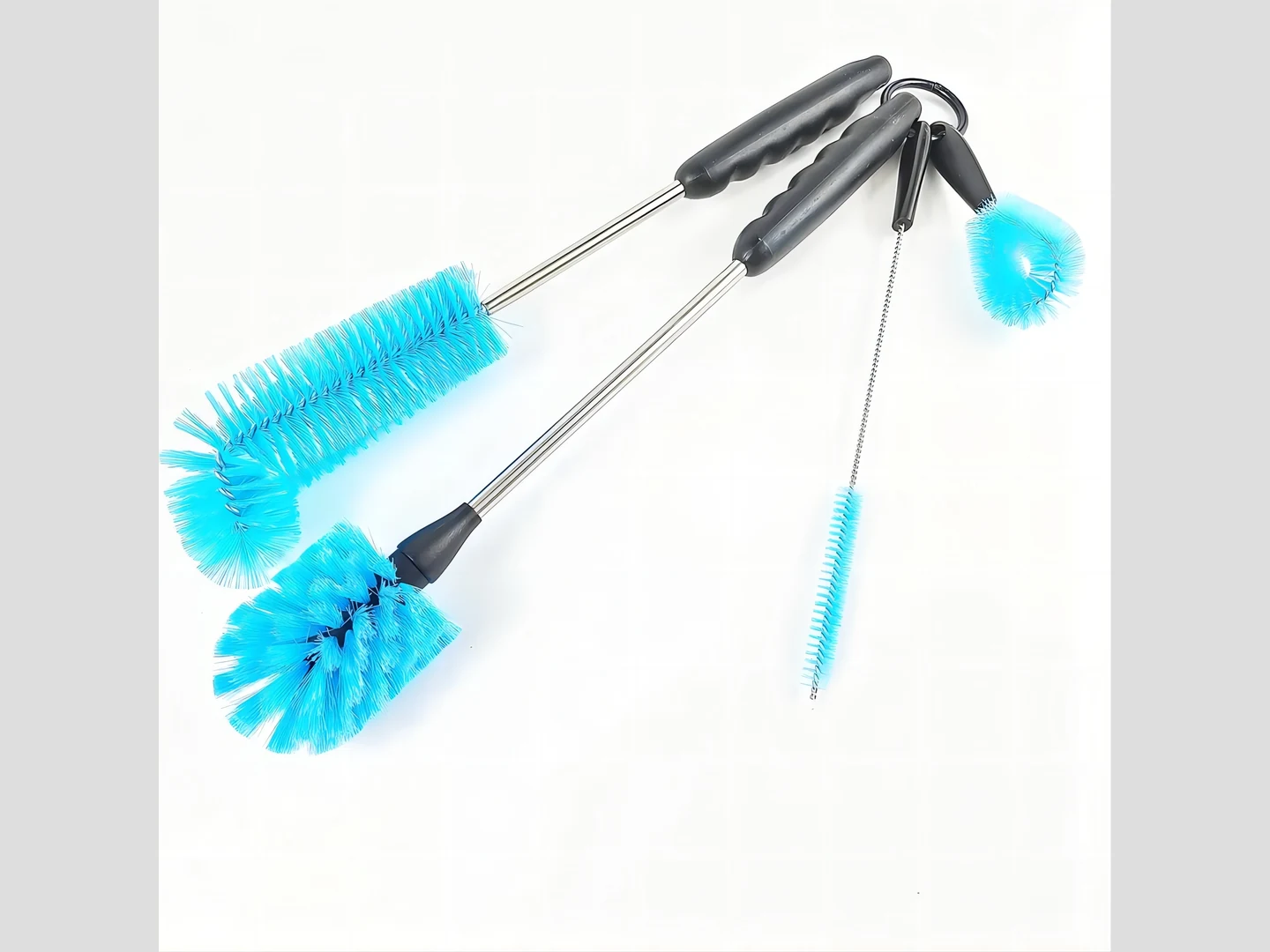
Cup Cleaning Brush
Custom cup cleaning brush for interior cleaning of cups, mugs, tumblers, and drinkware. Microfiber,…
See the specification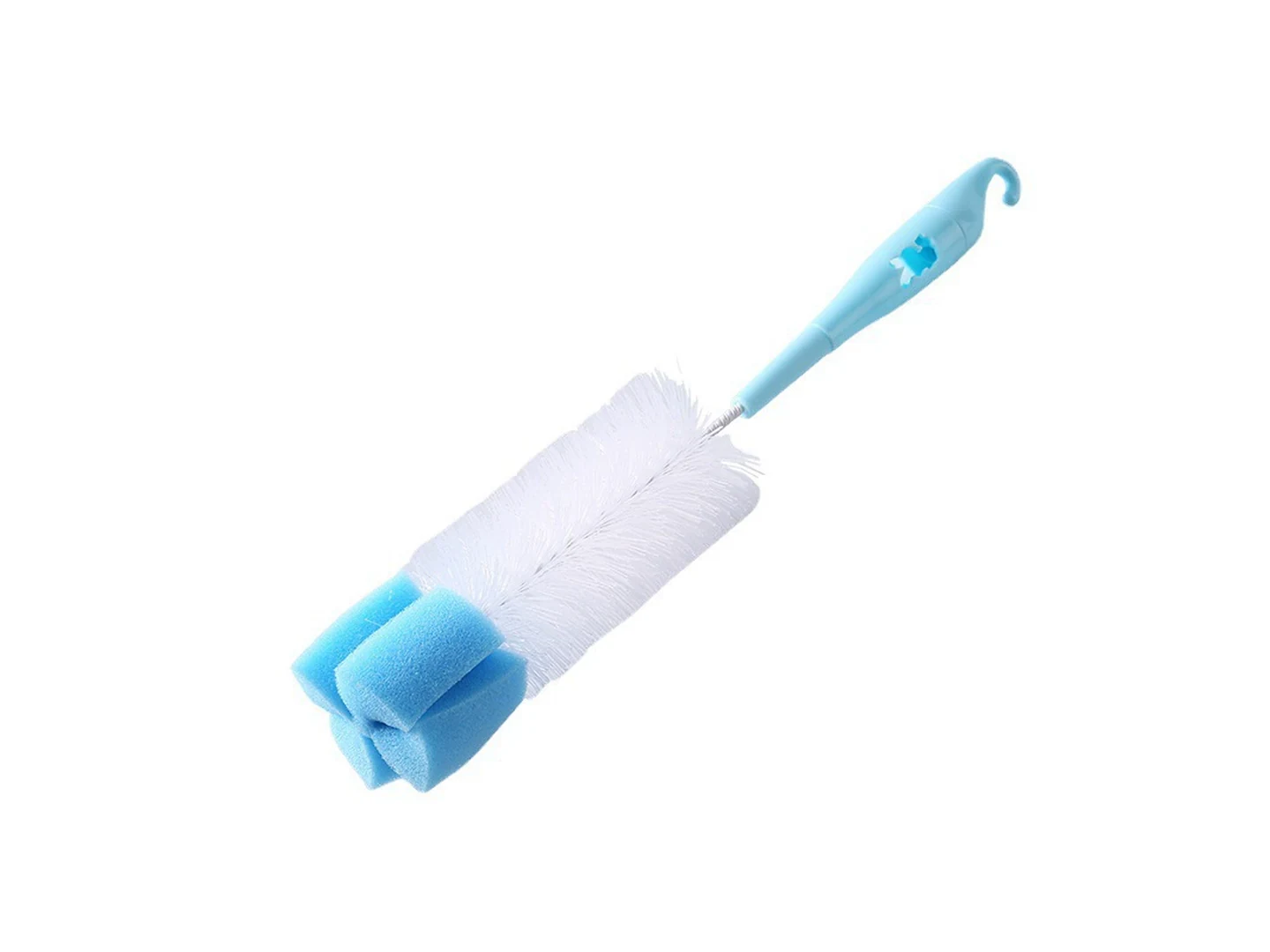
Glass Cup Cleaning Brush
Custom glass cup cleaning brushes with Nylon PA or Tampico fiber fill for cup…
See the specification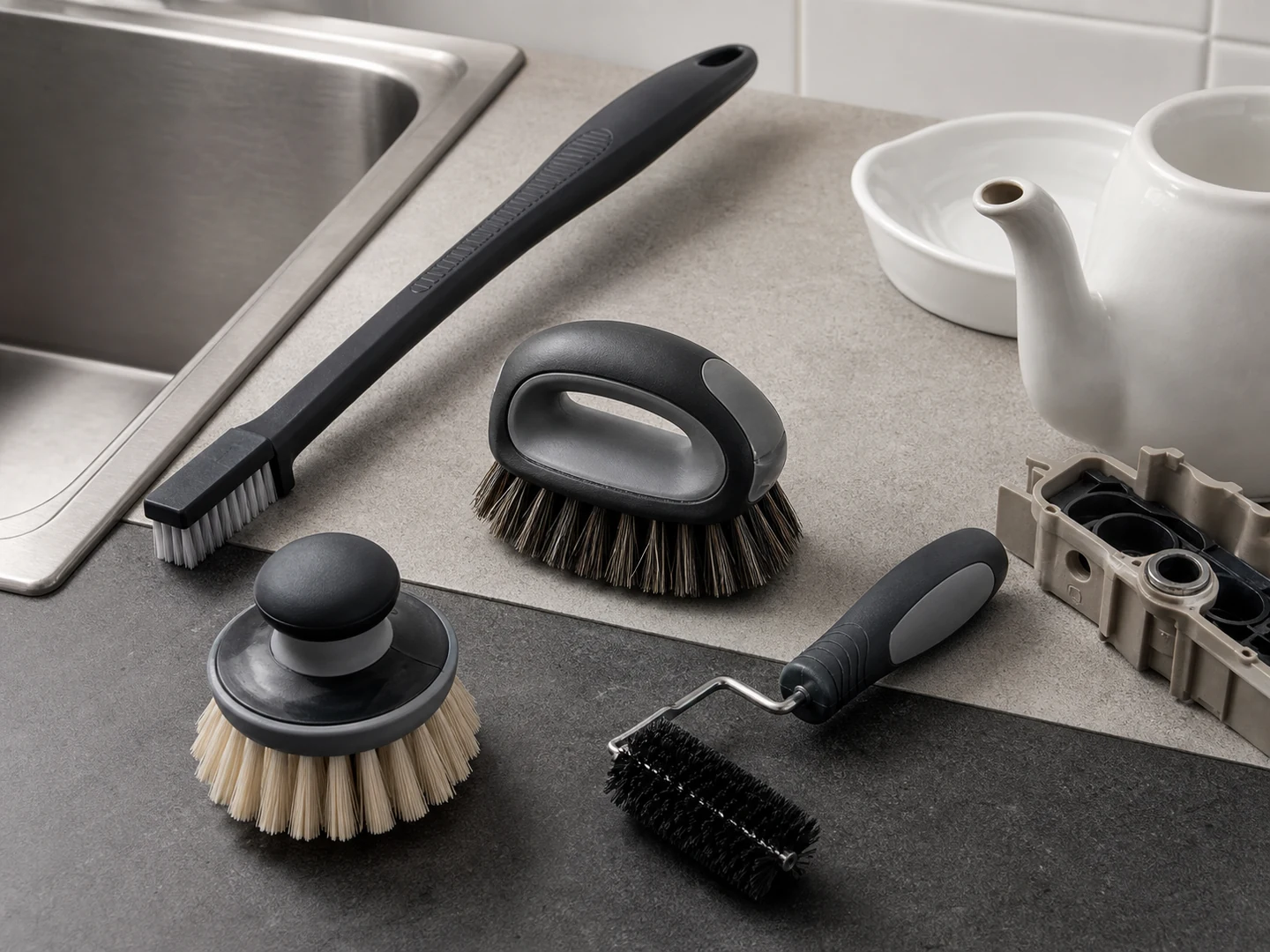
Custom Handheld Detail Brushes
Choose a handheld detail brush when you need direct control in seams, recesses, fittings,…
See how this type is built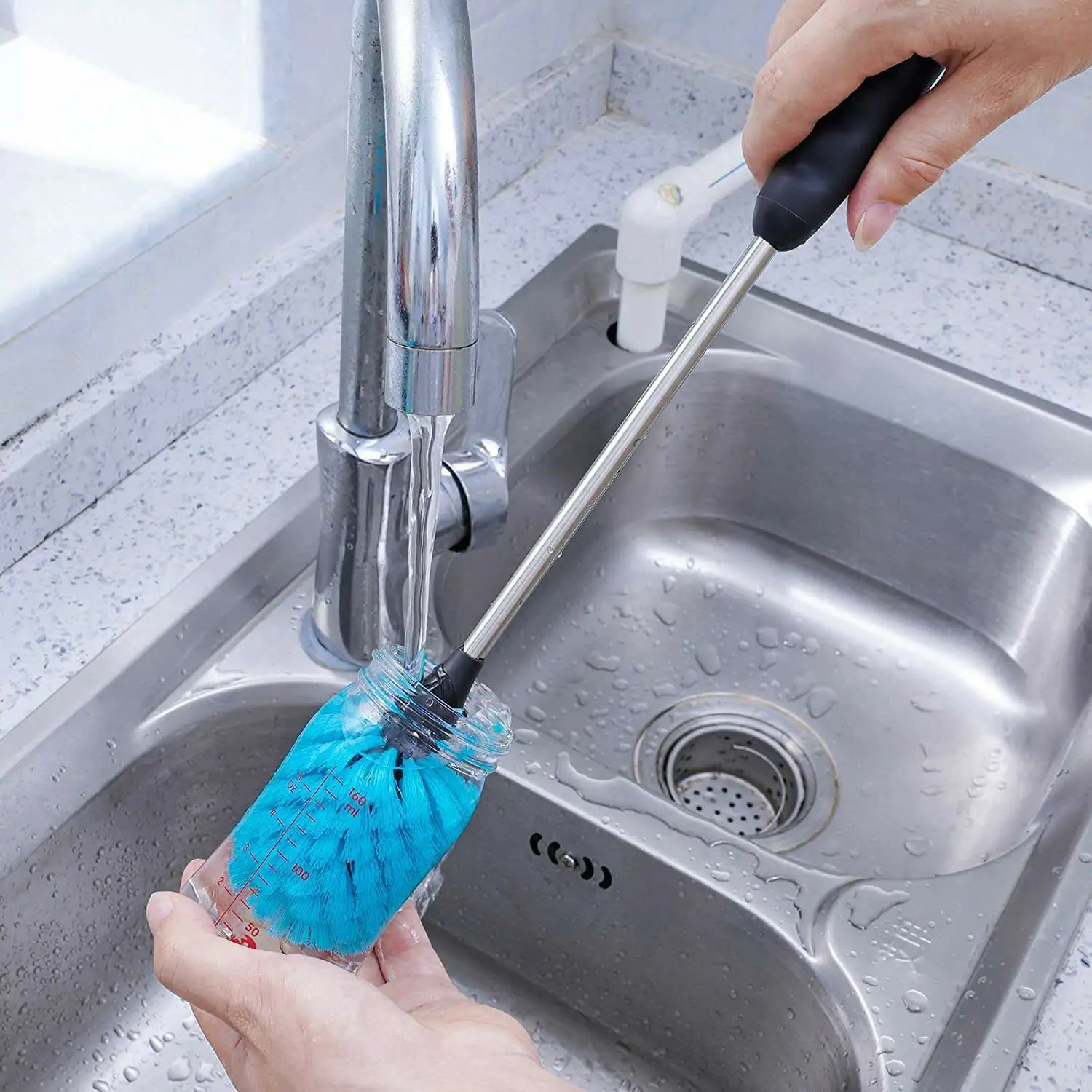
Custom Bottle & Container Brushes
Choose a bottle or container brush when the head must pass through an opening…
See how this type is built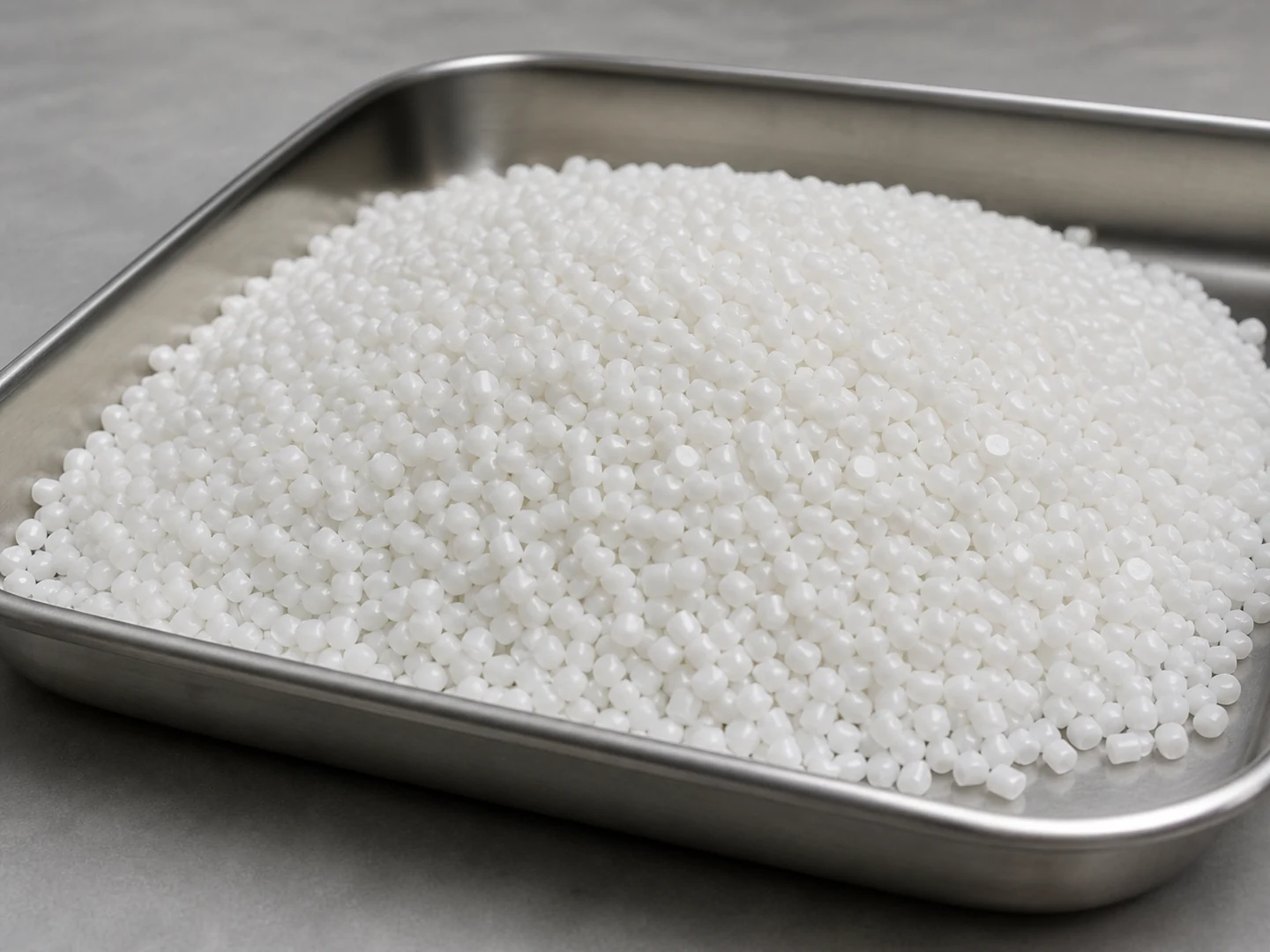
Polypropylene PP
Choose Polypropylene PP based on its stiffness, recovery, wear, wet-service, chemical, and temperature behavior.…
Compare this material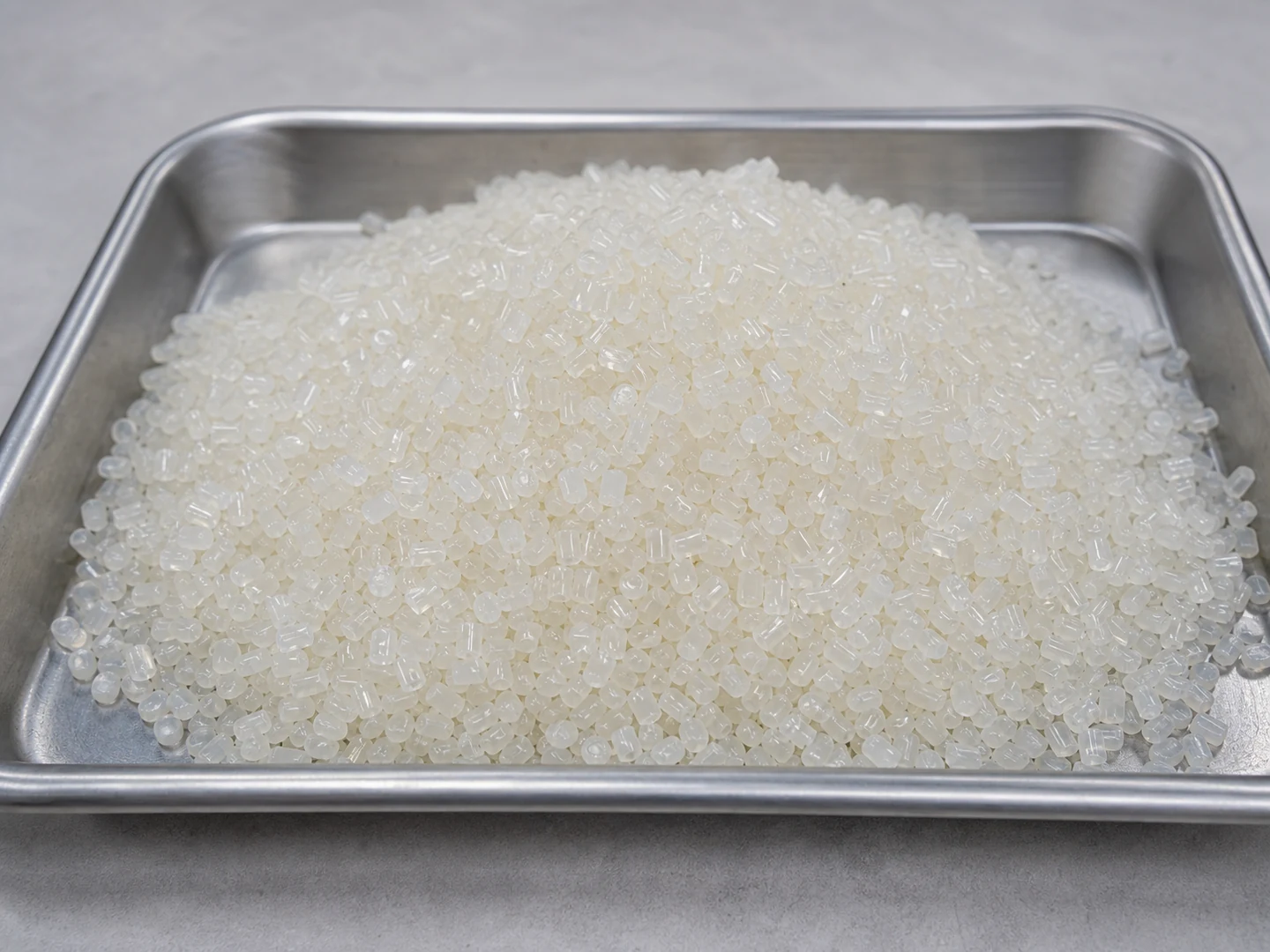
Nylon PA
Choose Nylon PA based on its stiffness, recovery, wear, wet-service, chemical, and temperature behavior.
Compare this material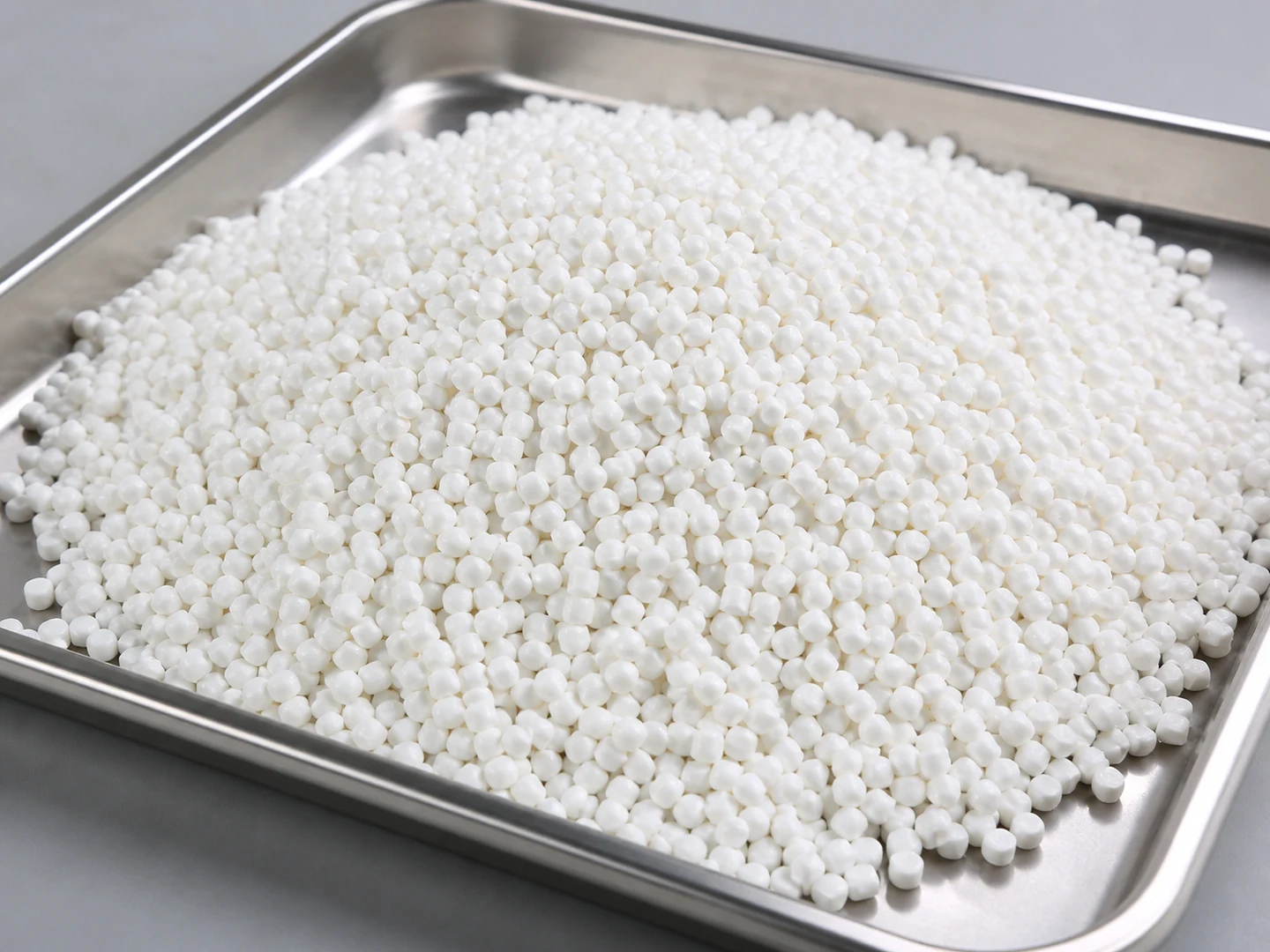
PBT
Choose PBT based on its stiffness, recovery, wear, wet-service, chemical, and temperature behavior. Do…
Compare this materialCustom Manufacturing RFQ
Discuss This Application
Share the working surface, residue, dimensions, material direction, interface, quantity and drawing or sample photo.
Custom Brush RFQ
Request a Custom Cleaning Brush Quote
Upload a drawing, product photo, or sample photo and provide the core dimensions and cleaning conditions.
“We need a brush to remove wet residue from a stainless steel conveyor, about 800mm wide. The current brush wears quickly. We can send photos.”
“We sell drinkware and need a cleaning brush to include with the product. Quantity around 5,000 pieces.”