
Material
Engineering Plastic Tube Core
Brush core material
Engineering Plastic Tube Core is evaluated as a brush component material rather than as filament. The correct component material depends on mechanical load, geometry, interface, environment, and how the brush will be cleaned and serviced.
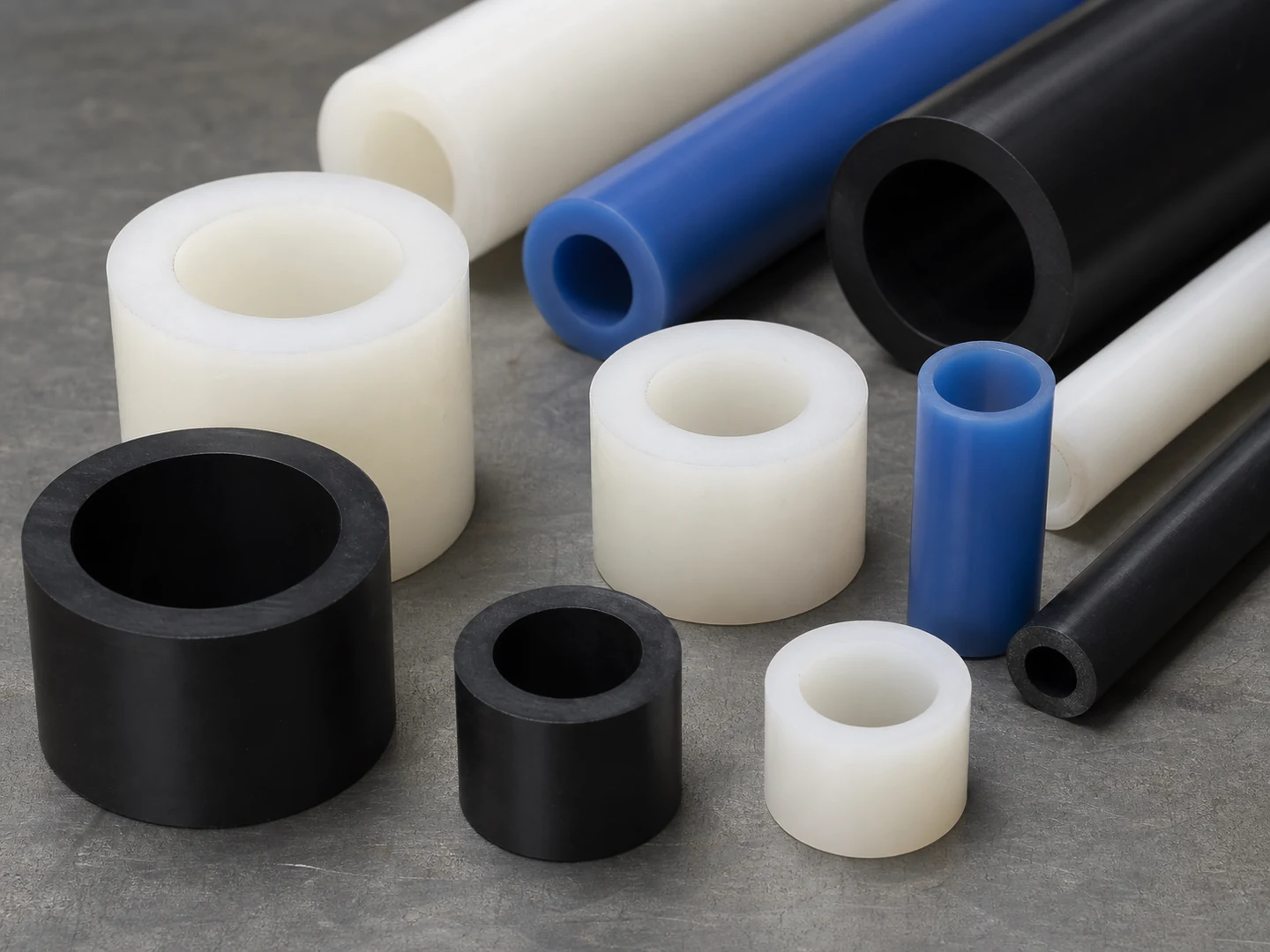
Datasheet values
- Core outside diameter
- 20–400 mm
- Wall thickness
- 2–25 mm
- Density
- 0.9–1.5 g/cm³ by polymer
- Use temperature
- -20–150°C by polymer
- Bore tolerance
- ±0.1–0.5 mm
An engineering-plastic tube core is a structural polymer cylinder that carries brush fill and transmits torque in a roller assembly.
What is Engineering Plastic Tube Core, and what makes it different from other brush filaments?
Engineering Plastic Tube Core belongs to the brush core material group, supplied as machined pom, pa, pet, pps or peek tube, extruded polymer tube and molded roller core.
Engineering Plastic Tube Core is used in custom cleaning brushes for lightweight conveyor, food-process and glass-washing rollers where corrosion resistance and machined interfaces matter.
Compare Engineering Plastic Tube Core with Steel tube, stainless tube, aluminum core, molded nylon core. Change material when wet stiffness, temperature, chemical resistance, conductivity, particle shedding, or surface marking becomes the limiting factor.
What stiffness and contact pressure can I expect from Engineering Plastic Tube Core?
Engineering Plastic Tube Core is ranges from tough nylon to dimensionally stable POM, PET, PPS or PEEK; section geometry is as important as resin modulus, which is why Engineering Plastic Tube Core changes brush stiffness through filament diameter, free trim, density, crimp, and contact. Use finer filament and longer trim for conformable contact; use coarser filament, shorter trim, or higher density for stronger displacement or cutting.
The part people get wrong: rigidity here controls how flat the working face stays under load, not how hard the brush scrubs. Those are two different specifications.
How does water affect Engineering Plastic Tube Core performance?
POM, PET, PPS, and PEEK cores provide low moisture uptake and stable dimensions in wet service.
What this means for your application: these are the cores chosen precisely because they do not move. POM, PET, PPS and PEEK hold their bore and hole pattern through wet duty, which is why they are specified over a polyamide core.
A practical check: cycle a sample through the wet process and re-measure the bore and hole spacing. If a core in this group has moved, the material supplied is not the one specified.
What temperature limits apply to Engineering Plastic Tube Core?
The usable temperature follows the selected core resin and finished roller design. PA, POM, PET, PPS and PEEK have very different thermal and creep behavior, so 80–260°C is a family span, not a single core rating.
Where it stops working: validate with a sample if the process sits near the top of that band. A permanent bend under load means the answer is a higher-temperature filament family, not a heavier trim.
The usable limit also moves with diameter, trim and contact pressure. A fine filament under light load tolerates more than a thick one under heavy scrubbing.
What chemicals attack Engineering Plastic Tube Core?
Varies widely by resin; PPS and PEEK provide different capability from PA or POM.
The same cleaner can be harmless or destructive depending on how strong it is, how hot it runs and how long it sits. Quote the concentration and the dwell time, not just the product name.
Before you commit to a quantity: Specify the exact Engineering Plastic Tube Core grade or alloy, filament or profile size, color, straight or crimped form, working temperature, wet or dry use, chemical exposure, surface finish, and any required material documentation.
What is the practical lower limit for filament diameter?
Filament diameter does not apply to Engineering Plastic Tube Core. It is a brush component rather than the fill, so it carries no filament of its own and sets no lower diameter limit.
The dimensions that do decide it are the bore or mounting size it has to fit, its wall section or thickness, and the hole pattern that receives the fill. Those come from the machine interface, not from the cleaning task.
If the sample comes back rejected: fix the component dimensions against the equipment first, then choose the fill material and its diameter for the residue you are removing. The two are specified separately.
What applications typically use Engineering Plastic Tube Core?
Lightweight conveyor, food-process and glass-washing rollers where corrosion resistance and machined interfaces matter.
The applications that keep coming back to this grade:
- Tube & Pipe Cleaning
- Pipe Robot Brush Attachment Use
- Hose Cleaning
- Laboratory Tube Cleaning
- CPAP Hose Cleaning
- Dental Tool Cleaning
The constructions that usually carry it:
- Custom Tube & Pipe Bore Brushes
- Custom Roller and Conveyor Brushes
In practical brush terms: Creep, keyway failure, thermal expansion, poor adhesive bonding and bore growth can make a generic plastic tube unsuitable.
How do I specify Engineering Plastic Tube Core for a custom brush?
A usable specification carries the construction, the filament diameter and free trim, the density and contact setting, and the service conditions: wet or dry, temperature, and what the cleaner actually is.
The mistakes that most often send a sample back:
- Selecting Engineering Plastic Tube Core from the material name alone without setting filament diameter, trim length, and density
- Using dry stiffness to predict wet behavior without checking moisture absorption or liquid exposure
- Ignoring trapped abrasive particles, chemical concentration, temperature, or contact motion when assessing surface risk
Reference standards behind the figures on this page: ISO 527-1:2019; ASTM D638; ISO 62:2008; ASTM D570-22; ISO 868:2003; ASTM D2240-15(2021); ISO 4892-3:2024; ASTM G154-23; UL 94; ISO 13061-1; ASTM D143.
Source: Ensinger — POM acetal material data. A plastic core is chosen for corrosion resistance and weight, and it is the core — not the fill — that sets the assembly temperature limit. Creep under sustained load at temperature matters more here than short-term strength.
Questions this page is asked
How should a driven engineering-plastic brush core be qualified at its shaft interface?
Test the actual bore, shaft, key or spline, inserts, end plugs, adhesive and fasteners at representative torque, starts, stops, reversals, speed, temperature and support spacing while monitoring slip, keyway damage, bore growth and joint movement. Verify total indicated runout and balance after fill installation and again after cycling, because a strong resin coupon does not release the machined and assembled torque path.
Which combined cycle should release a plastic tube core for wet or heated service?
Apply the intended radial and torsional load while cycling the full core through chemical concentration, liquid and air temperatures, exposure and drying times, humidity, cleaning and shutdown storage. Measure bore, runout, straightness, wall and interface dimensions plus cracks, crazing, swelling, creep, bond retention and residual torque capacity at defined intervals, then set replacement limits from the complete roller result.
Where these figures come from
| Property | Published value | Source |
|---|---|---|
| Chemical resistance | Varies widely by resin; PPS and PEEK provide different capability from PA or POM. | Ensinger Retrieved 2026-07-20 |
| Published datasheet figures |
|
Ensinger Retrieved 2026-07-20 |
| Hardness and stiffness | Ranges from tough nylon to dimensionally stable POM, PET, PPS or PEEK; section geometry is as important as resin modulus. | Ensinger Retrieved 2026-07-20 |
| Limitations | Creep, keyway failure, thermal expansion, poor adhesive bonding and bore growth can make a generic plastic tube unsuitable. | Ensinger Retrieved 2026-07-20 |
| Temperature resistance | 80–260°C across PA, POM, PET, PPS and PEEK cores. | Ensinger Retrieved 2026-07-20 |
| Water resistance | POM, PET, PPS, and PEEK cores provide low moisture uptake and stable dimensions in wet service. | Ensinger Retrieved 2026-07-20 |
Guides that go deeper on this
Continue Exploring
Recommended Reading & Related Brush Resources
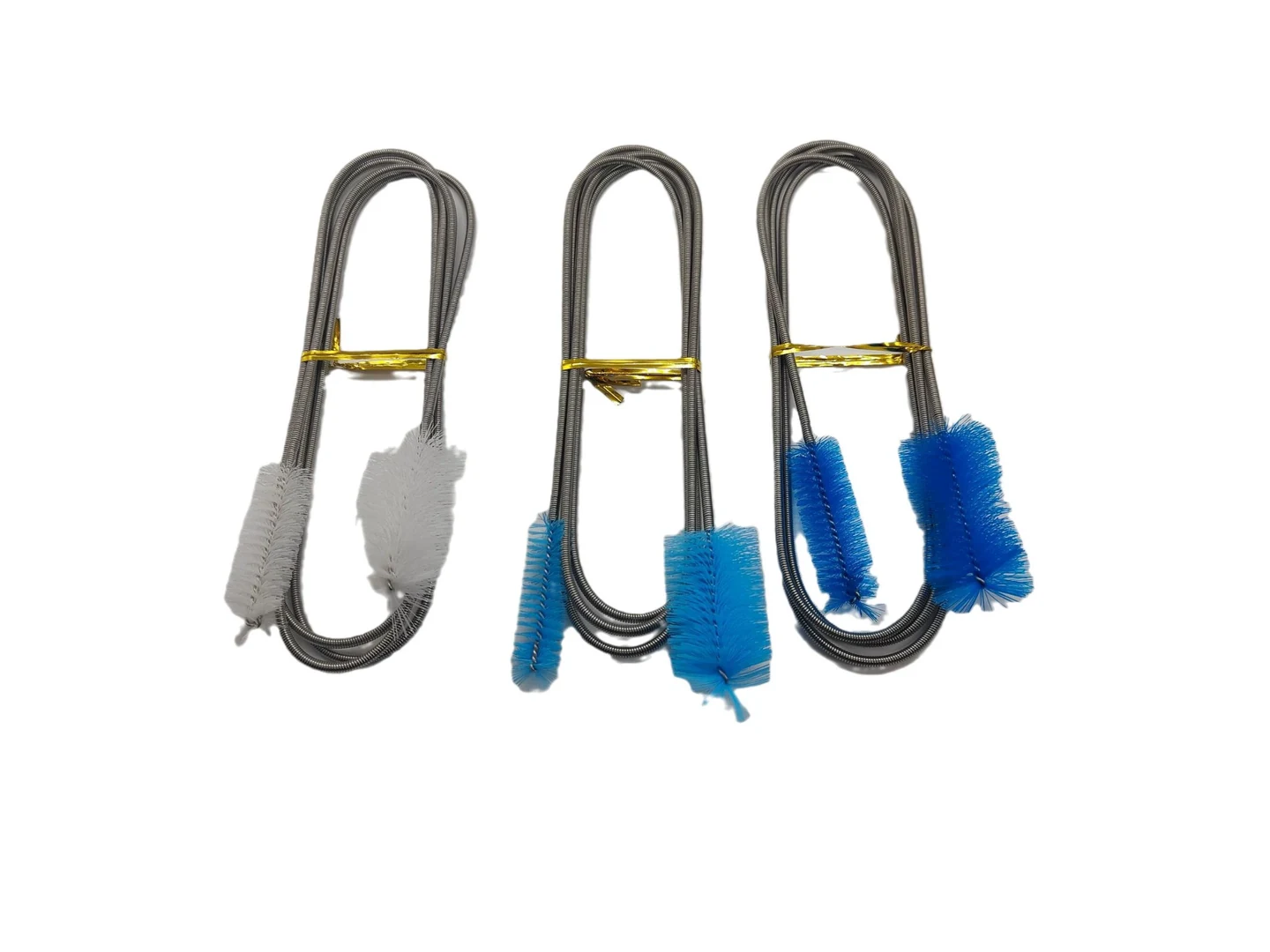
Centrifuge Tube Brush
Soft nylon and PBT centrifuge tube brushes for 0.5–50 mL tubes. Reach conical bottoms…
See the specification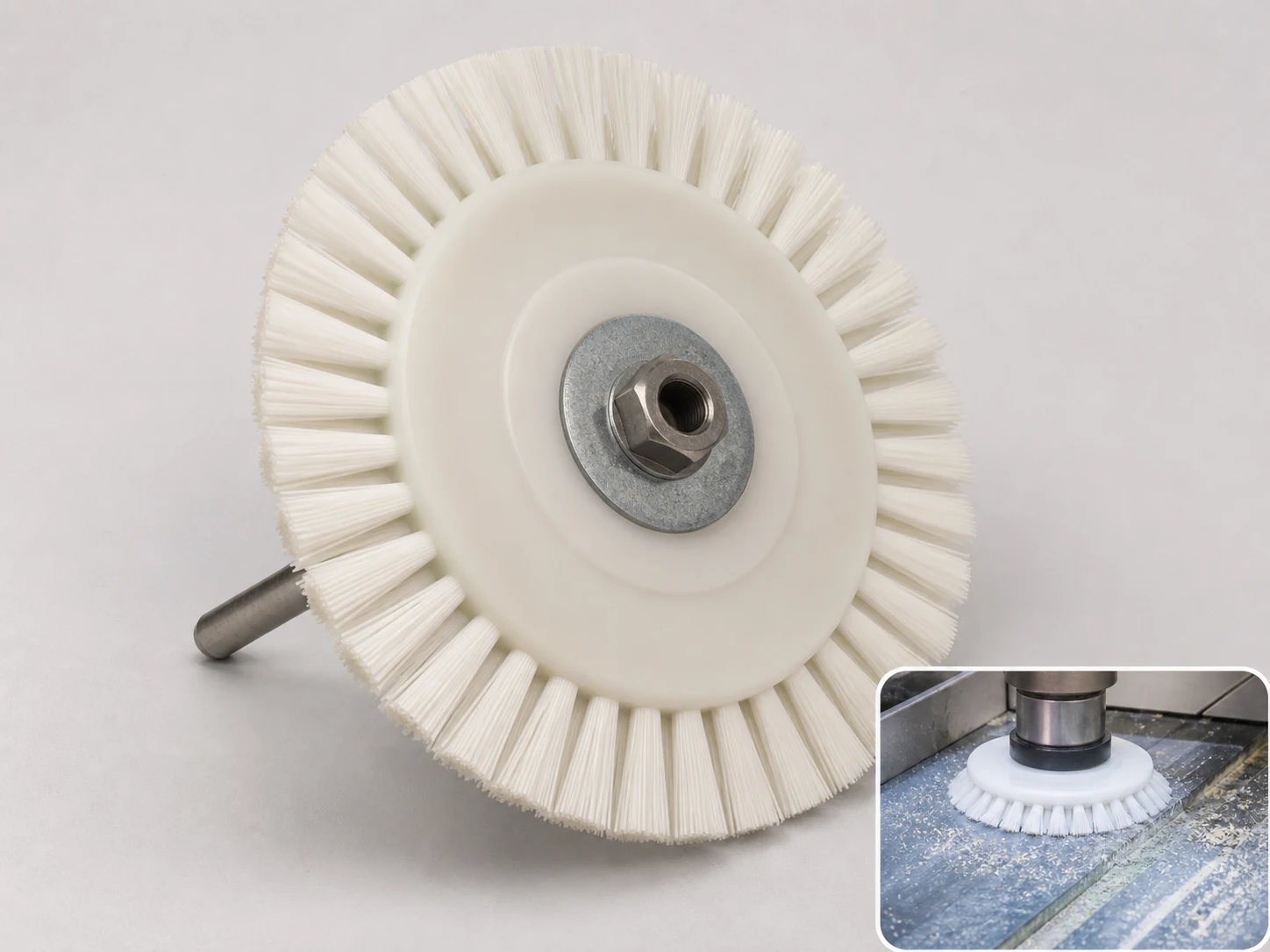
Plastic-Base Industrial Disc Cleaning Brush
Machine-mounted plastic-base disc brush with nylon PA filament for flat-face, edge, and localized cleaning…
See the specification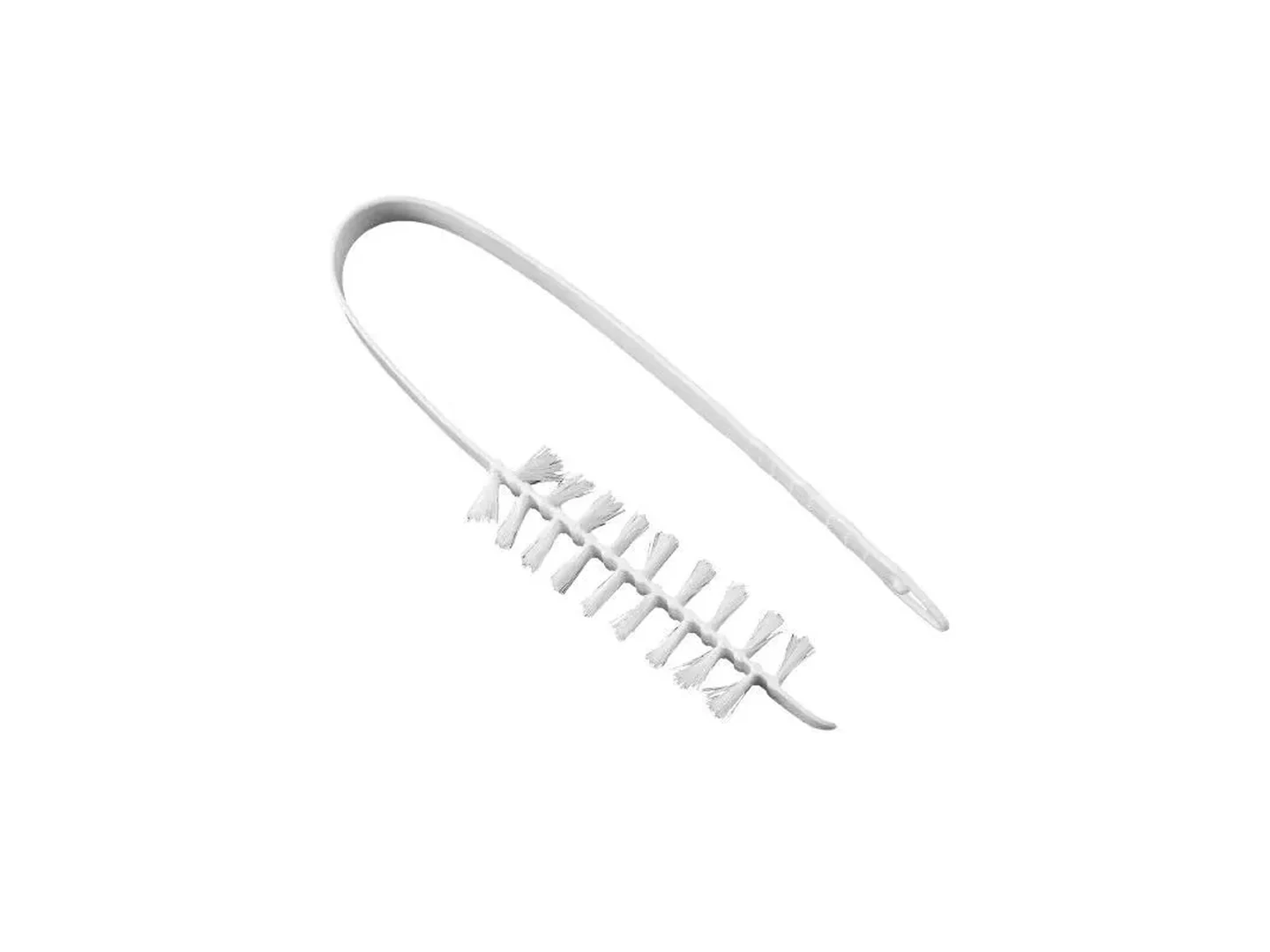
Washing Machine Cleaning Brush Rolling Nylon Plastic
Rolling nylon washing machine brush for gasket gaps, seals, dispenser and filter chambers. Plastic…
See the specification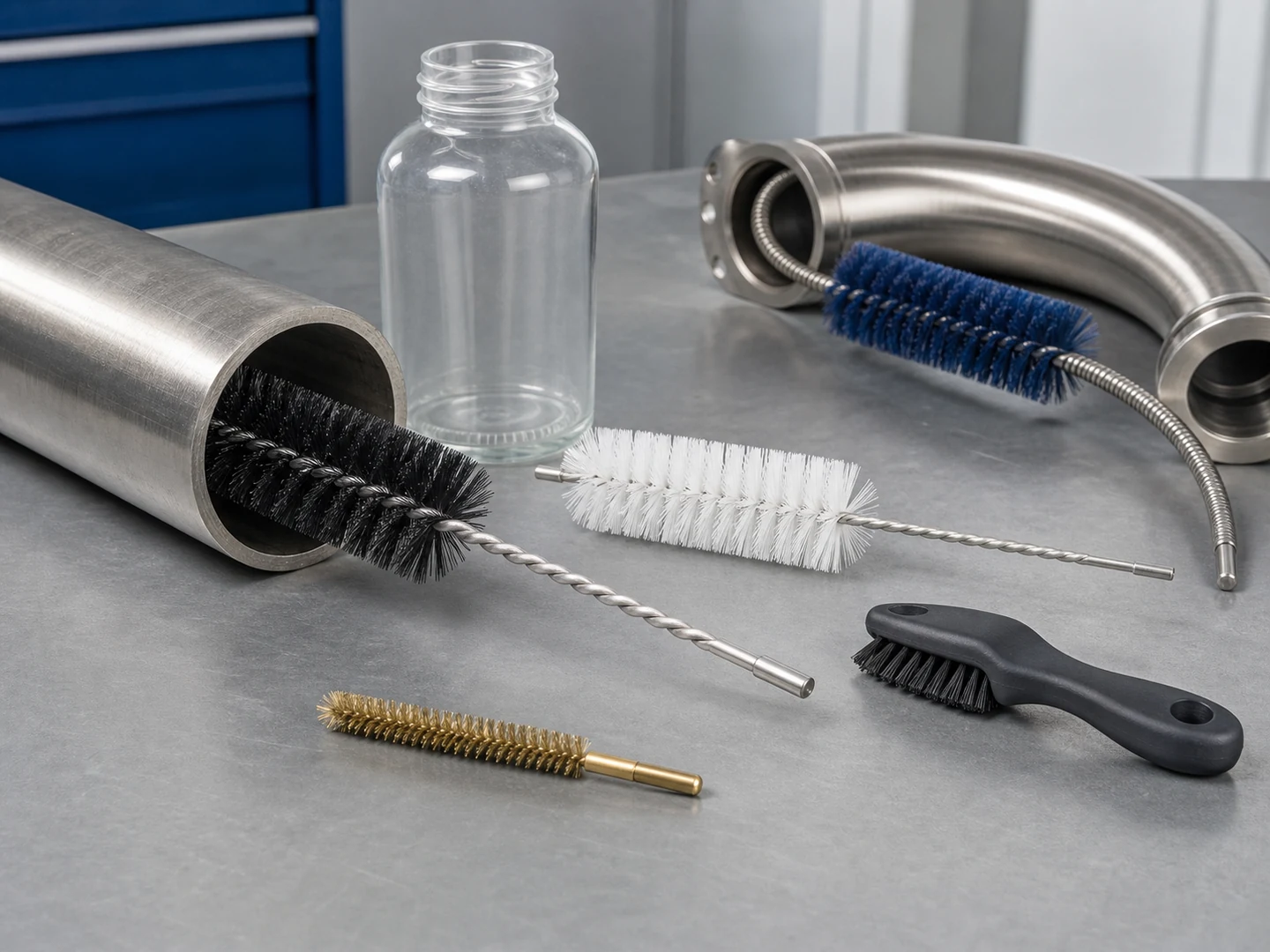
Custom Tube & Pipe Bore Brushes
Choose a tube, pipe, or bore brush when the working surface is inside a…
See how this type is built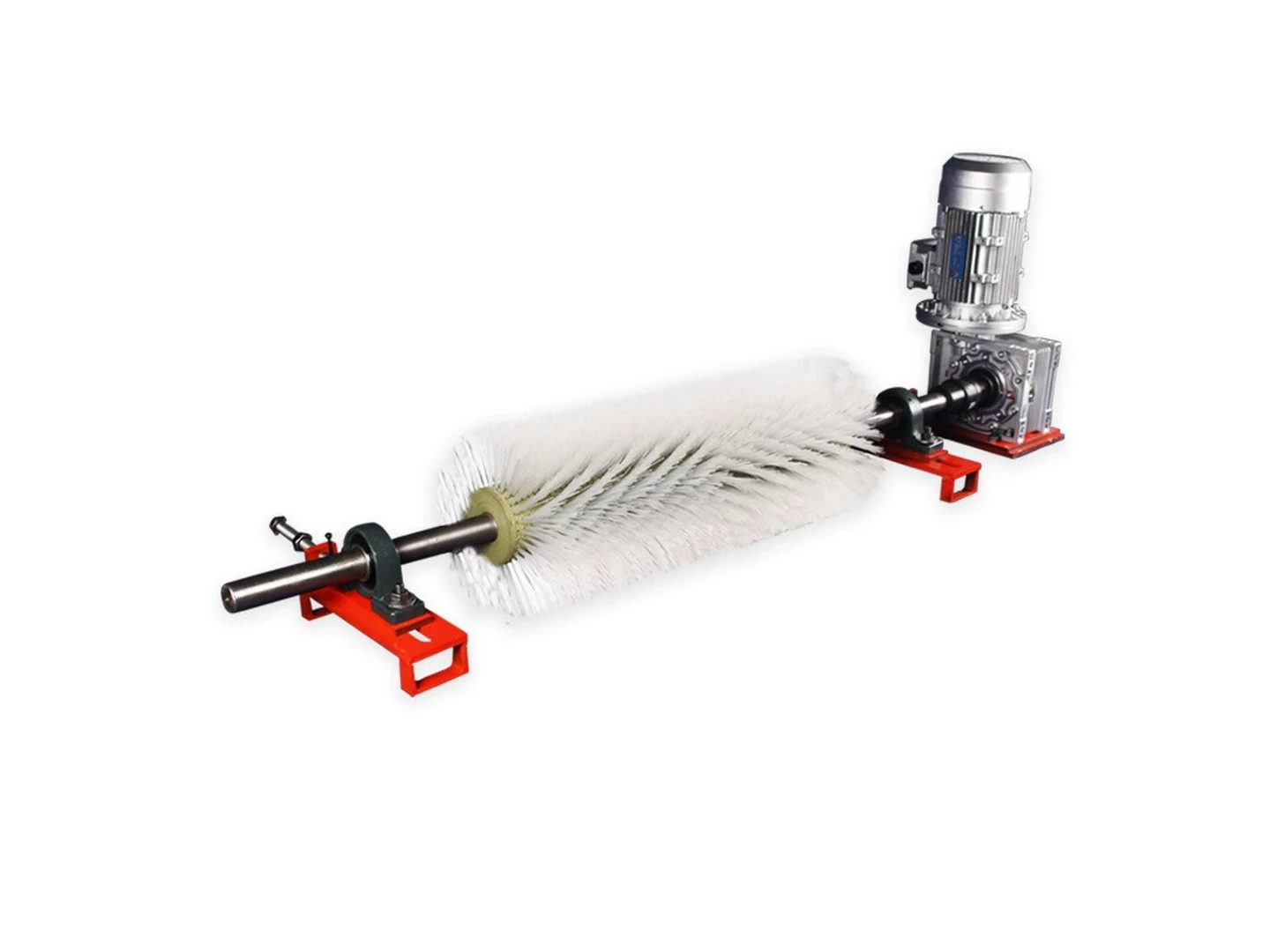
Custom Roller and Conveyor Brushes
Choose a roller or conveyor brush when a cylindrical brush must clean, wipe, guide,…
See how this type is built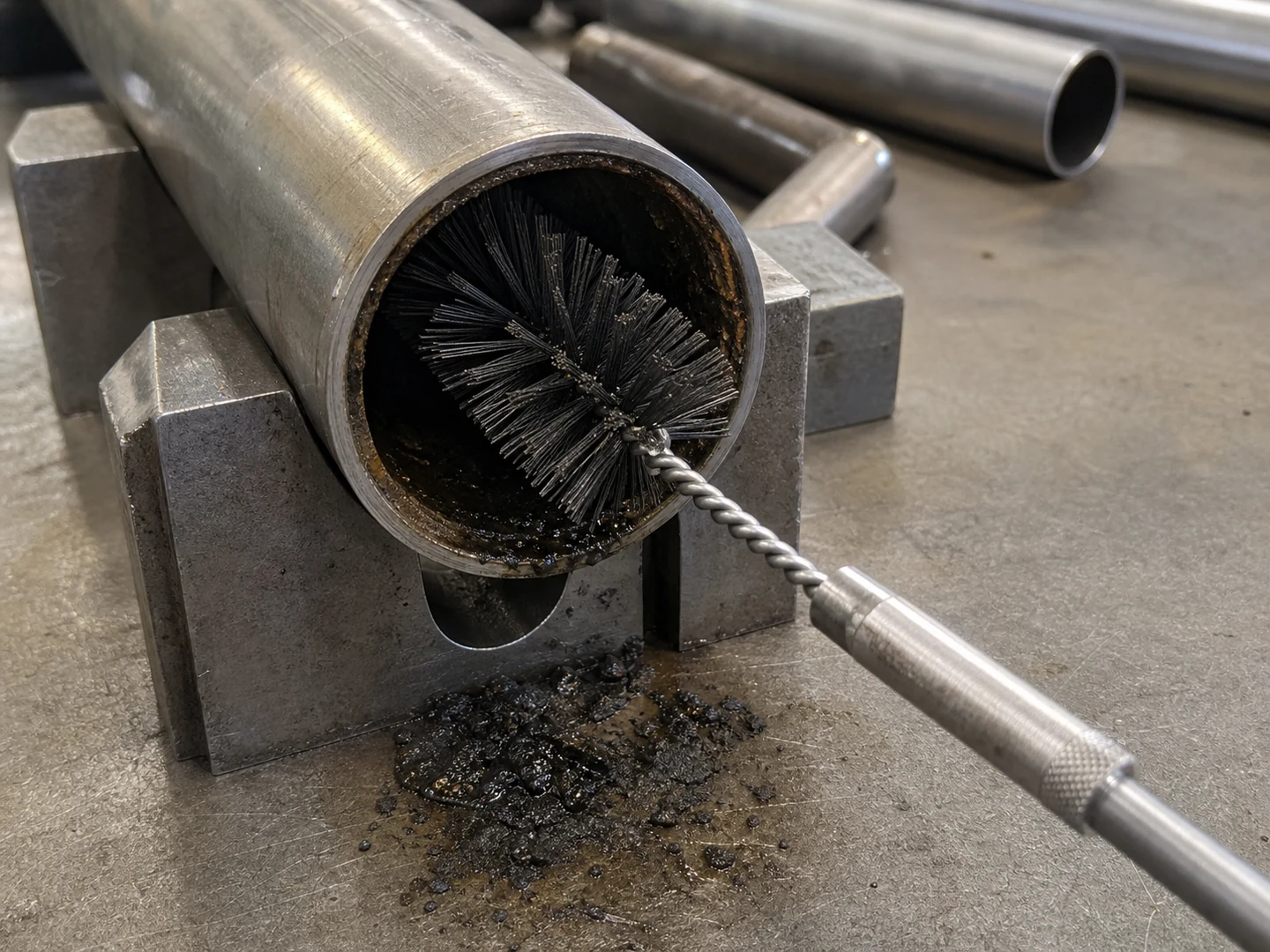
Tube & Pipe Cleaning
For Tube & Pipe Cleaning, the brush must reach the working area, disturb or…
See the cleaning job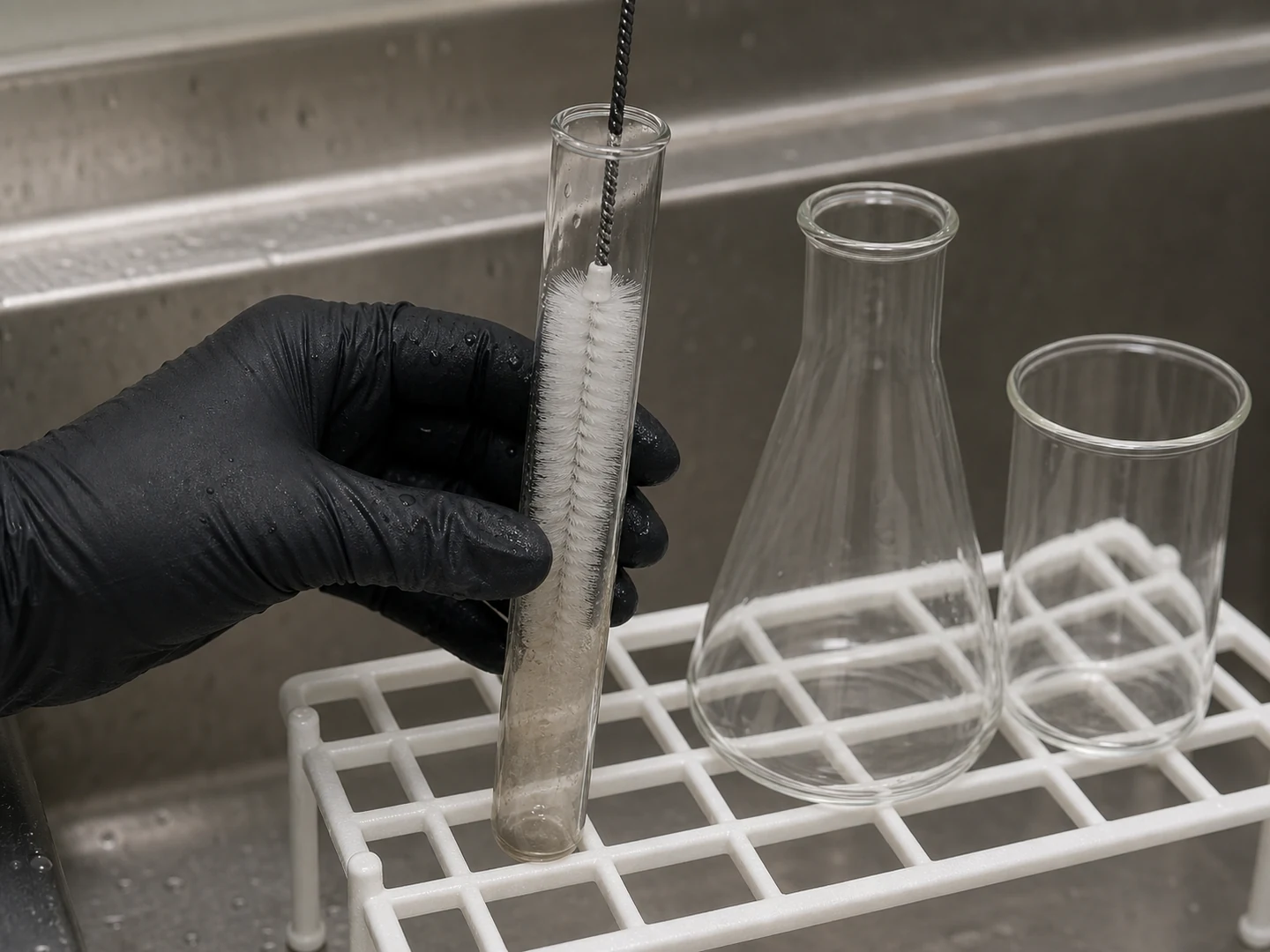
Laboratory Tube Cleaning
For Laboratory Tube Cleaning, the brush must reach the working area, disturb or collect…
See the cleaning job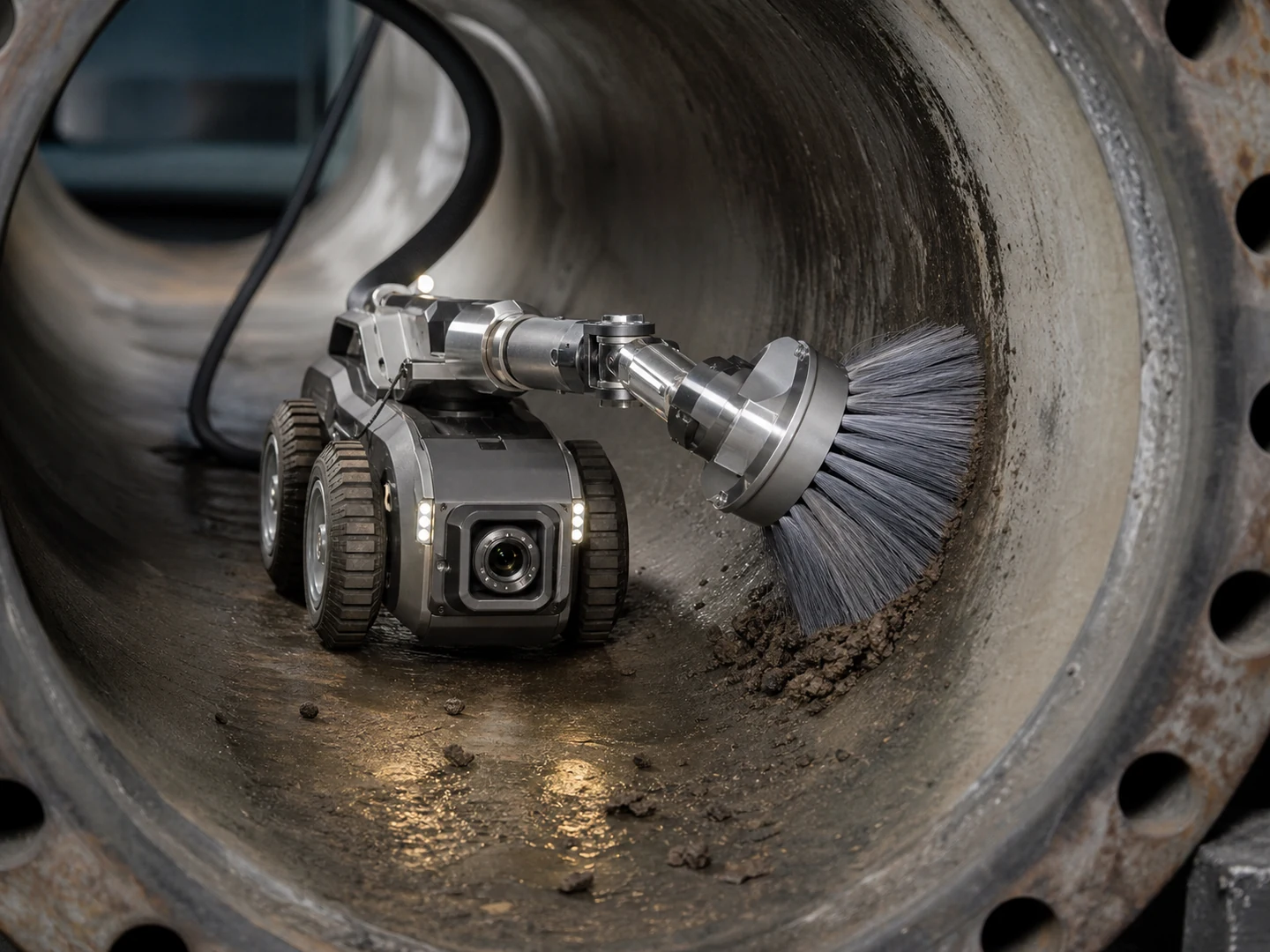
Pipe Robot Brush Attachment Use
For Pipe Robot Brush Attachment Use, the brush must reach the working area, disturb…
See the cleaning jobCustom Manufacturing RFQ
Discuss This Material
Share the working surface, residue, dimensions, material direction, interface, quantity and drawing or sample photo.
Custom Brush RFQ
Request a Custom Cleaning Brush Quote
Upload a drawing, product photo, or sample photo and provide the core dimensions and cleaning conditions.
“We need a brush to remove wet residue from a stainless steel conveyor, about 800mm wide. The current brush wears quickly. We can send photos.”
“We sell drinkware and need a cleaning brush to include with the product. Quantity around 5,000 pieces.”