
Custom Cleaning Brush
Plastic-Base Industrial Disc Cleaning Brush
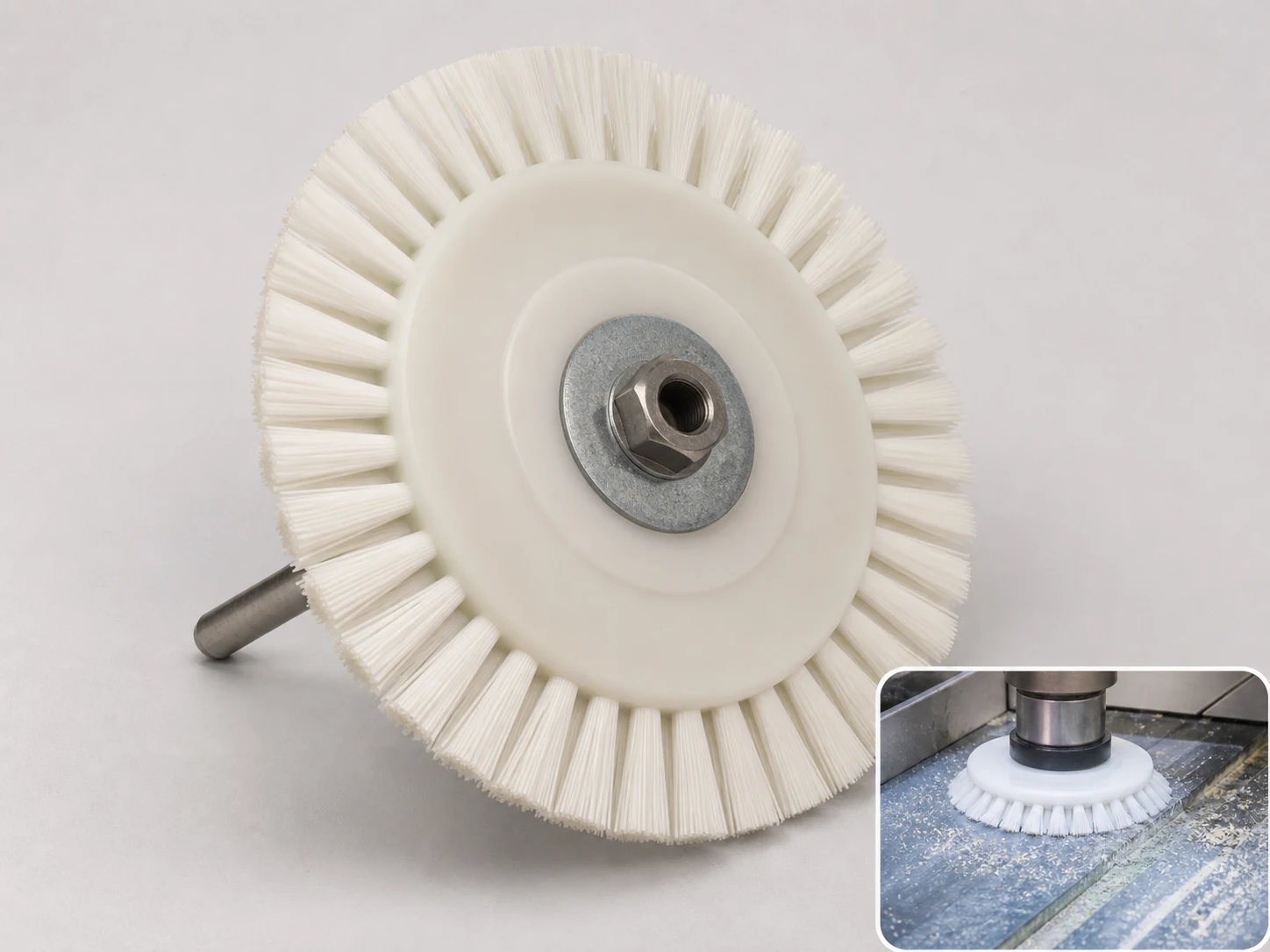
Machine-mounted plastic-base disc brush with nylon PA filament for flat-face, edge, and localized cleaning of machine tables, components, and work zones.
Large-format brush
100 pcs
Minimum order
Built one at a time on a core or channel: full-width rollers, sweeper brooms and long strip.
Production lead time, once the specification is confirmed
- Up to 100 pcsWithin 20 days
- 101–1,000 pcsWithin 30 days
- Over 1,000 pcsConfirmed with your quotation
Peak season can extend these times; the shipping date is confirmed in writing with your quotation. Sampling and shipping are quoted separately.
A machine-mounted rotary brush with a molded or machined plastic base and dense nylon PA tufting, built for powered cleaning of flat faces, edges, and localized work zones in industrial machines. The corrosion-resistant base and configurable filament grade make it a practical alternative to metal-hub discs where rust control, surface protection, and direct mounting matter.
What can this brush do for you?
Keeps wet and oily cleaning processes free of rust contamination
The plastic base does not corrode, flake, or release rust particles into coolant, oil, or product surfaces. Operators don’t have to stop the line to clean up contamination from the brush itself, which is a common problem with metal-hub discs on machine tables, pallets, chucks, and fixtures.
Full-face tuft coverage without blind spots
Tuft patterns are arranged in annular rows, spiral lanes, or staggered face layouts so the rotating filament tips sweep the complete contact area. Surface film and loose particles are removed evenly rather than showing clean tracks beside untouched strips.
One base style covers a wide residue range
Standard nylon PA filament handles dust, oil film, polishing compound, and loose particles. The same disc design can be filled with abrasive nylon for oxide or light scale, or brass/metal wire where the surface permits a more aggressive contact. The working specification can change without redesigning the mounting.
Direct-fit mounting instead of adapter work
The center bore, bolt circle, counterbore depth, keyway, and drive features are matched to the machine spindle or table before production. Installation becomes a bolt-on step, not a shop modification.
Lower rotating mass and less spindle strain
A plastic base weighs less than a comparable steel-hub disc, which reduces load on bearings and drives and makes balancing easier on larger diameters. The trade-off is correctly engineered thickness and reinforcement, so working speeds are specified for the final configuration.
What is a Plastic-Base Industrial Disc Cleaning Brush?
A Plastic-Base Industrial Disc Cleaning Brush is a rotary cleaning disc built on a molded or machined thermoplastic base with tufted filament implanted into the working face and, when specified, the outer rim. It is bolted to a rotary drive on a machine and used where powered contact is needed to clear debris, films, light scale, or burrs from flat faces, edges, and limited circular work zones.
During operation the disc spins, and the filament tips perform the cleaning action. Trim length, filament diameter, tuft density, and pattern control how much pressure each tip applies. A shorter, denser fill produces a stiffer sweep for oxide and burrs; a longer, more open fill is softer and follows uneven surfaces more easily.
The plastic base gives the brush its dimensional shape and mounting accuracy. It will not rust in wet or oily environments and can be molded or machined with pockets, counterbores, bolt patterns, and drive slots that copy existing machine interfaces. Base thickness and reinforcement are sized for the intended diameter and speed. Edge-set filaments can be added when the same tool has to sweep a side wall or recess while the face works the flat. This is a powered surface-conditioning tool, not a high-stock-removal grinding wheel.
Technical Specifications
The values below are standard engineering ranges for this disc. Most dimensions and material selections can be adjusted to the machine and cleaning task.
| Parameter | Value / Options |
|---|---|
| Brush form | Tufted/implanted rotary disc with working-face tufts; edge-set tufts optional |
| Disc diameter | 100–1100 mm; custom sizes on request |
| Disc thickness | 6–150 mm, sized for rigidity, mounting depth, and working clearance |
| Visible filament length | 10–50 mm above the base |
| Base material | Engineering thermoplastic, PP, PA, or glass-fiber-reinforced grade selected for environment and load |
| Filament material | Nylon PA (standard); abrasive nylon, temperature-resistant fiber, brass or metal wire for heavier residue as surface permits |
| Tuft configuration | Annular rings, spiral, staggered full-face, or custom pattern; tuft diameter, hole spacing, and density specified per project |
| Mounting interface | Center bore 10–50 mm, bolt-circle pattern with counterbores, keyway, threaded inserts, hub, or copied machine pattern |
| Operating environment | Wet, oily, dry, coolant, or mild chemical exposure; material grade and filament matched to temperature and media |
| Balance | Static or dynamic balance available; speed rating confirmed for final diameter, base, and filament combination |
| Brush type | Custom Machine Table Brush Plates |
| How it is driven | Machine-driven, mounted in the equipment |
| Cleaning target | flat faces of machine table, edge deburring and light radiusing, and pre-coating or pre-bond surface preparation of flat cleaning |
| Surface or part | flat faces, edges, plastic, circular work zones, recesses, machine tables, metal, and rims |
| Residue or debris | rust, oxide, burrs, oil film, polishing compound, loose particles, dust, and light scale |
| Mounting / connection | Center bore 10–50 mm, bolt-circle pattern with counterbores, keyway, threaded inserts, hub, or copied machine pattern |
Where does this brush work best?
- Flat faces of machine tables, pallets, chuck plates, and workholding fixtures where oil film, chips, dust, and polishing compound build up during production.
- Edge deburring and light radiusing on machined, stamped, or laser-cut plates and components where filament contact removes the burr without changing part geometry.
- Pre-coating or pre-bond surface preparation of flat parts to remove oxide, loose particles, and fingerprints before finishing.
- Continuous conveyor or web line cleaning where a fixed rotary station sweeps the moving surface with consistent contact.
- Localized circular work zones, indexing tables, and shallow recesses where the disc diameter is sized to the accessible area.
- Wet or oil-splash environments where a metal-hub brush would corrode and contaminate the process.
How do I choose the right one?
Start with the contact area and machine motion. The disc diameter needs to cover the flat face, rim zone, or recess without overhanging into areas that cannot be touched. For a localized circular work zone, match the disc to the zone diameter. For full-face machine table cleaning, choose the largest disc that fits the available clearance and drive power, then verify the spindle speed and guard opening.
Move to the filament after the geometry is set:
- Dust, oil film, polishing compound, and loose particles: standard nylon PA is usually the correct starting point.
- Oxide, light scale, and fine burrs: abrasive nylon adds cutting action without immediate damage to machined surfaces.
- Heavier oxide or rust: brass or metal wire will remove more, but it marks and generates more heat; only use it when the surface permits.
Next, size the base and mounting. Larger diameters and higher speeds create more bending stress. A glass-fiber-reinforced base, greater thickness, larger bolt circle, or a metal hub may be needed above a certain size or RPM. Always copy the machine’s center bore, bolt-circle pattern, counterbore depth, and any drive feature so the disc seats the same way every time.
Finally, confirm the operating environment. Wet or oily use demands a moisture-tolerant filament grade and a base that will not swell or soften. Hot zones or chemical exposure narrow the material choices; specify the temperature, media, and duty cycle early.
| If the job is… | Starting configuration |
|---|---|
| Dust, oil film, polishing compound | Nylon PA, moderate tuft density, 10–30 mm trim |
| Oxide, light scale, fine burrs | Abrasive nylon, denser fill, shorter trim for stiffness |
| Rust or heavy residue on hard surfaces | Metal wire fill, reinforced base, confirm scratch allowance |
| Large-diameter or high-speed rotation | Glass-filled base, thicker section, dynamic balance, metal hub if required |
When to use something else: for heavy weld spatter removal, deep rust, or true stock removal, use a wire wheel, abrasive wheel, or flap disc with a metal hub. For deep holes, bores, or tubes, a cylindrical or tube brush reaches where a disc cannot. For occasional manual touch-up, a hand brush is simpler and cheaper. The plastic-base disc is the right tool when you need a mounted, repeatable rotary sweep over accessible flat and edge areas without corrosion or metallic contamination.
Can I customize this brush?
This disc is almost always configured to the machine and the part, not picked from a catalog. To prepare a custom build, provide the required diameter, planned RPM, working clearance, surface material, residue type, chemical and temperature conditions, and a drawing or photo of the mounting face.
Engineering options include:
- Disc geometry — diameter, thickness, face profile, chamfered or slotted rim, center hole, and working-face shape.
- Base material — standard engineering plastic, PA, PP, glass-fiber-reinforced or heat-resistant grade, color and finish.
- Filament — nylon PA, abrasive nylon, temperature-resistant fiber, brass or metal wire; filament diameter, crimp, tip profile, trim length, and stiffness.
- Tuft layout — annular rings, spiral, full-face stagger, edge-set tufts, density, and pattern spacing.
- Mounting — center bore, bolt circle, counterbores, keyway, hub, threaded inserts, drive pins, quick-disconnect features, or copy of the existing machine pattern.
- Marking and packaging — pad printing, laser marking, molded identification, color coding, bulk packing, individual bags, labels, or project-specific packaging.
If your project requires material declarations, incoming inspection criteria, or third-party testing support, we can coordinate those requirements as part of the configuration process instead of treating them as an afterthought.
When is a plastic-base industrial disc cleaning brush worn out rather than just dirty?
How do I know whether the base is thick enough for my disc diameter and speed?
As diameter and speed increase, centrifugal force and vibration load rise. If the base flexes, the bolt circle elongates, or the tuft pattern shows wave distortion, the base is underbuilt for the duty. A thicker section, glass-fiber reinforcement, larger bolt circle, or metal hub/backing plate may be required. Provide the planned RPM and diameter so the base design can be checked before production.
What should I check before mounting the disc?
Inspect the plastic base for cracks, discoloration, or creep around mounting holes. Check that counterbores are clean, fasteners are free of burrs, and the disc seats flat on the mounting face. Look at tufts for missing clumps, melted tips, or uneven wear, and confirm the disc rotates true before bringing it to working speed.
Can the same disc run wet and dry?
Nylon PA filament absorbs moisture and becomes softer, longer, and slightly less aggressive when wet. If the process alternates between wet and dry, ask for a moisture-stable filament grade or accept that contact behavior will change with conditions. The base must also be selected for water or coolant exposure so it does not soften or swell over repeated cycles.
How do I know when the brush is worn out rather than just dirty?
Cleaning debris out of a tuft pattern is worth trying first. Replacement is indicated when visible filament length is worn close to the base, when tufts no longer recover their upright position, or when the disc can no longer be balanced back to acceptable runout. Check brush-face height against the minimum required contact length for your part.
Will a flat disc clean the side edges of my parts?
Yes, when the rim is configured with edge-set or side tufts. A flat disc with only face tufts will leave side walls largely untouched. If the main job is deburring or cleaning the outer circumference under side load, a cup brush or wide-face cylindrical/roller brush usually handles the load better. A plastic-base disc with edge tufts can sweep both the face and the adjacent side when the load is moderate.
Guides that go deeper on this
RELATED BRUSH RESOURCES
Recommended Reading & Related Brush Resources
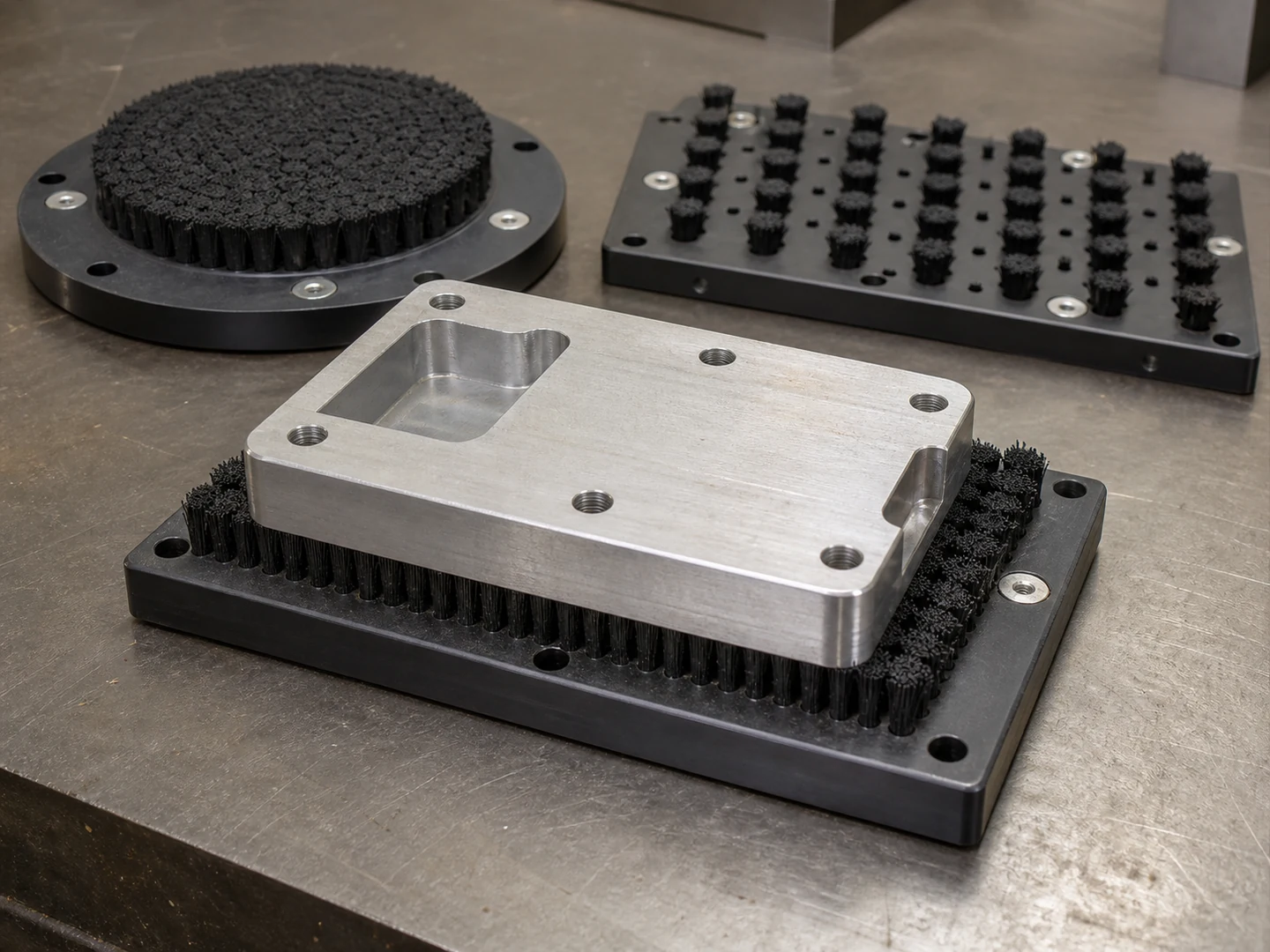
Custom Machine Table Brush Plates
Choose a machine table brush plate when a broad field of bristles must support,…
See how this type is built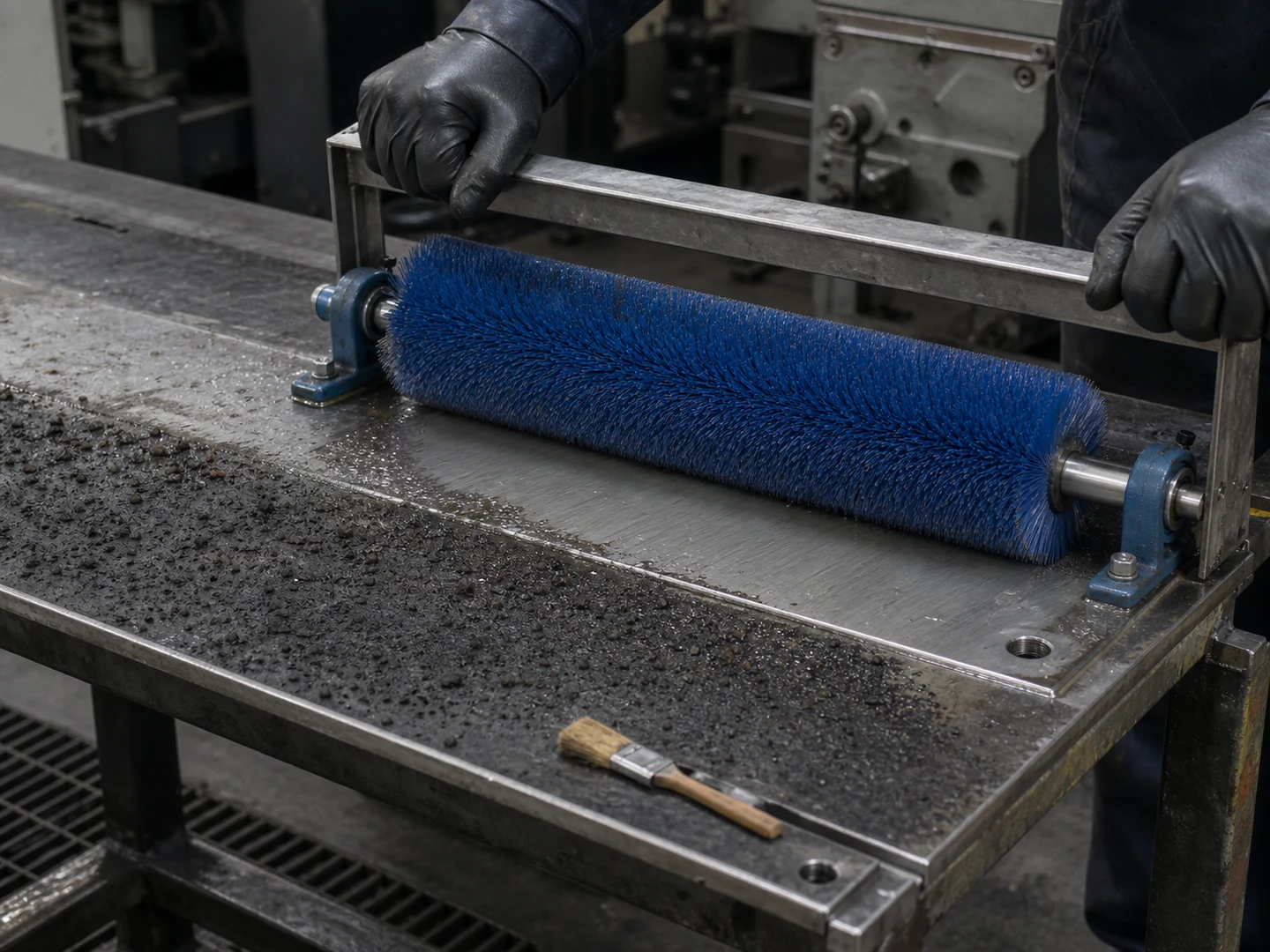
Industrial Machine Cleaning
For Industrial Machine Cleaning, the brush must reach the working area, disturb or collect…
See the cleaning job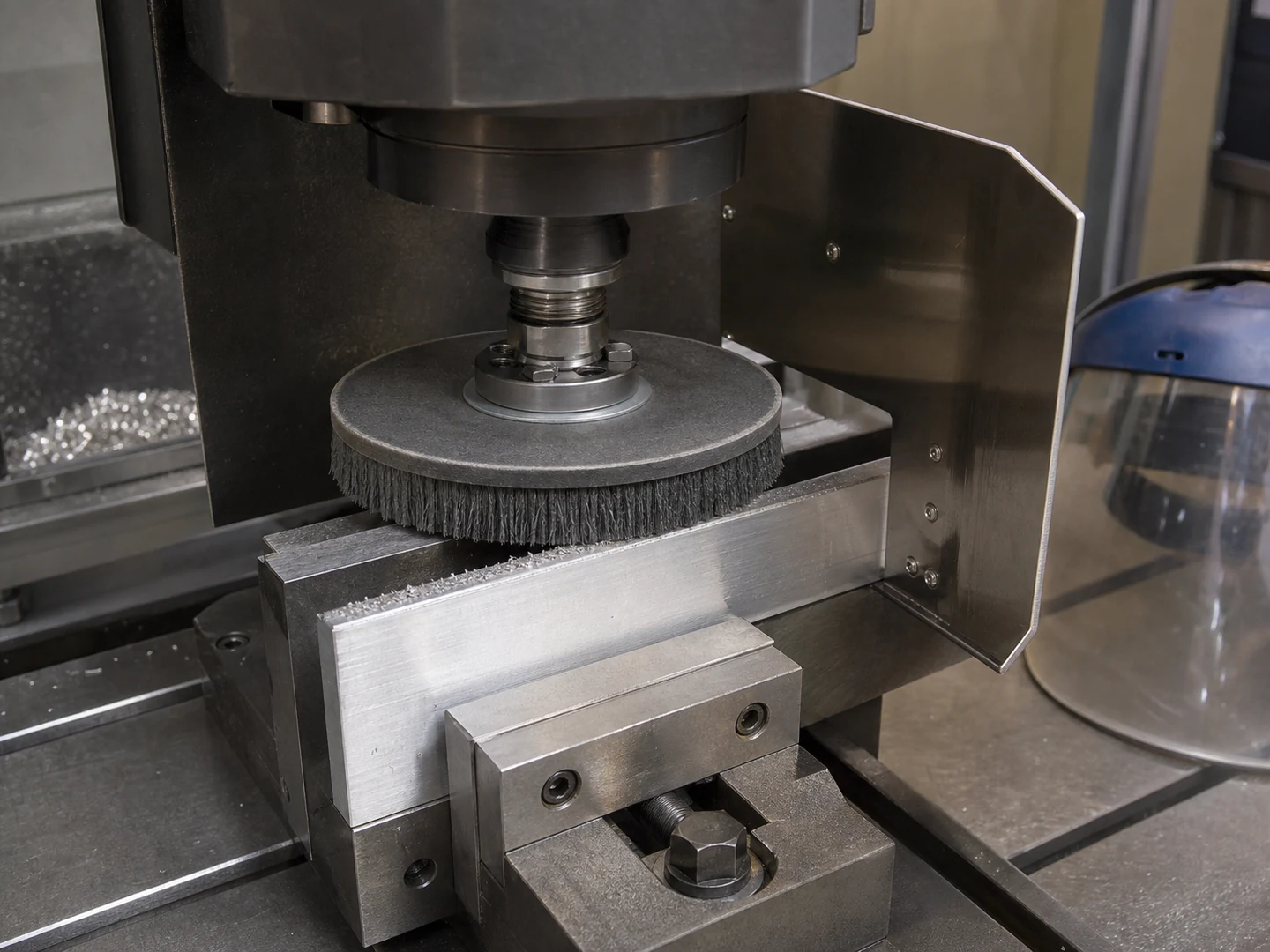
Deburring & Edge Breaking
Deburring & Edge Breaking is a process-use page rather than a general cleaning category.
See the cleaning job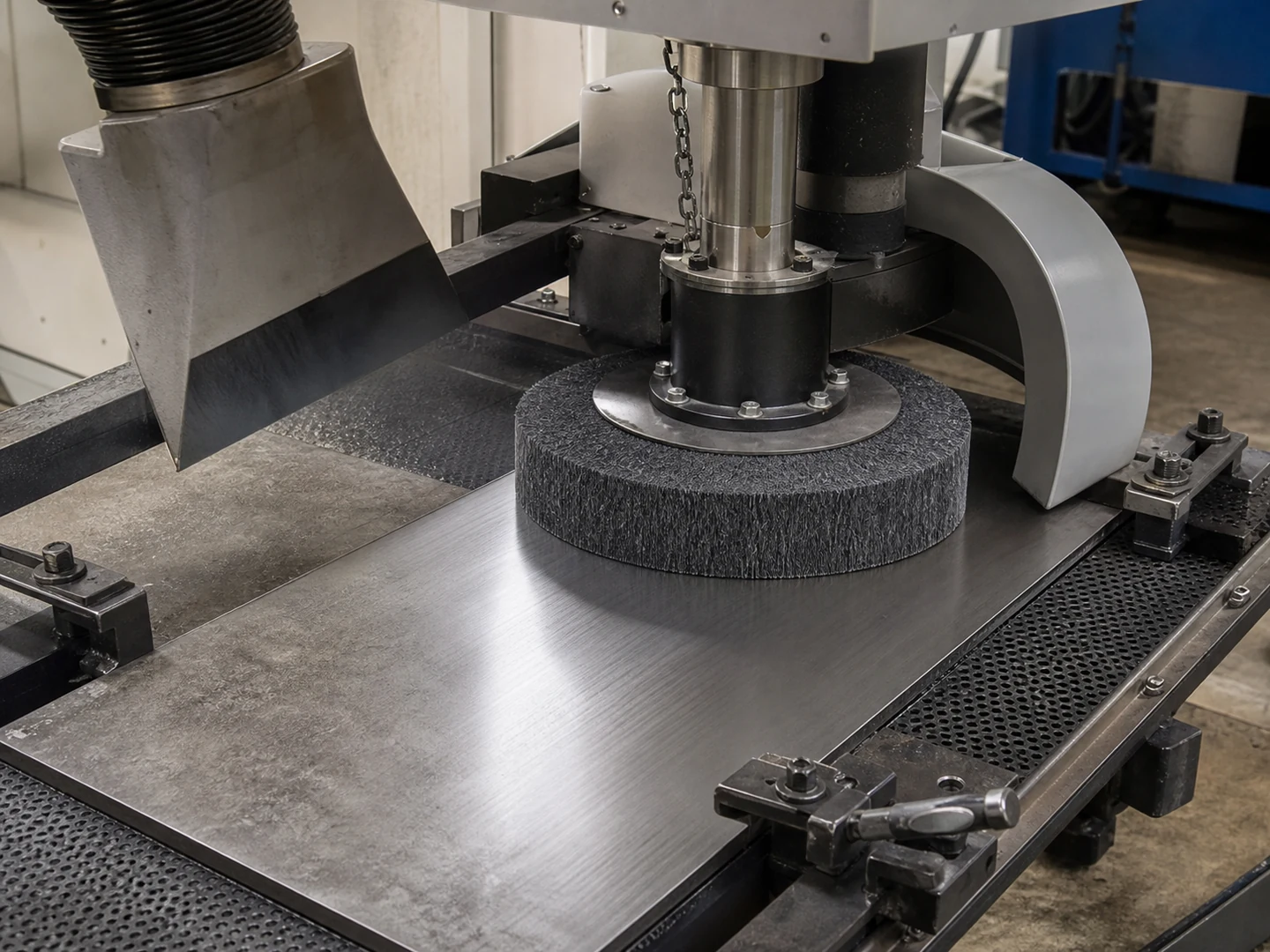
Surface Finishing
Surface Finishing is a process-use page rather than a general cleaning category.
See the cleaning job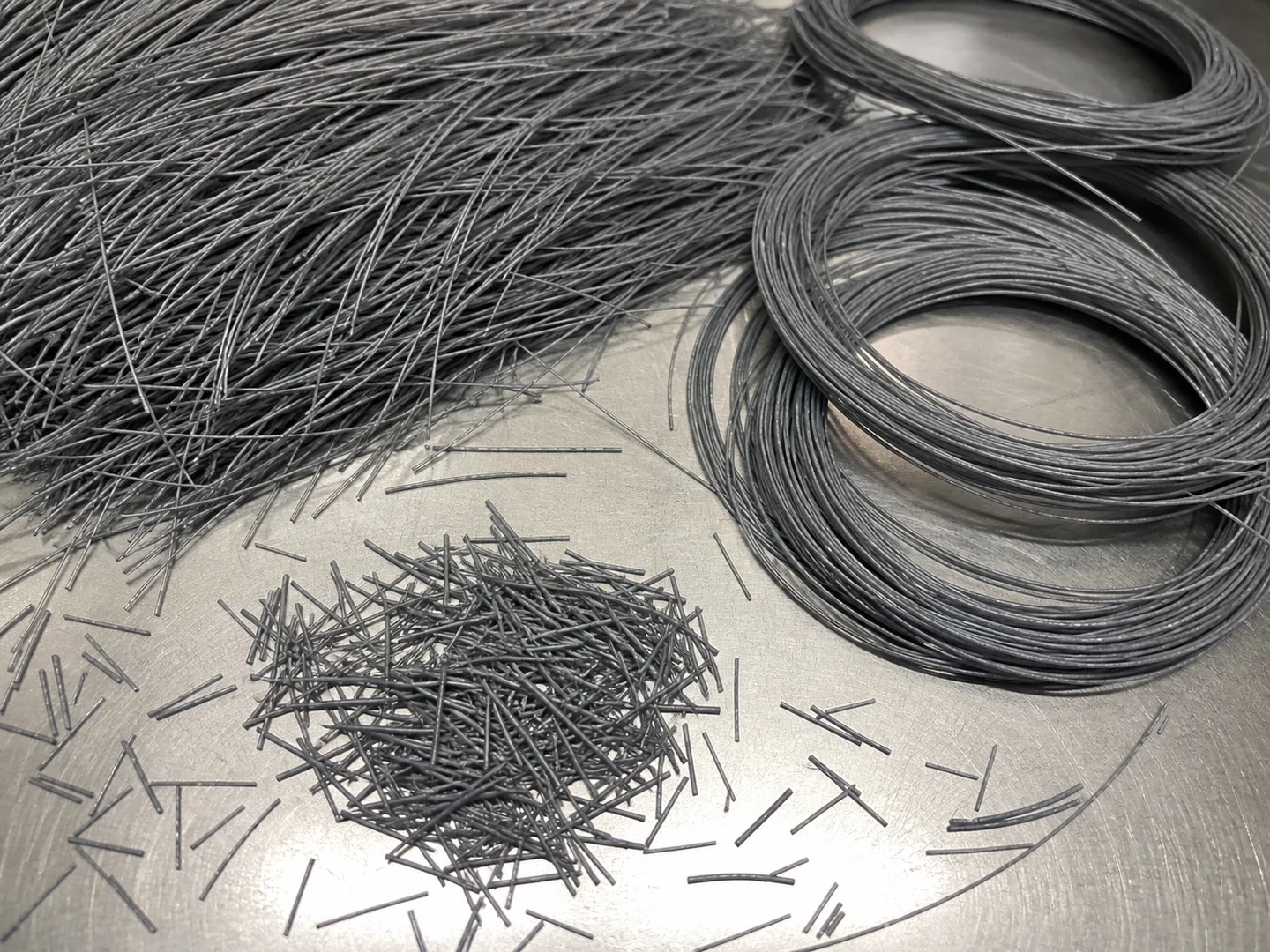
Abrasive Nylon
Choose Abrasive Nylon based on its stiffness, recovery, wear, wet-service, chemical, and temperature behavior.
Compare this material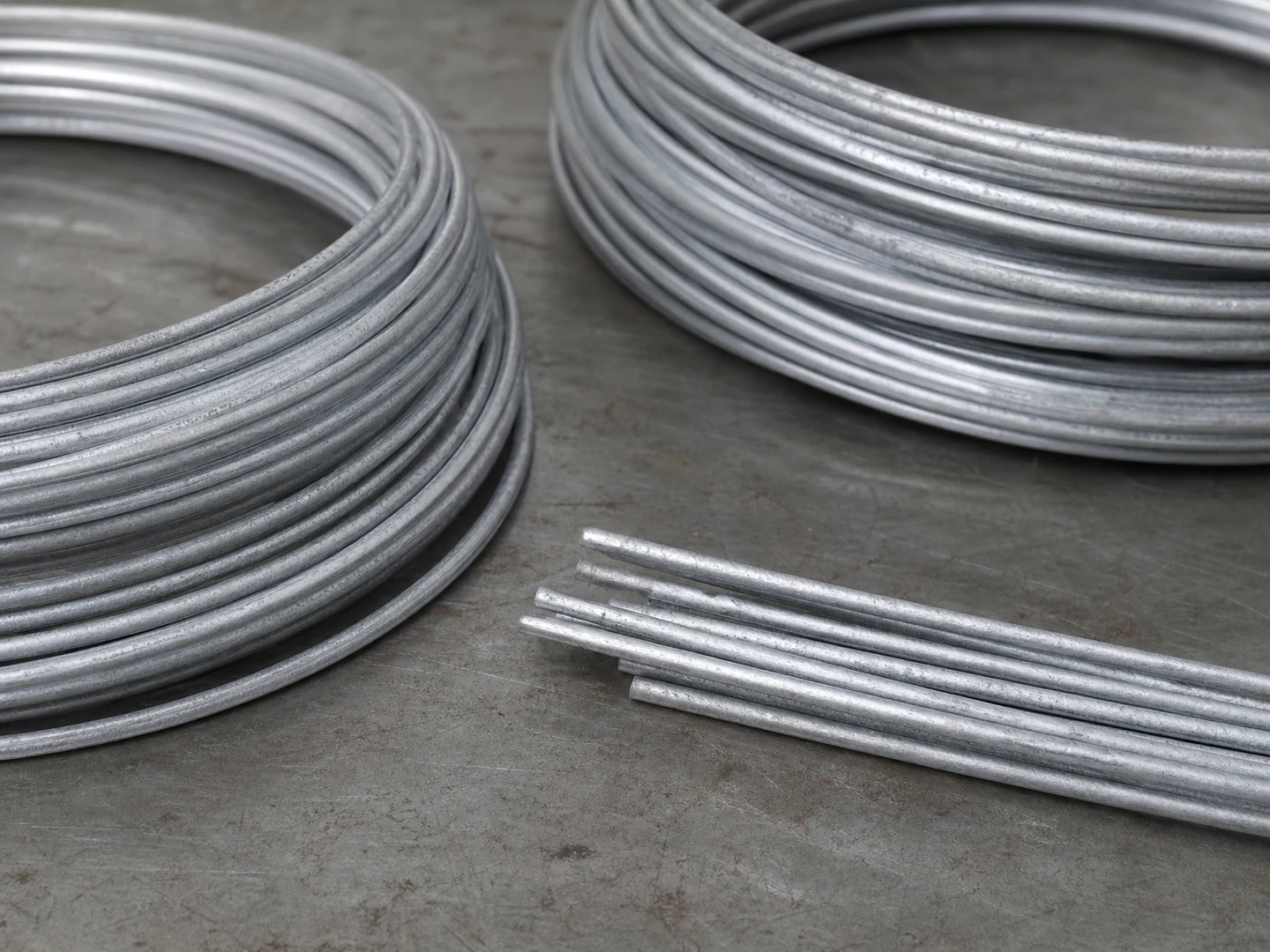
Galvanized Steel Wire
Choose Galvanized Steel Wire based on its stiffness, recovery, wear, wet-service, chemical, and temperature…
Compare this material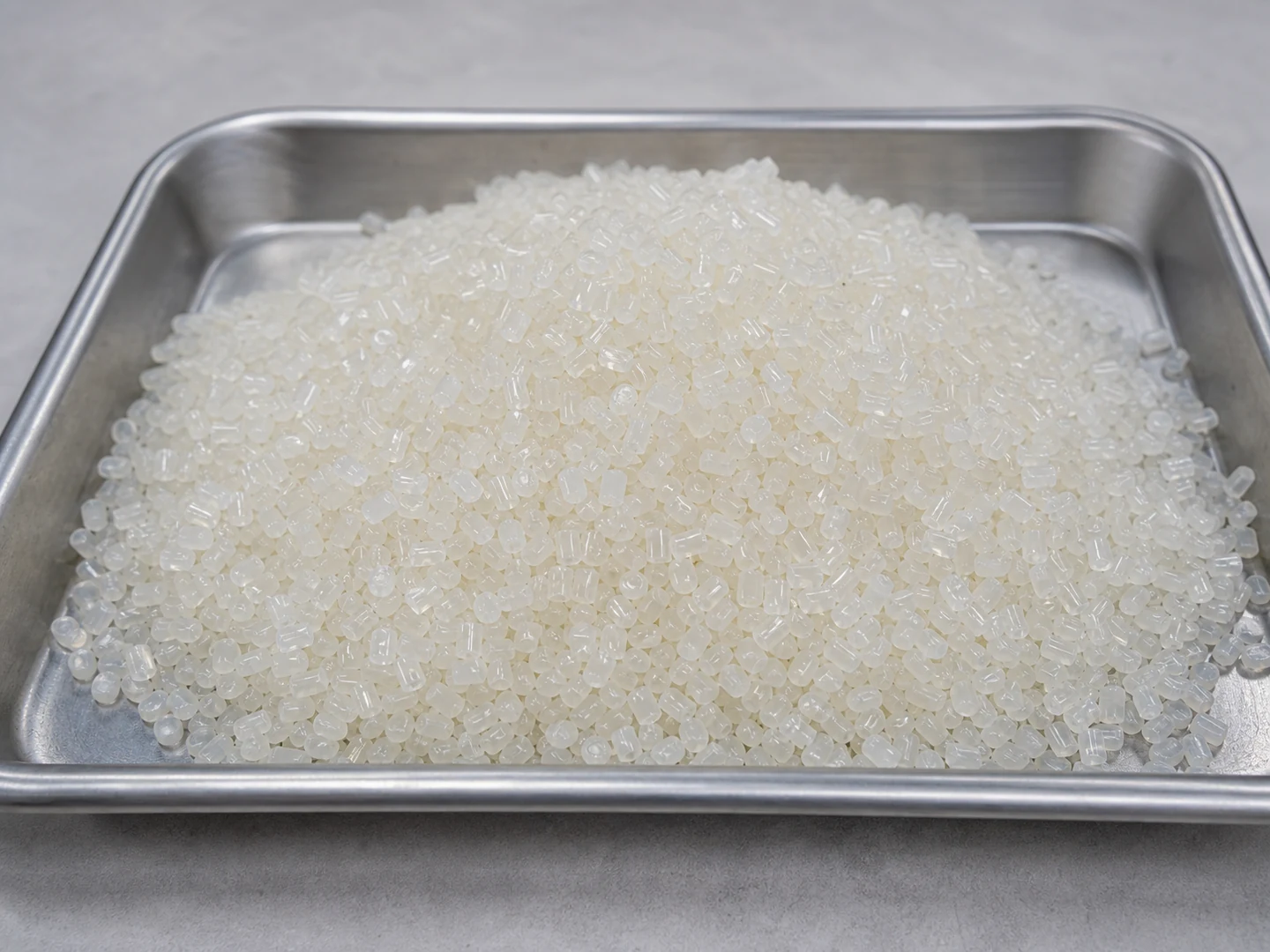
Nylon PA
Choose Nylon PA based on its stiffness, recovery, wear, wet-service, chemical, and temperature behavior.
Compare this material
Industrial Filter Element Cleaning Brush
Configure flat, radial, cylindrical, basket, and frame filter cleaning brushes in PBT, PP, or…
Compare the specificationCustom Manufacturing RFQ
Describe Your Application
For a custom quote, we need the key dimensions, surface or part, residue, material preference, quantity, and reference image or drawing.
Drawing or photo optional — it speeds things up, it does not gate the enquiry.
Custom Brush RFQ
Send Your Brush Project
Upload a drawing, product photo, or sample photo and provide the core dimensions and cleaning conditions.
“We need a brush to remove wet residue from a stainless steel conveyor, about 800mm wide. The current brush wears quickly. We can send photos.”
“We sell drinkware and need a cleaning brush to include with the product. Quantity around 5,000 pieces.”