
Custom Cleaning Brush
Anti-Static Carbon Fiber Brush
Anti-static carbon fiber brushes with conductive handles for static-free dust removal from vinyl records, electronics, optics, and precision components.
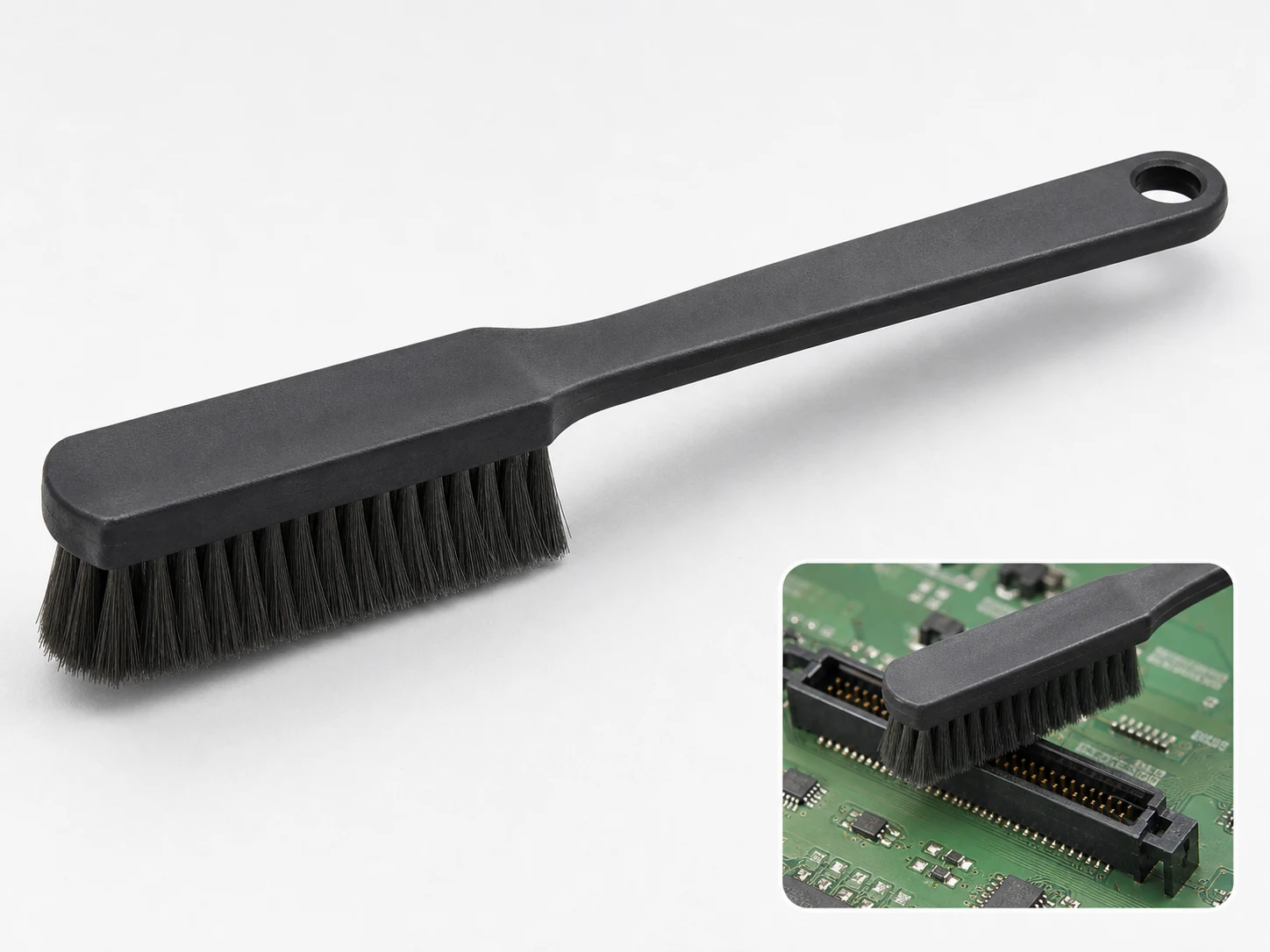
Medium brush
100 pcs
Minimum order
Worked with two hands or on a pole: chimney, gutter and pond-filter brushes, discs, cups and tank brushes.
Production lead time, once the specification is confirmed
- Up to 100 pcsWithin 7 days
- 101–5,000 pcsWithin 14 days
- 5,001–50,000 pcsWithin 21 days
- Over 50,000 pcsConfirmed with your quotation
Peak season can extend these times; the shipping date is confirmed in writing with your quotation. Sampling and shipping are quoted separately.
A hand-held anti-static carbon fiber brush that removes static-attracted dust, lint, and loose particles from vinyl records, electronic boards, optical end faces, and precision components. Conductive carbon fiber filaments carry surface charge through the handle to ground, so dust lifts away instead of re-settling.
What can this brush do for you?
Dissipates Static While You Sweep
The carbon fiber filaments and conductive handle form a continuous low-resistance path from the surface to the operator or a grounded connection. As you brush, trapped static drains off instead of building up and pulling dust back onto the surface. This is the direct fix for dust that clings to records, boards, and optics after conventional cleaning.
Soft Carbon Tips Lift Loose Dust Without Abrasive Contact
Fine carbon fiber tips glide over groove walls, component edges, and polished optical surfaces. The bristle diameter and trim length are selected for the surface, so dust is lifted rather than ground in. For delicate surfaces that cannot tolerate nylon stiffness or wire abrasion, this is the contact design to specify.
Ground Path That Actually Terminates
The conductively loaded handle or frame is not just a plastic shell; it is part of the ESD control path. Because the handle is conductive, charge flows from bristle tips to the operator’s skin or to an optional grounding cable. An insulated handle would leave the brush as an ungrounded static generator; this one completes the circuit.
Trim and Row Count Match the Actual Component Zone
Single-row trims slip between closely spaced pins and slots; double-row and multi-row faces cover wider boards and film webs. The trim length can be set shorter for recessed terminals or longer for record grooves and broad surfaces. You get a brush face shaped to the job, not a generic strip.
Material Options Balance Stiffness and Sensitivity
Carbon fiber provides the stiffness for effective dust dislodging on many surfaces; conductive nylon or conductive acrylic are available when the contact surface needs extra compliance or when carbon fiber shedding is a contamination concern. The filament grade is chosen with the residue and the surface together, not separately.
What is an Anti-Static Carbon Fiber Brush?
An Anti-Static Carbon Fiber Brush is a hand-guided dry dusting tool that uses conductive carbon fiber or conductive synthetic filaments mounted in a conductive handle or frame. It is used where electrostatic charge makes loose dust stick to a surface and where ordinary brushes either fail to release the particles or add a fresh static charge while sweeping.
During use, the operator draws the brush face across the record, board, connector, or optical surface. Friction between the filaments and the surface generates a small charge, but because the filaments and handle are conductive, that charge travels through the brush to the operator’s hand or a grounding lead instead of staying on the surface. The filament tips then lift dust, lint, and other loosely bonded particles into the brush path for removal.
This is a contact-dissipative tool, not an ionizing bar and not a vacuum. It removes dry, loose, static-attracted debris; it does not dissolve baked flux, strip residues, or replace a lint-free wipe with solvent. It works best as part of a complete ESD control sequence where the surface is dry and the brush is kept clean.
Technical Specifications
We can adjust the dimensions, filament material, handle, and grounding interface to your drawing or sample.
| Parameter | Standard / Options |
|---|---|
| Filament material | Carbon fiber (standard); conductive nylon or conductive acrylic (optional) |
| Bristle trim length | 10–40 mm, set to component height and access depth |
| Active face width | 20–200 mm, matched to the surface or board zone |
| Row configuration | Single row, double row, multi-row, or shaped trim |
| Overall length | 150–450 mm including handle |
| Handle material | Conductive PP or ABS, or aluminum with conductive finish |
| Resistance path | 10⁶–10⁹ Ω from bristle tips to handle gripping area or ground point |
| Ground connection | Operator skin contact via conductive handle; optional grounding stud, ring, or cable |
| ESD category | Conductive/antistatic brush |
| Operating temperature | -10°C to 60°C for standard conductive polymer handle; wider range with metal handle |
| Color and marking | Custom color, laser marking, pad printing |
| Brush type | Custom Handheld Detail Brushes |
| How it is driven | Hand-guided |
| Cleaning target | vinyl record and analog media, electronics assembly and rework, and optical end face and sensor window cleaning |
| Surface or part | optical end faces, boards, connectors, edges, grooves, slots, precision components, and frames |
| Residue or debris | dust, fiber, particles, carbon, lint, loose particles, flux, and static-attracted dust |
| Mounting / connection | Operator skin contact via conductive handle; optional grounding stud, ring, or cable |
Where does this brush work best?
- Vinyl records and analog media — dry-lifts dust and lint from grooves before playback; the conductive path prevents static re-attraction on the disc surface.
- Electronics assembly and rework — cleans edge connectors, PCB slots, component leads, and contact areas after handling, reflow, or soldering where loose flux dust and static-attracted particles are present.
- Optical end faces and sensor windows — removes polishing particles and airborne dust without scratching polished surfaces or leaving fiber debris.
- Films, carriers, and precision housings — sweeps static-cling dust from web edges, tray surfaces, and mating faces before assembly or coating.
- Static-prone inspection and test stations — provides a hand tool that does not recharge the part while the operator clears particulates from the field of view or mating surface.
How do I choose the right one?
Start with the surface and the dust
Carbon fiber gives good stiffness for lifting fine dust and lint from rigid surfaces; it is the default for records, boards, and optical end faces. If the surface is softer, coated, or can be scratched by any stiff filament, switch to conductive nylon or conductive acrylic. If the dust is heavy, wet, or bonded, this brush will not be enough — use a solvent wipe, vacuum, or ultrasonic process instead.
Confirm the ground path before ordering
The brush only dissipates static if the charge has somewhere to go. For hand use, the operator must hold the conductive handle with bare skin or with conductive gloves, and the operator should be grounded through ESD footwear or a wrist strap. For fixture or machine mounting, specify a handle with a grounding stud or cable so the brush connects to equipment ground. An insulated handle or bare hands wearing standard nitrile gloves will leave the charge on the part.
Match trim length and row count to the access space
Short trim (10–20 mm) reaches between tightly spaced contacts and into shallow pockets. Longer trim (25–40 mm) covers record grooves and broad surfaces with fewer strokes. A single-row face works best for narrow slots and component rows; double-row or multi-row faces sweep wider areas faster but add sweeping resistance on fragile parts.
Consider the handle for the operator, not just the product
Conductive PP and ABS are light and comfortable for repeated hand use. Aluminum handles provide more stiffness and can include a threaded grounding point, but they add weight. Specify handle length and grip shape for the working position: bench-top inspection, rack-mounted boards, or overhead systems.
When a different tool is the better choice
If the surface must be completely charge-neutral without contact, use an ionizing blower or bar. If the residue is wet, greasy, or chemically bonded, use a wipe, swab, or solvent process first. If the dust is inside a connector or ferrule bore, a small cleaning stick or swab will reach where a flat brush face cannot. The anti-static carbon fiber brush is the right choice when you need to lift dry, loose particles and drain the static charge during the same pass.
Can I customize this brush?
Every antistatic brush is built around the actual surface, the available path, and the operator’s hand. We need the part drawing or sample, the surface material and finish, the particle type, the required resistance range, and the grounding interface you will use. That information sets the filament grade, trim length, row configuration, handle material, and connection method.
We can adjust:
- Filament material and grade — carbon fiber, conductive nylon, or conductive acrylic, with specified stiffness, diameter, and length
- Trim geometry — flat, angled, contoured, multi-length, or custom edge profile
- Row and face configuration — single row, double row, multi-row, stitch density, and face width
- Handle and frame — conductive PP, ABS, or aluminum; straight, angled, or ergonomic shape; integrated grounding stud, ring, or cable
- Color and marking — custom color, laser marking, pad print, or identification coding for tool control
- Packaging — bulk, individual ESD-safe bag, or project-specific packing and labeling
If your ESD control plan requires resistance measurement documentation, material declarations, or third-party testing, we can support those project requirements during the customization process.
How do you confirm an anti-static carbon fiber brush has actually cleaned the surface?
Does this brush need to be grounded to actually remove static?
Yes. The conductive filaments and handle only dissipate charge when they form a continuous path to ground. For hand use, the operator’s skin must contact the conductive handle and the operator must be grounded. If the operator is insulated or the brush is mounted in a fixture, use the optional grounding stud or cable. Without a ground path, the brush simply moves dust around and can generate new static.
Can this brush be used with cleaning solvents or liquids?
Carbon fiber brushes are intended for dry dust removal. Solvents can soften conductive handle resins, strip conductive fillers, or trap particulates in the bristle set. If your process requires wet cleaning, tell us the solvent and temperature so we can evaluate chemically compatible filament and handle materials. Never assume a dry brush is safe in solvent.
How do I check that the brush is still working as an antistatic brush?
Measure the resistance between the bristle tips and the handle ground point with a megohmmeter at 100 V. The reading should stay within the specified 10⁶–10⁹ Ω range for your build. If the reading is open or drifts outside the range, inspect for contamination, handle cracks, or filament breakage. Replace the brush if resistance cannot be restored.
Will the carbon fiber scratch vinyl records or polished optics?
When the filament tips are clean, intact, and matched to the surface, carbon fiber fines do not scratch smooth surfaces under normal hand pressure. Inspect the brush before each use for broken, stiff, or contaminated tips. Hard particles embedded in the filament set can scratch, so clean the brush frequently and replace it if tips become frayed or contaminated.
What is the difference between this brush and an ionizing air blower?
An ionizing blower neutralizes static charges without physical contact and can remove particles with air flow. This brush removes particles by direct brushing and dissipates the surface charge during contact. Use the brush where direct contact is acceptable and precision dust removal is needed; use ionizing air where contact could damage the surface or where the part cannot be touched.
How should the brush be cleaned between uses?
Tap the bristles gently against a clean hard surface or blow them with ionized air. Do not wipe the bristles with solvent or a cloth, which can contaminate or bend the filament set. Store the brush in an ESD-safe container or sleeve so the conductive surfaces do not collect airborne particles between uses.
Guides that go deeper on this
RELATED BRUSH RESOURCES
Recommended Reading & Related Brush Resources
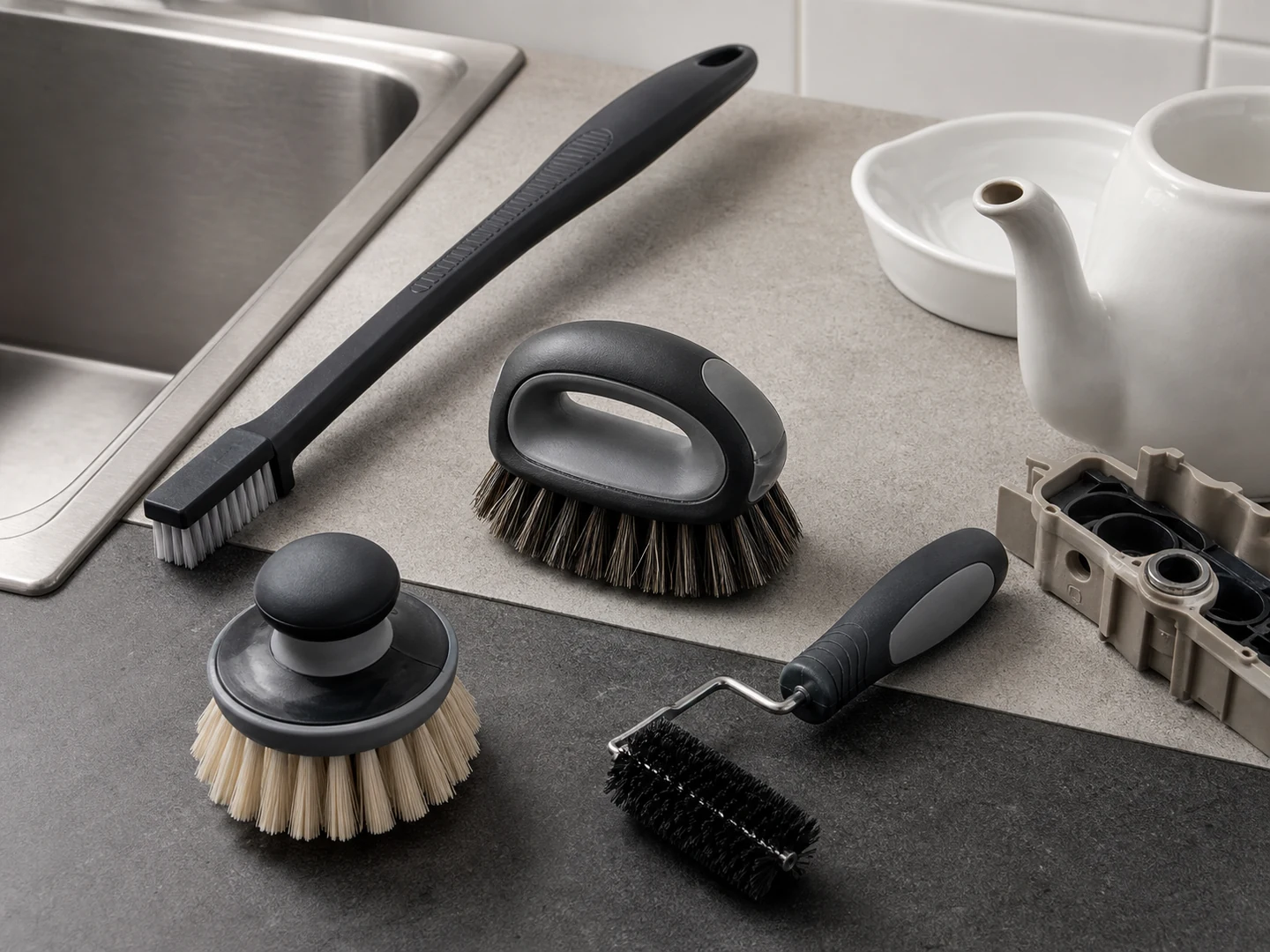
Custom Handheld Detail Brushes
Choose a handheld detail brush when you need direct control in seams, recesses, fittings,…
See how this type is built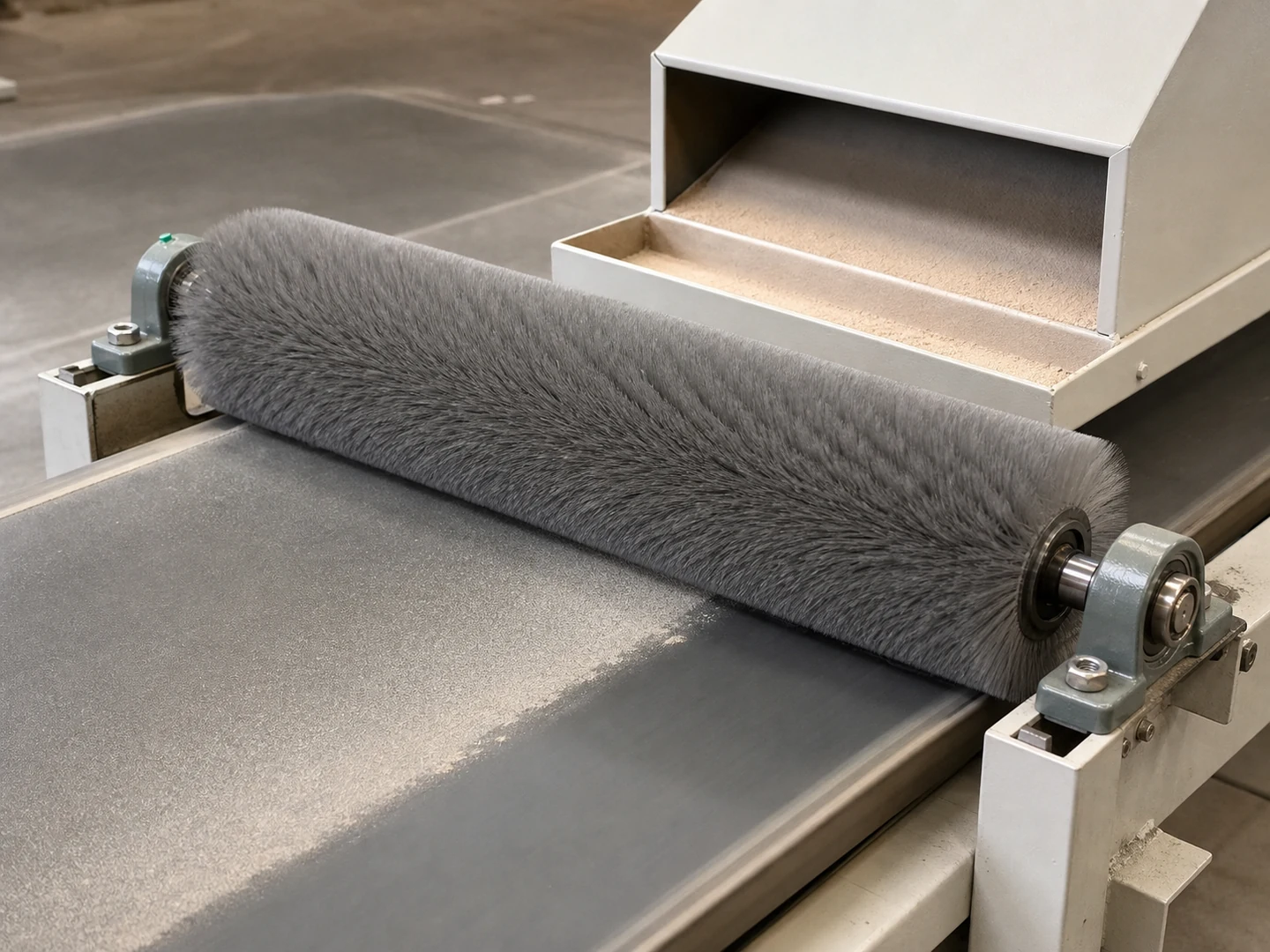
Dust Removal
For Dust Removal, the brush must reach the working area, disturb or collect loose…
See the cleaning job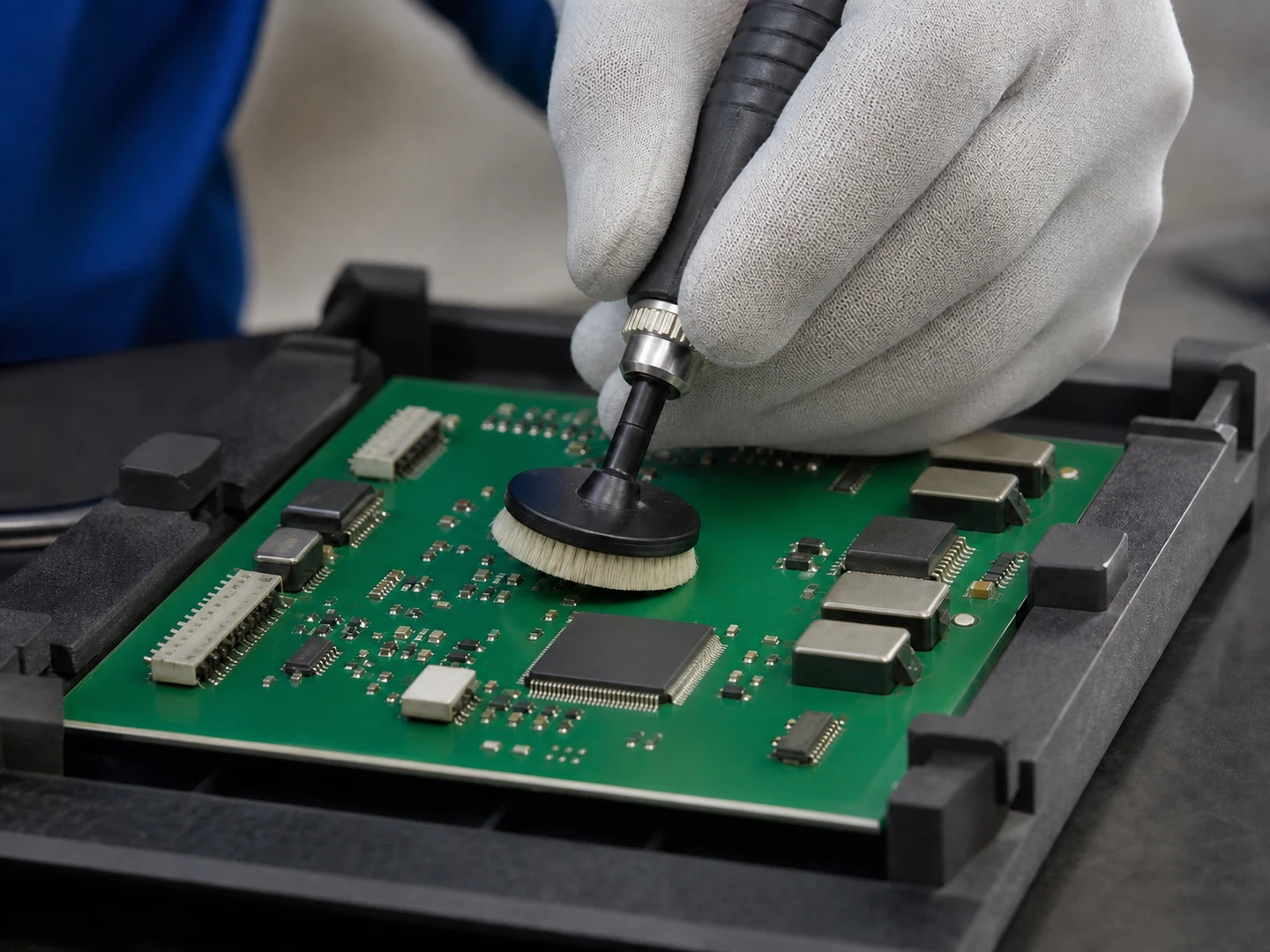
PCB Cleaning
For PCB Cleaning, the brush must reach the working area, disturb or collect flux/weld…
See the cleaning job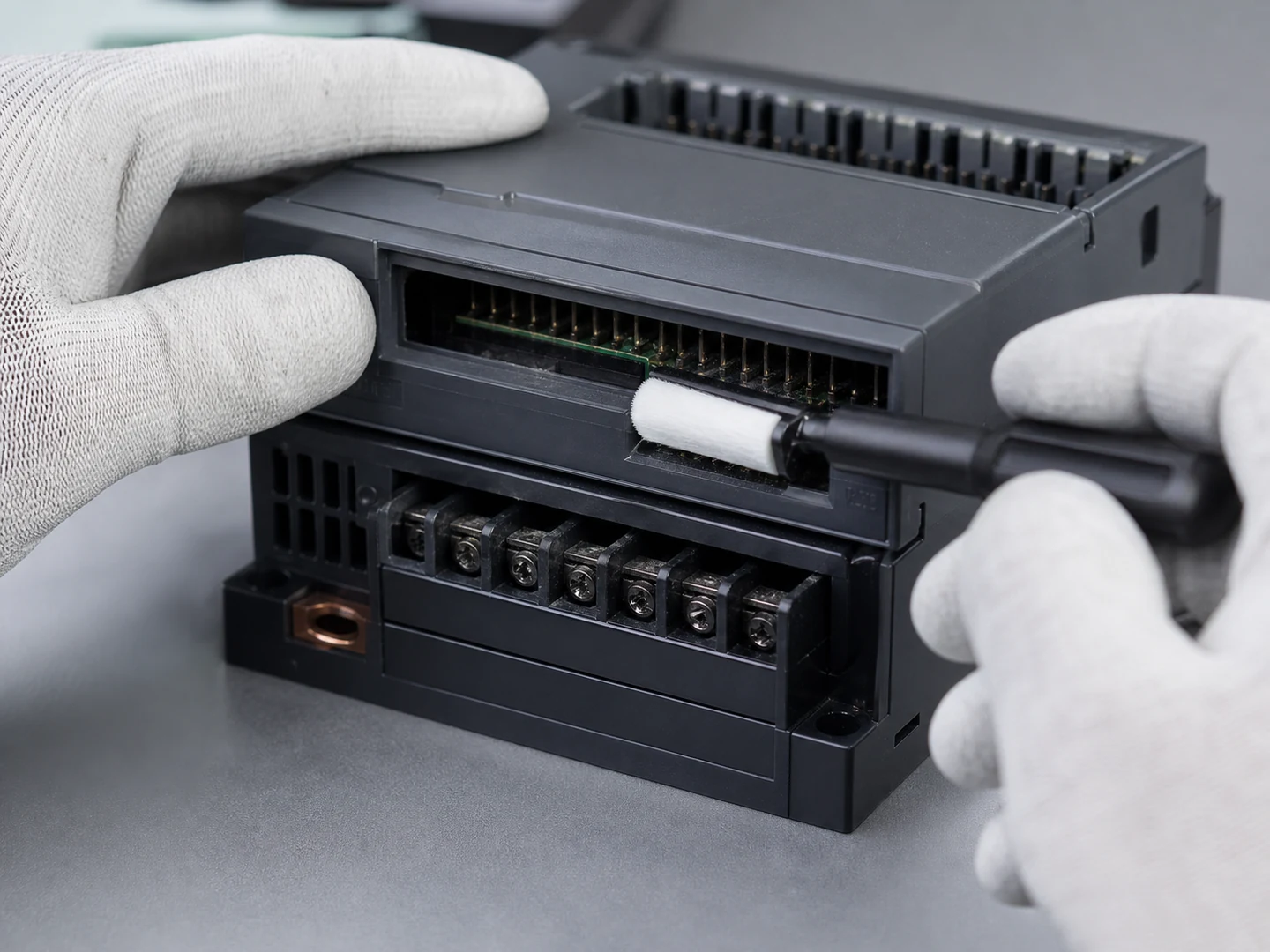
Connector & Slot Cleaning
For Connector & Slot Cleaning, the brush must reach the working area, disturb or…
See the cleaning job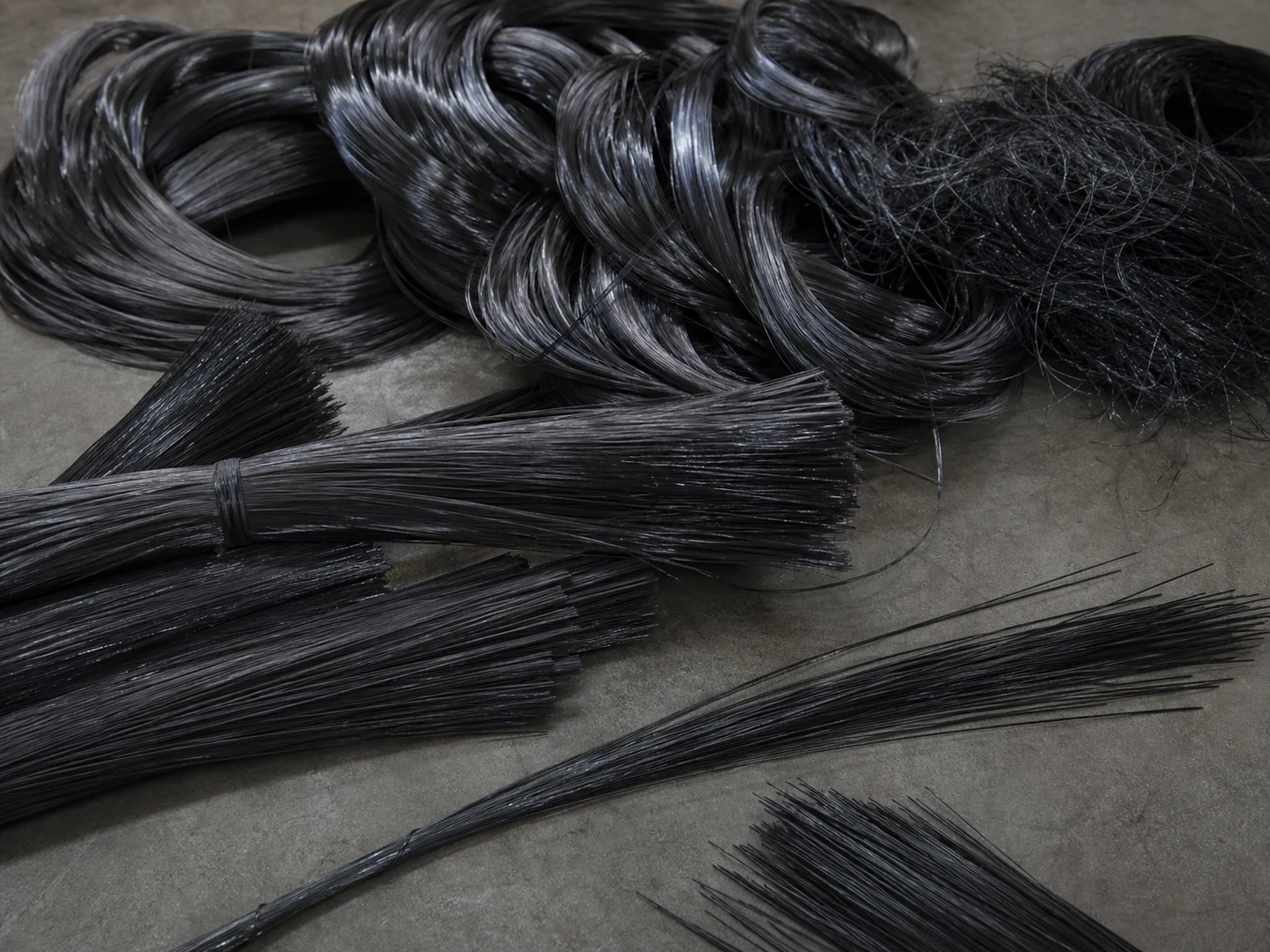
Carbon Fiber
Choose Carbon Fiber based on its stiffness, recovery, wear, wet-service, chemical, and temperature behavior.…
Compare this material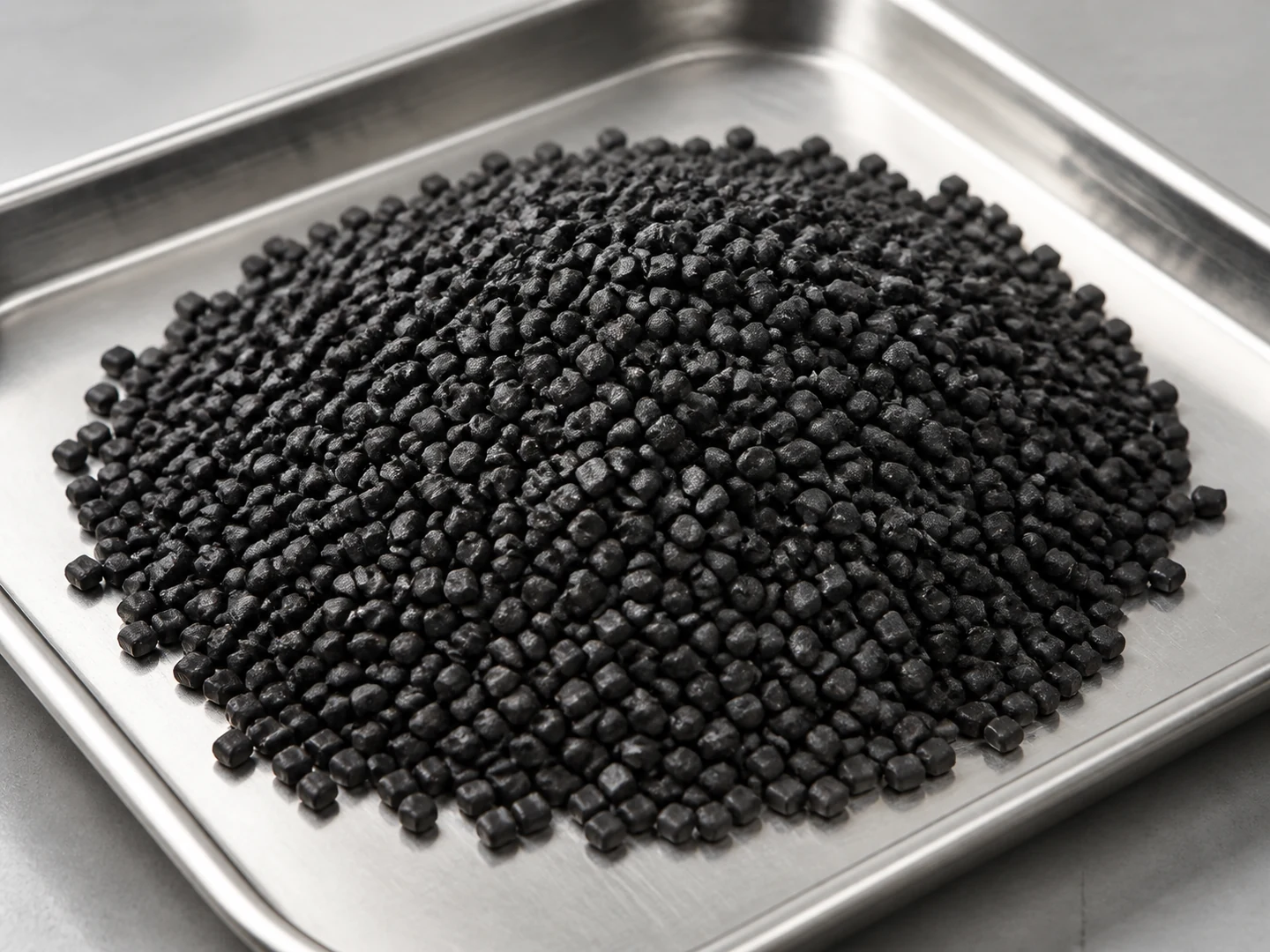
Conductive Nylon
Choose Conductive Nylon based on its stiffness, recovery, wear, wet-service, chemical, and temperature behavior.
Compare this material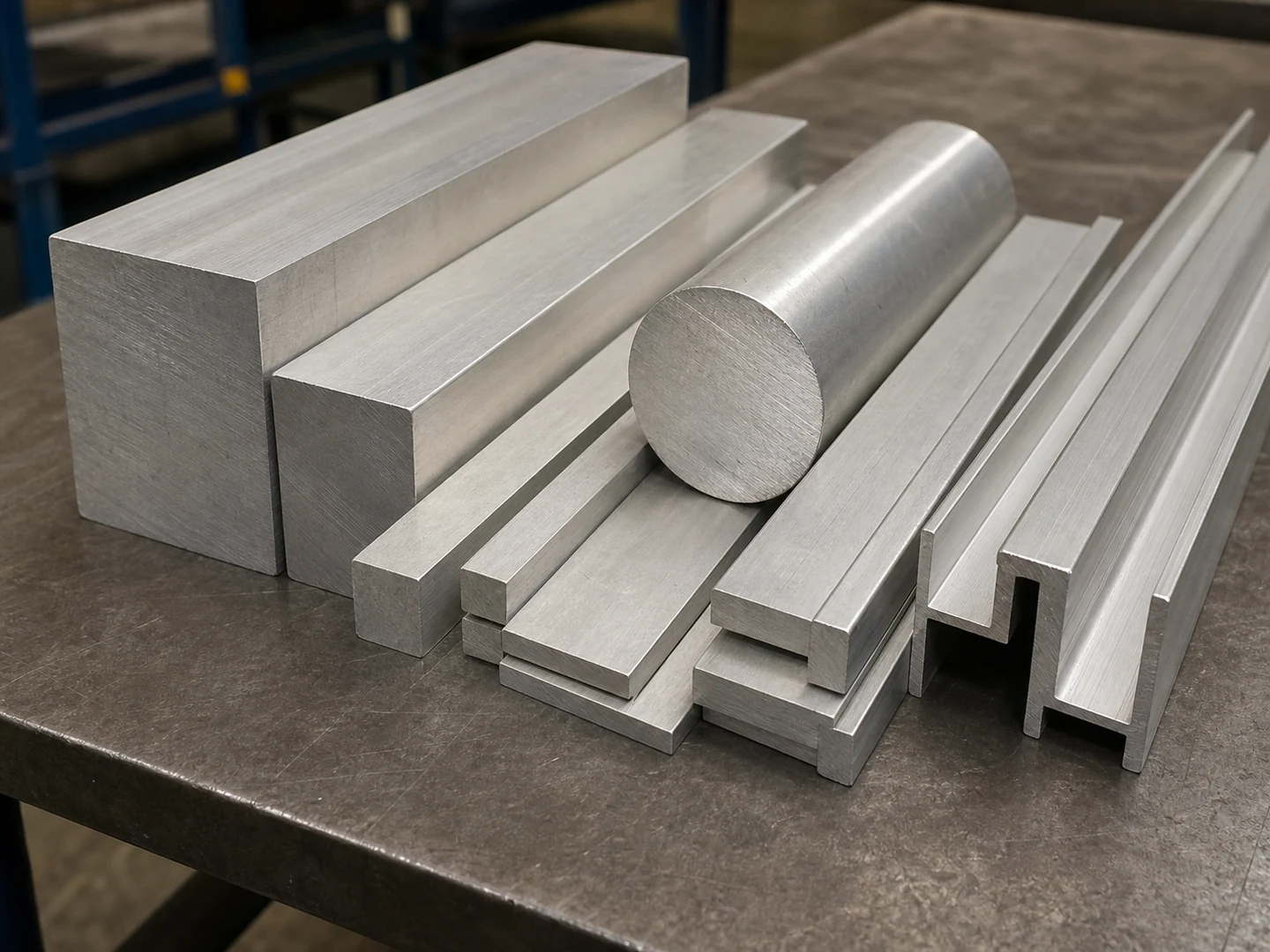
Aluminum Holder
Aluminum Holder is evaluated as a brush component material rather than as filament.
Compare this material
Carbon Fiber Panel Cleaning Brush
Conductive carbon fiber filament panel brush for dry dust removal from films, coated webs,…
Compare the specificationCustom Manufacturing RFQ
Describe Your Application
For an accurate quotation, please provide the main dimensions, material preference, working surface, residue, quantity, and a drawing or photo.
Drawing or photo optional — it speeds things up, it does not gate the enquiry.
Custom Brush RFQ
Send Your Brush Project
Upload a drawing, product photo, or sample photo and provide the core dimensions and cleaning conditions.
“We need a brush to remove wet residue from a stainless steel conveyor, about 800mm wide. The current brush wears quickly. We can send photos.”
“We sell drinkware and need a cleaning brush to include with the product. Quantity around 5,000 pieces.”