
Custom Cleaning Brush
Brewery Tank Brush
Chemical-resistant brewery tank brush for manual scrubbing of fermentation, bright beer, and serving tanks.
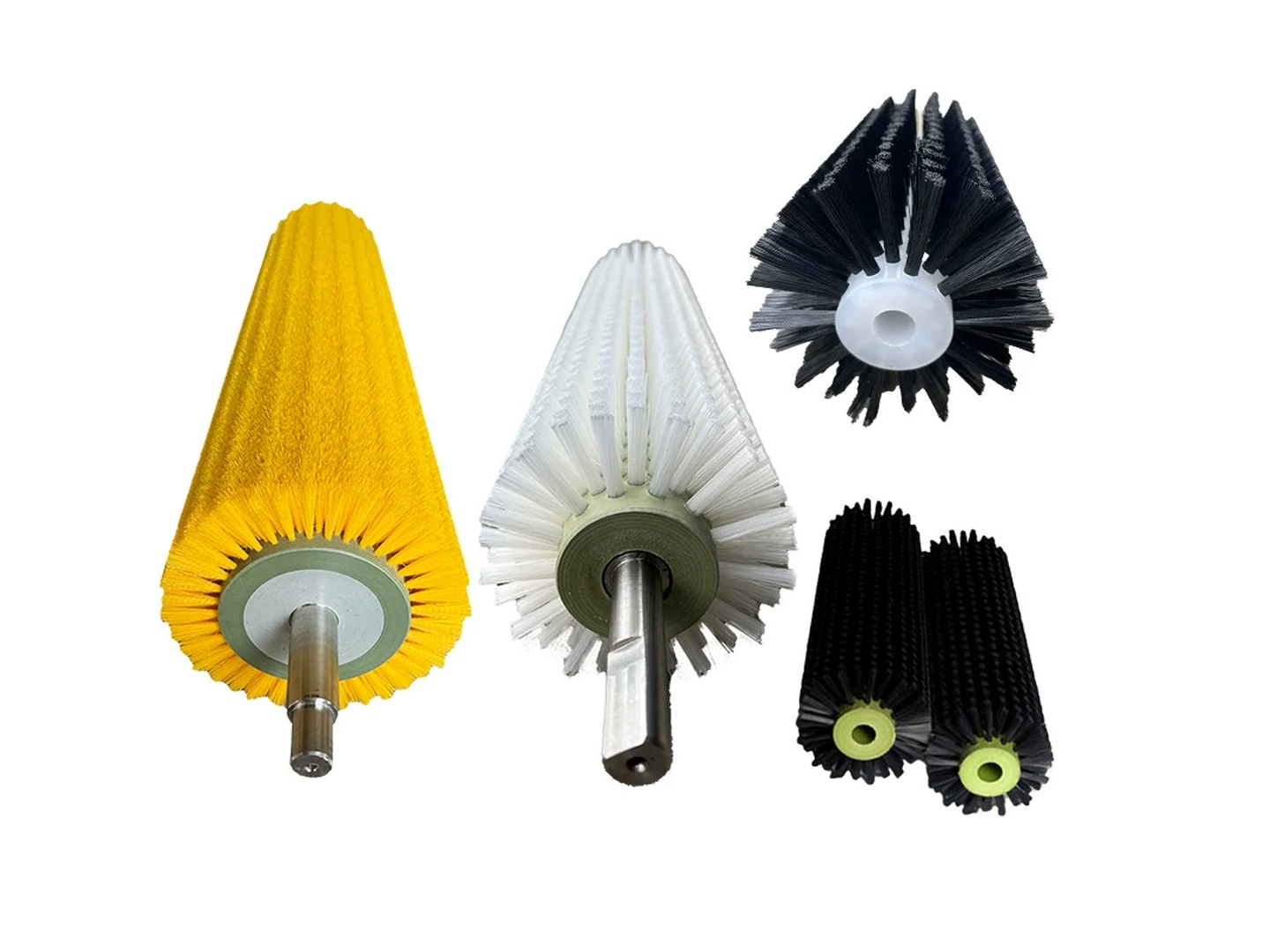
Medium brush
100 pcs
Minimum order
Worked with two hands or on a pole: chimney, gutter and pond-filter brushes, discs, cups and tank brushes.
Production lead time, once the specification is confirmed
- Up to 100 pcsWithin 7 days
- 101–5,000 pcsWithin 14 days
- 5,001–50,000 pcsWithin 21 days
- Over 50,000 pcsConfirmed with your quotation
Peak season can extend these times; the shipping date is confirmed in writing with your quotation. Sampling and shipping are quoted separately.
A chemical-resistant tank brush for manual scrubbing of fermentation, bright beer, and serving tank interiors. Configurable PBT, polypropylene, or nylon filaments and head geometry follow curved walls, welds, baffles, and bottom transitions to remove biofilm, beer stone, and product residue.
What can this brush do for you?
Follows Curved Tank Walls and Cone Bottoms
The trim length and head profile can be set so the brush maintains contact as you work around the tank circumference and down into the cone. Short trim on the tip, longer trim on the sides, or a radial head configuration keeps bristles on the surface across the curve instead of leaving dead zones.
Reaches Welds, Baffles, and Shadow Zones
Brewery tanks have horizontal and vertical welds, baffle plates, racking-arm ports, and drain areas where CIP spray coverage is weak. Edge rows of stiffer filaments or a shaped head concentrate scrubbing exactly on those contacts, so you can remove deposits that automated cycles leave behind.
Handles Caustic, Acid, and Hot-Water Washing
PBT, nylon, and polypropylene filaments are selected for the chemical and temperature conditions of your wash program. PBT offers good chemical resistance and stiffness retention, nylon provides flex fatigue resistance, and PP delivers acid resistance at lower cost. The brush can be specified for continuous contact with hot caustic or acid solutions within the material limits.
Removes Biofilm, Beer Stone, and Sludge Without Metal Contact
All filament options are non-metallic, so you scrub stainless steel tanks without scratching the surface or introducing iron contamination that can promote corrosion or off-flavors. Filament diameter from 0.20 mm to 0.80 mm lets you match aggressiveness: fine for soft biofilm and film, thicker for mineral scale and dried sludge.
Mounts to a Grip or a Threaded Extension
Use a hand grip for direct manual scrubbing of accessible areas, or specify 1/2 in, M8, M10, or a custom thread to attach the brush to an extension rod, machine spindle, or rotary drive for reaching deep into tall tanks. One brush body can support both manual and powered use when the core is specified accordingly.
What is a Brewery Tank Brush?
A Brewery Tank Brush is a synthetic-filament cleaning tool built for the interior of fermentation and storage vessels. The working head is made of PBT, polypropylene, or nylon filaments mounted on a central core, with an overall length and handle or threaded connection that lets an operator scrub sidewalls, top heads, cone bottoms, welds, and internal fittings from outside the manway or through the open tank top.
During use, the brush is worked with push, pull, and rotating strokes to loosen biofilm, beer stone, yeast deposits, sludge, and chemical films from stainless steel surfaces. It is a spot-cleaning and shadow-zone tool, not a replacement for CIP. The typical sequence is CIP for full coverage, then manual brushing where automated spray does not hit, followed by rinse and sanitization.
Because brewery tanks are stainless steel, the brush uses only synthetic filaments. Wire brushes are avoided in beverage equipment because they scratch the surface, create micro-crevices that harbor microbes, and can leave iron particles that cause pitting or metallic off-flavors. Filament material, diameter, trim length, and head width are selected from your actual tank dimensions, residue type, and chemical environment.
Technical Specifications
The table below shows the standard configuration range. Every parameter can be adjusted during customization. The most decision-relevant values for your tank are head width, trim length, overall length, and filament material.
| Parameter | Value / Options |
|---|---|
| Head width | 20–300 mm, sized to pass through the manway and cover the required arc on the tank wall |
| Trim length | 20–80 mm, longer for curved-wall conformity, shorter for more aggressive scrubbing at welds |
| Overall length | 180–800 mm, matched to tank depth, reach, and operator control preference |
| Filament diameter | 0.20–0.80 mm, fine for biofilm and soft films, thick for beer stone and dried sludge |
| Fill materials | PBT, Polypropylene (PP), Nylon (PA), selected for chemical and temperature compatibility |
| Operating temperature | 0–140°C for PP, nylon, or PBT heads (continuous limit depends on chemical concentration and duration) |
| Handle or thread | Hand grip, 1/2 in, M8, M10, or custom adapter (extension rod, quick-couple, machine spindle) |
| Core / stem | Stainless steel wire or rigid polymer stem, selected for chemical resistance and rotary vs. manual use |
| Head configuration | Cylindrical, radial, side-action, flat, or custom profile; single or double-ended |
| Brush type | Custom Handheld Detail Brushes |
| How it is driven | Hand-guided |
| Cleaning target | fermentation tank and unitank, bright beer tank, and area cleaning |
| Surface or part | tanks, stone, welds, bottom transitions, sidewalls, walls, vessels, and baffles |
| Residue or debris | biofilm, sludge, chemical film, yeast, product residue, protein, mineral scale, and iron particles |
| Mounting / connection | Hand grip, 1/2 in, M8, M10, or custom adapter (extension rod, quick-couple, machine spindle) |
If your tank has a manway smaller than the required head width, we can design a folded or split head that passes through and expands, or reduce the head width while compensating with longer trim. Provide the manway inside diameter with your inquiry.
Where does this brush work best?
- Fermentation tanks and unitanks: sidewalls, cone bottoms, top head, and internal welds where yeast and protein deposits accumulate.
- Bright beer tanks and serving vessels: interior surfaces that need spot scrubbing before final rinse or after extended aging.
- Storage and conditioning tanks: removal of sludge, beer stone, and chemical film from areas not reached by spray balls.
- Areas around racking arms, thermowells, dry-hop ports, and carbonation stones: small internal fittings that can trap residue.
- Drain zones and bottom transitions: the lowest point of the cone or dish where solids settle and CIP flow is weakest.
How do I choose the right one?
Start with the manway and tank cross-section. The brush head must pass through the manway opening, then provide enough surface contact to scrub the wall. If the manway is 450 mm, a 300 mm head is easy to insert; if the manway is 200 mm, the head must be narrower or foldable. Match the head width to the tank diameter: a 300 mm head on a 1,000 mm tank covers a quarter of the circumference per stroke, while a 50 mm head on the same tank would be inefficient.
Choose the filament material from your chemical and temperature reality:
- PBT – best overall stiffness retention, good resistance to caustic and acid at typical brewery wash temperatures; first choice for beer stone and welded-area scrubbing.
- Nylon (PA) – highest flex fatigue resistance, good abrasion resistance, but can absorb water and soften slightly in hot caustic; use for long trim that must flex around curves without breaking.
- Polypropylene (PP) – economical, excellent acid resistance, lower temperature ceiling and lower stiffness; use for mild deposits, acid wash steps, or where budget is the driver.
Filament diameter sets the scrubbing aggressiveness. Use 0.20–0.30 mm for biofilm and soft film removal, 0.40–0.60 mm for general sludge and moderate beer stone, 0.70–0.80 mm for hard mineral scale and heavy residue. Finer filament conforms better to curved surfaces; thicker filament transmits more pressure to the deposit.
Decide between a hand grip and a threaded mount. Hand grips work for small tanks and local scrubbing; a threaded mount (1/2 in, M8, M10) attaches to an extension rod for tall tanks or to a rotary drive for repetitive sidewall cleaning. Specify the thread pitch and whether the brush will be driven by hand or machine, because the core construction differs.
When a different tool is better: if the tank surface is already cleaned by CIP and only a light film remains, a sponge or low-density brush may be enough. If the residue is thick calcified beer stone that resists filament abrasion, an acid descaling step should precede brushing. For very small openings or long narrow passages (e.g., inside racking arms), use a dedicated tube brush instead of forcing a large tank brush through. Wire brushes are not suitable for brewery stainless tanks due to scratching and contamination risk.
Can I customize this brush?
Yes. Every brewery tank brush we supply is built to a customer’s tank geometry and cleaning program. To define your configuration, provide the tank type and capacity, manway inside diameter, tank internal diameter and height, residue type and thickness, wash chemicals and temperatures, and whether the brush will be used manually or on a machine.
We can adjust:
- Head width, trim length, and overall length within the ranges shown above.
- Filament material (PBT, PP, nylon), diameter, and trim profile (straight, tapered, flagged, edge rows).
- Head shape: cylindrical, radial, flat, angled, or custom molded to follow a specific tank contour.
- Core/stem: stainless steel wire, rigid polymer stem, or flexible core for curved access.
- Handle or thread: hand grip shape and material, threaded stud size, quick-couple, or machine adapter.
- Color and marking: custom color coding, molded-in mark, pad print, or laser marking for asset identification.
- Packaging: bulk, individual bag, or project-specific packing with cleaning instructions.
If your project requires material documentation, inspection reports, or third-party testing for food-contact applications, we can support those requirements during the customization process.
When is a brewery tank brush worn out rather than just dirty?
Can I use this brush in a hot caustic wash at 80°C?
Yes, PBT and nylon filaments can withstand 80°C in typical brewery caustic concentrations. Polypropylene has a lower maximum service temperature and should be used with lower temperature or milder chemistry. Specify your exact chemical concentration, temperature, and contact duration so we can confirm the correct filament.
Will the brush remove hard beer stone on its own?
Beer stone is a calcium oxalate / mineral scale that often requires an acid cleaning step to dissolve before brushing. The brush can remove softened scale, sludge, and film, but heavily calcified deposits may need a chemical descale followed by the brush for complete removal. Use the stiffest filament option (0.70–0.80 mm PBT) for that job.
How do I inspect the brush between uses?
Rinse the head thoroughly with clean water after each use, inspect for loose or broken filaments, check the core for bends or corrosion, and hang the brush to dry. If you find more than five broken filaments on the head, or the trim length has worn down by 25% or more, replace the brush to avoid leaving filament in the tank. Store brushes away from direct sunlight and chemical vapors.
Does this brush replace CIP in my tank?
No. The brush is for manual removal of deposits in shadow zones, corners, and around fittings that spray balls or rotating jets do not fully cover. You still need a validated CIP program for complete interior coverage, followed by rinse and sanitization. The brush is a supplement, not a substitute.
What if my tank has a very small manway?
Give us the exact manway inside diameter. We can design a head that compresses or folds to pass through the opening and then returns to its working width, or we can reduce the head width and compensate with longer trim length. A split or segmented head may also be an option if the opening is very restrictive.
Guides that go deeper on this
Brewery Tank Brush Mistakes to Avoid
Read this guideGuideBrewery Tank Brush vs Standard: Small Beverage Channels
Read this guideGuideHow to Choose Brewery Tank Brush for Milk Residue
Read this guideGuideWhen to Use a Brewery Tank Brush in a Brewery Tank
Read this guideGuideWhen to Use a Brewery Tank Brush in Small Beverage Channels
Read this guideGuideTank and Vessel Cleaning Brush Design
Read this guideRELATED BRUSH RESOURCES
Recommended Reading & Related Brush Resources
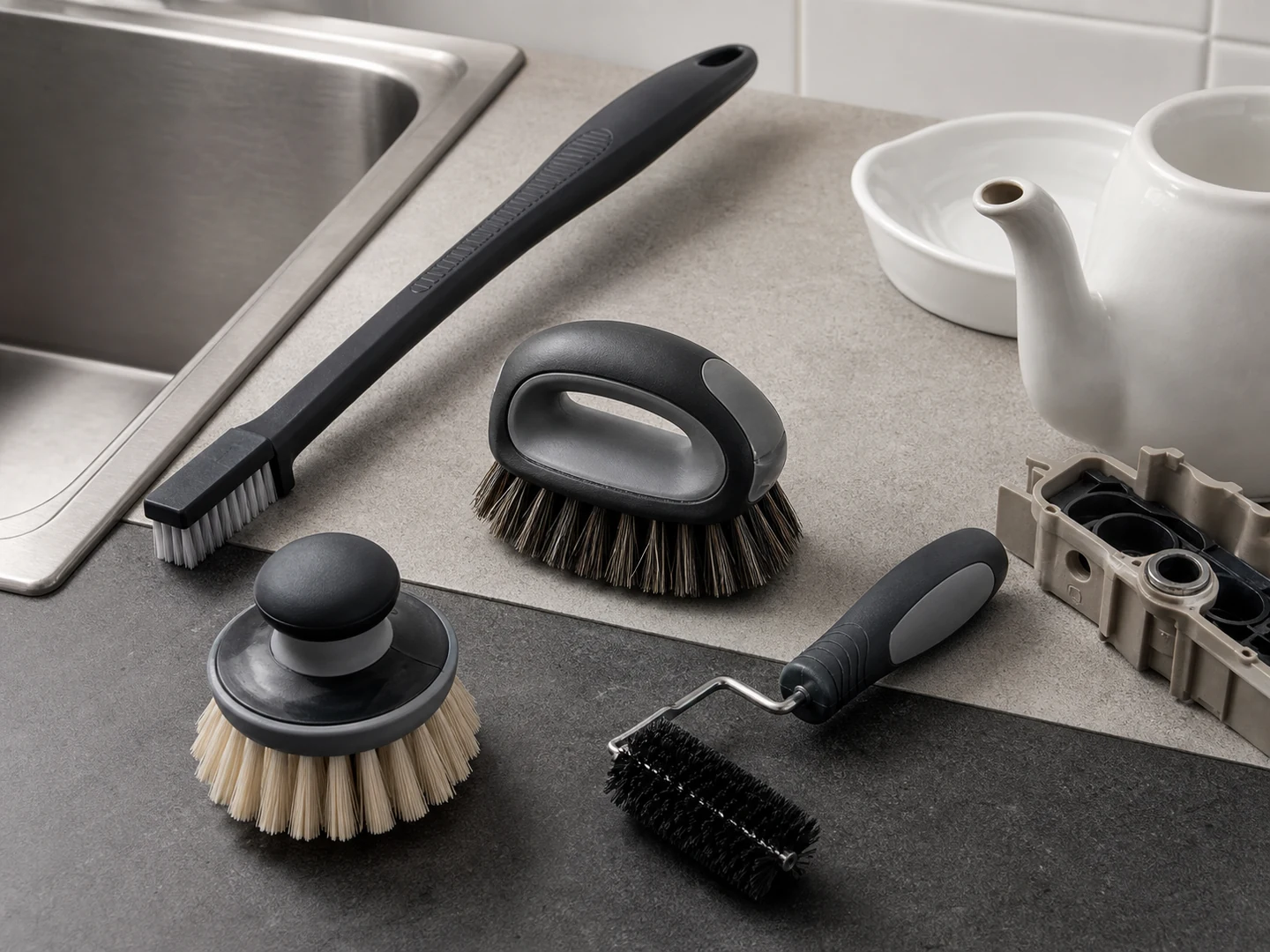
Custom Handheld Detail Brushes
Choose a handheld detail brush when you need direct control in seams, recesses, fittings,…
See how this type is built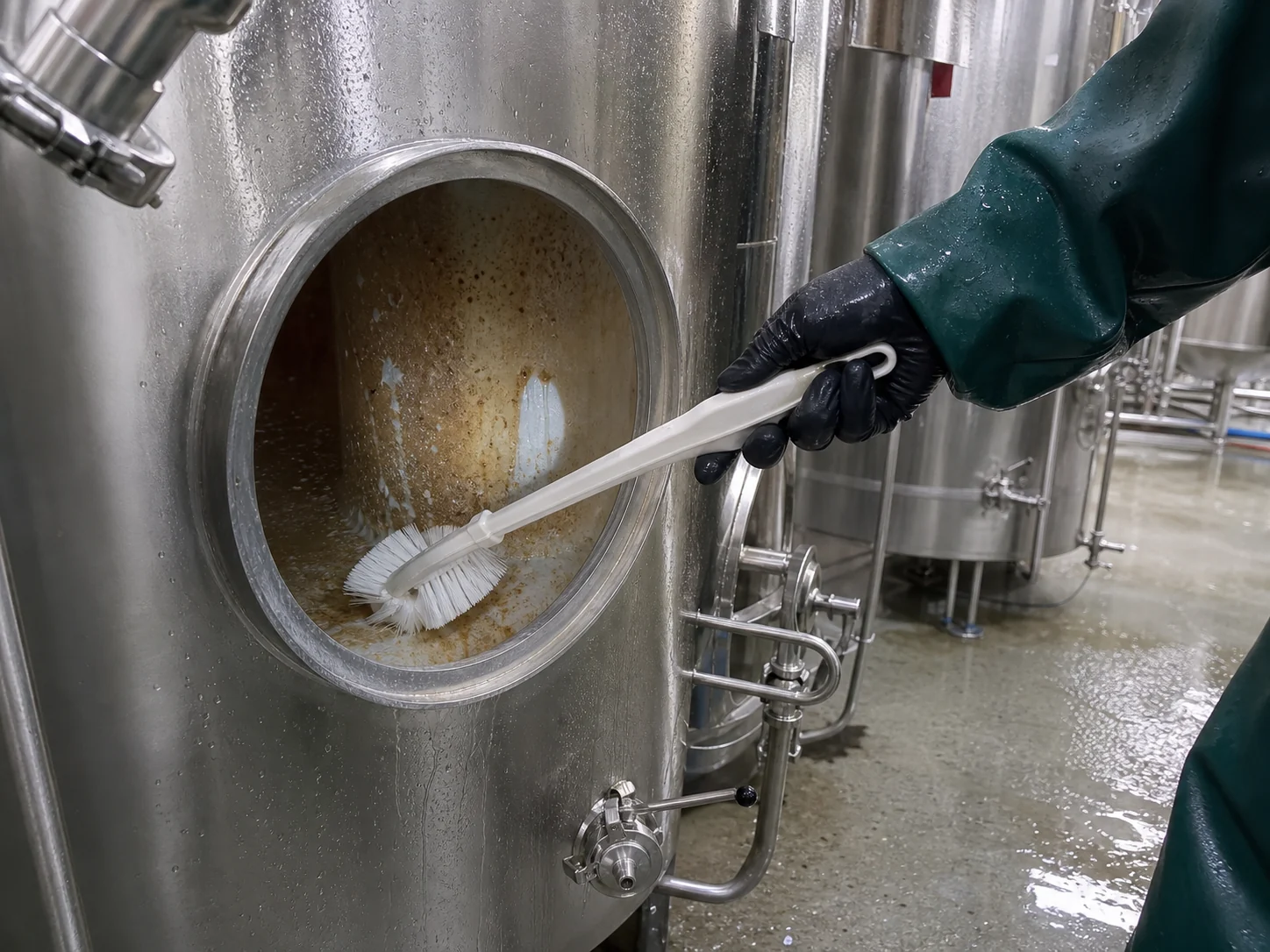
Beer Fermentation Tank Cleaning
For Beer Fermentation Tank Cleaning, the brush must reach the working area, disturb or…
See the cleaning job
Polypropylene PP
Choose Polypropylene PP based on its stiffness, recovery, wear, wet-service, chemical, and temperature behavior.…
Compare this material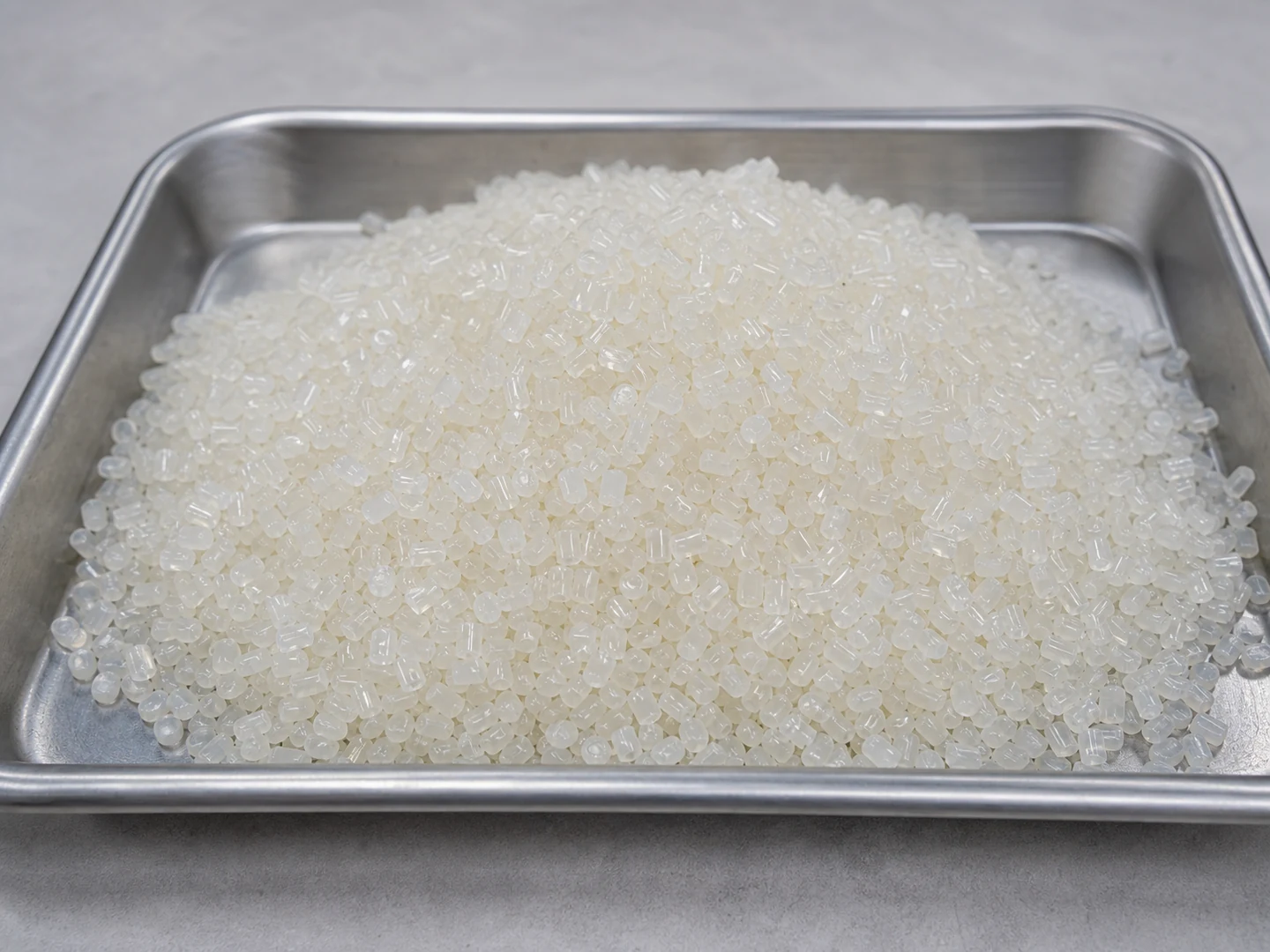
Nylon PA
Choose Nylon PA based on its stiffness, recovery, wear, wet-service, chemical, and temperature behavior.
Compare this material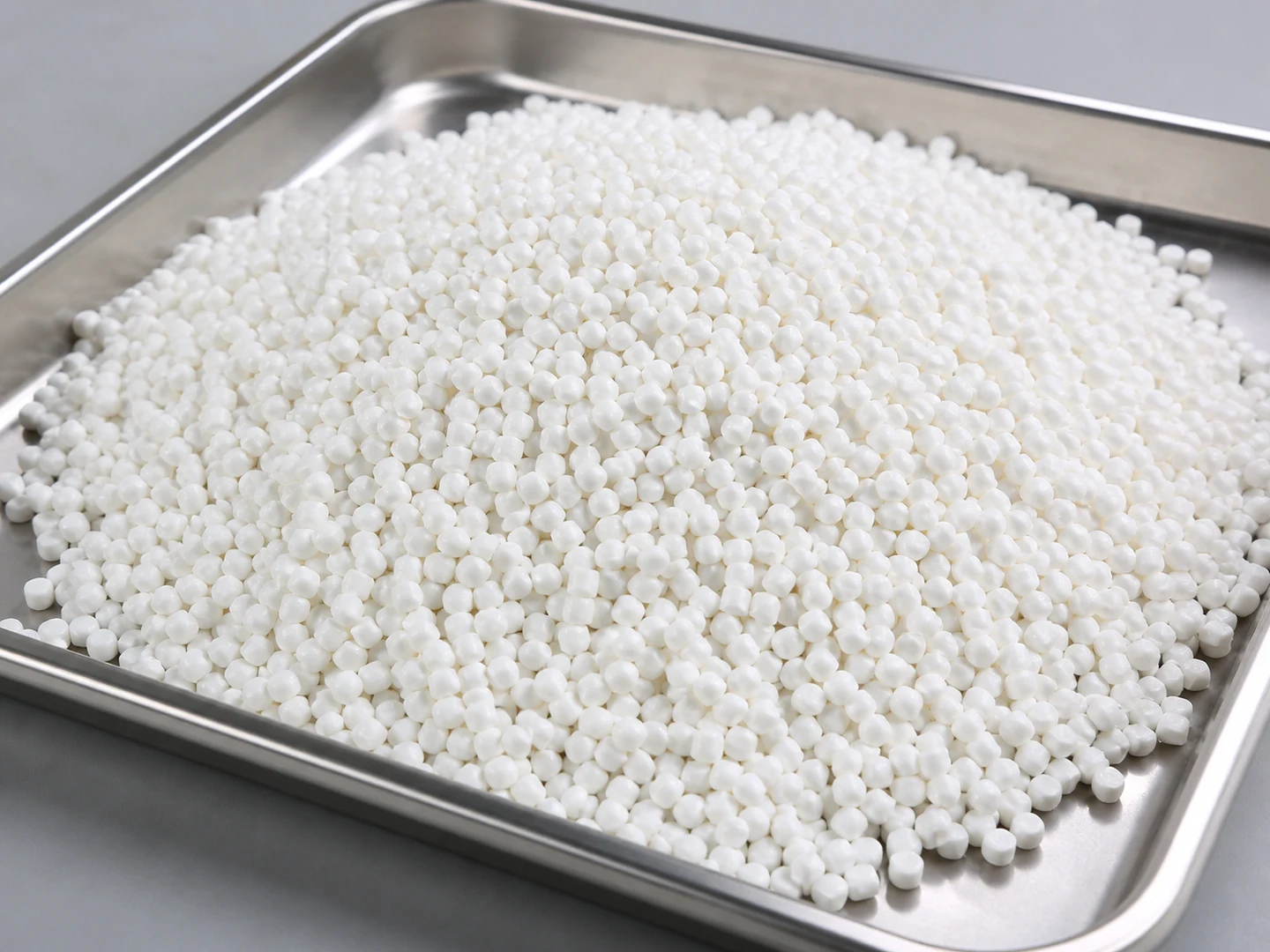
PBT
Choose PBT based on its stiffness, recovery, wear, wet-service, chemical, and temperature behavior. Do…
Compare this material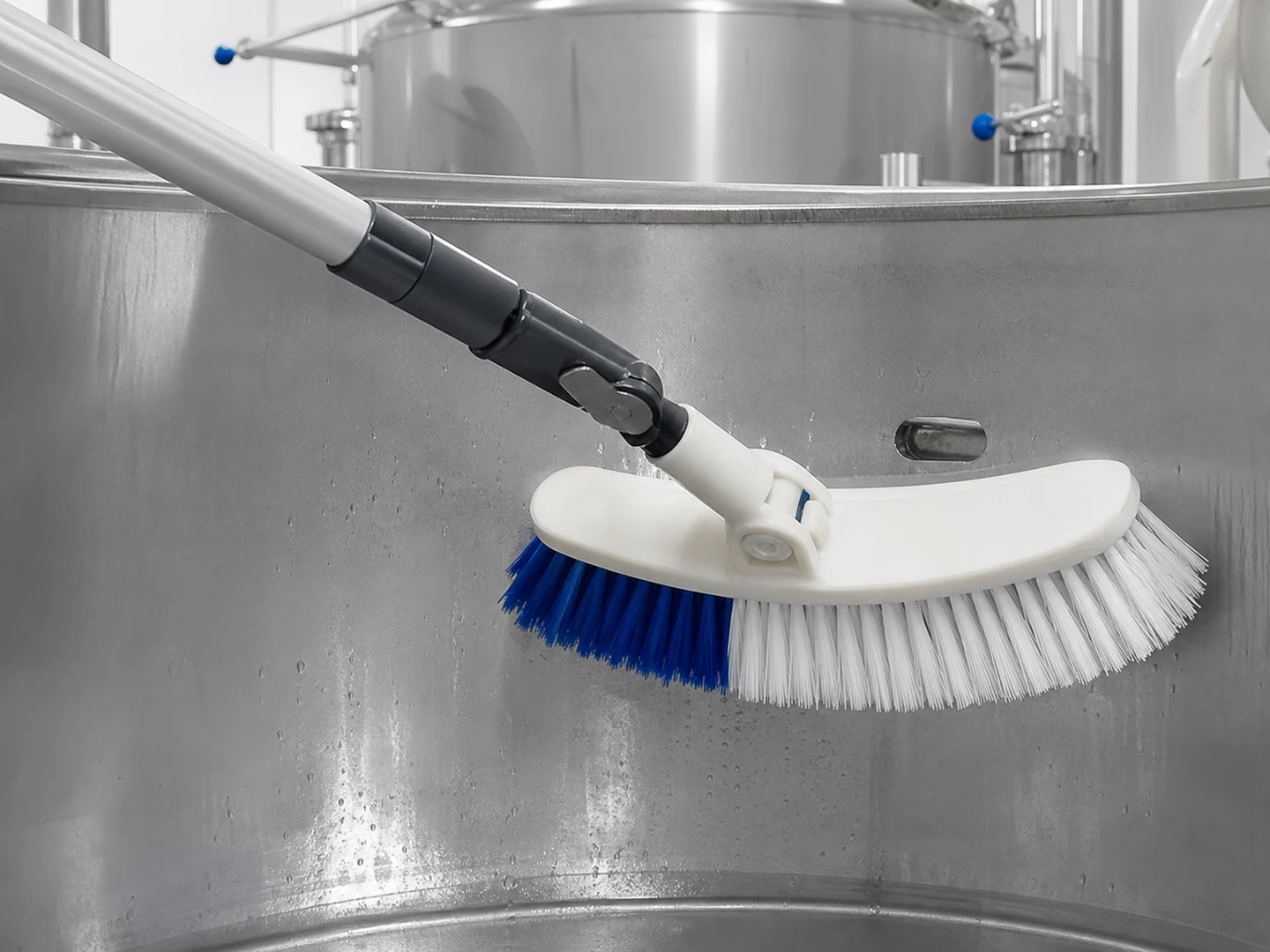
Water Treatment Tank Brush
PP or nylon water treatment tank brush for walls, baffles, drains, and bottom transitions.…
Compare the specification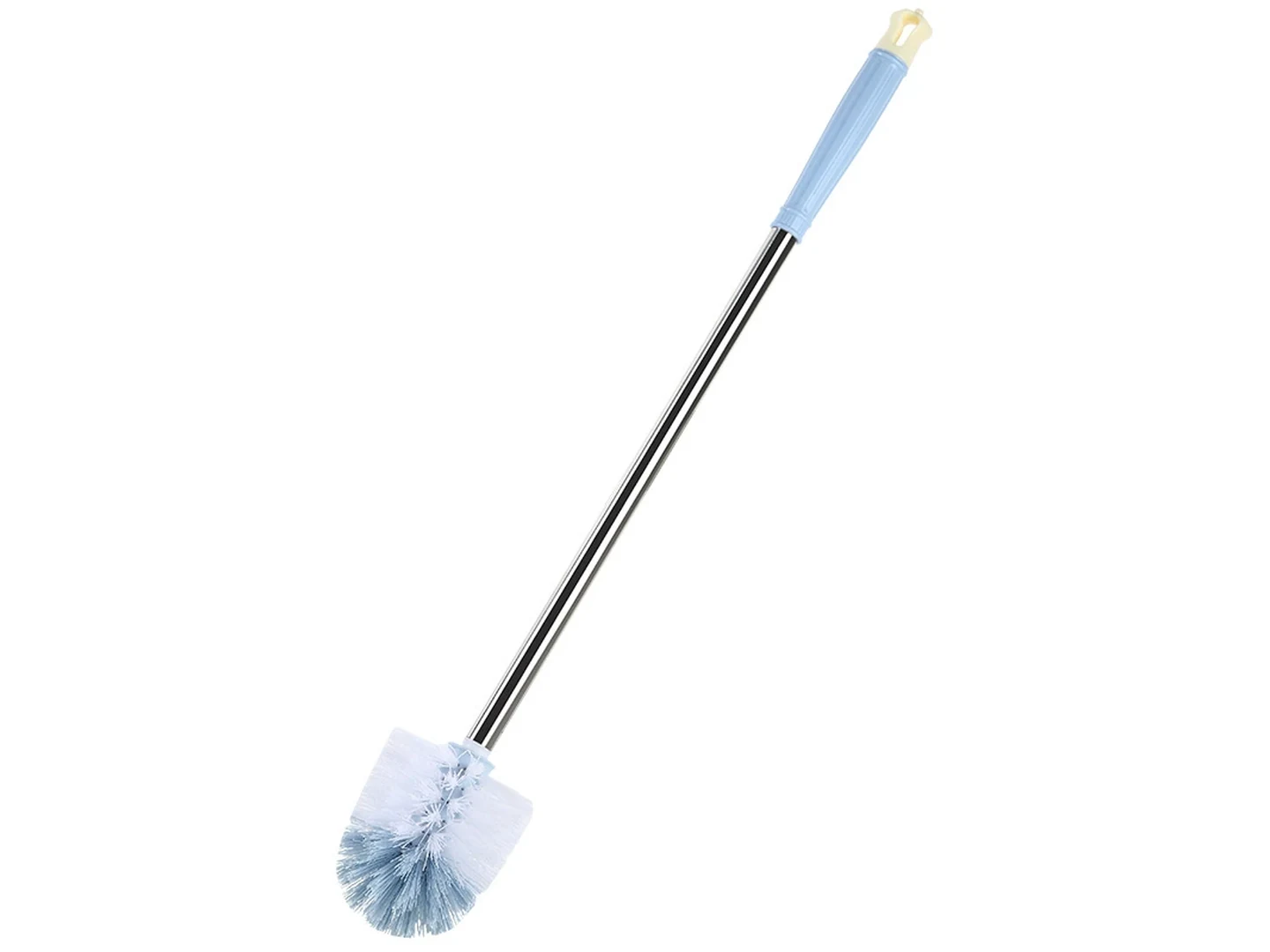
Coolant Tank Cleaning Brush
Long-reach coolant tank cleaning brush with nylon PA or polypropylene fill for sludge, fines,…
Compare the specification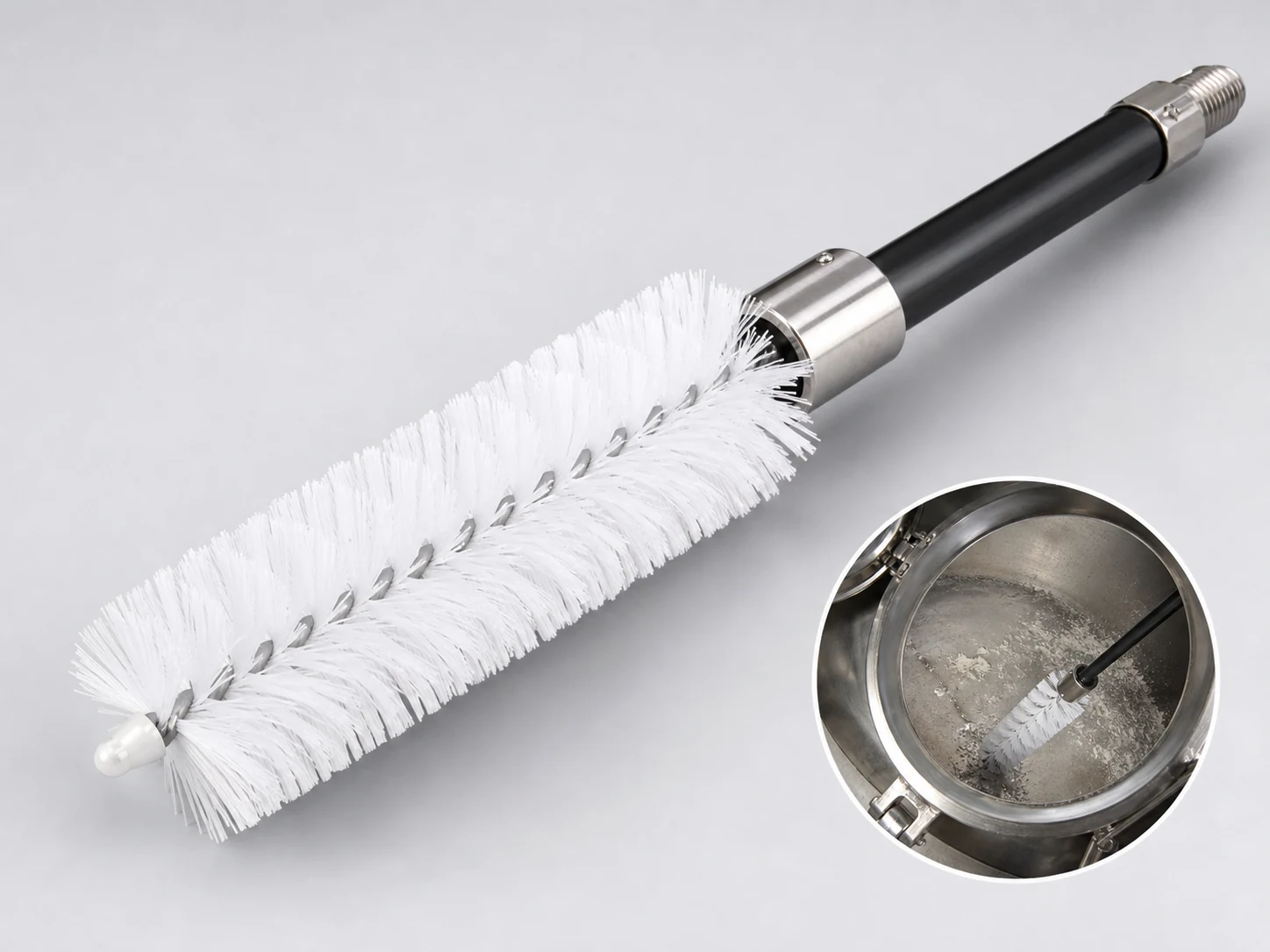
Tank Brush
Long-reach manual tank brush for biofilm, sludge, scale and product residue on curved walls,…
Compare the specificationCustom Manufacturing RFQ
Describe Your Application
Send the key measurements, cleaning requirement, residue, material direction, mounting method, quantity, and drawing or photo.
Drawing or photo optional — it speeds things up, it does not gate the enquiry.
Custom Brush RFQ
Send Your Brush Project
Upload a drawing, product photo, or sample photo and provide the core dimensions and cleaning conditions.
“We need a brush to remove wet residue from a stainless steel conveyor, about 800mm wide. The current brush wears quickly. We can send photos.”
“We sell drinkware and need a cleaning brush to include with the product. Quantity around 5,000 pieces.”