Quick Answer
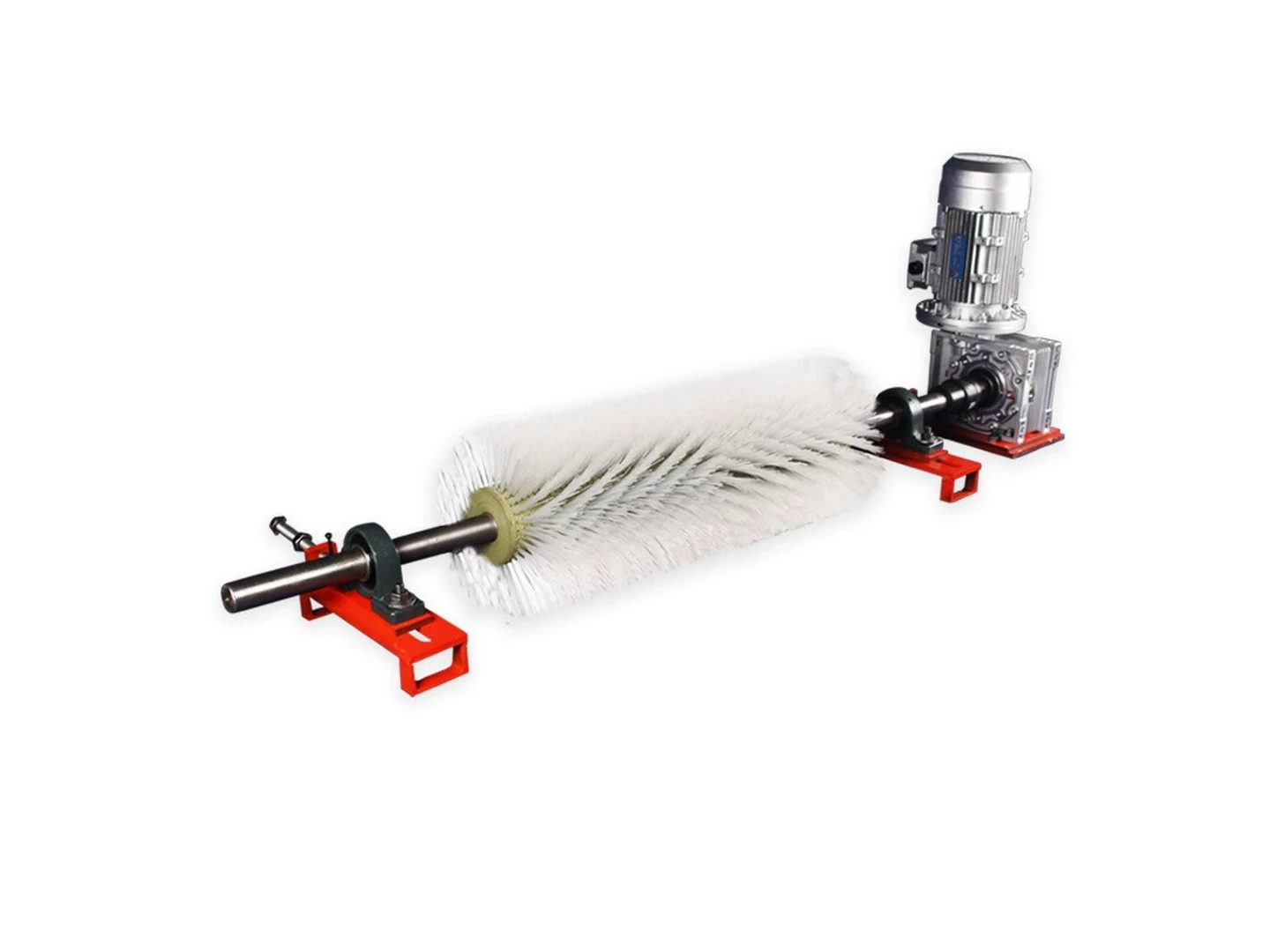
Reverse-engineer the interface first, the working face second, and the material third. Preserve shaft, hub, mounting, rotation, and machine envelope; then correct wear, loading, cleaning, or life problems in the brush face.
Capture the Interface
- Overall length and all axial shoulders.
- Shaft and journal diameters, bearing seats, flats, keyways, threads, holes, set screws, hubs, and flanges.
- Rotation direction, drive end, motor/gear data, and maximum equipment speed.
- Guards, support rollers, adjacent parts, installation clearance, and removal path.
- Runout, balance, concentricity, and fit requirements.
Capture the Working Face
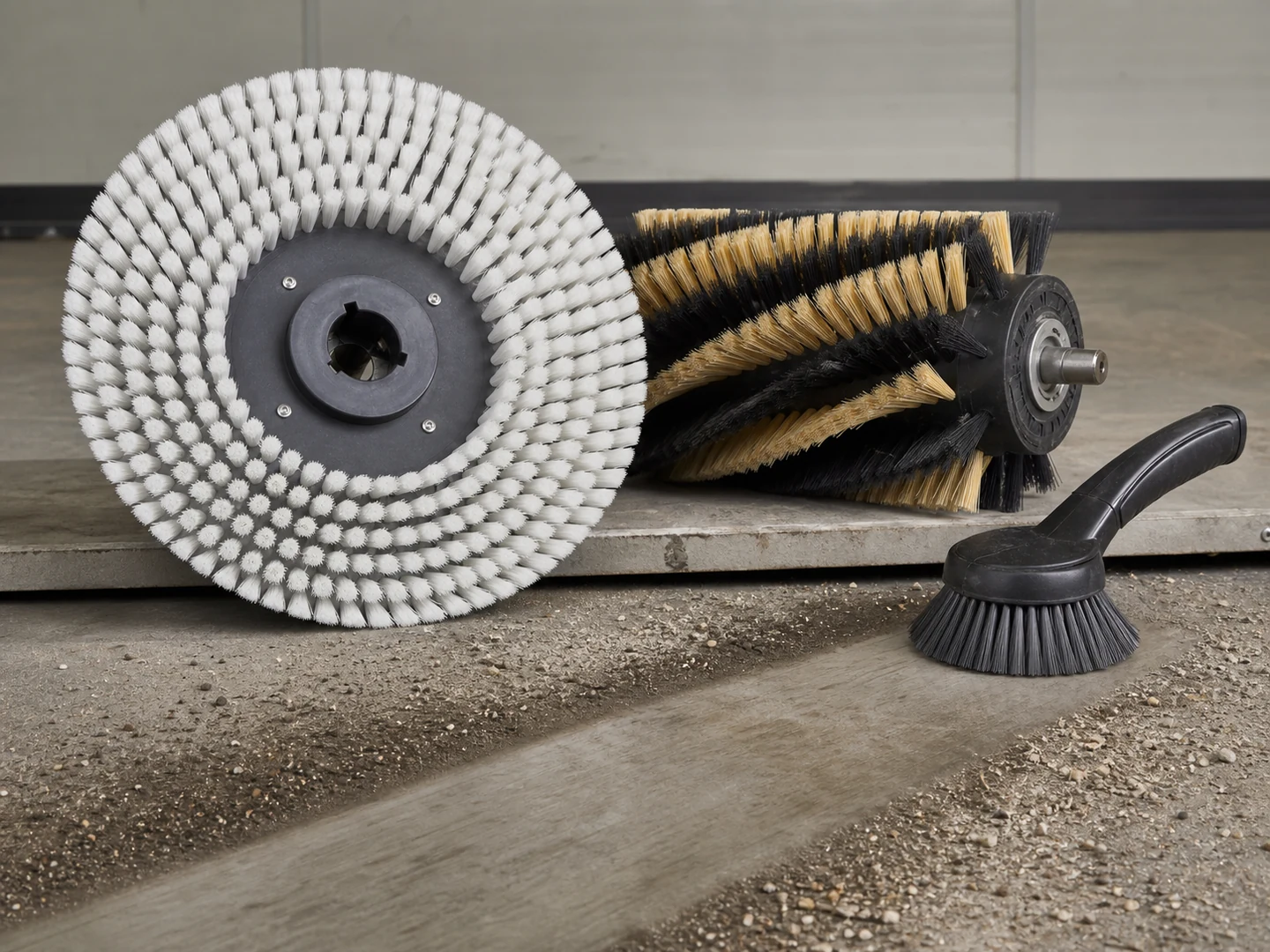
Measure original or unworn outside diameter, core diameter, face width, trim, pattern, lead, density, filament diameter, material, color, and profile. If the original data are unknown, measure several unworn zones and compare photographs or machine manuals. Record whether the brush is intended to wipe, scrub, seal, guide, spread, polish, deburr, or transport.
Do Not Copy the Failure
| Observed issue | Design response |
|---|---|
| Uneven wear | Correct alignment, shaft stiffness, support, profile, or sectional balance |
| Brush loads with residue | Open pattern, lower density, easier-release fill, liquid/air/vacuum path |
| Surface damage | Finer filament, longer trim, lower engagement, softer material |
| Short life | Correct speed/contact, improve material, strengthen retention, remove snagging edge |
| Difficult replacement | Split core, sectional modules, removable hubs, standard bearings or couplings |
Sample Strategy
Approve the interface drawing before building samples. Test fit without contact, then run at low speed and engagement. Compare cleaning, motor load, surface finish, temperature, vibration, shedding, and wear against the original brush. Freeze the accepted drawing and sample as the production master.
What to Send
Send the worn brush, machine brand/model, part drawing, photos in the installed position, all dimensions, speed, direction, residue, temperature, chemistry, current life, failure, quantity, and acceptance criteria.
Technical References
Which bristle material fits this job — PA612 Nylon, PBT or Polypropylene PP?
| Material | Continuous temperature (°C) | Peak temperature (°C) | Water absorption | Hardness |
|---|---|---|---|---|
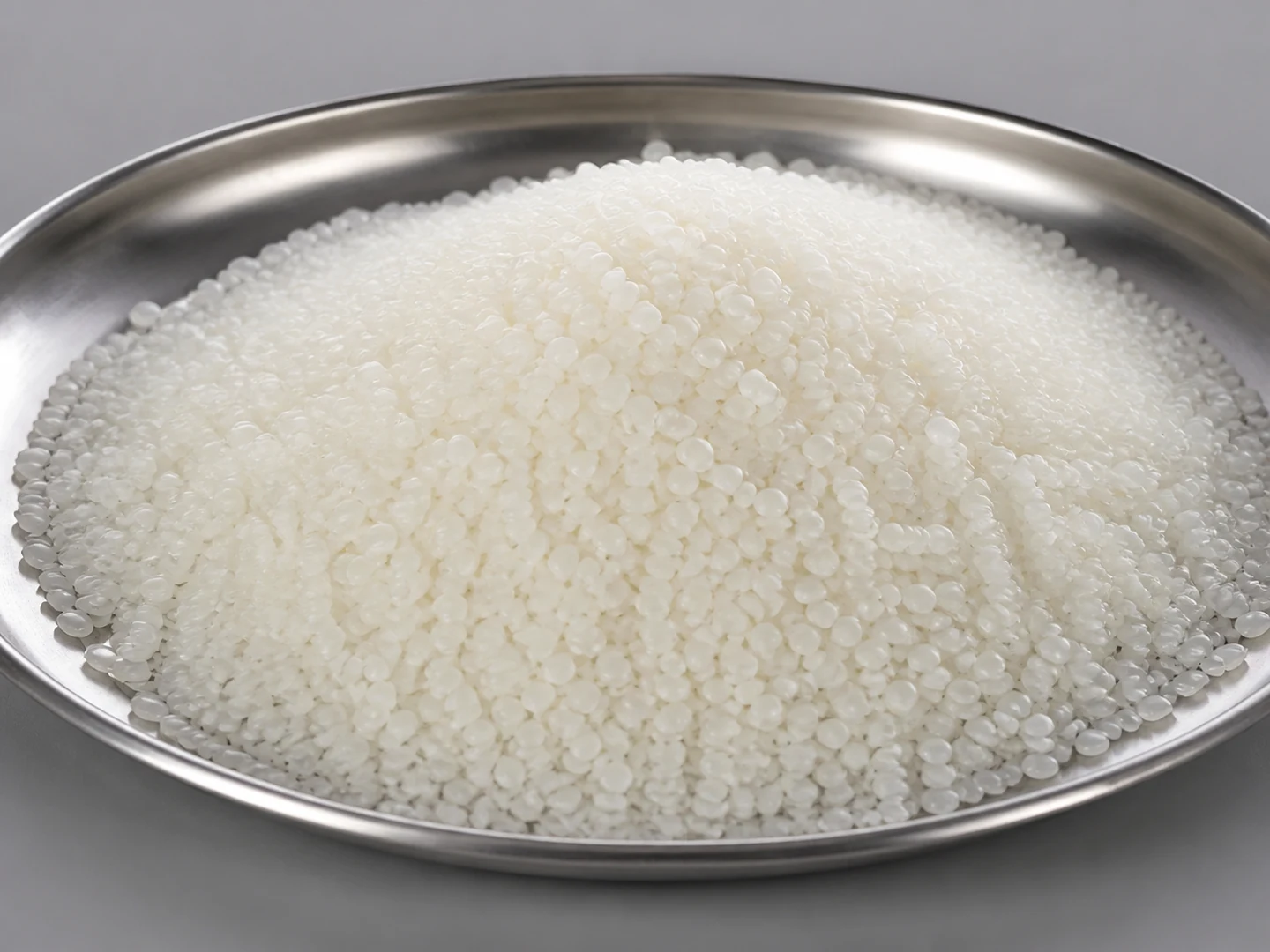
| PA612 Nylon | 90–110 | 130–150 | 0.3–0.7% | Shore D 70–80 |
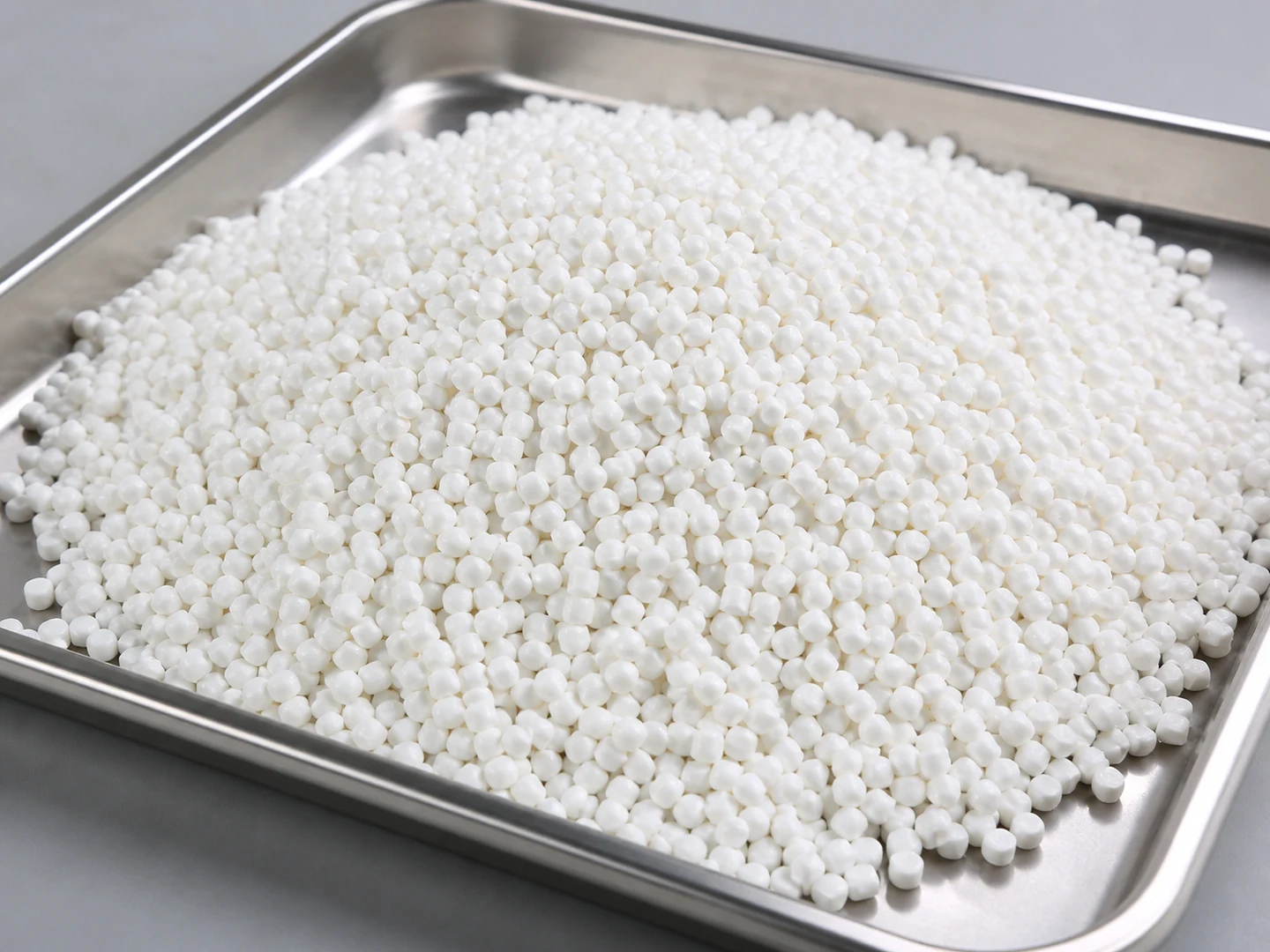
| PBT | 120–140 | 160–180 | 0.05–0.20% | Shore D 80–90 |
| Polypropylene PP | 80–100 | 120–140 | ≤0.03% | Shore D 65–75 |
Figures as published by Brushtec / DuPont; Perlon. Confirm the exact grade against the supplier datasheet before ordering.
When are Roller and Conveyor Brushes the wrong choice?
- Roller and Conveyor Brushes — Use a stationary strip brush for a fixed linear seal or wipe, or another process when rotating line contact interferes with the product or cannot discharge the residue safely.
- Floor Scrubber Sweeper Brushes — Use a pad, squeegee, vacuum, or pressure wash when the task is polishing, liquid recovery, or non-brush soil removal.
- PA612 Nylon — PA612 costs more than general PA6 and should be used where its wet stability, recovery or wear life creates a real process benefit.
- PBT — Not for heavy rust removal or high-cutting deburring.
What should replace Roller and Conveyor Brushes when they stop working?
- Roller and Conveyor Brushes — Roller and conveyor brushes hold cylindrical line contact across a working width, including helix-wound builds where the filament path is set to move loosened material toward one side; a strip brush holds the same line without rotating, so it seals or wipes but cannot carry residue along the width.
- Floor Scrubber Sweeper Brushes — Floor scrubber and indoor sweeper brushes are selected around a scrub deck and controlled downforce; road-sweeper brooms are designed for outdoor debris pickup, gutter reach, impact, and dust-control systems. Closest alternative: Road Sweeper Brooms.
- PA612 Nylon — Compare PA612 Nylon with PA66, PP, PBT. Change material when wet stiffness, temperature, chemical resistance, conductivity, particle shedding, or surface marking becomes the limiting factor.
- PBT — Compare PBT with Nylon, PP, PET. Change material when wet stiffness, temperature, chemical resistance, conductivity, particle shedding, or surface marking becomes the limiting factor.