
Custom Cleaning Brush
Air Conditioner Cleaning Brush
Custom air conditioner cleaning brush for HVAC maintenance. Fine nylon or PBT filament reaches between coil fins, vents, drain pans and fan blades.
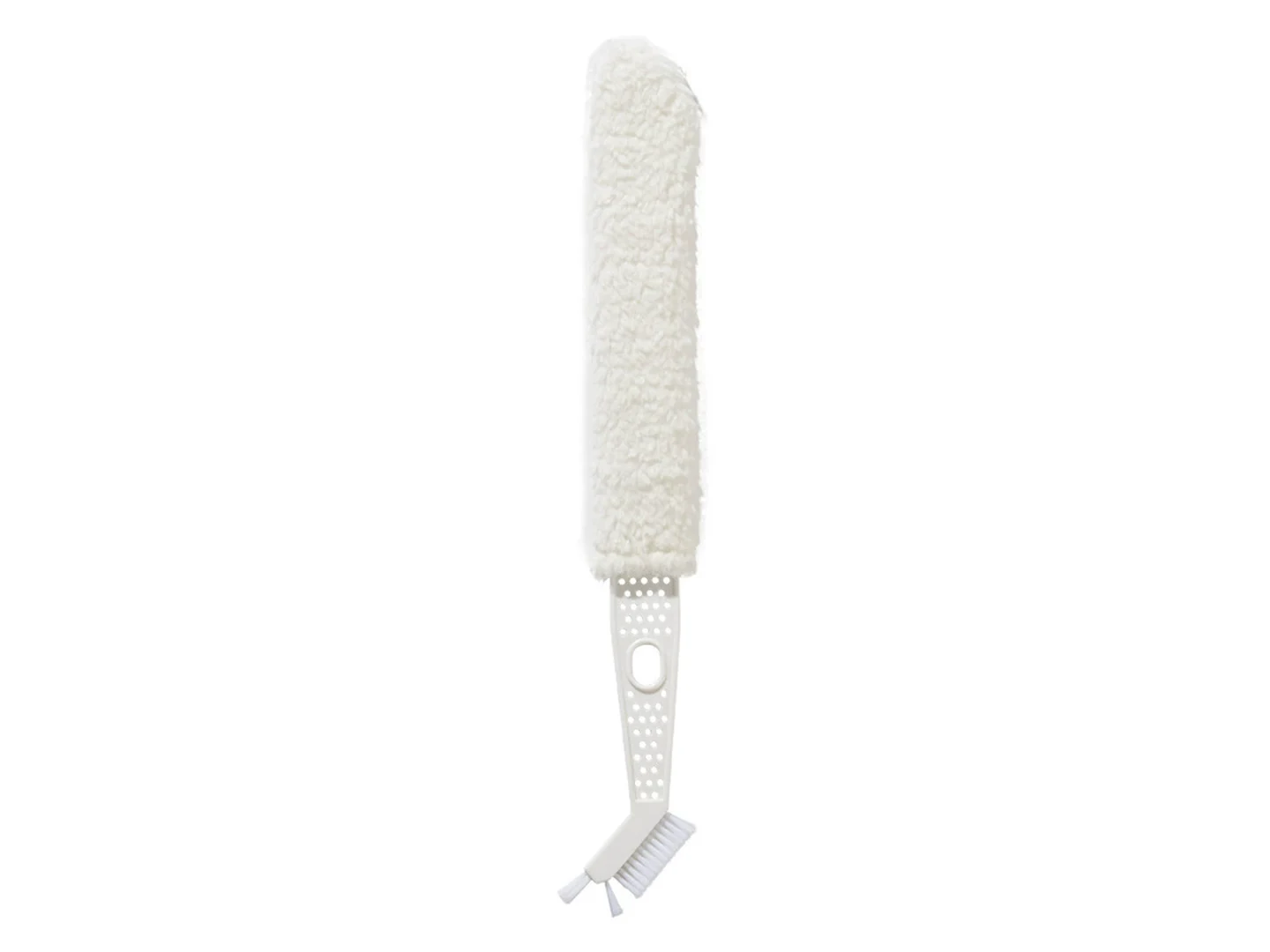
Small brush
500 pcs
Minimum order
Held in one hand: tube, bottle, detail and swab brushes — including long-handled ones with a small head.
Production lead time, once the specification is confirmed
- Up to 500 pcsWithin 7 days
- 501–50,000 pcsWithin 14 days
- Over 50,000 pcsWithin 21 days
Peak season can extend these times; the shipping date is confirmed in writing with your quotation. Sampling and shipping are quoted separately.
A hand-guided air conditioner cleaning brush engineered for HVAC maintenance — fine filament rows slip between aluminum coil fins and narrow air passages, while stiffer nylon, PBT, or brass wire configurations handle filters, drain pans, and heavily soiled metal surfaces. It removes dust, lint, mold film, grease, and mineral buildup without bending fins or scratching plastic housings.
What can this brush do for you?
Fine bristle rows that clean between coil fins without damage
The brush can be built with filament diameters from 0.10 mm to 0.30 mm and short trim lengths matched to the fin spacing of the evaporator or condenser coil. These thin, flexible rows pass between aluminum fins to lift trapped dust, lint, and mold film instead of pushing it deeper. Fins remain upright, so airflow and heat transfer are restored rather than further reduced.
Reach into confined air handler compartments
An angled or offset head, flexible stem, or extended handle lets the brush reach behind drain pans, into blower wheel blades, along coil edges, and around the louver assemblies inside wall-mounted split units and ceiling cassettes. A straight general-purpose brush stops where the housing blocks access; this one is dimensioned to follow the actual service path.
Filament options matched to the residue and surface
Soft PBT or fine nylon protects coated coils, plastic louvers, and washable filters. Stiff nylon handles heavy dust, greasy film, and dried bio-slime on coil faces. Brass wire removes limescale, rust, and mineral crust on metal drain pans and condenser frames. One brush platform can cover an entire preventive maintenance round without forcing a single stiffness to do every job.
Wet or dry use without absorbing coil cleaner
Nylon PA and PBT filaments do not absorb water or cleaning chemicals, rinse clean quickly, and hold their stiffness when wet. The same brush can be used dry for dust removal or with foaming coil cleaner, degreaser, or plain water for deeper cleaning cycles.
Geometry configurable to the exact AC component
Head width, working length, trim length, filament pattern, and handle shape are selected for a specific evaporator, condenser, filter, or drain pan configuration. Technicians do not have to force an off-the-shelf brush into a space it was never designed to enter.
What is a Air Conditioner Cleaning Brush?
An Air Conditioner Cleaning Brush is a repeat-use, hand-guided service tool built specifically for preventive maintenance and deep cleaning of air conditioning and HVAC equipment. Unlike a general household brush or a wire brush sold for unrelated tasks, its filament diameter, trim length, head width, stem flexibility, and handle are selected to work between coil fins, inside drain pans, around fan blades, and along vents without damaging the aluminum, copper, or plastic surfaces being cleaned.
During use, the technician pushes or pulls the brush across the coil face, filter mesh, or pan surface. The fine bristle rows work between fins or louvers to dislodge particles, while the longer or stiffer rows remove attached film. The handle provides reach and control inside the unit, especially when the cleaning must be performed above shoulder height or through a narrow access panel.
The brush is compatible with wet and dry cleaning processes and is normally used alongside coil cleaning foam, mild detergent, or descaling solution for stubborn deposits. The correct configuration depends less on the brand or capacity of the air conditioner than on the fin spacing, coil depth, access clearance, surface material, and the type of residue that has accumulated.
This is not a fin comb and does not repair already bent or flattened fins. It also does not replace chemical cleaning when the residue is hard scale, bio-slime, or heavily baked-on fouling. Its role is contact cleaning — removing debris from surfaces that air conditioning service brushes must reach without causing secondary damage.
Technical Specifications
The table shows the standard engineering ranges we build from. Every dimension and material can be adjusted to the specific AC unit or component the brush will service.
| Parameter | Typical Value / Options |
|---|---|
| Overall length | 200–450 mm, adjusted to reach and clearance |
| Head width | 10–100 mm, matched to coil face or vent width |
| Working length (bristle-covered section) | 20–120 mm |
| Trim length (free bristle length) | 8–25 mm for coil fins; up to 40 mm for filters and vents |
| Filament diameter | 0.10–0.30 mm for fine coil cleaning; 0.40–0.60 mm for general debris; 0.80 mm for heavy duty or brass wire |
| Handle diameter | 8–35 mm, ergonomic grip |
| Fill materials | Nylon PA6 or PA66, PBT, brass wire (selective use) |
| Stem / core | Stainless steel wire, galvanized steel, fiberglass rod, or plastic |
| Bristle stiffness | Soft, medium, stiff, extra stiff |
| Operating environment | Wet or dry; compatible with common alkaline and acidic coil cleaners and detergents |
| Brush type | Custom Handheld Detail Brushes |
| How it is driven | Hand-guided |
| Cleaning target | split ac indoor evaporator coil, return air filter and grille, and condensate drain pan and tray cleaning |
| Surface or part | fins, coils, pans, plastic, drain pans, drains, filters, and metal |
| Residue or debris | dust, mold, scale, lint, rust, grease, slime, and mineral scale |
| Mounting / connection | Fixed |
Where does this brush work best?
- Split AC indoor evaporator coils with fin spacing around 1–2 mm. Fine 0.15–0.25 mm nylon fills, soft to medium stiffness, and a head width of 25–50 mm fit between rows without forcing the fins apart.
- Outdoor condenser coils exposed to cottonwood, pollen, and road dust. Medium or stiff PBT or nylon removes packed debris from the coil face, while brass wire is reserved only for the metal frame and non-fin components.
- Return air filters and grilles. A wider flat head with medium nylon and a trim length of 20–40 mm cleans mesh, louvers, and edge channels where dust and pet hair collect.
- Condensate drain pans and trays. An angled head with medium nylon removes slime and mold film from plastic pans, while brass wire removes rust or mineral scale from galvanized or stainless steel pans.
- Blower wheels and cross-flow fan blades. A narrow head, flexible stem, or long handle reaches into curved blade channels inside the air handler without removing the entire wheel.
- Wall and ceiling vent diffusers. A compact or angled brush cleans louver edges and the surrounding frame where standard cloths cannot get a grip.
How do I choose the right one?
Start with the component and its surface material, not with the brush. An aluminum fin coil, a plastic drain pan, and a galvanized steel fan housing each need a different contact and stiffness.
Measure the fin spacing and coil depth first
Use a feeler gauge or count fins per inch. The filament diameter should be no more than about 60–70% of the fin gap so the bristle rows pass freely without wedging or bending the fins. The trim length must reach through the coil depth without bottoming out against the tube bends or rear plate.
Match the filament to the residue and surface
| Residue and surface | Recommended filament |
|---|---|
| Light dust and lint on coated aluminum fins | 0.15–0.25 mm soft nylon |
| Heavy lint, grease, or mold film on coil faces | 0.30–0.40 mm medium or stiff PBT |
| Mold and slime in plastic drain pans | 0.20–0.30 mm medium nylon, angled head |
| Limescale, rust, or mineral crust on metal pans or frames | 0.30–0.50 mm brass wire, limited to non-fin metal |
Consider access and operator position
Straight handles work for open coil faces. Angled or bent stems are needed behind drain pans and inside wall-mounted units. Extendable or long handles reduce ladder work on ceiling cassettes and high-wall units. Flexible stems help inside blower wheel cavities.
Check chemical exposure
Many coil cleaners are strongly alkaline or acidic. Nylon PA and PBT resist most commercial coil cleaning solutions, but always confirm the specific chemical and concentration with a sample soak test before committing to a large production batch.
When a different tool is the better choice
Do not use brass wire on aluminum fins, coated coils, or plastic components — it will scratch or cut them. Use a fin comb to straighten already bent fins before brushing. For thick, hardened scale, use a descaling soak or foaming cleaner first, then brush to remove loosened residue. For automated or high-volume coil cleaning, a rotary or power brush may be more productive than a hand-guided tool.
Can I customize this brush?
Air conditioner cleaning brushes are configurable because every unit presents a different fin spacing, access path, and residue profile. To define the correct build, provide the AC unit type, the component to be cleaned, fin spacing or mesh opening, coil depth, access clearance, residue type, cleaning chemical, and expected frequency of use. A photo or dimensioned sketch of the target area accelerates the engineering review.
We can adjust:
- Filament — nylon PA6 or PA66, PBT, brass wire, or mixed fills; filament diameter from 0.08 mm to 1.00 mm; stiffness from soft to extra stiff
- Head geometry — width, length, trim length, flat, angled, curved, or radial profile; filament density and pattern
- Stem / core — stainless or galvanized steel wire, fiberglass, or plastic; rigid or flexible; custom length and bend angle
- Handle — straight, T-handle, ergonomic grip, extended length, hanging hole, or molded finger grooves; material and color
- Marking — pad print, laser engraving, molded logo, or identification color coding
- Packaging — bulk, individual poly bag, retail card, or project-specific packing configuration
If your project requires material documentation, third-party testing, inspection support, or certification assistance for the target market, we can coordinate those requirements during the customization process.
When is an air conditioner cleaning brush worn out rather than just dirty?
How do I measure fin spacing to specify the correct filament diameter?
Insert a feeler gauge between two adjacent fins and read the gap, or count fins per inch with a ruler. Choose a filament diameter no greater than about 60–70% of the smallest gap. For example, a 1.5 mm gap should use filament around 0.3 mm or less. This leaves clearance for debris to exit without wedging the fins.
Can the same brush clean both the evaporator coil and the washable filter?
It is possible but usually not ideal. Coil brushes need short trim and fine filament to follow fin rows, while filter brushes work better with longer trim and stiffer bristles. Using one configuration for both typically means weaker contact on the filter or excessive pressure on the fins. A two-brush set with different trim and stiffness is the more reliable solution.
How can I verify the brush is not damaging the aluminum fins?
After a few strokes, inspect the coil with a flashlight at a low angle. Fins should remain upright and evenly spaced with no shiny flattened spots. If you see flattening or waviness, the filament is too thick or too stiff, the motion is across the fin direction instead of along it, or the trim length is too long. Stop and adjust the configuration before continuing.
Does brushing replace chemical cleaning or coil spraying?
No. Brushing removes particulate, film, and loosened debris, but heavy bio-slime, tobacco residue, or mineral scale often requires a foaming coil cleaner, descaling solution, or biocidal treatment first. The brush is part of the cleaning sequence — it is not a substitute for chemical action or final rinsing.
How often should the air conditioner cleaning brush be replaced?
Replace the brush when the bristles are permanently bent, splayed, flattened, or no longer spring back after use. Nylon and PBT brushes typically last 300–600 service cycles under normal coil cleaning use; brass wire wears faster and should be checked for loose bristles before each job.
Can the brush be used on an energized unit?
No. Disconnect power to the air conditioner before cleaning any internal component, especially near motors, capacitors, or control boards. Use only non-conductive stems if the handle could contact live terminals during maintenance.
Guides that go deeper on this
RELATED BRUSH RESOURCES
Recommended Reading & Related Brush Resources
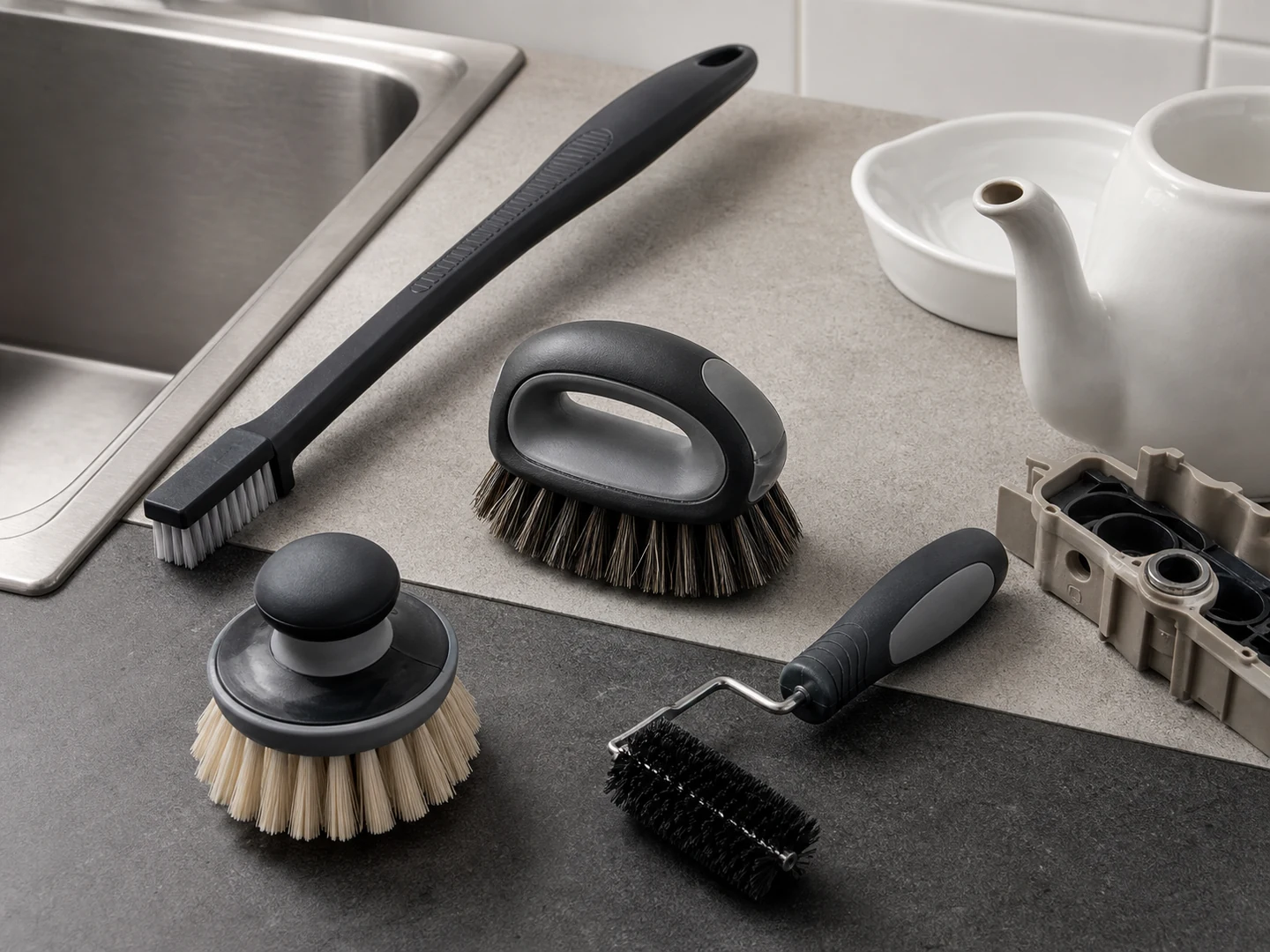
Custom Handheld Detail Brushes
Choose a handheld detail brush when you need direct control in seams, recesses, fittings,…
See how this type is built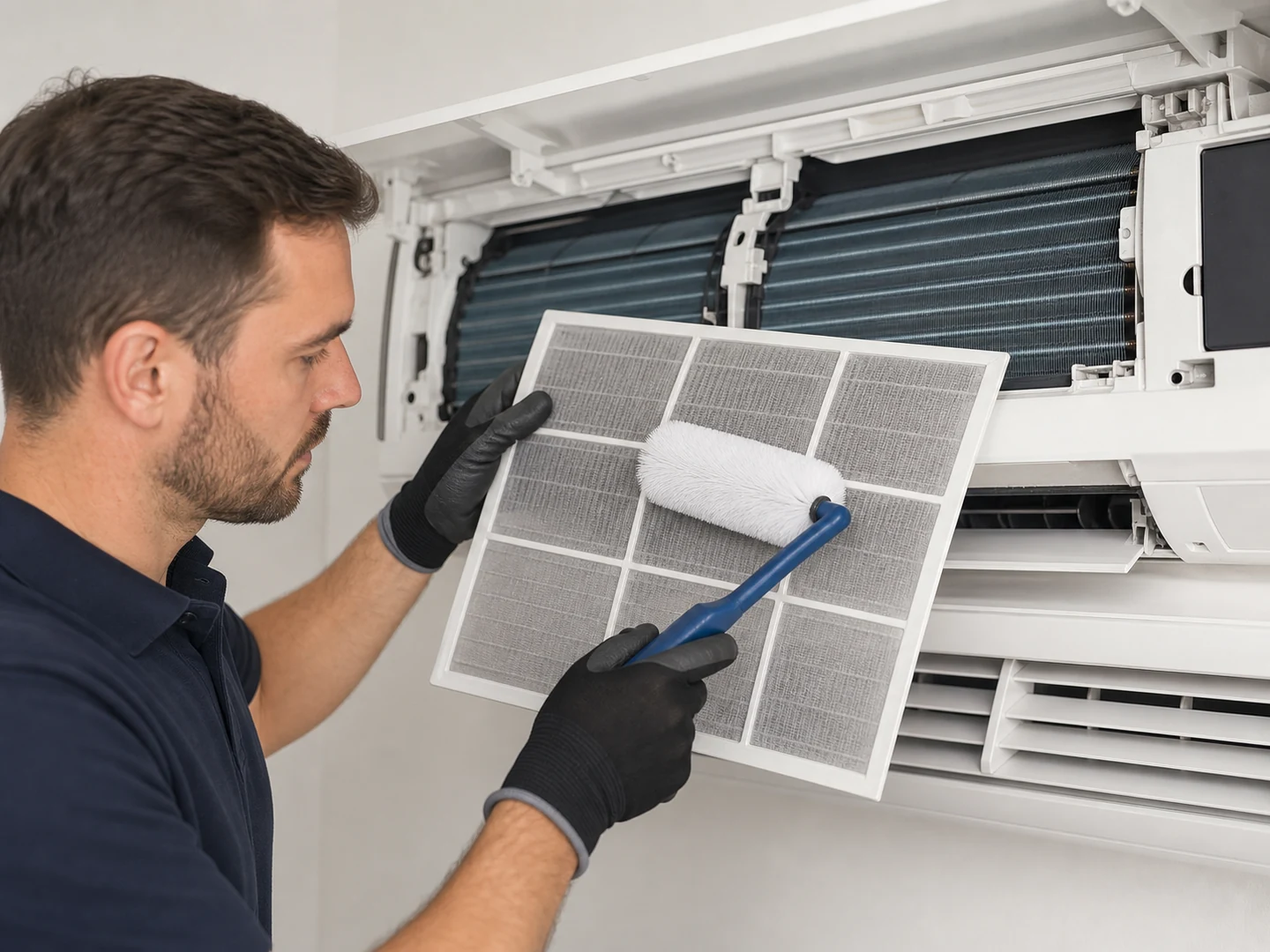
Air Conditioner Filter, Vent & Fin Cleaning
For Air Conditioner Filter, Vent & Fin Cleaning, the brush must reach the working…
See the cleaning job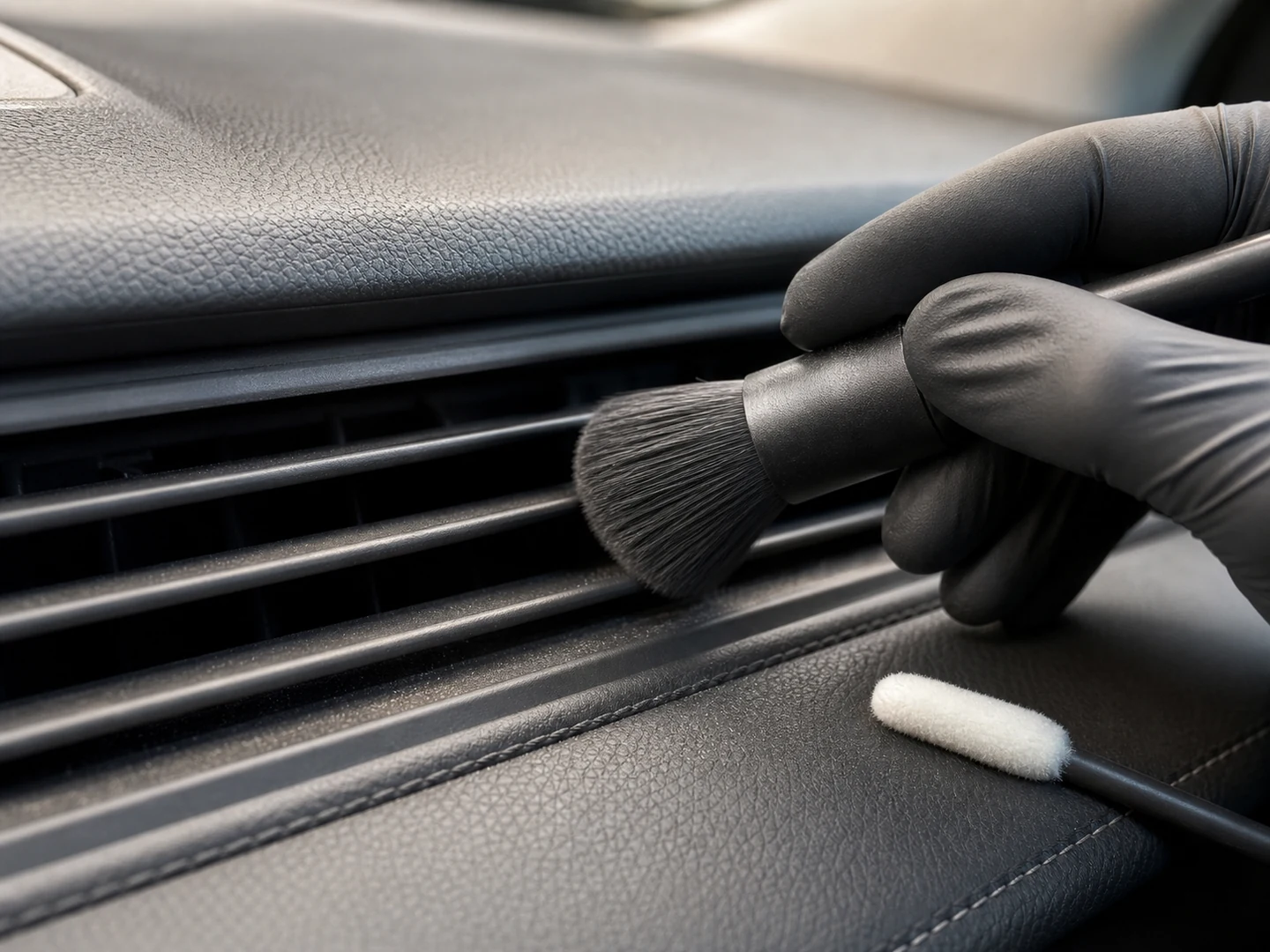
Car Interior Vent Cleaning
For Car Interior Vent Cleaning, the brush must reach the working area, disturb or…
See the cleaning job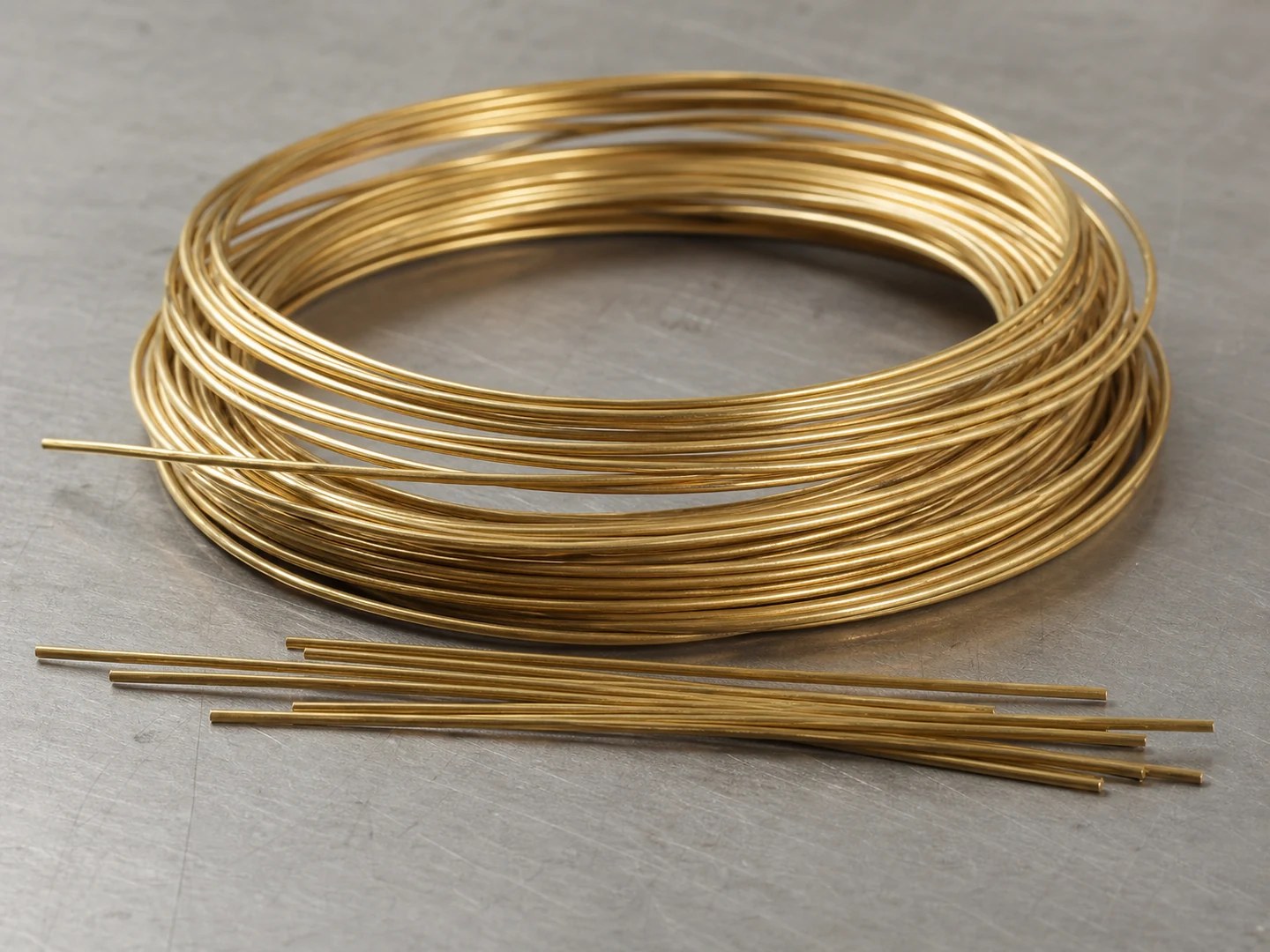
Brass Wire
Choose Brass Wire based on its stiffness, recovery, wear, wet-service, chemical, and temperature behavior.
Compare this material
PBT
Choose PBT based on its stiffness, recovery, wear, wet-service, chemical, and temperature behavior. Do…
Compare this material
PA6 Nylon
Choose PA6 Nylon based on its stiffness, recovery, wear, wet-service, chemical, and temperature behavior.
Compare this materialAir Fryer Cleaning Brush
Customizable air fryer cleaning brushes in nylon PA, PBT and PP for non-stick baskets…
Compare the specification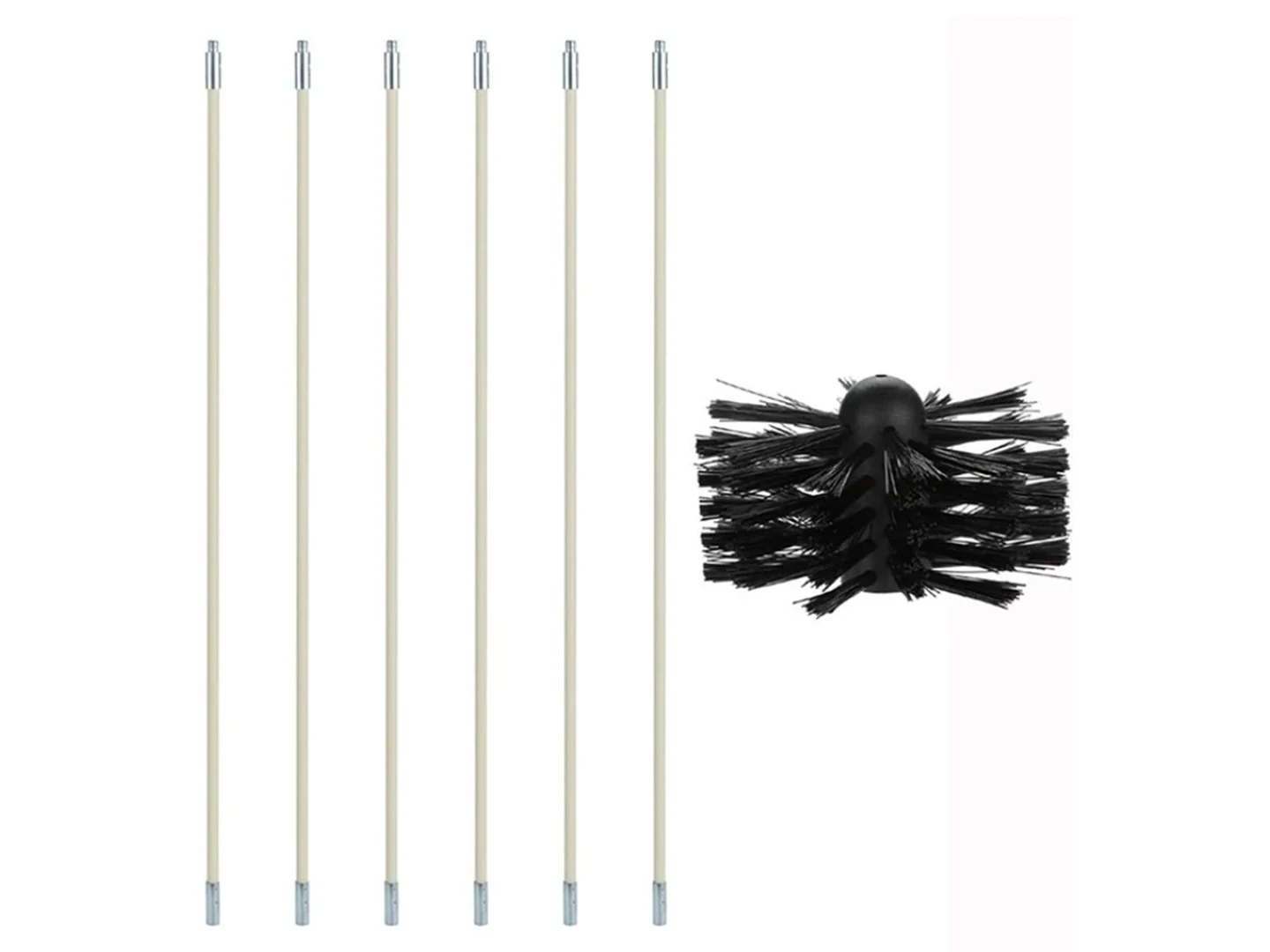
Air Duct Cleaning Brush
Rotary air duct cleaning brush with flexible shaft reach of 5–30 m, Nylon PA…
Compare the specificationCustom Manufacturing RFQ
Describe Your Application
For an accurate quotation, please provide the main dimensions, material preference, working surface, residue, quantity, and a drawing or photo.
Drawing or photo optional — it speeds things up, it does not gate the enquiry.
Custom Brush RFQ
Send Your Brush Project
Upload a drawing, product photo, or sample photo and provide the core dimensions and cleaning conditions.
“We need a brush to remove wet residue from a stainless steel conveyor, about 800mm wide. The current brush wears quickly. We can send photos.”
“We sell drinkware and need a cleaning brush to include with the product. Quantity around 5,000 pieces.”