
Material
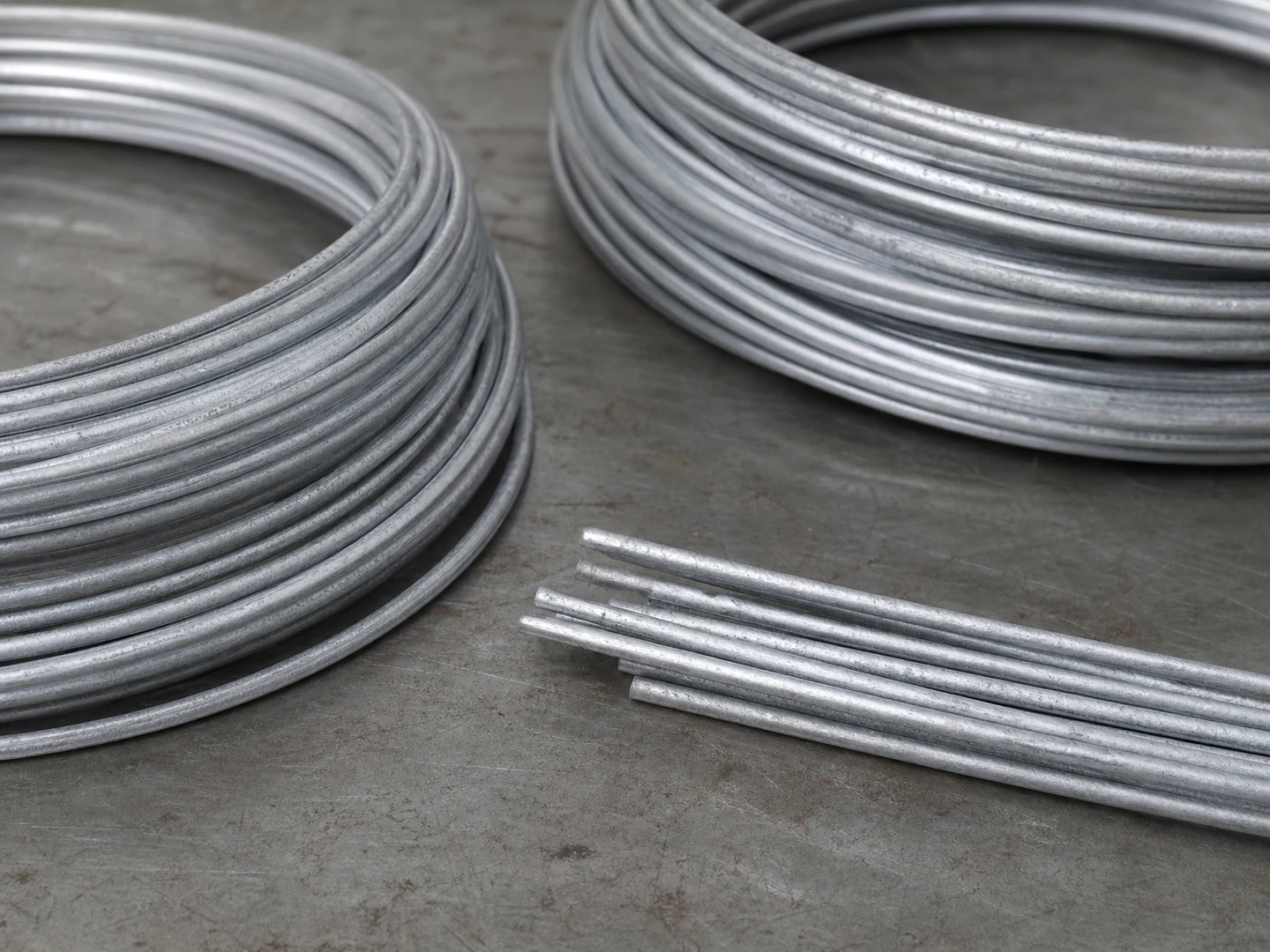
Galvanized Steel Wire
Coated ferrous wire filament
Choose Galvanized Steel Wire based on its stiffness, recovery, wear, wet-service, chemical, and temperature behavior. Stiffness is set by the complete filament specification, including material, diameter, free trim, density, grade, and service conditions.
Datasheet values
- Wire form
- Zinc-coated steel wire selected by diameter and temper
- Corrosion behavior
- Zinc coating improves atmospheric and mildly wet corrosion resistance; chemistry and coating damage matter
- Temperature use
- Validate coating, wire condition and complete brush assembly; no universal brush-service range
Galvanized Steel Wire is used as brush fill or contact media where its property profile fits the cleaning duty.
What is Galvanized Steel Wire, and what makes it different from other brush filaments?
Galvanized Steel Wire belongs to the metal wire group, supplied as filament, strip fill, roller fill and molded blade or foam pad as applicable, drawn in round, crimped round and flat sections and set in straight rows, helical, staggered, zoned and wavy fill patterns.
Galvanized Steel Wire is a custom brush contact material selected by filament or blade geometry, temperature, moisture, chemicals and surface risk.
Change material when temperature, chemicals, static, shedding or surface marking becomes limiting.
What stiffness and contact pressure can I expect from Galvanized Steel Wire?
Galvanized Steel Wire is rockwell B 70–100 (Base-Material Condition); brush behavior follows Low to Medium Flexibility flexibility and Rockwell B 70–100 (Base-Material Condition) hardness.
The part people get wrong: stiffness is not a property of the material on its own. A 0.50 mm filament on a 15 mm trim is stiffer than a 0.30 mm filament on a 25 mm trim in the same grade. Fix diameter and trim first, then confirm the material.
How does water affect Galvanized Steel Wire performance?
Galvanized steel wire absorbs no water; the zinc layer, not the steel, is what decides how long it survives a wet duty.
The zinc coating improves corrosion resistance in many wet environments, but coating damage, chlorides, crevices and chemistry still matter.
What this means for your application: the contact band is unaffected by water, but every cut, crimp and worn tip is a place where the zinc is gone and the steel underneath is exposed.
A practical check: look at the tips, not the trim. Rust at the tips first means the coating has worn through and the wire is now behaving as bare steel.
What temperature limits apply to Galvanized Steel Wire?
Do not assign one universal finished-brush temperature from the steel substrate. Zinc coating condition, wire temper, anchoring, hub, atmosphere and contact load set the usable brush temperature.
The filament tables quote 150–200°C continuous and 250–300°C peak. The tighter number above is the one to build to, because a brush is loaded while it is hot.
Where it stops working: validate with a sample if the process sits near the top of that band. A permanent bend under load means the answer is a higher-temperature filament family, not a heavier trim.
Diameter, trim length and applied load all shift the real limit, so a thin filament touching lightly survives conditions that would flatten a thick one under pressure.
What chemicals attack Galvanized Steel Wire?
Galvanized wire is not a universal chemical-service material. Acids, strong alkalis and some chloride conditions can attack zinc; check cleaner chemistry, concentration, temperature and exposure time.
Compatibility is a function of concentration, temperature and contact time together. A short rinse in a dilute solution is a different exposure from an overnight soak in a concentrated one, even with the same chemical on the label.
Before you commit to a quantity: Use resin or alloy grade TDS, ISO/ASTM property method and lot traceability when specified.
What is the practical lower limit for filament diameter?
The floor is roughly 0.10 mm; finer than that and the filament snaps rather than flexes. In practice you are choosing inside 0.10–2.00 mm.
Free trim runs 5–300 mm, and the two interact: a finer filament needs a shorter trim to keep useful stiffness, while a thicker one carries a longer trim and still lands pressure on the tip.
Split the range by duty: roughly 0.10–0.57 mm for light wiping, dusting and surfaces that mark easily, and 0.57–2.00 mm where residue is packed on and point pressure matters more than surface risk.
Tip treatments available on this filament: hot-dip galvanizing, electrogalvanizing, passivation and rust-preventive oil.
In practical brush terms: reaching deep into a bore or crevice is a diameter problem before it is a length problem. A thicker filament on a moderate trim pushes further in before the tips fold over.
What applications typically use Galvanized Steel Wire?
Custom cleaning brushes requiring Galvanized Steel Wire for its mechanical, temperature, moisture or chemical behavior.
The applications that keep coming back to this grade:
- Chimney and Flue Soot Cleaning
- Tube & Pipe Cleaning
- Dust Removal
The constructions that usually carry it:
- Custom Tube & Pipe Bore Brushes
If the sample comes back rejected: Coating wear and chemical attack can expose the steel substrate; use stainless or another alloy where the environment exceeds galvanized-wire capability.
How do I specify Galvanized Steel Wire for a custom brush?
Send the brush type, filament diameter, free trim length, density, contact setting, wet or dry duty, working temperature and the actual cleaning chemistry together. Any one of them on its own leaves the stiffness undefined.
What usually goes wrong at this step:
- Selecting only by material name without defining diameter, trim, density, engagement and operating conditions
Reference standards behind the figures on this page: ISO 6892-1; ASTM E8/E8M; ASTM B117.
Source: Material manufacturer TDS / ISO / ASTM / industry reference — GALV-STEEL material property compilation. Structured values from update package; water absorption references ISO 62/ASTM D570 where applicable; UV references ASTM G154; remaining brush-process values marked.
What else does the datasheet specify for Galvanized Steel Wire?
| Filament cross-section | Round / Crimped Round / Flat |
|---|---|
| Electrical behaviour | Highly Conductive |
Questions this page is asked
What should an incoming galvanized brush-wire record contain?
State the carbon-steel wire grade, ASTM A641 temper, diameter and tolerance, zinc coating class or regular-coating designation, coating mass or thickness evidence where specified, adhesion result, surface treatment, and lot. Verify that the order and certificate use the same coating basis because a fully covered regular coating does not necessarily carry the minimum coating mass of a named class.
How should zinc-coating wear-through be monitored on a brush?
Define inspection zones and intervals and record exposed steel, red rust, coating flaking, wire-diameter loss, broken-wire count and any remaining-coating measurement used by the process. Retire the brush when the exposed substrate, corrosion product, transferred zinc or loss of wire and anchor integrity reaches the surface, cleanliness or safety limit, even if unworn zinc remains elsewhere.
What storage controls prevent wet-storage stain on galvanized wire brushes?
Store the brushes dry under cover with airflow, keep wet parts from tight stacking or sealed packaging, separate them from damp surfaces, and arrange drainage after quenching, washing or condensation. If white or gray deposits appear, dry and classify their severity before cleaning or release, then verify that heavy attack has not consumed the required zinc coating.
Guides that go deeper on this
We have not written a guide specific to this one yet. The material that covers selection, filament, dimensions, maintenance and sourcing is collected in the technical resources library.
Continue Exploring
Recommended Reading & Related Brush Resources
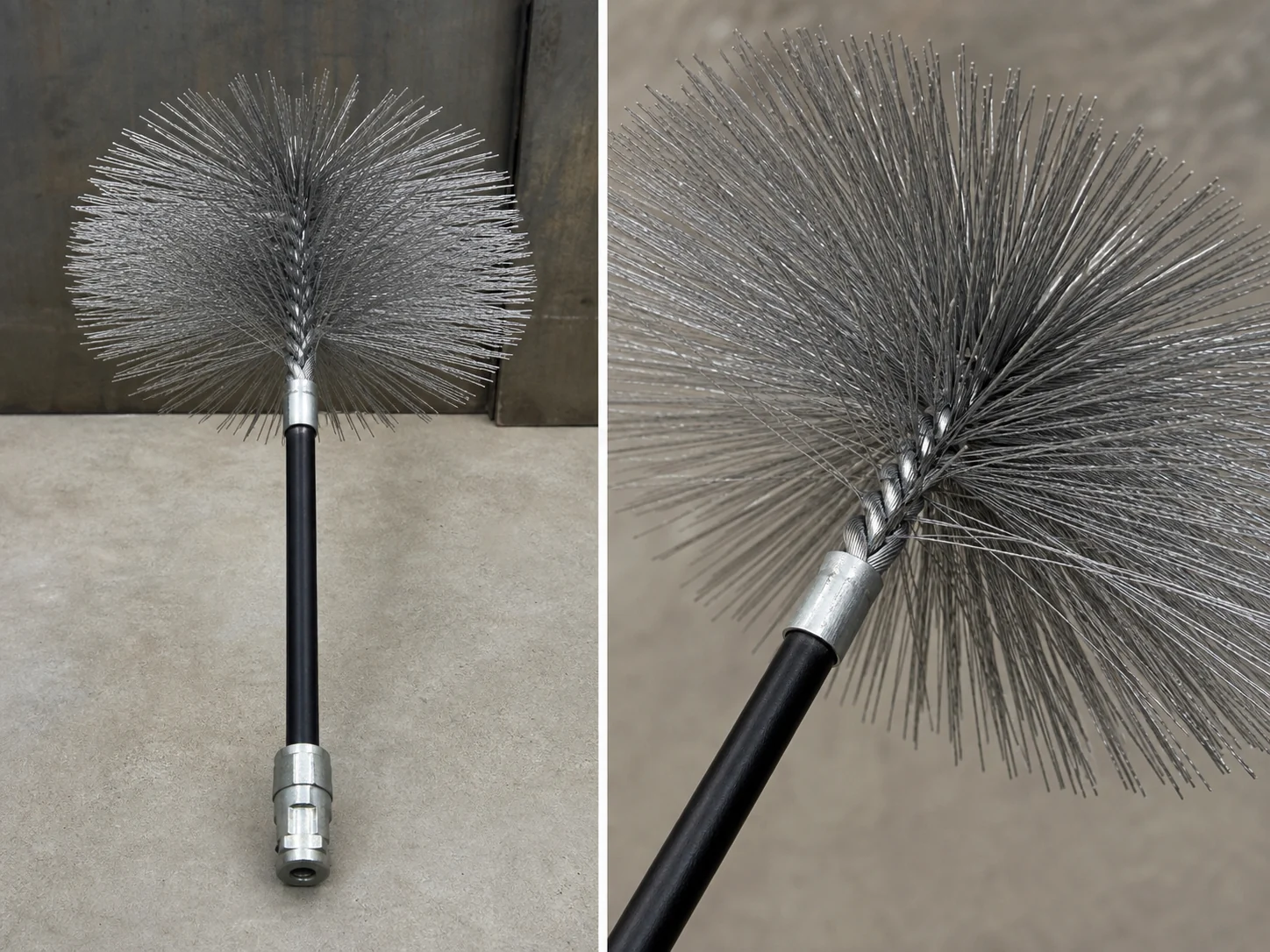
250mm Galvanized Industrial Flue Brush
A 250mm galvanized steel industrial flue brush for heavy soot, tar, and carbon removal…
See the specification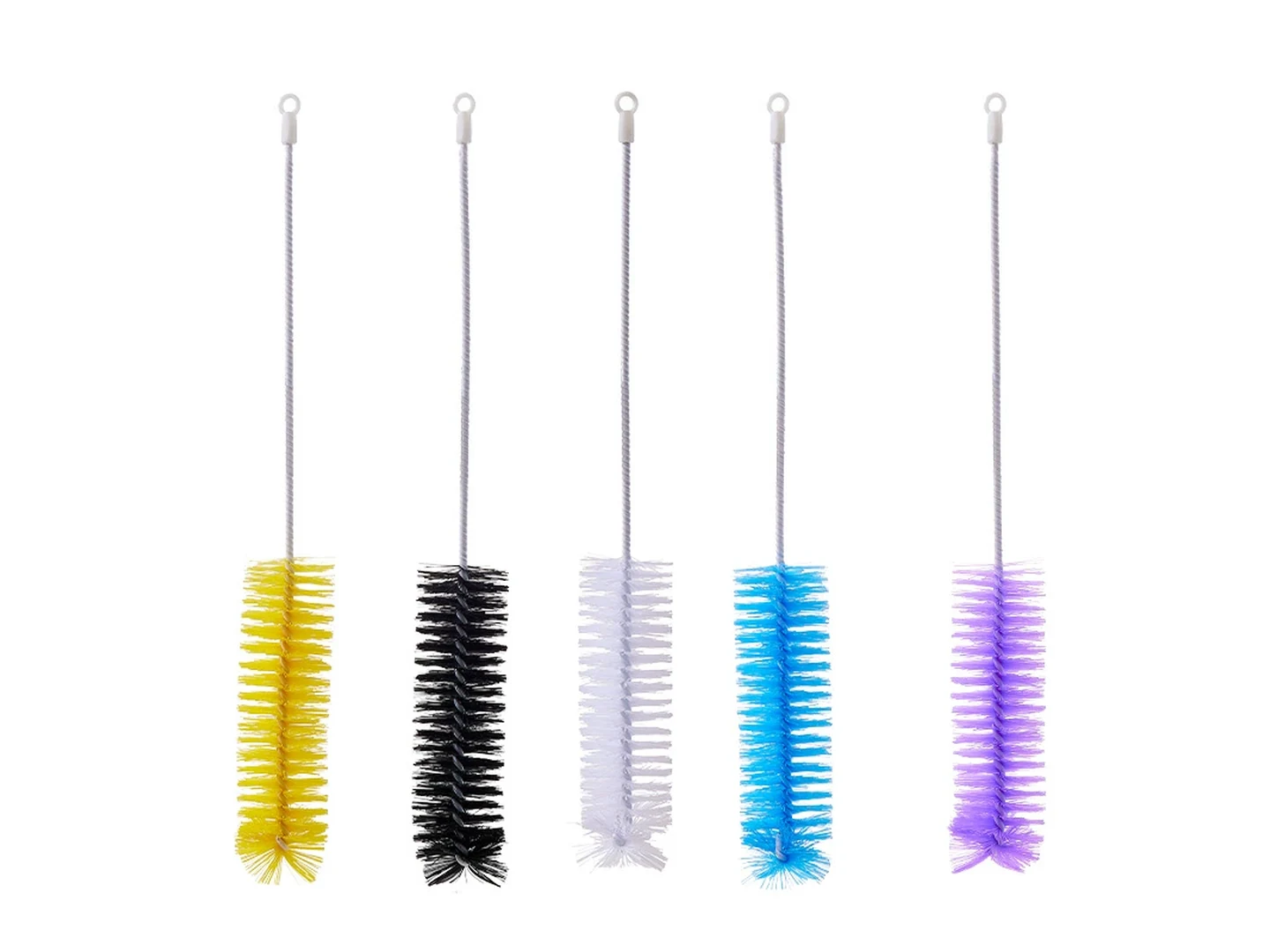
Filter Housing Bore Cleaning Brush
Filter housing bore brushes in PBT, nylon, or wire fill. Diameters 3.2–50.8 mm, stems…
See the specification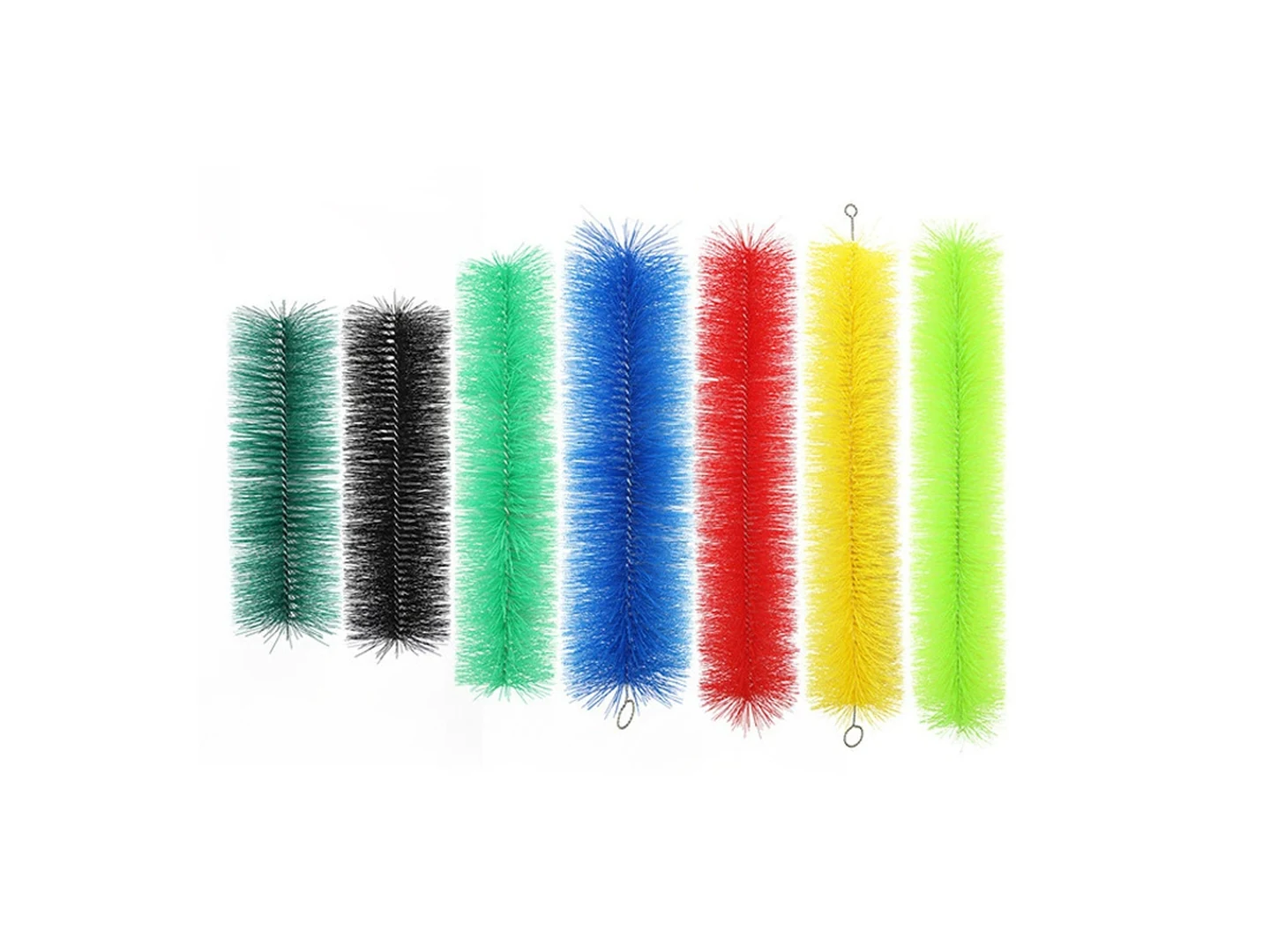
Pond Filter Brush
Hanging polypropylene pond filter brush for mechanical and biological filtration in koi ponds and…
See the specification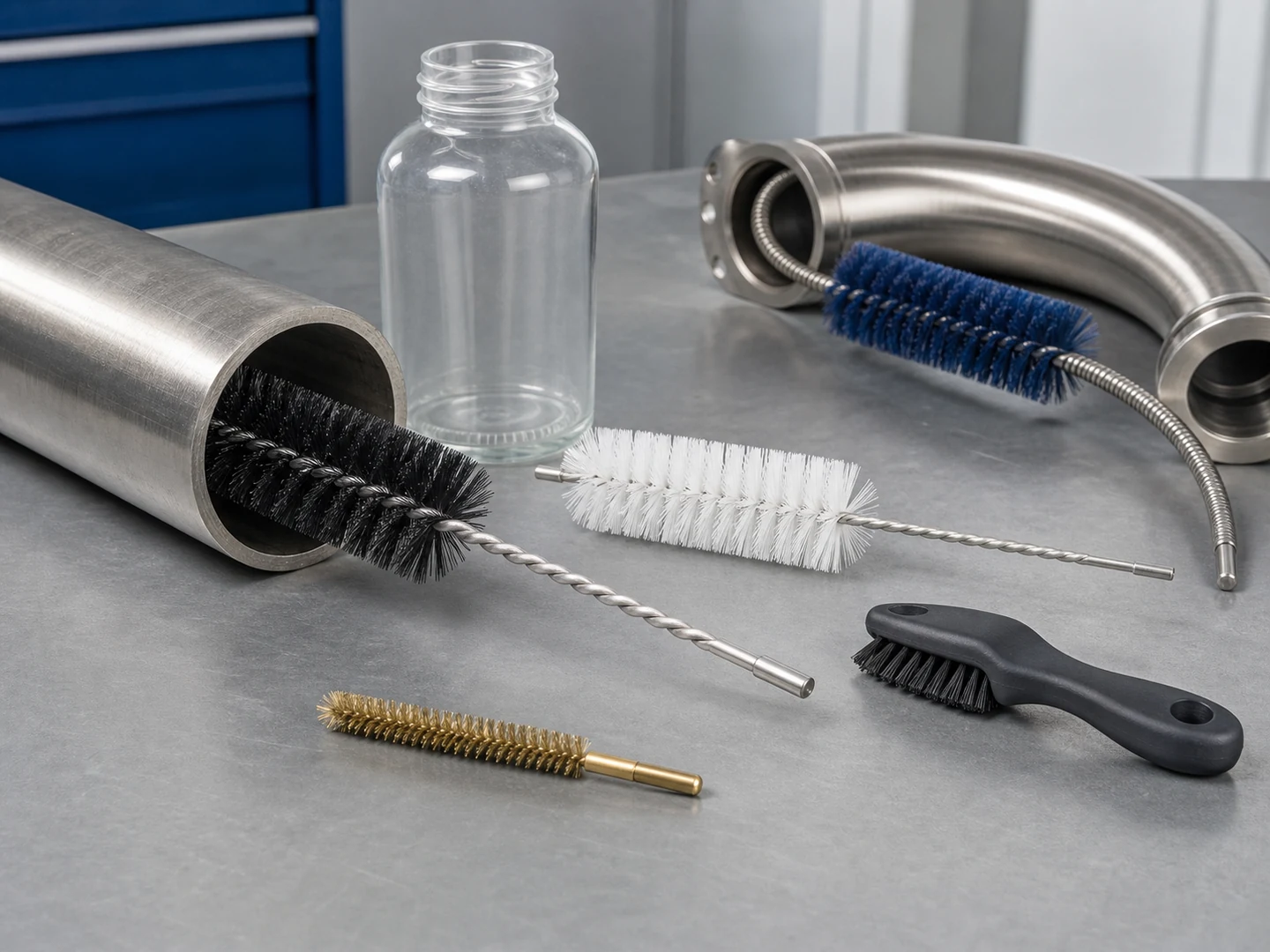
Custom Tube & Pipe Bore Brushes
Choose a tube, pipe, or bore brush when the working surface is inside a…
See how this type is builtCustom Manufacturing RFQ
Discuss This Material
Share the working surface, residue, dimensions, material direction, interface, quantity and drawing or sample photo.
Custom Brush RFQ
Request a Custom Cleaning Brush Quote
Upload a drawing, product photo, or sample photo and provide the core dimensions and cleaning conditions.
“We need a brush to remove wet residue from a stainless steel conveyor, about 800mm wide. The current brush wears quickly. We can send photos.”
“We sell drinkware and need a cleaning brush to include with the product. Quantity around 5,000 pieces.”