
Filter Housing Bore Cleaning Brush
OEM / ODM custom manufacturing · made to order
Filter housing bore brushes in PBT, nylon, or wire fill. Diameters 3.2–50.8 mm, stems for hand or low-speed cleaning of threads, ports, and blind bores.
- Brush type
- Custom Tube & Pipe Bore Brushes
- Head diameter
- Near-size for wiping; 5–20% oversize for polymer scrubbing; lower interference for wire fill
- Working length
- 25–127 mm
- Overall length
- 152–406 mm
- MOQ
- 500 pcs
- Lead time
- Within 7 days (up to 500 pcs)
- Sample
- Typically 3–7 days
What can this brush do for you?
Follows Threads, Cross Holes, and Blind Bores Inside the Housing
The twisted-wire core flexes through changes in bore diameter as the brush is pushed, pulled, or rotated. The filament fill reaches thread roots, interrupted sections, and the bottom of blind bores instead of sweeping only the center line. This matters most on filter housings where contamination builds up in threaded bosses, bypass passages, and cross-drilled ports that a straight fixed-shape tool cannot follow.
Contact Pressure Set for the Job, Not Just the Diameter
Brush OD can be supplied near-size for wiping, or 5–20% oversize for flexible polymer scrubbing. That adjustment controls how much filament pressure reaches the housing wall. A near-size brush removes loose films without over-travelling; an oversize polymer brush supplies the extra pressure needed to dislodge tacky varnish, fine chips, and sludge packed into thread grooves.
Cleans Without Scuffing Machined Housing Surfaces
PBT and nylon PA filaments scrub soft contamination off aluminum, steel, cast iron, and coated bores without leaving the same surface texture changes as hard wire fill. If the priority is removing contamination without changing the sealing surface or bore finish, polymer fill is the starting point. Wire fill remains available for scale, rust, and carbonized deposits where surface condition is less critical.
Stem Ends That Fit Your Tooling and Access Path
Straight, loop, ring, threaded, and flexible extension ends let the same brush work in a hand handle, on a pull rod, or in a low-speed driver. Angled or recessed ports inside a filter housing often cannot be cleaned well by a fixed-handle brush; a threaded or flexible end gives the brush the same access path a service technician would otherwise need to create with bent wire or improvised tools.
Sized to the Bores Filter Housings Actually Have
Diameters start at 3.2 mm for small sensor, vent, and bypass ports and run up to 50.8 mm for element chambers and end-cap bores. Brush sections from 25 mm to 127 mm and overall lengths to 406 mm cover typical filter housing depths while keeping the operator’s hand clear of the opening.
Technical Specifications
All dimensions and materials below can be adapted to the housing print.
| Parameter | Value / Options |
|---|---|
| Bore diameter coverage | Small 3.2–12.7 mm; medium 12.7–25.4 mm; large 25.4–50.8 mm |
| Brush OD selection | Near-size for wiping; 5–20% oversize for polymer scrubbing; lower interference for wire fill |
| Brush section length | 25–127 mm |
| Overall length | 152–406 mm |
| Filament diameter | 0.15–0.35 mm, fine for wiping and fine debris, heavier for stiffer scrubbing |
| Fill material | PBT, nylon PA6/PA66, brass, stainless steel, carbon steel, abrasive nylon |
| Stem/core | Galvanized steel or 304 stainless steel twisted-wire core |
| Stem style | Single stem, double stem/spiral, threaded, loop, ring, flexible extension |
| Mounting end | Straight shank for hand or drill chuck, threaded stud, loop, or ring |
| Operating environment | Oil, coolants, water, mild alkaline wash; specify solvent type and concentration for fill selection |
| Brush type | Custom Tube & Pipe Bore Brushes |
| How it is driven | Hand-guided |
| Cleaning target | Hydraulic, fuel, process and cartridge filter housings, with the element removed |
| Surface or part | Housing bores, threads, cross holes, tapers and ports |
| Residue or debris | Oil residue, coolant film, chips, sludge and powder |
| Mounting / connection | Small 3.2–12.7 mm; medium 12.7–25.4 mm; large 25.4–50.8 mm; Straight shank for hand or drill chuck, threaded stud, loop, or ring |
Small brush
500 pcs
Minimum order
Held in one hand: tube, bottle, detail and swab brushes — including long-handled ones with a small head.
Production lead time, once the specification is confirmed
- Up to 500 pcsWithin 7 days
- 501–50,000 pcsWithin 14 days
- Over 50,000 pcsWithin 21 days
Peak season can extend these times; the shipping date is confirmed in writing with your quotation. Sampling and shipping are quoted separately.
Filter Housing Bore Cleaning Brush cleans the internal bores, threads, cross holes, tapers, and ports inside hydraulic, fuel, process, and cartridge filter housings. PBT or nylon filaments on a twisted stainless or galvanized steel core remove oil residue, coolant films, chips, sludge, and powder deposits; brass, stainless steel, and abrasive nylon fills cover heavier scale, rust, and carbon when the job calls for it.
What is a Filter Housing Bore Cleaning Brush?
A Filter Housing Bore Cleaning Brush is a cylindrical bore brush built on a twisted-wire core, with polymer or wire filaments fanned radially between the twisted strands. It is inserted into the filter housing bore after the element, O-rings, seals, and sensors have been removed, then pushed, pulled, or rotated to wipe the internal wall, thread roots, cross-drilled holes, and blind-end bottom clean.
Most filter housing brushes are filled with PBT or nylon PA because both materials hold reasonable stiffness in oil and coolant, resist common cleaning solvents, and release loosened debris as the brush is reversed. The core is normally galvanized steel or 304 stainless steel so the tool can survive repeated exposure to wet oil, watery coolant, and wash-down conditions. Brass, stainless steel, carbon steel, and abrasive nylon fills are configured when the housing carries mineral scale, rust, or hardened deposits that softer polymer fill cannot move.
This tool removes attached contamination. It is not a reamer, not a deburring tool, and not a replacement for solvent circulation, flushing, or ultrasonic cleaning where those steps are required. Use it as the mechanical-contact step before rinsing and reassembly, and match the fill and oversize to what actually has to come off the bore.
How do I choose the right one?
Start with the narrowest internal diameter
Measure the minimum bore ID, including thread minor diameters and any port or cross-hole that the brush must pass. Brush OD must enter this section without folding over permanently. For polymer fill, select near-size for wiping and 5–20% oversize for scrubbing; for wire fill, use only light interference so the core does not fatigue and the wire does not alter the bore surface.
Match the fill to the residue and the surface
PBT is a good first choice for oil varnish, coolant residue, chips, and general sludge on metal bores; it is stiffer and holds up well in oil/solvent exposure. Nylon PA is more flexible and a practical option for wet service and softer deposits. Move to brass, stainless steel, or carbon steel wire when the housing carries mineral scale, rust, or carbonized buildup. Use abrasive nylon when a light scuffing action is needed on oxidation films but wire scratch risk is not acceptable.
Set the section length and overall reach
Make the brush section long enough to cover the active contact zone, and set the overall length so the operator can reach the blind end while still controlling the brush at the opening. On deep housings, do not rely on one long unsupported stem; a shorter brush on a threaded extension or in a tandem configuration keeps the fill under control.
Choose the stem and end for the access path
A single stem is simple for straight hand use. A double stem or spiral construction gives more stiffness and fuller radial fill. Use a threaded or loop end when the brush mounts to a pull rod or fixed fixture, and a flexible extension when the port is angled or recessed. A straight shank or hex end allows low-speed powered use where hand stroking is too slow for production volume.
Define the operating environment before ordering
Oil type, water content, cleaning solvent, wash temperature, and whether the brush will be stored wet all affect the core and fill selection. Specify the actual fluid and temperature range; a brush ordered for dry dust removal will not necessarily survive aggressive solvent exposure.
When this brush is not the right choice
If the deposit is hard scale, baked-on carbon, or requires breaking through corrosion, choose a wire or abrasive fill and reduce interference instead of forcing a polymer brush. If the bore is smaller than 3.2 mm or the passage is longer than practical stem control, consider a finer tube brush, flushing tool, or ultrasonic cleaning step. The filter housing bore brush is for accessible cylindrical bores and threaded/internal features that need mechanical wiping or scrubbing, not for cutting, deburring, or replacing a full cleaning process.
Can I customize this brush?
Filter housing bore brushes are configured to the housing print because small differences in bore ID, thread pitch, and cross-hole location change the contact that matters. Provide the bore ID, thread minor and pitch, cross-hole diameter and angle, bore depth, access path, residue type, cleaning chemical, wash temperature, and whether the brush will be used by hand or on a low-speed driver. A drawing or photo of the housing helps more than a nominal size.
We can adjust:
- Brush geometry — OD, tolerance, section length, overall length, extension length, and whether the tip is plain, rounded, or formed to protect the blind end.
- Fill — PBT, nylon PA6/PA66, brass, stainless steel, carbon steel, or abrasive nylon; filament diameter, trim density, and fill diameter to set contact pressure.
- Core and stem — galvanized or 304/316 stainless core, single or double stem, twist pitch, and end treatment: straight, loop, ring, threaded, hex shank, or flexible extension.
- Identification and handling — filament color, stem marking, printed tag, or color coding by filter model; handle options for operator use.
- Packaging — bulk cartons, individual bags, kit packs by filter size, or project-specific labeling.
Where does this brush work best?
This brush is specified where a filter housing bore must be cleaned by hand or with a low-speed driver during element change, rebuild, remanufacture, or pre-assembly inspection.
- Hydraulic filter housings and return-line filter heads — removes wear metal, oxidized fluid varnish, and sludge from chamber walls, bypass valve bores, and port threads before a new element is seated.
- Diesel and fuel filter housings — cleans water-separator bores, sensor ports, and threaded element cups; lifts asphaltene, fuel varnish, and trapped particulate without leaving fiber debris.
- Process and cartridge filter housings — clears powder, filter cake, and process residue from element chambers, drain ports, and vent passages between batch changes.
- Pneumatic filter, regulator, and lubricator bodies — removes oil-mist residue, condensed moisture staining, and light corrosion from bowl threads and internal ports.
- Filter assembly, rebuild, and incoming inspection — removes machining chips, oil, coolant films, and handling debris from new or reworked housings before O-ring installation and final closing.
What size should a filter housing bore cleaning brush be, and how long does it last?
How do I confirm the brush diameter will work in my housing?
Measure the smallest bore the brush must pass, including the thread minor and any port diameter. For polymer fill, start at the measured ID for wiping or add 5–20% for scrubbing. Trial samples in two sizes are a fast way to verify contact; the brush should enter without binding and should show visible filament contact around the full bore after rotation. For wire fill, keep interference light to protect the bore finish and core life.
Can I use this brush with a cordless drill or powered driver?
Yes, when the stem end is a straight or hex shank and the chuck engagement is stable. Run at low speed — a few hundred rpm at most — and keep the exposed stem length as short as possible. High speed or a long overhang can flex the core, tangle the fill, or melt polymer filaments. Hand stroking is often preferred for small bores and thread roots.
What should I remove from the filter housing before brushing?
Remove the element, O-rings, seals, gauges, sensors, check valves, and any soft or elastomeric components. The brush is intended to contact metal and rigid surfaces only. Cleaning around or against elastomers shortens their service life, and small parts can be displaced into cross holes or ports.
How can I tell whether the bore is actually clean?
After brushing, rinse or flush the housing, then wipe the bore and thread roots with a lint-free cloth or solvent-moistened swab. Check cross holes and blind ends with a borescope or strong light. If the cloth shows residue or the borescope shows packed debris in the threads or port intersections, repeat the stroke or adjust brush OD, fill, or section length. The bore is clean when the wipe stays clean and no visible contamination remains in the corners.
When should this bore brush be replaced?
Inspect the core for kinks, cracks, or corrosion and the fill for flattened, broken, or melted filaments. If the brush no longer springs back to its original OD after flexing, or if it stops removing material after normal strokes, replace it. In production cleaning, set a replacement count or schedule so worn brushes do not keep being used after they lose contact.
Continue Exploring
Recommended Reading & Related Brush Resources
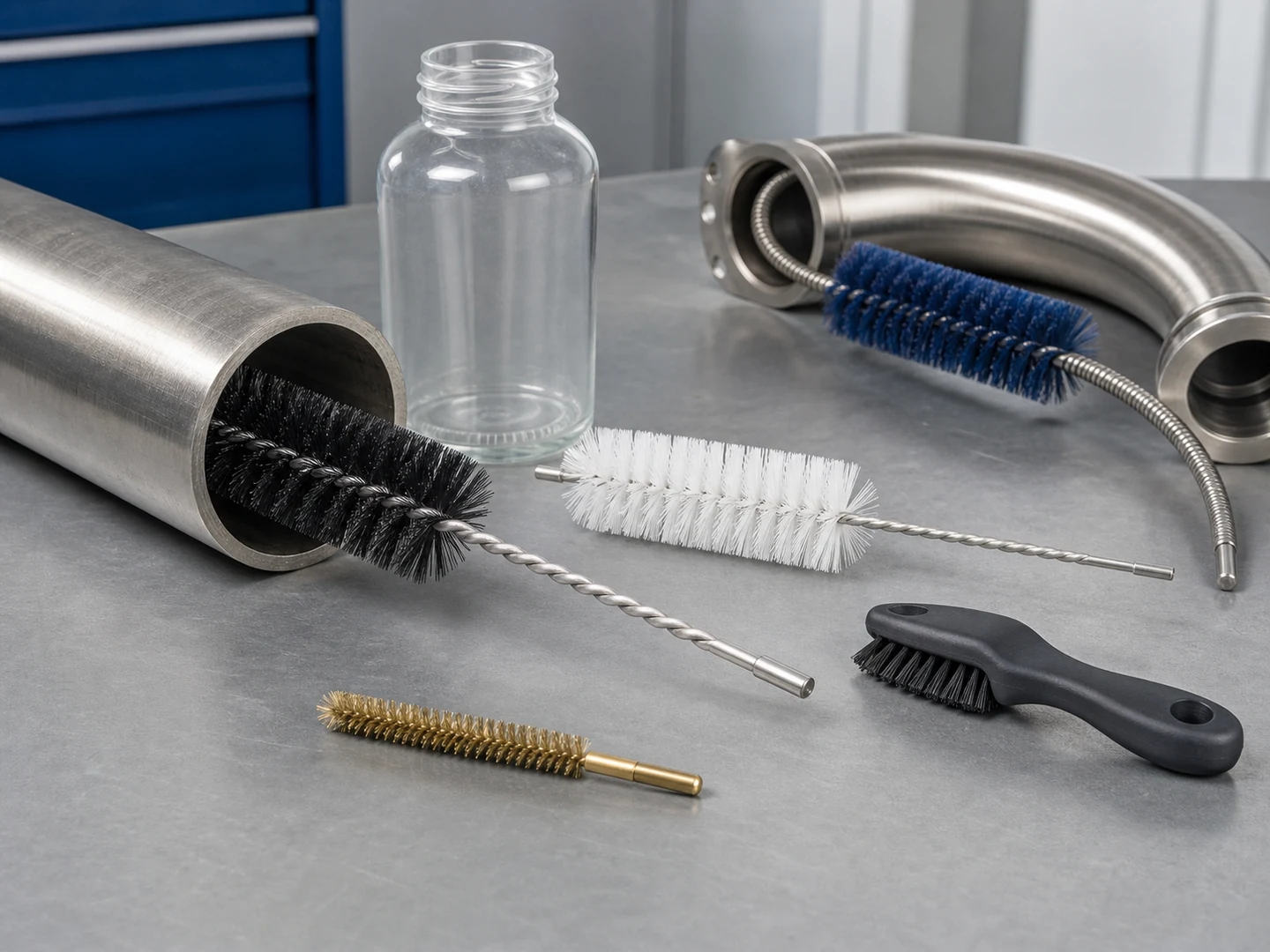
Custom Tube & Pipe Bore Brushes
A tube or bore brush cleans the whole inside circumference of one passage as it is pushed, pulled or turned along it.
See how this type is built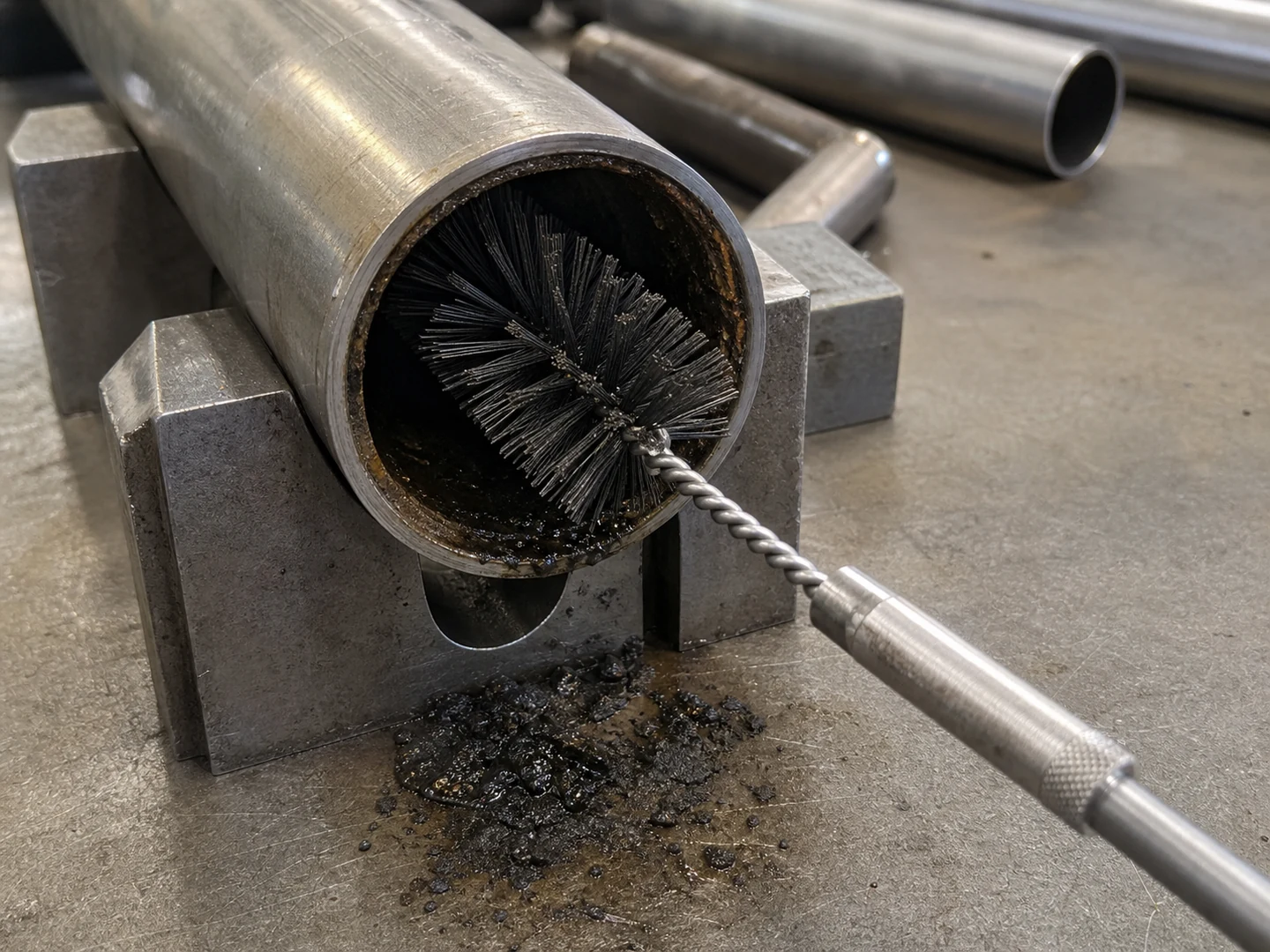
Tube & Pipe Cleaning
Tube and pipe brushes are twisted-wire bore brushes sized to the inside diameter: near-size to wipe, 5–20% oversize with nylon or PBT to scrub.
See the cleaning job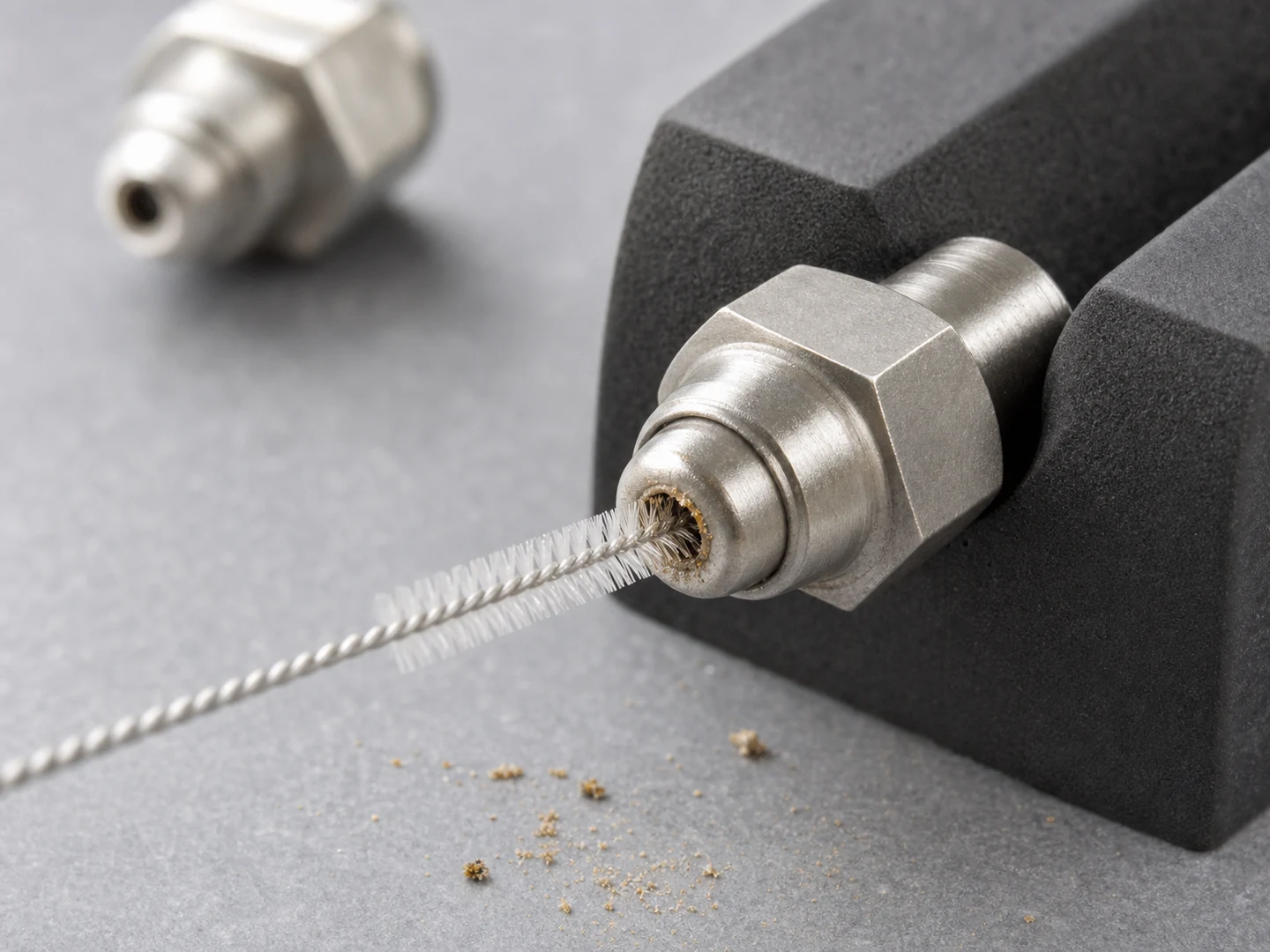
Nozzle Cleaning
A nozzle brush must clean the deposit without changing the orifice, because the orifice size sets the spray, the flow or the fuel-air ratio.
See the cleaning job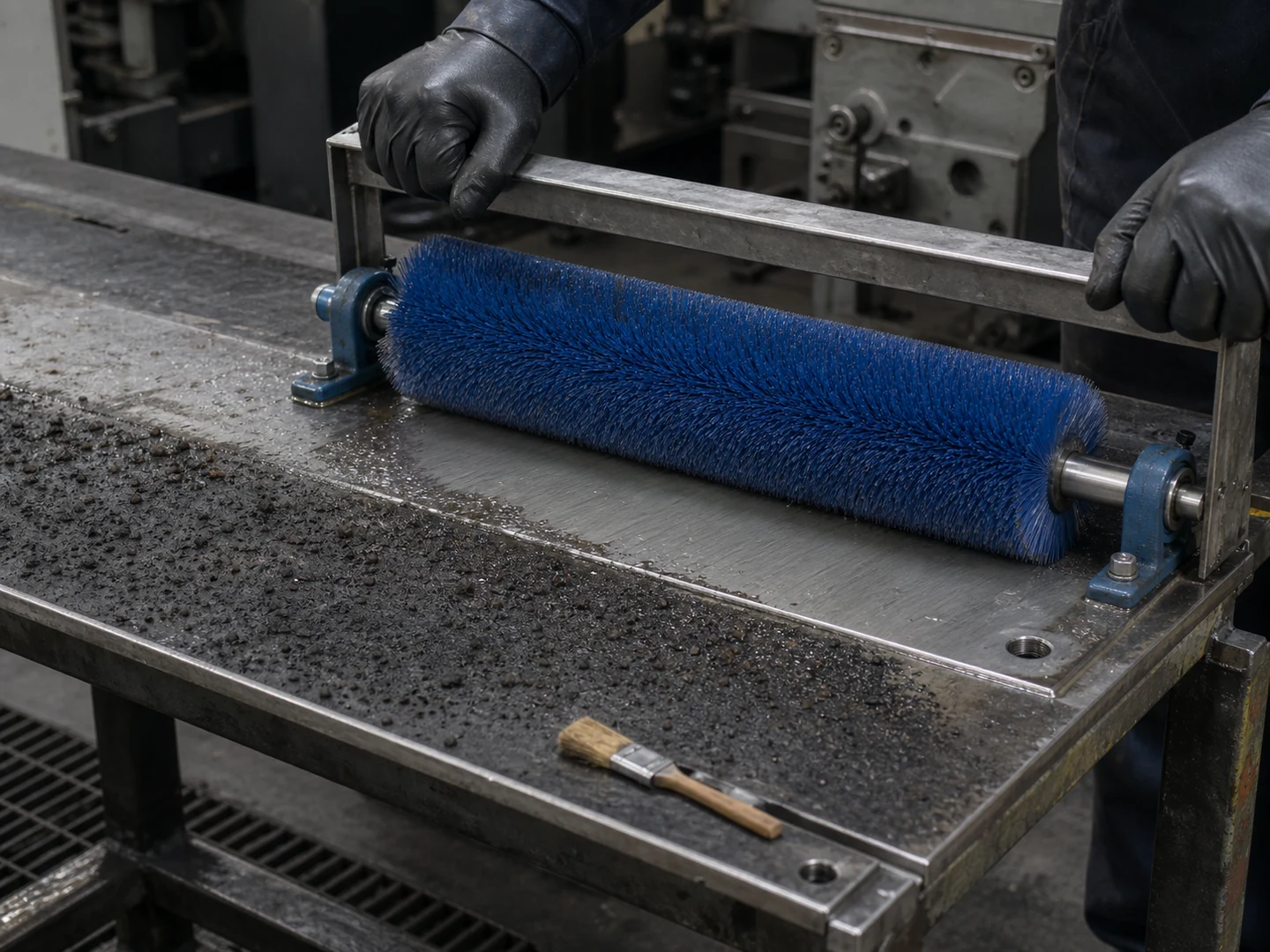
Industrial Machine Cleaning
Machine tools and production equipment are cleaned with brushes that move chips, fines and caked dust into a pan or extraction, never into the air or under a slide.
See the cleaning job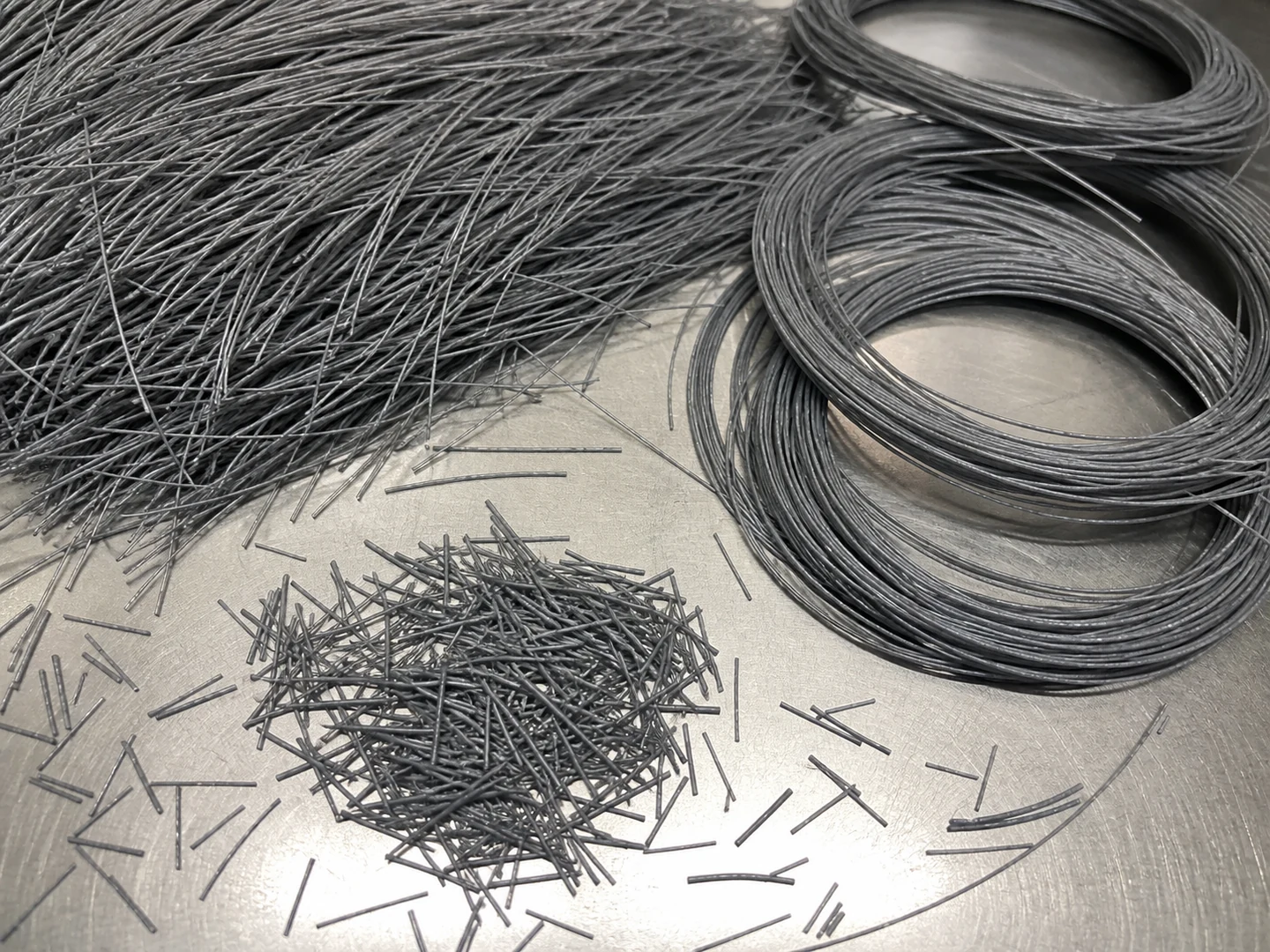
Abrasive Nylon
Abrasive nylon is nylon filament loaded with abrasive grit.
Compare this material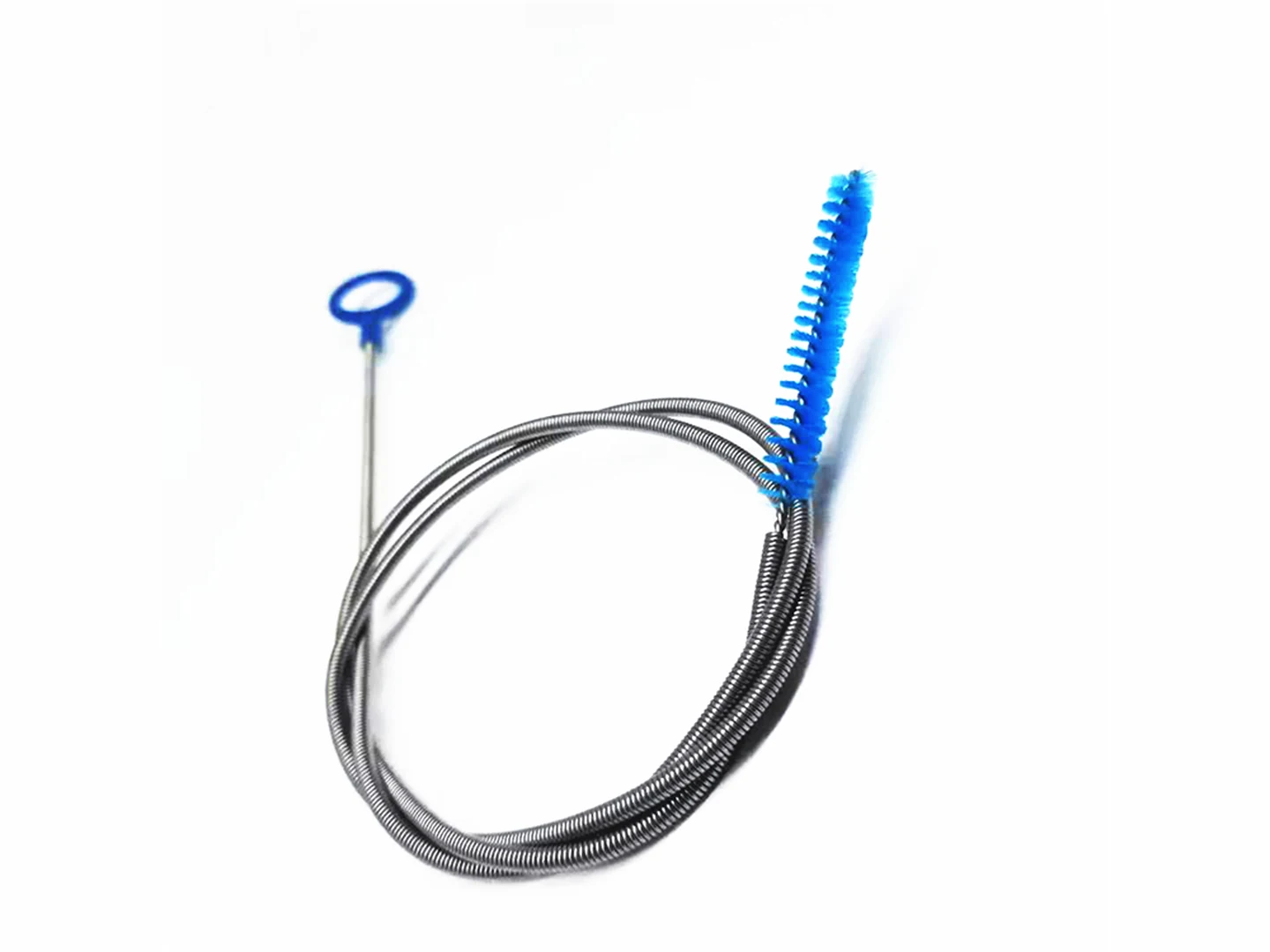
Machine Bore Cleaning Brush
Machine bore cleaning brushes with brass, copper, or nylon PA fill for 3.2-50.8 mm bores. Custom stem styles for ports, galleries, and manifolds.
Compare the specification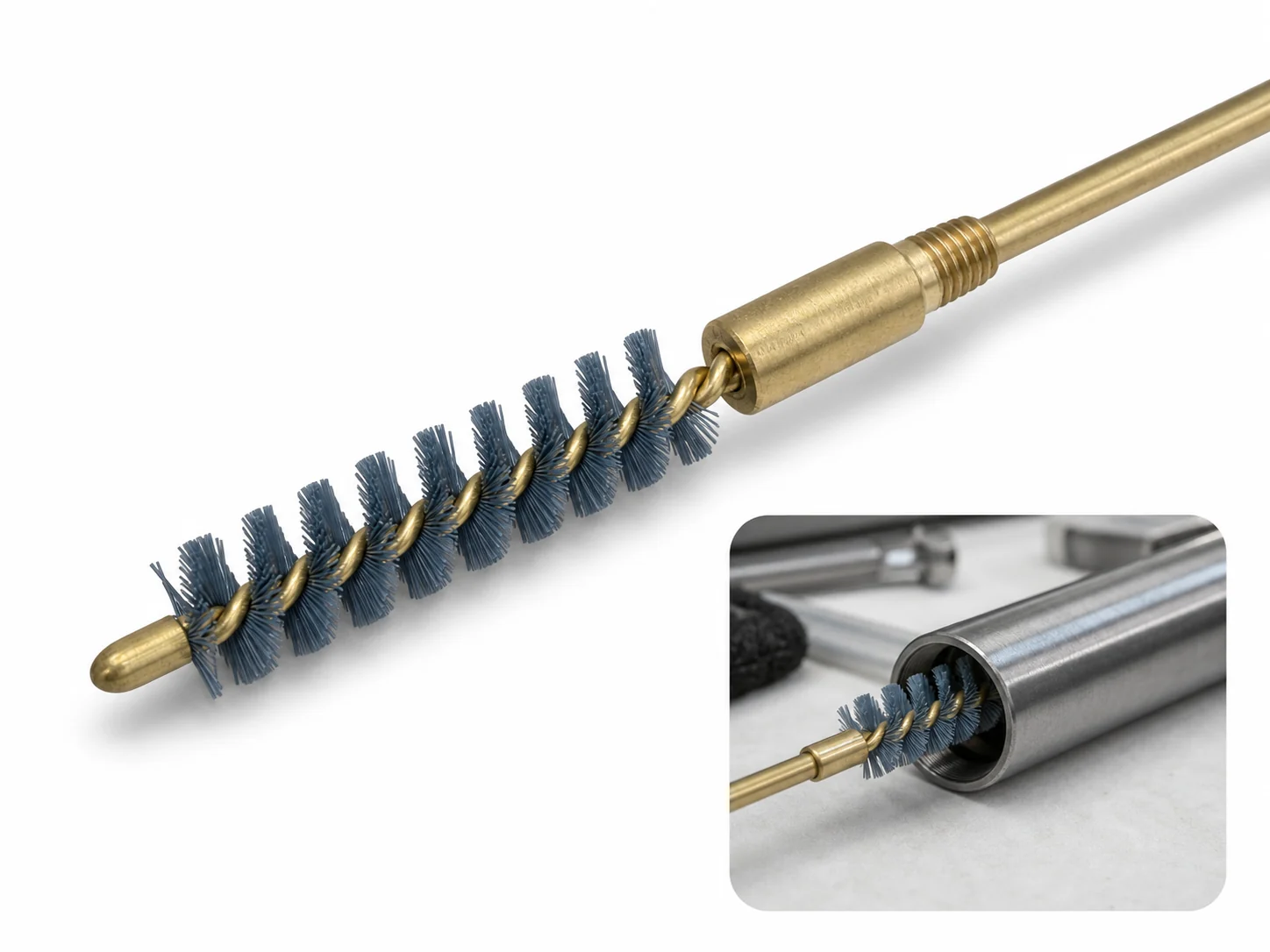
Gun Bore Brush
Caliber-matched gun bore brushes for.22–.50 caliber barrels. Phosphor bronze, nylon, brass, or stainless steel fill with 5-40, 8-32, M3/M4 threads.
Compare the specification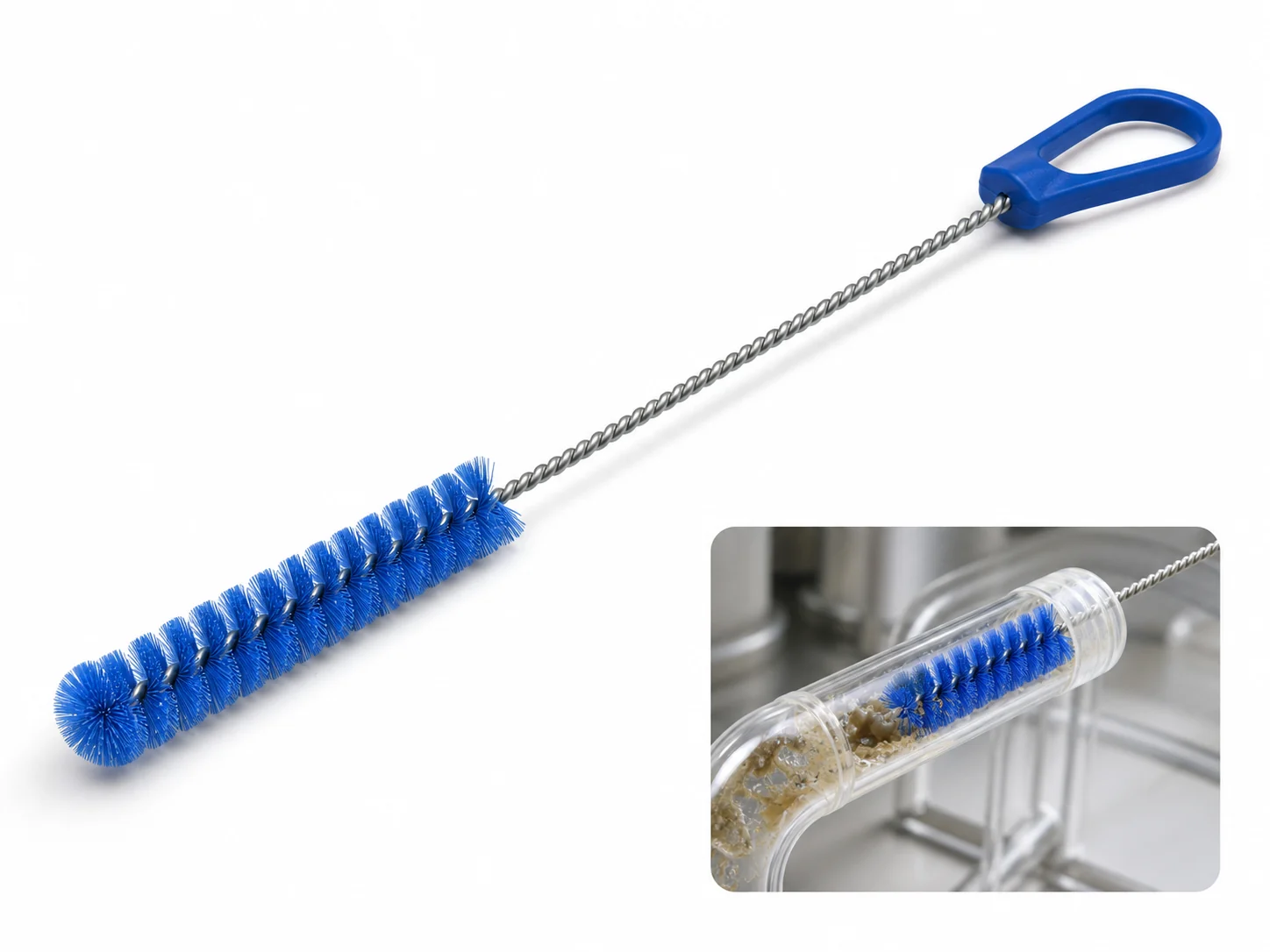
PBT Tube & Bore Cleaning Brush
Industrial PBT cleaning brushes for tube, pipe, bore and port cleaning. Diameters 3.2–50.8 mm, PBT filament for oil, carbon, scale and process residue.
Compare the specificationCustom Manufacturing RFQ
Describe Your Application
For an accurate quotation, please provide the main dimensions, material preference, working surface, residue, quantity, and a drawing or photo.
We reply to every request within 24 hours, with a quotation or with the questions we need answered first. If the brush can be made on our existing tooling, we make the sample directly. If it needs new tooling, we quote a sample fee and a tooling fee, and the sample fee is credited against the bulk order. Need an NDA first? We sign yours before you send drawings, and the files you send are never shown to other customers.
- MOQ500 pcs for small hand-held brushes, 100 pcs for medium and large ones
- SampleTypically 3–7 days
- ProductionFrom 7 days after sample approval, by size and quantity
- Payment30% deposit and 70% before shipment above US$10,000; smaller orders on agreed terms
Have the old brush? Send a photo on WhatsApp
Drawing or photo optional — it speeds things up, it does not gate the enquiry.
“We need a brush to remove wet residue from a stainless steel conveyor, about 800mm wide. The current brush wears quickly. We can send photos.”
“We sell drinkware and need a cleaning brush to include with the product. Quantity around 5,000 pieces.”