What Is a Filter Hole Brush?
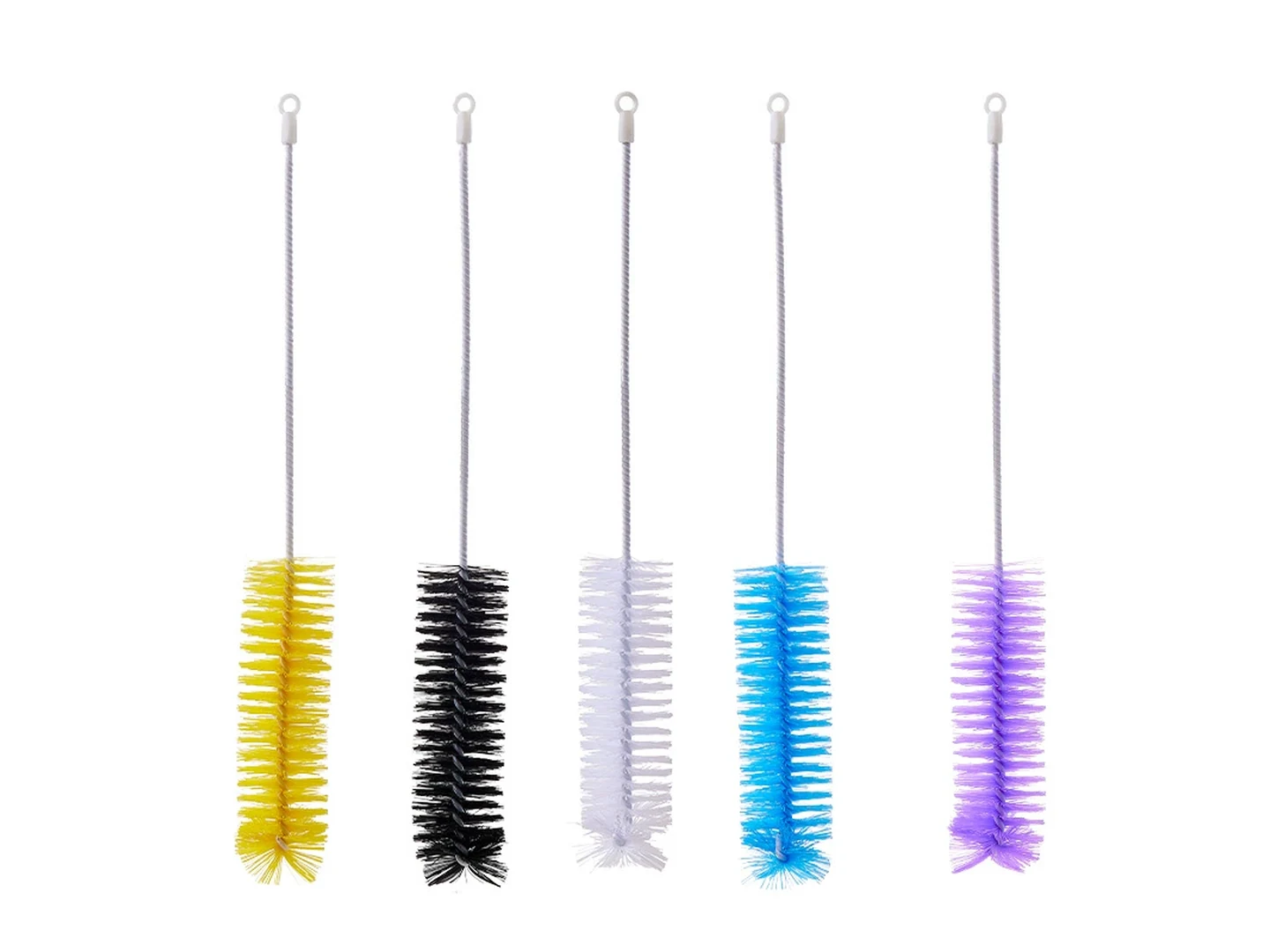
A filter hole brush is a small cylindrical or tapered cleaning tool designed to reach into and scrub the holes of filter elements, strainers, and perforated sheets. It uses a core wire or plastic shaft to hold bristles in place while you push, pull, or rotate it through the openings. These brushes remove trapped solids, biofilm, scale, and sticky deposits that block flow or reduce filtration efficiency. You’ll find them in water treatment, food processing, aquariums, pneumatic systems, and anywhere filters need regular cleaning.
Common Types of Filter Hole Brushes
Not all filter hole brushes work the same way. Your choice depends on hole size, filter material, and the type of residue you are removing. The main variations are brush structure, bristle material, and mounting method.
Brush Structure
- Spiral Wound (Single-Spiral): A continuous stainless steel wire spirals around a center shaft, gripping bristles between the coils. Durable and good for aggressive scrubbing in metal filters.
- Twisted-in-Wire (Double-Spiral): Two wires twist together to hold bristles. Offers more stem flexibility and even bristle distribution. Works well for tube‑shaped filter holes.
- Plastic Core Brush: Bristles are crimped or stapled into a plastic handle or rod. Lightweight, non-scratching, and often used for plastic or delicate filter screens.
- Pipe Cleaning Brush: A compact brush with bristles all around a short twisted wire core, often with a loop handle. Ideal for cleaning filter holes in pipes, aquarium tubing, and small openings.
Bristle Materials
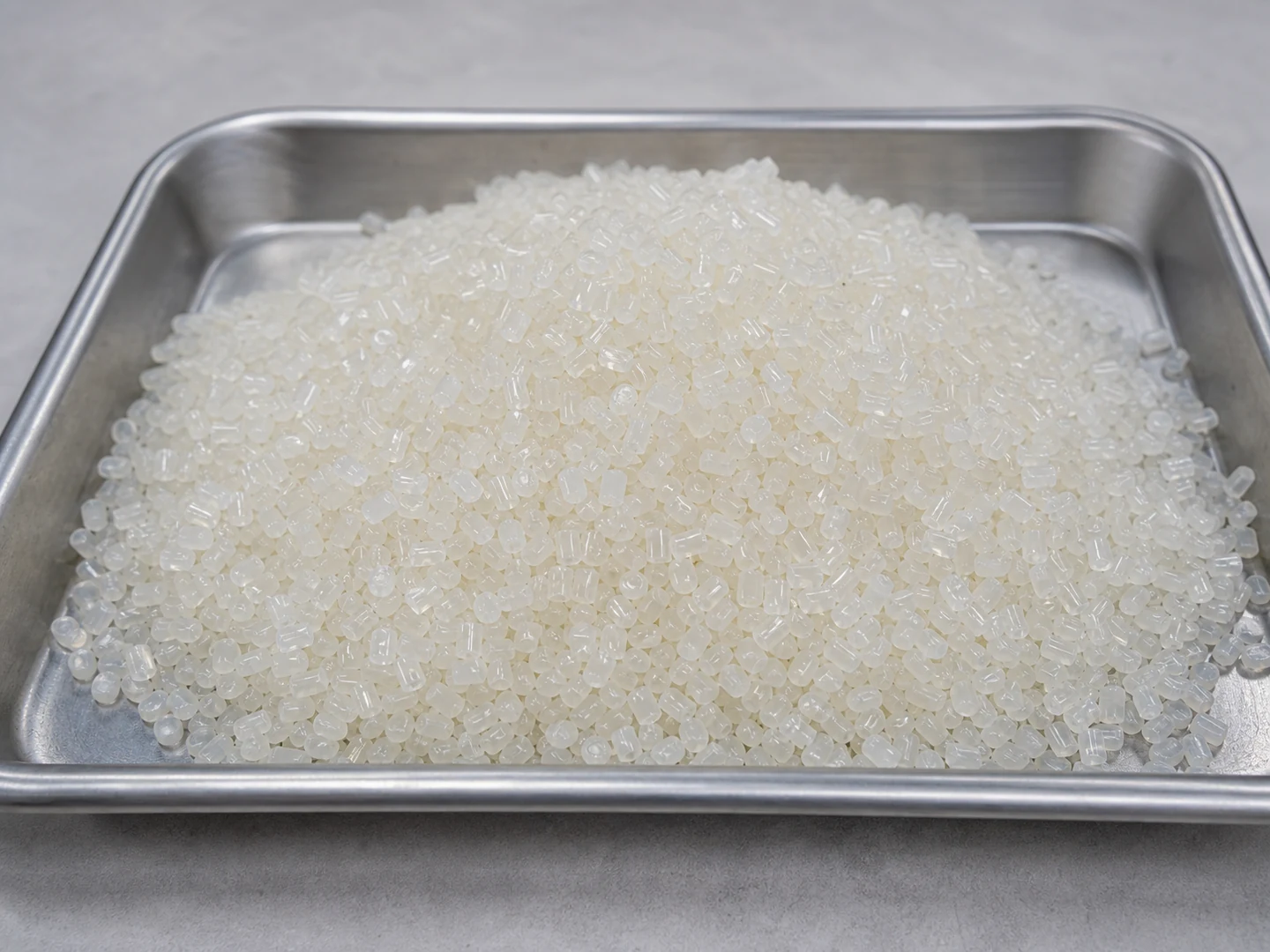
- Nylon: Soft, chemical-resistant, and non-abrasive. Safe for most plastic filter media and light residue.
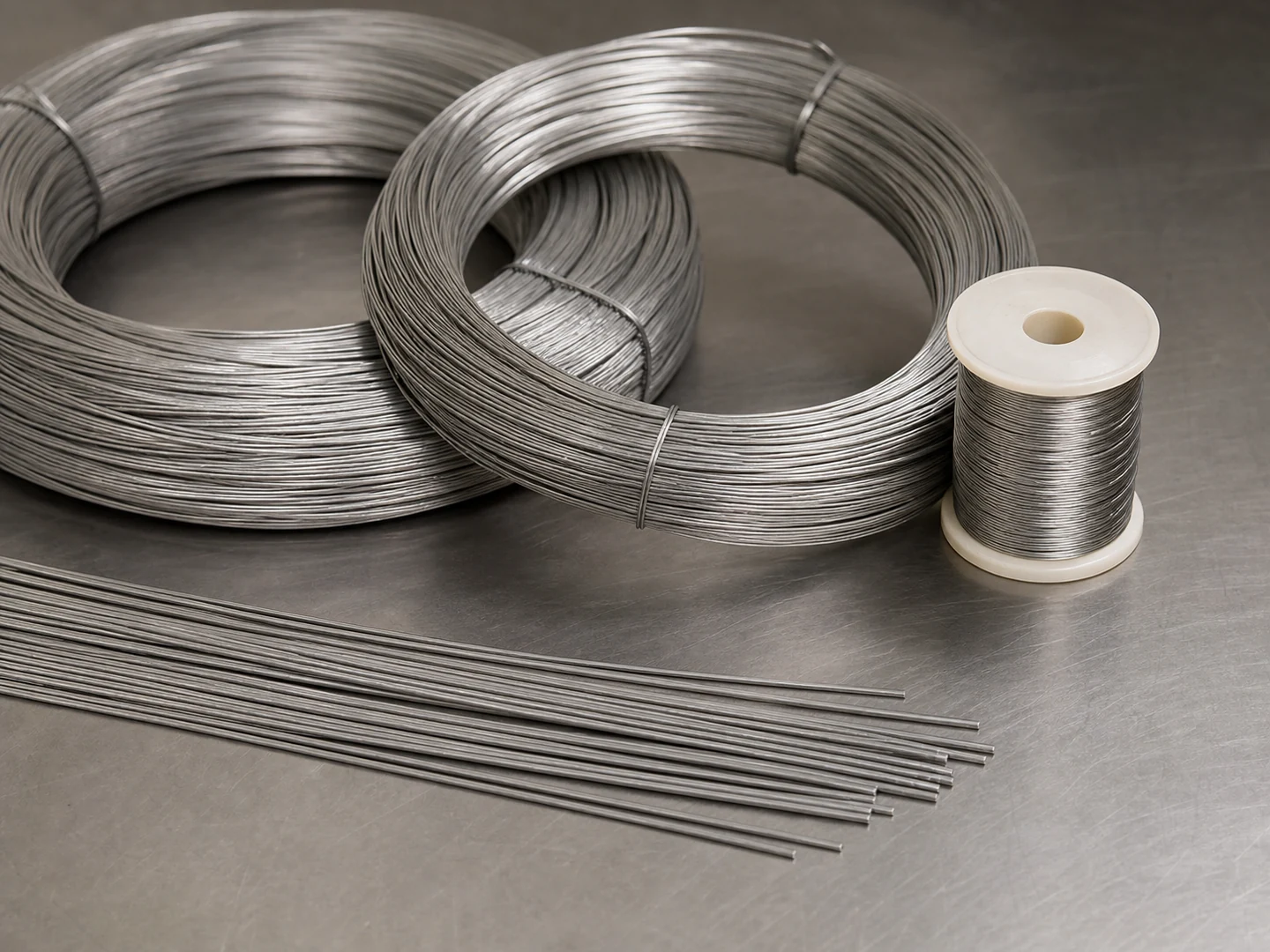
- Stainless Steel: Stiff, durable, and handles oily or baked-on deposits. Best for metal filters; can scratch aluminum or plastic.
- Brass: Softer than steel but still conductive and spark-resistant. Useful when static discharge must be avoided.
- Tampico (Vegetable Fiber): Stiff natural bristle that holds water and cleaning agents well. Good for scrubbing filter screens in food or dairy applications.
- Polypropylene: Stiffer than nylon with excellent chemical resistance. Often used in acidic or alkaline cleaning environments.
Mounting Options
- Loop Handle: A simple wire loop at the end for finger grip. Best for manual, low-effort cleaning.
- T‑Handle: An ergonomic grip that allows more torque and scrubbing pressure.
- Threaded End: Screws onto extension rods or power tools for hard‑to‑reach filter holes.
- Drill Attachment: A shaft that chucks into a drill motor for high‑speed power cleaning of heavily clogged holes.
- Quick‑Connect: Interchangeable heads that snap onto a handle, useful when you clean filters of different sizes routinely.
Comparing Brush Options: A Quick Selection Table
| Factor | Spiral Wound (Metal Core) | Twisted-in-Wire | Plastic Core |
|---|---|---|---|
| Best for hole size | 3–25 mm | 2–15 mm | 5–50 mm |
| Bristle retention | Very strong | Good; some bristle loss over time | Moderate; may shed with heavy use |
| Flexibility | Stiff | Flexible stem follows curves | Rigid |
| Typical bristle materials | Stainless steel, brass, nylon | Nylon, polypropylene, Tampico | Nylon, polyester, animal hair |
| Common mounting | Loop, T‑handle, threaded | Loop, drill attachment | T‑handle, quick‑connect |
| Use case | Metal filter plates, hard scale, oily residue | Aquarium tubing, small filter holes, tight bends | Plastic filter screens, light debris, food contact areas |
| Risk of scratching | High if bristles are steel and filter is soft | Low to medium depending on bristle | Very low |
How to Choose the Right Filter Hole Brush
Use these five decision factors to narrow your options quickly.
- Hole Diameter and Length: Measure the smallest hole you need to clean. The brush diameter should be slightly larger than the hole for a snug fit. For example, a 6 mm hole often works well with a 7–8 mm brush. Length must reach the entire depth without forcing the handle into the hole.
- Filter Material: Metal filters can handle stainless steel bristles; plastic or coated filters need nylon, polypropylene, or Tampico to avoid scratches.
- Residue Type: Hard scale and baked‑on carbon need stiff wire bristles. Soft biofilm, algae, or dust can be removed with soft nylon. Sticky oils may require a brush that holds cleaning solution, like Tampico.
- Operating Environment: Wet, chemical, or high‑temperature cleaning may limit your choices. Nylon and polypropylene handle most chemicals; stainless steel stands up to heat.
- Mounting and Access: If you clean a few holes at a time, a simple loop handle works. For deep or multiple holes, a T‑handle or threaded extension offers better ergonomics. If the residue is tough and the filter large, a drill attachment speeds up the work.
Factors That Affect Brush Performance and Lifespan
Even the right brush wears out. Operating conditions and maintenance habits determine how long it lasts.
- Cleaning Frequency: High‑cycle cleaning (several times per shift) shortens bristle life due to fatigue and abrasion.
- Chemical Exposure: Strong acids or solvents can degrade nylon and natural bristles. Match the bristle material to your cleaning chemical.
- Storage: Keep brushes dry and hang them by the handle. Bending the bristles or storing them under weight deforms the brush permanently.
- Temperature: Nylon softens above 80°C (176°F); polypropylene is generally safe to 100°C (212°F). Stainless steel and brass tolerate much higher temperatures.
- Replacement Cycle: Replace a filter hole brush when you see bristle loss, excessive flattening, or when it no longer removes residue effectively.
Common Mistakes When Choosing a Filter Hole Brush
- Matching Exact Hole Size: Choosing a brush diameter exactly equal to the hole results in poor contact. Always go slightly larger for effective scrubbing.
- Using a Wire Brush on Plastic Filters: Steel bristles scratch and gouge plastic filter holes, creating places for bacteria and debris to hide.
- Ignoring Core Material in Wet Environments: A plain steel core rusts when used regularly in water or chemicals. Look for stainless steel cores if moisture is present.
- Overlooking Handle Compatibility: Buying brushes with incompatible mounts means you can’t use existing extensions or power tools.
- Skipping the Bristle‑Retention Check: A low-cost brush with loose bristles can shed pieces into your filtration system, causing downstream blockages.
When a Standard Filter Hole Brush Isn’t Enough
Off‑the‑shelf brushes cover most needs, but sometimes you need a custom solution. Consider a custom drawing or sample when:
- Hole sizes are non‑standard (e.g., very small diameters under 2 mm or very large over 50 mm without support).
- Unusual hole geometry requires a tapered or stepped brush profile.
- Specific material certifications are mandatory, such as FDA‑compliant bristles for food contact or metal‑detectable bristles for pharma.
- Extreme chemical or temperature resistance is needed beyond what standard nylon or stainless steel can provide.
- Integration with automated cleaning machinery calls for a precise stem length, adapter, or bristle density not found in stock brushes.
In these cases, work with a brush manufacturer who can recommend materials and dimensions based on a sample hole or detailed drawing. Don’t try to force a standard brush into an operation it wasn’t designed for—the cost of a damaged filter or contaminated product far exceeds a custom brush.
Final Takeaway: The Filter Hole Brush Decision Framework
- Measure the filter hole diameter and depth accurately.
- Identify the residue type and the filter substrate material.
- Select a brush structure and bristle material that won’t damage the filter and can handle the residue.
- Check the mounting requirements for your cleaning routine (manual or powered).
- Test the brush on a single hole first to confirm fit and cleaning efficiency before bulk replacement.
This approach helps you avoid wasted time, damaged filters, and repeated purchases of the wrong brush.
Frequently Asked Questions
What size filter hole brush do I need?
Measure the hole you need to clean and add 1–2 mm to the diameter. For example, a 6 mm hole usually pairs with a 7 or 8 mm brush. The length should cover the full depth of the hole plus a little extra for grip.
Can I use a wire brush on plastic filter holes?
It is not recommended. Stainless steel or brass bristles can scratch plastic filter media, creating damage and hiding debris. Stick to nylon, polypropylene, or natural bristle brushes for plastic filters.
How often should I replace a filter hole brush?
Replace when bristles become flattened, broken, or loose, or when the brush no longer removes residue effectively. In high‑use settings, inspect every few weeks; a light‑duty brush may last months.
What is the difference between a spiral wound and a twisted wire brush?
A spiral wound brush has one continuous wire coil holding the bristles, making it very stiff and durable. A twisted wire brush uses two wires twisted together, giving it more flexibility. Spiral wound is better for straight holes; twisted wire can navigate gentle curves and smaller openings.
Can I attach a filter hole brush to a drill?
Yes, if the brush has a drill‑compatible shank. Many twisted‑wire brushes and some spiral wound models are available with a hex or round shaft that fits a standard drill chuck. Always use low to moderate speed to avoid bristle damage.
What bristle material works best for oily residue?
Stainless steel bristles cut through heavy oil and grease. For lighter oily films, a stiff nylon or polypropylene brush can work, but you may need to add a degreaser. Tampico brushes absorb and hold cleaning agents well for scrubbing oily surfaces.
Are there brushes for cleaning aquarium filter tubes?
Yes, many twisted‑wire brushes with nylon bristles are sized specifically for aquarium filter tubing. Look for a brush that matches the inner diameter of the tube and has a flexible stem to navigate bends.
How do I prevent a brush from getting stuck in a filter hole?
Choose a brush diameter no more than 25–30% larger than the hole. If you feel excessive resistance, stop and check the size. A lubricant such as water or cleaning solution can help the brush slide through smoothly.
Technical References
Which bristle material fits this job — Nylon PA, AISI 304 Stainless Steel Wire or Abrasive Nylon?
| Material | Continuous temperature (°C) | Peak temperature (°C) | Water absorption | Hardness |
|---|---|---|---|---|
| Nylon PA | 93 | 121 | 0.3–9% by PA grade and conditioning | Medium to firm; filament diameter and trim length control bending force. |
| AISI 304 Stainless Steel Wire | 400 | 500 | 0% | Rockwell B 70–95 depending on temper and cold work |
| Abrasive Nylon | 120 | 150 | 0.1–1.0% | Abrasive filament; stiffness and cutting level is controlled by PA base, grit type, grit size, filament diameter and trim height. |
| PBT | 120–140 | 160–180 | 0.05–0.20% | Shore D 80–90 |
| Carbon Steel Wire | 200–300 | 350–450 | 0% | Rockwell C 40–60 |
Figures as published by Brushtec / DuPont; Alleima; Perlon. Confirm the exact grade against the supplier datasheet before ordering.
When are Tube & Pipe Bore Brushes the wrong choice?
- Tube & Pipe Bore Brushes — Use pigs, flushing, ultrasonic, chemical descaling, blasting, or a flexible cable system for long, sharply curved, or heavily scaled passages.
- Nylon PA — The nylon family spans several grades, so heat, moisture and chemical limits should follow the selected PA resin rather than a generic nylon value.
- AISI 304 Stainless Steel Wire — Avoid using AISI 304 as the default in marine, brine, hypochlorite, and persistent chloride environments; use AISI 316 when higher pitting and crevice-corrosion resistance is required.
- Abrasive Nylon — Exposed grit can change a surface finish, and high heat or aggressive chemicals can weaken the polymer carrier.
What should replace Tube & Pipe Bore Brushes when they stop working?
- Tube & Pipe Bore Brushes — Tube and bore brushes work by radial contact inside a confined diameter; wire wheels and cups work mainly on external edges, profiles, welds, and broad surfaces.
- Nylon PA — Compare Nylon PA with PP, PBT, PET. Change material when wet stiffness, temperature, chemical resistance, conductivity, particle shedding, or surface marking becomes the limiting factor.
- AISI 304 Stainless Steel Wire — Use AISI 316 stainless steel wire for chloride, marine, dairy, beverage, chemical washdown, or higher pitting-resistance requirements. Use carbon steel for dry aggressive cutting and brass or abrasive nylon for lower marking risk.
- Abrasive Nylon — Compare Abrasive Nylon with PP, PBT, PET. Change material when wet stiffness, temperature, chemical resistance, conductivity, particle shedding, or surface marking becomes the limiting factor.