
Application
Data Center Cabinet Cable Entry Sealing
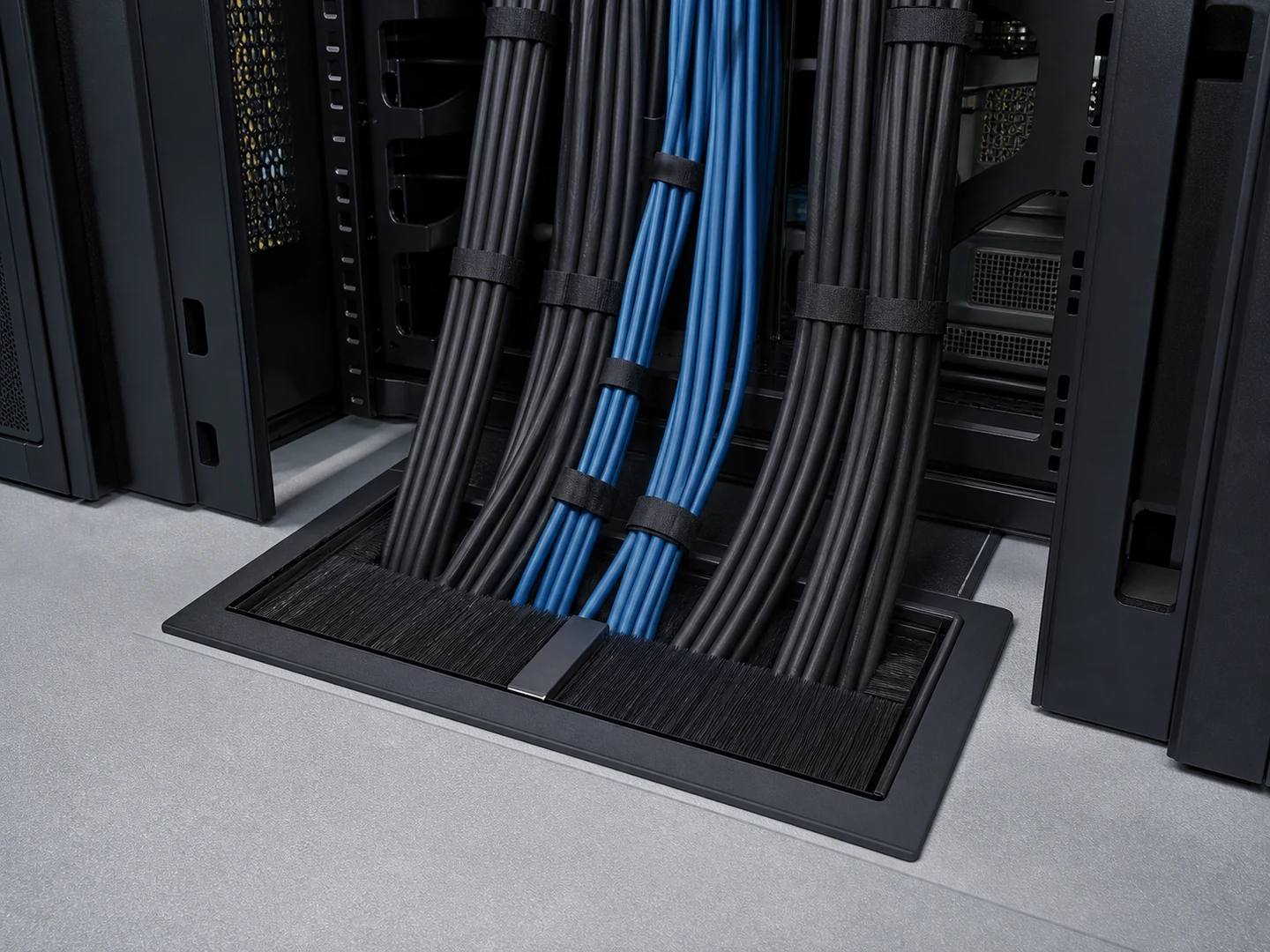
Data Center Cabinet Cable Entry Sealing is a process-use page rather than a general cleaning category. Select the brush from the required contact function, working surface, motion, and interface, then verify how Dust/Fibers/Suspended Particles and Dry Indoor Area / Data Center / ESD-Controlled Area affect the construction.
At a glance
- Cleaning target
- Dust/Fibers/Suspended Particles
- Working environment
- Dry Indoor Area / Data Center / ESD-Controlled Area
- Cleaning method
- Dry Brushing
- Requirements to check
- UL 94 V-0 Project Flame-Retardancy Requirement; IEC 61340-5-1Static-Control Requirements; Cabinet Airflow Management
In a data centre every unsealed opening is recirculated hot air, so brush grommets and panels are specified by the leakage they close as much as by the cables they pass.
What makes Data Center Cabinet Cable Entry Sealing different from other electronics and precision cleaning?
The main difficulty is removing dust, airflow leakage, chips, light, noise, and loose particles from gaps, edges, door leaves, cable openings, rails, and machine enclosures without damaging the surface, loading the brush, or carrying contamination back into the process.
The work happens in dry indoor area, data center and esd-controlled area against dust, fibers and suspended particles.
The part people get wrong: the residue tells you the filament, but the access opening tells you the construction. Get them in that order and the shortlist is short.
What are the most common cleaning targets in Data Center Cabinet Cable Entry Sealing?
5 targets, each with its own opening, residue and contact requirement.
| Part or area | Residue type | Cleaning requirement |
|---|---|---|
| Rack Cable-Entry Brush Strip | Dust, Fibers, Suspended Particles | The strip must run the full length of the gap and keep light, continuous contact without binding. |
| Raised-Floor Brush Grommet | The brush must cover a large area per pass and keep even pressure across the whole width. | |
| Cabinet Door-Gap Brush Seal | The head must be narrower than the opening and stiff enough to lift residue without splaying at the mouth. | |
| Hot-Aisle and Cold-Aisle Airflow Seal | The strip must run the full length of the gap and keep light, continuous contact without binding. | |
| Blanking-Panel Brush Seal |
What the equipment leaves you to work inside:
| Parameter | Typical range |
|---|---|
| Custom strip length | 100–3000 mm |
| trim height | 12.7–152.4 mm |
| Channel width | 3.2–14.3 mm |
| Filament diameter | 0.10–1.27 mm |
| Strip length | 50–3,000 mm |
| Trim height | 5–200 mm |
| Working compression | 5–25% of trim |
Which brush types work for each cleaning target?
Opposed or single strip brushes in a removable grommet, split panel, holder, or cable-entry frame.
| Cleaning target | Recommended brush type | Why it fits |
|---|---|---|
| Rack Cable-Entry Brush Strip | Strip Seal Brushes | A brush strip closes the entry along its full length while cables pass through it, so the seal stays closed as the cable count changes. |
| Raised-Floor Brush Grommet | A floor grommet is a large opening under static pressure, so a brush grommet recovers the bypass air without restricting the cable route through it. | |
| Cabinet Door-Gap Brush Seal | The door gap has to close but still open every day, so a brush seal takes that compression repeatedly where a foam gasket takes a set. | |
| Hot-Aisle and Cold-Aisle Airflow Seal | Containment fails at the long thin gaps between rack and structure, so a strip brush runs the length of each gap and closes it without needing a rigid fit. | |
| Blanking-Panel Brush Seal | A blanking panel has to sit tight to the rail so no air passes behind it, and a brush face takes up the rail tolerance a flat plate leaves open. |
How the brush is usually carried on the machine:
- Driven brush — use when dust, airflow leakage, chips, light, noise, and loose particles needs repeatable scrubbing or controlled relative movement
- Passive or free-running brush — use for loose contamination and lower process complexity on gaps, edges, door leaves, cable openings, rails, and machine enclosures
- Localized hand, strip, or tube brush — use where only an edge, gap, port, or maintenance point needs contact
In practical brush terms: match the construction to the access before anything else. A geometry that cannot reach the target will not be rescued by a better filament.
What filament materials work best for Data Center Cabinet Cable Entry Sealing?
Soft nylon or polypropylene is commonly used for cable-friendly contact; conductive or antistatic filament requires a defined grounding and electrical-safety design.
| If the condition is… | Filament to start with | Why |
|---|---|---|
| Cable jackets pulled through the entry | Nylon PA, soft grade | cable-friendly contact that will not abrade the jacket |
| Fire rating on the cabinet assembly | Flame Retardant Nylon | the cabinet’s rating decides the fill before airflow does |
| An ESD-controlled room with a defined grounding path | Anti-static Filament | controlled dissipation, used only where that path exists |
What the duty rules out before you start comparing grades:
| Constraint | Value for this application |
|---|---|
| Filament hardness | Soft |
| Maximum service temperature | 85°C |
| Chemical exposure | No Added Medium; Isopropyl Alcohol or Neutral Electronics Cleaner |
| Cleaning method | Dry Brushing |
How do I choose the right brush for my data center cabinet cable entry sealing equipment?
Cut-out size fixes the panel, bundle diameter fixes the fill density, and how often cables move decides brush against a solid blanking plate.
Work through it in this order:
- Identify the target part and measure the access opening or clearance
- Describe the residue: what it is, how thick it sits, and how strongly it holds
- Choose the construction that can physically reach that target
- Set the filament from surface risk, working temperature and cleaning chemistry
- Fix filament diameter, free trim length and density for the contact pressure you need
- Run one cycle and check the result before committing to a production quantity
Before you commit to a quantity, send the cut-out dimensions, the cable bundle diameter, and the airflow direction you are sealing against.
When is a data center cabinet cable entry sealing brush the wrong tool?
Solid blanking panels and gasketed plates seal better and cost less wherever no cable needs to pass. Brush is right only where cables are added and moved often enough that a fixed seal would end up cut open anyway.
What common mistakes should I avoid in Data Center Cabinet Cable Entry Sealing?
- Ordering by rack unit instead of the cut-out size and the cable bundle diameter passing through
- Changing brush material while leaving excessive engagement, poor alignment, or no discharge path unchanged
- Copying a worn brush without recording motion, direction, mounting, and the original working diameter
If the brush is already in service and the result is wrong, work from the symptom:
| Symptom | What to change |
|---|---|
| Residue remains | Increase relative motion or discharge, then change filament diameter or density; do not add pressure before checking loading by dust, airflow leakage, chips, light, noise, and loose particles. |
| Surface marks or scratches | Reduce engagement, use finer or softer fill, and remove trapped abrasive particles from contact with gaps, edges, door leaves, cable openings, rails, and machine enclosures. |
| Rapid wear or uneven cleaning | Check alignment, runout, support, motion, temperature, chemical attack, and whether the brush covers the complete working path. |
| Brush loads or redeposits residue | Open the fill pattern or add wash, vacuum, air, scraping, or a collection path so removed dust, airflow leakage, chips, light, noise, and loose particles leaves the contact zone. |
Questions this page is asked
How is airflow improvement verified after cable openings are brush-sealed?
Capture comparable rack-inlet temperatures, pressure or airflow indicators and hot-spot observations before and after installation under a known IT and cooling load. Confirm that bypass and recirculation decrease without blocking intended supply, exhaust or cable paths, and keep the result as a system measurement rather than assigning a cooling value to the strip alone.
What should be inspected when cables are changed through a rack brush strip?
Check that the bundle remains supported within its bend limits and that no carrier edge, trapped debris or stiffened filament is abrading insulation. Restore parted trim around the cables, remove dust by the site's ESD-controlled method, and inspect attachment, shedding and unused openings before closing the change record.
Continue Exploring
Recommended Reading & Related Brush Resources
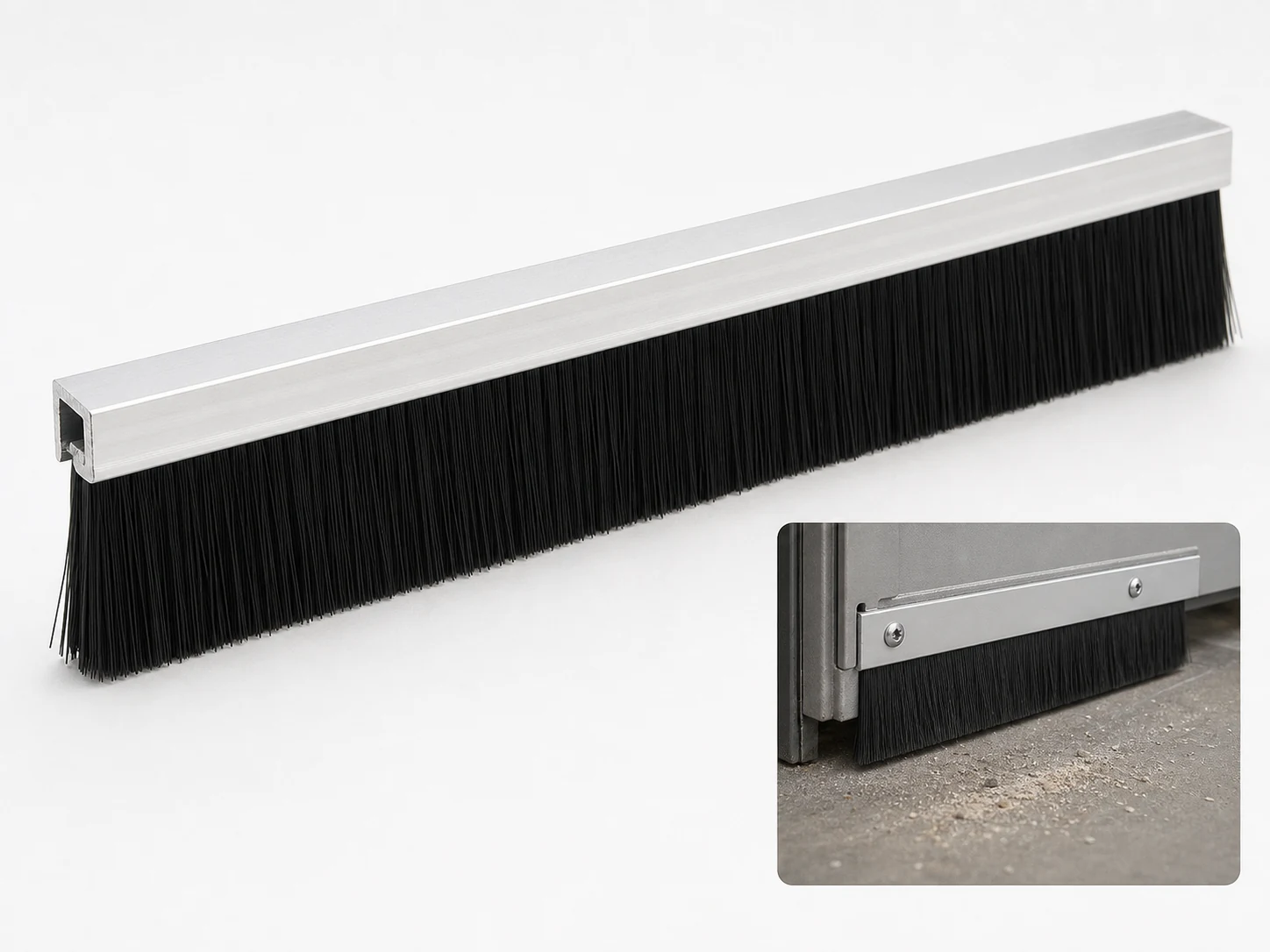
Strip Brush
Order custom strip brushes for door gap sealing, conveyor openings, cable routing, and edge…
See the specification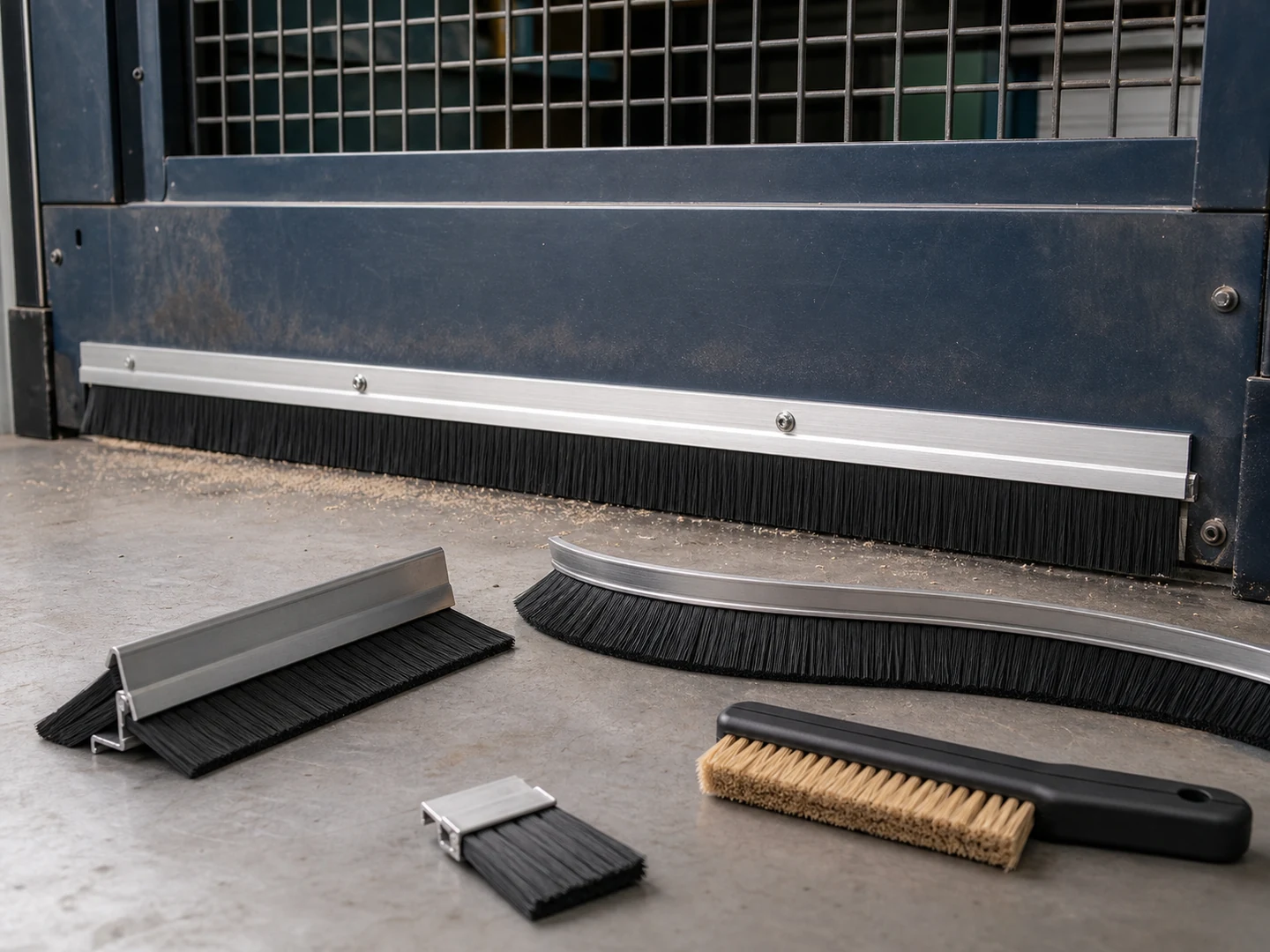
Custom Strip Seal Brushes
Choose a strip seal brush when a continuous line of filament must seal, wipe,…
See how this type is built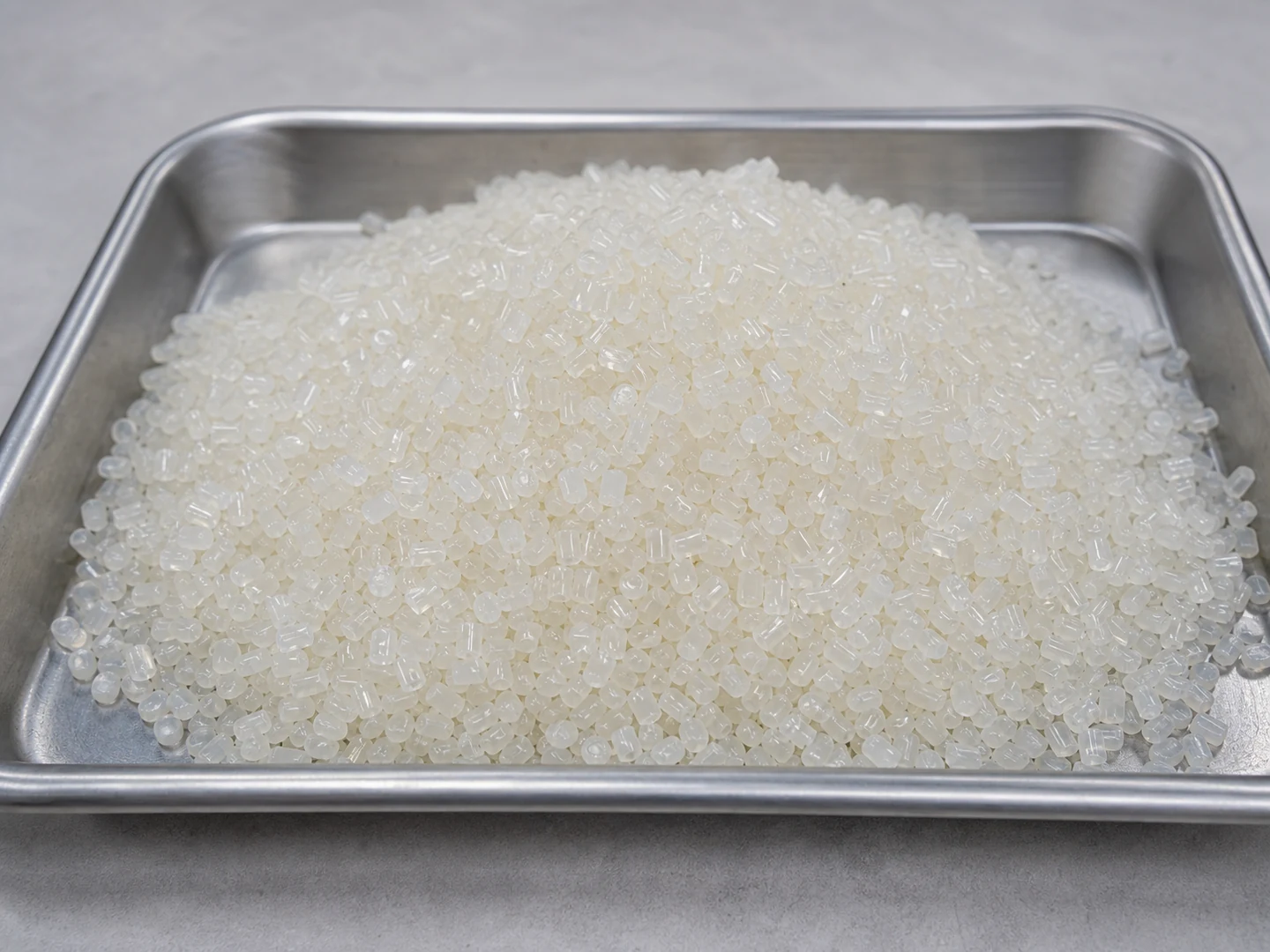
Nylon PA
Choose Nylon PA based on its stiffness, recovery, wear, wet-service, chemical, and temperature behavior.
Compare this material
PBT
Choose PBT based on its stiffness, recovery, wear, wet-service, chemical, and temperature behavior. Do…
Compare this materialCustom Manufacturing RFQ
Discuss This Application
Share the working surface, residue, dimensions, material direction, interface, quantity and drawing or sample photo.
Custom Brush RFQ
Request a Custom Cleaning Brush Quote
Upload a drawing, product photo, or sample photo and provide the core dimensions and cleaning conditions.
“We need a brush to remove wet residue from a stainless steel conveyor, about 800mm wide. The current brush wears quickly. We can send photos.”
“We sell drinkware and need a cleaning brush to include with the product. Quantity around 5,000 pieces.”