Quick Answer
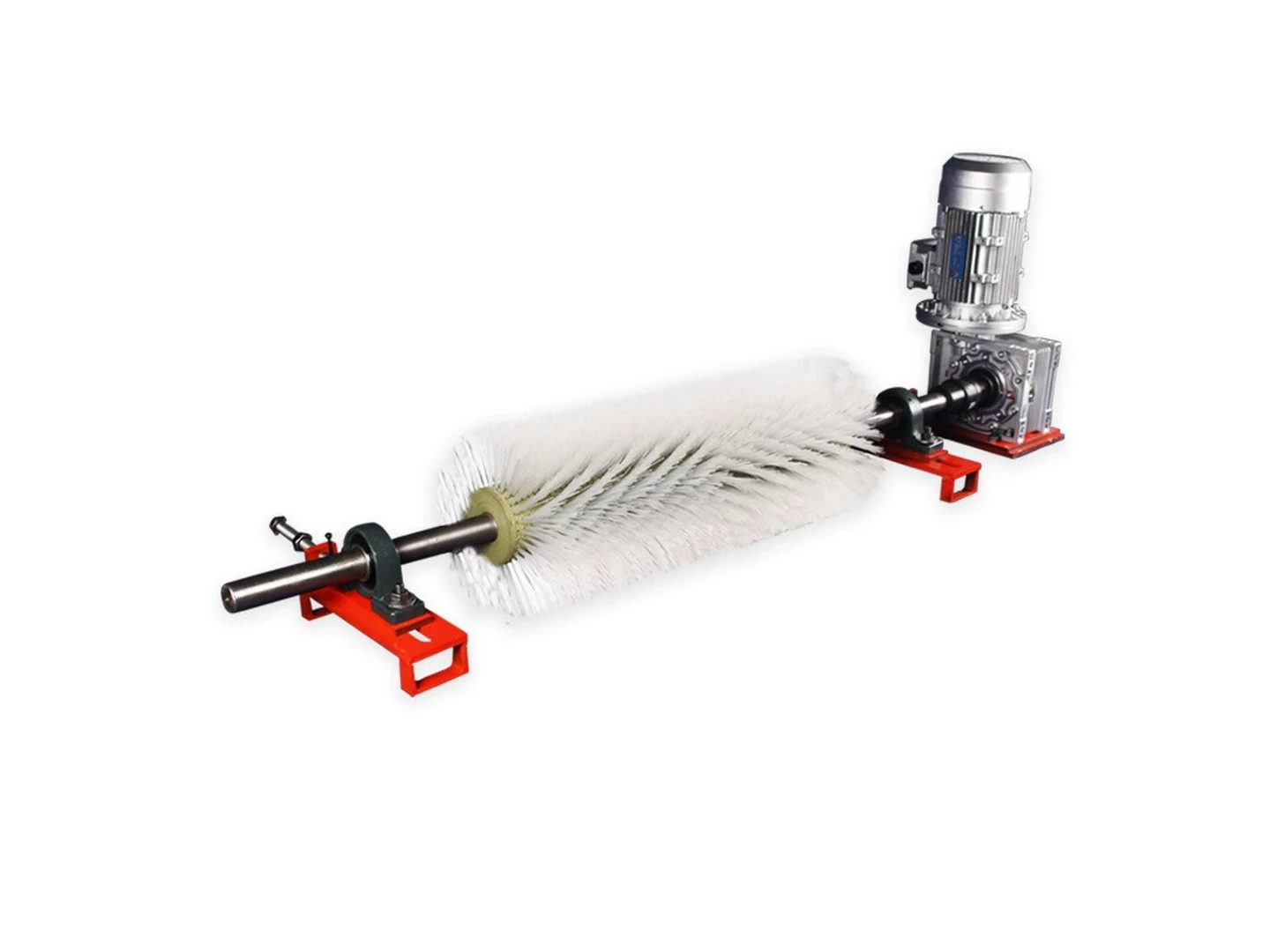
Mount a cylinder or strip brush where the belt is supported, cover the full belt width, select the least aggressive fill that removes the residue, and provide a discharge path so removed material does not return to the product or bearings.
Direct Design References
| Parameter | Design reference |
|---|---|
| Face width | Belt width plus 25.4 mm total overlap; 12.7 mm per side |
| Outside diameter | 102–305 mm published for conveyor cleaning cylinders |
| Mounting position | After and below the head roller, close to a support roller |
| Face pattern | Close-wound, open spiral/auger, chevron, staggered, segmented, or mixed fill |
| Operation | Stationary strip, free-wheeling cylinder, co-rotating, or counter-rotating driven brush |
Select the Layout
| Layout | Use | Limitation |
|---|---|---|
| Driven cylinder | Sticky, persistent, or high-volume residue | Needs guarded drive, shaft, bearings, and speed control |
| Free-wheeling cylinder | Loose particles and open-link belts | Lower scrubbing energy |
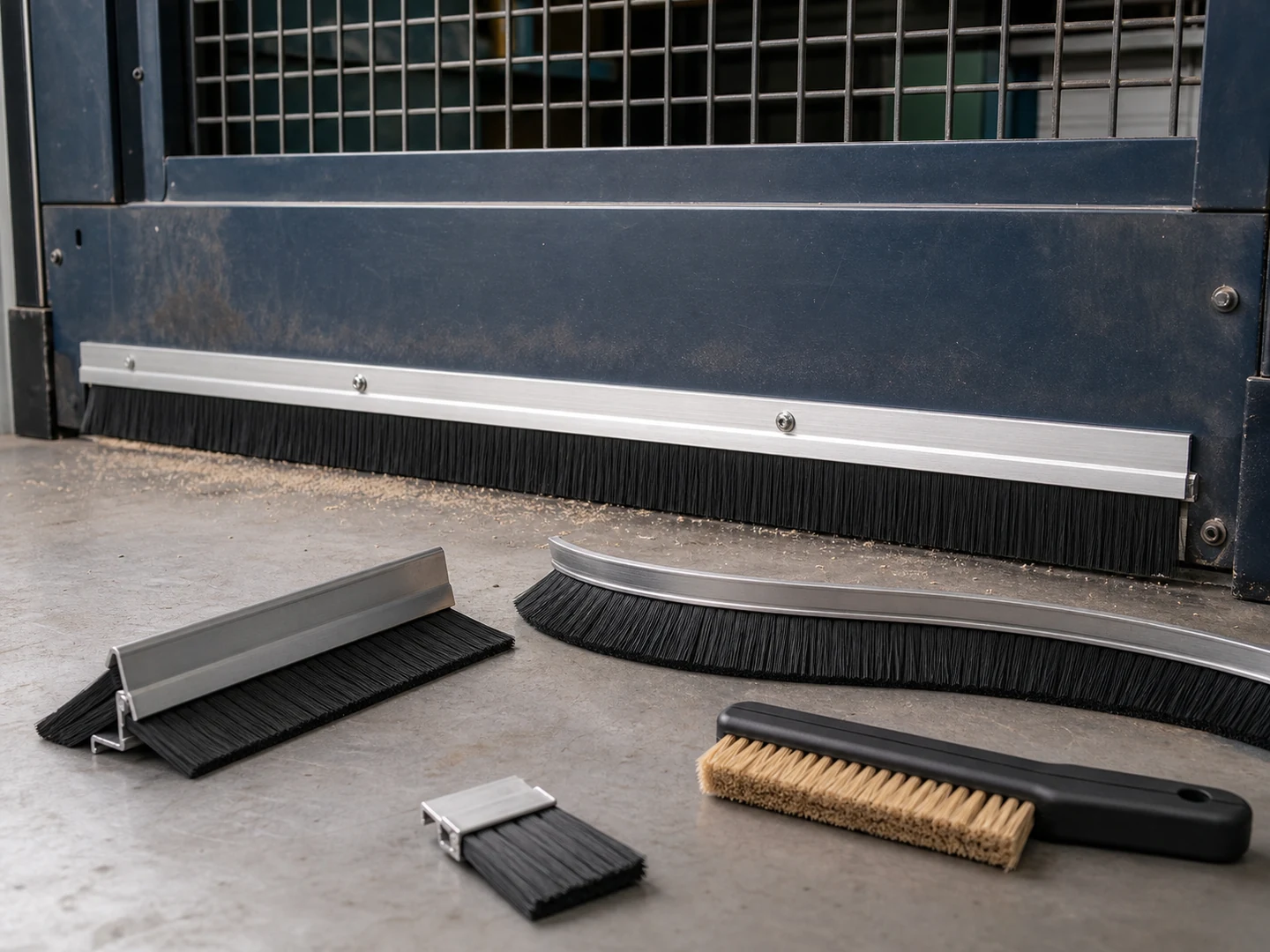
| Stationary strip | Dry dust, crumbs, edge wiping, sealing | Can load with sticky residue and raise drag |
| Open spiral / auger | Moves material sideways and clears the face | Directional discharge must be contained |
| Segmented roller | Wide belts and service-sensitive lines | More joints and alignment points |
Filament by Residue
Fine nylon 612 or PBT suits dry particles and sensitive belts. Polypropylene supports chemical washdown. Medium or coarse polymer with liquid access suits sticky food or process residue. Stainless or carbon steel wire handles hot belts, hard carbon, and scale when the belt construction permits metal contact. Abrasive nylon provides controlled scrubbing between polymer and wire.
Failure Diagnosis
| Symptom | Cause | Correction |
|---|---|---|
| Center remains dirty | Face too narrow, shaft deflection, belt crown, or uneven density | Increase overlap, stiffen shaft, support belt, correct face pattern |
| Belt marked or polished | Fill too coarse, trim too short, or engagement too high | Use finer fill, longer trim, and lower contact |
| Brush loads with product | Face too dense or no discharge/liquid path | Open the spiral, add spray, scraper, air, or vacuum |
| Rapid wear | Excessive compression, speed, heat, chemical attack, or sharp belt edges | Reduce engagement and change material or location |
| Debris returns to product | Wrong mounting side or no containment | Move to return run and add collection |
RFQ Inputs
Provide belt type, width, speed, direction, residue, temperature, washdown chemistry, mounting envelope, support roller position, desired layout, shaft or existing interface, motor data, quantity, and photos of the return path and discharge area.
Technical References
- OSHA — Machine Guarding
- eCFR — 21 CFR Part 117 Human Food CGMP
- eCFR — 21 CFR 178.1010 Sanitizing Solutions
Which bristle material fits this job — PA612 Nylon, Polypropylene PP or AISI 304 Stainless Steel Wire?
| Material | Continuous temperature (°C) | Peak temperature (°C) | Water absorption | Hardness |
|---|---|---|---|---|
| PA612 Nylon | 90–110 | 130–150 | 0.3–0.7% | Shore D 70–80 |
| Polypropylene PP | 80–100 | 120–140 | ≤0.03% | Shore D 65–75 |
| AISI 304 Stainless Steel Wire | 400 | 500 | 0% | Rockwell B 70–95 depending on temper and cold work |
| AISI 316 Stainless Steel Wire | 400 | 500 | 0% | Rockwell B 70–95 depending on temper and cold work |
Figures as published by Brushtec / DuPont; Perlon; Alleima. Confirm the exact grade against the supplier datasheet before ordering.
When are Roller and Conveyor Brushes the wrong choice?
- Roller and Conveyor Brushes — Use a stationary strip brush for a fixed linear seal or wipe, or another process when rotating line contact interferes with the product or cannot discharge the residue safely.
- Strip Seal Brushes — Use rubber lips, foam, labyrinth seals, air curtains, or rigid scrapers when pressure sealing or liquid containment is required.
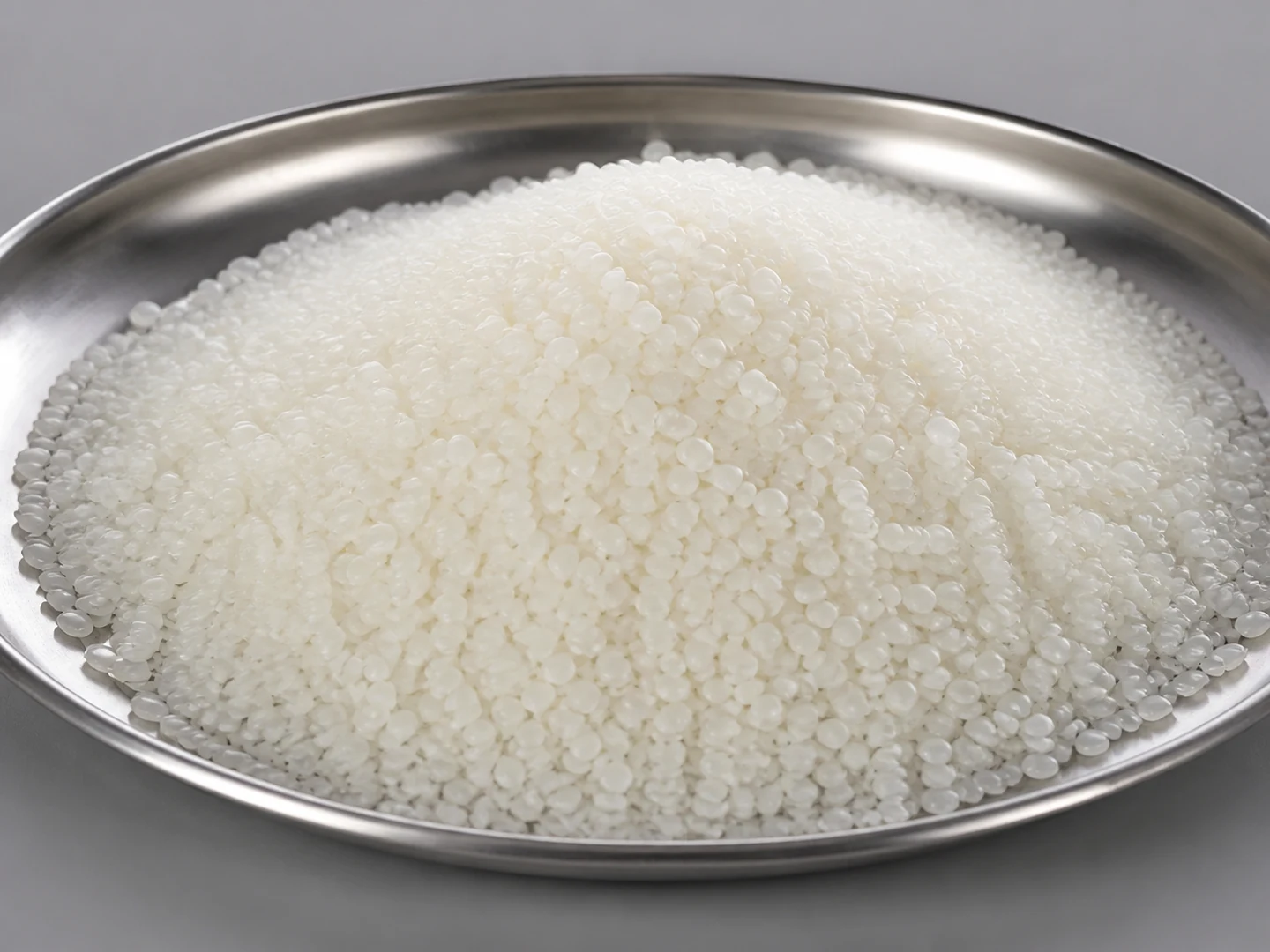
- PA612 Nylon — PA612 costs more than general PA6 and should be used where its wet stability, recovery or wear life creates a real process benefit.
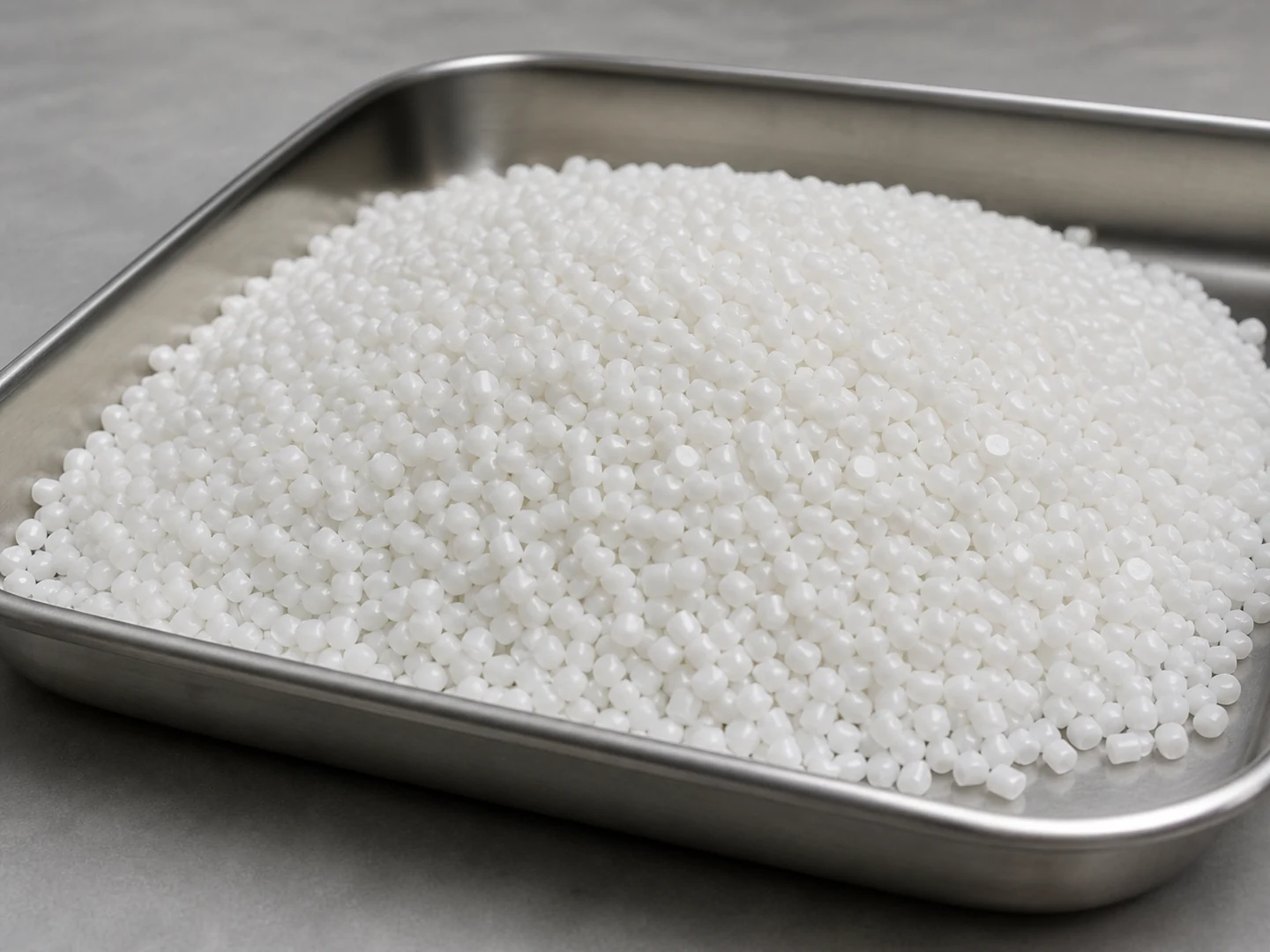
- Polypropylene PP — Avoid high-temperature brushing or heavy abrasion where nylon/abrasive nylon is needed.
What should replace Roller and Conveyor Brushes when they stop working?
- Roller and Conveyor Brushes — Roller and conveyor brushes hold cylindrical line contact across a working width, including helix-wound builds where the filament path is set to move loosened material toward one side; a strip brush holds the same line without rotating, so it seals or wipes but cannot carry residue along the width.
- Strip Seal Brushes — Strip brushes create a linear barrier or guide; machine-table brush plates distribute load and support products over a broad area. Closest alternative: Machine Table Brush Plates.
- PA612 Nylon — Compare PA612 Nylon with PA66, PP, PBT. Change material when wet stiffness, temperature, chemical resistance, conductivity, particle shedding, or surface marking becomes the limiting factor.
- Polypropylene PP — Compare Polypropylene PP with Nylon, PBT, PET. Change material when wet stiffness, temperature, chemical resistance, conductivity, particle shedding, or surface marking becomes the limiting factor.