
Application
Swimming Pool Wall Algae Cleaning
For Swimming Pool Wall Algae Cleaning, the brush must reach the working area, disturb or collect algae/mineral scale/biofilm, and release it without creating unacceptable surface damage or process interference. Access space, brush movement, and cleaning method are the main factors in selecting the structure.
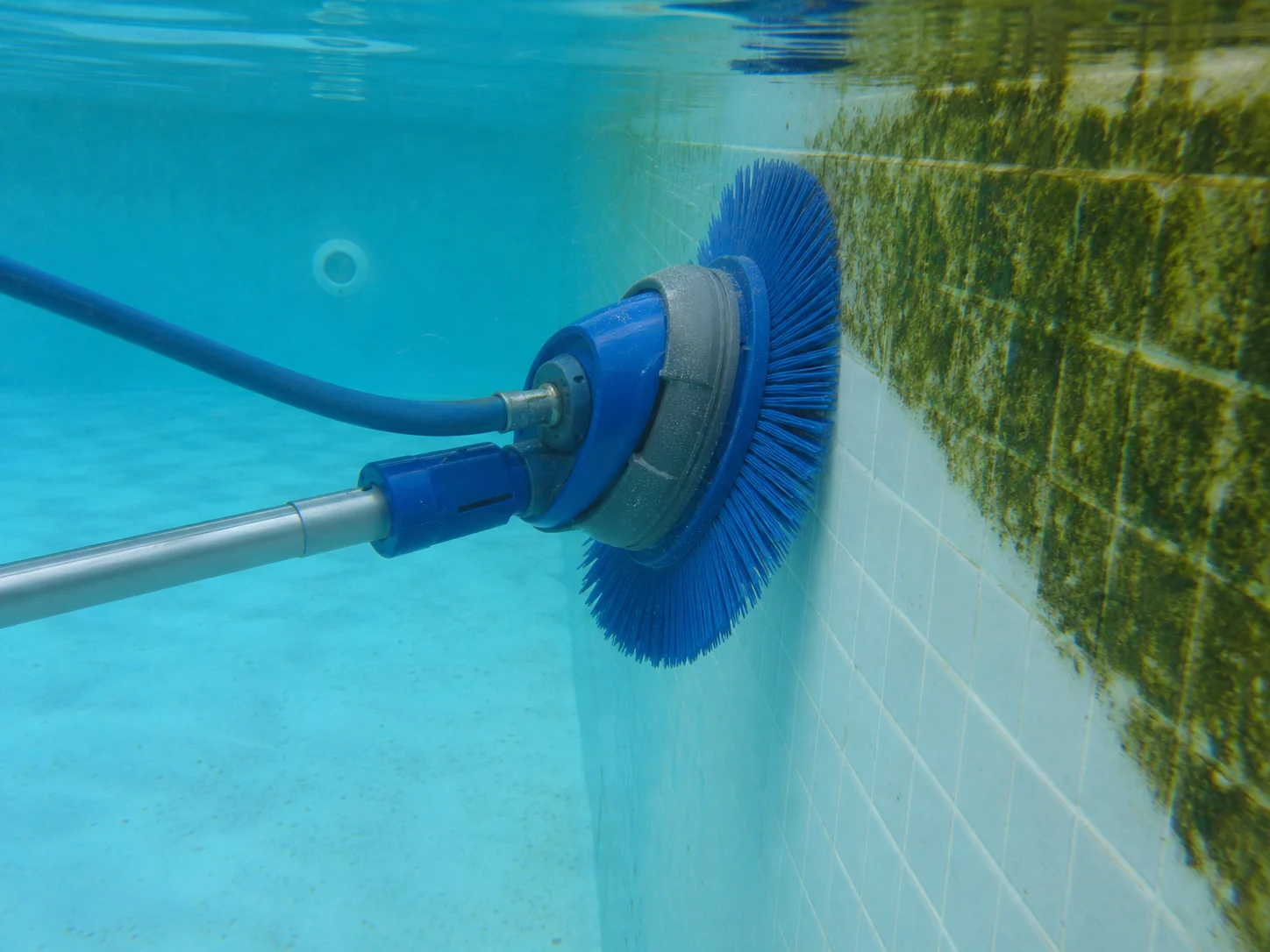
At a glance
- Cleaning target
- Algae/Mineral Scale/Biofilm
- Working environment
- Underwater / Outdoor
- Cleaning method
- Wet Brushing
- Requirements to check
- Pool-Chemical Compatibility; UV- and Chlorine-Resistance Requirements
Pool finish sets the brush before the algae does: plaster takes stiff fill, a vinyl liner does not, and the waterline is a separate job from the wall below it.
What makes Swimming Pool Wall Algae Cleaning different from other facility, floor and outdoor cleaning?
The task is to remove Algae/Mineral Scale/Biofilm while controlling surface damage, residue carryover, brush shedding and chemical or temperature degradation.
The work happens in underwater and outdoor against algae, mineral scale and biofilm.
The part people get wrong: the residue tells you the filament, but the access opening tells you the construction. Get them in that order and the shortlist is short.
What are the most common cleaning targets in Swimming Pool Wall Algae Cleaning?
5 targets, each with its own opening, residue and contact requirement.
| Part or area | Residue type | Cleaning requirement |
|---|---|---|
| Plaster Pool Wall | Algae, Mineral Scale, Biofilm | The face must stay flat against the surface so the whole working width contacts, with filament soft enough not to mark it. |
| Tile and Grout Pool | The brush must cover a large area per pass and keep even pressure across the whole width. | |
| Vinyl-Liner Pool | The head must reach the working face and apply even contact without marking the surface. | |
| Steps and Corner | ||
| Waterline Algae |
The dimensional envelope those targets impose on the brush:
| Parameter | Typical range |
|---|---|
| Contaminant | Algae/Mineral Scale/Biofilm |
| Required hardness | Medium–Hard |
| Maximum temperature | 60°C |
| Chemical exposure | Chlorinated Water pH 7.2–7.8; Acid Washing pH 1–4 |
| Cleaning method | Wet Brushing |
| Environment | Underwater/Outdoor |
Which brush types work for each cleaning target?
Select hand, tube, strip, roller, disc or machine-mounted geometry from access and motion.
| Cleaning target | Recommended brush type | Why it fits |
|---|---|---|
| Plaster Pool Wall | Disc Brushes | Plaster is porous and the algae roots into it, so a disc brush worked flat across the surface reaches into the pore instead of skimming the film. |
| Tile and Grout Pool | The growth sits down in the grout line, so a disc that holds even pressure over a large area presses filament into every joint it crosses. | |
| Vinyl-Liner Pool | A liner is a thin sheet that punctures, so the disc is filled with soft filament and its area spreads the load rather than concentrating it. | |
| Steps and Corner | Steps and corners are the shaded low-flow places algae starts, so a smaller disc is used to reach the step return and the wall junction. | |
| Waterline Algae | The waterline is a narrow band that gets both sun and body oils, so the brush is worked along that band rather than over the whole wall. |
All disc heads on a telescopic pole, worked underwater by hand along the wall and the floor.
In practical brush terms: reach first, then residue. A brush that fits but is too soft can be stiffened; a brush that does not fit is simply the wrong tool.
What filament materials work best for Swimming Pool Wall Algae Cleaning?
Polypropylene, because it holds up to continuous chlorination and to a seasonal acid wash without going brittle, and it absorbs no water, so it does not soften underwater the way nylon does.
| If the condition is… | Filament to start with | Why |
|---|---|---|
| Continuous chlorine and a seasonal acid wash | Polypropylene PP | resists both pH 7.2–7.8 chlorination and a pH 1–4 wash without embrittling |
| Working submerged | Polypropylene PP | takes up no water, so its stiffness does not fall away underwater |
The constraints this application puts on the filament:
| Constraint | Value for this application |
|---|---|
| Filament hardness | Medium–Hard |
| Maximum service temperature | 60°C |
| Chemical exposure | Chlorinated Water pH 7.2–7.8; Acid Washing pH 1–4 |
| Cleaning method | Wet Brushing |
How do I choose the right brush for my swimming pool wall algae equipment?
Start with medium-to-hard fill, a 60°C ceiling and chlorinated water at pH 7.2–7.8, then soften it immediately if the pool is vinyl-lined.
Work through it in this order:
- Identify the target part and measure the access opening or clearance
- Describe the residue: what it is, how thick it sits, and how strongly it holds
- Choose the construction that can physically reach that target
- Set the filament from surface risk, working temperature and cleaning chemistry
- Fix filament diameter, free trim length and density for the contact pressure you need
- Run one cycle and check the result before committing to a production quantity
Before you commit to a quantity, send the pool finish, the wall area, the waterline length, and the pole fitting you use.
When is a swimming pool wall algae brush the wrong tool?
Shock chlorination and an algaecide kill the growth so the filter can take it out, and brushing without that just moves living algae around the pool. Black algae in plaster is treated chemically at the root, and a vinyl liner will not survive the stiff fill plaster requires.
What common mistakes should I avoid in Swimming Pool Wall Algae Cleaning?
- Ordering stiff fill without stating the pool finish, which is what decides whether stiff fill is allowed
- Changing the filament while leaving excessive engagement, poor alignment or no discharge path unchanged
- Copying a worn brush without first recording its motion, direction, mounting and original working diameter
When a brush is running but not cleaning, start here rather than adding pressure:
| Symptom | What to change |
|---|---|
| Residue remains | Increase discharge or relative motion before adding pressure |
| Surface marks | Reduce engagement and use finer/softer fill |
| Rapid wear | Check alignment, temperature and chemical attack |
| Redeposition | Add wash, vacuum or collection path |
Questions this page is asked
Why should a pool-wall deposit be identified before aggressive brushing?
Living algae, biofilm, metal staining and calcium scale can look similar but respond to different water tests, treatment and mechanical contact. Confirm the condition with the pool operator or finish guidance before using stronger chemistry or a harder brush that could damage the surface without correcting the cause.
What system checks follow pool-wall algae brushing?
Operate and clean the circulation and filtration system as the pool procedure requires, remove captured debris, and test and correct disinfectant, pH and other specified water parameters. Reopen the pool only when visibility, water quality and facility operating criteria are restored rather than when the brushed wall merely looks clean.
Continue Exploring
Recommended Reading & Related Brush Resources
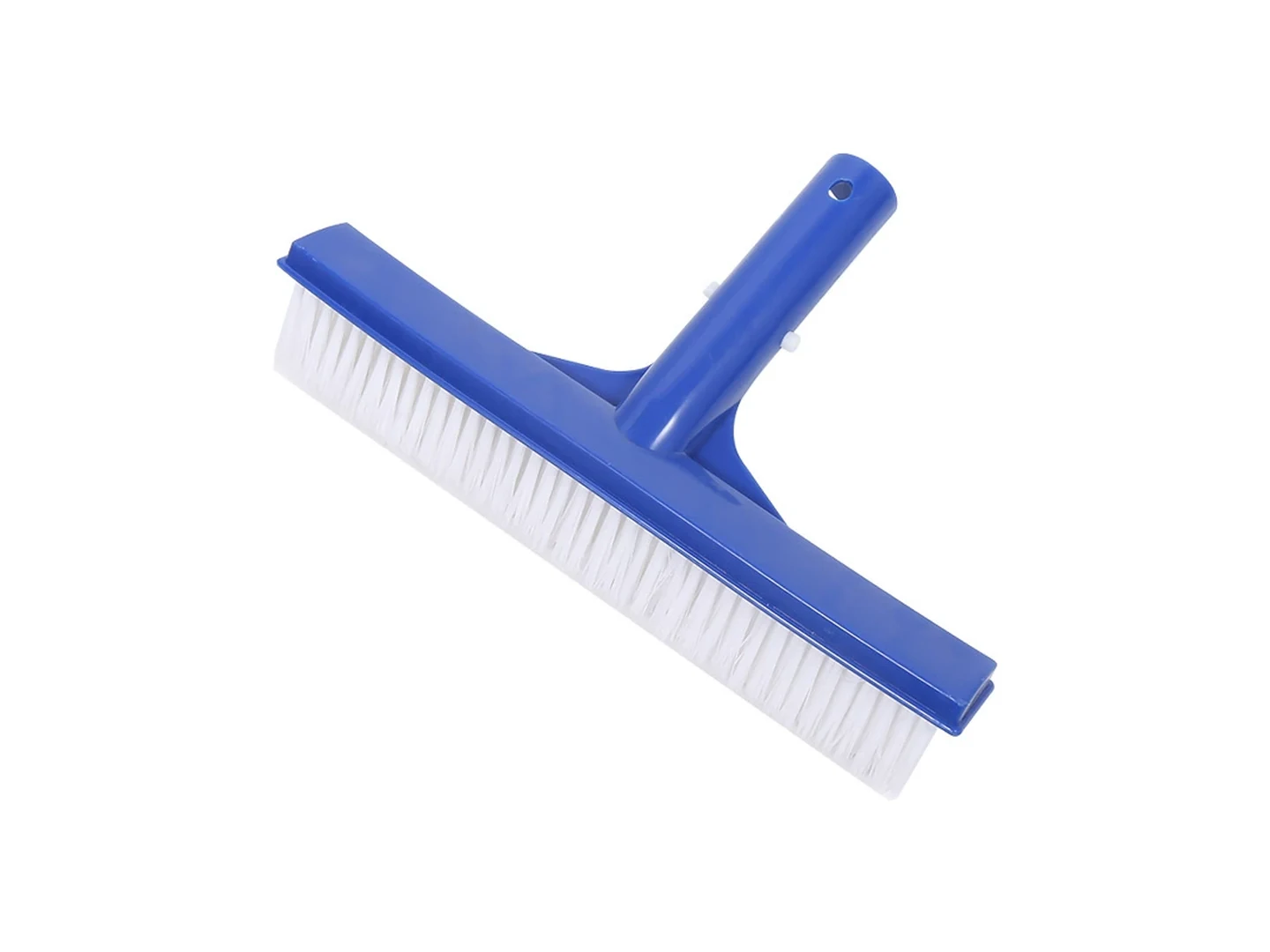
Pool Wall Brush
Order custom pool wall brushes with PP or nylon fills, 100–300mm head widths, and…
See the specification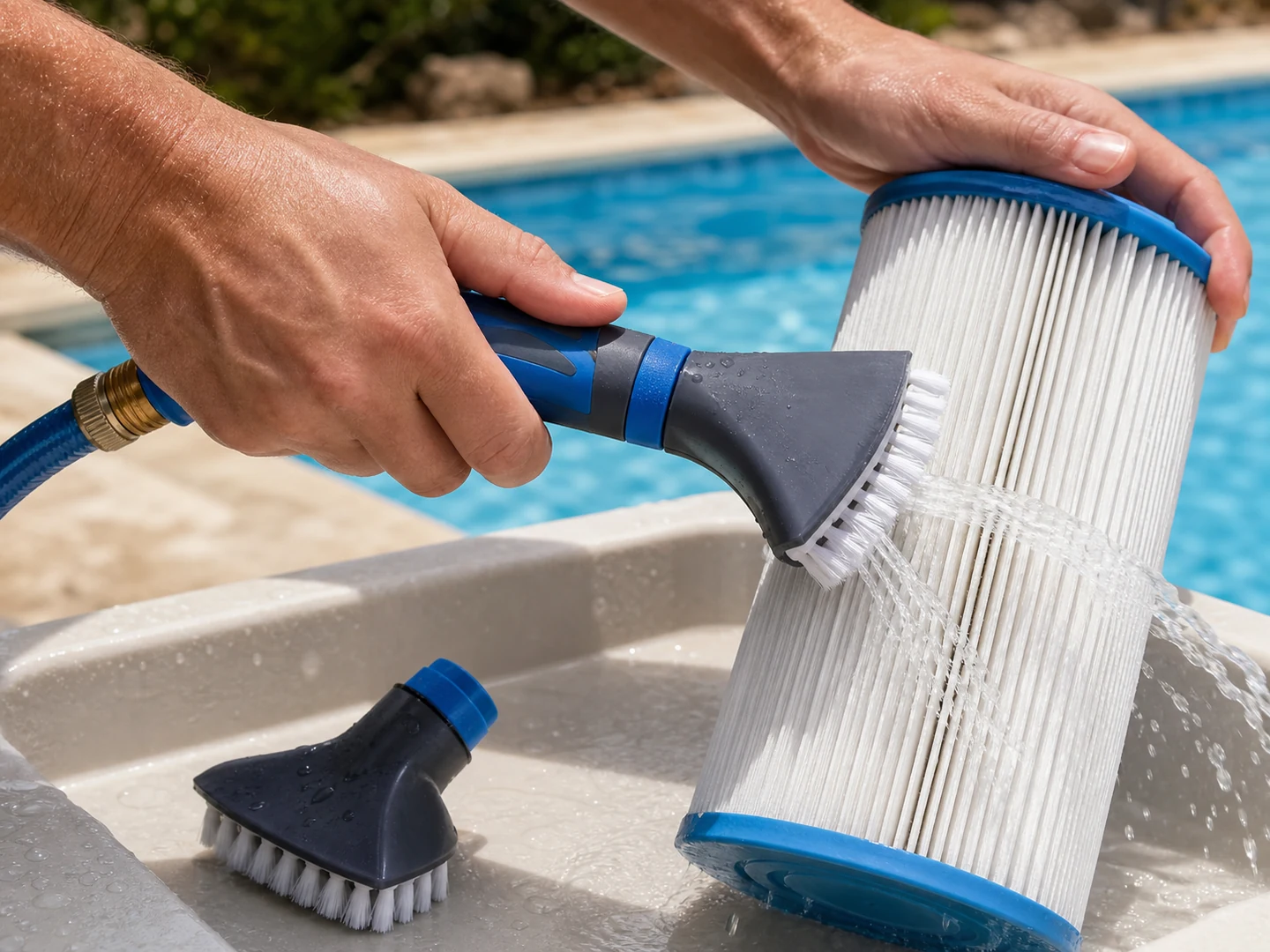
Pool Filter Cartridge Brush
Head width and filament spacing matched to pleat pitch, so the tips slide into…
See the specification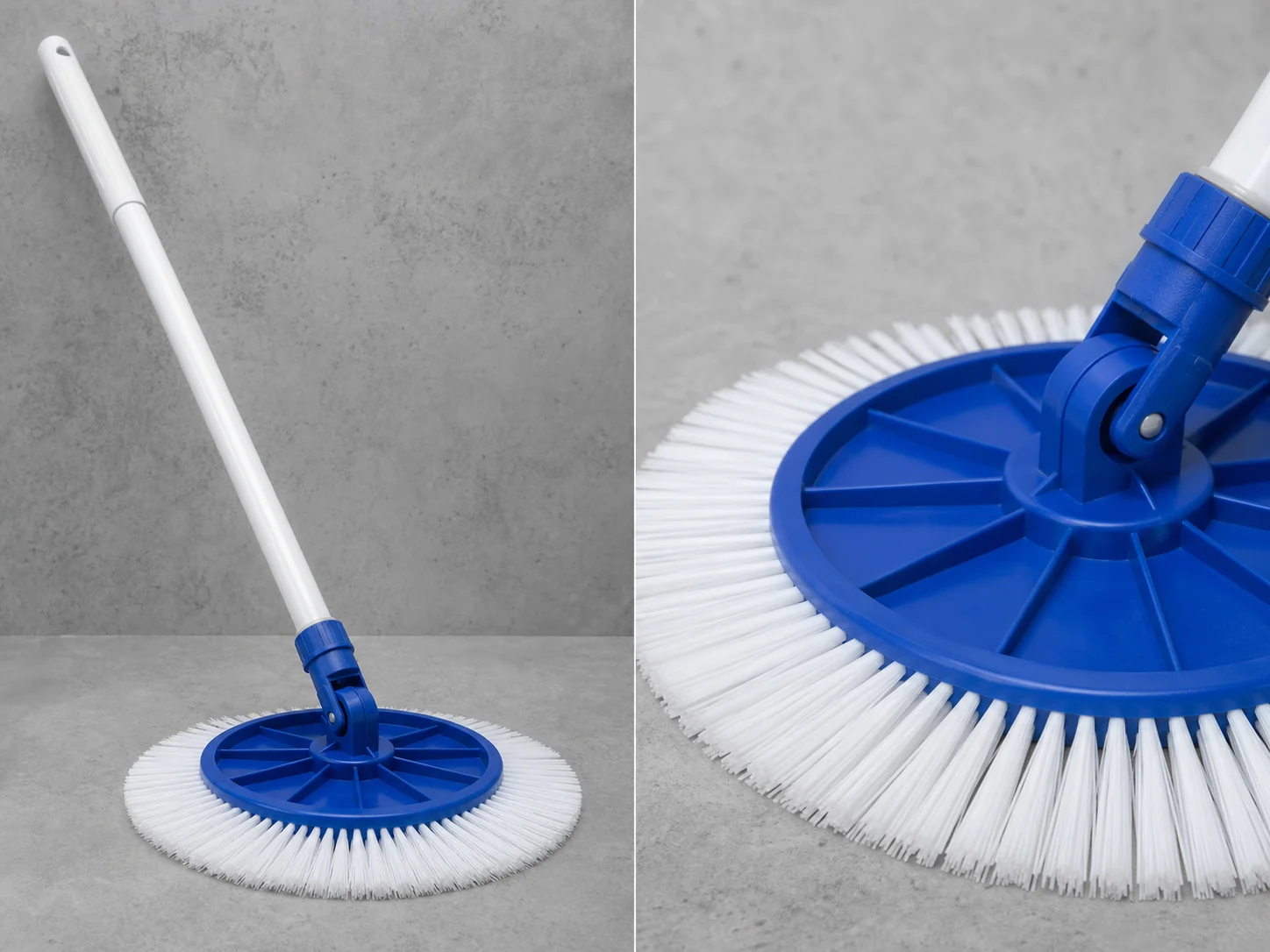
600mm PP Pool Cleaning Disc Brush
600mm polypropylene disc brush head for algae and biofilm removal on pool walls, floors,…
See the specification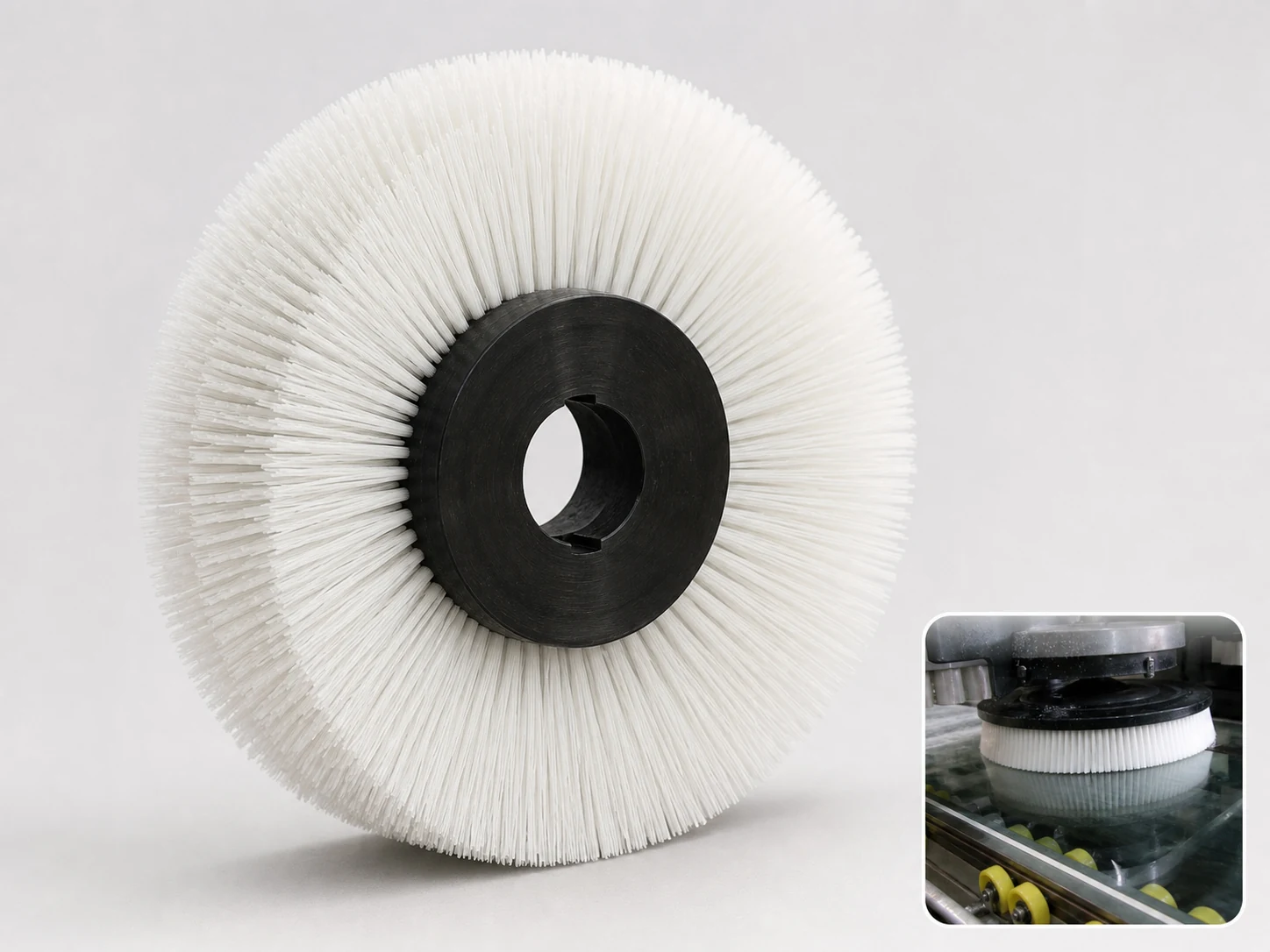
Custom Disc Brushes
Choose a disc brush when a circular face must scrub, wipe, polish, sweep, or…
See how this type is builtCustom Manufacturing RFQ
Discuss This Application
Share the working surface, residue, dimensions, material direction, interface, quantity and drawing or sample photo.
Custom Brush RFQ
Request a Custom Cleaning Brush Quote
Upload a drawing, product photo, or sample photo and provide the core dimensions and cleaning conditions.
“We need a brush to remove wet residue from a stainless steel conveyor, about 800mm wide. The current brush wears quickly. We can send photos.”
“We sell drinkware and need a cleaning brush to include with the product. Quantity around 5,000 pieces.”