
Material
Aluminum Wheel Core
Metal brush core material
Aluminum Wheel Core is evaluated as a brush component material rather than as filament. Choose the material by reviewing the load, component geometry, connection, operating environment, and cleaning method.
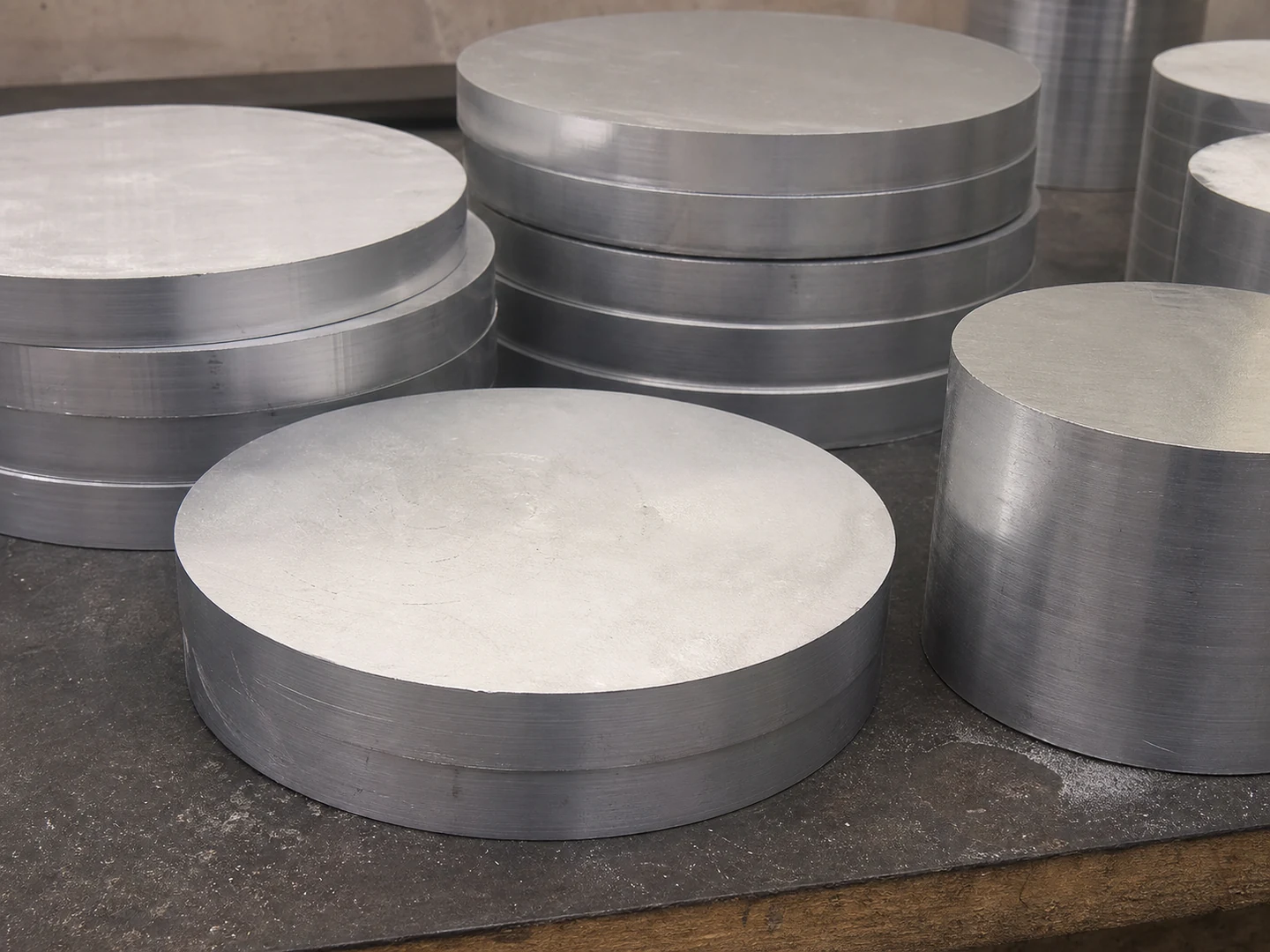
Datasheet values
- Density
- 2.70 g/cm³
- Common alloys
- 6061, 6063, 6082
- Core diameter
- 20–500 mm
- Use temperature
- up to 150–200°C
- Bore tolerance
- H7/H8 available
An aluminum wheel core is the machined or formed structural center that retains filament or media and transmits rotation.
What is Aluminum Wheel Core, and what makes it different from other brush filaments?
Aluminum Wheel Core belongs to the metal brush core material group, supplied as machined wheel center, extruded or turned hub, flanged core and anodized aluminum body.
Aluminum Wheel Core is used in custom cleaning brushes for wire, abrasive and buffing wheels that need a machined bore, low rotating mass and controlled balance.
Compare Aluminum Wheel Core with Steel core, stainless core, engineering-plastic core. Change material when wet stiffness, temperature, chemical resistance, conductivity, particle shedding, or surface marking becomes the limiting factor.
What stiffness and contact pressure can I expect from Aluminum Wheel Core?
Aluminum Wheel Core is rigid; determined by alloy, temper and geometry rather than the generic aluminum name; aluminum Wheel Core changes brush stiffness through filament diameter, free trim, density, crimp, and contact. Use finer filament and longer trim for conformable contact; use coarser filament, shorter trim, or higher density for stronger displacement or cutting.
The part people get wrong: this component does not set brush stiffness. It holds the fill and takes the mounting load, and the scrubbing pressure comes from the filament specified separately.
How does water affect Aluminum Wheel Core performance?
Suitable for many wet environments with the correct alloy and finish, not automatically for strong alkaline or chloride service.
What this means for your application: the core holds its dimensions wet or dry. The risk is the alloy and the finish: strong alkaline cleaners attack bare aluminium, and chlorides pit it under the anodised layer.
A practical check: expose a sample to the real cleaning chemistry at temperature and inspect the surface. Dulling, bloom or pitting means the finish is wrong, and re-measuring will tell you nothing.
What temperature limits apply to Aluminum Wheel Core?
Aluminum can support elevated-temperature rotary constructions, but the finished brush limit is set by alloy/temper, hub section, filament, adhesive or mechanical anchoring, bearings, speed, and atmosphere. Do not use a generic “above 200°C” claim without assembly data.
Where it stops working: validate with a sample if the process sits near the top of that band. A permanent bend under load means the answer is a higher-temperature filament family, not a heavier trim.
Diameter, trim length and applied load all shift the real limit, so a thin filament touching lightly survives conditions that would flatten a thick one under pressure.
What chemicals attack Aluminum Wheel Core?
Many 6000-series alloys offer useful atmospheric corrosion resistance; direct contact with dissimilar metals can cause galvanic corrosion.
Compatibility is a function of concentration, temperature and contact time together. A short rinse in a dilute solution is a different exposure from an overnight soak in a concentrated one, even with the same chemical on the label.
Before you commit to a quantity: Specify the exact Aluminum Wheel Core grade or alloy, filament or profile size, color, straight or crimped form, working temperature, wet or dry use, chemical exposure, surface finish, and any required material documentation.
What is the practical lower limit for filament diameter?
Filament diameter does not apply to Aluminum Wheel Core. It is a brush component rather than the fill, so it carries no filament of its own and sets no lower diameter limit.
The dimensions that do decide it are the bore or mounting size it has to fit, its wall section or thickness, and the hole pattern that receives the fill. Those come from the machine interface, not from the cleaning task.
If the sample comes back rejected: fix the component dimensions against the equipment first, then choose the fill material and its diameter for the residue you are removing. The two are specified separately.
What applications typically use Aluminum Wheel Core?
Wire, abrasive and buffing wheels that need a machined bore, low rotating mass and controlled balance.
The applications that keep coming back to this grade:
- Ceramic Glaze Line & Tile Brush Use
- Surface Finishing
- Deburring & Edge Breaking
- Metal Acid Pickling & Degreasing Line Brush Use
- Polishing
- Woodworking Sanding & Furniture Surface Brushing
The constructions that usually carry it:
- Custom Wheel Brushes
In practical brush terms: Wrong alloy, insufficient hub section, galvanic corrosion or an incorrect motion rating can cause failure.
How do I specify Aluminum Wheel Core for a custom brush?
Send the brush type, filament diameter, free trim length, density, contact setting, wet or dry duty, working temperature and the actual cleaning chemistry together. Any one of them on its own leaves the stiffness undefined.
What usually goes wrong at this step:
- Selecting Aluminum Wheel Core from the material name alone without setting filament diameter, trim length, and density
- Using dry stiffness to predict wet behavior without checking moisture absorption or liquid exposure
- Ignoring trapped abrasive particles, chemical concentration, temperature, or contact motion when assessing surface risk
Reference standards behind the figures on this page: ISO 6344 series.
Source: Hydro — Aluminium extrusion alloys. An aluminium core is specified by alloy and temper, and the running limit belongs to the assembled wheel rather than to the metal. Balance and bore tolerance decide whether it can be run at speed at all.
Questions this page is asked
How should an aluminum-core brush wheel be released for rotation?
Evaluate the complete wheel with its fill, retention system, flanges, bore or arbor and mounting hardware for dimensional conformity, runout, balance, secure mounting and the intended load, start-stop pattern and operating temperature. The marked maximum speed must belong to that finished construction, and inspection or use limits from the tool manufacturer take priority over a calculation based only on the aluminum core.
What corrosion checks are needed for an aluminum core used in wet finishing?
Expose the assembled interfaces to the real cleaner concentration, chloride or other ions, temperature, dwell, rinse, drying and dissimilar-metal contacts, then inspect the bore, keyway, fasteners, retention edges and damaged finish. Set rejection limits for pitting, galvanic attack, fretting, coating loss, trapped residue, cracks, looseness and runout change before those defects reduce media retention or mounting accuracy.
Where these figures come from
| Property | Published value | Source |
|---|---|---|
| Chemical resistance | Many 6000-series alloys offer useful atmospheric corrosion resistance; direct contact with dissimilar metals can cause galvanic corrosion. | Hydro Retrieved 2026-07-20 |
| Published datasheet figures |
|
Hydro Retrieved 2026-07-20 |
| Hardness and stiffness | Rigid; determined by alloy, temper and geometry rather than the generic aluminum name. | Hydro Retrieved 2026-07-20 |
| Limitations | Wrong alloy, insufficient hub section, galvanic corrosion or an incorrect speed rating can cause failure. | Hydro Retrieved 2026-07-20 |
| Temperature resistance | Suitable above 200°C; filament, adhesive and bearings set the assembly limit. | Hydro Retrieved 2026-07-20 |
| Water resistance | Suitable for many wet environments with the correct alloy and finish, not automatically for strong alkaline or chloride service. | Hydro Retrieved 2026-07-20 |
Guides that go deeper on this
We have not written a guide specific to this one yet. The material that covers selection, filament, dimensions, maintenance and sourcing is collected in the technical resources library.
Continue Exploring
Recommended Reading & Related Brush Resources
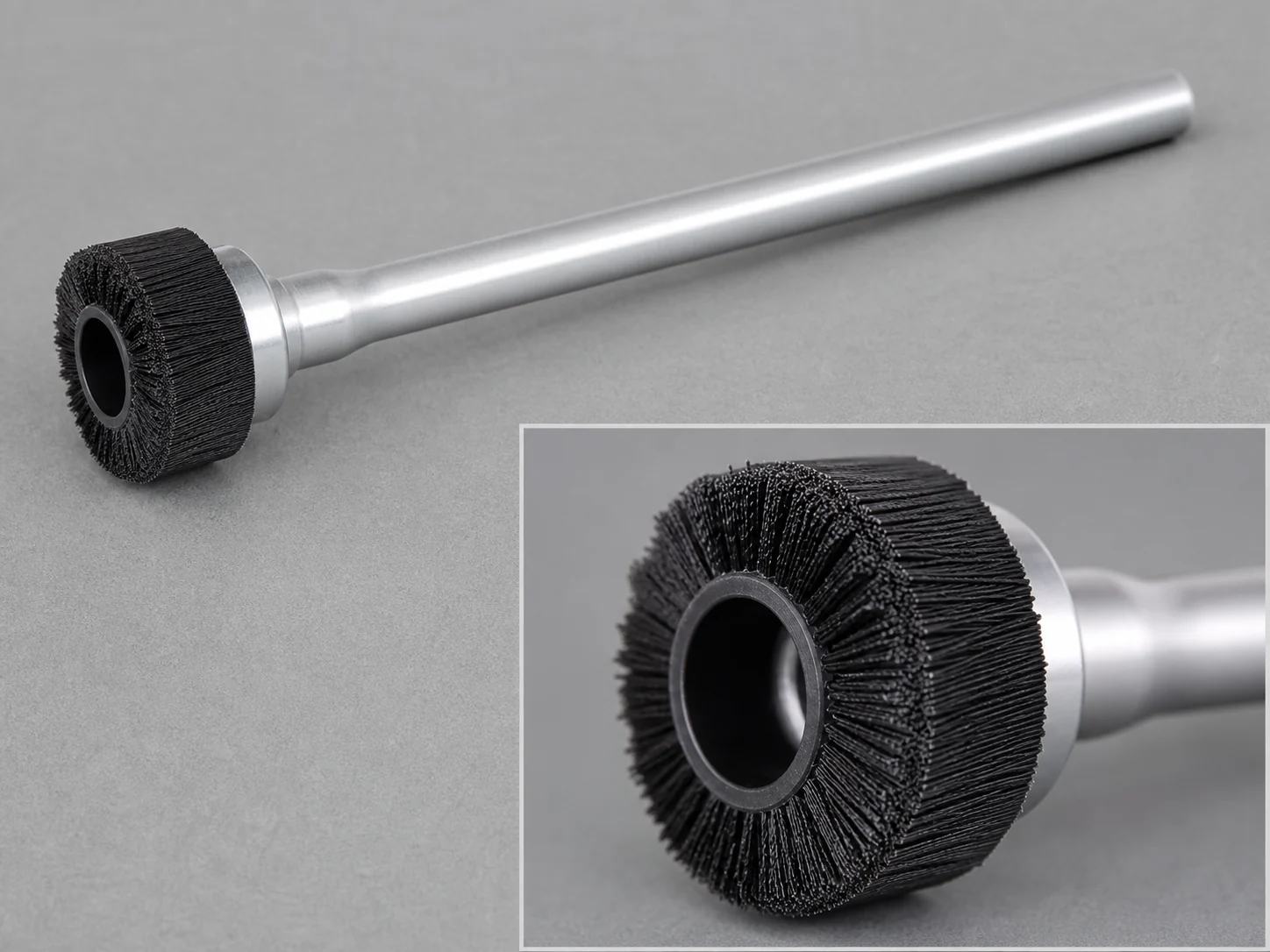
50mm Carbon Fiber Static Wheel Brush
50mm carbon fiber static wheel brush for ESD dust removal. 50 mm OD x…
See the specification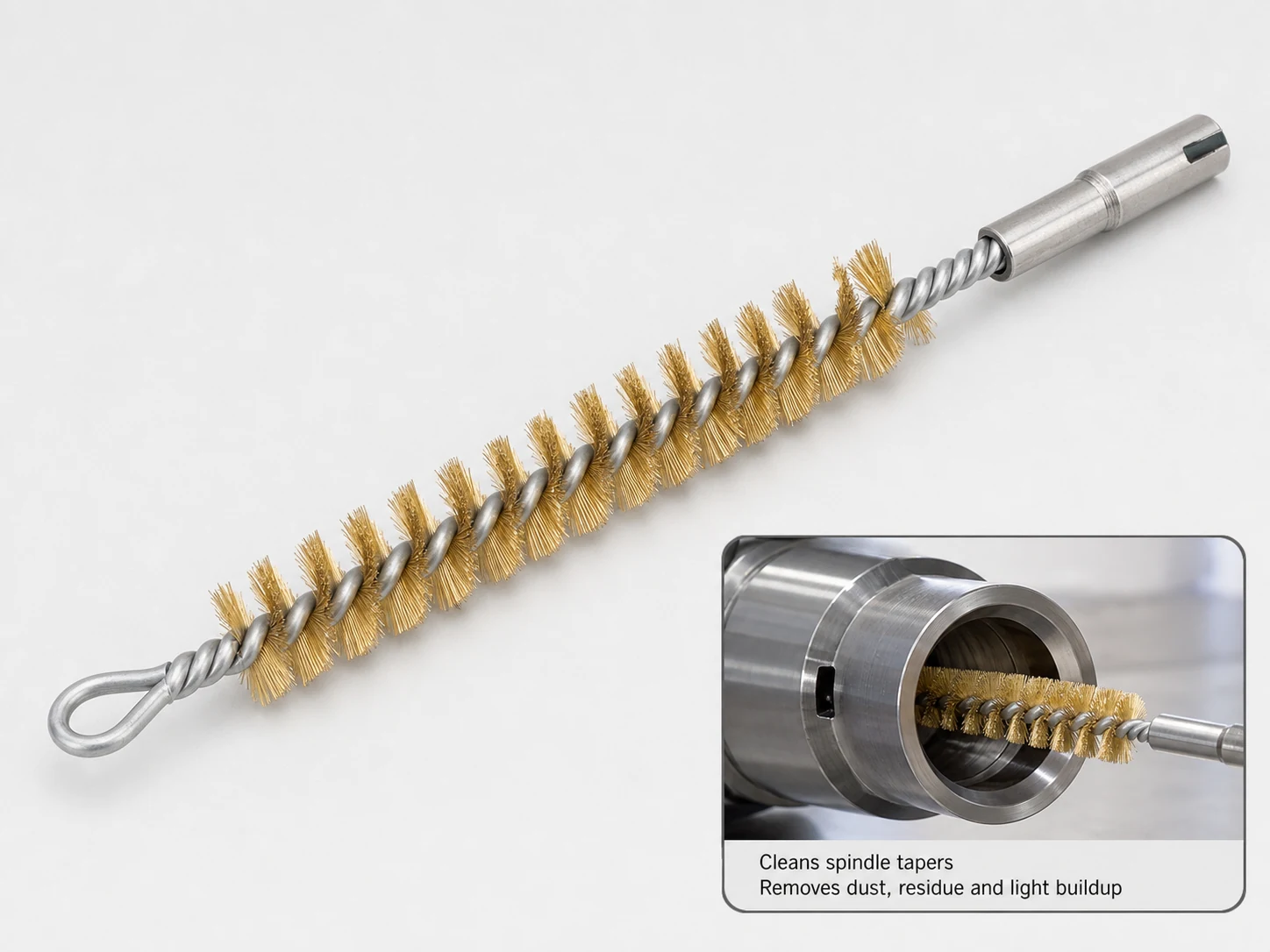
Spindle Taper Cleaning Brush
Non-marring brass wire and nylon spindle taper cleaning brushes for HSK, SK, BT, and…
See the specification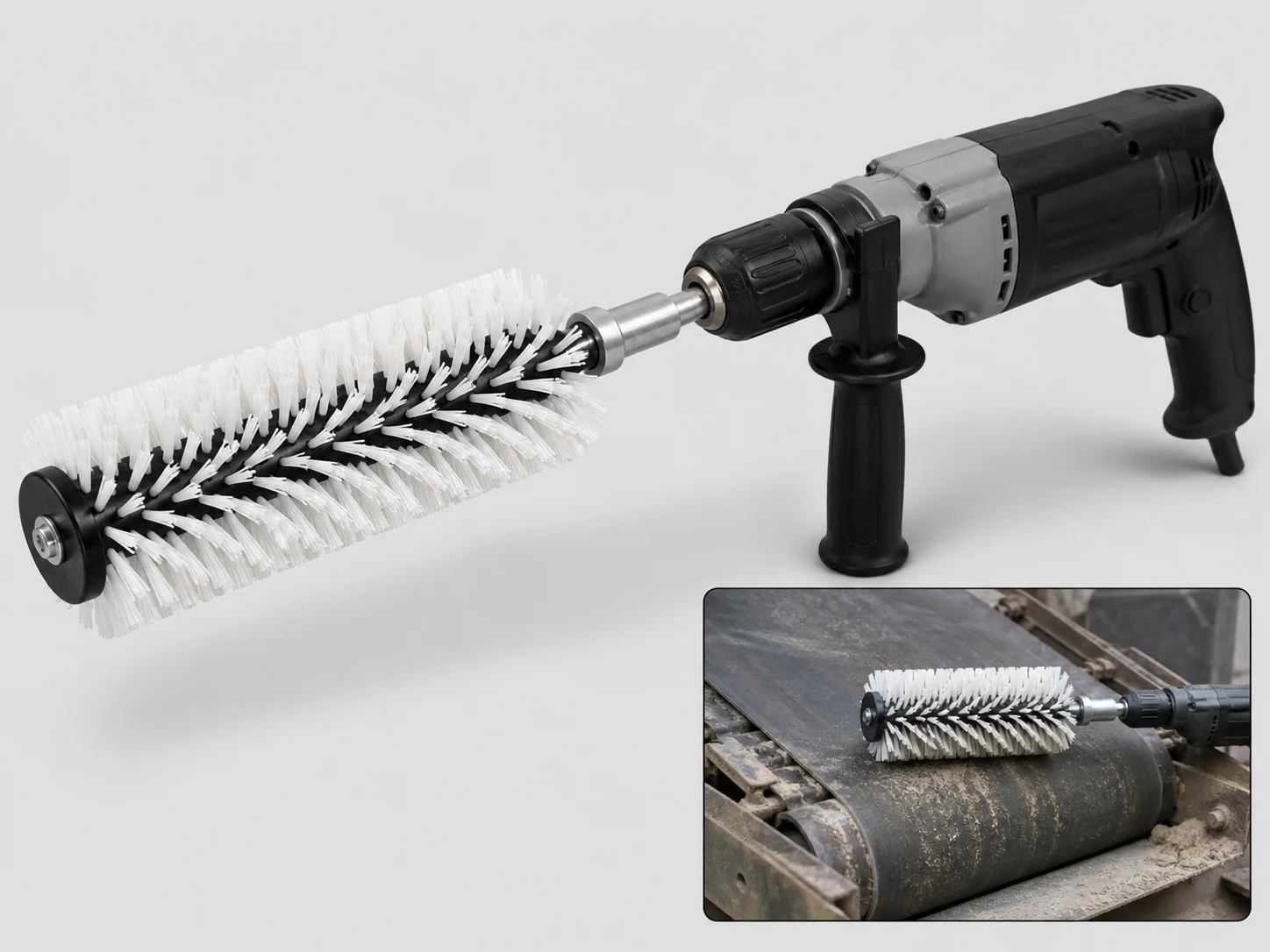
Motorized/Power Brush
Custom motorized brush rolls, discs, and cups for scrubbers, carpet extractors, and vehicle washers.…
See the specification
Custom Wheel Brushes
Choose a wheel brush when a rotating narrow face or edge must clean profiles,…
See how this type is builtCustom Manufacturing RFQ
Discuss This Material
Share the working surface, residue, dimensions, material direction, interface, quantity and drawing or sample photo.
Custom Brush RFQ
Request a Custom Cleaning Brush Quote
Upload a drawing, product photo, or sample photo and provide the core dimensions and cleaning conditions.
“We need a brush to remove wet residue from a stainless steel conveyor, about 800mm wide. The current brush wears quickly. We can send photos.”
“We sell drinkware and need a cleaning brush to include with the product. Quantity around 5,000 pieces.”