
Custom Cleaning Brush
Spindle Taper Cleaning Brush
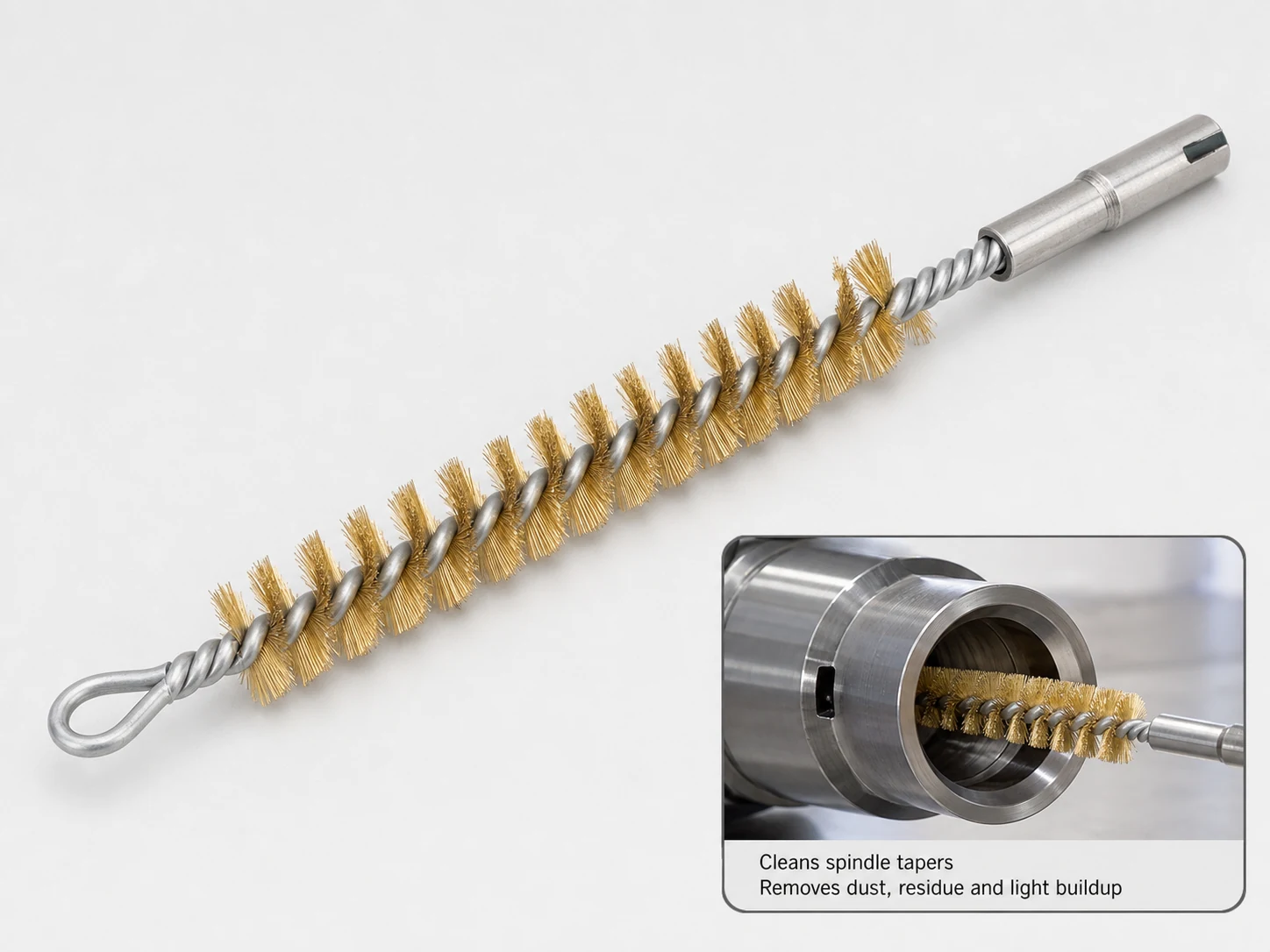
Non-marring brass wire and nylon spindle taper cleaning brushes for HSK, SK, BT, and CAT machine spindles.
Small brush
500 pcs
Minimum order
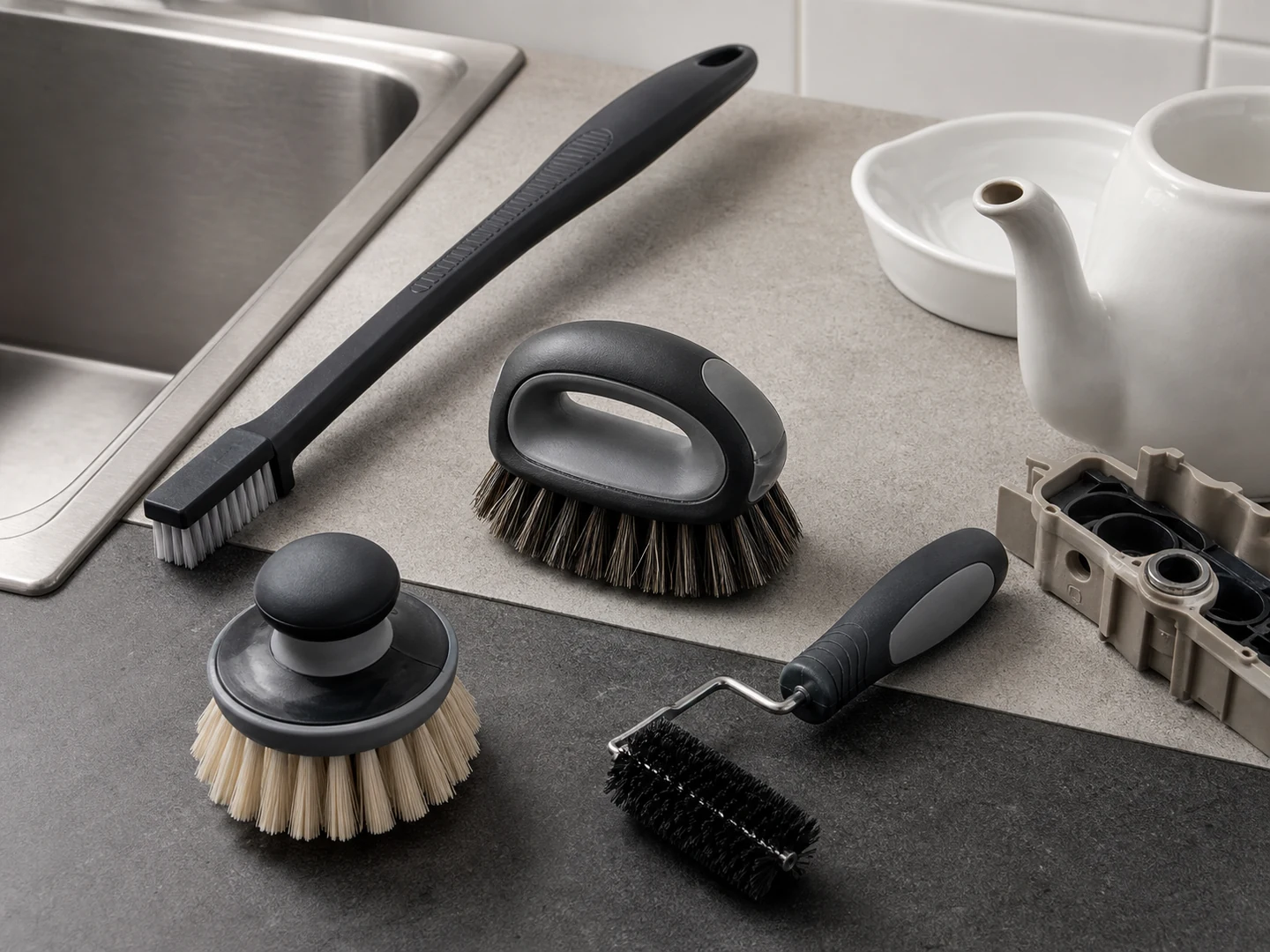
Held in one hand: tube, bottle, detail and swab brushes — including long-handled ones with a small head.
Production lead time, once the specification is confirmed
- Up to 500 pcsWithin 7 days
- 501–50,000 pcsWithin 14 days
- Over 50,000 pcsWithin 21 days
Peak season can extend these times; the shipping date is confirmed in writing with your quotation. Sampling and shipping are quoted separately.
A hand-held, taper-matched cleaning tool that uses a blend of soft brass wire and nylon contact strips to wipe chips, coolant film, and fine debris from precision machine-tool spindle tapers and toolholder seats without scratching the ground mating surface. Built in common HSK, SK, and ISO/BT/CAT taper geometries, it restores clean metal-to-metal contact before tool changes.
What can this brush do for you?
Non-marring contact on precision tapers
Brass wire is softer than hardened spindle steel, so it dislodges metal chips and dried coolant without cutting, scoring, or embedding abrasive particles in the taper surface. Nylon PA strips work alongside the wire to wipe oil film and fine fretting dust that straight bristles often smear instead of remove.
Taper-matched geometry reaches the full seat
The cleaning head follows the taper angle — 7:24 for SK/ISO/BT/CAT or 1:10 for HSK — so the strips contact the bore from the gauge line down to the small end. Flat or cylindrical brushes only touch a ring; this one works the entire mating surface.
Removes the contamination that creates runout
Chips, lint, coolant residue, and fine debris trapped between the toolholder and spindle are the main causes of TIR error, poor repeatability, inconsistent tool seating, and fretting wear. A few rotations with this brush removes those particles before they get pressed into the taper by clamping force.
No steel-wire wheel or cup geometry
Steel wire brushes are harder than the spindle steel they contact and can scratch the ground taper or leave embedded steel particles behind. This brush uses brass and nylon contact only, so the cleaning action removes contamination without changing the surface finish.
Fast manual use without spindle disassembly
Insert the brush into the stopped spindle taper, rotate two to three times by hand, withdraw it, and blow off or wipe the taper. The whole sequence fits into a normal tool-change pause and does not require removing covers or using extension tools on most machines.
What is a Spindle Taper Cleaning Brush?
A Spindle Taper Cleaning Brush is a hand-guided maintenance tool designed to clean the internal female taper of a machine-tool spindle — and, in a matched configuration, the external male taper of a toolholder — before the two surfaces are clamped together. It uses a tapered hub fitted with radial rows of brass wire and nylon PA contact strips that follow the cone angle. The user inserts the brush into the spindle nose with light hand pressure, rotates it a few turns, and pulls it out with the loose contamination trapped in the contact elements.
The tool is intended for routine cleaning between tool changes, after coolant flooding, or whenever chip packing is visible around the spindle nose. It removes loose chips, dried coolant, oil film, dust, and fine fretting debris. It is not a repair tool: it will not remove deep rust, correct dings, or restore a taper that has been galled or damaged. For that work, a spindle service or taper reconditioning process is required.
Because the brush is only used on a stopped spindle, there is no powered operation. The contact elements are selected specifically so they are softer than the hardened tool steel of the spindle taper. This is the key operating consideration: the brush must clean the precision surface without leaving marks, because even minor scratches can reduce holding accuracy and promote fretting.
Technical Specifications
The values below represent standard production configurations. Dimensions, taper profiles, and materials are adjusted to the specific spindle or toolholder model.
| Parameter | Value / Options |
|---|---|
| Taper profiles | HSK-A/E/F 25, 32, 40, 50, 63, 80, 100; SK/ISO/BT/CAT 30, 40, 50, 60 (7:24) |
| Cleaning head geometry | Female cone for spindle tapers; male cone for toolholder tapers; both available as matched sets |
| Contact elements | Non-abrasive brass wire + nylon PA (polyamide) strips; no steel wire or cup geometry |
| Brass wire diameter | 0.10–0.25 mm, selected for chip removal without scoring hardened steel |
| Nylon strip dimensions | 3–8 mm wide, arranged to wipe oil and coolant film |
| Cleaning head length | 25–120 mm, matched to taper contact length |
| Overall length | 180–350 mm standard; longer shafts available for deep machine enclosures |
| Hub / core material | Aluminum alloy or stainless steel; anodized or uncoated per project |
| Handle | Ergonomic PP/POM grip, knurled metal shaft, or bare shaft end per operator preference |
| Rotation | Manual, bidirectional, spindle stopped; not for use on a rotating spindle |
| Chemical exposure | Resistant to common cutting fluids and mild solvent wipe-down; verify hub and adhesive materials for aggressive cleaners |
| Brush type | Custom Handheld Detail Brushes |
| How it is driven | Hand-guided |
| Cleaning target | cnc machining center, lathe, and tool presetter and tool storage cleaning |
| Surface or part | tapers, hubs, bores, tooling, metal, aluminum, plastic, and precision surfaces |
| Residue or debris | coolant, chips, dust, oil, particles, oil film, coolant residue, and rust |
| Mounting / connection | Manual, bidirectional, spindle stopped; not for use on a rotating spindle |
Where does this brush work best?
- CNC machining centers — cleaning HSK, BT, CAT, or ISO spindle tapers before each tool change, especially in high-chip-volume milling where the spindle nose sees chips and coolant spray.
- Lathes with driven tooling — cleaning live-tool spindle tapers and tool clamping seats where fine chips and oil mist collect inside the turret area.
- Tool presetters and tool storage — wiping male toolholder tapers before measurement or magazine loading so a dirty taper doesn’t transfer contamination back into the spindle.
- Machine builder final inspection — removing machining debris, coolant residue, and handling dust from spindle tapers before shipping or customer runoff.
- High-speed and precision spindles — maintaining clean metal-to-metal contact where even small particles create imbalance, runout, or accelerated taper fretting.
How do I choose the right one?
Confirm the taper standard first. Look at the spindle nameplate, the toolholder marking, or the machine manual. HSK tapers use a 1:10 cone with a hollow shank and internal clamping features; SK/ISO/BT/CAT tapers use a 7:24 steep cone. A brush made for one standard will not seat properly on the other, so the taper standard is the first decision point.
Identify which side needs cleaning. A female taper brush cleans the spindle bore; a male taper brush cleans the toolholder shank. Shops that change tools frequently often order both in a set. If contamination transfers back and forth between the two, cleaning only one side will not hold accuracy for long.
Match the contact elements to the contamination. Brass wire is best for chips, dried coolant, and particles that need to be dislodged. Nylon PA strips excel at lifting oil film, coolant film, and fine dust. Most configurations use both, but if your contamination is almost all oil-based, a higher nylon ratio may be cleaner to use; if it’s mostly chip debris, more brass wire rows may be needed. Heavy rust, galled material, or embedded metal is outside the working range of this brush and belongs in a spindle service or taper regrinding process.
Check reach and handling space. The brush must be long enough to insert fully into the spindle nose while the operator keeps a comfortable grip. For machines with deep sheet-metal enclosures or tool probes in the way, a longer shaft or slimmer handle may be required. A brush that is too short forces the operator to reach into the machine, and a brush that is too long is harder to rotate evenly.
Verify all contact is non-marring. The working surfaces should be brass and nylon only. Check that any metal ferrule, hub end, or mounting screw cannot touch the taper during use. Plastic or aluminum hubs minimize the risk of accidental contact.
| Condition | Recommended contact | Decision note |
|---|---|---|
| Chips, fine metal particles | Brass wire | Dislodges debris without marking hardened steel |
| Coolant / oil film, dust | Nylon PA strips | Wipes film clean, leaves no lint |
| Normal mixed contamination | Brass + nylon | Most common daily maintenance configuration |
| Rust, burrs, fretting damage | Not this brush | Use a taper reconditioning or spindle repair service |
| Single-use / disposable wiping | Not this brush | Use lint-free wipes or swabs for one-time cleaning |
Can I customize this brush?
Spindle taper brushes are usually built to the exact spindle or toolholder family rather than sold as one generic size. To prepare a custom configuration, provide the spindle or toolholder model, taper standard and size, required contact length, contamination type, and a photo or dimension sketch of the taper. If you have a sample toolholder, that works even better.
We can adjust:
- Taper geometry — angle, large-end diameter, small-end diameter, and contact length for HSK, SK, ISO, BT, CAT, or a customer-specific cone
- Contact elements — brass wire diameter, nylon strip width and arrangement, ratio of wire to nylon, strip density, and spiral or axial layout
- Head orientation — female cone for spindle bores, male cone for toolholder shanks, or double-ended designs
- Hub and handle — aluminum, stainless, or plastic hub; straight, knurled, T-grip, or ergonomic handle; shaft length and diameter
- Marking and color — handle color, laser marking, pad printing, or taper-size identification code
- Packaging — individual, paired male/female sets, workshop kits, or project-specific labeling
If your project requires material declarations, inspection reports, or third-party testing before shipment, we can support those requirements during the customization and pre-production phase.
When is a spindle taper cleaning brush worn out rather than just dirty?
How do I verify the brush fits my spindle taper before using it?
Check the taper designation on the spindle nameplate or toolholder shank first — HSK and SK/ISO/BT/CAT are not interchangeable. With the spindle stopped, insert the brush lightly into the taper. It should contact the cone along the full length of the cleaning strips without rocking or bottoming on the small end. If it touches only at a single ring or feels loose at the gauge line, the profile or size is wrong.
Can I use this brush to clean a male toolholder taper too?
Only if you have the male-taper configuration, which uses a female cleaning cone over the toolholder shank. The standard spindle-taper brush is made for the internal spindle bore. Many toolrooms order a matched pair so both sides of the interface get cleaned between tool changes.
Does the brass wire leave residue or particles in the taper?
Brass is softer than hardened spindle steel, so normal use does not embed particles in the taper, but loosened chips and fine debris remain on the surface after brushing. Always follow the brush with a clean, dry, lint-free wipe or a filtered air blow-off before inserting the next toolholder. The brush removes material; it does not collect and store it.
How often should the brush be inspected or replaced?
Check the cleaning head before each shift or after any heavy chip-cleaning job. Look for bent or broken brass wire ends, frayed or missing nylon strips, a loose hub, or a cleaning profile that no longer makes full contact. If the wire is flattened or the strips feel hard and glazed, replace the brush rather than pushing harder during use.
Can I use cleaning solvents with this brush?
Yes, within reason. Mild degreasers and spindle cleaners work well for coolant film. Aggressive chlorinated solvents or brake cleaners can attack the plastic hub, handle, or strip adhesive, so test on a small area first. Wipe the brush dry after solvent use and store it away from the chip tray.
Is this brush suitable for removing rust or repairing a damaged taper?
No. This brush removes loose chips, coolant residue, oil, and fine debris only. Pitted, rusted, galled, or fretting-damaged tapers need a spindle service or taper regrinding process to restore geometry. Brushing a damaged taper will not correct the surface and may give a false sense that the interface is clean.
Guides that go deeper on this
We have not written a guide specific to this one yet. The material that covers selection, filament, dimensions, maintenance and sourcing is collected in the technical resources library.
RELATED BRUSH RESOURCES
Recommended Reading & Related Brush Resources
Custom Handheld Detail Brushes
Choose a handheld detail brush when you need direct control in seams, recesses, fittings,…
See how this type is built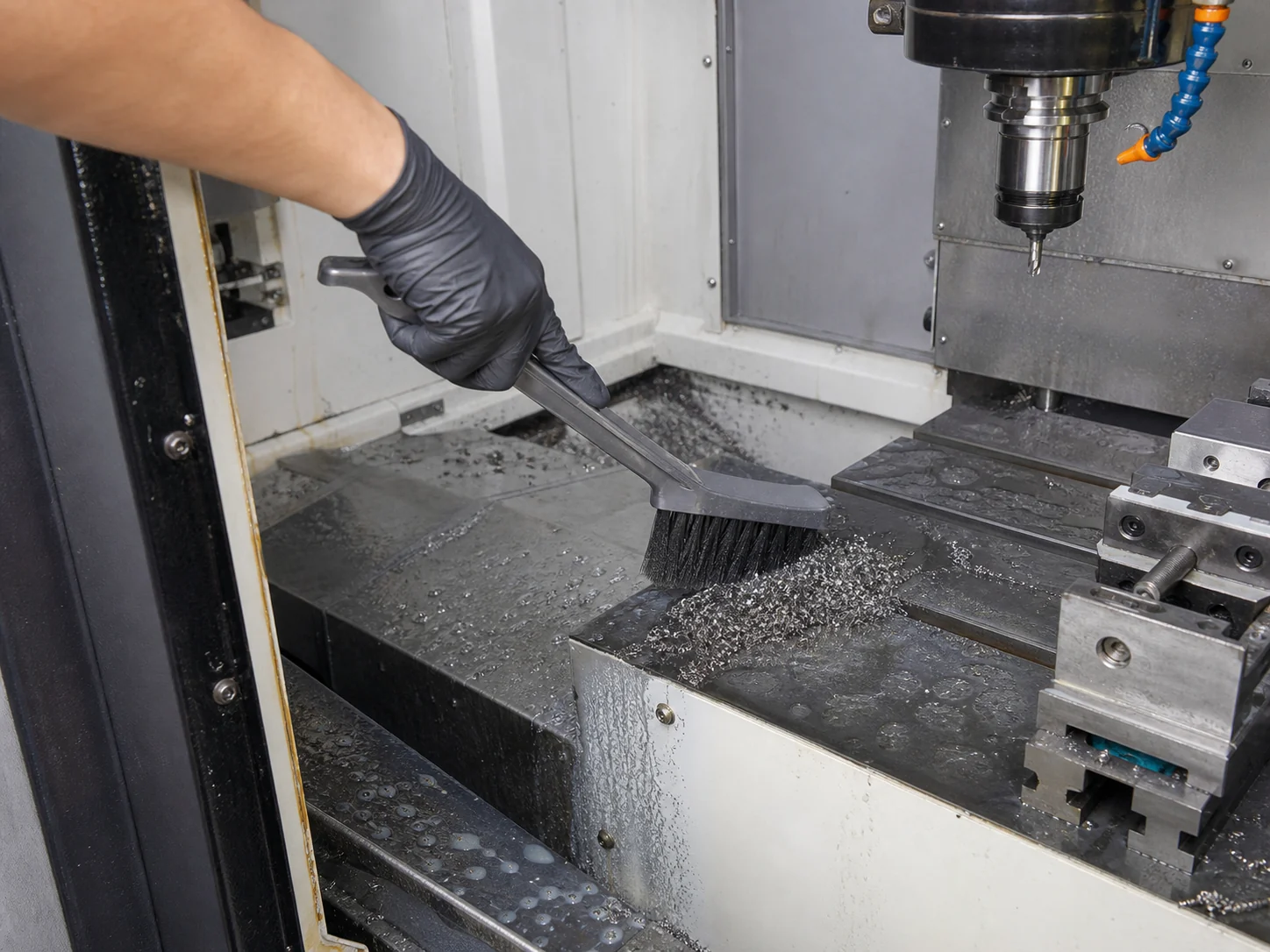
CNC Machine Chip Cleaning
For CNC Machine Chip Cleaning, the brush must reach the working area, disturb or…
See the cleaning job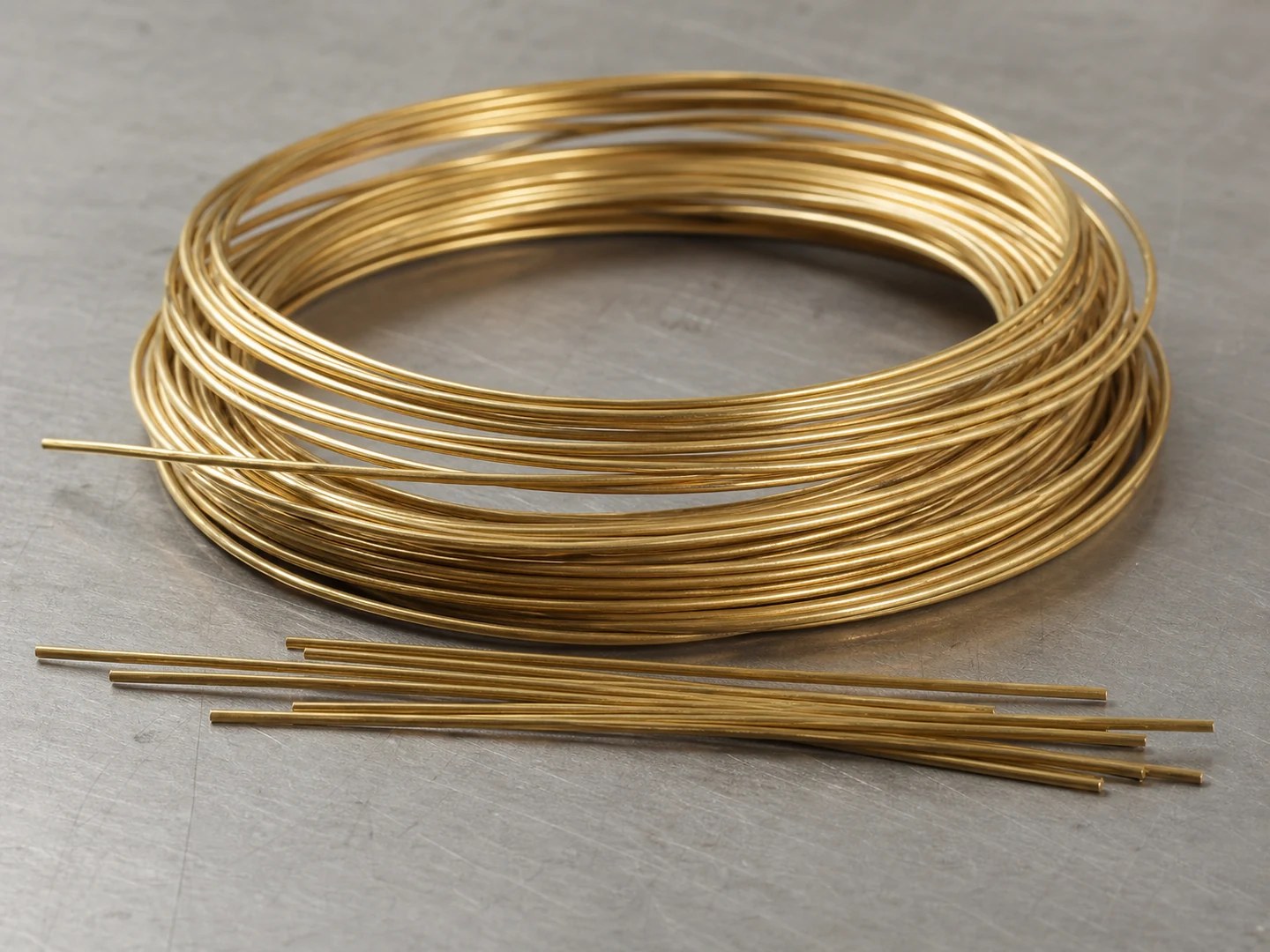
Brass Wire
Choose Brass Wire based on its stiffness, recovery, wear, wet-service, chemical, and temperature behavior.
Compare this material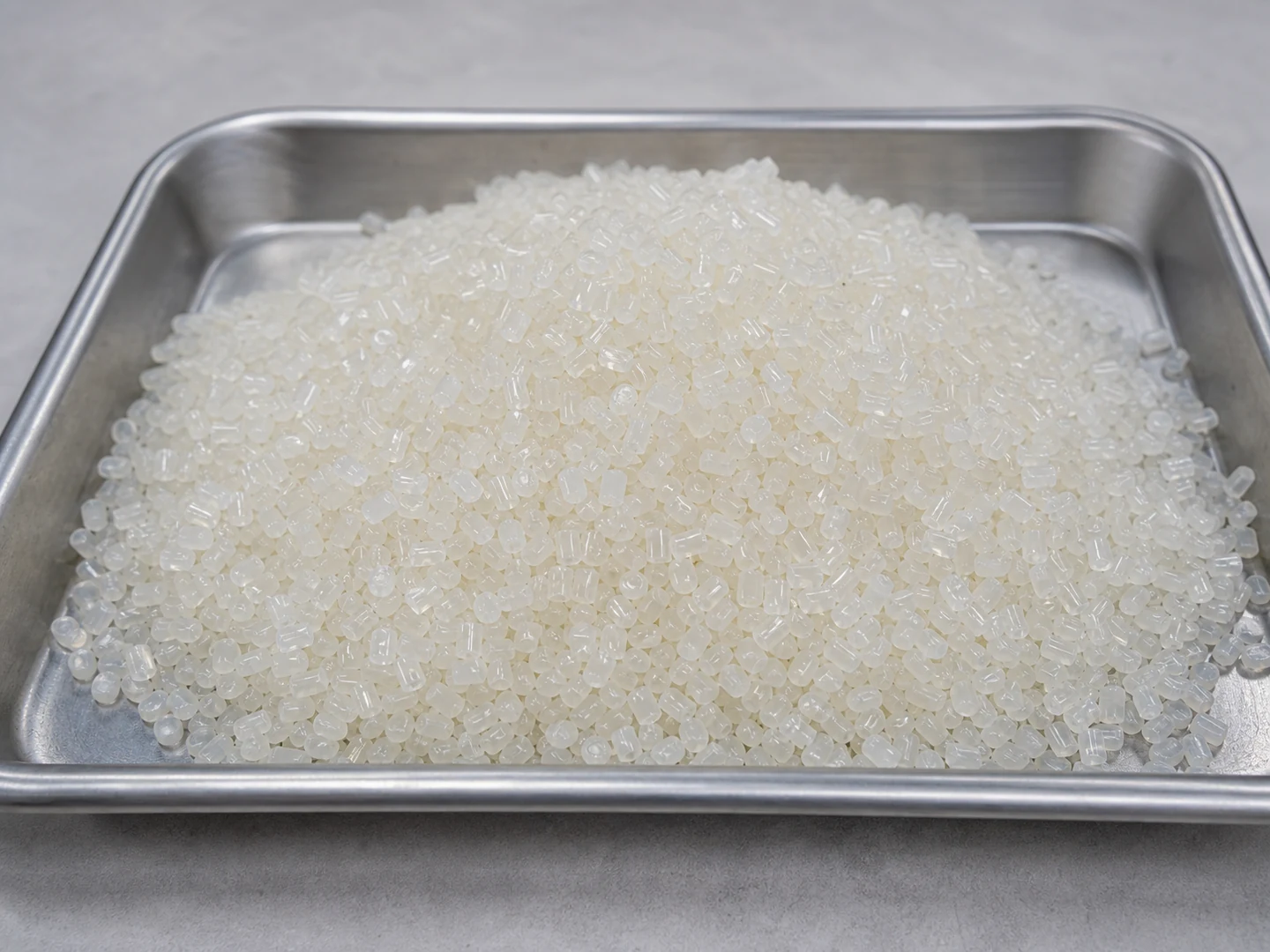
Nylon PA
Choose Nylon PA based on its stiffness, recovery, wear, wet-service, chemical, and temperature behavior.
Compare this materialCustom Manufacturing RFQ
Describe Your Application
For a custom quote, we need the key dimensions, surface or part, residue, material preference, quantity, and reference image or drawing.
Drawing or photo optional — it speeds things up, it does not gate the enquiry.
Custom Brush RFQ
Send Your Brush Project
Upload a drawing, product photo, or sample photo and provide the core dimensions and cleaning conditions.
“We need a brush to remove wet residue from a stainless steel conveyor, about 800mm wide. The current brush wears quickly. We can send photos.”
“We sell drinkware and need a cleaning brush to include with the product. Quantity around 5,000 pieces.”