
Application
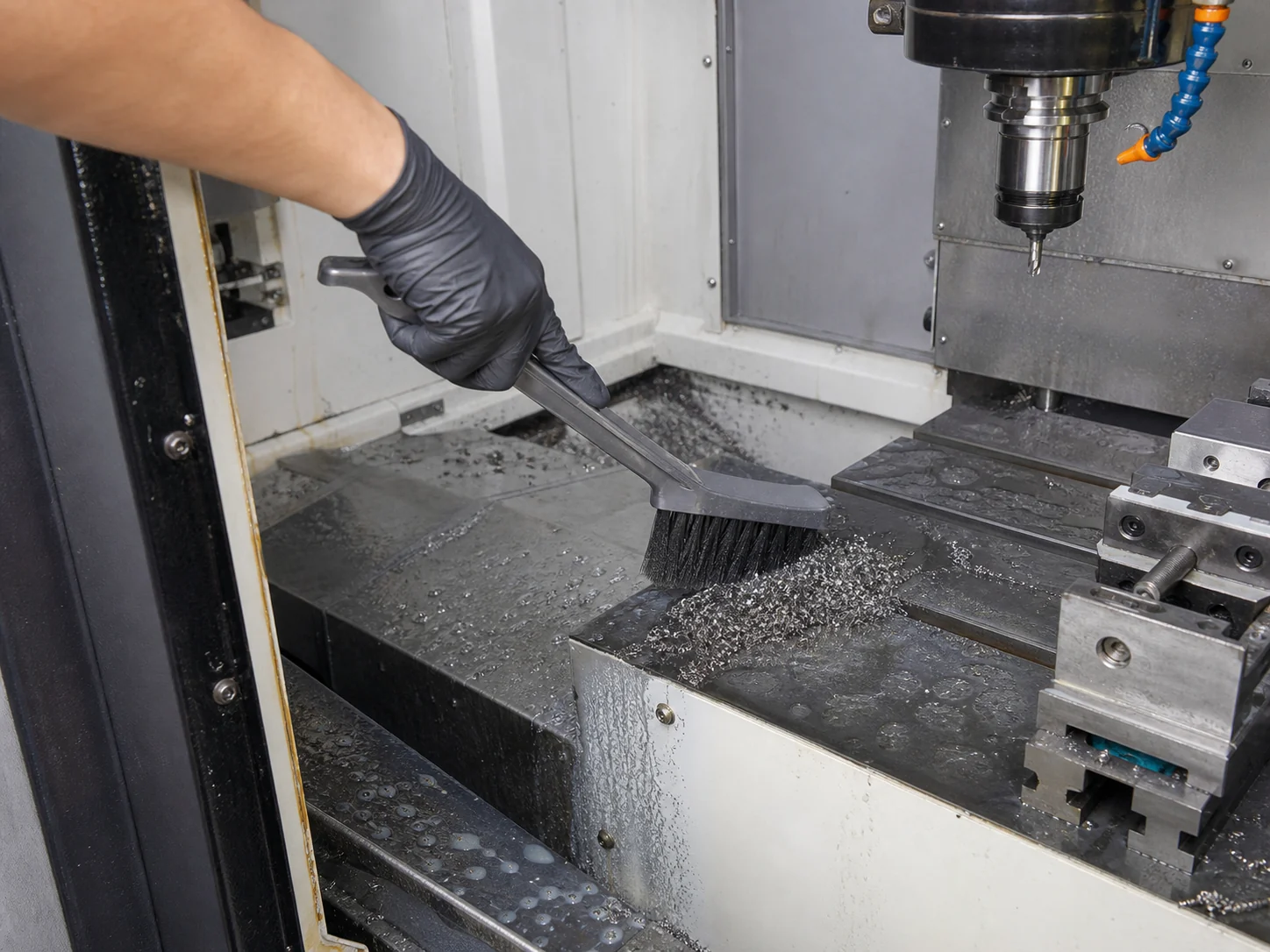
CNC Machine Chip Cleaning
For CNC Machine Chip Cleaning, the brush must reach the working area, disturb or collect metal chips/cutting fluid/oil and grease, and release it without creating unacceptable surface damage or process interference. Choose the brush structure from the available access, contact direction, and cleaning process.
At a glance
- Cleaning target
- Metal Chips/Cutting Fluid/Oil and Grease
- Working environment
- Wet Indoor Area
- Cleaning method
- Dry Brushing / Wet Brushing
- Requirements to check
- Machine-Tool Lockout/Tagout and Guarding SOP
Chips are sharp, hot and often magnetic, and the surfaces they land on are precision ones, so chip brushes must sweep ways and T-slots clear without dragging swarf across a way surface.
What makes CNC Machine Chip Cleaning different from other industrial and manufacturing cleaning?
The task is to remove Metal Chips/Cutting Fluid/Oil and Grease while controlling surface damage, residue carryover, brush shedding and chemical or temperature degradation.
The work happens in wet indoor area against metal chips, cutting fluid and oil and grease.
The part people get wrong: this is not one job. The same equipment carries several targets, each with a different opening and a different residue, and one brush rarely covers them all.
What are the most common cleaning targets in CNC Machine Chip Cleaning?
There are 5 distinct targets here, and the brush that suits one will usually not reach another.
| Part or area | Residue type | Cleaning requirement |
|---|---|---|
| Machine Bed and Way Chip | Chips, shavings and loose debris | The head must reach the working face and apply even contact without marking the surface. |
| T-Slot | Metal Chips, Cutting Fluid, Oil and Grease | The head must be narrower than the opening and stiff enough to lift residue without splaying at the mouth. |
| Spindle and Toolholder | The brush must span the working width and hold even contact along the whole face while the surface moves under it. | |
| Coolant-Tank and Screen | The tips must enter the apertures far enough to push lodged material back out, without wedging in the openings. | |
| Enclosure and Guard | The head must be narrower than the opening and stiff enough to lift residue without splaying at the mouth. |
The dimensional envelope those targets impose on the brush:
| Parameter | Typical range |
|---|---|
| Contaminant | Metal Chips/Cutting Fluid/Oil and Grease |
| Required hardness | Medium–Hard |
| Maximum temperature | 100°C |
| Chemical exposure | Cutting Fluid pH 8–10; Lubricating Oil; Degreaser |
| Cleaning method | Dry Brushing/Wet Brushing |
| Environment | Wet Indoor Area |
Which brush types work for each cleaning target?
Select hand, tube, strip, roller, disc or machine-mounted geometry from access and motion.
| Cleaning target | Recommended brush type | Why it fits |
|---|---|---|
| Machine Bed and Way Chip | Handheld Detail Brushes | Chips settle in the way covers and around the fixture, so a hand-guided head sweeps them clear of the slide surfaces before the covers are cycled. |
| T-Slot | A T-slot is a closed undercut the chip conveyor never sees, so a narrow head goes down the slot and brings the swarf back up to the table. | |
| Spindle and Toolholder | Roller and Conveyor Brushes | The taper is the one surface where a single chip changes tool position, so a brush turning against it clears the seat all round at working speed. |
| Coolant-Tank and Screen | Handheld Detail Brushes | The tank screen blinds with fine swarf, so a hand head with tips that enter the mesh pushes the chips back into the tank instead of smearing them across the face. |
| Enclosure and Guard | Guard runs and door tracks hold packed swarf along their length, so a hand-guided head follows the channel and clears it before the door starts to bind. |
Hand brushes for the bed, T-slots and toolholders with the machine in lockout; the one driven brush sits on the chip conveyor and works while it runs.
In practical brush terms: reach first, then residue. A brush that fits but is too soft can be stiffened; a brush that does not fit is simply the wrong tool.
What filament materials work best for CNC Machine Chip Cleaning?
Brass wire where chips have welded to a way cover and steel would score it, 316 stainless for the harder sweep, and PEEK or PBT on anything that sits permanently in coolant.
| If the condition is… | Filament to start with | Why |
|---|---|---|
| Chips welded to a way cover | Brass Wire | cuts the chip without scoring the slideway |
| General sweep of bed and T-slots | Stainless Steel 316 Wire | harder cut where the surface is not critical |
| Parts left standing in cutting fluid | PEEK Filament | no hydrolysis in coolant at pH 8–10 |
The constraints this application puts on the filament:
| Constraint | Value for this application |
|---|---|
| Filament hardness | Medium–Hard |
| Maximum service temperature | 100°C |
| Chemical exposure | Cutting Fluid pH 8–10; Lubricating Oil; Degreaser |
| Cleaning method | Dry Brushing, Wet Brushing |
How do I choose the right brush for my cnc machine chip equipment?
Start with medium-to-hard fill, a 100°C ceiling and cutting fluid at pH 8–10, then size to the way and T-slot dimensions being cleared.
The order that avoids rework:
- Identify the target part and measure the access opening or clearance
- Describe the residue: what it is, how thick it sits, and how strongly it holds
- Choose the construction that can physically reach that target
- Set the filament from surface risk, working temperature and cleaning chemistry
- Fix filament diameter, free trim length and density for the contact pressure you need
- Run one cycle and check the result before committing to a production quantity
Before you commit to a quantity, send the way and T-slot dimensions, the chip material, and the enclosure access.
When is a CNC machine chip brush the wrong tool?
A chip conveyor and a vacuum remove swarf without dragging it across a way surface, which is the real risk here. Compressed air is equally wrong, since it drives chips into ways and seals, and nothing is cleared while the machine is live.
What common mistakes should I avoid in CNC Machine Chip Cleaning?
- Ordering by machine model rather than by the way, T-slot and enclosure dimensions being cleared
- Changing the filament while leaving excessive engagement, poor alignment or no discharge path unchanged
- Copying a worn brush without first recording its motion, direction, mounting and original working diameter
When a brush is running but not cleaning, start here rather than adding pressure:
| Symptom | What to change |
|---|---|
| Residue remains | Increase discharge or relative motion before adding pressure |
| Surface marks | Reduce engagement and use finer/softer fill |
| Rapid wear | Check alignment, temperature and chemical attack |
| Redeposition | Add wash, vacuum or collection path |
Questions this page is asked
When is manual brush cleaning allowed inside a CNC machine enclosure?
Use manual access only in the machine's authorized stopped and isolated condition, with spindle, axes, tool changer, auger and other stored-energy movements controlled by the applicable procedure. Keep hands and tools outside the enclosure during automatic operation even when motion appears paused.
How does chip form change the brush-cleaning method on a CNC machine?
Use a tool that keeps sharp short chips, stringy swarf and coolant-wet packs away from the operator while moving them toward the machine's designed collection path. Do not pull wrapped chips by hand or force a brush into augers, way covers, sensors or seals, and use the machine-maker's removal method for packed or entangled material.
Why is a spindle taper cleaned differently from the general CNC work area?
The taper is a precision locating and clamping interface, so abrasive filaments or retained chips can alter seating, runout and tool retention. Clean and inspect it only with the model-authorized taper tool and procedure, then investigate fretting, scoring or persistent contamination instead of brushing more aggressively.
Guides that go deeper on this
We have not written a guide specific to this one yet. The material that covers selection, filament, dimensions, maintenance and sourcing is collected in the technical resources library.
Continue Exploring
Recommended Reading & Related Brush Resources
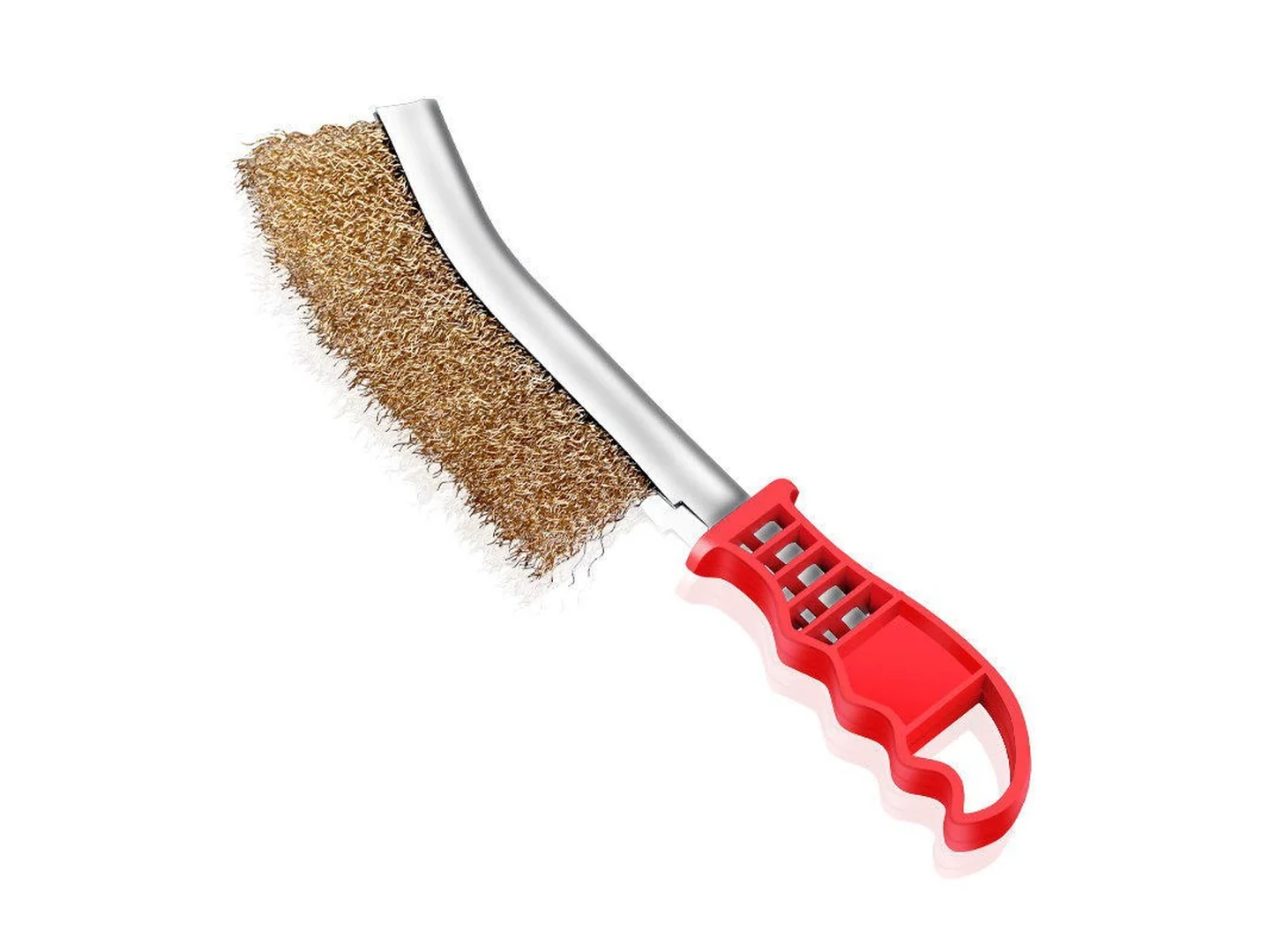
CNC Tool Cleaning Brush
CNC tool cleaning brush with bronze or nylon bristles for ER collets, HSK/BT tapers,…
See the specification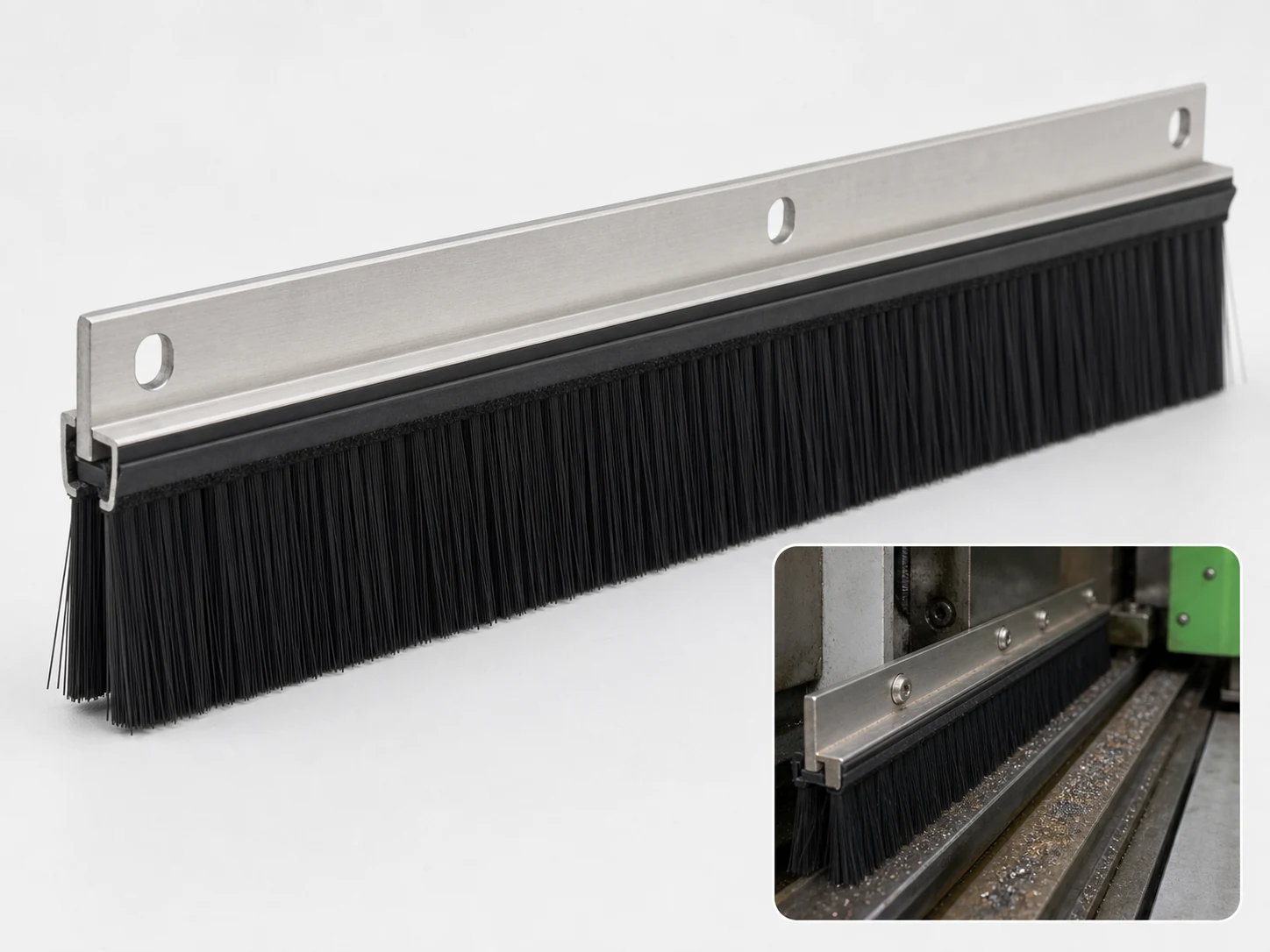
Machine Guide Rail Brush
Custom machine guide rail brush for cleaning slots, rails, pins, and narrow machine paths.…
See the specification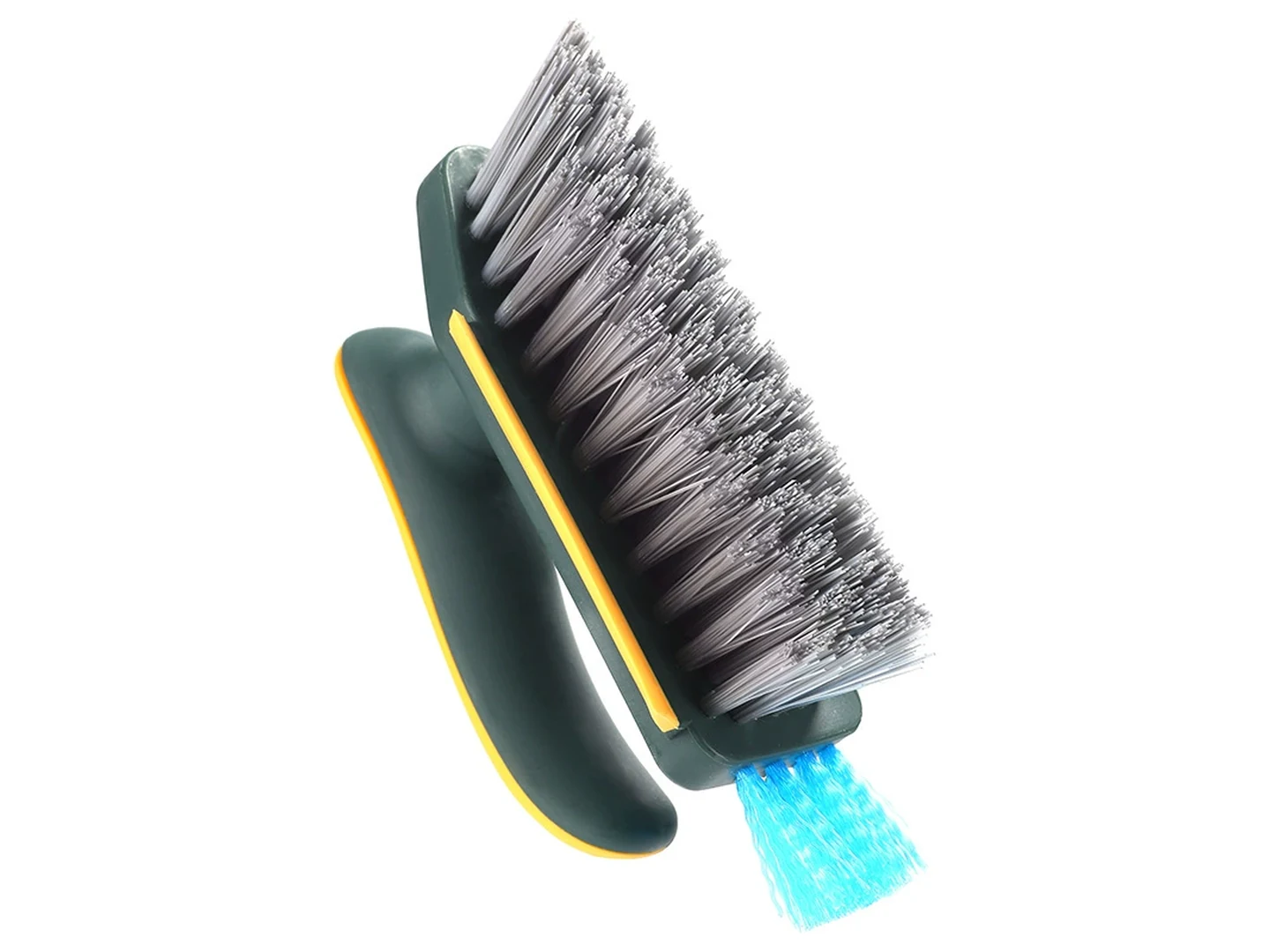
Slot Cleaning Brush
Narrow nylon PA brush built to a chosen slot width from 2 mm to…
See the specification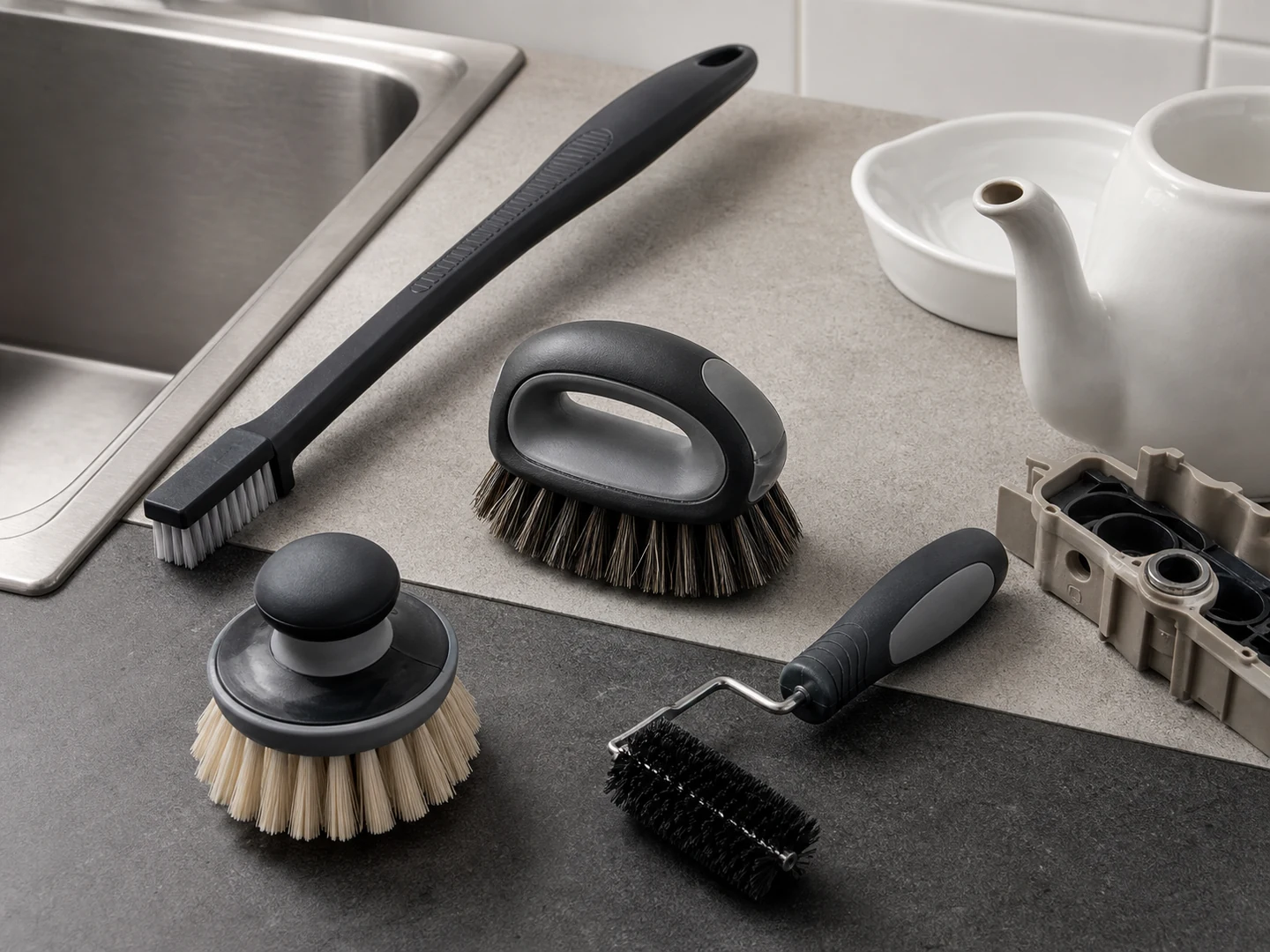
Custom Handheld Detail Brushes
Choose a handheld detail brush when you need direct control in seams, recesses, fittings,…
See how this type is built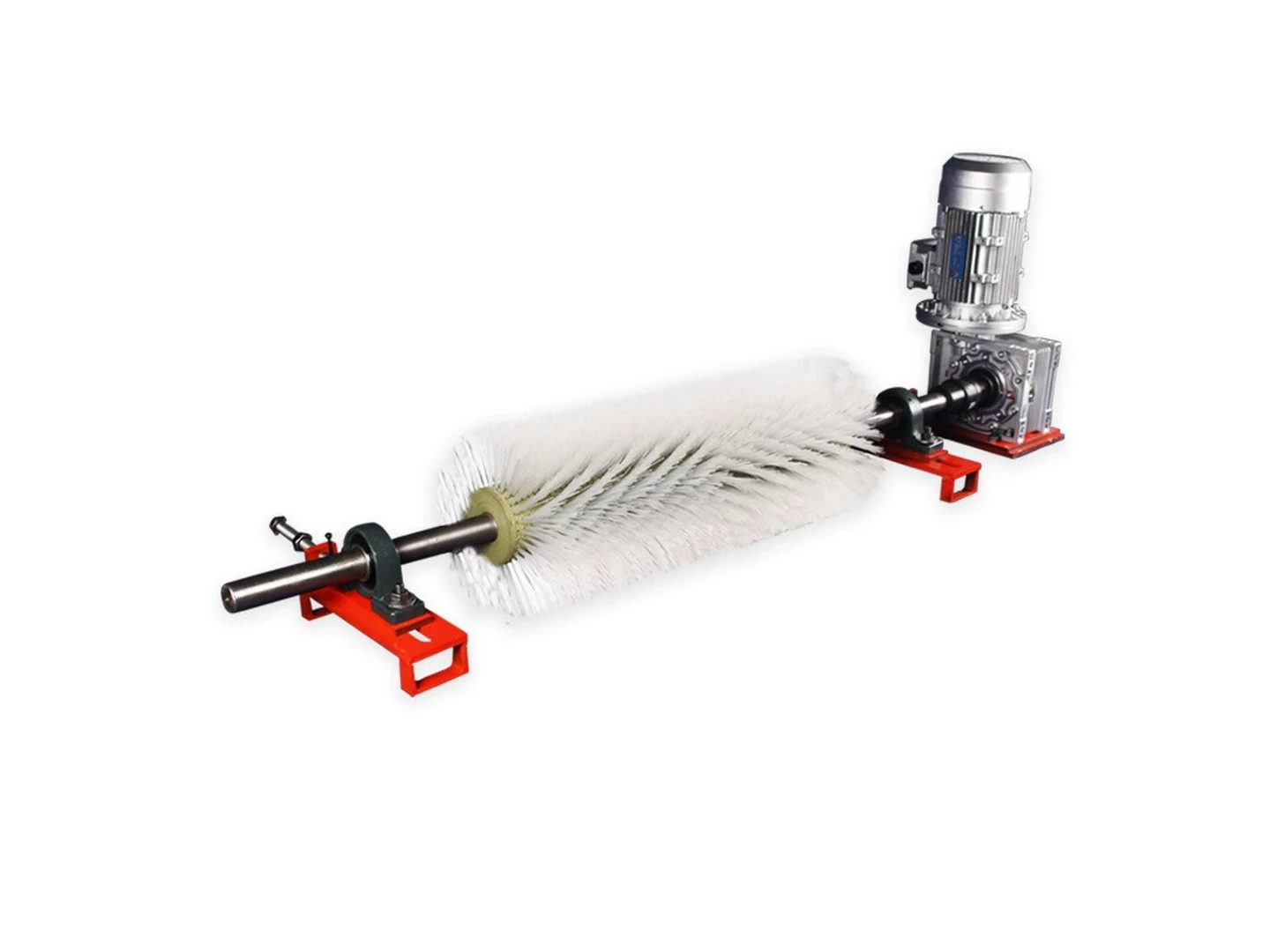
Custom Roller and Conveyor Brushes
Choose a roller or conveyor brush when a cylindrical brush must clean, wipe, guide,…
See how this type is built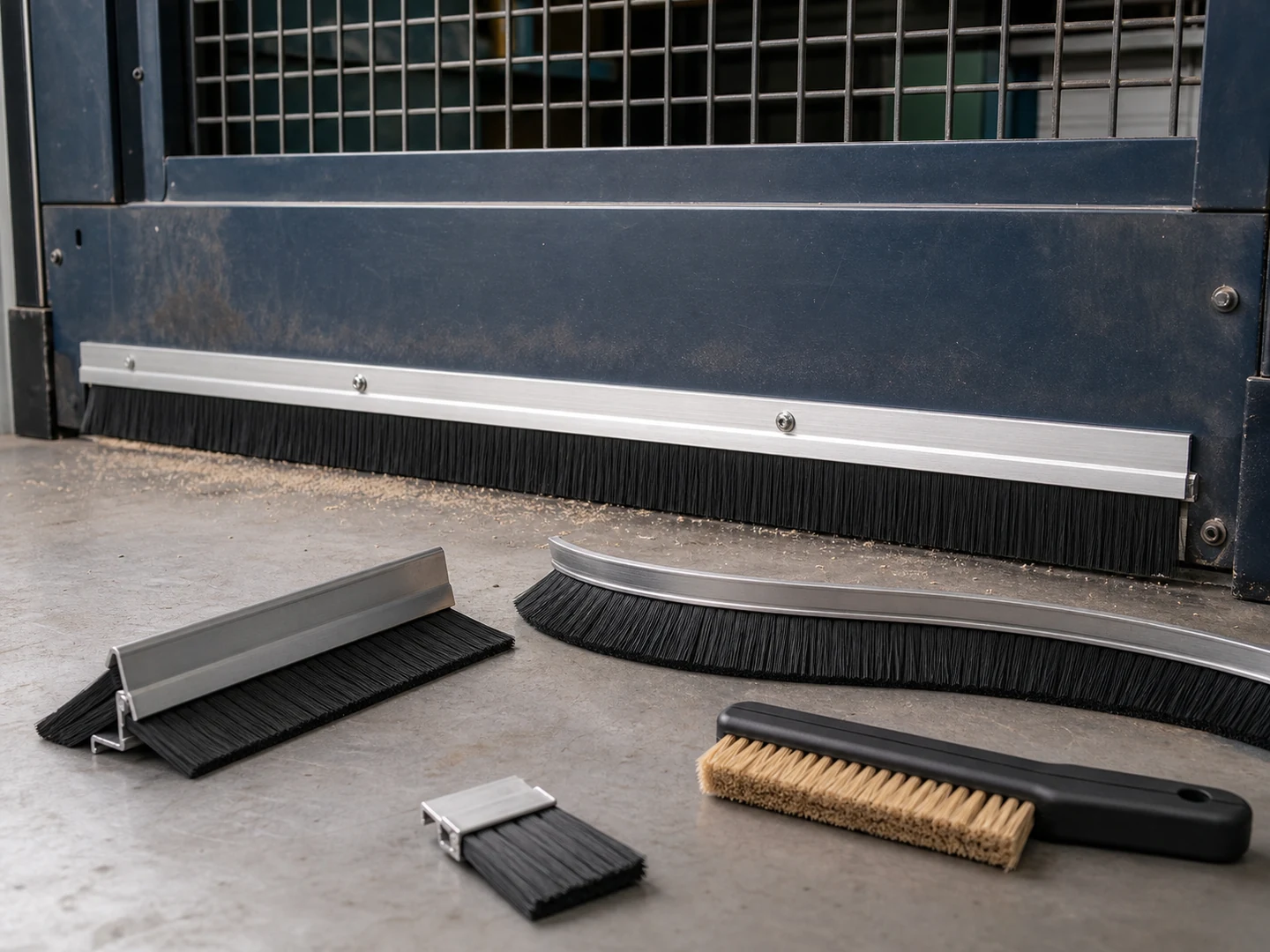
Custom Strip Seal Brushes
Choose a strip seal brush when a continuous line of filament must seal, wipe,…
See how this type is built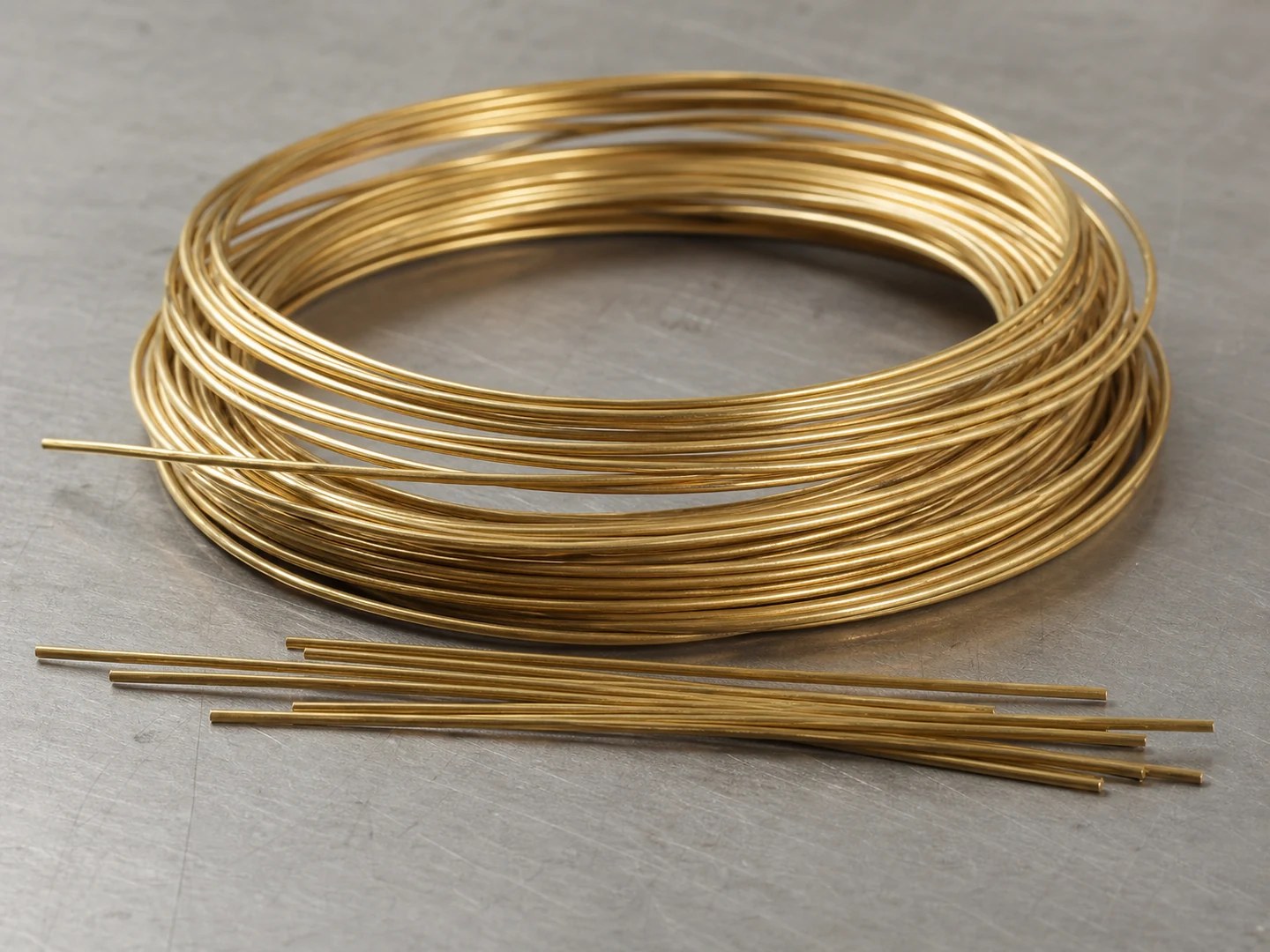
Brass Wire
Choose Brass Wire based on its stiffness, recovery, wear, wet-service, chemical, and temperature behavior.
Compare this material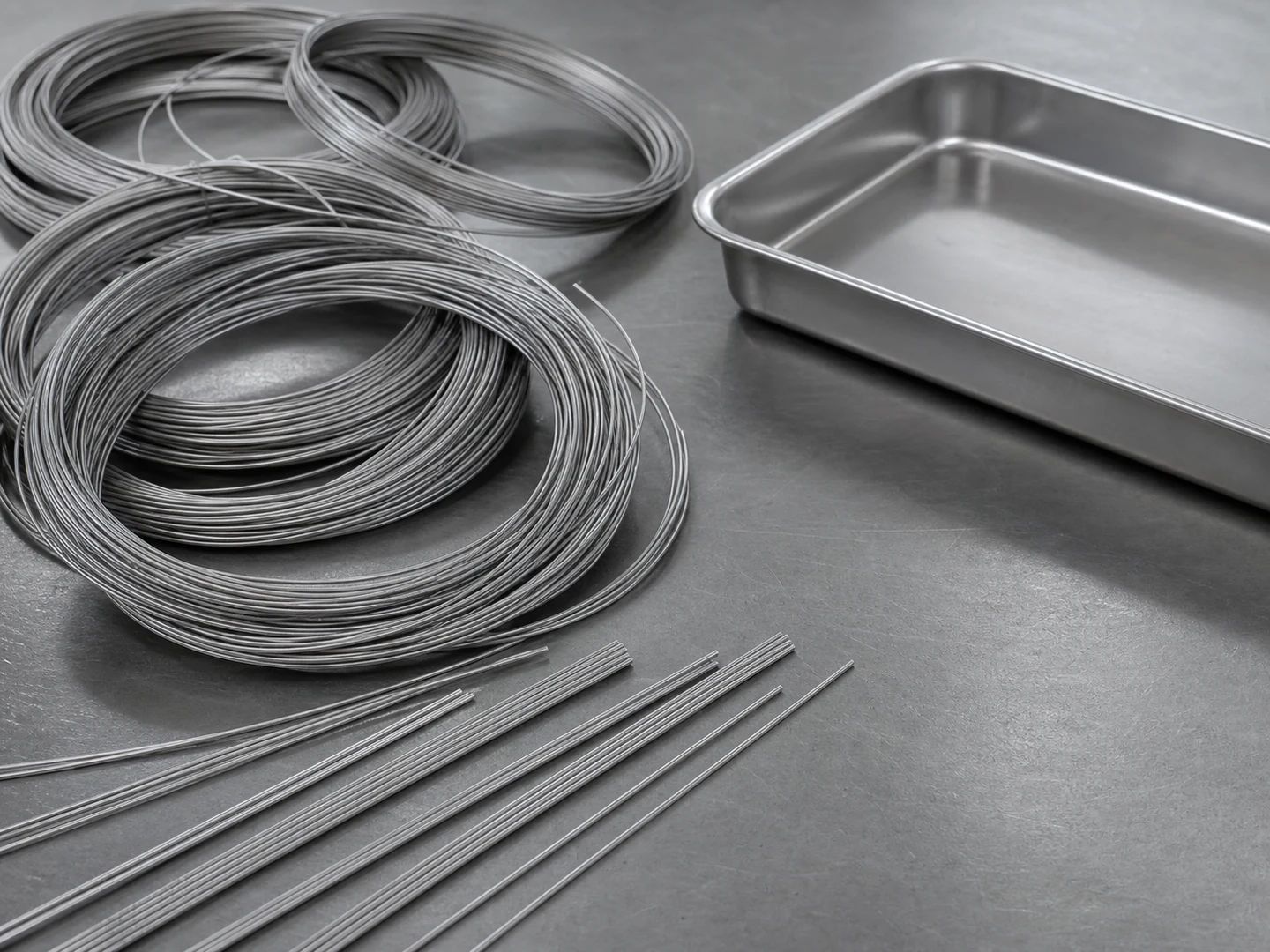
AISI 316 Stainless Steel Wire
Choose AISI 316 Stainless Steel Wire based on its stiffness, recovery, wear, wet-service, chemical,…
Compare this materialCustom Manufacturing RFQ
Discuss This Application
Share the working surface, residue, dimensions, material direction, interface, quantity and drawing or sample photo.
Custom Brush RFQ
Request a Custom Cleaning Brush Quote
Upload a drawing, product photo, or sample photo and provide the core dimensions and cleaning conditions.
“We need a brush to remove wet residue from a stainless steel conveyor, about 800mm wide. The current brush wears quickly. We can send photos.”
“We sell drinkware and need a cleaning brush to include with the product. Quantity around 5,000 pieces.”