Quick Answer
Brush wear is a process record. Uniform shortening indicates normal service; bent or glazed filament indicates excess heat or engagement; one-sided wear indicates alignment or runout; missing tufts or wire fragments indicate construction, snagging, or overspeed problems.
Wear Pattern Diagnostic Table
| Wear pattern | Likely cause | Correction |
|---|---|---|
| Uniform trim loss | Normal abrasive wear | Track diameter/trim and replace at the performance limit |
| Filament permanently bent in one direction | Excess engagement, long dwell, heat, or storage under load | Reduce contact, improve cooling, unload during storage |
| Glazed or melted polymer tips | Surface speed, friction, or temperature too high | Lower equipment speed/engagement, add fluid or choose higher-temperature fill |
| One edge worn faster | Misalignment, shaft deflection, belt tracking, uneven support | Realign, stiffen shaft, support surface, correct runout |
| Center worn faster | Crowned surface, shaft bow, excessive center pressure | Correct support/profile or use segmented/contoured face |
| Tufts pulled out or wire broken | Snagging edges, reverse impact, overspeed, weak retention | Deburr contact path, change construction, reduce speed |
| Brush packed with residue | Fill too dense, sticky soil, no discharge path | Open pattern, wash, air, vacuum, scraper, or easier-release filament |
| Corrosion or embrittlement | Wrong metal/polymer for chemical or temperature | Change material and cleaning/storage method |
Measure Instead of Guessing
Record new outside diameter or trim, minimum service diameter, runout, shaft straightness, motor current, cleaning passes, line speed, equipment speed, engagement, temperature, and hours/cycles. Photograph the same zones at each inspection. The data distinguishes normal wear from a setup problem.
When to Recondition
Refill a roller when the shaft, core, journals, hubs, and balance surfaces remain sound and the brush face is the wear item. Replace the complete assembly when the core is cracked, shaft is bent, journals are worn, corrosion affects retention, or redesign costs less than restoring the existing geometry.
Preventive Actions
- Clean the brush before residue hardens.
- Reverse or rotate paired cylinders when the machine design allows it.
- Store long-trim brushes without compressing the face.
- Keep dedicated wire brushes separated by work material.
- Use guards and supports that prevent side impact and product wrapping.
Technical References
Which bristle material fits this job — PA612 Nylon, AISI 304 Stainless Steel Wire or AISI 316 Stainless Steel Wire?
| Material | Continuous temperature (°C) | Peak temperature (°C) | Water absorption | Hardness |
|---|---|---|---|---|
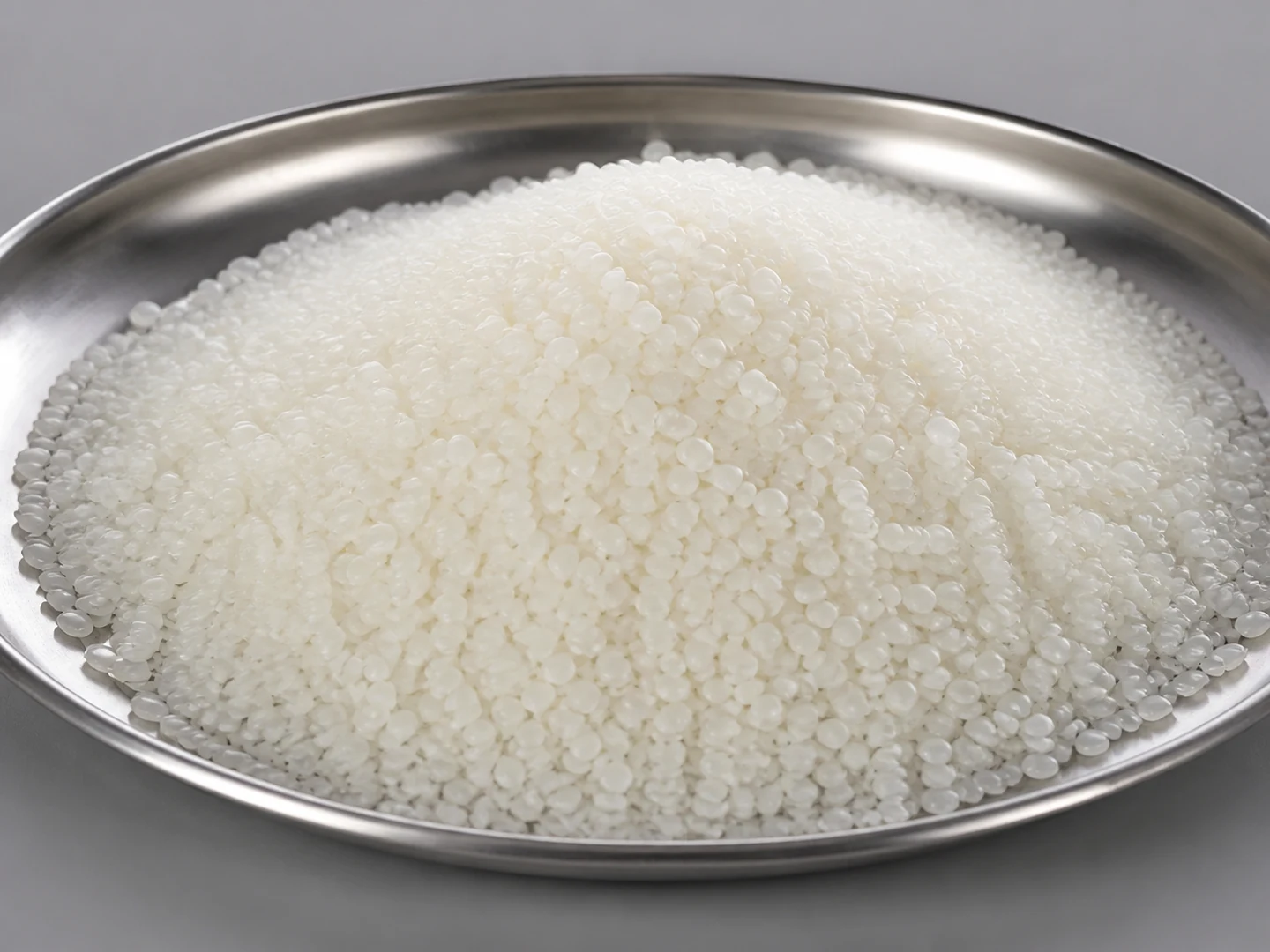
| PA612 Nylon | 90–110 | 130–150 | 0.3–0.7% | Shore D 70–80 |
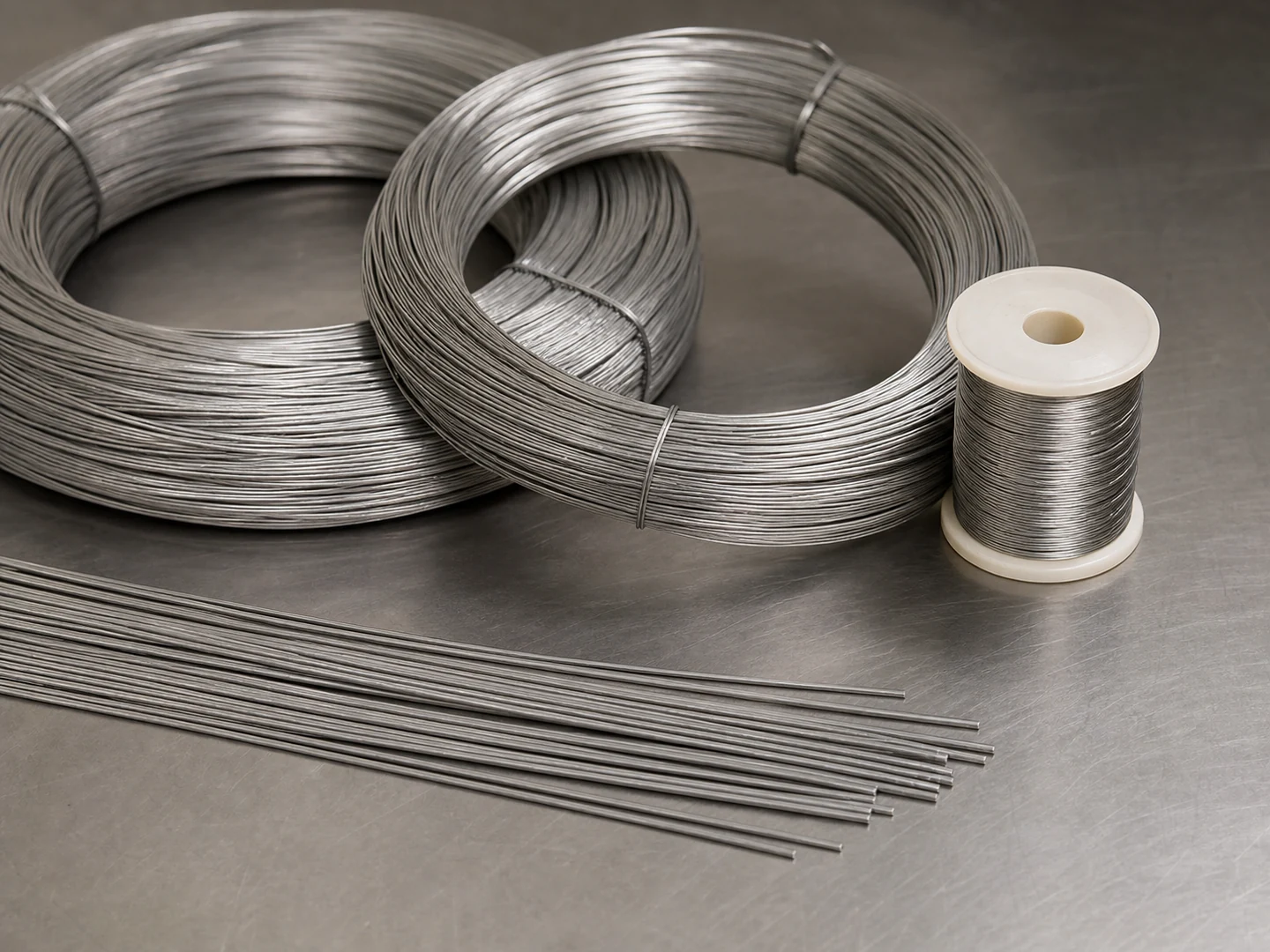
| AISI 304 Stainless Steel Wire | 400 | 500 | 0% | Rockwell B 70–95 depending on temper and cold work |
| AISI 316 Stainless Steel Wire | 400 | 500 | 0% | Rockwell B 70–95 depending on temper and cold work |
| Abrasive Nylon | 120 | 150 | 0.1–1.0% | Abrasive filament; stiffness and cutting level is controlled by PA base, grit type, grit size, filament diameter and trim height. |
Figures as published by Brushtec / DuPont; Alleima; Perlon. Confirm the exact grade against the supplier datasheet before ordering.
When are Roller and Conveyor Brushes the wrong choice?
- Roller and Conveyor Brushes — Use a stationary strip brush for a fixed linear seal or wipe, or another process when rotating line contact interferes with the product or cannot discharge the residue safely.
- Strip Seal Brushes — Use rubber lips, foam, labyrinth seals, air curtains, or rigid scrapers when pressure sealing or liquid containment is required.
- Wheel Brushes — Use a cup brush for broad open surfaces, an end brush for confined recesses, or a non-brush process when the target finish or surface cannot tolerate rotating filament contact.
- PA612 Nylon — PA612 costs more than general PA6 and should be used where its wet stability, recovery or wear life creates a real process benefit.
What should replace Roller and Conveyor Brushes when they stop working?
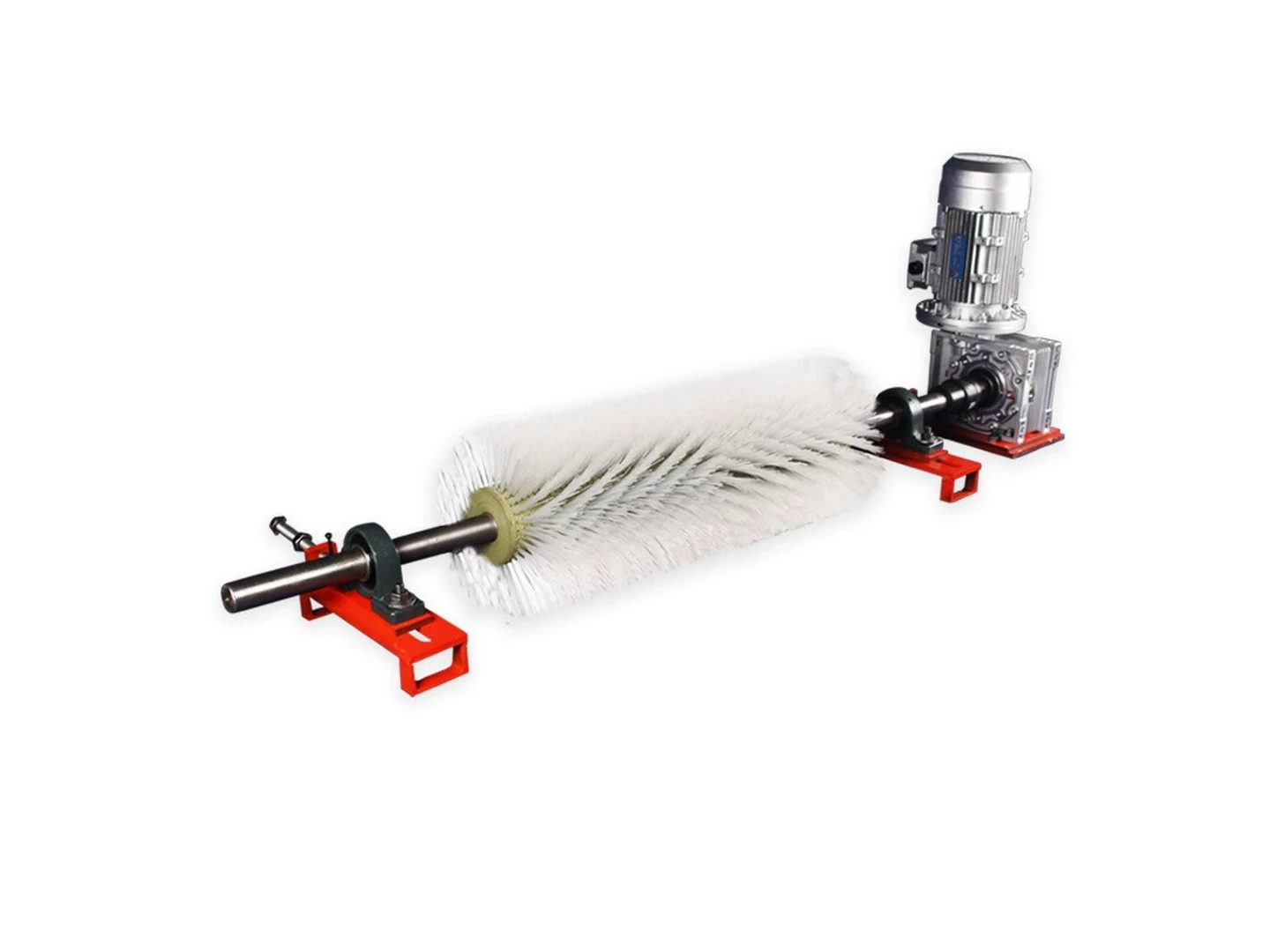
- Roller and Conveyor Brushes — Roller and conveyor brushes hold cylindrical line contact across a working width, including helix-wound builds where the filament path is set to move loosened material toward one side; a strip brush holds the same line without rotating, so it seals or wipes but cannot carry residue along the width.
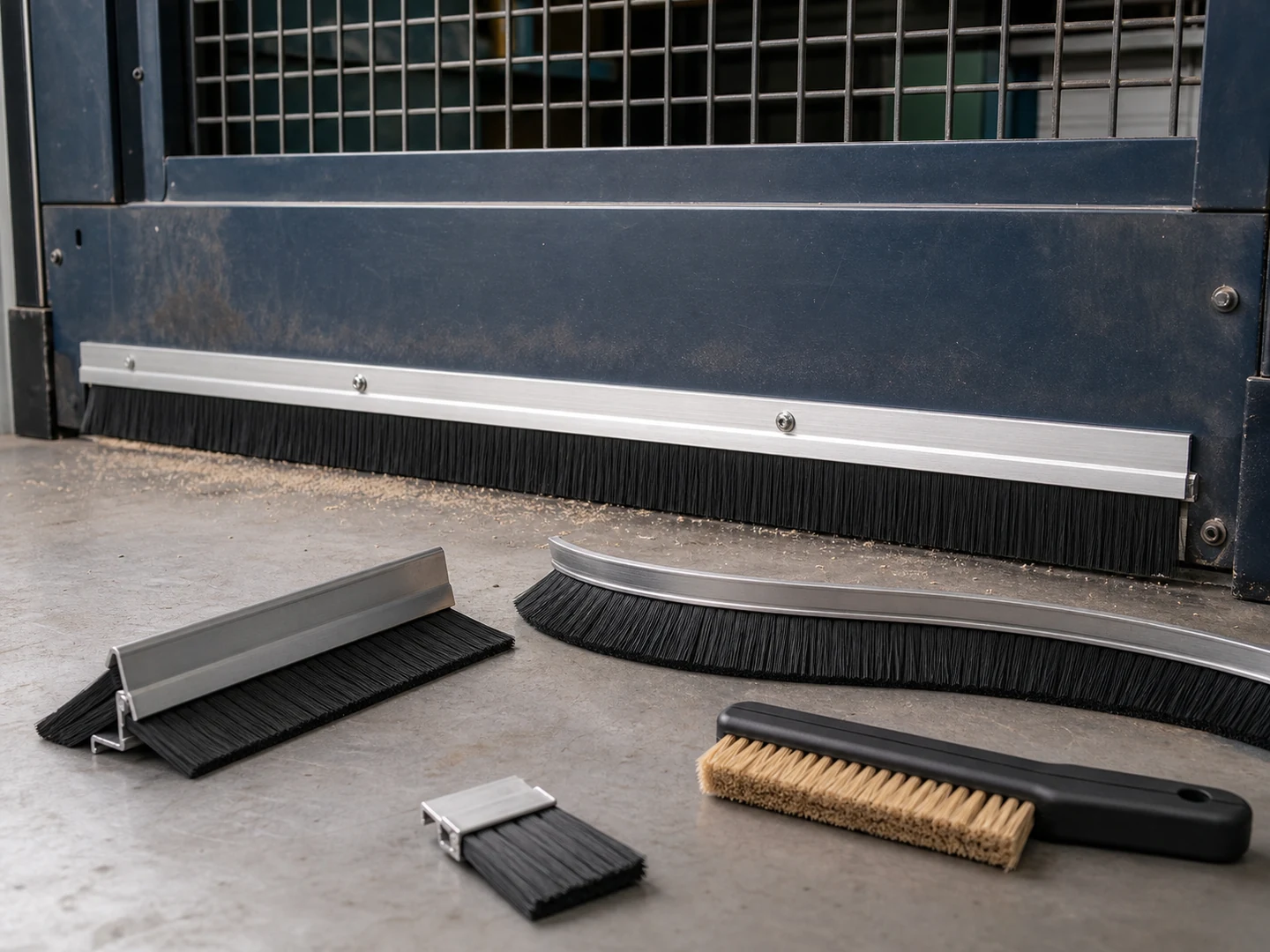
- Strip Seal Brushes — Strip brushes create a linear barrier or guide; machine-table brush plates distribute load and support products over a broad area. Closest alternative: Machine Table Brush Plates.
- Wheel Brushes — Wheel brushes give narrow edge contact; cup brushes cover a broader open face, while end brushes concentrate contact at the end of a small stem for recesses.
- PA612 Nylon — Compare PA612 Nylon with PA66, PP, PBT. Change material when wet stiffness, temperature, chemical resistance, conductivity, particle shedding, or surface marking becomes the limiting factor.