
Custom Cleaning Brush
Tank Brush
Long-reach manual tank brush for biofilm, sludge, scale and product residue on curved walls, welds, baffles and bottom transitions in beverage and dairy.
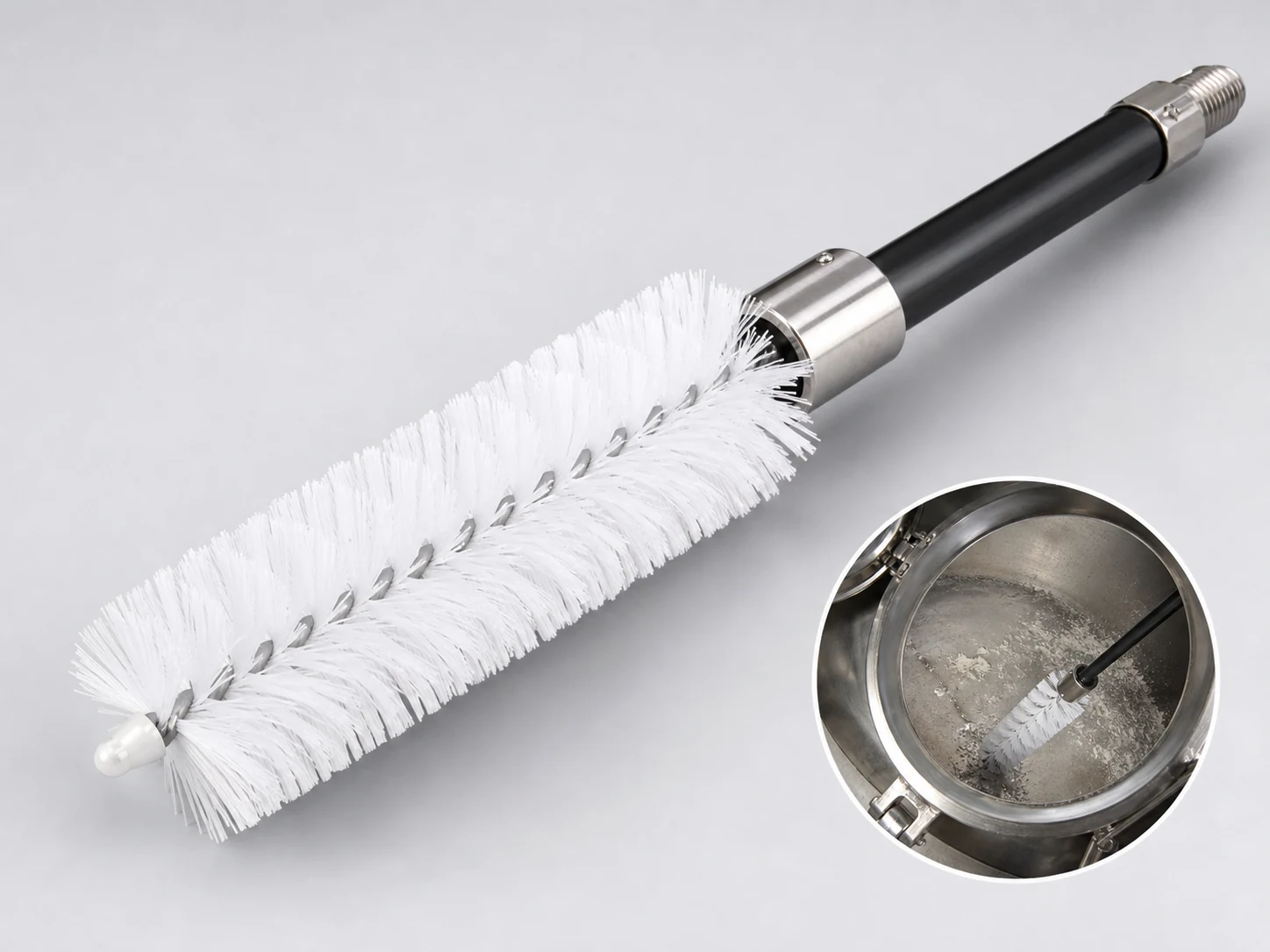
Medium brush
100 pcs
Minimum order
Worked with two hands or on a pole: chimney, gutter and pond-filter brushes, discs, cups and tank brushes.
Production lead time, once the specification is confirmed
- Up to 100 pcsWithin 7 days
- 101–5,000 pcsWithin 14 days
- 5,001–50,000 pcsWithin 21 days
- Over 50,000 pcsConfirmed with your quotation
Peak season can extend these times; the shipping date is confirmed in writing with your quotation. Sampling and shipping are quoted separately.
Designed for manual cleaning of curved interior walls, welds, baffles, and bottom transitions in process tanks and vessels, this long-reach tank brush removes biofilm, sludge, mineral scale, and product residue using durable PBT, PP, or PA filaments.
What can this brush do for you?
Wide head covers large tank surfaces quickly
The 100–300 mm head width lets operators clean broad wall sections in fewer strokes. The filament coverage spans the curvature so you don’t have to overlap excessively, reducing cleaning time per tank.
Long handle reaches deep without confined-space entry
Standard 400–800 mm handles reach into typical vessel depths from the manway or open top. Telescopic or threaded extensions can extend reach up to 2 m for taller tanks, keeping the operator outside the tank.
Filament materials survive aggressive cleaning chemicals
PBT resists hydrolysis and many cleaning agents; PA (Nylon) offers flexibility and abrasion resistance; PP provides economical chemical resistance. Selecting the right material prevents bristle softening, breakage, or contamination of the product.
Trim length and density work into welds, seams, and baffle edges
30–80 mm trim allows filaments to flex into recessed weld lines and behind baffle edges, dislodging biofilm and product residue from areas a flat pad or sponge cannot reach.
Handle options improve control and storage
One-piece, threaded, or telescopic configurations let you match the handle to the tank access and operator reach. Threaded handles can be broken down for storage or replaced when worn.
What is a Tank Brush?
A tank brush is a hand-guided cleaning tool with a wide, dense filament head mounted on a long handle, used to scrub the interior walls of tanks, vessels, and similar enclosed containers. It is designed for manual cleaning through a manway, inspection port, or open top, where the operator cannot reach the surfaces directly.
The operator applies cleaning solution to the wall or the brush, then scrubs with back-and-forth or circular motions, using the handle for leverage. The filaments conform to curved surfaces, reach into weld depressions and baffle gaps, and lift biofilm, sludge, scale, and product film from the metal or coated surface.
It is not a power tool and not a substitute for CIP. It is used for spot cleaning, verification cleaning, or where CIP cannot fully reach. It requires physical effort and control.
Operating considerations: Use compatible chemicals; rinse after use; inspect for damage. The brush should be matched to surface sensitivity.
Technical Specifications
The table below lists standard and adjustable parameters. All dimensions and material selections can be customized for your tank geometry and cleaning process.
| Parameter | Value / Options |
|---|---|
| Head width | 100–300 mm (project-specific) |
| Overall length | 400–800 mm standard; up to 2000 mm with extension handle |
| Trim length | 30–80 mm |
| Filament diameter | 0.25–0.60 mm |
| Handle diameter | 22–40 mm |
| Handle configuration | One-piece, threaded, or telescopic |
| Fill materials | PBT, Polypropylene PP, Nylon PA |
| Bristle pattern | Straight, spiral, or staggered row (project-configurable) |
| Chemical / temperature exposure | Material-dependent; specify your cleaning agents and wash temperature |
| Brush type | Custom Handheld Detail Brushes |
| How it is driven | Hand-guided |
| Cleaning target | fermentation tank and bright beer tank, dairy and food mixing vessel, and wine tank and barrel cleaning |
| Surface or part | tanks, walls, baffles, welds, vessels, bottom transitions, agitator zones, and tank walls |
| Residue or debris | biofilm, scale, sludge, mineral scale, product residue, yeast, chemical film, and hop residue |
| Mounting / connection | Fixed |
Where does this brush work best?
- Fermentation tanks and bright beer tanks: remove beer stone, yeast biofilm, and hop residues from stainless walls and welds.
- Dairy and food mixing vessels: scrub product residues, cream films, and bacterial biofilms from curved tank interiors and agitator zones.
- Wine tanks and barrels: remove tartrate scale, yeast deposits, and color film from tanks and large wooden or stainless vessels.
- Chemical storage and blending tanks: remove chemical films, sludge, and settled solids from wall and bottom transitions.
- Water storage and treatment tanks: remove biofilm, algae, and mineral scale from tank walls, baffles, and drain zones.
How do I choose the right one?
Measure tank geometry and access first
Record the manway or opening diameter, tank internal diameter, and tank depth or height. The brush head must pass through the access opening and still allow the operator to rotate it against the wall. The handle length must reach the bottom without requiring the operator to lean into the tank.
Match filament material to your cleaning chemicals and temperature
PBT offers the best resistance to hydrolysis and many cleaning chemicals, making it a strong default for beverage and dairy hygiene. Nylon PA provides flexibility and good abrasion resistance but can degrade in strong acids or high-temperature caustic solutions. PP is economical and chemical-resistant but softens at lower temperatures. Provide your chemical name and concentration to confirm compatibility.
Select filament diameter and trim length for your residue and surface
Finer filaments (0.25–0.35 mm) are gentler on polished or electro-polished stainless steel and reach into narrow weld grooves. Coarser filaments (0.40–0.60 mm) provide more aggressive scrubbing for sludge and mineral deposits. Longer trim lengths conform better to curved walls, while shorter trim delivers firmer pressure on flat areas.
Decide on handle configuration
A one-piece handle is simplest and most durable for single-tank use. Threaded handles allow you to add or remove extension sections for different tank depths. Telescopic handles offer quick adjustment in the field. Choose based on operator convenience and storage requirements.
Consider tank internals
If the tank has an agitator shaft, baffles, or internal coils, the brush head may need to be narrower or shaped to fit around them. In some cases, a detachable head or a two-piece design lets you pass the head through the manway separately.
When a tank brush may not be the best choice
If your tank requires frequent, automated whole-tank cleaning, a CIP system is typically faster and more consistent for routine sanitation. This tank brush is ideal for manual spot cleaning, pre-CIP debris removal, post-CIP verification, or cleaning areas that CIP nozzles cannot reach. If the residue is extremely hard, cemented mineral scale, you may need chemical pre-treatment or an abrasive filament option, which we can discuss.
Can I customize this brush?
We can adjust the following to match your tank and cleaning process:
- Head width and shape: flat, curved, or angled to match tank curvature and internal features.
- Trim length and filament diameter: for surface protection or more aggressive scrubbing.
- Filament material: PBT, PP, PA, or other engineering polymers based on chemical exposure.
- Overall length and handle configuration: one-piece, threaded, telescopic, or custom extension.
- Handle grip: material, color, ergonomic shape, hanging loop.
- Bristle pattern: straight rows, spiral, staggered, or a combination for debris channeling.
- Color coding: custom filament color for zone or chemical identification.
- Marking and packaging: logo printing, label, bulk packing, or individual bag.
To define your custom tank brush, provide the following: tank internal diameter and height, manway or opening size, surface material (e.g., 304/316 stainless, coated steel, plastic), type of residue, cleaning chemicals and concentration, operating temperature, and expected cleaning frequency. A sketch or photo of the tank interior helps us confirm geometry.
If your project requires material documentation, inspection reports, or third-party testing, we can coordinate these as part of the custom order.
When is a tank brush worn out rather than just dirty?
How do I know if the brush head will fit through the manway?
Measure the manway opening and compare it with the brush head width plus the handle diameter. The head must pass through with at least 10–15 mm clearance on all sides. If clearance is tight, consider a detachable head or a narrower head with longer trim to compensate for coverage.
Can I use this tank brush with strong acid or caustic cleaners?
Yes, but the filament material must be matched to the chemical. PBT generally withstands many cleaning agents and hydrolysis, while PA and PP have specific limits. Provide the chemical name, concentration, and temperature, and we will confirm compatibility before production.
How do I clean and store the brush between uses?
Rinse the brush thoroughly with clean water to remove all residue and cleaning chemicals. Allow it to air dry completely before storage. Hang the brush by the handle to prevent filament deformation. Do not leave the brush soaking in chemical solution for extended periods.
What should I inspect before each use?
Check for broken or frayed filaments, loose bristles that could detach into the tank, bent or cracked handles, and any signs of chemical degradation such as softening or discoloration. Replace the brush if filament loss is significant or the handle is no longer rigid.
How can I tell whether the tank wall is actually clean after brushing?
Rinse the wall and inspect with a flashlight. Wipe a suspected area with a clean white cloth; any residue or discoloration indicates incomplete cleaning. For hygiene-critical tanks, an ATP swab or microbial test can confirm cleanliness. If residue remains, you may need a different filament stiffness, longer trim, or additional cleaning solution.
Does this brush replace automated CIP cleaning?
No. Tank brushing is a manual method for spot cleaning, pre-treatment, or verification. CIP systems provide automated, repeatable cleaning of the entire tank. Many facilities use both: CIP for routine cycles and a tank brush for stubborn areas or manual inspection cleaning.
Guides that go deeper on this
Brewery Tank Brush Mistakes to Avoid
Read this guideGuideBrewery Tank Brush vs Standard: Small Beverage Channels
Read this guideGuideHow to Choose Brewery Tank Brush for Milk Residue
Read this guideGuideWater Treatment Tank Brush: Sludge, Biofilm and Wet Access
Read this guideGuideWhen to Use a Brewery Tank Brush in a Brewery Tank
Read this guideGuideWhen to Use a Brewery Tank Brush in Small Beverage Channels
Read this guideGuideTank and Vessel Cleaning Brush Design
Read this guideRELATED BRUSH RESOURCES
Recommended Reading & Related Brush Resources
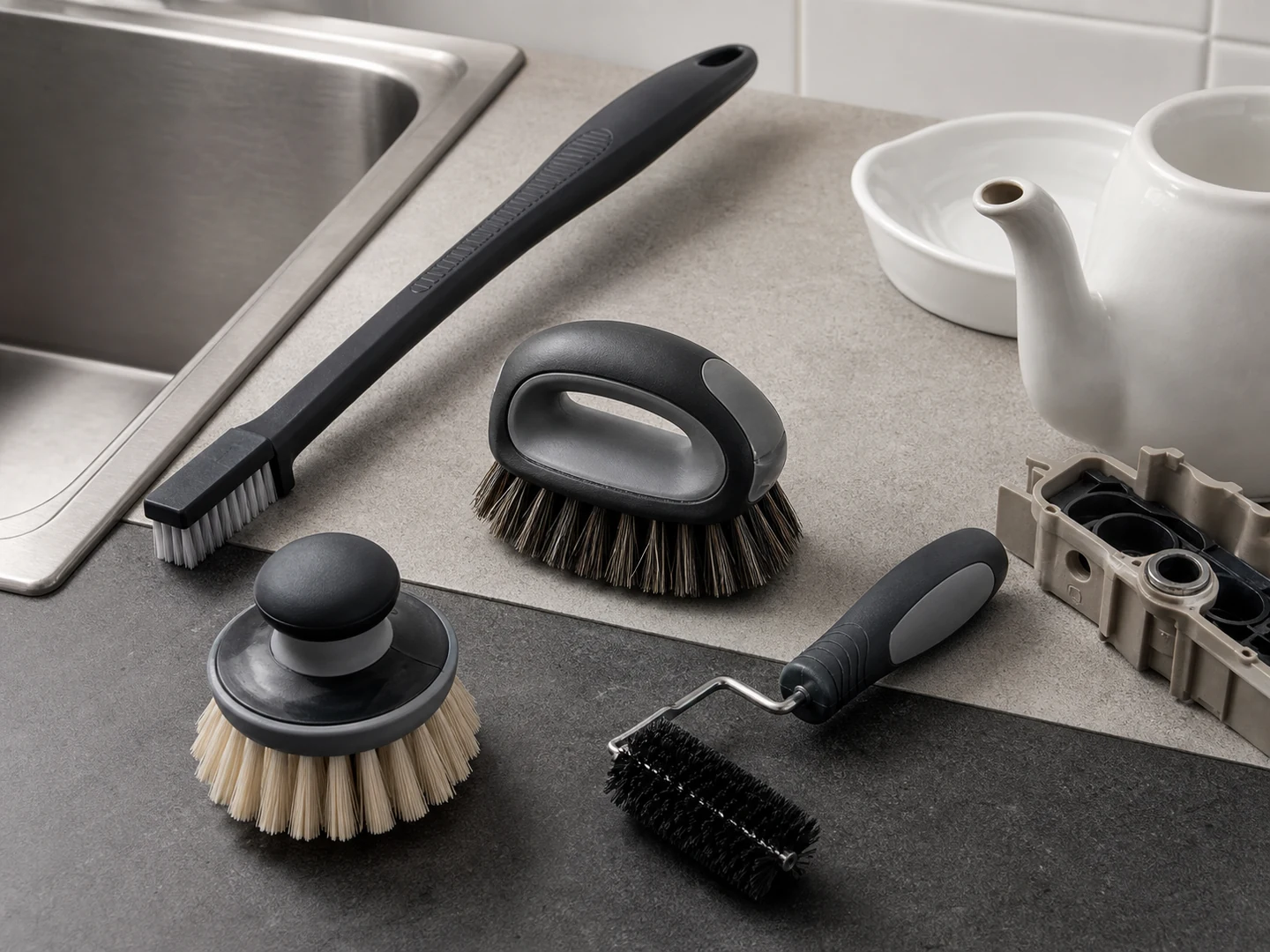
Custom Handheld Detail Brushes
Choose a handheld detail brush when you need direct control in seams, recesses, fittings,…
See how this type is built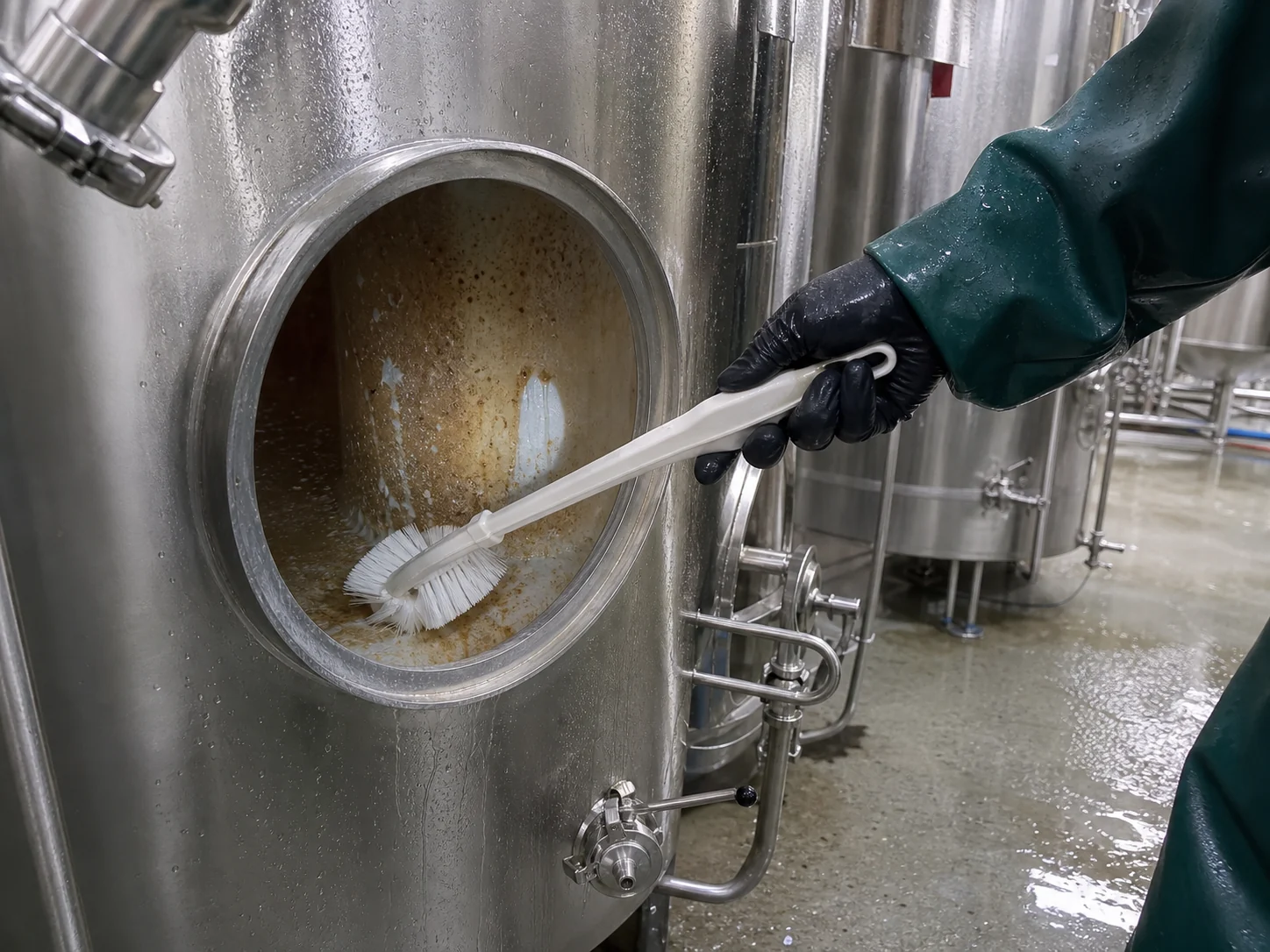
Beer Fermentation Tank Cleaning
For Beer Fermentation Tank Cleaning, the brush must reach the working area, disturb or…
See the cleaning job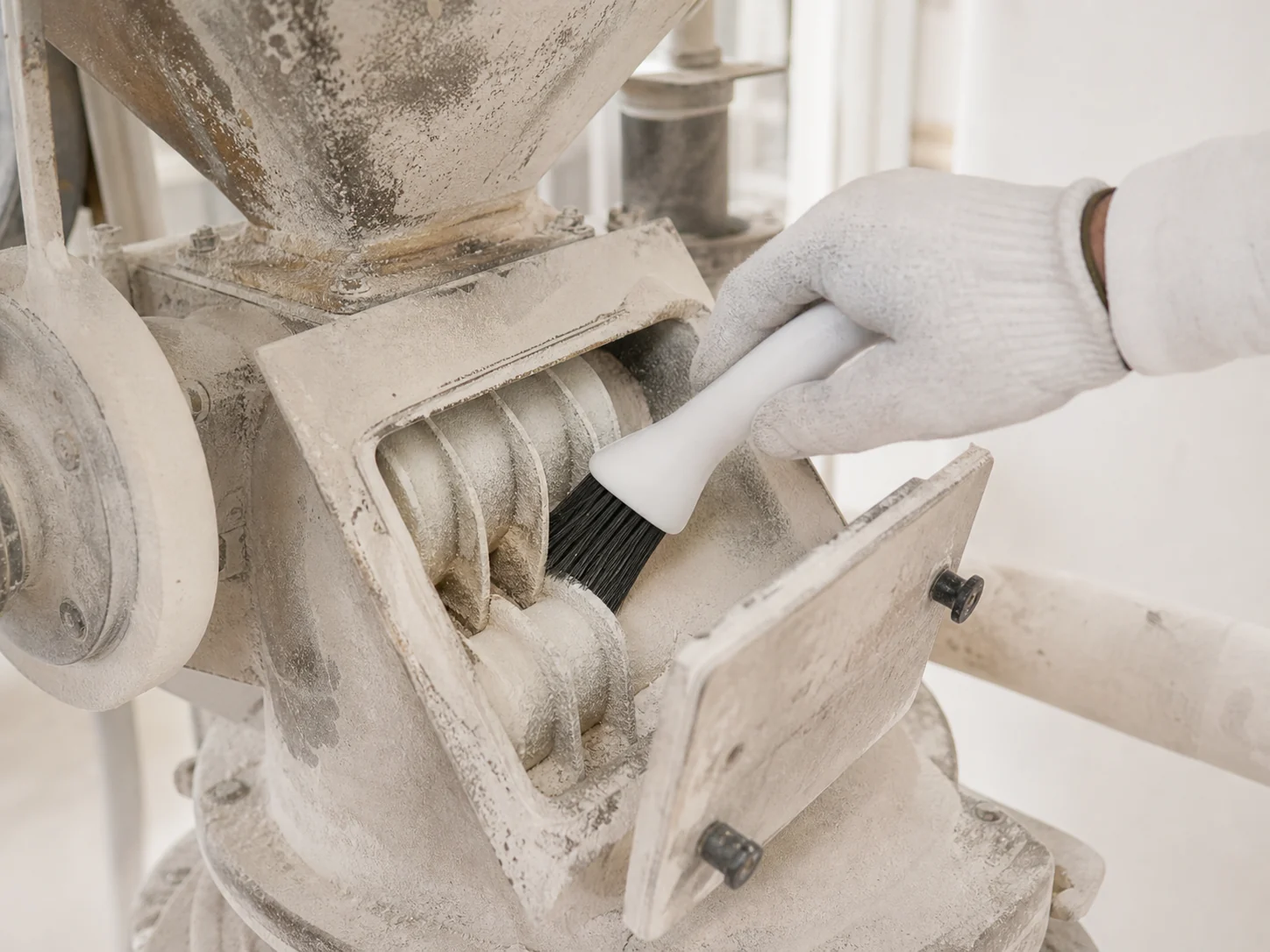
Dairy CIP Pipeline Cleaning
For Dairy CIP Pipeline Cleaning, the brush must reach the working area, disturb or…
See the cleaning job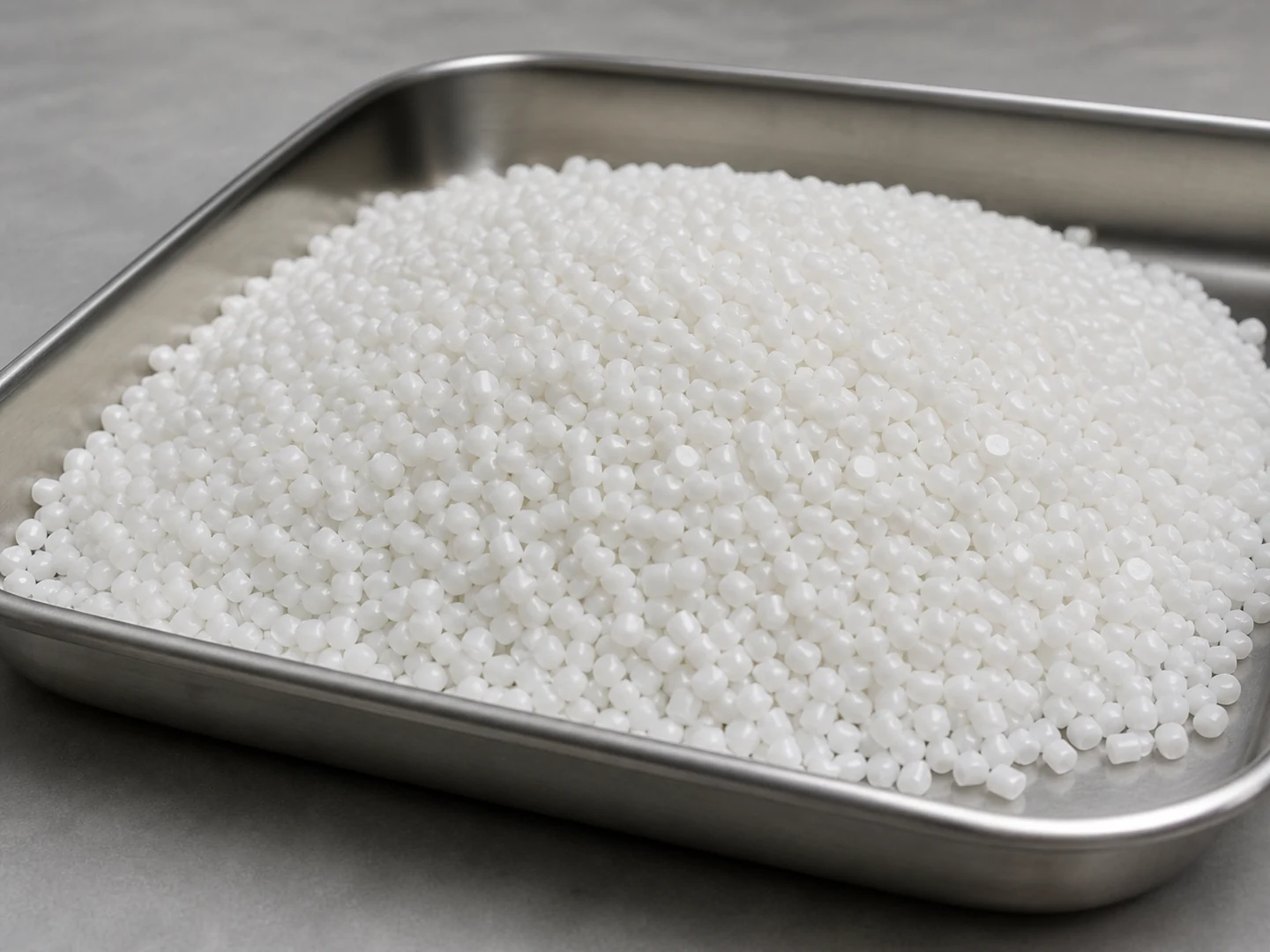
Polypropylene PP
Choose Polypropylene PP based on its stiffness, recovery, wear, wet-service, chemical, and temperature behavior.…
Compare this material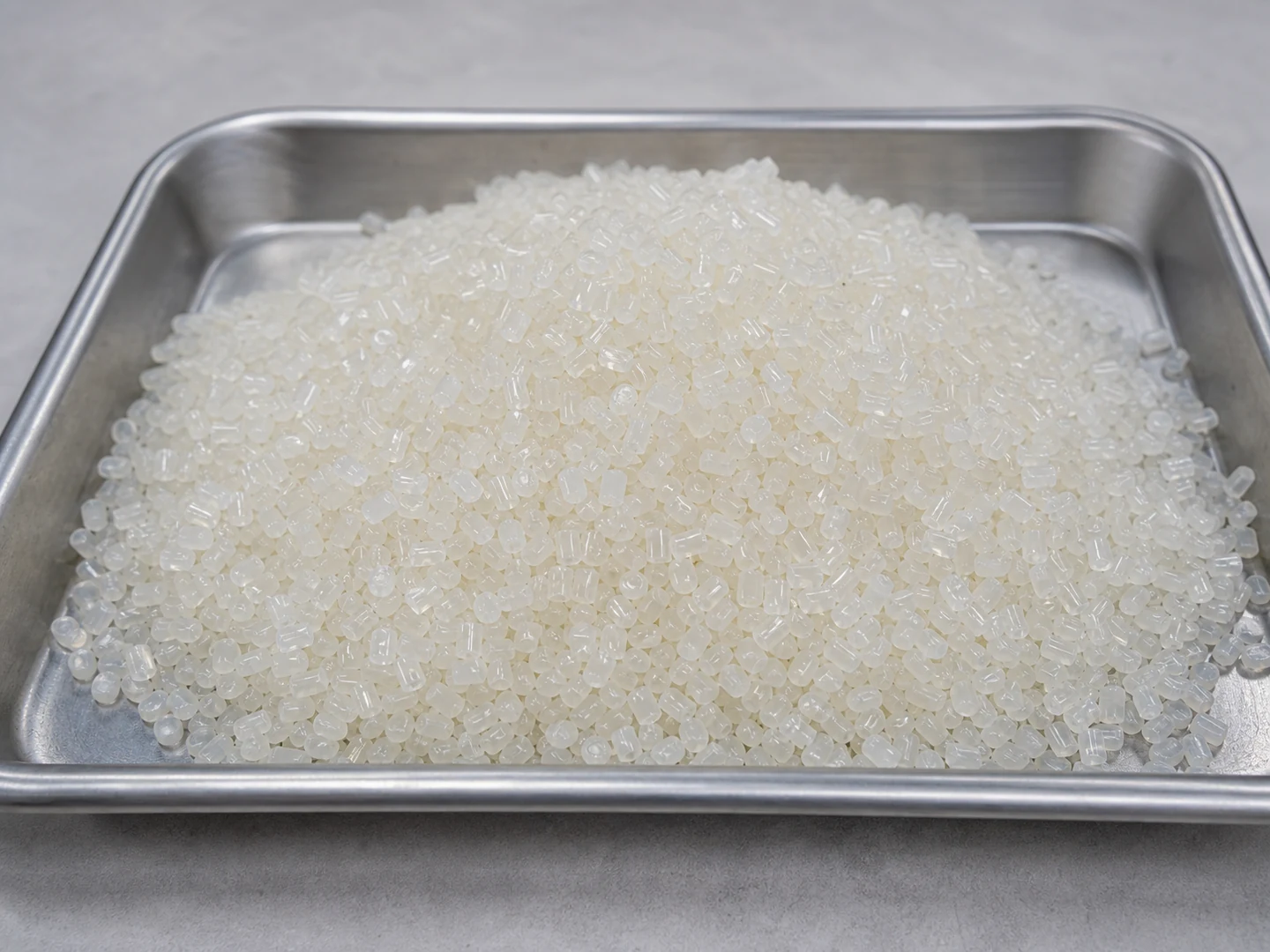
Nylon PA
Choose Nylon PA based on its stiffness, recovery, wear, wet-service, chemical, and temperature behavior.
Compare this material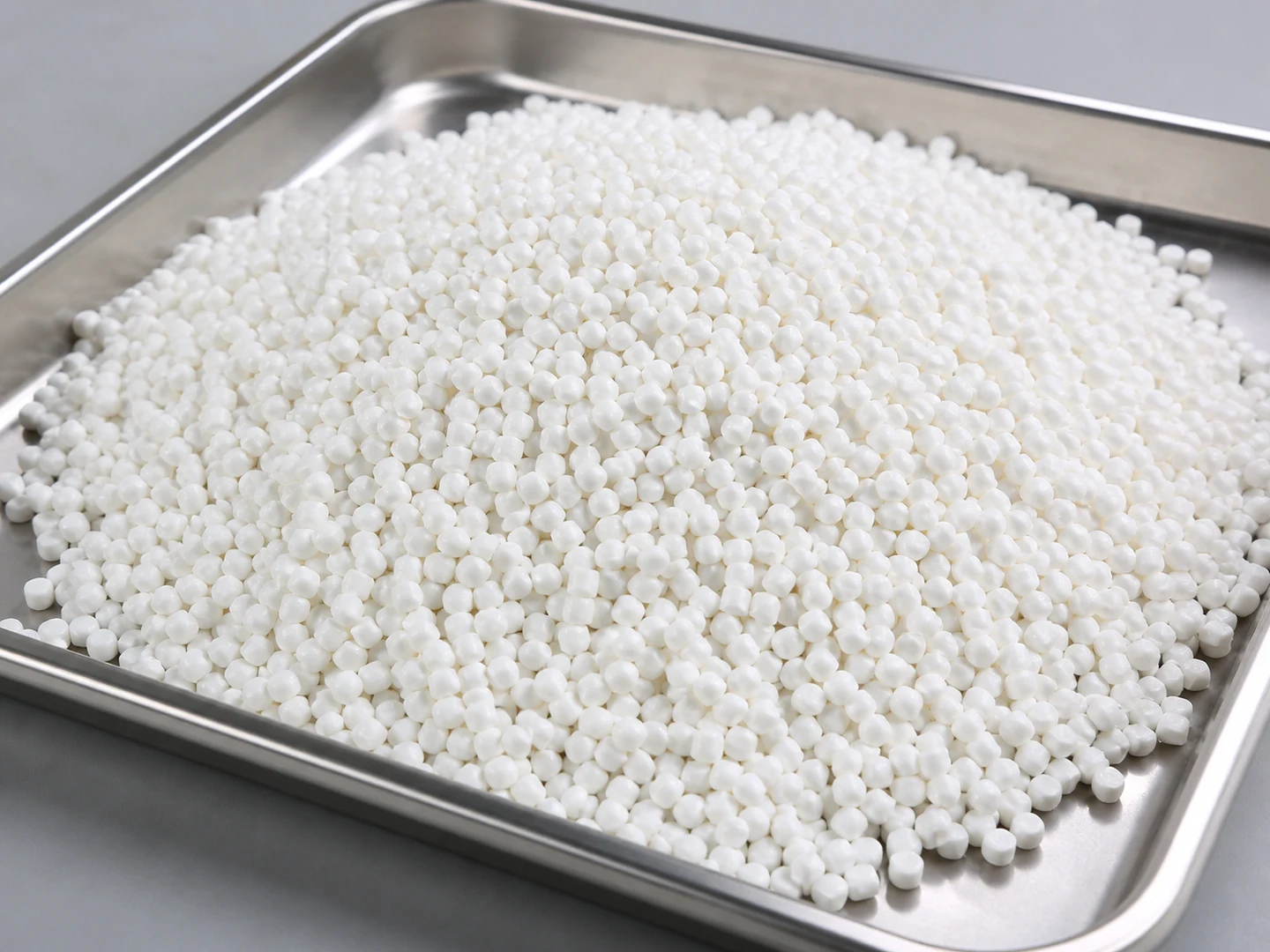
PBT
Choose PBT based on its stiffness, recovery, wear, wet-service, chemical, and temperature behavior. Do…
Compare this material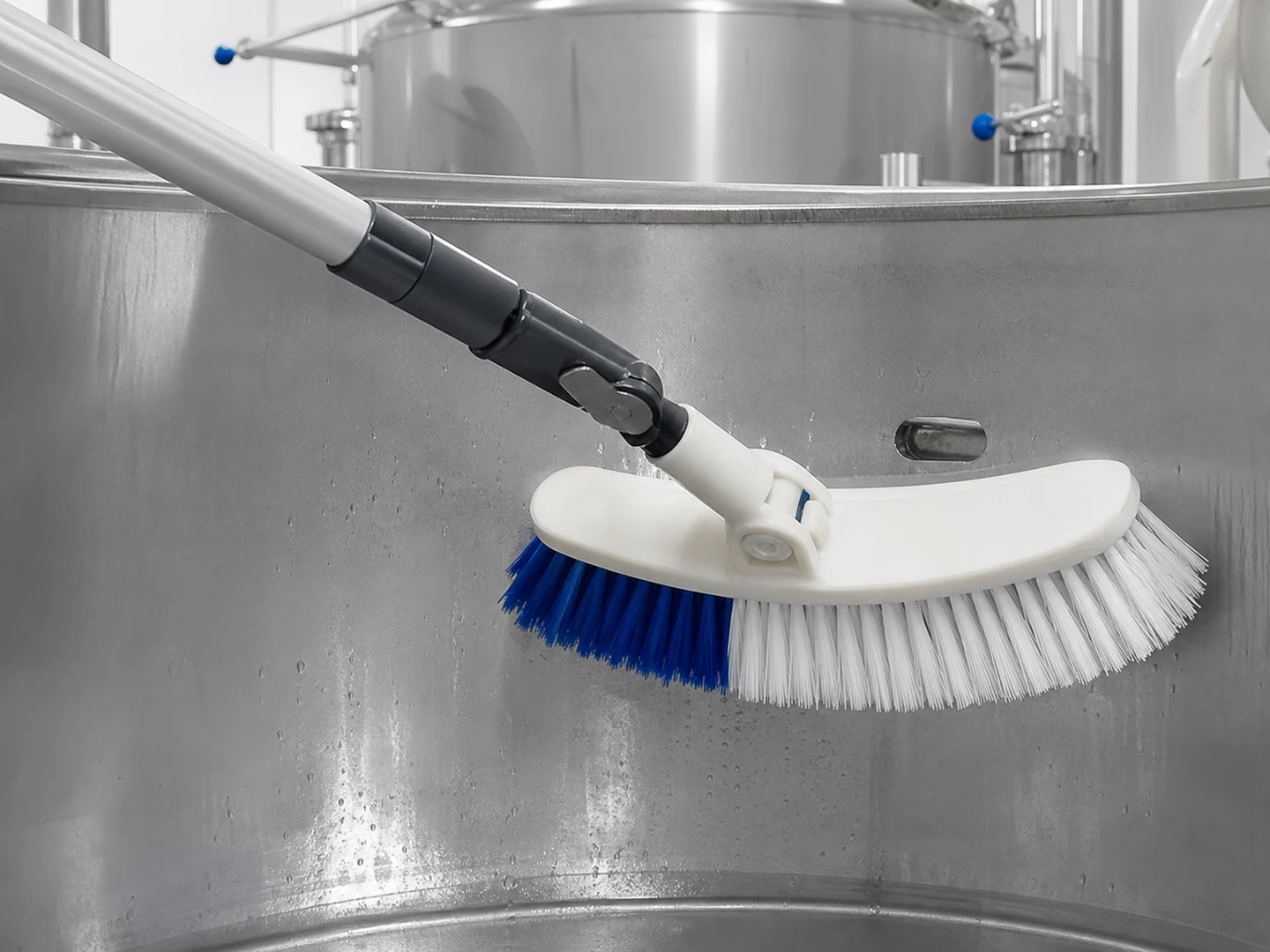
Water Treatment Tank Brush
PP or nylon water treatment tank brush for walls, baffles, drains, and bottom transitions.…
Compare the specification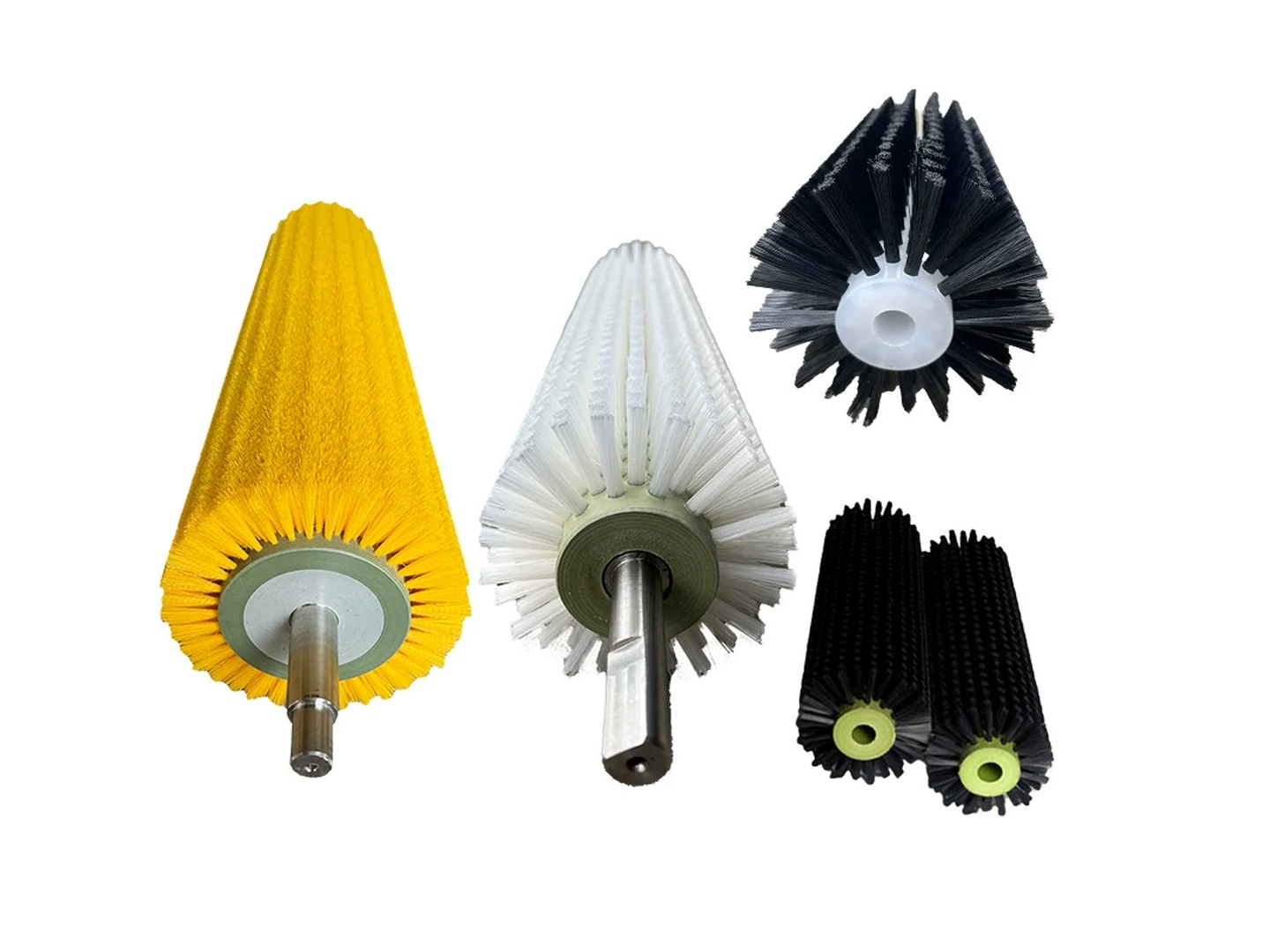
Brewery Tank Brush
Chemical-resistant brewery tank brush for manual scrubbing of fermentation, bright beer, and serving tanks.
Compare the specificationCustom Manufacturing RFQ
Describe Your Application
Please share the brush dimensions, working area, residue type, material direction, quantity, and a drawing or photo for quotation.
Drawing or photo optional — it speeds things up, it does not gate the enquiry.
Custom Brush RFQ
Send Your Brush Project
Upload a drawing, product photo, or sample photo and provide the core dimensions and cleaning conditions.
“We need a brush to remove wet residue from a stainless steel conveyor, about 800mm wide. The current brush wears quickly. We can send photos.”
“We sell drinkware and need a cleaning brush to include with the product. Quantity around 5,000 pieces.”