What Is a Brewery Tank Brush?
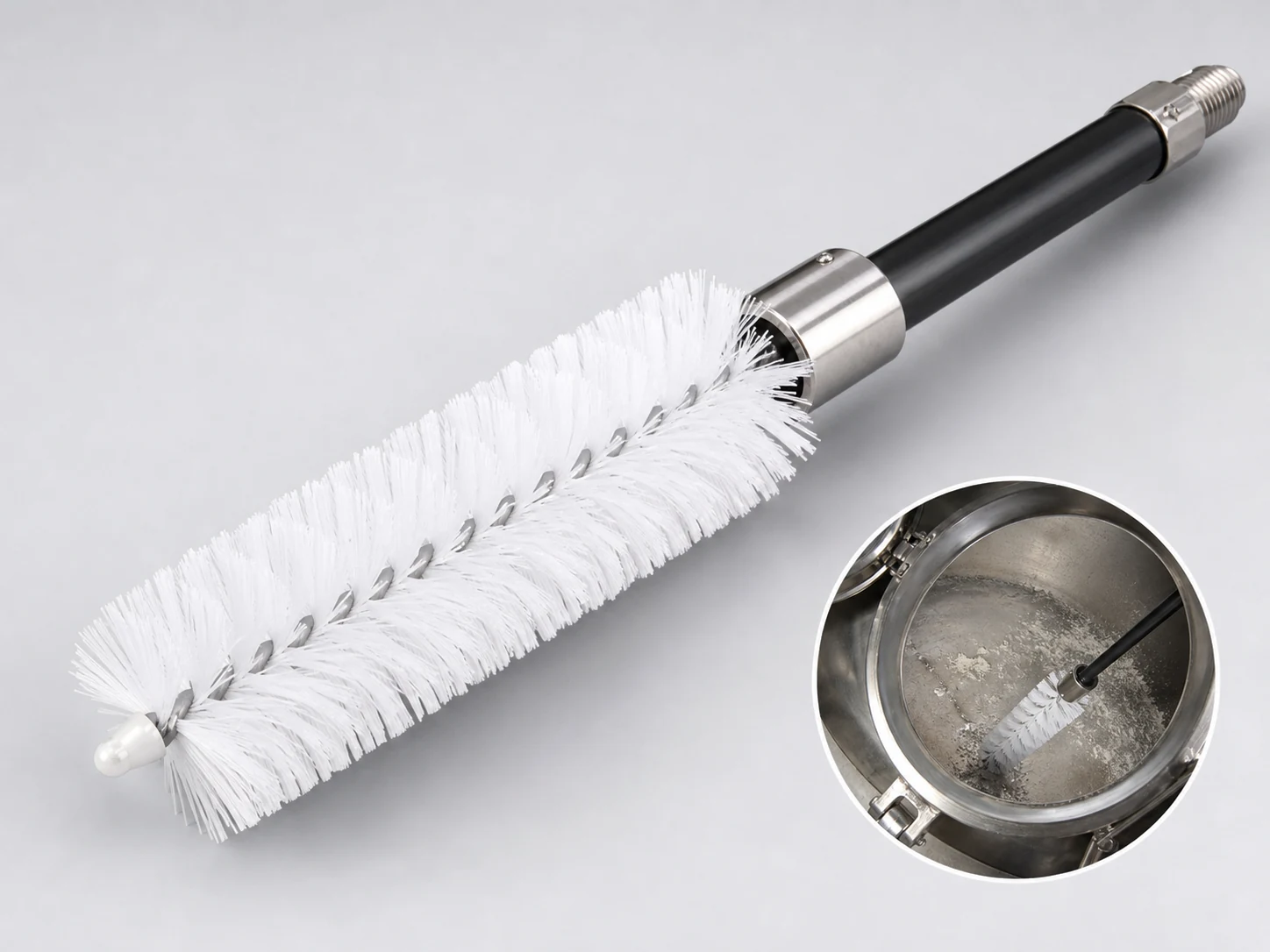
A brewery tank brush is a purpose-built cleaning implement, typically featuring a central core or handle and bristles made from materials that can withstand frequent contact with water, cleaning chemicals, and sometimes heat. It is used to manually or mechanically scrub the inside of tanks, removing stuck-on grain, yeast, hops residue, and biofilms that CIP (Clean-in-Place) systems alone may not fully eliminate. Unlike general-purpose brushes, brewery tank brushes are chosen for their compatibility with stainless steel surfaces, resistance to chemical degradation, and ability to reach corners, seams, and shadow zones where automated spray balls have limited access.
Common Types and Configurations
For food-manufacturing equipment and wet food zones, eCFR — 21 CFR Part 117 Human Food CGMP and Preventive Controls is the production-side CGMP and preventive-controls reference.
When the article mentions sanitizing food-contact articles, eCFR — 21 CFR 178.1010 Sanitizing Solutions provides the regulatory context for sanitizing solutions.
For kitchen cleaning examples, the FDA — Food Safety in Your Kitchen supports the distinction between normal cleaning, food handling, and hygiene habits.
For general foodborne-illness prevention language, the CDC — Preventing Food Poisoning is used as the public-health reference.
For the material or regulatory boundary in this section, the supporting reference is eCFR — 21 CFR 177.1500 Nylon Resins.
For the material or regulatory boundary in this section, the supporting reference is eCFR — 21 CFR 177.1520 Olefin Polymers.
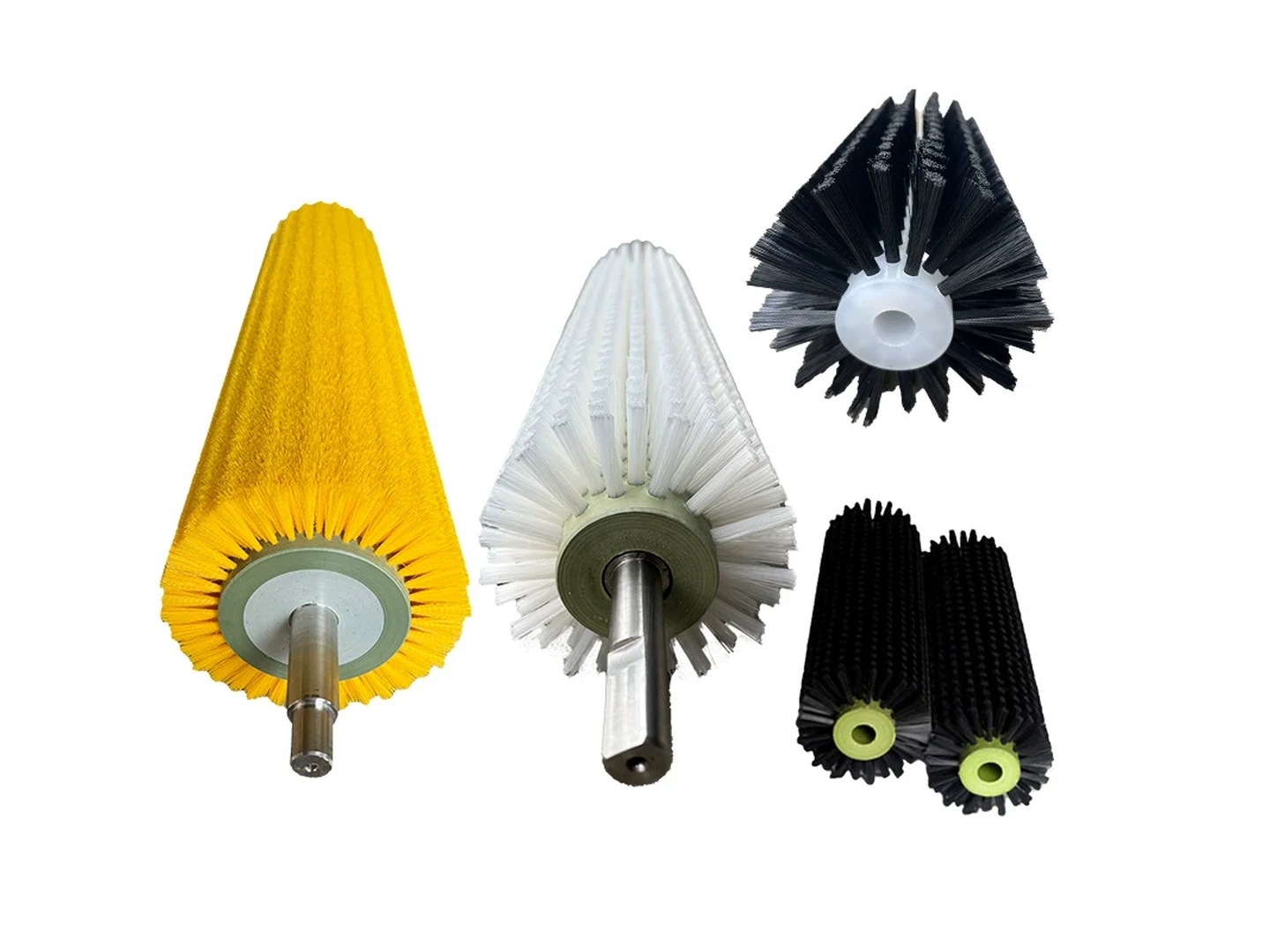
Brewery tank brushes come in several configurations, each suited to different tank designs and cleaning tasks. The main variables include bristle material, brush diameter, stiffness, handle or core material, and mounting style:
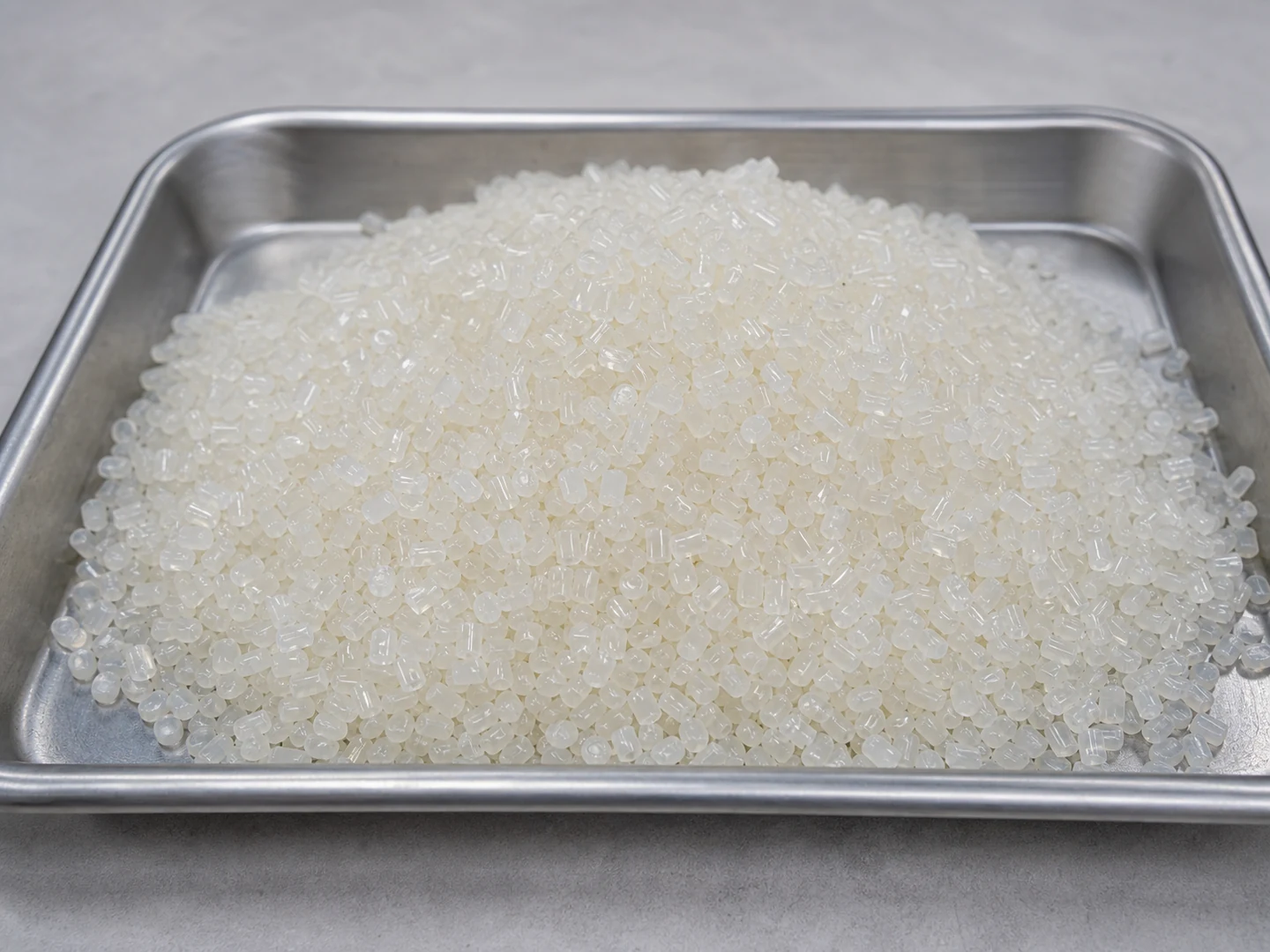
- Bristle material: Nylon, polyester, polypropylene, or natural fibers. Nylon is common for general use; polyester offers better chemical and heat resistance; polypropylene is softer and often used on polished surfaces; natural fibers may be specified where extreme gentleness is required.
- Diameter and length: Brushes range from small handheld scrubbers for tight ports to long-handled brushes reaching several feet into tanks. Diameter must match tank dimensions to ensure full surface contact without excessive force.
- Stiffness: Medium-stiff bristles handle most brewery soils; extra-stiff may be needed for caked-on residues but risk scratching; soft bristles protect electropolished or mirror-finished surfaces.
- Handle or core material: Stainless steel cores resist corrosion in wet, acidic environments; food-grade plastic or glass-reinforced nylon cores are lightweight and non-marring; shaft extensions may be required for deep tanks.
- Mounting style: Handheld, T-handle, extended rod, or machine-driven (rotary brush attachments). Mounting choice depends on whether cleaning is manual or integrated into a recurring maintenance procedure.
Comparison of Common Brewery Tank Brush Options
The table below compares key brush types by their primary use case, material advantages, and limitations to help identify the right starting point for a given brewery cleaning task.
| Brush Type | Typical Bristle Material | Best For | Limitations |
|---|---|---|---|
| Handheld scrub brush | Polypropylene or medium nylon | Small ports, sight glasses, gasket areas | Short reach; not efficient for large tank surfaces |
| Long-handled tank brush | Medium nylon or polyester | General interior scrubbing of fermenters and brite tanks | Manual effort required; can be difficult to control on curved tops |
| Flexible coil brush | Soft nylon or natural fiber | Cleaning racking arms, transfer lines, and tight bends | Not aggressive enough for heavy soil; limited scrubbing pressure |
| Rotary brush (machine-driven) | Stiff polyester or grit-impregnated nylon | Heavy soil removal, polishing, or pre-passivation scrubbing | Risk of scratching if speed or pressure is too high; requires equipment mounting |
| Custom-sized brush | Application-specific | Unusual tank geometries, manway diameters, or combination cleaning | Higher cost; longer lead time; may require drawings |
How to Choose the Right Brewery Tank Brush
Selecting a brewery tank brush involves matching brush characteristics to the specific cleaning challenge. Consider the following factors:
- Residue type: Light yeast and rinse solids may only need soft bristles; dried hop matter or burnt-on grain may demand stiffer bristles or a rotary brush.
- Surface sensitivity: Electropolished tanks require non-abrasive materials such as polypropylene or flagged bristle tips to prevent micro-scratches where bacteria can hide.
- Equipment interface: Determine whether the brush is used manually or attached to a shaft, drill, or automated arm. Machine-driven brushes should have balanced cores and secure mountings.
- Wet and chemical exposure: Check bristle and core material compatibility with your cleaning chemicals (caustics, acids, sanitizers). Polyester generally withstands higher temperatures and chemical concentrations than nylon.
- Hygiene expectations: Brushes must not shed bristles into the tank. Look for mechanically secured bristles instead of adhesives, and choose materials that dry quickly to minimize microbial growth between uses.
- Maintenance frequency: If the brush is used daily, durability and cleanability become more important than initial cost. Brushes should be inspected regularly for damage, wear, or trapped debris.
- Custom size requirements: Standard brushes may not fit manways or tank diameters larger than what off-the-shelf products cover. In such cases, request a supplier drawing review to confirm dimensions before ordering.
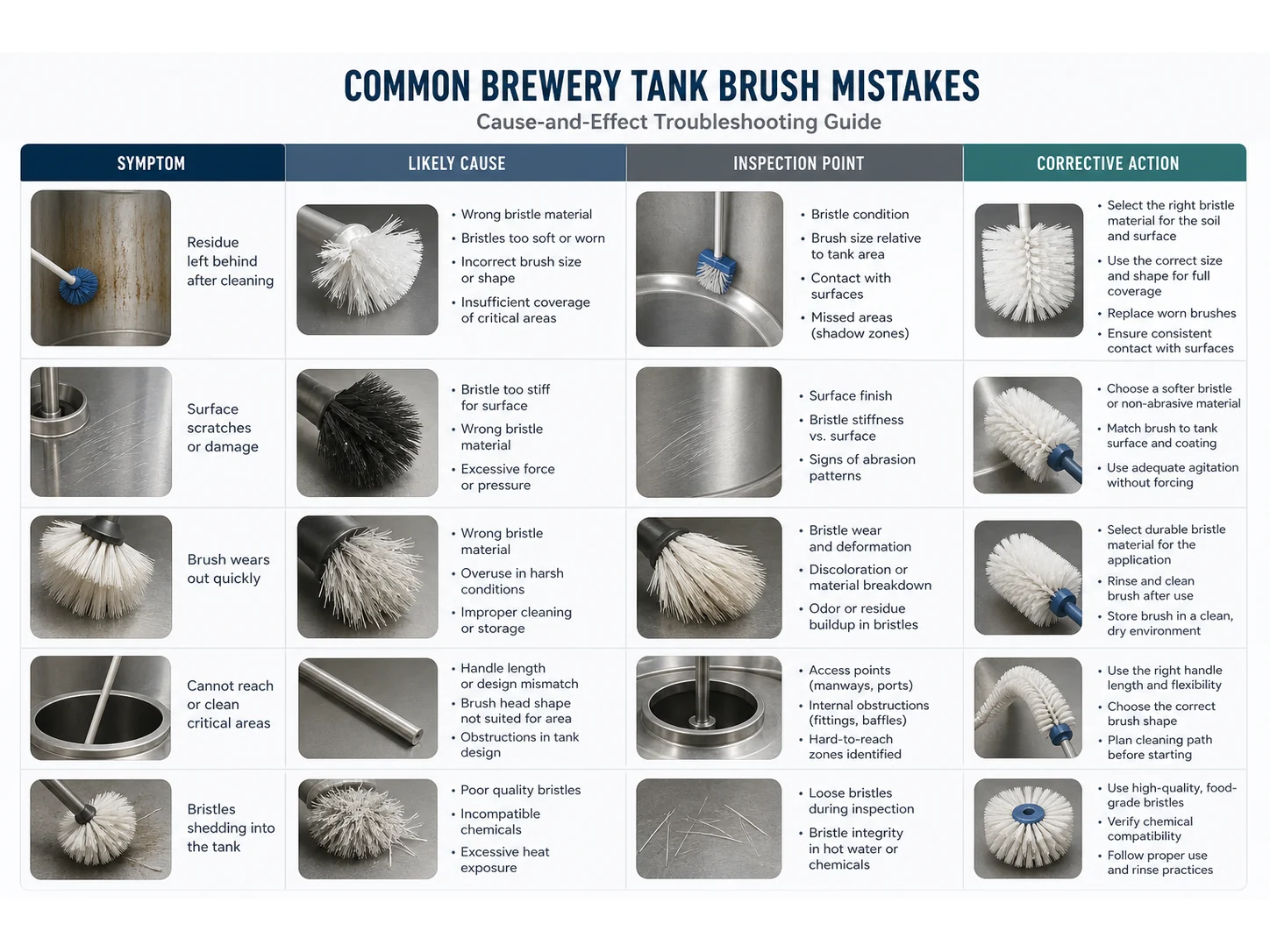
Common Mistakes When Selecting a Brewery Tank Brush
- Choosing by cost drivers alone: Inexpensive brushes often use low-grade bristles that deform quickly, shed, or scratch surfaces, leading to higher long-term costs.
- Using a single brush for all tanks: Brushes must be dedicated to specific tanks or soil types to prevent cross-contamination and excessive wear.
- Ignoring core material: A steel core can rust if coating is compromised; plastic cores may warp in hot cleaning cycles. Match core material to the cleaning environment.
- Over-scrubbing polished surfaces: Even medium stiffness can dull a mirror finish over time. Always test a small area or use a brush with softer bristles on polished stainless.
- Neglecting brush maintenance: Damaged or clogged brushes become ineffective and can harbor contaminants. Replace brushes at the first sign of excessive wear, like splayed bristles or cracks.
When a Brewery Tank Brush Is Not Enough
A brewery tank brush excels at mechanical soil removal in areas that CIP spray systems may miss, but it is not a complete replacement for a properly designed cleaning program. Consider the following situations where a brush alone is insufficient:
- Heavy scale or beer stone: Tanks with thick mineral deposits may require acid cleaning cycles before brushing. Brushing hard scale can embed abrasive particles and scratch surfaces.
- Automated cleaning required: If consistent repeatability is needed for validation, a manual brush cannot replace a CIP system. Brushes are best as adjunct tools for shadow areas.
- Complex internal components: Racking arms, sparge assemblies, or heat exchange surfaces may need special tools or disassembly rather than a generic brush.
- Sanitization-only steps: For final sanitization, chemical rinses or steam are more reliable than brush contact. Brushes should be used in the cleaning phase, not as a sanitizer.
- Unverified compatibility: If you are unsure about chemical resistance or bristle durability, request a sample or supplier test data before committing to a bulk order.
Final Takeaway
Deciding whether a brewery tank brush is the right choice boils down to understanding your tank geometry, soil type, surface finish, and hygiene requirements. A well-chosen brush fills the gap between automated CIP systems and spotless manual cleaning, but it must be selected for the specific task, not as a one-size-fits-all tool. When in doubt, collaborate with a brush supplier to review your cleaning protocol, request a drawing or sample, and establish a replacement schedule to keep your tanks in top condition without risking product integrity.
Frequently Asked Questions
Can I use the same brewery tank brush for both fermenters and brite tanks?
It is not recommended. Using dedicated brushes for different vessel types reduces the risk of cross-contamination and wear, especially if soil loads or cleaning chemical residues differ between tanks.
How do I know if a brush is too stiff for my tank surface?
Test on a small, inconspicuous area first. If the brush leaves fine scratches visible under light, switch to softer bristles or flagged tips. Avoid metal bristles entirely on stainless steel tanks.
What is the best brush material for use with caustic cleaners?
Polyester bristles generally offer better resistance to caustics and higher temperatures than nylon. Confirm compatibility with your chemical supplier if you use peroxide-based or specialty cleaners.
How often should brewery tank brushes be replaced?
Inspect before each use. Replace immediately if bristles appear splayed, clogged, or loose; if the core is cracked; or if the brush shows any sign of rust. A preventive replacement schedule based on frequency of use is a good practice.
Can a brewery tank brush replace a CIP system?
No. A tank brush is a manual or powered tool for scrubbing hard-to-reach areas but cannot provide the consistent contact time, temperature control, and coverage of a validated CIP system. It should complement, not replace, CIP.
What should I do if my tank dimensions don’t match any standard brush?
Contact a custom brush manufacturer. Provide accurate tank drawings, manway sizes, and cleaning reach requirements. A supplier can review the specifications and propose a custom brush diameter, length, and bristle pattern.
Are natural fiber brushes safe for brewery tanks?
They can be, but natural fibers absorb moisture and may be harder to sanitize. Use them only when extreme surface gentleness is required and ensure they are thoroughly dried and inspected between uses. Most breweries prefer synthetic bristles for consistency and hygiene.
How do I clean and store a brewery tank brush?
Rinse thoroughly with clean water after each use to remove chemical residues and soil. Hang to dry completely in a clean, ventilated area. Do not store wet brushes in sealed containers, as this promotes microbial growth.