
Application
Coffee Grinder Cleaning
For Coffee Grinder Cleaning, the brush must reach the working area, disturb or collect coffee grounds / coffee oil / fine dust, and release it without creating unacceptable surface damage or process interference. Brush selection starts with access, contact motion, and the cleaning method used in the process.
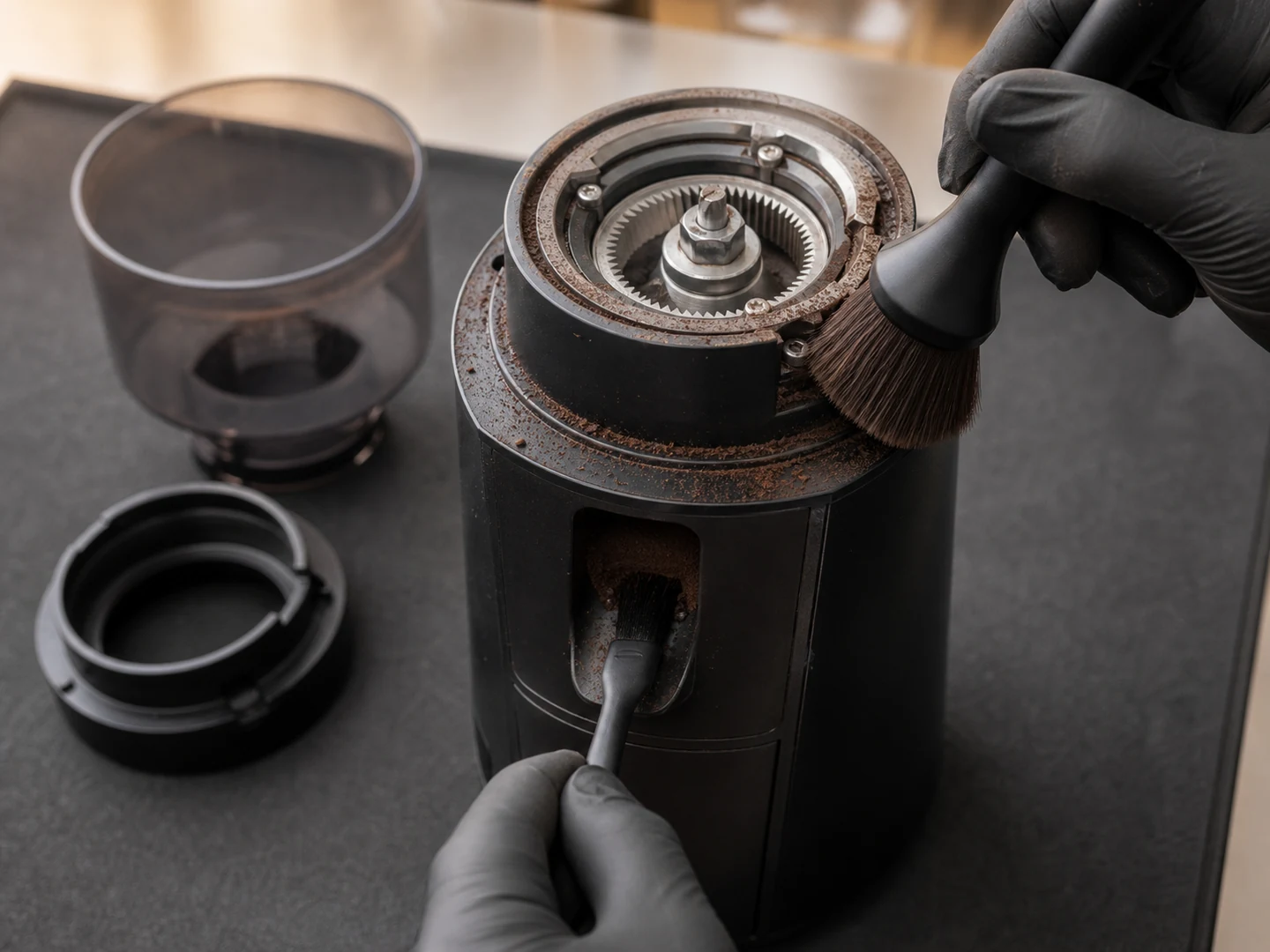
At a glance
- Cleaning target
- Coffee grounds / coffee oil / fine dust
- Working environment
- Café / Food-Service Area / Indoor Dry Area
- Cleaning method
- Dry Brushing / Vacuum-Assisted Cleaning
- Requirements to check
- Food-contact material requirements where direct product contact occurs
Grinder cleaning is dry work around exposed burrs, so the brush is chosen for reach into the chute and dosing chamber and for handling fines that hold static, with the machine isolated first.
What makes Coffee Grinder Cleaning different from other household and appliance cleaning?
The main difficulty is removing grounds, oil, lint, dust, scale, and household residue from appliance paths, grinders, brew groups, rollers, side channels, and replacement interfaces without damaging the surface, loading the brush, or carrying contamination back into the process.
The work happens in café, food-service area and indoor dry area against coffee grounds, coffee oil and fine dust.
The part people get wrong: the residue tells you the filament, but the access opening tells you the construction. Get them in that order and the shortlist is short.
What are the most common cleaning targets in Coffee Grinder Cleaning?
5 targets, each with its own opening, residue and contact requirement.
| Part or area | Residue type | Cleaning requirement |
|---|---|---|
| Burr | Coffee oils, spent grounds and fines | The brush must concentrate contact on a small feature without touching the surrounding surface. |
| Ground-Coffee Chute | The brush must cover a large area per pass and keep even pressure across the whole width. | |
| Dosing Chamber | Coffee grounds, coffee oil, fine dust | The head must enter the cavity and work its inner faces, with a handle long enough to keep the operator clear. |
| Bean Hopper | Coffee oils, spent grounds and fines | |
| Static and Fine-Dust Removal | Dust, powder and compacted fines | The head must reach the working face and apply even contact without marking the surface. |
The dimensional envelope those targets impose on the brush:
| Parameter | Typical range |
|---|---|
| Available installation space | 5–500 mm |
| Interface tolerance | ±0.1–1.0 mm |
| Operating temperature | 5–100°C |
Which brush types work for each cleaning target?
Narrow long-handle detail brush, angled ferrule brush or small crevice head used with the grinder isolated.
| Cleaning target | Recommended brush type | Why it fits |
|---|---|---|
| Burr | Handheld Detail Brushes | A burr is a cutting geometry the cleaning must not dress, so the head is small enough to sit between the teeth and clear the oil without touching the edge. |
| Ground-Coffee Chute | The chute is a wide angled surface where fines pack into the corner, so a broad hand head sweeps its full width down to the outlet in one stroke. | |
| Dosing Chamber | The chamber is closed on every side but the top, so a head on an extended handle is what reaches its walls and sweeps the retained dose out. | |
| Bean Hopper | A hopper is deep with a steep cone, so a handled head reaches the bottom of that cone where the oil film builds up thickest. | |
| Static and Fine-Dust Removal | Fines cling by static rather than by weight, so a fine hand-guided head collects them instead of blowing them back into the room. |
The layouts this application is normally built in:
- Driven brush — use when grounds, oil, lint, dust, scale, and household residue needs repeatable scrubbing or controlled relative movement
- Passive or free-running brush — use for loose contamination and lower process complexity on appliance paths, grinders, brew groups, rollers, side channels, and replacement interfaces
- Localized hand, strip, or tube brush — use where only an edge, gap, port, or maintenance point needs contact
In practical brush terms: reach first, then residue. A brush that fits but is too soft can be stiffened; a brush that does not fit is simply the wrong tool.
What filament materials work best for Coffee Grinder Cleaning?
Natural fiber or soft-to-medium nylon/PBT for dry grounds; conductive or antistatic options only with measured electrical requirements.
| If the condition is… | Filament to start with | Why |
|---|---|---|
| Grounds packed around the burr | Horsehair | clears fines from between the burr teeth without scoring them |
| Coffee oil on the chute and hopper | Nylon PA, medium grade | stiff enough to break the oil film dry brushing leaves behind |
| Fines that must not be pushed further in | PBT | holds its form dry, so the stroke lifts rather than packs |
The constraints this application puts on the filament:
| Constraint | Value for this application |
|---|---|
| Filament hardness | Soft to Medium |
| Maximum service temperature | 80°C |
| Chemical exposure | Dry service or food-safe neutral cleaner; no added medium preferred around burr mechanisms |
| Cleaning method | Dry Brushing, Vacuum-Assisted Cleaning |
How do I choose the right brush for my coffee grinder equipment?
Reach into the chute sets the stem, burr geometry sets the head, and whether static matters decides between natural fill and a conductive grade.
Work through it in this order:
- Identify the target part and measure the access opening or clearance
- Describe the residue: what it is, how thick it sits, and how strongly it holds
- Choose the construction that can physically reach that target
- Set the filament from surface risk, working temperature and cleaning chemistry
- Fix filament diameter, free trim length and density for the contact pressure you need
- Run one cycle and check the result before committing to a production quantity
Before you commit to a quantity, send the chute and dosing-chamber dimensions, the burr type, and whether static in the fines is a problem.
When is a coffee grinder brush the wrong tool?
Cleaning tablets carry residue through the burrs without disassembly, and compressed air clears the chute faster than bristles do. Reach for the brush only when the machine is open, isolated, and you need to touch the burr faces and dosing chamber directly.
What common mistakes should I avoid in Coffee Grinder Cleaning?
- Leaving out whether the brush touches the burrs, which is what decides between natural fill and an antistatic grade
- Changing brush material while leaving excessive engagement, poor alignment, or no discharge path unchanged
- Copying a worn brush without recording motion, direction, mounting, and the original working diameter
When a brush is running but not cleaning, start here rather than adding pressure:
| Symptom | What to change |
|---|---|
| Residue remains | Increase relative motion or discharge, then change filament diameter or density; do not add pressure before checking loading by grounds, oil, lint, dust, scale, and household residue. |
| Surface marks or scratches | Reduce engagement, use finer or softer fill, and remove trapped abrasive particles from contact with appliance paths, grinders, brew groups, rollers, side channels, and replacement interfaces. |
| Rapid wear or uneven cleaning | Check alignment, runout, support, motion, temperature, chemical attack, and whether the brush covers the complete working path. |
| Brush loads or redeposits residue | Open the fill pattern or add wash, vacuum, air, scraping, or a collection path so removed grounds, oil, lint, dust, scale, and household residue leaves the contact zone. |
Questions this page is asked
What must be defined before brushing inside a coffee grinder?
Identify the grinder model, disconnect it as instructed, empty the hopper and map which burrs, carriers, chutes and dosing parts the manufacturer allows the user to remove. Keep liquid and tools out of the motor, switches, sensors and non-washable drive cavity unless the model instructions explicitly define a method there.
How can a grinder brush avoid becoming a source of foreign material?
Use a clean, low-shedding brush whose core and tip cannot contact or score the burr edges, and inspect it before and after each cavity is brushed. Account for loose filaments or tip damage and remove all loosened grounds with the approved vacuum or collection method before reassembly.
What should be checked after a coffee grinder is reassembled?
Verify that every removed part is seated and adjusted according to the model instructions, then run the approved empty or sacrificial-bean check while listening for contact or abnormal vibration. Inspect the discharge for retained debris or brush fragments and confirm that grind adjustment and flow return to the defined baseline before normal product is used.
Guides that go deeper on this
We have not written a guide specific to this one yet. The material that covers selection, filament, dimensions, maintenance and sourcing is collected in the technical resources library.
Continue Exploring
Recommended Reading & Related Brush Resources
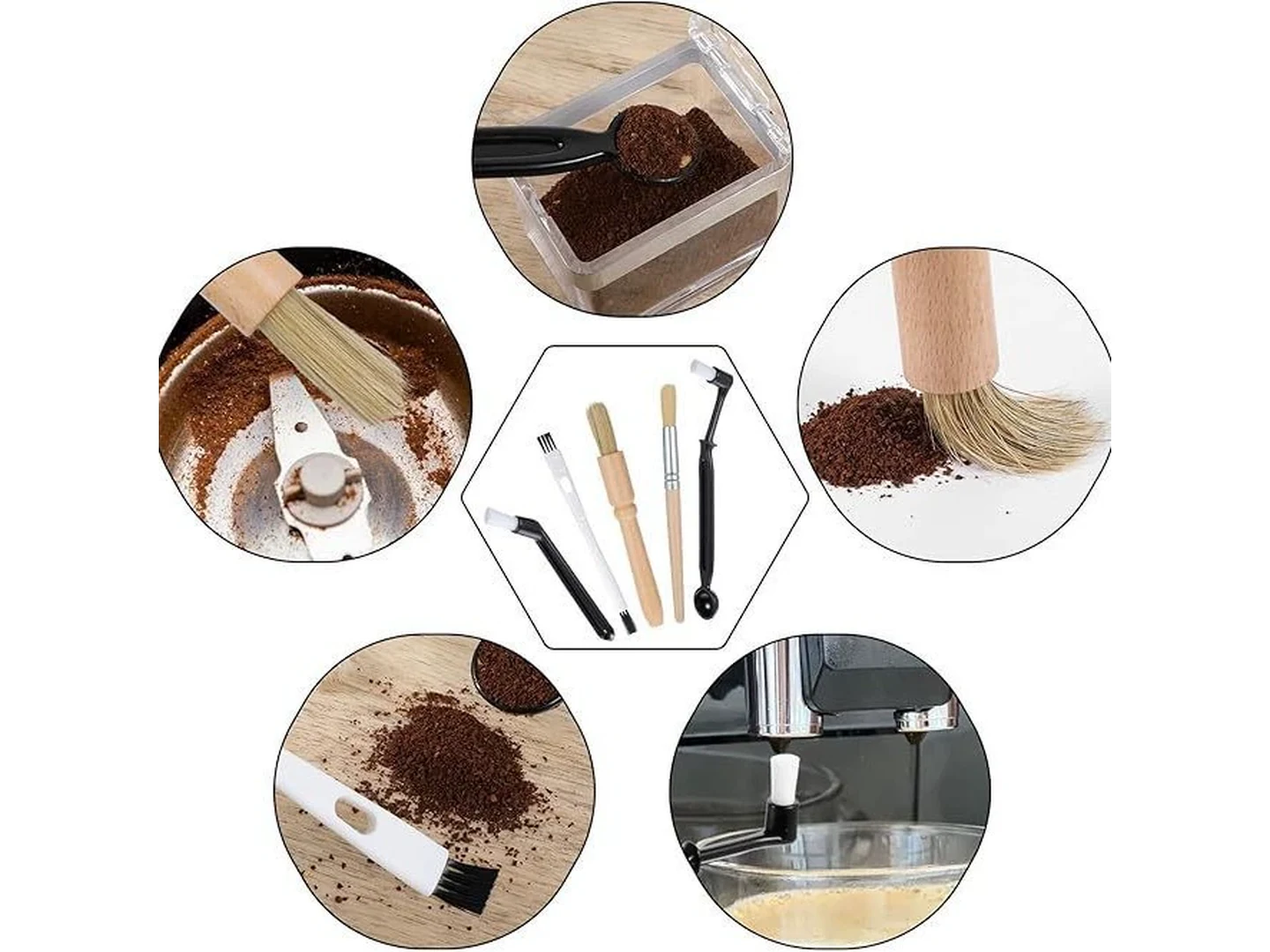
Coffee Grinder Cleaning Brush
A narrow-profile coffee grinder cleaning brush for burr gaps, grind chambers, chutes, and dosing…
See the specification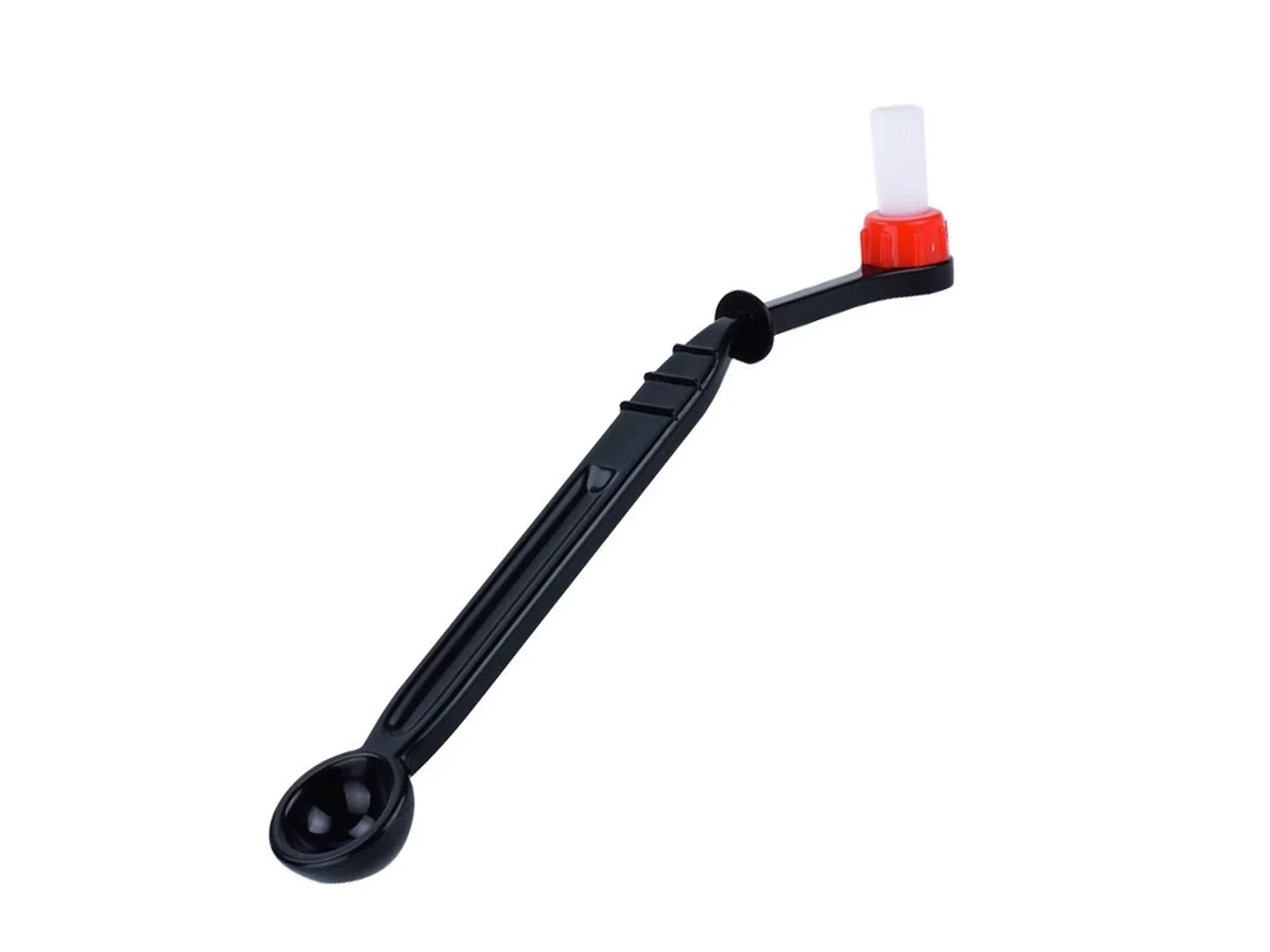
Coffee Machine Cleaning Brush
Custom coffee machine cleaning brushes with nylon PA or PBT filaments for grinders, brew…
See the specification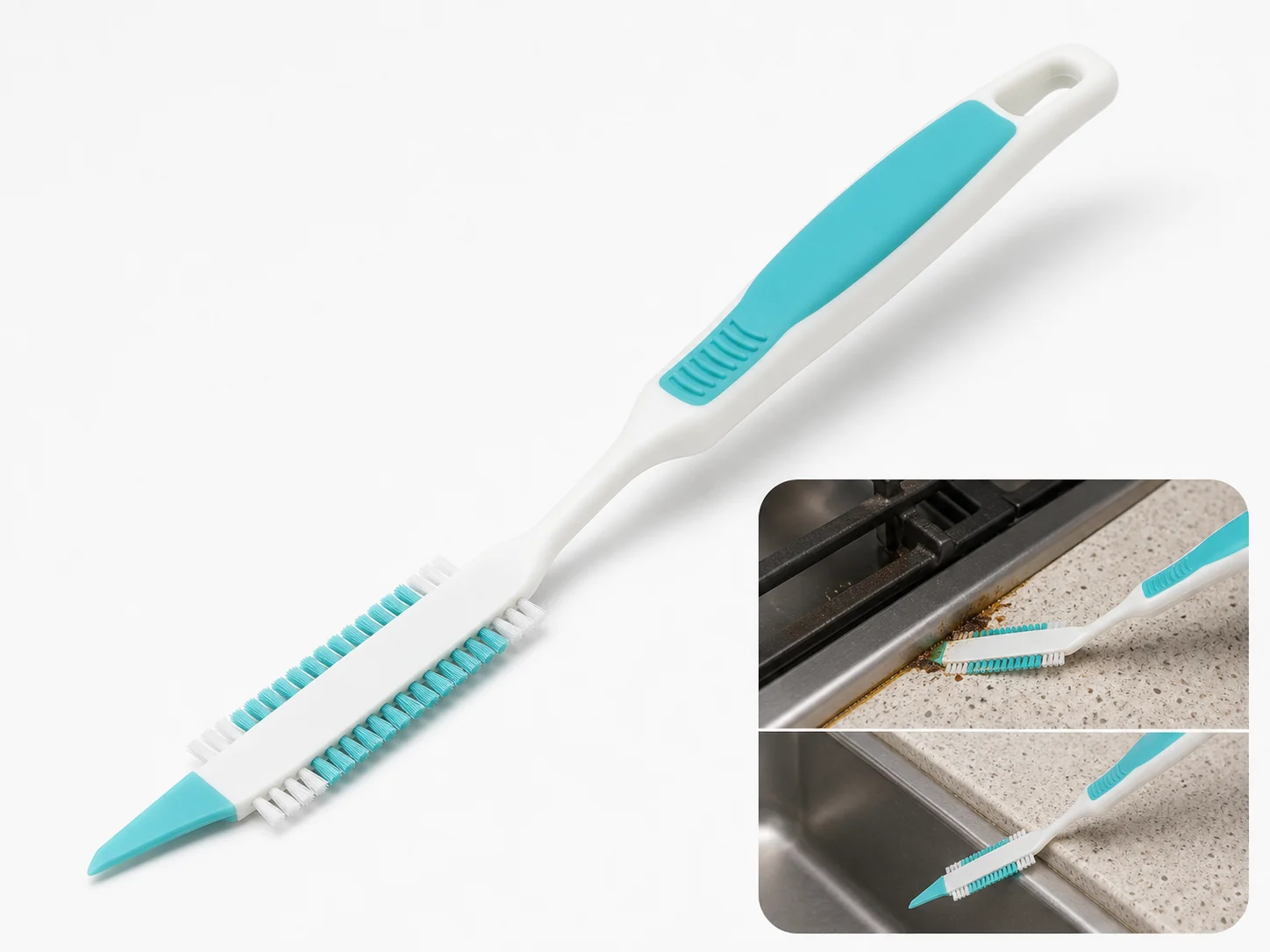
Kitchen Gap Cleaner Brush PP Antibacterial Comfortable Grip
Slim PP gap cleaner brush with stiff antibacterial PBT filament and an ergonomic grip…
See the specification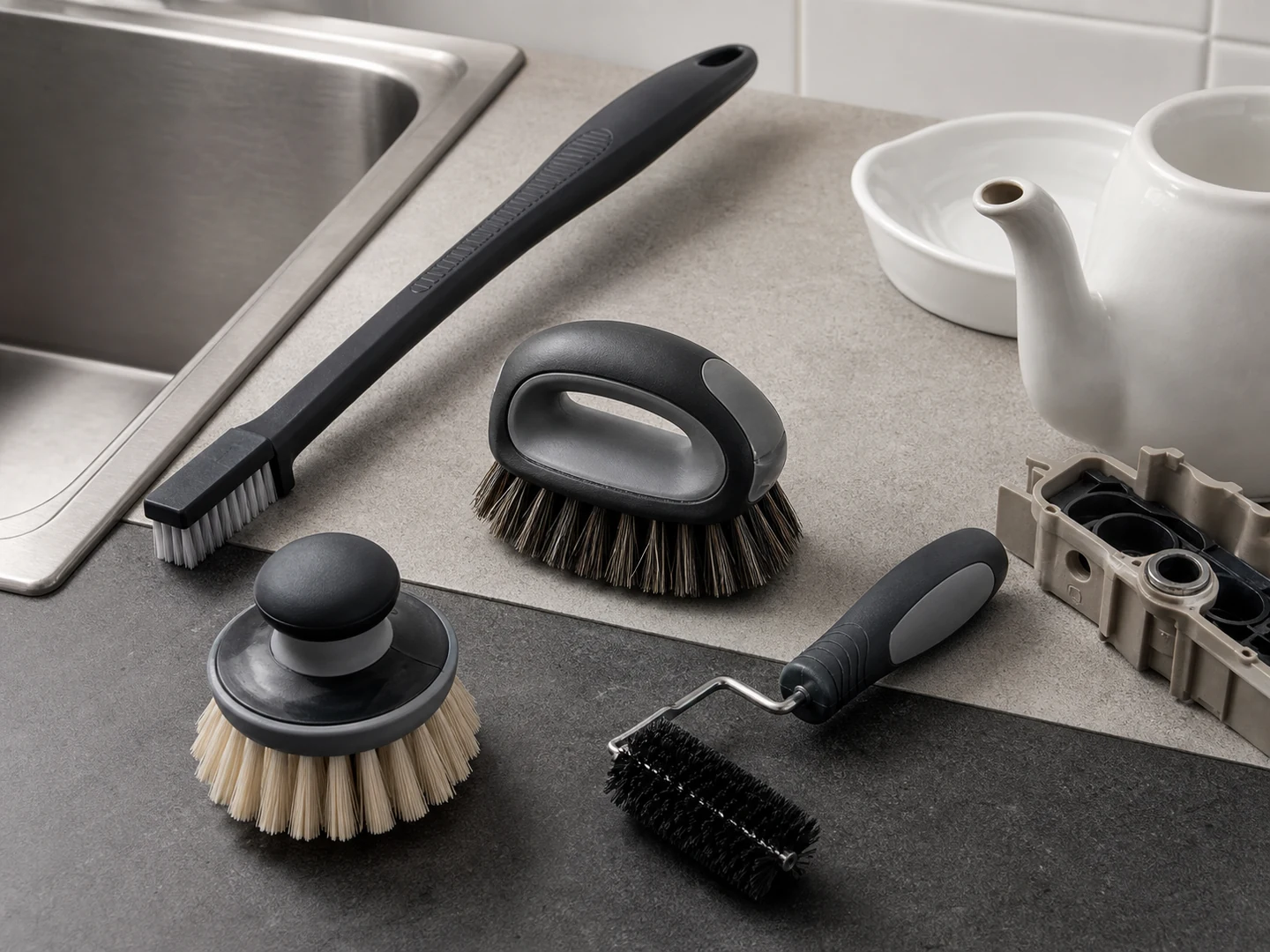
Custom Handheld Detail Brushes
Choose a handheld detail brush when you need direct control in seams, recesses, fittings,…
See how this type is builtCustom Manufacturing RFQ
Discuss This Application
Share the working surface, residue, dimensions, material direction, interface, quantity and drawing or sample photo.
Custom Brush RFQ
Request a Custom Cleaning Brush Quote
Upload a drawing, product photo, or sample photo and provide the core dimensions and cleaning conditions.
“We need a brush to remove wet residue from a stainless steel conveyor, about 800mm wide. The current brush wears quickly. We can send photos.”
“We sell drinkware and need a cleaning brush to include with the product. Quantity around 5,000 pieces.”