Quick Answer
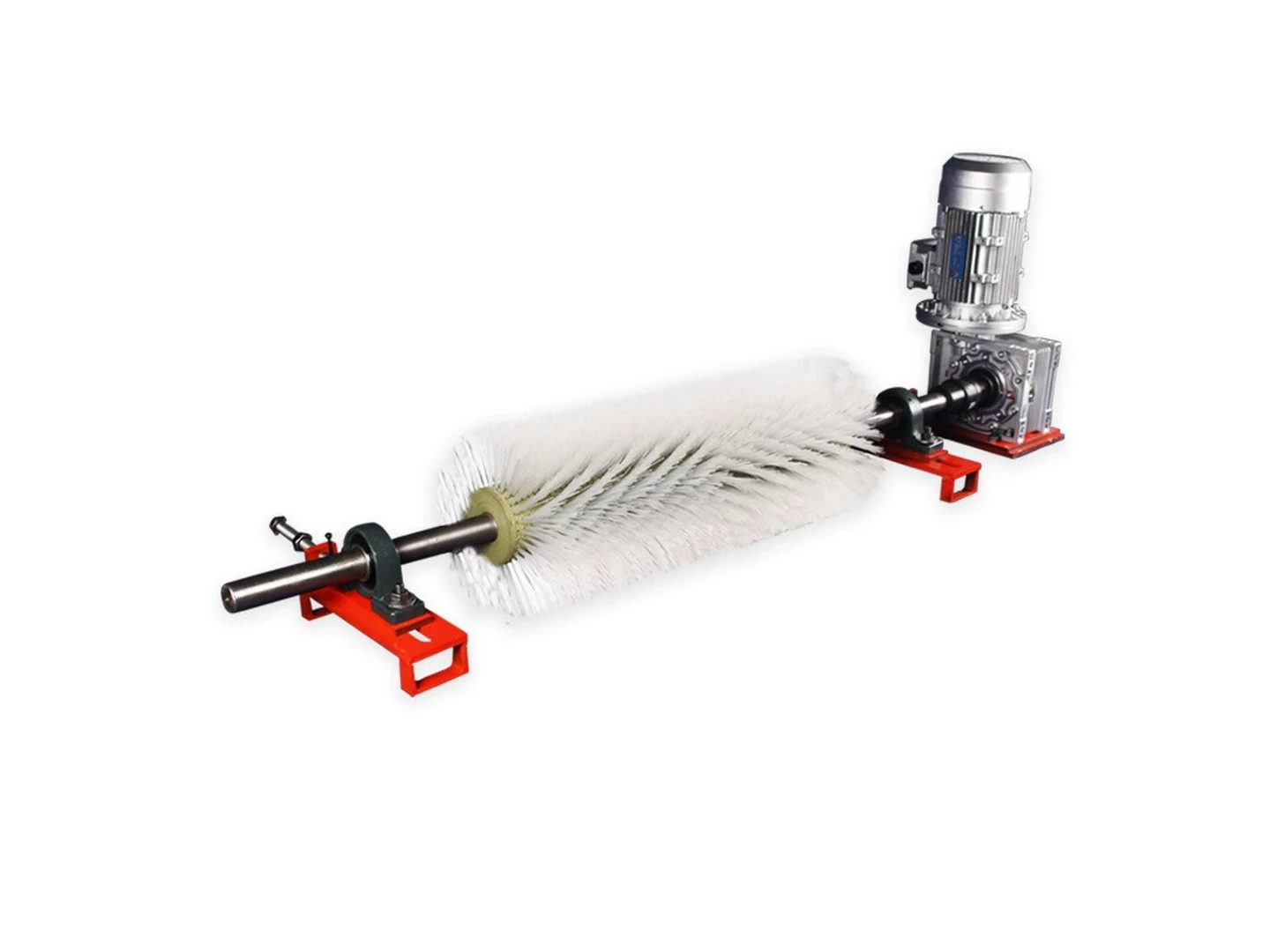
Refill when the shaft, journals, hubs, core, and mounting geometry are sound and only the working face is worn. Replace or redesign when the structural parts are bent, corroded, cracked, out of balance, or no longer match the process.
Four Service Options
| Option | Use when | Data required |
|---|---|---|
| Refill existing core | Core and shaft are sound; fill is the wear item | Original OD, face width, fill, pattern, trim, direction, and balance |
| New core on existing shaft | Shaft/journals are good; core or fill retention is damaged | Shaft drawing, fit, keyway, bushings, hubs, and core geometry |
| Complete new assembly | Shaft, journals, core, or interfaces are worn or modified | Full drawing, machine envelope, bearings, drive, load, and balance |
| Redesign / sectional conversion | Maintenance access, shipping, or downtime is the main problem | Available split line, module width, replacement method, and guards |
Inspection Checklist
- Measure shaft straightness, journal diameter, keyway, thread, hub fit, and runout.
- Inspect core wall, welds, sleeves, set screws, bushings, corrosion, and cracks.
- Compare worn and original OD, trim, face profile, density, and spiral lead.
- Check balance weights, rotation direction, and evidence of rubbing or bearing overload.
- Confirm that the existing design still matches belt speed, residue, temperature, and wash chemistry.
Cost and Downtime Logic
Refilling protects a machined shaft and can reduce material cost, but it requires transport, cleaning, inspection, stripping, refilling, balancing, and return shipping. A spare complete assembly can reduce downtime. For very wide or difficult-to-remove rollers, split and sectional designs allow local replacement without removing the shaft.
Redesign Triggers
Change the design when the brush loads repeatedly, wears unevenly, creates heat, cannot be cleaned, needs excessive motor current, or requires machine disassembly for replacement. The new brush may use a different face pattern, material, core, segment, bearing, or drive—not only fresh filament.
RFQ Data
Send the complete worn brush, shaft drawing, photos of journals and drive, original and worn dimensions, machine speed, load, residue, temperature, chemistry, service interval, quantity, and acceptable turnaround.
Technical References
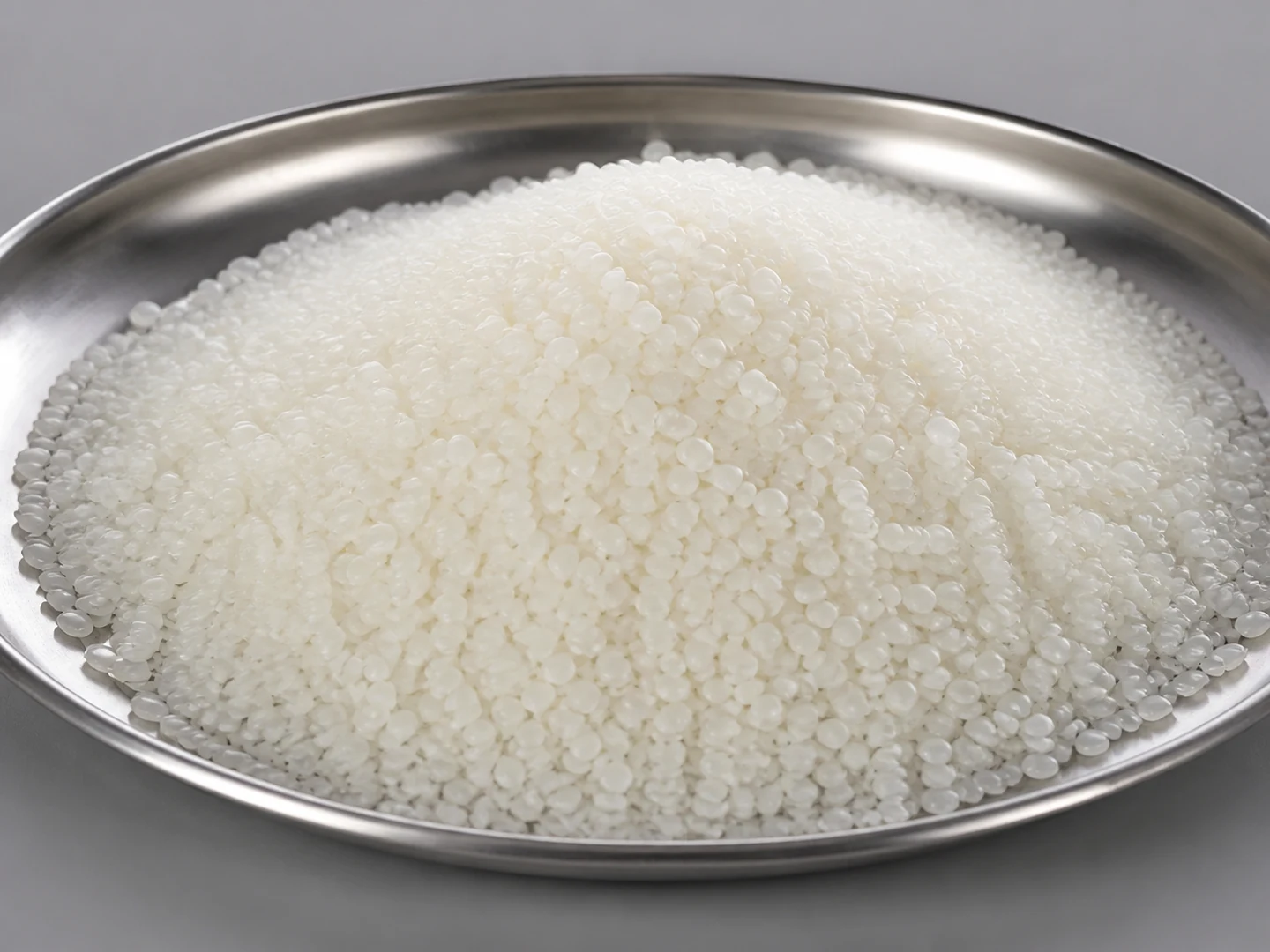
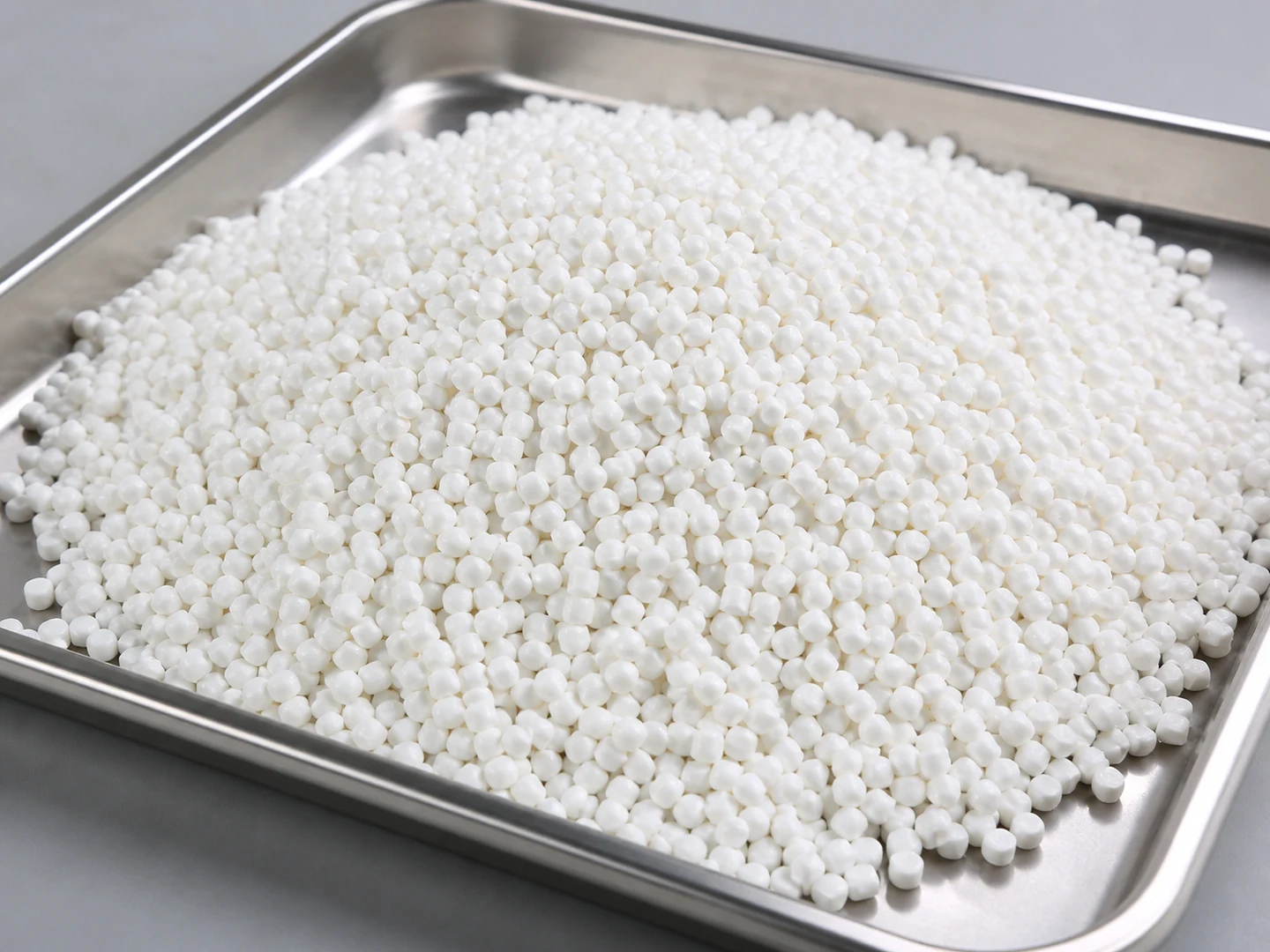
Which bristle material fits this job — PA612 Nylon, PBT or Polypropylene PP?
| Material | Continuous temperature (°C) | Peak temperature (°C) | Water absorption | Hardness |
|---|---|---|---|---|
| PA612 Nylon | 90–110 | 130–150 | 0.3–0.7% | Shore D 70–80 |
| PBT | 120–140 | 160–180 | 0.05–0.20% | Shore D 80–90 |
| Polypropylene PP | 80–100 | 120–140 | ≤0.03% | Shore D 65–75 |
Figures as published by Brushtec / DuPont; Perlon. Confirm the exact grade against the supplier datasheet before ordering.
When are Roller and Conveyor Brushes the wrong choice?
- Roller and Conveyor Brushes — Use a stationary strip brush for a fixed linear seal or wipe, or another process when rotating line contact interferes with the product or cannot discharge the residue safely.
- PA612 Nylon — PA612 costs more than general PA6 and should be used where its wet stability, recovery or wear life creates a real process benefit.
- PBT — Not for heavy rust removal or high-cutting deburring.
- Polypropylene PP — Avoid high-temperature brushing or heavy abrasion where nylon/abrasive nylon is needed.
What should replace Roller and Conveyor Brushes when they stop working?
- Roller and Conveyor Brushes — Roller and conveyor brushes hold cylindrical line contact across a working width, including helix-wound builds where the filament path is set to move loosened material toward one side; a strip brush holds the same line without rotating, so it seals or wipes but cannot carry residue along the width.
- PA612 Nylon — Compare PA612 Nylon with PA66, PP, PBT. Change material when wet stiffness, temperature, chemical resistance, conductivity, particle shedding, or surface marking becomes the limiting factor.
- PBT — Compare PBT with Nylon, PP, PET. Change material when wet stiffness, temperature, chemical resistance, conductivity, particle shedding, or surface marking becomes the limiting factor.
- Polypropylene PP — Compare Polypropylene PP with Nylon, PBT, PET. Change material when wet stiffness, temperature, chemical resistance, conductivity, particle shedding, or surface marking becomes the limiting factor.