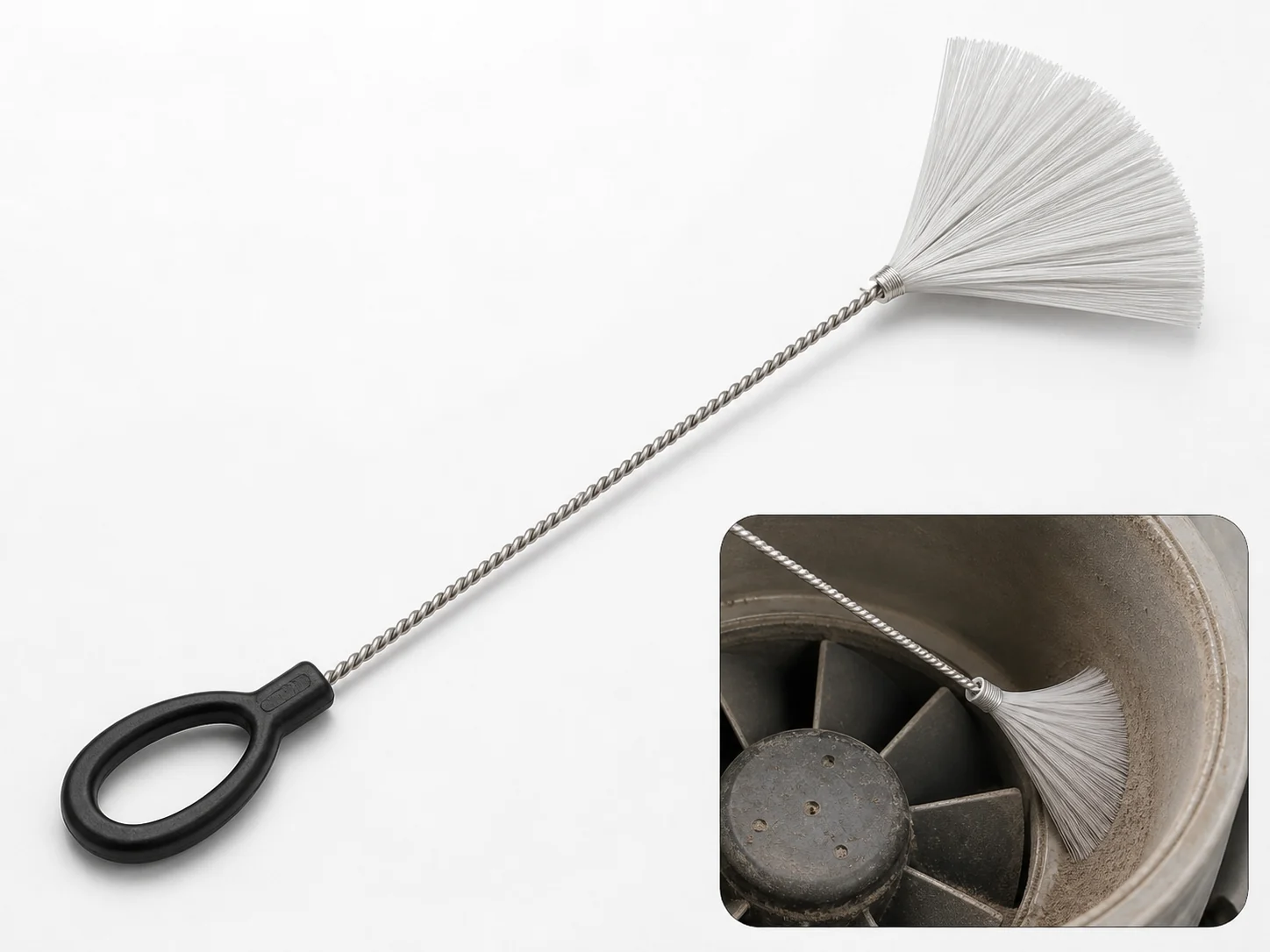
Ceiling Fan Cleaning Brush
Long-reach ceiling fan cleaning brush with U-shaped microfiber head and edge filaments for both-side blade dusting.
- Head Ø
- 260–430 mm
- Head length
- 240–430 mm
- Handle
- 1000–2900 mm

Custom Cleaning Brush Manufacturer
PRODUCT CATEGORY
Dusting works best when the brush collects or guides loose particles instead of simply moving them into the air. Ceiling fans, blinds, corners and overhead surfaces also create reach and profile problems that a normal hand brush does not solve.
Choose slim multi-surface tools for blinds, wider or wraparound heads for fan blades, long-reach brushes for cobwebs and corners, or compact dusting brushes for accessible surfaces.
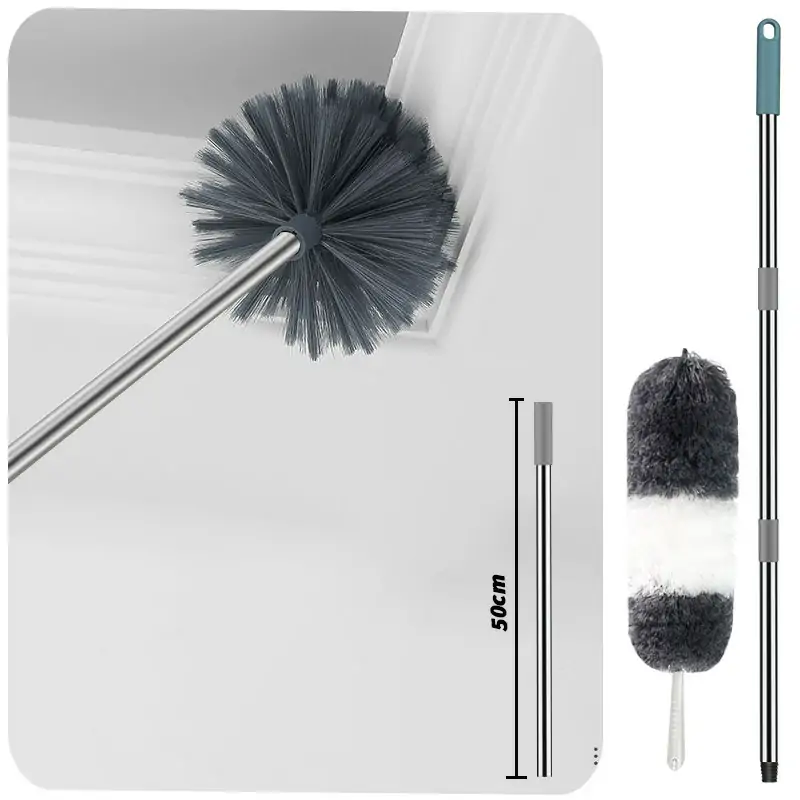
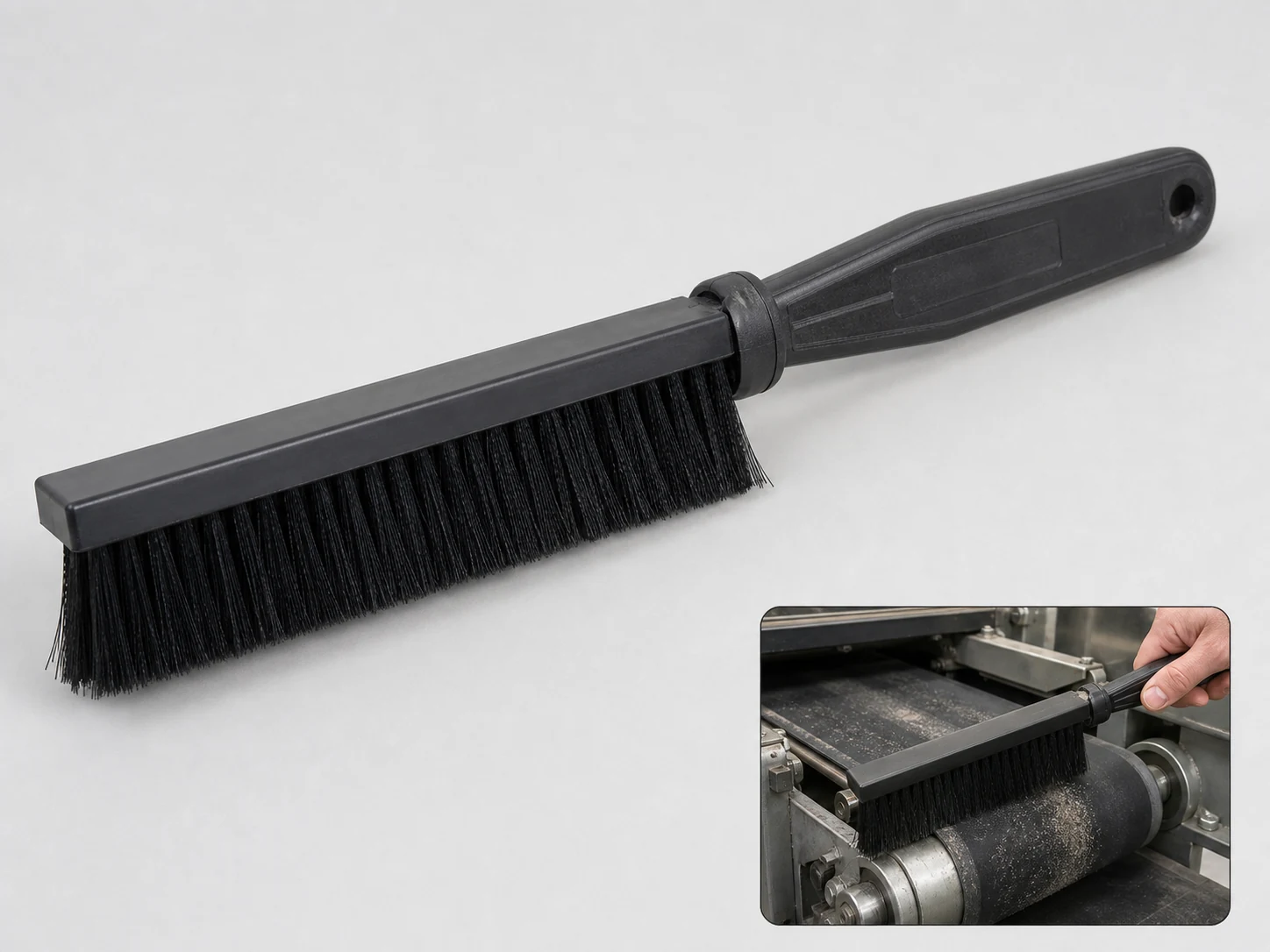
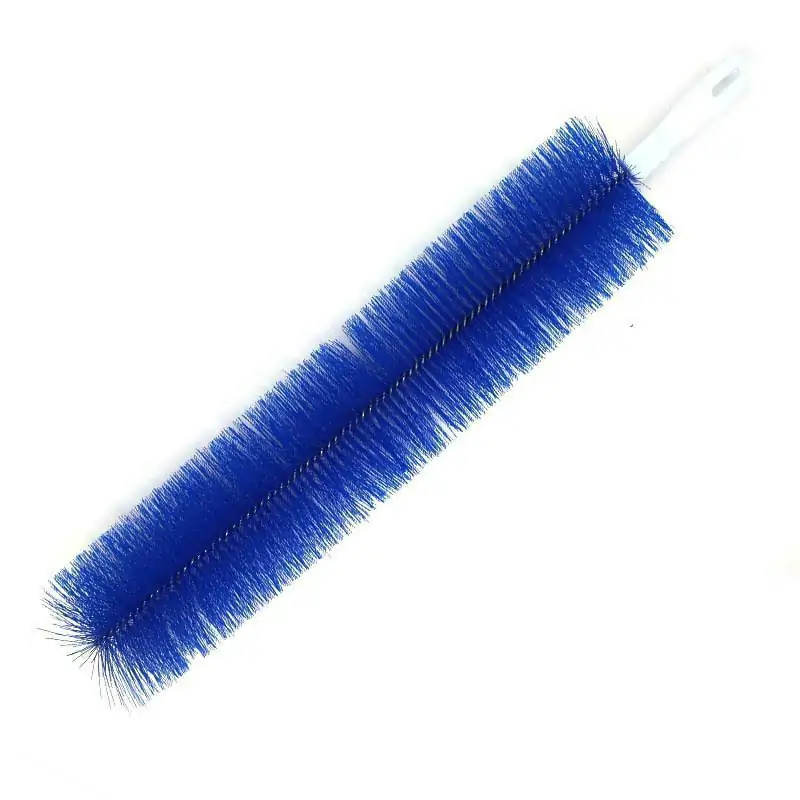
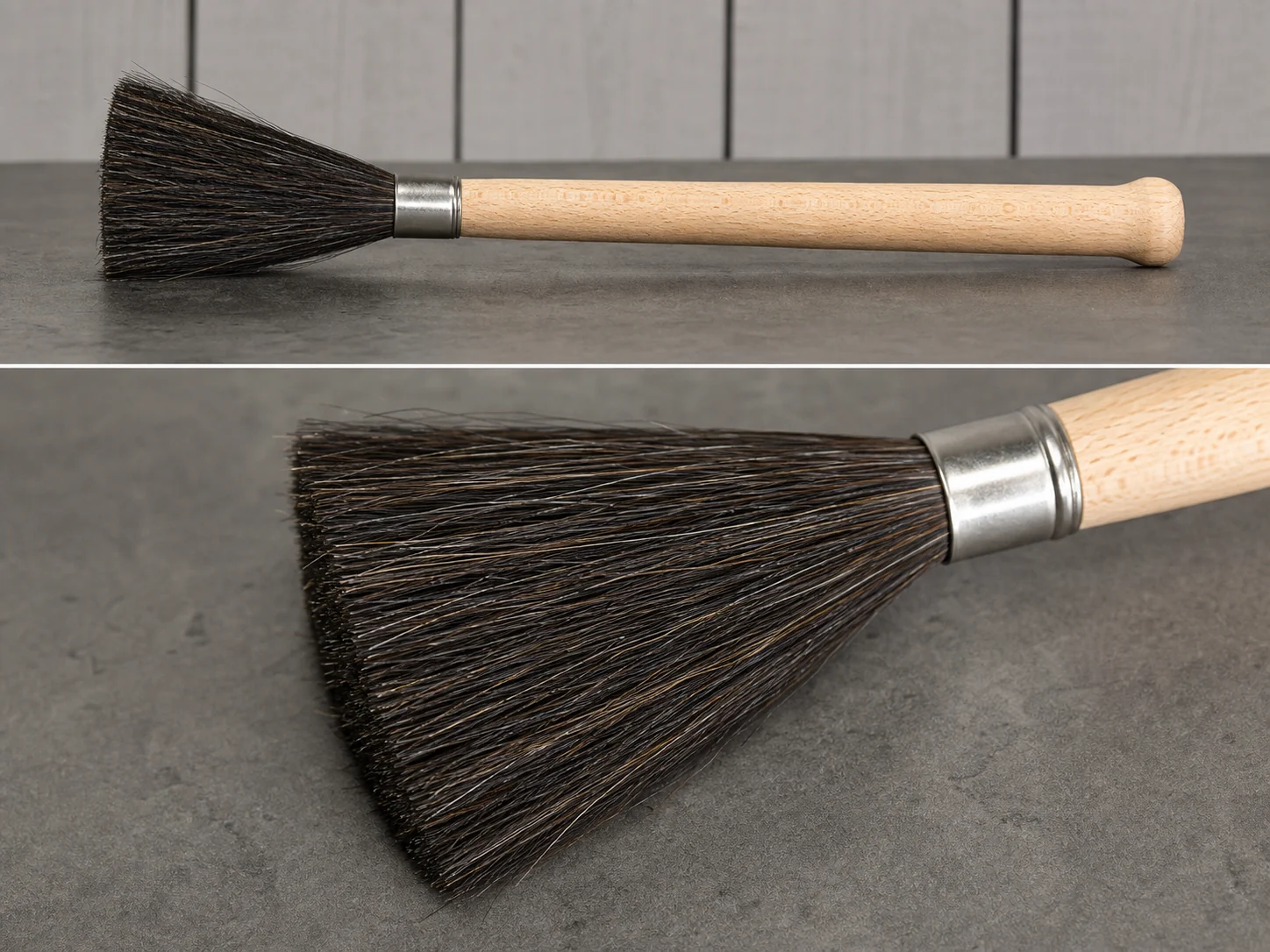
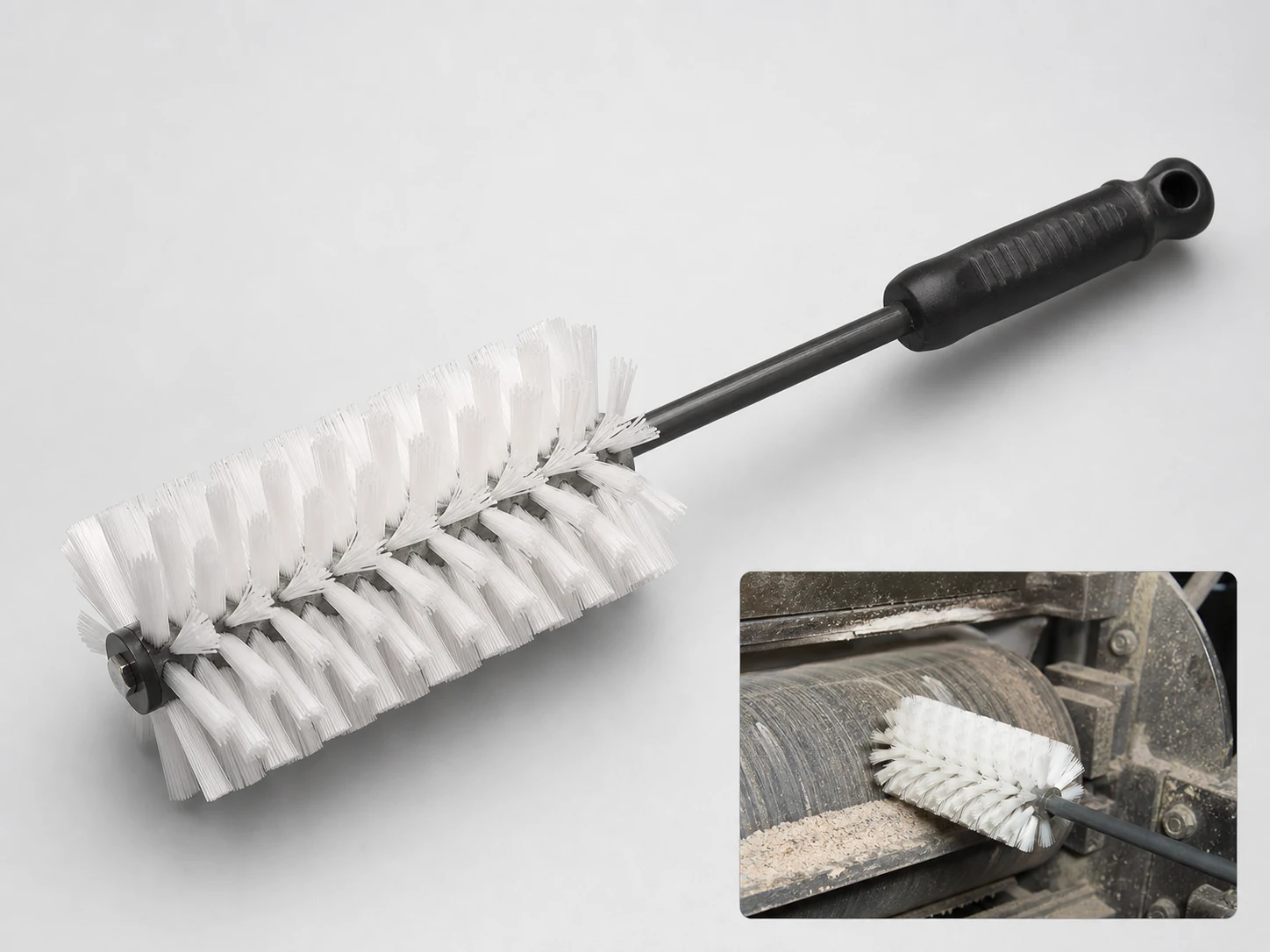
Reach, head profile and how the fibers hold dust matter more here than aggressive scrubbing force.
Blind slats favor narrow or multi-finger contact; fan blades benefit from a head that can contact both faces or a broad upper surface.
High corners and ceiling fixtures need extension length and a head that stays controllable rather than twisting away from the target.
Soft dusting fibers are effective for loose particles. If residue is oily or bonded, the job may belong in a different cleaning category that supports wet scrubbing.
Finished wood, painted blinds and appliance surfaces need soft, low-scratch contact and good particle release.
Reach changes leverage and control. Blind brushes need a thin repeating profile, fan brushes need broad or wraparound contact, and cobweb brushes need a light head that can work overhead without excessive drag.
Handle or pole length, head width, angle, fiber softness, density and multi-finger spacing can be adjusted. For a repeated OEM surface, a drawing of the slat, blade or access envelope helps set the profile.
Send the target surface, height or reach, whether dust is dry or oily, and any finish-sensitivity concerns. We can then choose a suitable head profile and handle length.
Choose your brush type, cleaning task, material direction, and key details before sending a custom brush request.