
Custom Cleaning Brush
Venetian Blind Cleaning Brush
Custom venetian blind cleaning brush with microfiber or polyester/nylon blades that clean multiple slats in one pass.
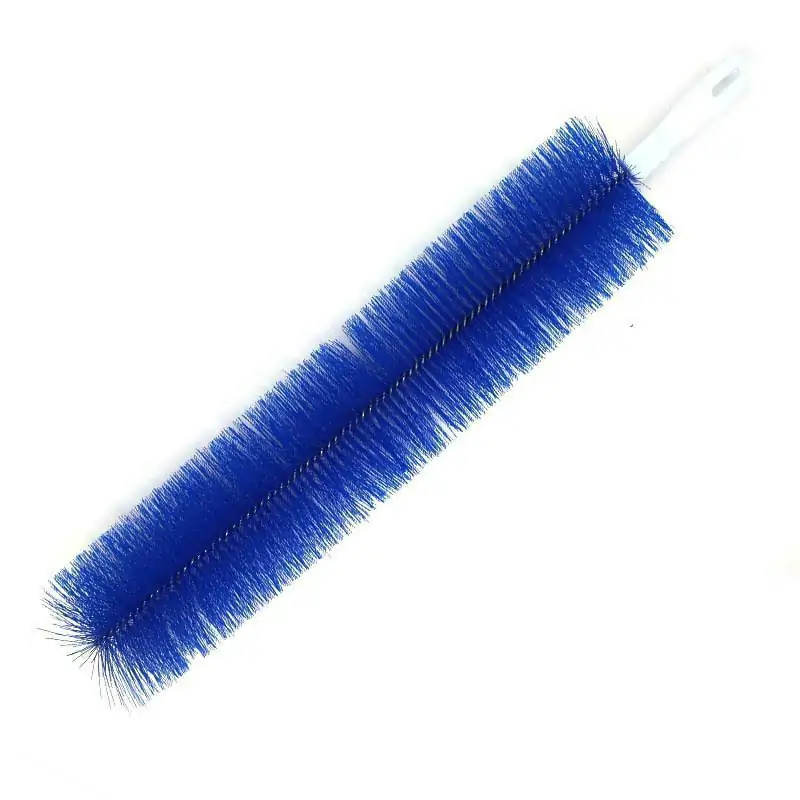
Medium brush
100 pcs
Minimum order
Worked with two hands or on a pole: chimney, gutter and pond-filter brushes, discs, cups and tank brushes.
Production lead time, once the specification is confirmed
- Up to 100 pcsWithin 7 days
- 101–5,000 pcsWithin 14 days
- 5,001–50,000 pcsWithin 21 days
- Over 50,000 pcsConfirmed with your quotation
Peak season can extend these times; the shipping date is confirmed in writing with your quotation. Sampling and shipping are quoted separately.
The Venetian Blind Cleaning Brush is a hand-guided dusting tool with soft microfiber or polyester/nylon cleaning blades that slide between adjacent blind slats and clean the top and bottom surfaces in one pass. It is configured to remove loose dust, lint, pollen, and light greasy film from horizontal and vertical venetian blinds without bending thin slats or scratching painted, anodized, or lacquered finishes.
What can this brush do for you?
Cleans Multiple Slats in a Single Pass
The working head carries two to six flexible cleaning blades spaced to match the slat pitch. As the operator draws the brush along the blind, each blade contacts the upper surface of one slat and the lower surface of the slat above, so one stroke clears several slats instead of wiping each surface individually. On long commercial window runs this removes a large share of the repetitive motion from routine blind maintenance.
Holds Dust Instead of Scattering It
Microfiber contact surfaces trap loose dust, lint, pollen, and static-attracted particles within the fiber structure rather than brushing them into the air. For offices, hotels, and healthcare facilities where resettled dust is a complaint, the brush keeps removed material on the cleaning surface until the tool is cleaned.
Enters Tight Slat Gaps Without Bending Slats
The cleaning blades are designed to slip between thin aluminum, PVC, or wood slats under light hand pressure. Because the contact is soft and the blade core is flexible, the brush reaches slat edges and undersides without forcing the slats apart or leaving crease marks.
Safe for Painted, Anodized, and Lacquered Finishes
No hard metal edges touch the blind. Microfiber and polyester/nylon blend contact materials remove surface dust and light film without scratching coated surfaces, so the brush can be used across mixed inventories of powder-coated aluminum, anodized slats, lacquered wood, and printed PVC without changing tools or risking finish damage.
One-Hand Control for High Blinds and Tight Access
A molded polypropylene handle with a 20–40 mm grip diameter and a reach of 130–210 mm gives the operator control when working above furniture or inside narrow window reveals, with an optional TPE overmold for gloved or extended use.
Restores Performance with Washable or Replaceable Contact Layers
Depending on the configuration, the cleaning blades carry removable microfiber sleeves or replaceable filament heads. Maintenance crews can wash the contact layers and return the brush to full dust pickup instead of discarding the tool when the surface becomes loaded.
What is a Venetian Blind Cleaning Brush?
A Venetian Blind Cleaning Brush is a manual cleaning tool built around a series of soft contact blades or fingers mounted on a common head and handle. The blades fit into the gaps between the horizontal slats of a venetian blind, or between the vertical vanes of a panel blind, and clean the visible faces as the tool is pulled along the slat length.
The typical build combines a polypropylene handle and body with two to six cleaning blades. Each blade carries a microfiber sleeve, polyester/nylon blend filament, or nylon PA filament depending on the surface and residue. During dry dusting, the fibers lift and hold loose dust, lint, pollen, and light static film. For light greasy film, the blades can be used lightly dampened, provided contact with water-sensitive blind components is managed.
For horizontal slats, the operator works side to side, moving the brush through the full width of the blind and allowing the blade arrangement to clean both faces of each slat. For vertical vanes, the brush travels up and down with the same two-sided contact. The tool is not designed to strip heavy grease, remove mold, or replace a full wet wash; it is a routine maintenance and light residue tool.
Technical Specifications
The values below are typical configuration ranges. We adjust head width, blade spacing, handle reach, and contact material to the slat pitch, blind size, and working position of your specific project.
| Parameter | Value / Options |
|---|---|
| Head width | 40–160 mm, selected to cover the required number of slats per pass |
| Working head length | 90–160 mm, matched to slat depth and blade engagement span |
| Handle / overall reach | 130–210 mm, adapted for hand clearance and blind height |
| Grip / body diameter | 20–40 mm, chosen for one-hand use with or without gloves |
| Slat width compatibility | 16–65 mm standard slat widths; custom slat pitch available |
| Cleaning blade / finger count | 2–6 blades, configured for top and bottom contact |
| Primary contact materials | Microfiber sleeve; polyester / nylon blend filament; nylon PA |
| Handle / body material | Polypropylene (PP), optional TPE overmolded grip |
| Cleaning mode | Dry dusting; lightly dampened microfiber for light greasy film |
| Contact layer service | Washable and replaceable sleeves or filament heads by design |
| Brush type | Custom Handheld Detail Brushes |
| How it is driven | Hand-guided |
| Cleaning target | commercial and institutional maintenance of horizontal aluminum, vertical blind vane and louver panel, and residential property turnover and pre-let cleaning |
| Surface or part | edges, gaps, pvc, wood, molds, panels, aluminum, and floors |
| Residue or debris | dust, light greasy film, loose dust, lint, pollen, grease, mold, and particles |
| Mounting / connection | Fixed / Removable Sleeve |
Where does this brush work best?
Commercial and institutional maintenance of horizontal aluminum, PVC, and wood venetian blinds in offices, hotels, schools, and healthcare buildings. The multiblade head clears large window runs quickly without replacing each slat wipe.
Vertical blind vanes and louver panels where dust settles on both faces and along the vertical edges; two-sided cleaning blades remove the visible dust without bending the vanes.
Residential property turnover and pre-let cleaning, where crews dust dozens of blinds per day and need a tool that holds dust rather than scattering it onto floors and sills.
Light greasy film in kitchens, break rooms, or smoking areas. When the contact layer is lightly dampened, microfiber blades lift a thin oil film without saturating the blind.
Plastic slats that attract airborne particles through static charge. Microfiber contact holds the particles on the tool and reduces the dust cloud that occurs with dry cloths or feather dusters.
This brush is not the right first step for heavy baked-on grease, mold, paint overspray, or water-damaged deposits. Those conditions need a vacuum, degreaser, or full removal and deep cleaning before this tool is used for routine maintenance.
How do I choose the right one?
Measure the Slat Pitch First
Record the actual slat width and the clear gap between neighboring slats at the tilt position you plan to clean. The blades must enter the gap under light pressure without bowing the slats. If a sample blade forces the slat upward, the blade spacing is too tight or the blade thickness too high for that slat material.
Match the Contact Material to the Surface and Residue
Microfiber is the default for general dry dusting, light greasy film, and lacquered or delicate finishes. A polyester/nylon blend filament gives a firmer wiping action on painted metal and PVC. Nylon PA is used mainly for stiffer edge contact on robust surfaces. Do not place firm filament ends on delicate wood, foil-faced slats, or fabric-wrapped vanes unless the surface has been tested.
Set the Handle Length for the Working Position
For blinds mounted above desks, counters, or furniture, choose a longer overall reach so the operator does not overextend. For close detail work on vertical vanes or narrow reveal windows, a shorter reach gives better blade control. Grip diameters at the upper end of the 20–40 mm range help operators using gloves.
Choose Head Width by Access and Speed
A 100–160 mm wide head with more blades covers more slats per stroke and speeds up open window banks. A 40–80 mm head fits tighter reveals, narrow vertical vanes, and blinds close to the glass. Check that the head passes between the blind surface and the window without catching brackets, cords, or ladder tapes.
When Another Cleaning Method Is Better
Use a vacuum with a soft brush attachment before this brush when the blind is heavily caked with dust. Use a degreaser and wiping cloth for thick kitchen grease, and a dedicated wet cleaning or ultrasonic process when the blinds are removed for deep cleaning. This brush is the right tool for routine dusting and light film, not for baked-on or water-damaged contamination.
Can I customize this brush?
Yes. We build the brush around your blind dimensions, slat material, and cleaning schedule. The more information you share about the actual blind, the closer the first sample will fit.
Common customization points include:
- Head width, blade count, blade spacing, and number of slats cleaned per pass
- Contact material: microfiber density and color, polyester/nylon blend filament length and diameter, nylon PA stiffness
- Blade core flexibility and edge geometry to prevent slat bowing
- Handle length, grip diameter, PP or TPE overmolded grip, straight or offset handle, hanging loop
- Removable or fixed contact layers; washable sleeve design
- Custom color, molded logo, pad print, or laser marking
- Bulk packaging, individual retail bag, or maintenance-kit assembly
To define the configuration, send the slat width, slat pitch or gap, blind orientation, slat material and finish, the residue you are removing, dry or damp use, desired handle reach, and how many slats you want to clear per stroke. A sample slat or dimensioned drawing speeds up the fit confirmation. If your project requires material documentation, inspection support, or third-party testing, we can assist with those requirements during the customization process.
When is a venetian blind cleaning brush worn out rather than just dirty?
How can I check that the cleaning blades fit my blind without damaging the slats?
Hold a slat lightly between your fingers and insert the configured blade into the gap. It should seat with light hand pressure and not force the slat upward or create a visible bend. If the slat bows, request a thinner blade profile or wider blade spacing before production.
Can I use the brush on damp blinds or with water?
The brush is intended mainly for dry dusting. For light greasy film, the microfiber contact may be used lightly dampened, but wring it thoroughly first. Keep water away from headrail mechanisms, cords, and any unsealed wood or fabric surfaces. Never immerse the brush or use it as a wet-washing tool.
Does the brush clean both the top and bottom of each slat in one pass?
Yes, when the blade arrangement is configured for paired top-and-bottom contact. A single-row configuration cleans only the facing surfaces, so confirm the blade layout against your blind pitch and your expected cleaning direction. Pairing is standard on most multiblade heads.
How do I know when to wash or replace the contact layers?
Wash removable microfiber sleeves or filament heads when dust no longer clings to the surface or the contact layer looks matted and flattened. Use warm water and mild detergent, then air dry completely. Replace the layer when the fibers lose loft, the backing degrades, or the blade no longer holds a light film of dust after washing.
Should I vacuum before using this brush on heavily dusted blinds?
For thick or sticky accumulation, yes. Remove the bulk with a vacuum and soft brush attachment first, then use the blind cleaning brush for the remaining light dust and film. Brushing a heavily loaded blind first can smear sticky material into the slat coating and push dust into corners.
Will this brush damage wood or fabric-wrapped blinds?
Soft microfiber and polyester/nylon blend contacts are generally safe on sealed or lacquered wood and fabric-wrapped vanes. Test on an inconspicuous area first, keep the pressure light, and stay dry on unsealed wood or delicate foil surfaces. Avoid firm nylon PA filament on these materials.
Guides that go deeper on this
We have not written a guide specific to this one yet. The material that covers selection, filament, dimensions, maintenance and sourcing is collected in the technical resources library.
Custom Manufacturing RFQ
Describe Your Application
To prepare the correct quotation, provide the dimensions, cleaning task, residue, material, mounting details, quantity, and a drawing or photo.
Drawing or photo optional — it speeds things up, it does not gate the enquiry.
Custom Brush RFQ
Send Your Brush Project
Upload a drawing, product photo, or sample photo and provide the core dimensions and cleaning conditions.
“We need a brush to remove wet residue from a stainless steel conveyor, about 800mm wide. The current brush wears quickly. We can send photos.”
“We sell drinkware and need a cleaning brush to include with the product. Quantity around 5,000 pieces.”