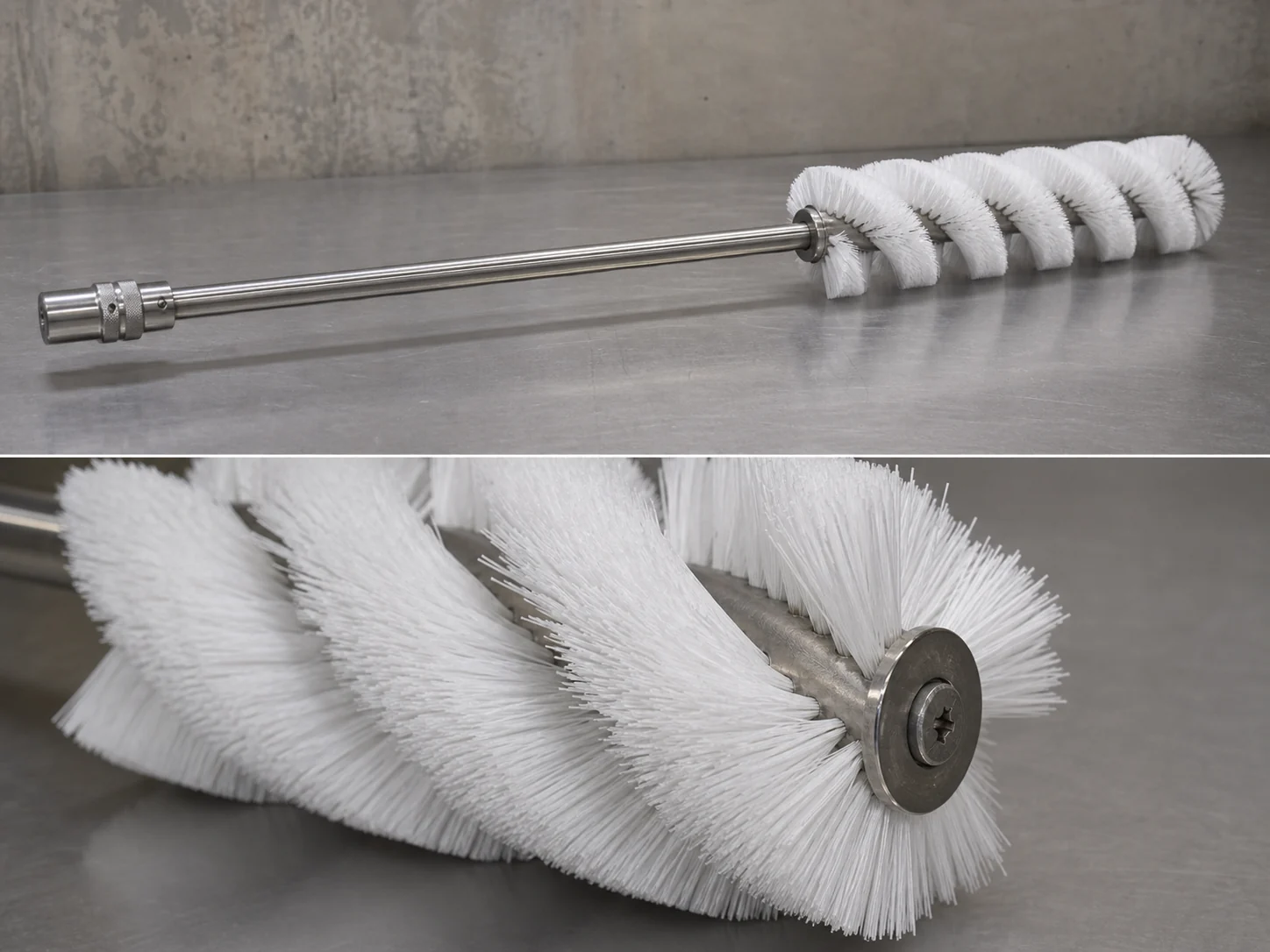
1000mm Helical PBT Conveyor Brush
1000mm helical PBT conveyor brush with 150mm OD, AISI 304 core and quick-change coupling for conveyor belt cleaning.
- Head Ø
- 150 mm
- Head length
- 1000 mm

Custom Cleaning Brush Manufacturer
PRODUCT CATEGORY
A conveyor brush works as part of the line, so its job must be defined in motion. Some clean the belt, some remove dust from product, some guide or sort items, and others control powder at feeding points. The correct brush depends on contact direction, line speed and what must happen to the debris.
Compare roller, helical, wheel and fixed brushes used for belt cleaning, dust removal, feeding, sorting and product transfer.
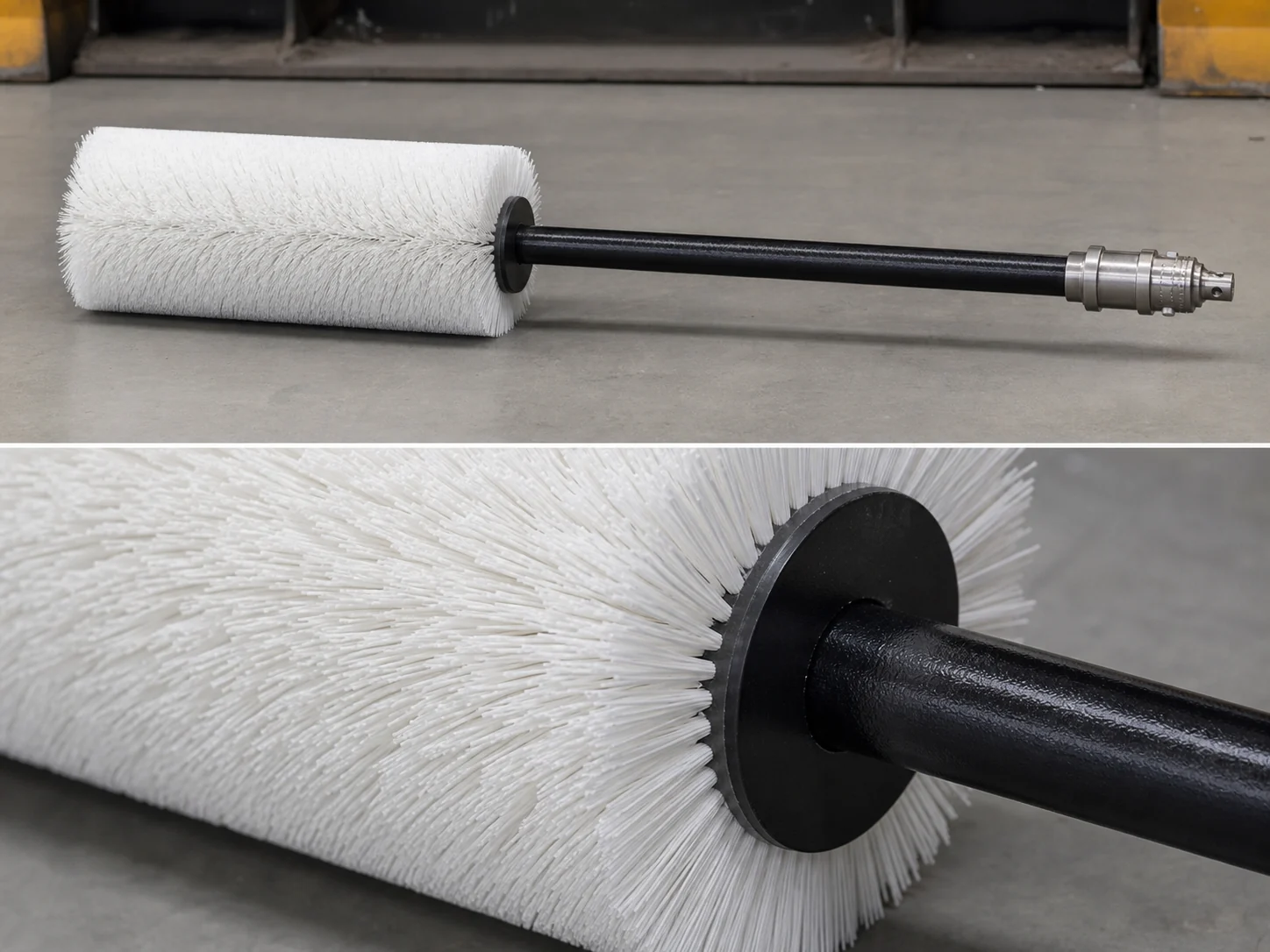
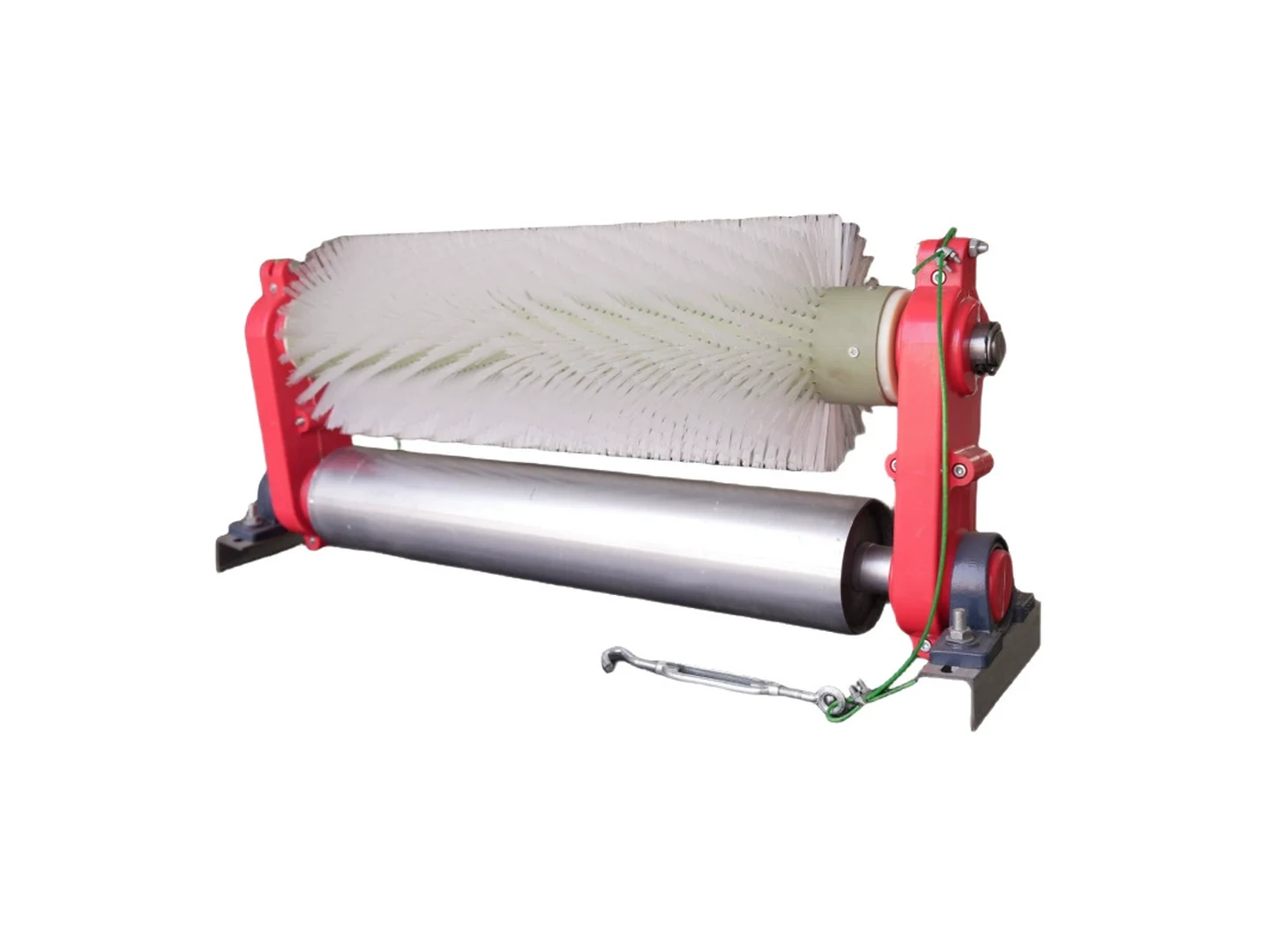
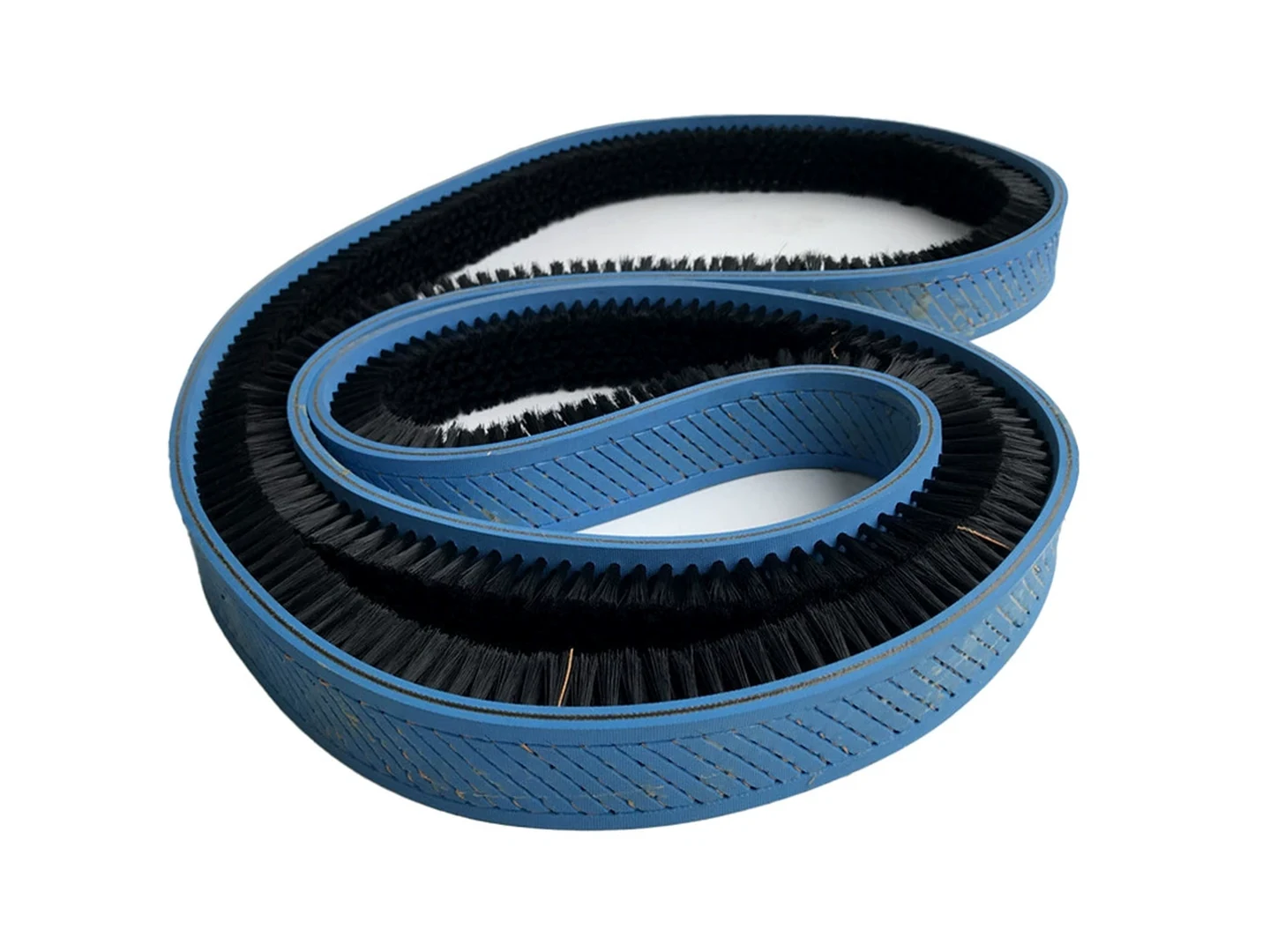
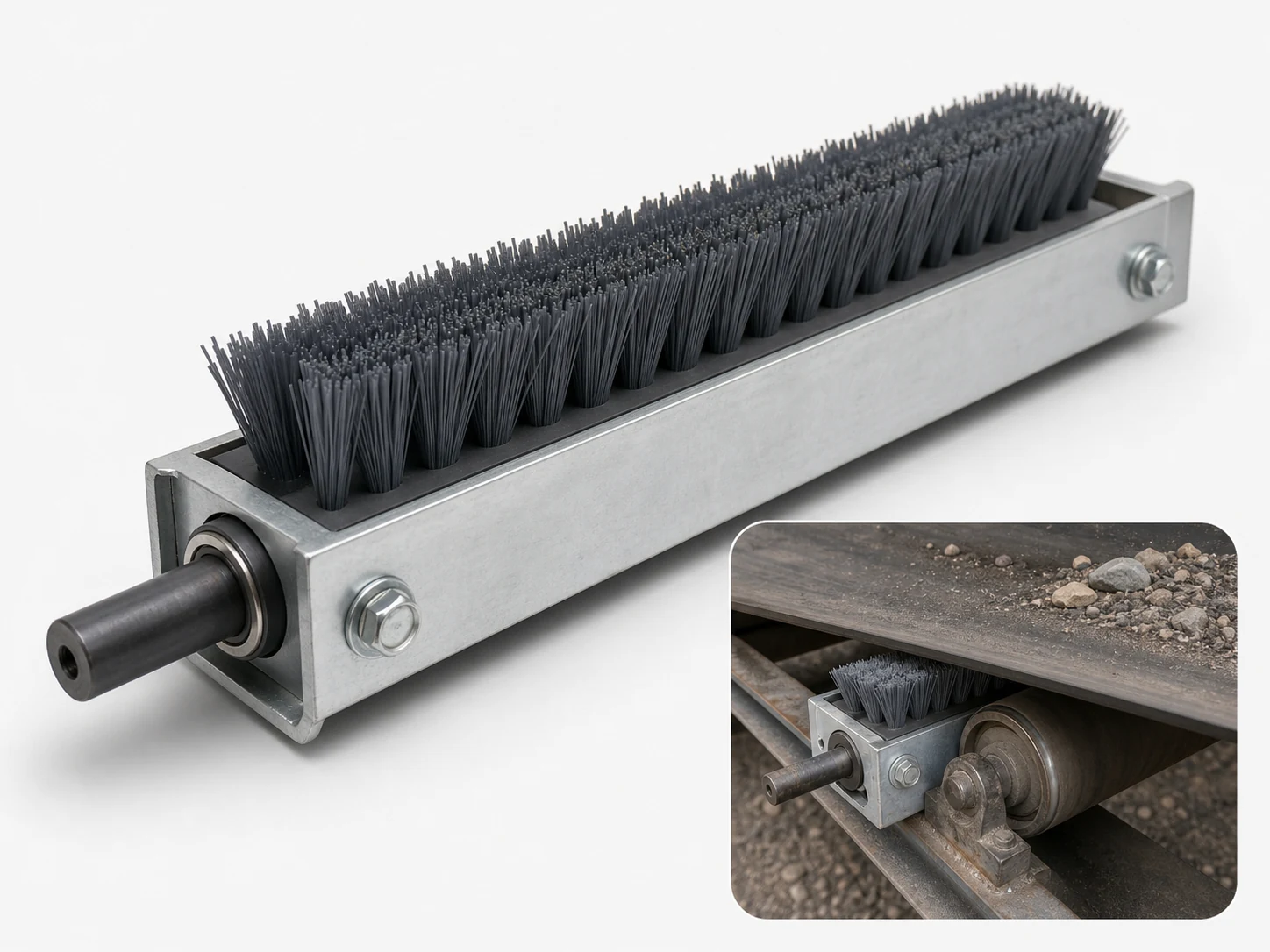
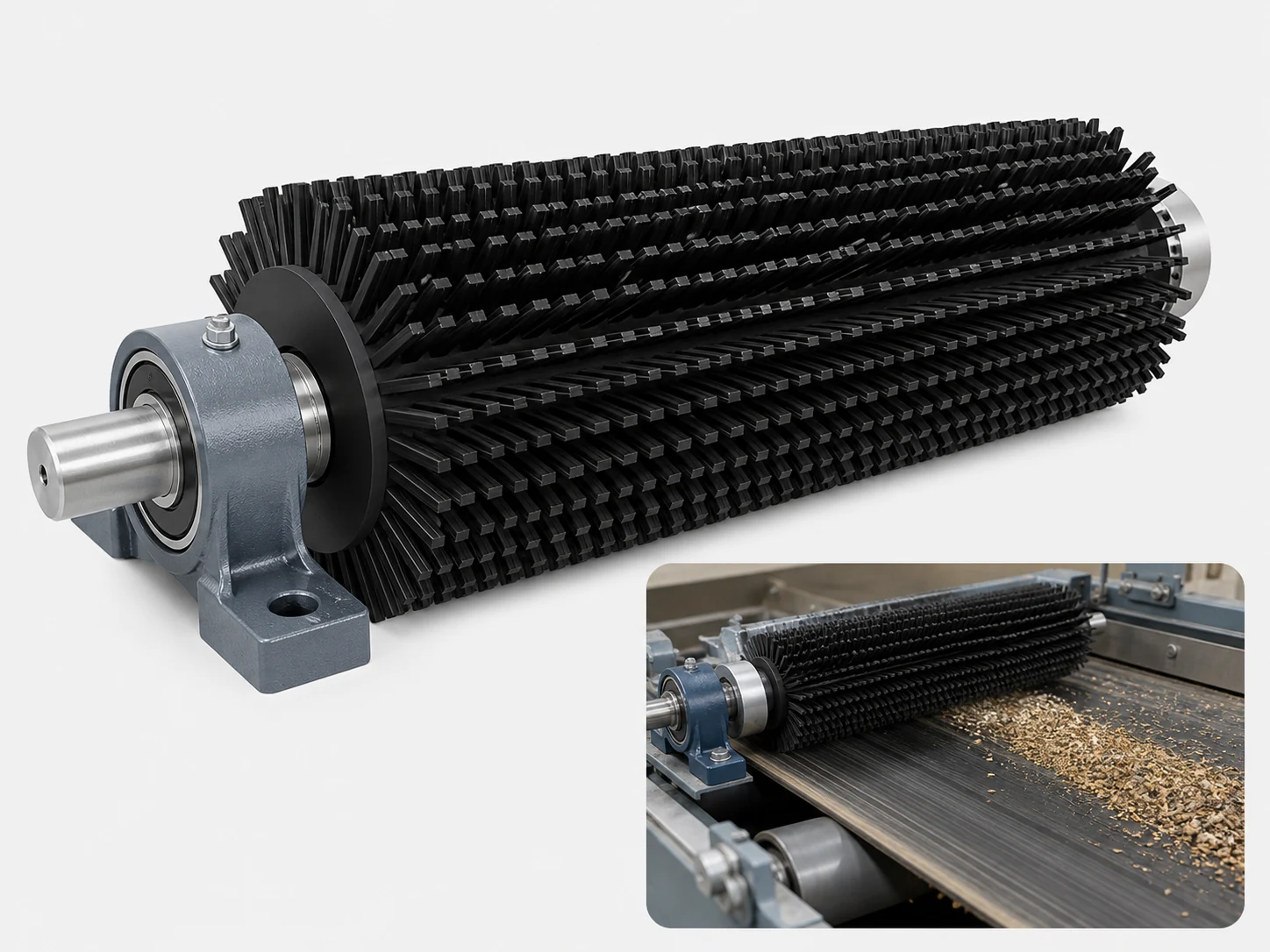
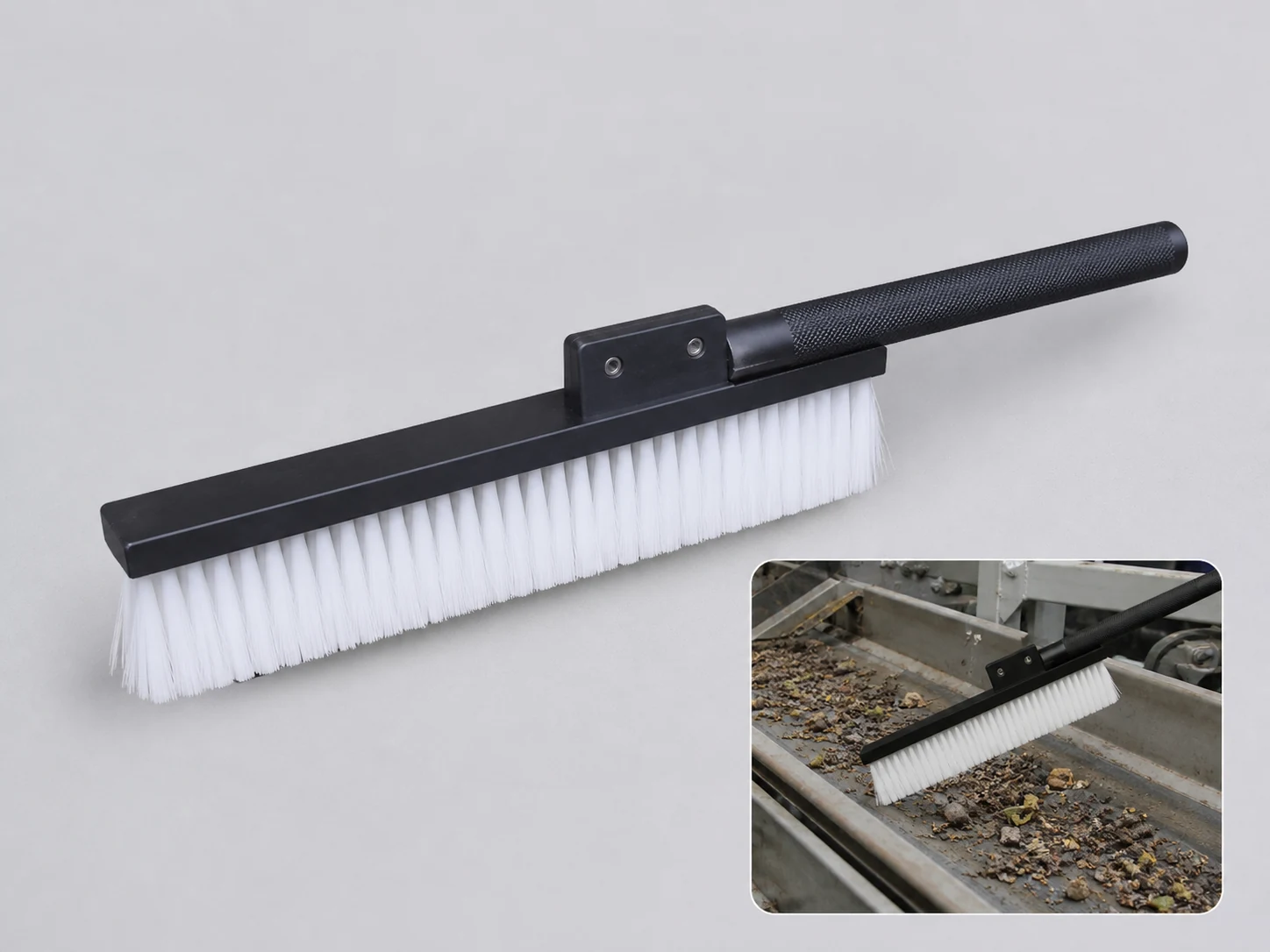
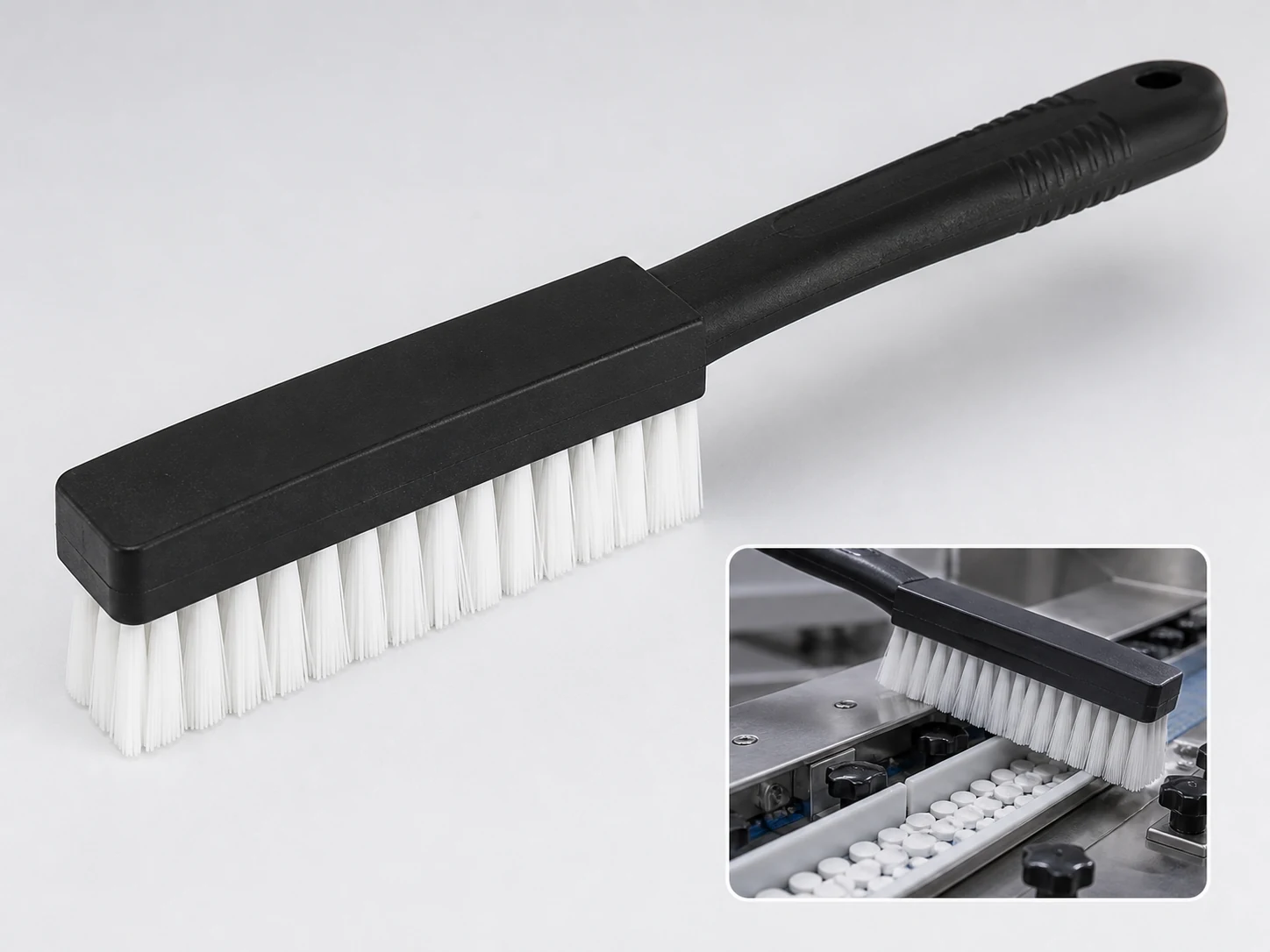
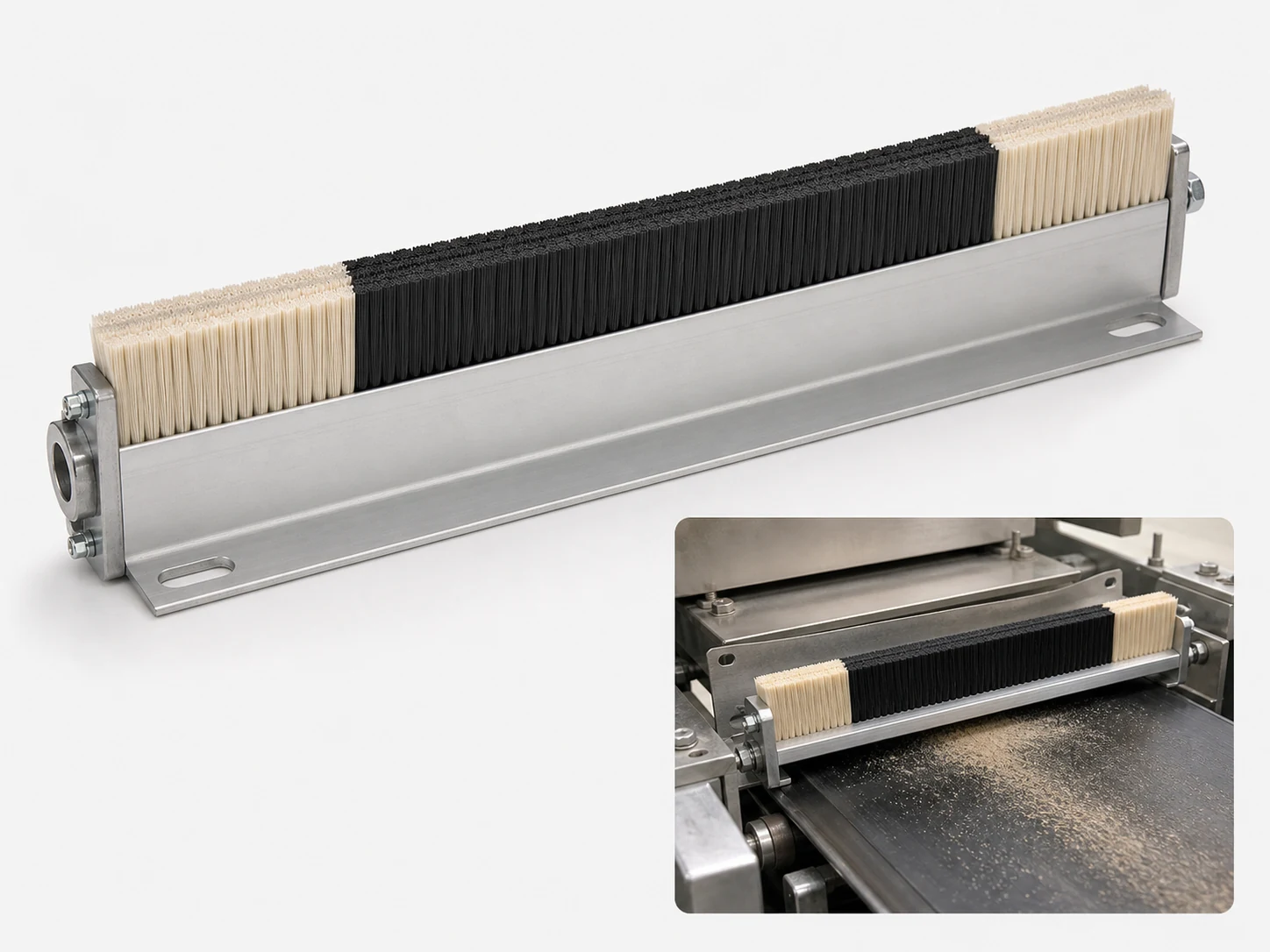
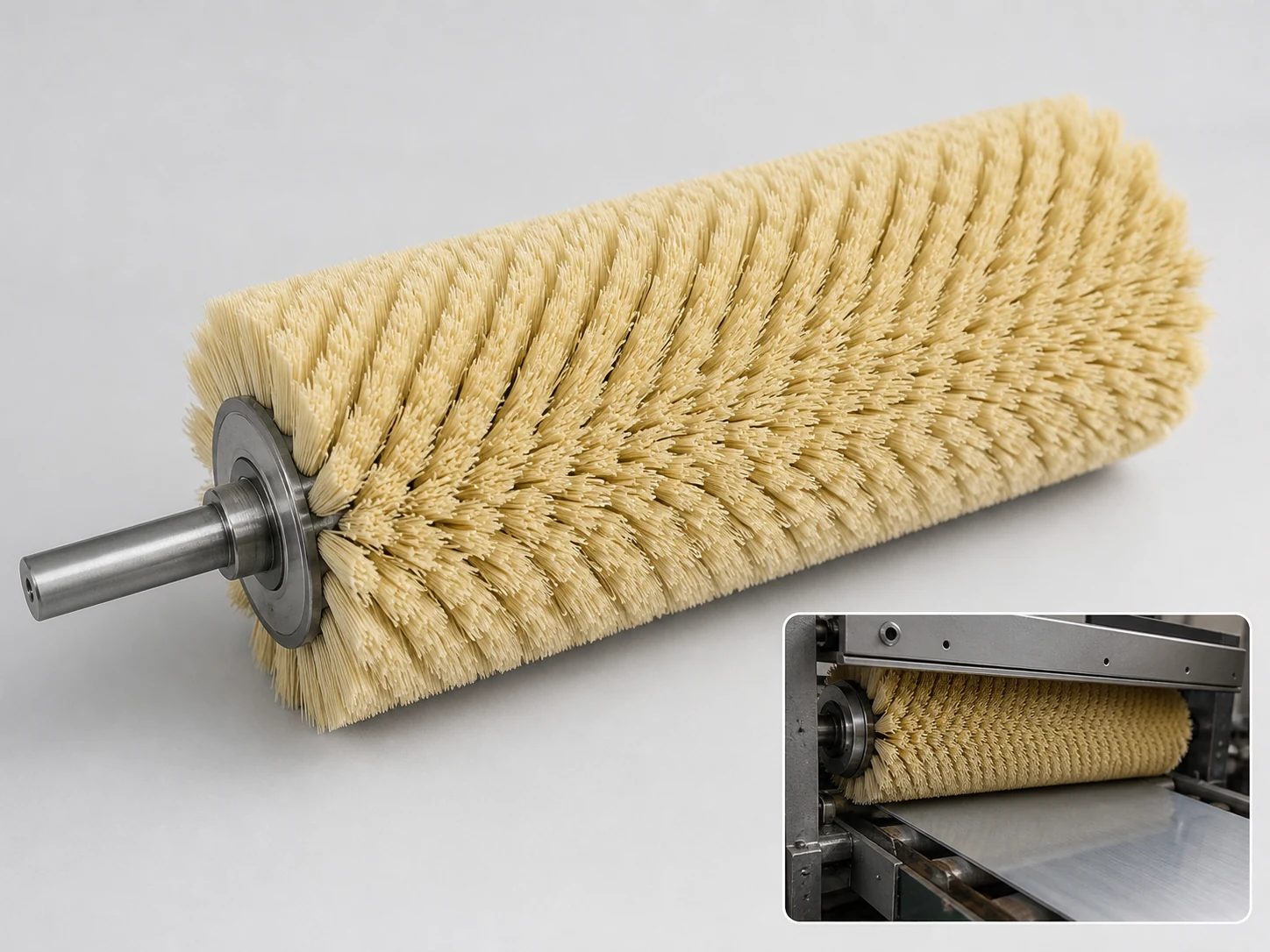
Cleaning, guiding, metering and sorting can use similar shapes but require different contact patterns and stiffness.
A brush cleaning the conveyor surface can tolerate different contact than one touching glass, food, film or another finished product.
Rotation direction, surface speed and contact angle affect wear, debris movement and whether the brush helps or fights the conveyor.
Loose dust can be swept with lighter contact; sticky or compacted buildup may need stronger trim or a different cleaning position.
Working width, shaft or base, height adjustment and machine clearance are essential for a brush that must stay aligned across the line.
A conveyor belt cleaner removes contamination, a sorting brush influences product movement, and a feeder brush controls flow. Similar roller geometry does not mean the same pattern or stiffness will work.
Working width, outside diameter, core, shaft, helical or row pattern, trim, density and filament can be built around the line. Include speed, contact pressure and mounting position.
Send belt width, line speed, product or surface, residue, brush location and mounting space. We can then design the contact pattern around the process.
Choose your brush type, cleaning task, material direction, and key details before sending a custom brush request.