
Application
Optical Lens Surface Dust Removal
For Optical Lens Surface Dust Removal, the brush must reach the working area, disturb or collect fine particulate dust/fibers/light oil film, and release it without creating unacceptable surface damage or process interference. The brush structure must match the access path, contact movement, and cleaning process.
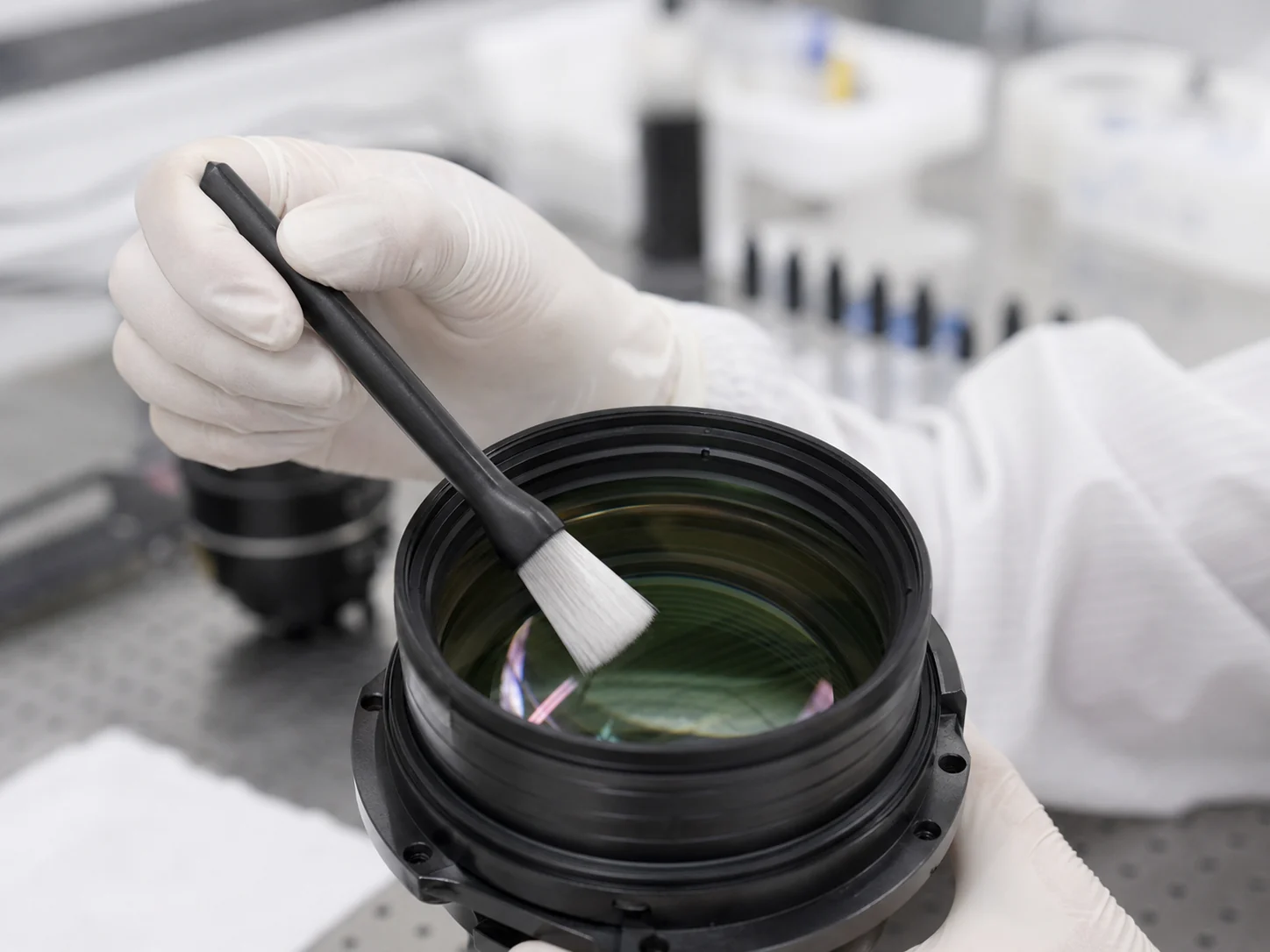
At a glance
- Cleaning target
- Fine Particulate Dust/Fibers/Light Oil Film
- Working environment
- Dry Indoor Area / Cleanroom
- Cleaning method
- Dry Brushing / Wet Brushing
- Requirements to check
- Low Scratching / Low Shedding; Optical-Cleaning SOP
On coated optics one trapped particle turns a dusting pass into a scratch, so the brush is used to lift dust off the surface and never to wipe across it.
What makes Optical Lens Surface Dust Removal different from other electronics and precision cleaning?
The task is to remove Fine Particulate Dust/Fibers/Light Oil Film while controlling surface damage, residue carryover, brush shedding and chemical or temperature degradation.
The work happens in dry indoor area and cleanroom against fine particulate dust, fibers and light oil film.
The part people get wrong: the surface, the residue and the access opening decide the brush together. Fix on any one of them alone and the geometry comes out wrong.
What are the most common cleaning targets in Optical Lens Surface Dust Removal?
The work breaks into 5 targets. They look similar from outside the machine and behave nothing alike at the brush.
| Part or area | Residue type | Cleaning requirement |
|---|---|---|
| Camera Lens | Fine Particulate Dust, Fibers, Light Oil Film | The head must reach the working face and apply even contact without marking the surface. |
| Microscope Objective | ||
| Laser Optics | ||
| Eyewear and Display Optics | ||
| Optical Sensor Window | The face must stay flat against the surface so the whole working width contacts, with filament soft enough not to mark it. |
The dimensional envelope those targets impose on the brush:
| Parameter | Typical range |
|---|---|
| Contaminant | Fine Particulate Dust/Fibers/Light Oil Film |
| Required hardness | Soft |
| Maximum temperature | 60°C |
| Chemical exposure | No Added Medium; Lens Cleaning Solution/Isopropyl Alcohol |
| Cleaning method | Dry Brushing/Wet Brushing |
| Environment | Dry Indoor Area/Cleanroom |
Which brush types work for each cleaning target?
Select hand, tube, strip, roller, disc or machine-mounted geometry from access and motion.
| Cleaning target | Recommended brush type | Why it fits |
|---|---|---|
| Camera Lens | Handheld Detail Brushes | A coated front element is soft, so the brush is used dry and hand-guided to lift grit off before any cloth touches the glass. |
| Microscope Objective | An objective’s front lens is small, recessed and close to the specimen, so a fine hand-guided head is what reaches it without touching the mount. | |
| Laser Optics | On a laser optic one particle becomes a burn site at power, so the brush is hand-guided and used to lift, never to wipe across the coating. | |
| Eyewear and Display Optics | Lenses and screens are handled constantly and are coated, so a soft hand-guided head takes the grit off before it gets dragged into a scratch. | |
| Optical Sensor Window | A sensor window is a flat pane set in a housing, so a flat head keeps even contact across it and clears the whole aperture in one pass. |
All hand brushes, held over the lens rather than rested on it, and stored capped so the fill picks up nothing between uses.
In practical brush terms: reach first, then residue. A brush that fits but is too soft can be stiffened; a brush that does not fit is simply the wrong tool.
What filament materials work best for Optical Lens Surface Dust Removal?
Goat hair for dry dusting, because it lifts particles without dragging them across the coating; PBT where the brush is wetted with lens solution or IPA and dried between uses.
| If the condition is… | Filament to start with | Why |
|---|---|---|
| Dry dust on a coated surface | Goat Hair | lifts the particle instead of dragging it across the coating |
| Light oil film needing solvent | PBT | wets with lens solution or IPA and dries without matting |
The constraints this application puts on the filament:
| Constraint | Value for this application |
|---|---|
| Filament hardness | Soft |
| Maximum service temperature | 60°C |
| Chemical exposure | No Added Medium; Lens Cleaning Solution/Isopropyl Alcohol |
| Cleaning method | Dry Brushing, Wet Brushing |
How do I choose the right brush for my optical lens surface dust removal equipment?
Start with soft fill, a 60°C ceiling and no added medium, then size to the optic and accept that the blower does most of the work.
The sequence that gets a usable sample first time:
- Identify the target part and measure the access opening or clearance
- Describe the residue: what it is, how thick it sits, and how strongly it holds
- Choose the construction that can physically reach that target
- Set the filament from surface risk, working temperature and cleaning chemistry
- Fix filament diameter, free trim length and density for the contact pressure you need
- Run one cycle and check the result before committing to a production quantity
Before you commit to a quantity, send the optic’s diameter, the coating type, and what the blower has already failed to remove.
When is an optical lens surface dust removal brush the wrong tool?
A blower comes first every time, because anything a brush drags across a coating is a scratch. Fingerprints and oil films need lens solution and a proper wipe, and a damaged coating is a replacement rather than a cleaning problem.
What common mistakes should I avoid in Optical Lens Surface Dust Removal?
- Asking for a lens brush without saying whether the surface is coated and what the blower already failed to remove
- Changing the filament while leaving excessive engagement, poor alignment or no discharge path unchanged
- Copying a worn brush without first recording its motion, direction, mounting and original working diameter
When a brush is running but not cleaning, start here rather than adding pressure:
| Symptom | What to change |
|---|---|
| Residue remains | Increase discharge or relative motion before adding pressure |
| Surface marks | Reduce engagement and use finer/softer fill |
| Rapid wear | Check alignment, temperature and chemical attack |
| Redeposition | Add wash, vacuum or collection path |
Questions this page is asked
Why should loose particles be removed before a brush touches an optical lens?
Loose hard particles can be dragged across the coating and create scratches when contact begins. Use the optic manufacturer's approved blower or other noncontact step first, inspect the surface, and apply a clean soft brush only when the remaining contamination and coating instructions permit it.
When may a cleaning fluid be used with a lens brush?
Use only a fluid and application method approved for the identified optic, coating and contamination, because a cleaner that is acceptable on one lens can haze, swell or leave residue on another. Apply it by the specified method rather than saturating the brush or allowing liquid to wick into mounts and edges.
What condition makes a lens-dusting brush unsuitable for another optic?
Stop using it when the fill has touched skin or an uncontrolled surface, holds visible grit or oil, sheds, clumps, bends unevenly or cannot be cleaned by its approved method. Store an accepted brush covered and separated from general-purpose tools, and replace it rather than testing a questionable tool on the lens.
Guides that go deeper on this
We have not written a guide specific to this one yet. The material that covers selection, filament, dimensions, maintenance and sourcing is collected in the technical resources library.
Continue Exploring
Recommended Reading & Related Brush Resources
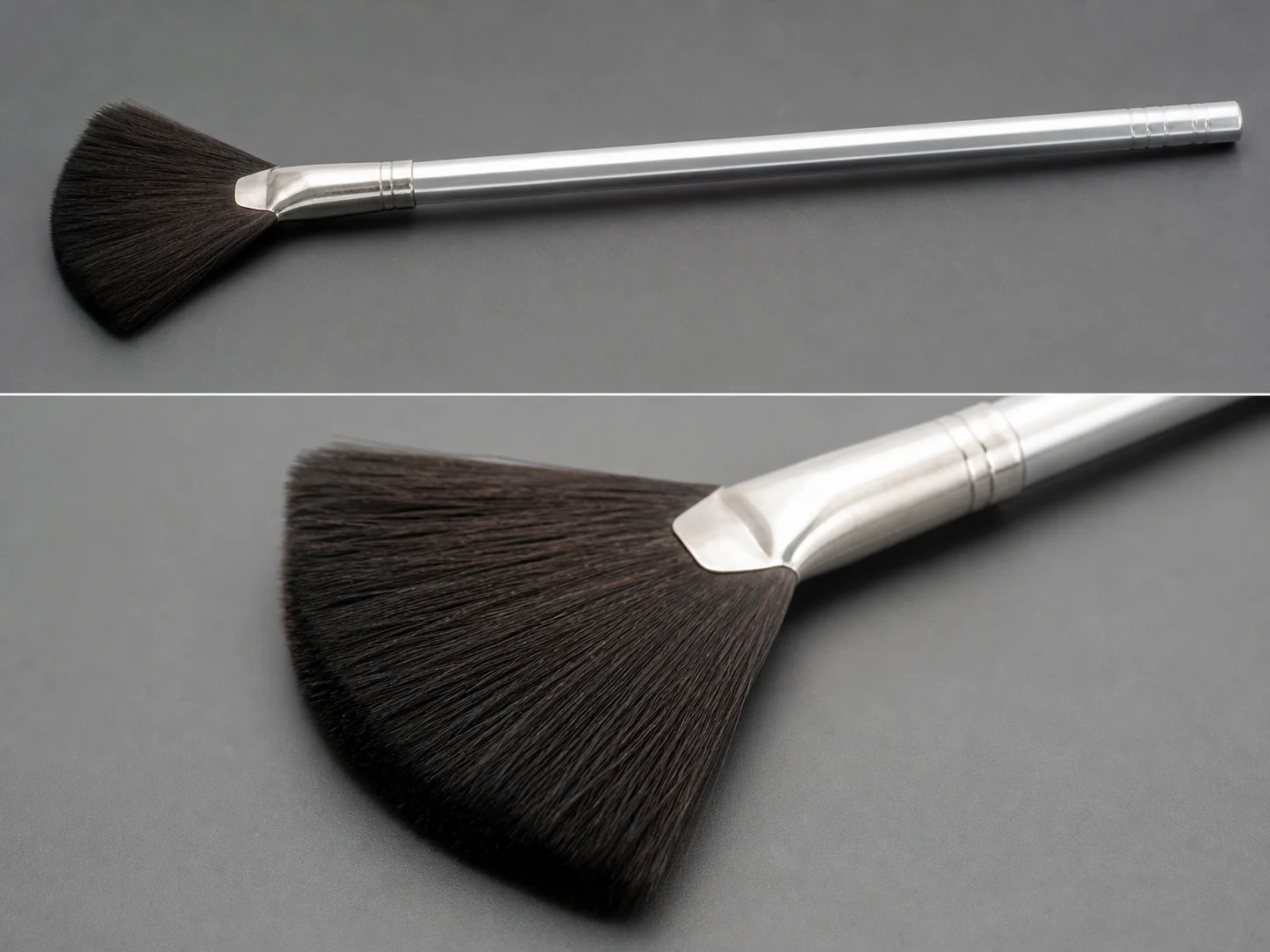
Goat Hair Optical Dusting Brush
Soft natural goat hair brush for dry dust removal on lenses, mirrors, prisms, and…
See the specification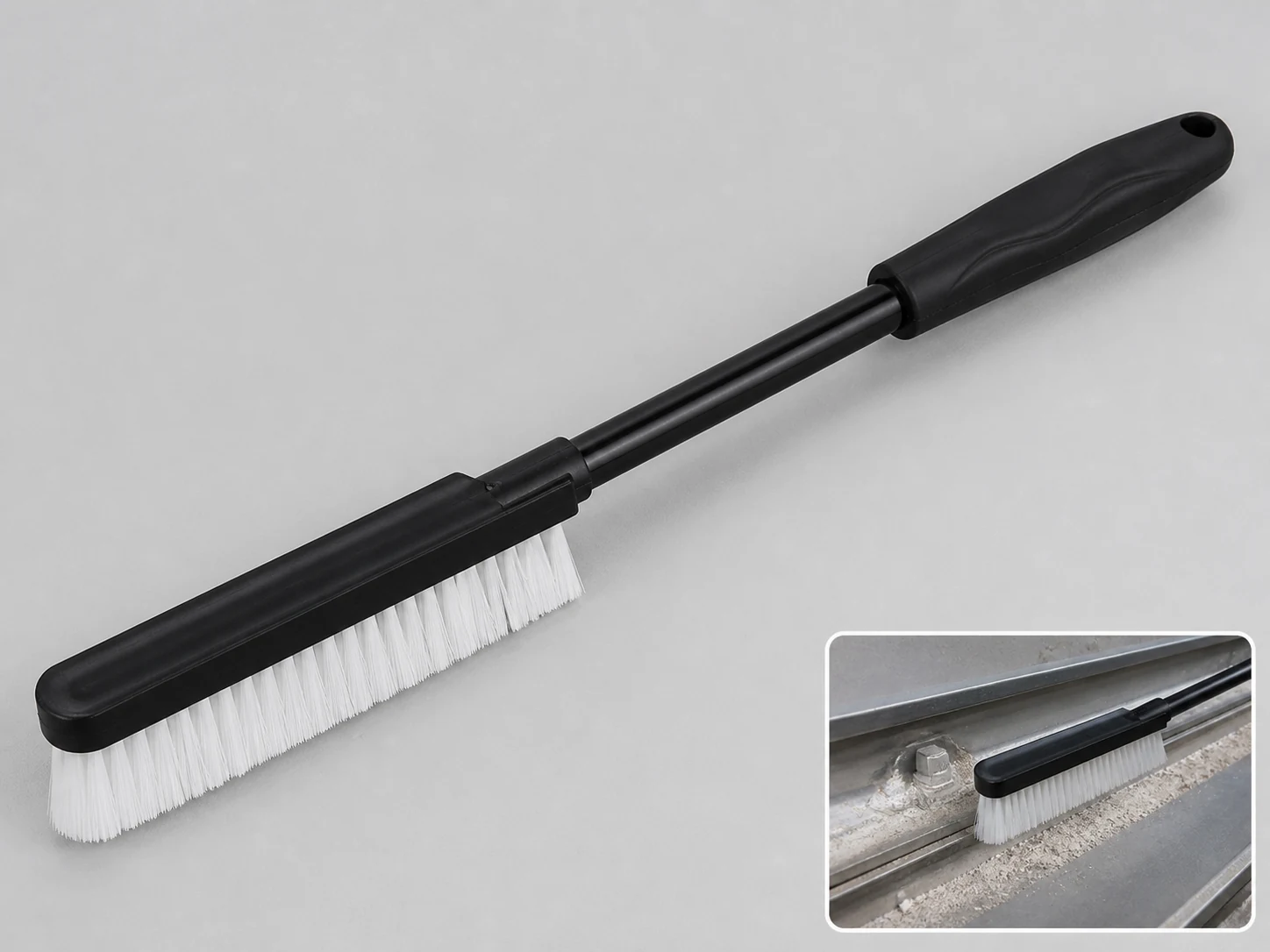
Nylon Dust Removal Brush
Custom Nylon PA dust removal brushes for panels, profiles, slots, and equipment surfaces. Fine…
See the specification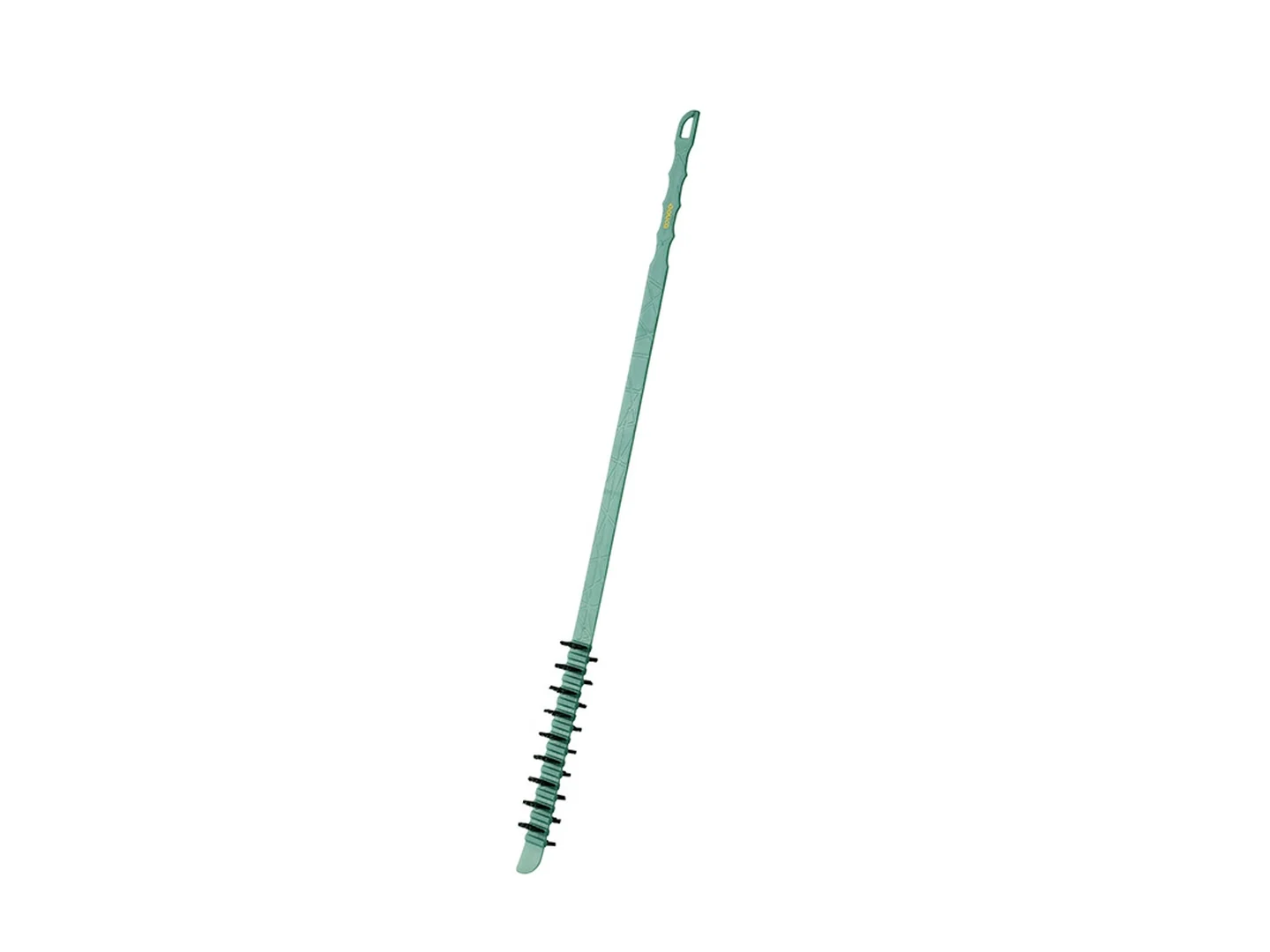
Banknote Counter Brush
Custom nylon PA banknote counter brush for cleaning feed rollers, CIS sensors, and note…
See the specification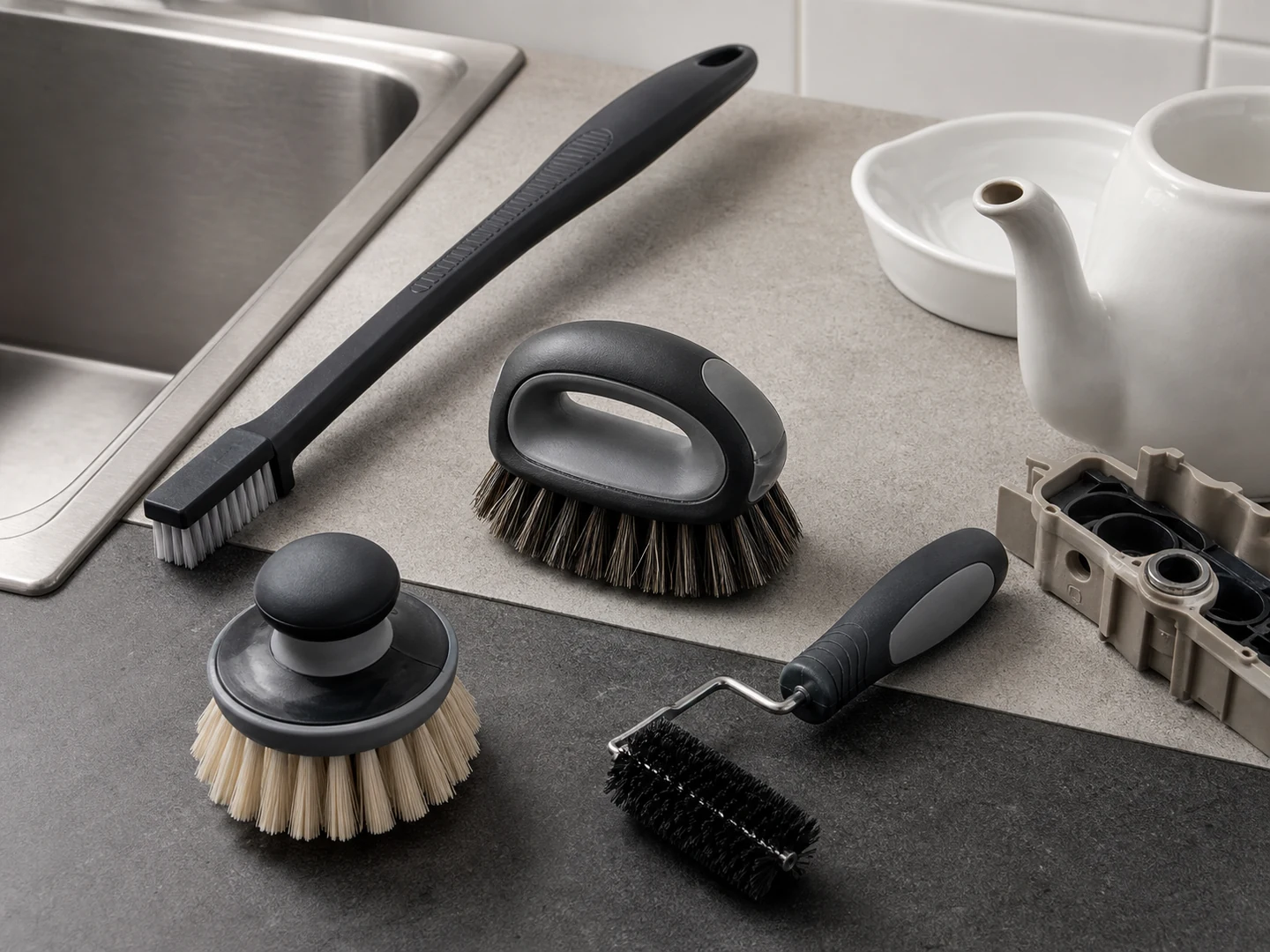
Custom Handheld Detail Brushes
Choose a handheld detail brush when you need direct control in seams, recesses, fittings,…
See how this type is built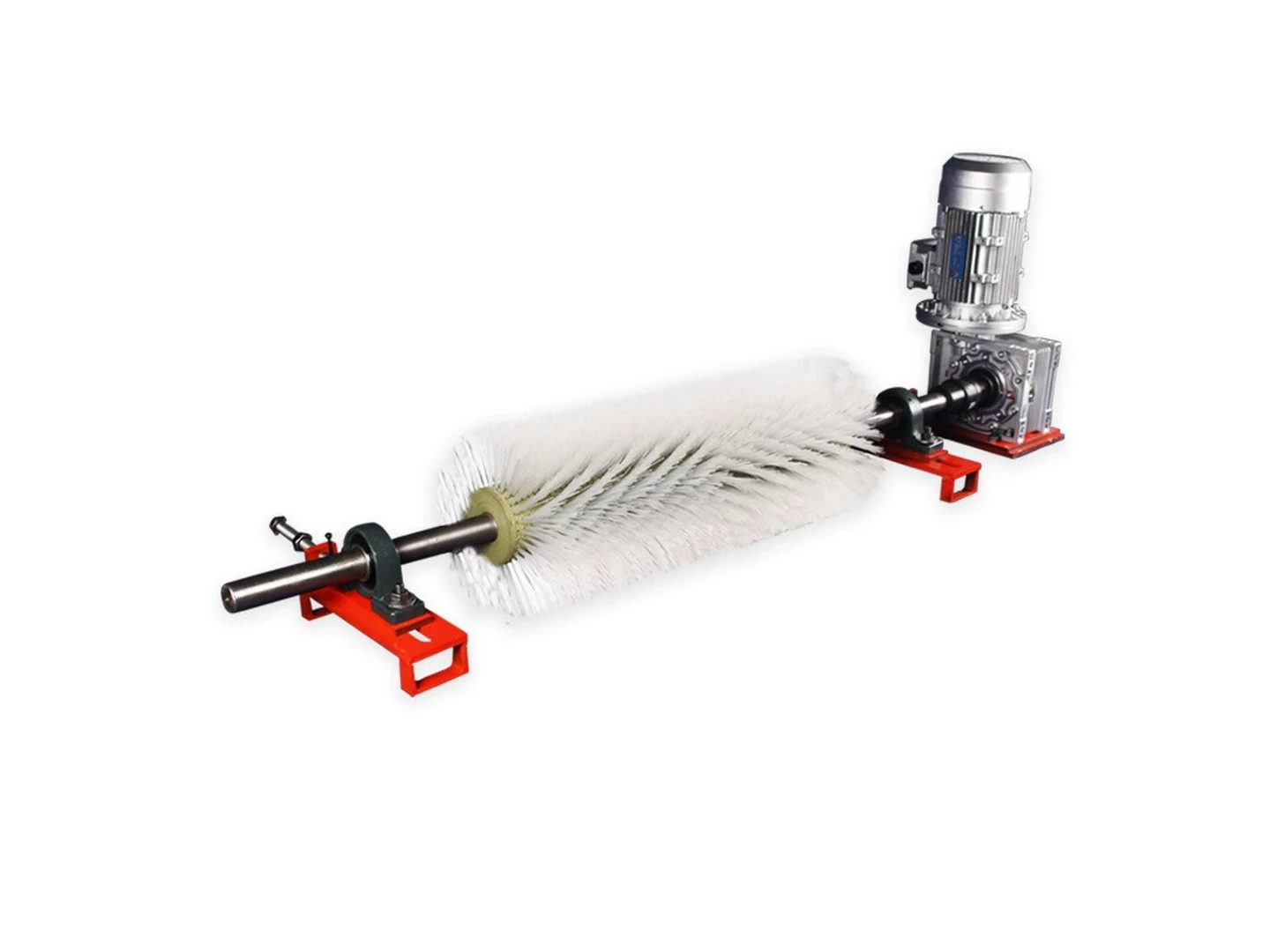
Custom Roller and Conveyor Brushes
Choose a roller or conveyor brush when a cylindrical brush must clean, wipe, guide,…
See how this type is built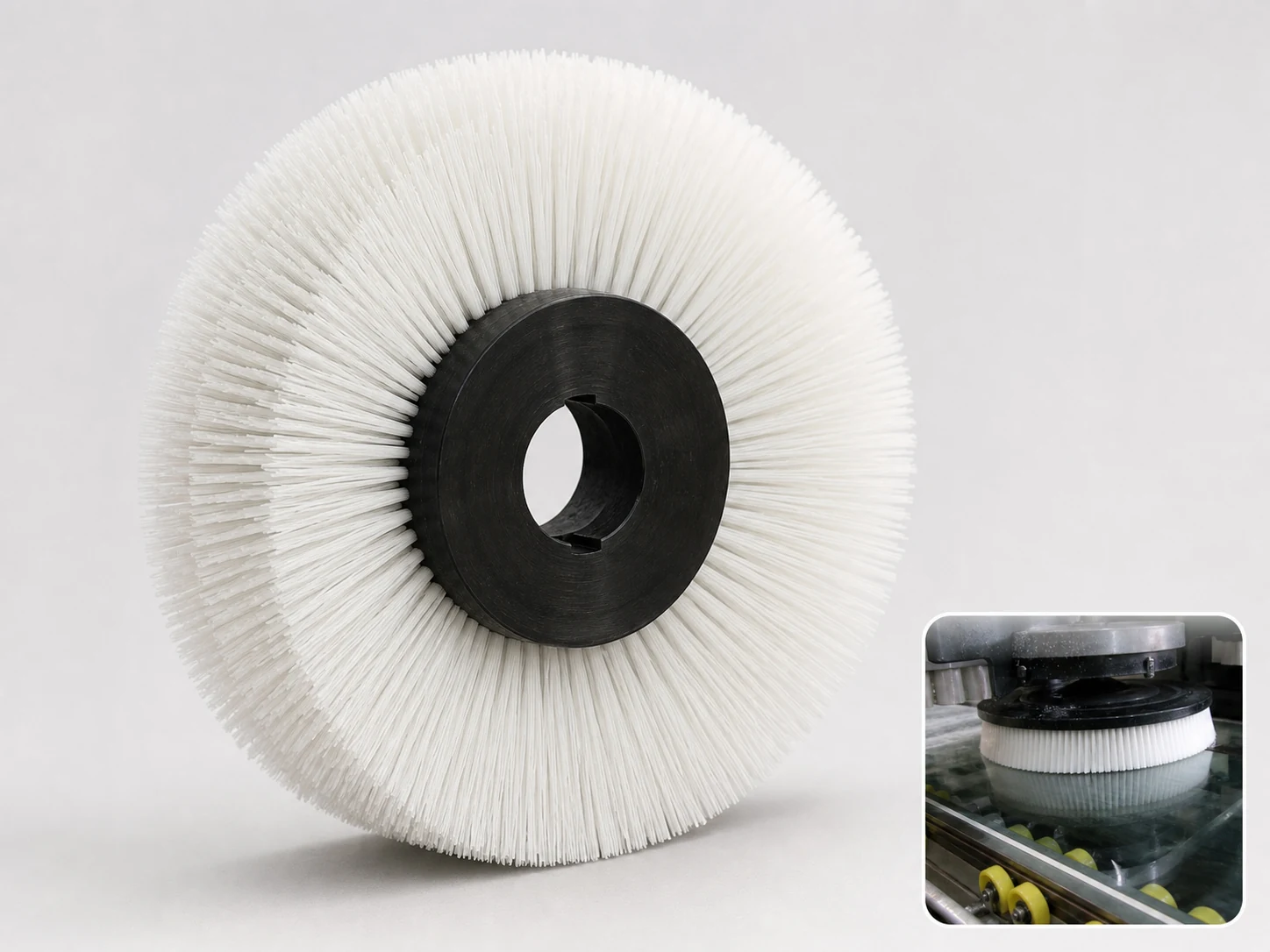
Custom Disc Brushes
Choose a disc brush when a circular face must scrub, wipe, polish, sweep, or…
See how this type is built
PBT
Choose PBT based on its stiffness, recovery, wear, wet-service, chemical, and temperature behavior. Do…
Compare this material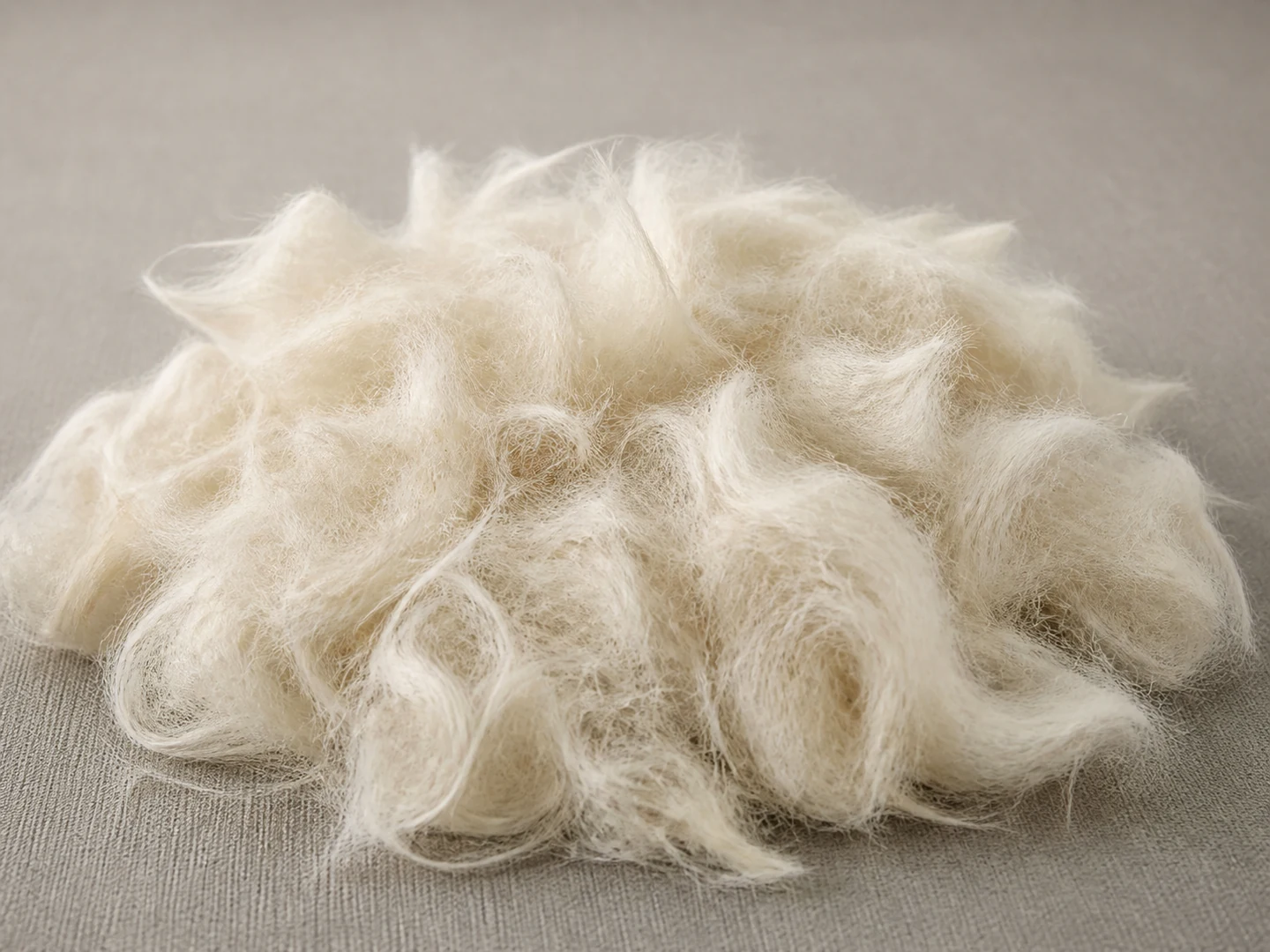
Goat Hair
Choose Goat Hair based on its stiffness, recovery, wear, wet-service, chemical, and temperature behavior.
Compare this materialCustom Manufacturing RFQ
Discuss This Application
Share the working surface, residue, dimensions, material direction, interface, quantity and drawing or sample photo.
Custom Brush RFQ
Request a Custom Cleaning Brush Quote
Upload a drawing, product photo, or sample photo and provide the core dimensions and cleaning conditions.
“We need a brush to remove wet residue from a stainless steel conveyor, about 800mm wide. The current brush wears quickly. We can send photos.”
“We sell drinkware and need a cleaning brush to include with the product. Quantity around 5,000 pieces.”