Quick Answer
Silicon carbide cuts harder and sharper; aluminum oxide gives a smoother action and stronger impact resistance. Coarse grit removes material faster, while fine grit produces a finer finish. Filament diameter controls strand stiffness and must be selected with trim and brush form.
Published Abrasive Ranges
| System | Published range | Use |
|---|---|---|
| Aluminum oxide nylon | 80–600 grit; filament 0.012–0.040 in | Softer metals, controlled finishing, smoother surface result |
| Silicon carbide nylon | 46–500 grit; filament 0.018–0.080 in | Ferrous metals, harder deposits, aggressive deburring |
| Twisted-in-wire abrasive brush | 80–500 grit; selected 600-grit fine constructions | Internal bores, threads, ports, and cross holes |
| Rectangular abrasive filament | 120 and 320 grit in published bore-brush programs | Broader cutting face and stable edge contact |
Choose the Abrasive
Use silicon carbide for hard oxides, ferrous metals, edge blending, and faster cutting. Use aluminum oxide for aluminum, brass, softer metals, and finishing that prioritizes a smoother scratch pattern. Ceramic or diamond filament is reserved for high-performance cutting, hard alloys, and long production cycles.
Choose Grit and Filament Together
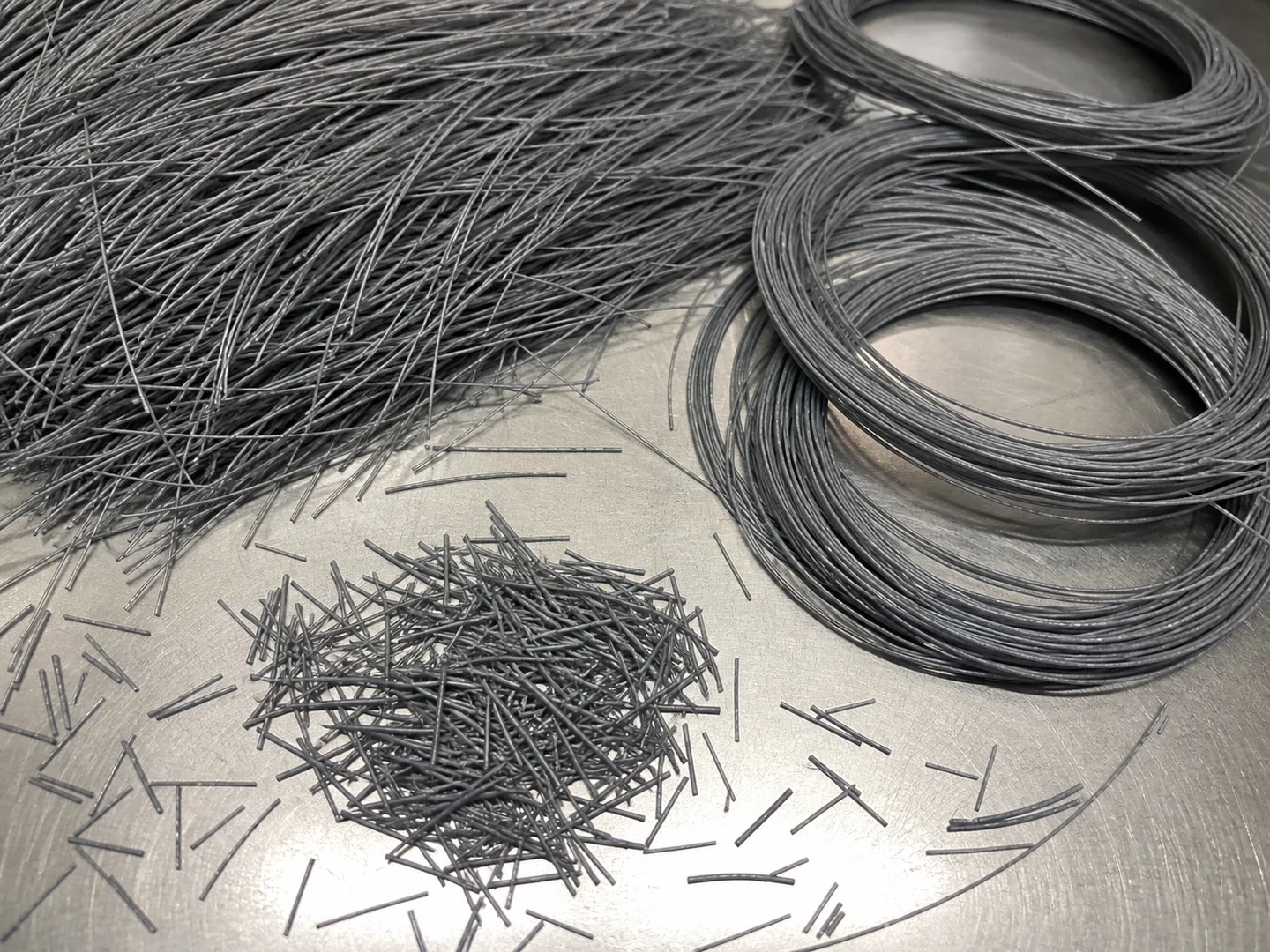
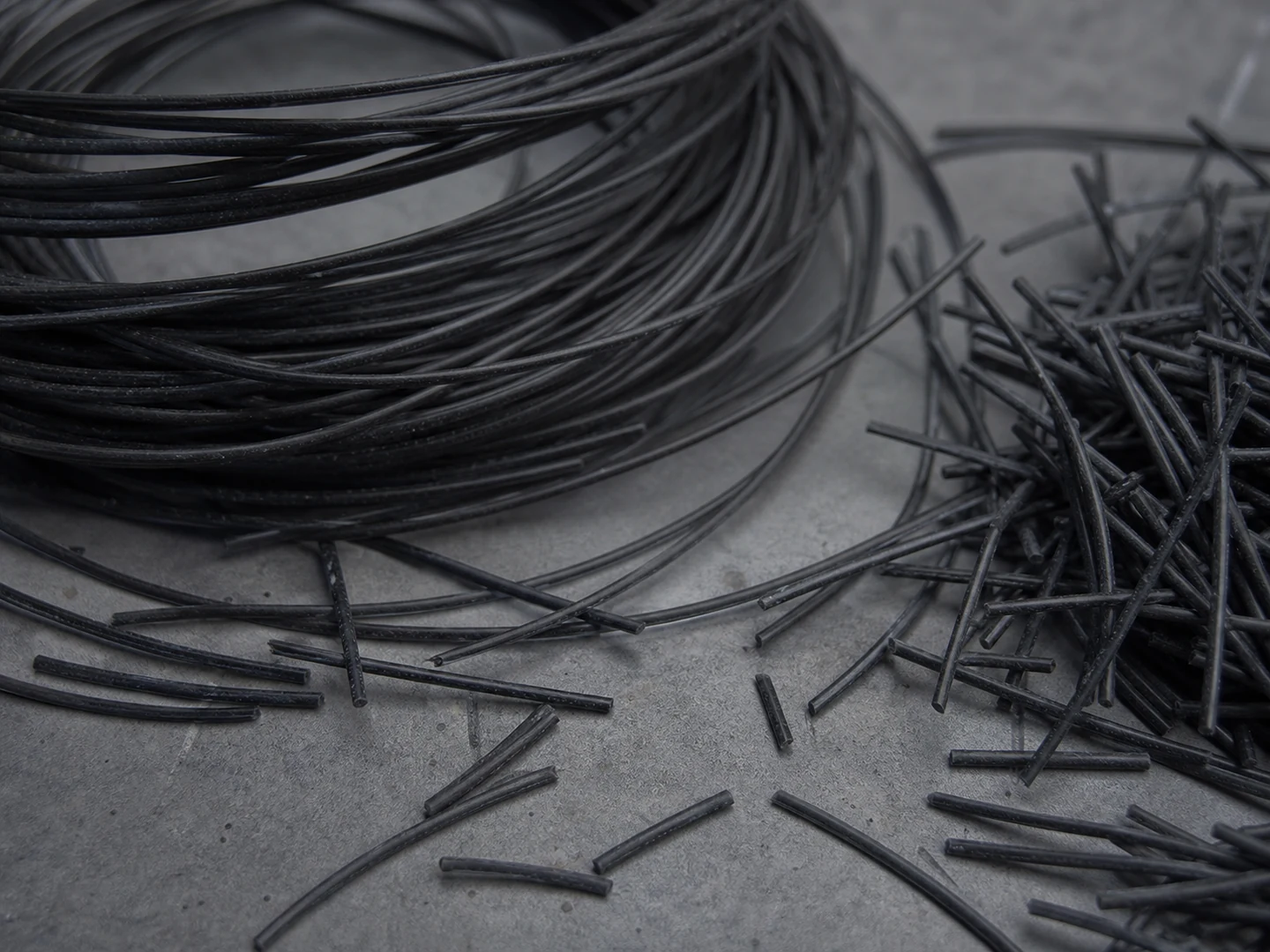
A coarse grit in a thick filament creates the strongest cut. A fine grit in a fine filament conforms better and leaves a finer finish. High density increases the number of cutting points but can hold swarf. Open patterns improve cooling and debris release. Abrasive nylon cuts along the exposed abrasive on all sides of the filament, so it keeps working as the polymer wears.
Process Setup
- Start with the finest grit and lowest engagement that removes the burr or oxide.
- Use filament-tip contact; side loading generates heat and smears the polymer.
- Run both directions or reverse the part where edge condition must be uniform.
- Provide coolant or air when heat and swarf loading rise.
- Inspect edge radius, surface finish, dimensions, and filament wear after the first sample batch.
When Not to Use It
Abrasive nylon is not the first choice for thick scale, heavy weld slag, or large burrs that need bonded abrasives, machining, or metal wire. It can also alter polished, coated, or soft polymer surfaces when grit is too coarse or engagement is excessive.
Technical References
- 3M — Radial Bristle Disc
- OSHA — 1910.215 Abrasive Wheel Machinery
- ABMA — ANSI B165.1 Power Brush Safety
Which bristle material fits this job — Abrasive Nylon, Silicon Carbide Abrasive Nylon or Aluminum Oxide Abrasive Nylon?
| Material | Continuous temperature (°C) | Peak temperature (°C) | Water absorption | Hardness |
|---|---|---|---|---|
| Abrasive Nylon | 120 | 150 | 0.1–1.0% | Abrasive filament; stiffness and cutting level is controlled by PA base, grit type, grit size, filament diameter and trim height. |
| Silicon Carbide Abrasive Nylon | 80–120 | 140–170 | 0.3–2.0% | Carrier Shore D 70–85; SiC Mohs Hardness Approximately 9.2 |
| Aluminum Oxide Abrasive Nylon | 80–120 | 140–170 | 0.3–2.0% | Carrier Shore D 70–85; Al2O3 Mohs Hardness Approximately 9 |
Figures as published by Perlon. Confirm the exact grade against the supplier datasheet before ordering.
When are Roller and Conveyor Brushes the wrong choice?
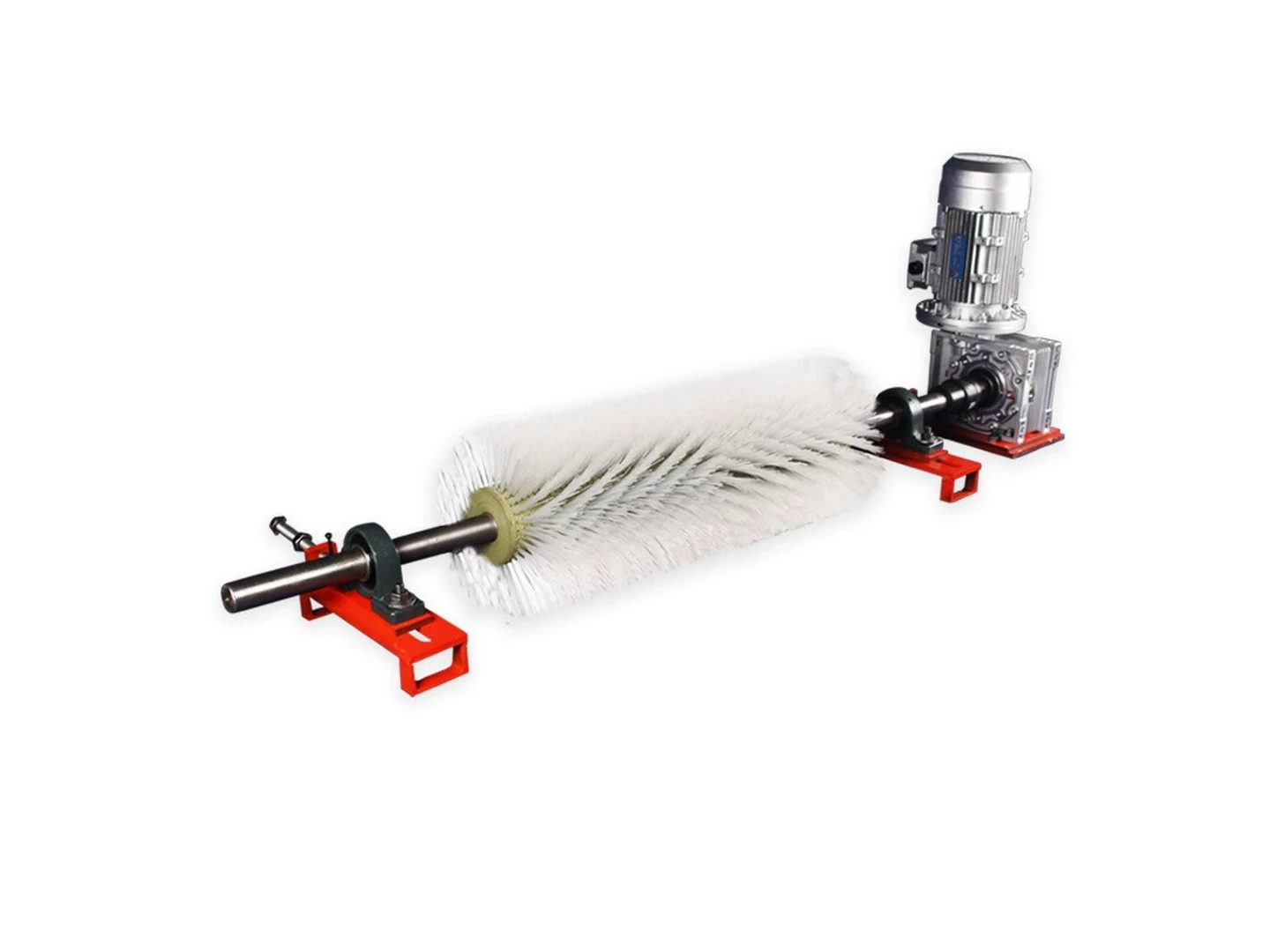
- Roller and Conveyor Brushes — Use a stationary strip brush for a fixed linear seal or wipe, or another process when rotating line contact interferes with the product or cannot discharge the residue safely.
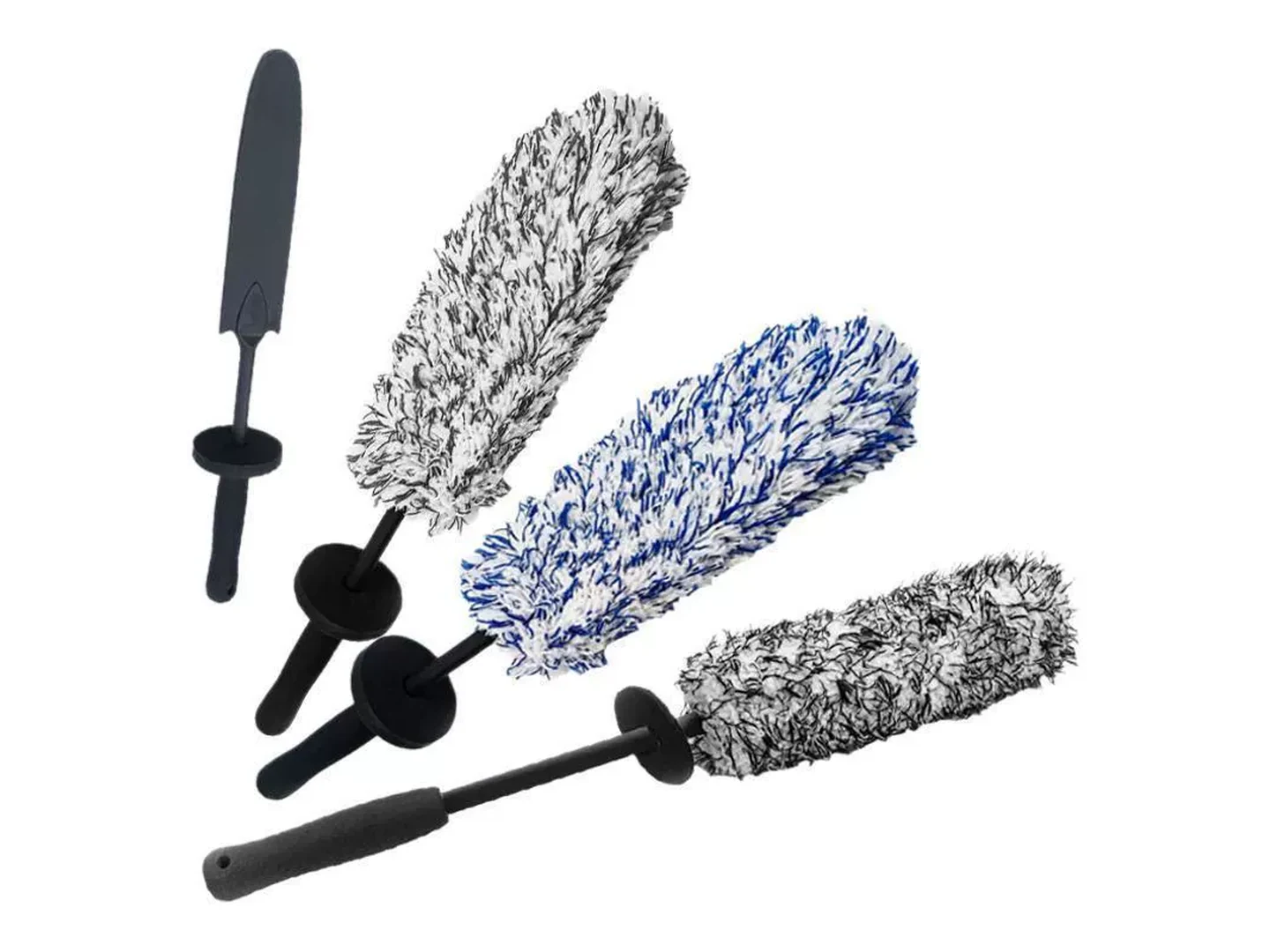
- Wheel Brushes — Use a cup brush for broad open surfaces, an end brush for confined recesses, or a non-brush process when the target finish or surface cannot tolerate rotating filament contact.
- Abrasive Nylon — Exposed grit can change a surface finish, and high heat or aggressive chemicals can weaken the polymer carrier.
- Silicon Carbide Abrasive Nylon — Silicon carbide cuts quickly and can over-radius edges or mark coatings when grit, filament size, trim or motion is too aggressive.
What should replace Roller and Conveyor Brushes when they stop working?
- Roller and Conveyor Brushes — Roller and conveyor brushes hold cylindrical line contact across a working width, including helix-wound builds where the filament path is set to move loosened material toward one side; a strip brush holds the same line without rotating, so it seals or wipes but cannot carry residue along the width.
- Wheel Brushes — Wheel brushes give narrow edge contact; cup brushes cover a broader open face, while end brushes concentrate contact at the end of a small stem for recesses.
- Abrasive Nylon — Compare Abrasive Nylon with PP, PBT, PET. Change material when wet stiffness, temperature, chemical resistance, conductivity, particle shedding, or surface marking becomes the limiting factor.
- Silicon Carbide Abrasive Nylon — Compare Silicon Carbide Abrasive Nylon with PP, PBT, PET. Change material when wet stiffness, temperature, chemical resistance, conductivity, particle shedding, or surface marking becomes the limiting factor.