Quick Answer
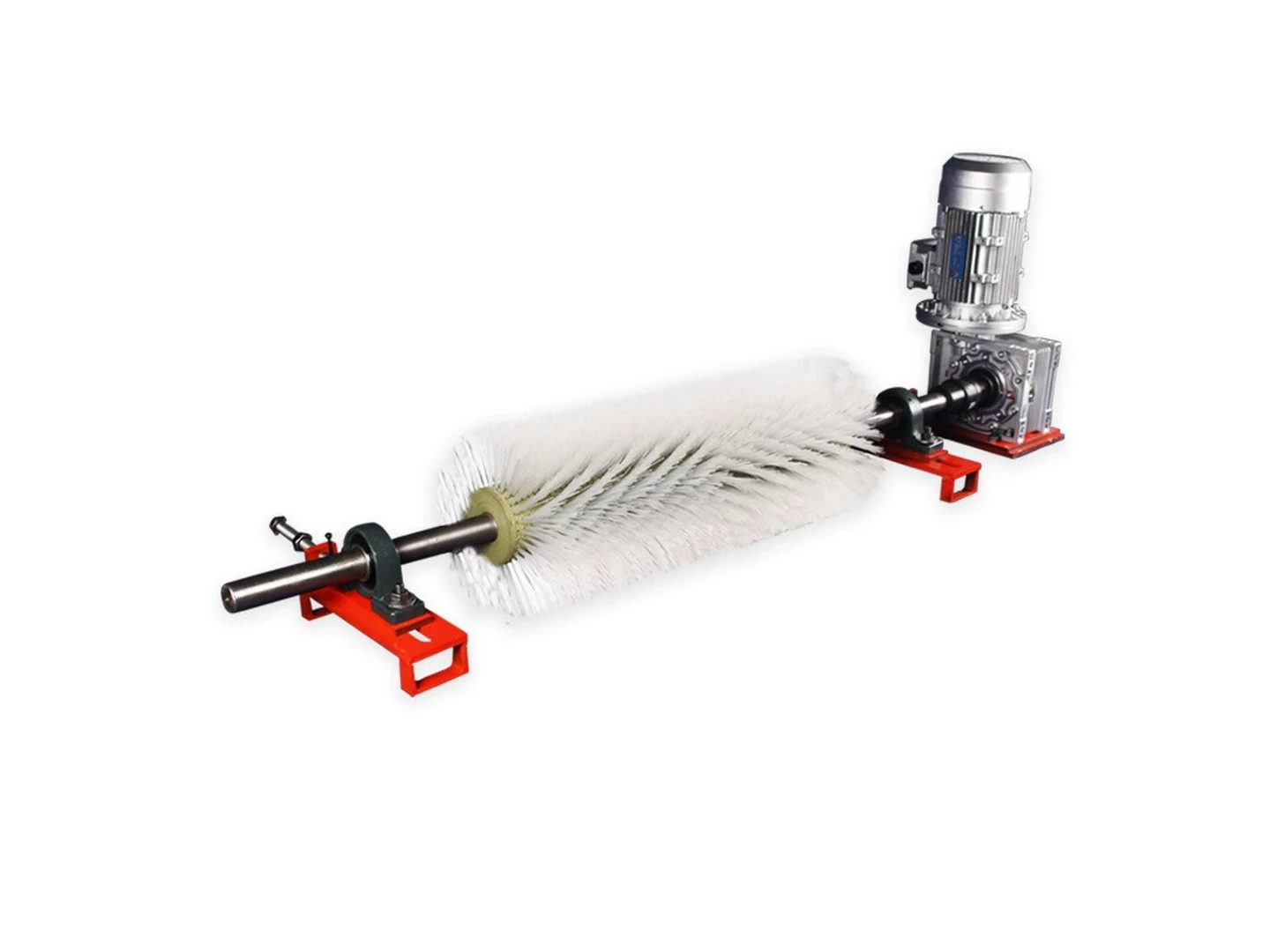
Use soft, clean, densely distributed filament with low contact pressure. The brush must remove dust and film without carrying trapped grit across glass, damaging anti-reflective coatings, or concentrating force at module frames and edges.
Surface Risks
- Dry mineral grit becomes an abrasive when trapped in the brush face.
- Hard water leaves spots and scale that a soft dry brush cannot remove.
- Module frames and clamps create step changes that can catch a rotating head.
- Cracked glass, loose edge seals, wiring, and connectors require inspection before brushing.
- Hot panels exposed to cold water create thermal stress and rapid evaporation.
Brush Configuration
| Element | Design direction |
|---|---|
| Filament | Fine nylon, PBT, flagged synthetic, soft natural fiber, microfiber, or foam/PVA for controlled wet contact |
| Face | Dense and even for uniform pressure; open enough to release grit and water |
| Head width | Matched to row access, frame spacing, operator reach, and support stiffness |
| Motion | Manual, rotary, or counter-rotating paired heads with low pressure |
| Water | Low-mineral or purified water for spot control; flow sufficient to carry loosened grit |
| Mount | Telescopic pole, driven head, vehicle arm, or automated rail/robot interface |
Cleaning Sequence
- Inspect the panel for damage, loose connections, and heavy bonded deposits.
- Rinse or pre-wet dusty grit so particles move away instead of remaining in the face.
- Use light, overlapping passes; do not force the brush into frame edges.
- Rinse the brush face during work so grit does not accumulate.
- Check for streaks, missed frame zones, mineral spots, and brush marks after drying.
Glass Washing Rollers
On production lines, use a balanced cylinder or PVA sponge roller with controlled compression, clean water, and full-width support. PVA sponge rolls hold and transport liquid while providing compliant contact. Roller runout, cleanliness, water filtration, and edge support matter as much as filament softness.
RFQ Data
Provide panel or glass dimensions, coating, frame profile, row spacing, dust and deposit, water quality, cleaning temperature, manual or powered motion, required width, allowable pressure, shaft or pole interface, and photos of access obstacles.
Technical References
- AION — PVA Sponge Roller
- OSHA — Personal Protective Equipment
- American Brush Manufacturers Association — Brush Lingo
Which bristle material fits this job — PA612 Nylon, PBT or PVA Sponge?
| Material | Continuous temperature (°C) | Peak temperature (°C) | Water absorption | Hardness |
|---|---|---|---|---|
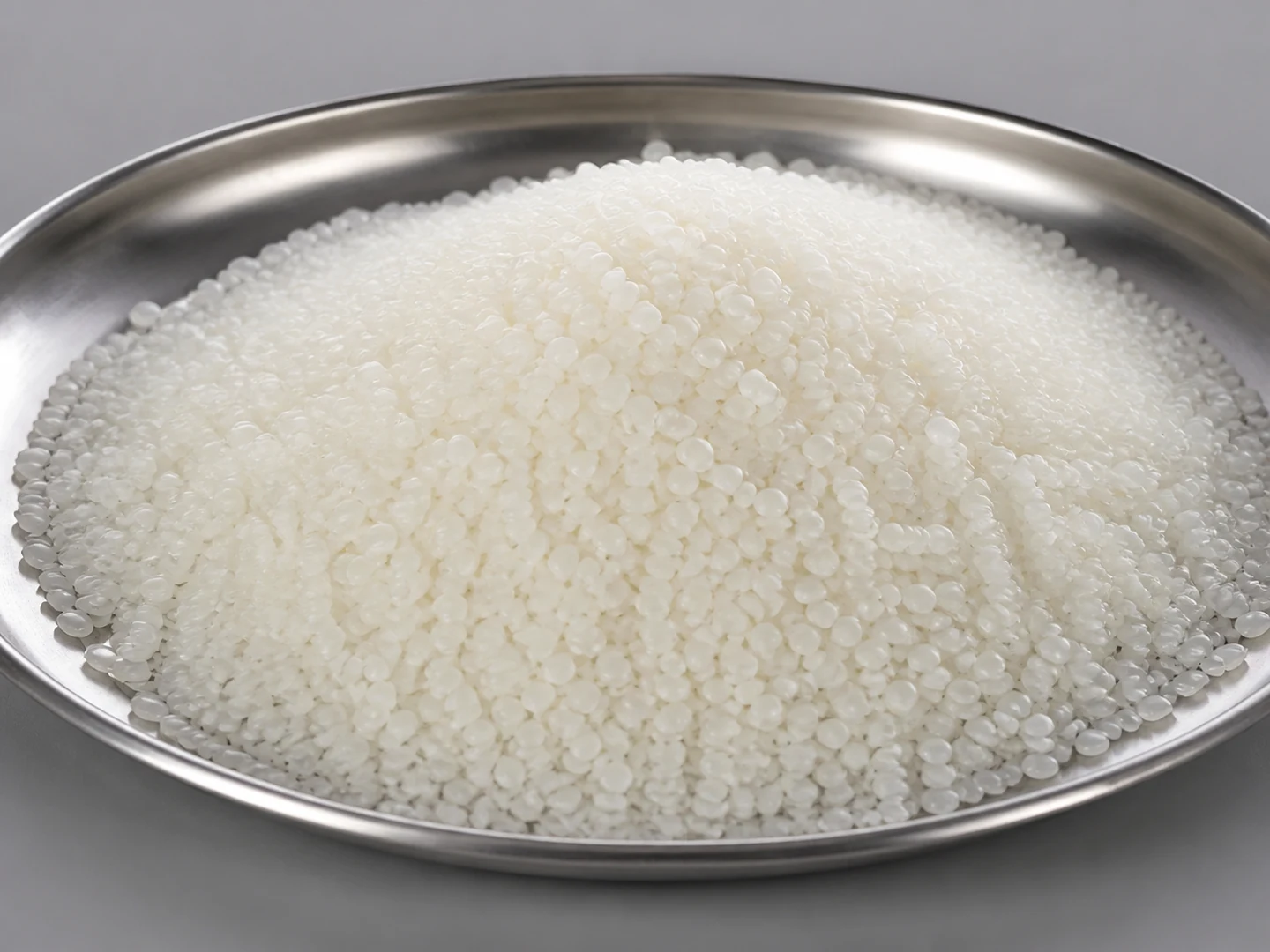
| PA612 Nylon | 90–110 | 130–150 | 0.3–0.7% | Shore D 70–80 |
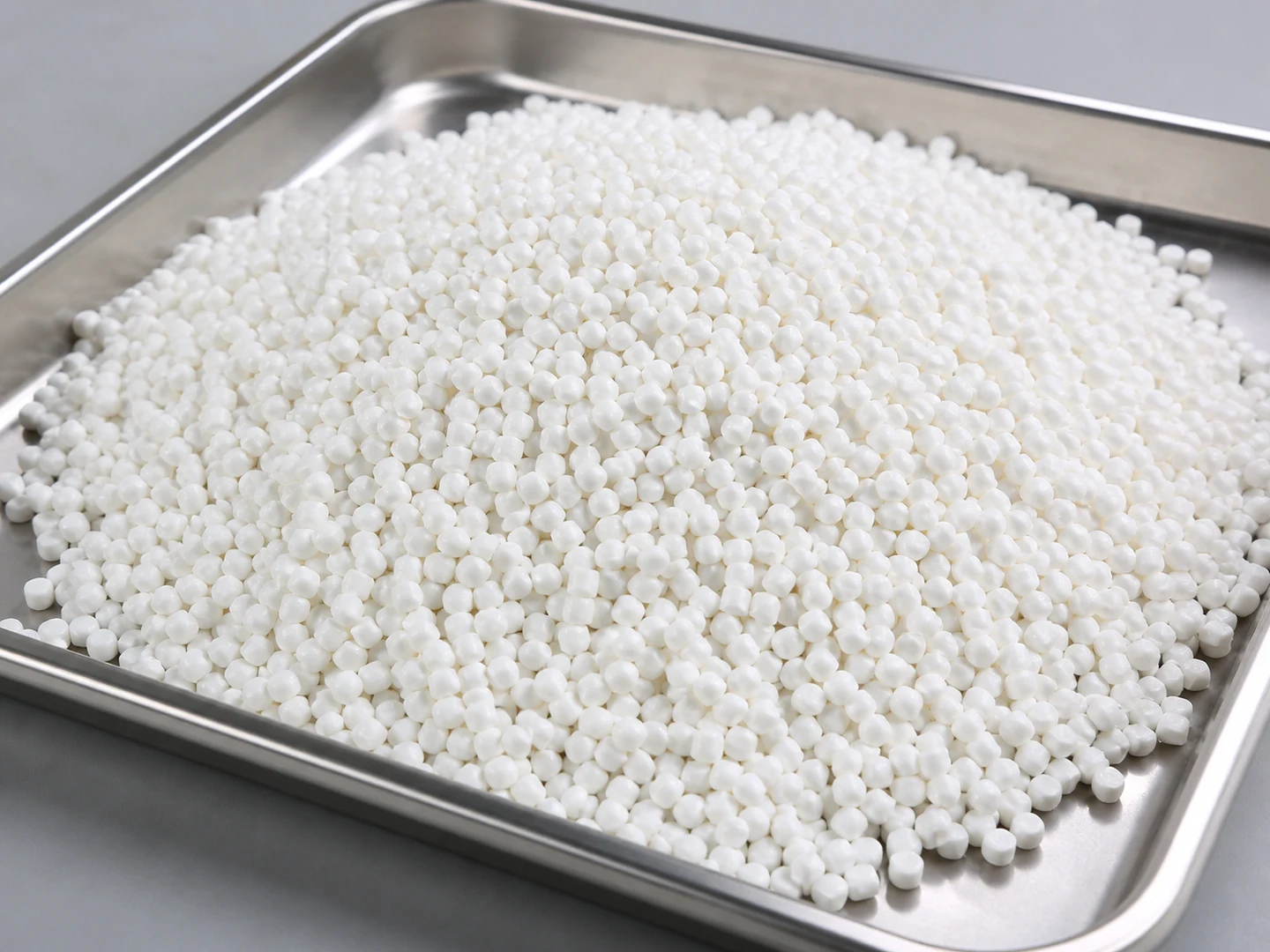
| PBT | 120–140 | 160–180 | 0.05–0.20% | Shore D 80–90 |
| PVA Sponge | 60 | 90 | — | Soft absorbent contact material; hardness/compression is controlled by foam or sponge density. |
Figures as published by Brushtec / DuPont; Perlon. Confirm the exact grade against the supplier datasheet before ordering.
When are Roller and Conveyor Brushes the wrong choice?
- Roller and Conveyor Brushes — Use a stationary strip brush for a fixed linear seal or wipe, or another process when rotating line contact interferes with the product or cannot discharge the residue safely.
- PA612 Nylon — PA612 costs more than general PA6 and should be used where its wet stability, recovery or wear life creates a real process benefit.
- PBT — Not for heavy rust removal or high-cutting deburring.
- PVA Sponge — Not for abrasive scrubbing or dry high-friction brushing.
What should replace Roller and Conveyor Brushes when they stop working?
- Roller and Conveyor Brushes — Roller and conveyor brushes hold cylindrical line contact across a working width, including helix-wound builds where the filament path is set to move loosened material toward one side; a strip brush holds the same line without rotating, so it seals or wipes but cannot carry residue along the width.
- PA612 Nylon — Compare PA612 Nylon with PA66, PP, PBT. Change material when wet stiffness, temperature, chemical resistance, conductivity, particle shedding, or surface marking becomes the limiting factor.
- PBT — Compare PBT with Nylon, PP, PET. Change material when wet stiffness, temperature, chemical resistance, conductivity, particle shedding, or surface marking becomes the limiting factor.
- PVA Sponge — Compare PVA Sponge with PU sponge, PP sponge, microfiber. Change material when wet stiffness, temperature, chemical resistance, conductivity, particle shedding, or surface marking becomes the limiting factor.