What Is a Glass Washing Brush Roller?
A glass washing brush roller is the motor‑driven brush cylinder mounted inside a flat glass washer. It spins against the glass surface while water and/or detergent are sprayed, lifting and carrying away contamination. Unlike manual scrubbing, the roller provides consistent contact pressure across the full glass width, directly affecting cleaning speed, scratch risk, and machine uptime.
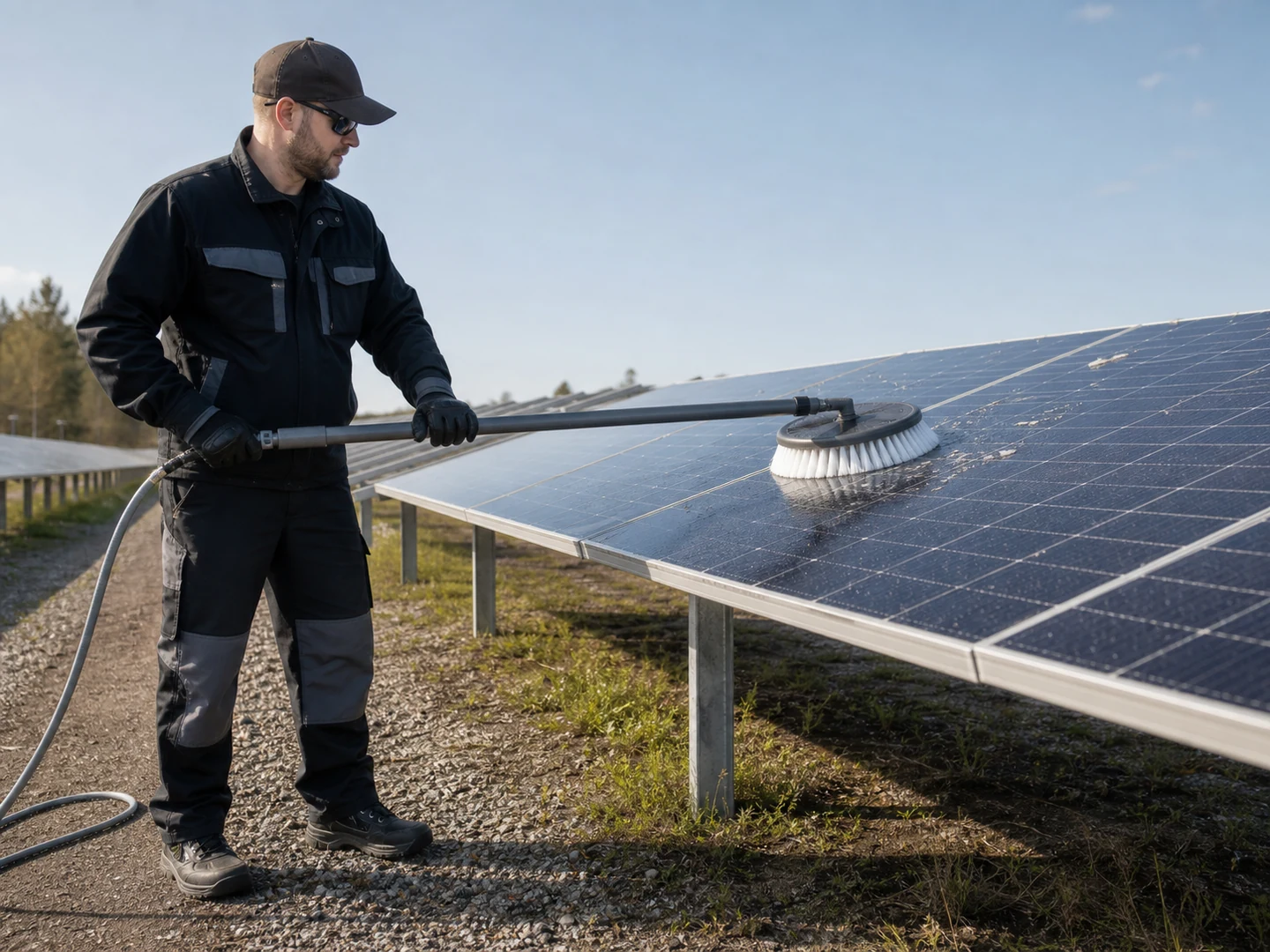
For solar-panel and PV-glass context, the article references Department of Energy — Solar Photovoltaic Technology Basics.
For the environmental or chemical-safety point in this section, the supporting reference is EPA — Safer Choice.
For brush terminology and construction language, this section references American Brush Manufacturers Association — Brush Lingo.
In a typical flat glass washing line the brush roller sits between conveyor rollers, often paired with a top and bottom brush, and works in a wet, sometimes chemically aggressive environment. The brush filament type determines whether it can grab fine glass powder without scratching, resist matting under high pressure, or survive long‑term exposure to alkaline wash solutions.
Common Types of Glass Washing Brush Rollers
- Nylon bristle rollers: tough, durable, highest stiffness. Best for heavy soil, large glass sheets, and when long service life outweighs surface sensitivity. Standard choice for many architectural glass lines.
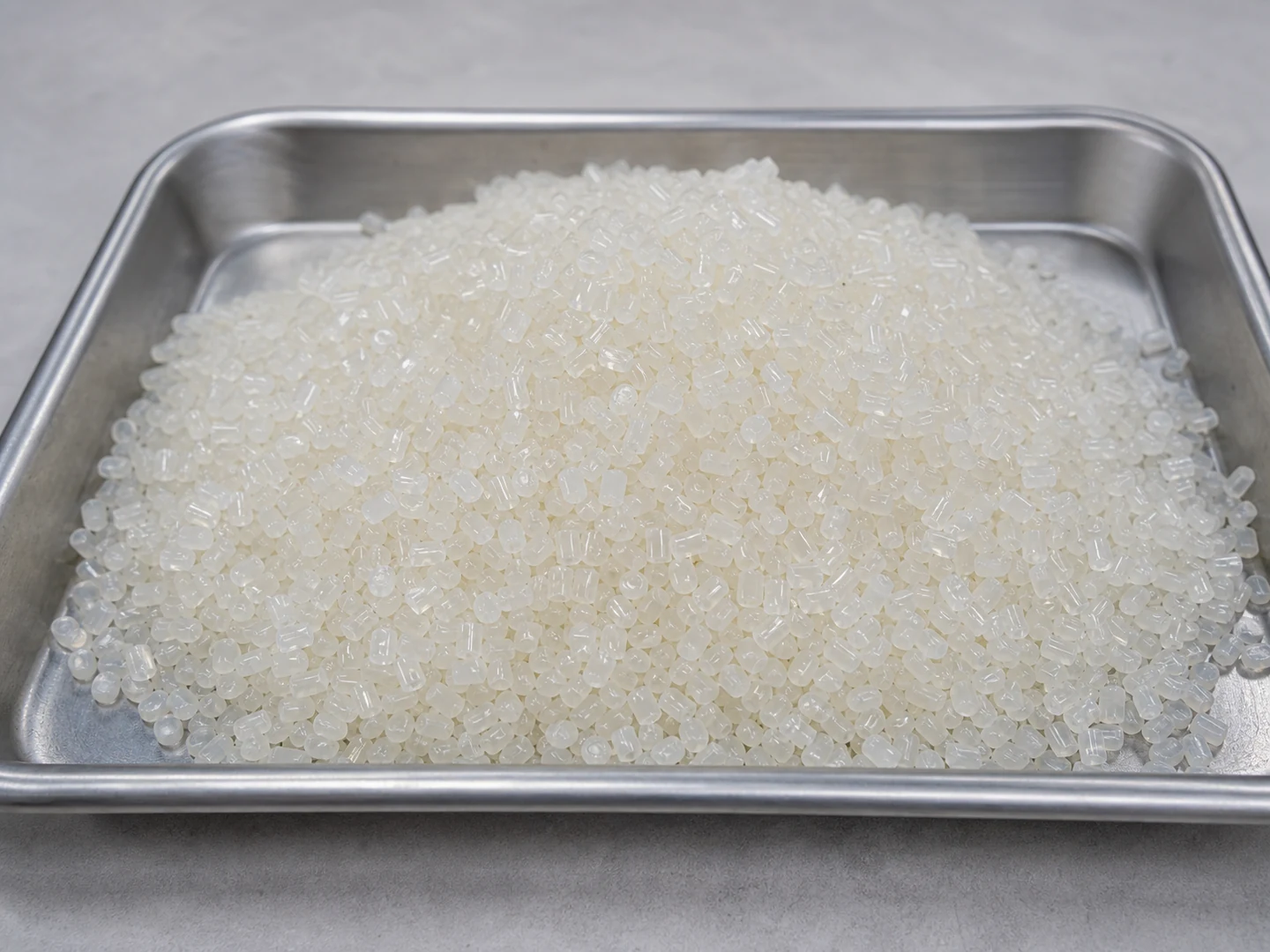
- PBT (polybutylene terephthalate) bristle rollers: engineered for wet environments. Excellent chemical resistance, lower water absorption than nylon, good stiffness retention. Often used where hot water or mild acids/alkalis are present.
- Polypropylene bristle rollers: economical, moderate stiffness, good chemical resistance but can soften in hot water. Used in lighter‑duty washers or for pre‑wash stages.
- Mixed‑filament or abrasive‑impregnated rollers: filaments infused with silicon carbide or aluminum oxide grit. For removing stubborn deposits like cerium oxide from polishing or built‑up oils. Higher scratch risk – use only on uncoated or non‑critical surfaces.
- Sponge or foam rollers (PVA): ultra‑soft, high water absorption. For final rinse, very sensitive coated glass, or solar panel glass where any bristle scratch is unacceptable. Limited mechanical cleaning power.
- Strip brush helix / sectional design: brush segments arranged in a spiral or segmented pattern to allow debris to exit laterally, reducing re‑deposition. Common in high‑speed lines or when handling thin, fragile glass.
Comparison of Key Brush Roller Options
| Feature | Nylon | PBT | Polypropylene | Abrasive‑impregnated | PVA sponge |
|---|---|---|---|---|---|
| Stiffness / aggression | High | Medium‑high | Medium | Very high (abrasive) | Very low |
| Best for typical residue | Glass dust, cutting oils | Wet environments, mild acids, detergent solutions | Light dust, pre‑wash | Polishing compound, cerium oxide, baked‑on oils | Final rinse, delicate coatings |
| Surface sensitivity | Can scratch soft or coated glass if too stiff | Good; less water absorption reduces filament swelling and scratching | Moderate; can soften above 60°C | High scratch risk on coated or mirror glass | No scratching; safe for all coatings |
| Chemical resistance | Good, but degrades with strong acids | Excellent; resists hot water, alkaline detergents, mild acids | Good, but less durable in hot alkaline washes | Depends on base filament; abrasive particles unchanged | Poor chemical resistance; can break down with solvents or strong detergents |
| Typical filament diameter | 0.3–0.8 mm | 0.3–0.7 mm | 0.3–0.6 mm | 0.3–0.6 mm plus grit | N/A (sponge structure) |
| Lifespan / durability | Long; resists matting | Very long; dimensionally stable in wet | Shorter; can mat or degrade with heat | Medium; grit wears down over time | Short; can tear or lose shape |
| Typical max water temp | ~80°C | ~90°C | ~60°C (softens) | Same as base filament | ~40°C (risk of deformation) |
How to Choose the Right Brush Roller for Your Glass Washing Line
Move through these five decision factors to narrow your options:
- Identify the primary residue. Is it fine glass powder (edging/cutting), heavy oils (fabricating), polishing cerium oxide, or light packaging dust? Abrasive rollers only for last‑mile stubborn films. Nylon or PBT work for most particulate and oil.
- Map your glass surface sensitivity. Are you washing raw float, tin‑side, low‑E coated, anti‑reflective coated, or back‑painted glass? Coated glass demands softer, low‑scratch filaments (PBT, fine‑gauge nylon, or sponge). Mirror glass always needs PVA sponge or ultra‑soft nylon.
- Match the machine interface. Check your washer’s brush shaft diameter, drive system (keyway, spline, or quick‑release), brush outer diameter (OD) relative to conveyor roller gap, and maximum RPM. A brush too large in OD can overload the motor; too small leaves uneven cleaning pressure. Provide your machine brand/model and shaft drawing to your brush supplier.
- Define the wet environment. If your washer uses hot water (>50°C) or alkaline detergents (pH>10), polypropylene will fail early; choose PBT. For ambient water and neutral pH, nylon or PP are acceptable. Sponge rollers rarely tolerate chemicals.
- Estimate maintenance access and frequency. In lines running 24/7 with limited downtime, choose materials with longest life (PBT, dense nylon) and consider segmental rollers that can be changed per section rather than full width. If you wash heavily contaminated glass, plan for quick‑release mounts and spare rollers.
Common Mistakes When Selecting a Brush Roller
- Choosing by cost drivers alone. low-cost polypropylene can mat in two months on a hot line, causing uneven cleaning and higher scrap rates.
- Ignoring filament diameter and density. Two rollers both “nylon” can behave very differently: a 0.3 mm fine filament with high density cleans gently; a 0.8 mm heavy filament may scratch or leave brush marks on thin glass.
- Forgetting side‑load debris removal. Straight continuous brushes can push dirt along the glass edge instead of ejecting it. Helix or segmented designs reduce this but need correct rotation direction.
- Assuming one brush works for all glass types. A brush aggressive enough to clean cerium oxide from uncoated decorative glass will destroy a solar panel’s anti‑reflective coating.
- Neglecting shaft and core material in wet conditions. Aluminum cores with plain steel shafts can corrode in detergent baths. Stainless steel shafts or polymer cores prevent seizure and contamination rust stains.
When a Standard Brush Roller Is Not Enough
A catalog brush roller can solve 80% of flat glass washing tasks, but you may need a custom engineering review if:
- You handle extremely thin glass (<2 mm) where pressure must be precisely controlled to avoid breakage – consider a brush with integrated strip gap or pneumatic hold‑down.
- The residue is a mixed‑phase slurry (pumice + oil + water) that packs between filaments. Special open‑cell foam or channel‑vent designs can be required.
- Your line speed exceeds 15 m/min and standard filaments cannot clean in contact time available. A denser, smaller‑diameter filament pack with higher RPM may be needed, but must be tested.
- You are washing after a complex polishing process (cerium + multiple compounds) and you see hazing after drying. Abrasive rollers might help but must be trialed on sample glass – request a test roll or supplier drawing review to avoid production losses.
Final Takeaway
The right glass washing brush roller matches filament material and stiffness to your specific residue and glass sensitivity, fits within your machine’s physical and drive constraints, survives your wash chemistry, and stays maintainable in your schedule. Start by defining the exact contamination, then filter roller options by material, diameter, mounting, and chemical resistance. Always test a prototype or first‑article sample on your actual glass before committing to a full set.
Frequently Asked Questions
Can I use the same brush roller for float glass and coated glass?
Not usually. Coated glass (low‑E, AR, solar) is much more scratch‑sensitive. A nylon brush that works fine on raw float can micro‑scratch a coating. Choose a softer filament (PBT, fine nylon, or sponge) specifically for coated glass and keep separate sets.
How often should glass washing brush rollers be replaced?
Depends on usage, contamination load, and water temperature. In a typical architectural glass line running two shifts, inspect every 3‑4 months. Look for filament matting, flattening, loss of stiffness, or chemical attack (swelling). High‑contamination lines may need replacement every 6‑12 months.
What shaft diameter and mounting style do I need?
Measure your existing brush roller’s shaft and note whether it has a keyway, spline, or uses a friction‑drive quick‑release coupling. Provide a dimensional drawing to your brush supplier. Avoid guessing; a wrong shaft fit can lead to slippage or excessive motor load.
Can I wash glass without a brush roller, just using spray nozzles?
Spray‑only washing rarely removes fine glass dust or oily residues effectively. A brush roller provides the mechanical action needed for true contaminant removal. However, for ultra‑clean room applications, you might pair a gentle brush roller with a final high‑pressure de‑ionized water spray.
Is abrasive‑impregnated filament safe for solar panel glass?
Generally no. Solar panel glass often has an anti‑reflective coating that can be damaged by any abrasive. Use only the softest PVA sponge or a confirmed non‑scratch nylon/PBT filament after testing on a corner sample. Abrasive filaments are more suitable for uncoated architectural glass or heavily contaminated plates.
What causes brush marks or streaks after washing?
Common causes: filament too stiff for the glass type, brush pressure set too high, filament diameter too large, brush rotation speed mismatched with line speed, or dirt re‑deposited from a saturated brush. Also check that rinse water is clean and that the brush is not contaminated with oil from previous jobs.
Can I order a custom diameter or length brush roller?
Yes, most industrial brush manufacturers can produce custom OD, length, filament material, and mounting to match your machine. Provide exact measurements (core OD, overall OD, brush face length, and shaft detail) and specify the wash environment (chemicals, temperature) so the correct filament and core material is chosen.