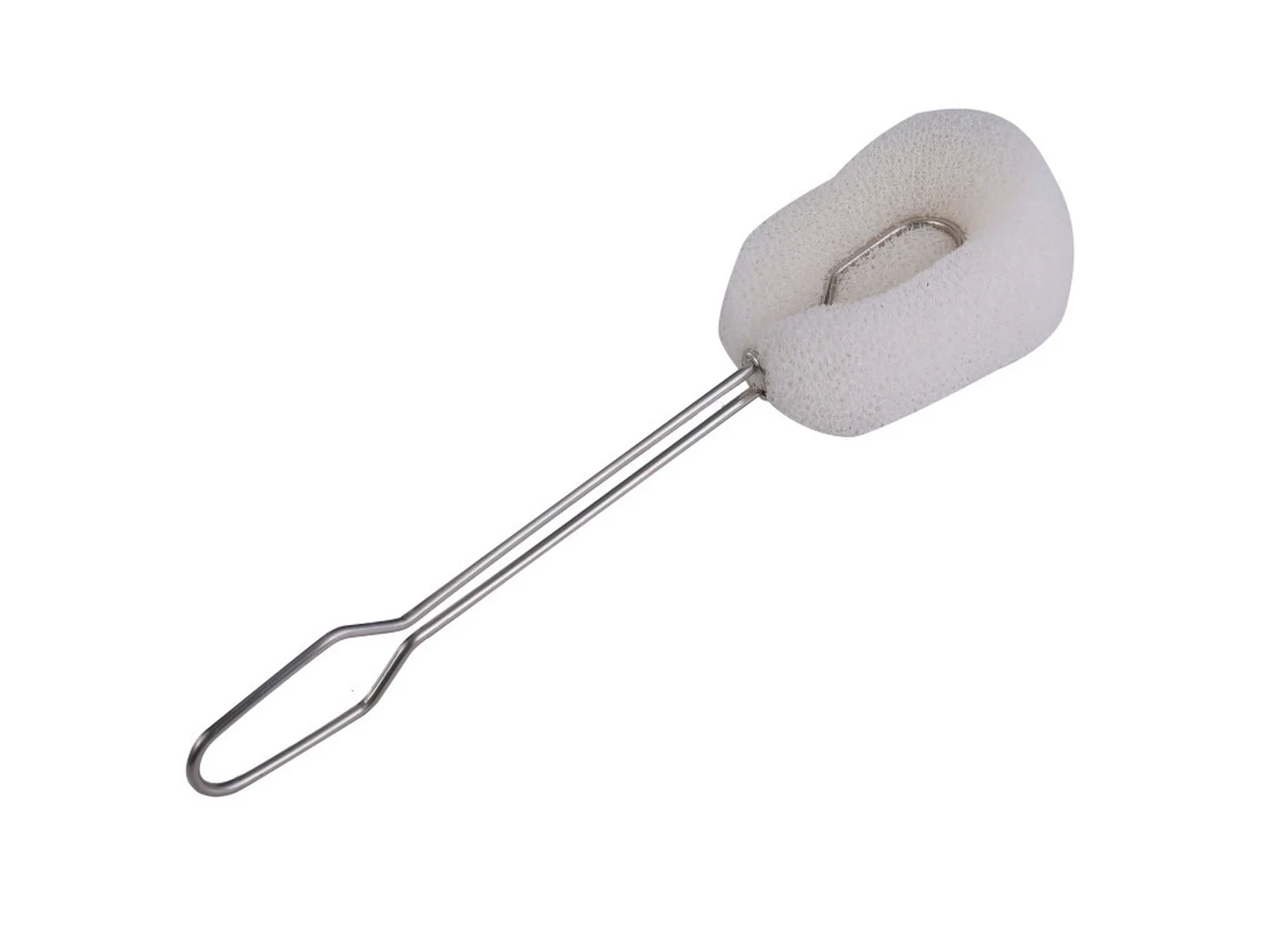
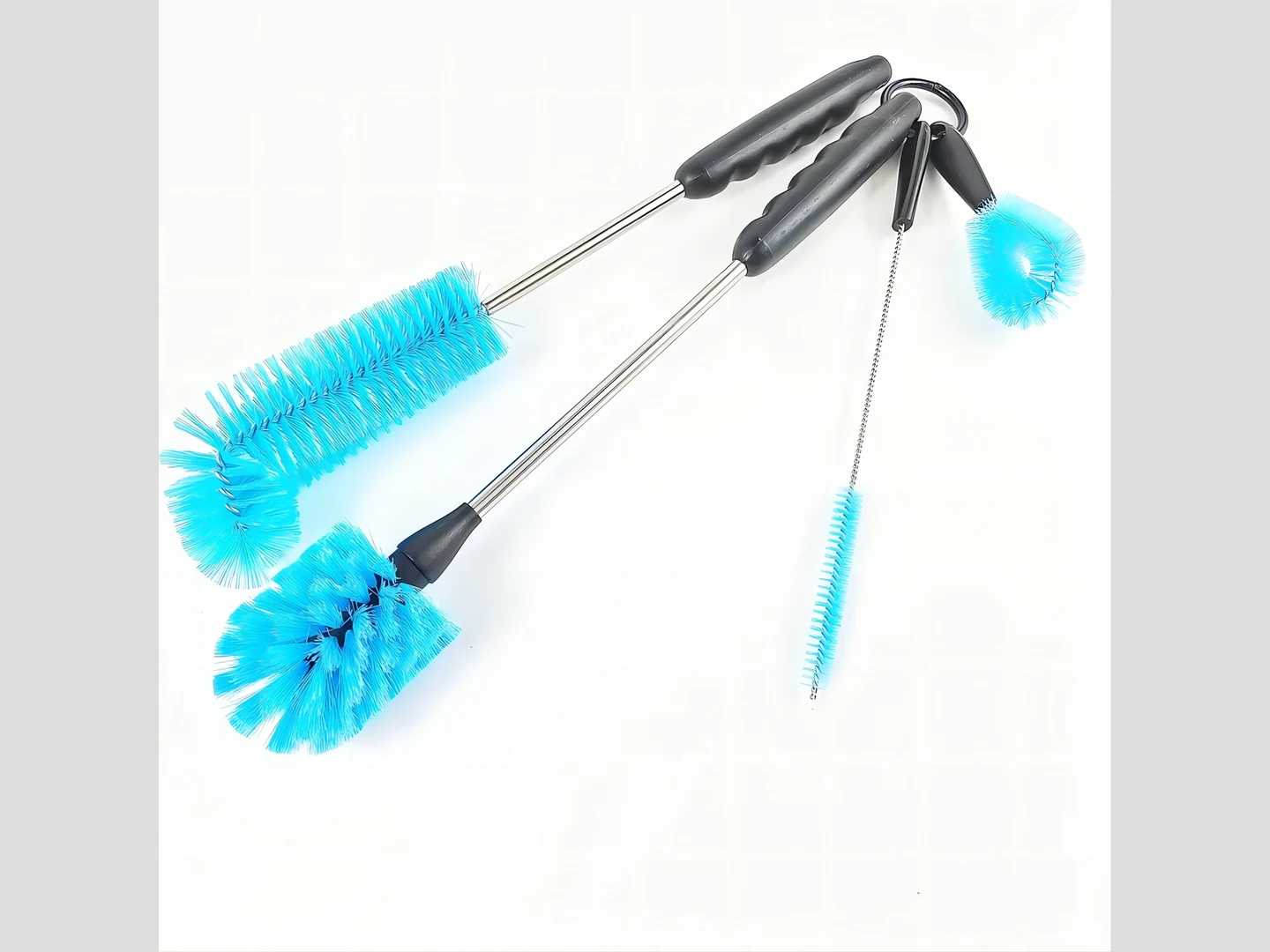
What Is a Glass Cleaner Sink Cup Brush?
A glass cleaner sink cup brush is a rotating cleaning tool with a circular, cup-shaped bristle assembly. It is typically mounted on a machine spindle or via a suction cup attachment and used in flat glass washing lines. The brush spins to scrub the glass surface while water or cleaning solution is applied. The term “sink cup” can refer to a suction-based mounting system that holds the brush in place or to the cup-like shape that helps channel fluid and contact pressure across the glass. These brushes are common in architectural glass, automotive glass, mirror, solar panel, and display glass manufacturing.
Common Types of Glass Cleaner Brushes for Flat Glass Washing
For the safety point in this section, the relevant OSHA reference is OSHA — 1910.242 Hand and Portable Powered Tools.
For the safety point in this section, the relevant OSHA reference is OSHA — 1910.215 Abrasive Wheel Machinery.
For the safety point in this section, the relevant OSHA reference is OSHA — Personal Protective Equipment.
For brush terminology and construction language, this section references ABMA — ANSI B165.1 Power Brush Safety Slips.
For solar-panel and PV-glass context, the article references Department of Energy — Solar Photovoltaic Technology Basics.
While many configurations exist, most glass cleaner sink cup brushes fall into a few categories based on material and mounting:
- Nylon Brushes: Durable, chemical-resistant, and available in multiple stiffness grades. Good for general-purpose residue removal.
- Polyester Brushes: Softer, low moisture absorption; often used on delicate or coated glass.
- Natural Fiber Brushes (Horsehair, Tampico): Soft and gentle; ideal for sensitive surfaces or food/hygiene applications.
- Abrasive Grit Brushes: Embedded with silicon carbide or aluminum oxide; used for aggressive cleaning or removing stubborn coatings.
- Suction Cup Mounted Brushes: Use a suction cup base for quick tool-free attachment; common in manual or semi-automatic lines.
- Threaded Core or Quick-Change Brushes: Direct mechanical mounting for automated high-speed lines.
Comparing Key Brush Features: Material, Diameter, Stiffness, and Mounting
| Feature | Options | Best For | Considerations |
|---|---|---|---|
| Material | Nylon, polyester, horsehair, abrasive grit | Nylon: heavy residue; polyester: sensitive glass; horsehair: fine finishing; abrasive: stubborn coatings | Chemical compatibility, wear rate, glass scratching risk |
| Diameter | Small (2–4 in), medium (4–8 in), large (8–14 in) | Small: edge cleaning, narrow lines; medium: standard flat glass; large: jumbo panels | Match to machine design and glass width |
| Stiffness | Soft, medium, hard | Soft: coated/delicate glass; medium: general; hard: heavy soils | Harder bristles increase cleaning force but may scratch |
| Mounting Style | Suction cup, threaded core, quick-change, arbor hole | Suction cup: manual setups; threaded: automated lines; quick-change: frequent changeovers | Verify spindle interface and torque requirements |
How to Choose the Right Glass Cleaner Brush
Use these decision factors to narrow down your options:
- Residue Type: For loose dirt or water spots, soft to medium bristles are enough. For dried slurry or polishing compounds, choose harder nylon or abrasive grit.
- Surface Sensitivity: Coated low-E glass or anti-reflective coatings require softer materials like polyester or horsehair to avoid micro-scratches.
- Equipment Interface: Check your machine’s mounting system. A suction cup brush may not fit a threaded spindle without an adapter. Confirm rotation direction and speed.
- Wet and Chemical Exposure: Ensure the brush material resists your cleaning solution. Nylon and polyester handle most alkaline cleaners; natural fibers can degrade faster.
- Hygiene Expectations: In food or pharma glass applications, use non-absorbent, easily sanitized bristles (synthetic).
- Maintenance Frequency: High-volume lines benefit from quick-change designs and durable bristles that resist matting.
- Custom Size Requirements: If your glass size or machine configuration is non-standard, many suppliers offer custom diameter, face width, and core designs. Provide drawings early.
Setup, Usage, and Placement Factors That Influence Performance
Even the best brush underperforms if not set correctly. Consider:
- Brush Pressure: Excessive pressure accelerates wear and can break glass. Use spring-loaded or pneumatic mounts to control contact consistently.
- Water Flow and Position: Orientation matters—direct water flow so that debris is flushed away, not re-deposited.
- Rotation Speed: Overspeeding can cause bristle flaring and uneven cleaning. Follow the brush manufacturer’s recommended RPM range.
- Brush-to-Glass Contact Angle: A slight offset angle improves debris removal and extends bristle life.
Common Mistakes When Selecting Glass Cleaner Brushes
- Choosing by Diameter Alone: A brush that fits the machine may not have the right material or stiffness for your glass.
- Ignoring Material Compatibility: Using an abrasive brush on low-E coated glass causes irreversible damage.
- Not Matching Stiffness to Residue: Soft bristles on hardened polishing compounds lead to incomplete cleaning.
- Overlooking Mounting Type: A suction cup brush may slip under high torque or wet conditions; verify holding force.
- Using the Same Brush for All Glass Types: Different coatings, thicknesses, and tempering levels need tailored brush choices.
- Neglecting Chemical Exposure: Some bristles swell or soften in acidic or high-pH cleaners, reducing effectiveness.
- Forgetting About Brush Break-In: New brushes may shed bristles initially; run a break-in cycle before production.
When a Glass Cleaner Sink Cup Brush Is Not Enough
These brushes work well for flat, smooth glass, but they have limitations:
- Heavily Textured or Patterned Glass: Cup brushes may not reach into deep patterns; a disc brush or oscillating brush might be better.
- Large-Scale Automated Lines: Extremely high-speed lines may need larger diameter disc brushes with more surface coverage.
- Curved or Contoured Glass: Cup brushes are designed for flat surfaces. For bent automotive or architectural glass, consider profiled or conforming brushes.
- Abrasive Blasting or Deep Cleaning: If the goal is to remove heavy scale or fused deposits, a cup brush alone won’t suffice—pre-treatment or more aggressive methods may be needed.
- Aseptic or Medical-Grade Cleaning: In ultra-clean environments, brushes must be validated; simple material choice is not enough.
In all these cases, request a sample test or supplier drawing review to confirm brush suitability before placing a large order.
Final Takeaway: Match the Brush to the Real Cleaning Task
Selecting a glass cleaner sink cup brush starts with understanding the residue, the glass type, and the machine interface. Prioritize bristle material and stiffness over cost drivers or stock size. Always verify chemical compatibility and mounting security. When in doubt, start with a sample run using the actual glass and solution. A well-chosen brush reduces re-clean rates, extends machine uptime, and protects glass quality.
Practical Use Note
In daily use, the practical test is simple: check whether the brush reaches the full contact area, removes the target residue, and leaves the surface in the required condition. Record what changes when base material, burr or oxide level, target finish, brush speed, pressure, and acceptable surface change changes, because many brush failures are caused by the working condition shifting rather than by the brush body alone.
Frequently Asked Questions
Can a glass cleaner sink cup brush scratch coated glass?
Yes, if the bristle material is too hard or contains abrasives. Always use a soft polyester or horsehair brush for coated low-E, anti-reflective, or mirror-backed glass, and test on scrap panels first.
What is the difference between a suction cup brush and a cup brush?
A suction cup brush uses a vacuum-style base to attach to a machine or manual handle without tools. A cup brush refers to the shape—it may have a threaded core, arbor hole, or suction cup mount. The term “cup brush” describes the bristle arrangement, not the mounting.
How often should I replace flat glass cleaning brushes?
Replacement depends on usage, chemical exposure, and bristle wear. In high-volume lines, brushes may last weeks; in lower-duty applications, months. Monitor for bristle matting, uneven wear, or loss of cleaning performance as signs it’s time to change.
Can I use a glass cleaner sink cup brush for solar panels?
Yes, but be cautious with anti-reflective coatings. Use a soft, non-abrasive brush. Many solar panel washing systems use similar cup brushes, but verify material suitability with the panel manufacturer.
Do I need a custom-sized cup brush?
If your machine has a non-standard spindle, special glass dimensions, or unique cleaning path requirements, a custom brush ensures full contact and proper cleaning efficiency. Provide a drawing to your brush supplier, including core type, diameter, face width, and bristle spec.
What cleaning chemicals are safe for nylon cup brushes?
Nylon generally resists most alkaline cleaners and mild acids, but some solvents or high-concentration acids can cause brittleness. Always check chemical compatibility charts from the bristle manufacturer.
How do I mount a suction cup brush on my washing machine?
The brush typically has a vacuum suction base that adheres to a smooth, clean mounting plate on the machine. Ensure the plate is dry and flat. For automated lines, suction cup brushes may need an auxiliary vacuum line or a secondary mechanical lock to prevent slipping under load.