What Is a Glass Cleaner Sink Cup Brush?
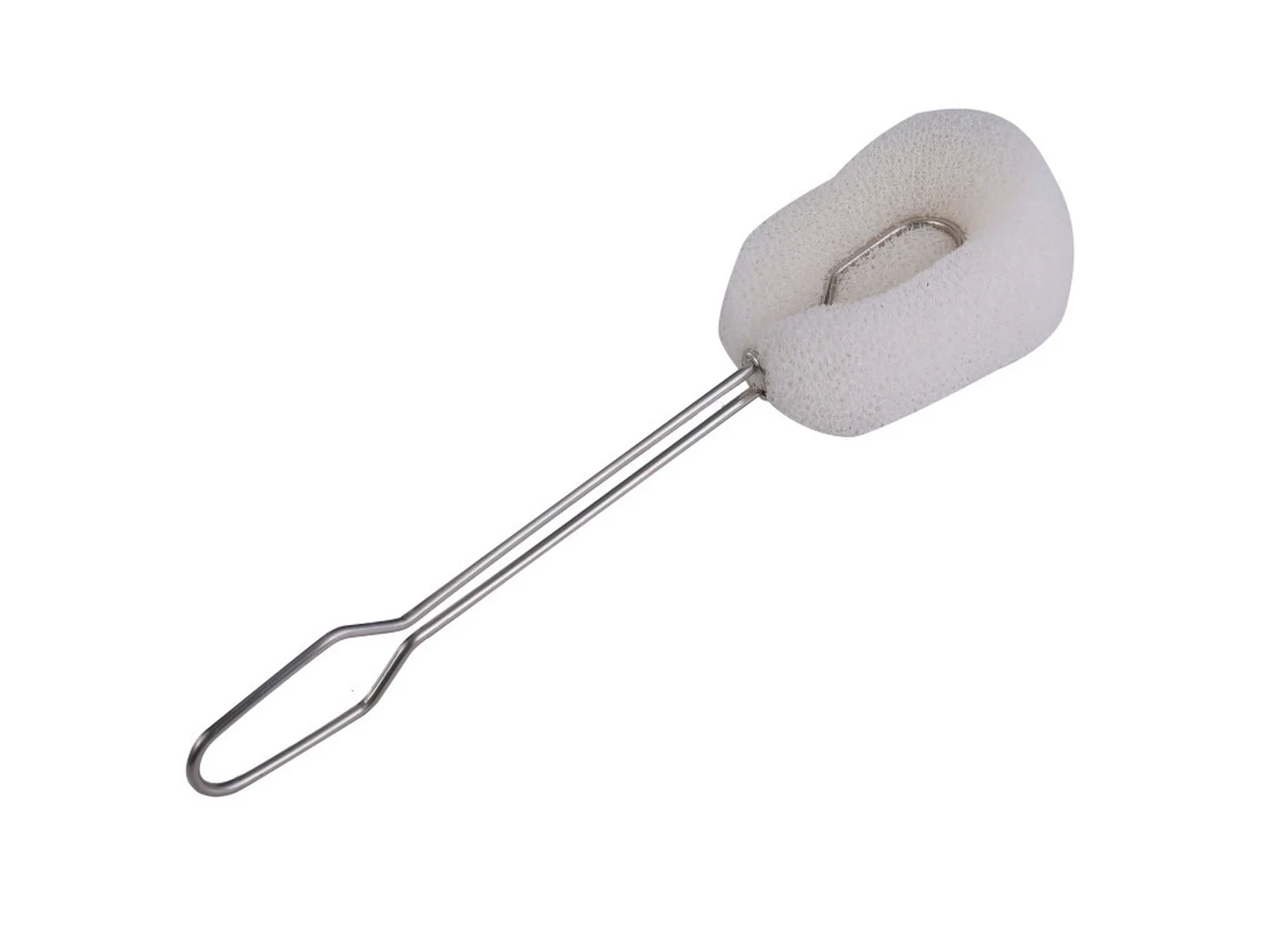
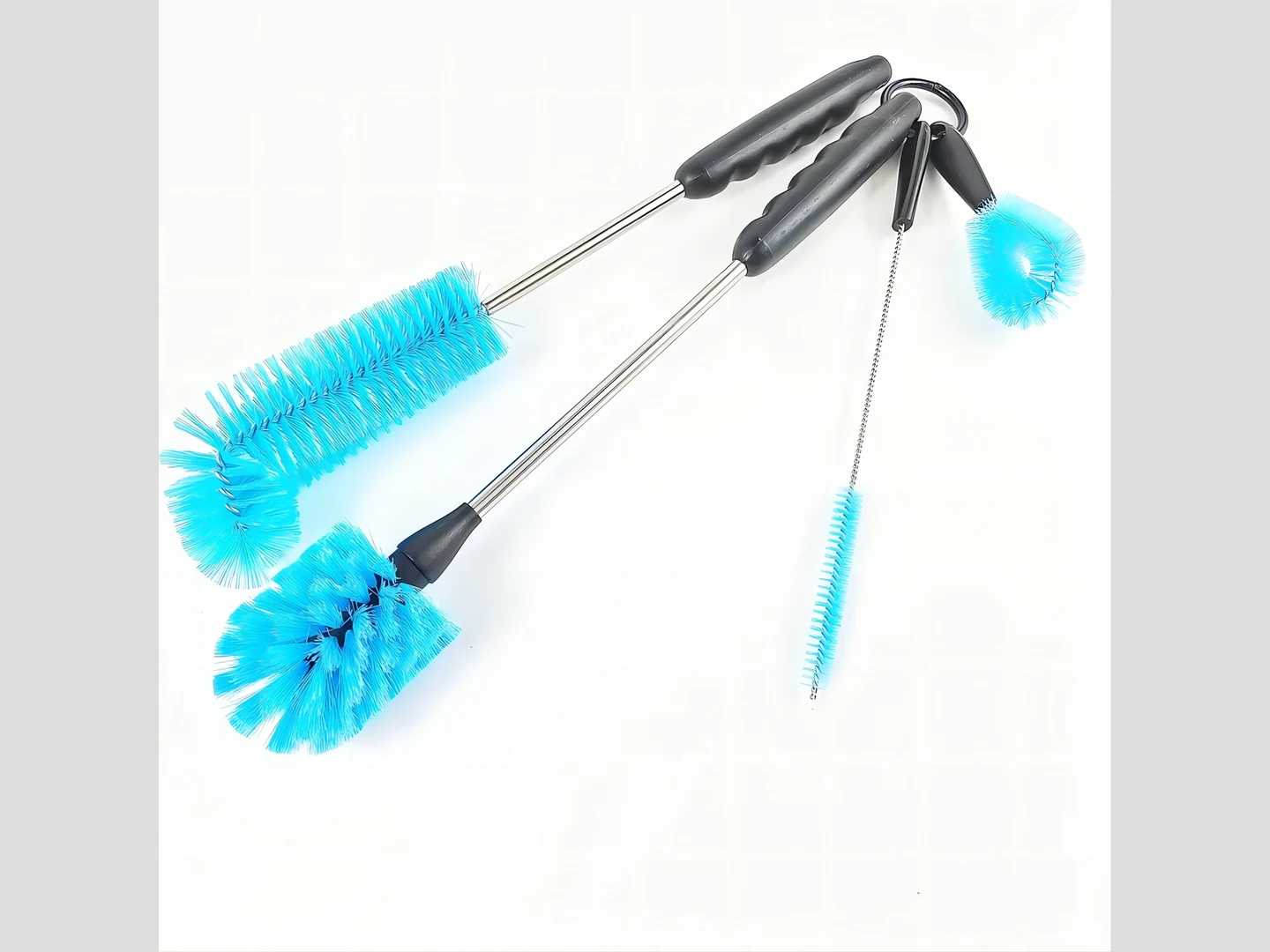
A glass cleaner sink cup brush is a circular cleaning tool with bristles arranged in a cup-like formation, typically used with a handle, pole, or rotary drive to scrub flat glass surfaces. The “sink cup” profile refers to the bowl-shaped bristle pattern that helps the brush stay centered on the glass and maintain even pressure during manual or powered cleaning. In the context of solar glass, these brushes are used to remove dust, pollen, bird droppings, mineral deposits, and industrial residues from photovoltaic panel surfaces without scratching the anti-reflective coating or tempered glass.
For the safety point in this section, the relevant OSHA reference is OSHA — 1910.242 Hand and Portable Powered Tools.
For the safety point in this section, the relevant OSHA reference is OSHA — 1910.215 Abrasive Wheel Machinery.
For the safety point in this section, the relevant OSHA reference is OSHA — Personal Protective Equipment.
For brush terminology and construction language, this section references ABMA — ANSI B165.1 Power Brush Safety Slips.
For solar-panel and PV-glass context, the article references Department of Energy — Solar Photovoltaic Technology Basics.
Unlike generic scrub brushes, a well-designed cup brush for glass cleaning focuses on suction stability—the concave shape creates a partial vacuum effect when pressed and moved, reducing the tendency to slide sideways. This stability is especially important when cleaning tilted or elevated solar arrays where consistent contact is harder to control.
Why Suction and Surface Contact Matter for Solar Glass
Solar glass is not ordinary window glass. It often has an anti-reflective (AR) coating that increases light transmission and improves energy output. Scratches, micro-abrasions, or uneven pressure from cleaning tools can damage this coating and reduce panel efficiency over time. The brush’s suction quality influences how much downward force is needed to keep the bristles engaged with the glass, which in turn affects both cleaning efficacy and scratch risk.
A brush that loses suction easily forces the operator to press harder, increasing localized pressure and the chance of embedding abrasive particles in the bristles. Good suction design lets the brush work with lighter pressure, allowing water and cleaning solution to do more of the work while the bristles carry away loosened debris. For large solar farms, this also reduces operator fatigue and speeds up cleaning cycles.
Common Types by Material, Diameter, and Stiffness
Most glass cup brushes fall into a few practical categories. Understanding the profile helps you request the right sample or quote.
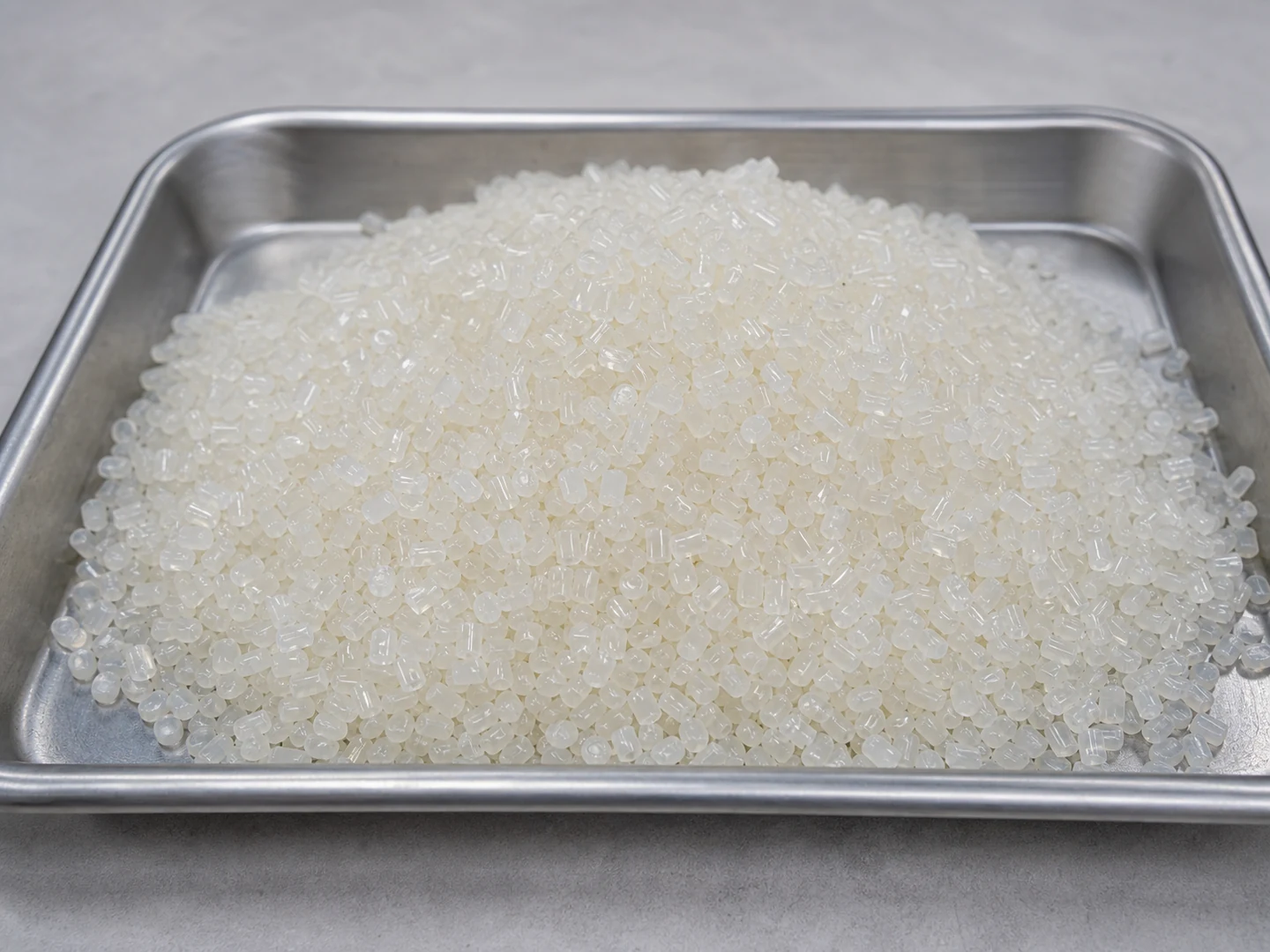
- Synthetic Bristle (Nylon, Polyester, Polypropylene): Most common for solar glass. Nylon offers a good balance of stiffness and chemical resistance. Polyester bristles are softer and often preferred for coated glass. Avoid natural fibers like tampico or horsehair in wet solar environments; they absorb water, lose stiffness, and can harbor organic residue.
- Microfiber or Sponge Hybrids: Some cup brushes combine a microfiber pad with soft bristles to lift fine dust without scratching. These are useful in arid regions where dry dust accumulation is the primary issue.
- Diameter Choices: Common diameters for manual solar cleaning range from 4 inches (100 mm) to 8 inches (200 mm). Larger diameters cover more area but require more force to maintain even contact on curved or flexible panels. Smaller diameters give more control near frames and edges.
- Stiffness Levels: “Soft” brushes for AR-coated glass, “medium” for general dirt and light minerals, “hard” for stubborn residues but only when the glass is uncoated and the manufacturer instructions confirms compatibility. Always ask for a bristle stiffness specification in terms of filament diameter (e.g., 0.15 mm vs 0.30 mm) rather than relying on subjective labels.
Comparison Table: Key Selection Factors
| Factor | What to Look For | Why It Matters for Solar Glass |
|---|---|---|
| Bristle Material | Nylon, polyester, or approved blends; avoid absorbent natural fibers. | Prevents scratching AR coating, resists chemical degradation from cleaning solutions. |
| Stiffness (Filament Diameter) | 0.1–0.3 mm typical; softer for coated glass. | Too stiff = micro-scratches; too soft = poor removal of adhered dust. |
| Brush Diameter | 4–8 inches common for manual use. | Matches operator ergonomics and panel frame dimensions for edge-to-edge cleaning. |
| Suction / Cup Profile Depth | Deep enough to maintain stability during strokes, but shallow enough to release debris. | Deep profile holds water/detergent better; shallow profile rinses cleaner faster. |
| Handle / Core Mounting | Threaded insert (M14, 5/8-inch), taper fit, or quick-change flange. | Compatibility with existing poles, rotary machines, or automated cleaning robots. |
| Chemical Resistance | Brush must withstand pH of cleaning chemicals used (typically mild alkaline or neutral). | Avoids bristle degradation, softening, or discoloration that contaminates glass. |
| Water Drainage / Rinsability | Open bristle pattern or flow channels to release dirty water. | Prevents redepositing dirt onto cleaned areas; reduces drying marks. |
How to Choose the Right Brush for Your Solar Glass
Selection starts with the cleaning residue profile, not the brush catalog. Ask these questions before requesting a quote or sample:
- What residue dominates the glass? Dry dust and pollen need soft, dense microfiber or fine nylon. Oily industrial films or bird droppings require slightly stiffer bristles with good chemical compatibility.
- Is the glass coated or uncoated? AR coatings are sensitive to abrasion. Always choose a softer bristle grade and confirm with the glass/panel manufacturer instructions if possible.
- What is the cleaning method? Manual pole-cleaning benefits from a cup brush with good suction to reduce fatigue. Rotary machine cleaning demands precise centering and balance to avoid vibration marks.
- Will chemicals be used? Confirm the brush material is rated for continuous exposure to your cleaning solution’s pH and temperature. Nylon generally resists alkaline solutions; polyester is better for acidic formulations.
- What is the cleaning frequency? Daily cleaning in high-dust environments may wear softer bristles faster. Factor in brush replacement cost and availability.
- Are there custom size requirements? If your panels have unusual frame heights or narrow gaps between arrays, a custom brush diameter or trim length might be needed. Request a drawing review from the supplier before ordering.
Setup, Mounting, and Interface Considerations
The brush’s mounting interface is often an afterthought but determines how reliably it stays attached during cleaning. Common interface types include:
- Threaded Inserts (M14 × 2.0): Widely used on telescopic poles and rotary scrubbers. Metric threads are standard in most international solar cleaning equipment.
- Quick-Change Flanges: Useful when switching between different brush stiffness or head types on the same pole. Prevents cross-threading and speeds up changeovers.
- Taper Fittings: Common on older or homemade handle adapters; less secure under lateral load.
If the brush will be used with a powered rotary machine, check the maximum RPM rating. A brush that flares out at high speed can lose suction and become hard to control. Always test the brush on a non-critical glass surface at the intended speed before putting it into production.
Common Mistakes in Brush Selection
- Choosing by appearance or cost drivers alone. A brush that looks similar may have a completely different bristle chemistry, stiffness, or bonding method that fails under wet conditions.
- Ignoring the suction profile. A flat brush head without a cup design may slide on wet glass, forcing the operator to use excessive pressure.
- Using the same brush for coated and uncoated glass. Coated glass requires softer bristles; using a brush designed for uncoated glass can void panel warranties if damage occurs.
- Not checking chemical compatibility data. Some nylon grades swell or weaken in prolonged contact with certain detergents, leading to bristle loss.
- Skipping a sample test on a small area. Always run a field trial on a few panels to check for micro-scratches, bristle shedding, and cleaning uniformity before full deployment.
- Overlooking handle ergonomics for manual use. A heavy brush with poor suction increases operator strain and can reduce cleaning consistency across a large solar field.
When a Standard Cup Brush Is Not Enough
A glass cleaner sink cup brush is effective for routine dirt and light mineral deposits, but it has limitations. Recognizing these boundaries avoids wasted effort and potential damage.
- Heavy mineral scale or cement dust: Hard water scaling, calcium deposits, or construction residue may require chemical pre-treatment or a rotary brush with more aggressive (but approved) abrasive media, not just a cup brush.
- Organic soiling from algae or lichen: Soft growth can be removed with a cup brush and mild cleaning solution, but ingrained lichen often requires a different approach—such as steam cleaning or manual scraping—before the brush becomes effective.
- Curved or flexible thin-film panels: Thin-film solar modules often have flexible surfaces that can deform under brush pressure. A standard rigid cup brush may not conform well; a curved or flexible backing plate is needed.
- High-temperature surfaces: Cleaning hot solar glass in midday sun can cause rapid evaporation, leaving cleaner residues and causing bristle softening if the brush is not rated for elevated temperatures.
- Requiring a certified cleanroom finish: In some high-tech manufacturing or testing environments, even cleanroom-compatible brushes with sealed hubs and non-shed filaments may be required. A standard cup brush may shed fine particles that affect optical measurements.
If your application falls into one of these categories, request a technical drawing review from the brush manufacturer and consider a custom brush design with specific filament type, backing material, and mounting options.
Final Takeaway
Selecting a glass cleaner sink cup brush for solar glass is not about picking the most popular diameter or the lowest cost. It starts with understanding the surface you are protecting, the residues you need to remove, and the daily workflow your team will follow. A brush that maintains good suction with light pressure, uses the correct bristle material and stiffness for coated glass, and fits your existing handle or pole interface will deliver better cleaning results and longer panel life. Before finalizing your order, always evaluate chemical compatibility, test on a sample area, and keep replacement brushes on hand to maintain consistent cleaning quality.
Frequently Asked Questions
What is the difference between a cup brush and a flat brush for solar glass?
A cup brush has a concave bristle profile that creates suction and self-centering action on flat glass. A flat brush tends to slide laterally, requiring more operator control and often higher pressure, which can increase scratch risk.
Can I use a cup brush with any cleaning pole?
You need to match the brush’s threaded insert (commonly M14) or quick-change adapter to the pole’s tip. If the threads don’t match, you may need an adapter, but poorly fitted adapters can introduce wobble that reduces cleaning effectiveness.
How often should I replace a glass cleaner sink cup brush?
Replacement frequency depends on bristle wear and cleaning conditions. In high-dust daily cleaning, bristles may lose stiffness or start shedding after 2–4 months of heavy use. Inspect bristles weekly for flattening, contamination, or loss of cup shape, and replace sooner if performance drops.
Does a stiffer bristle always clean better?
Not for coated solar glass. Stiffer bristles can remove tough residues but may scratch the anti-reflective layer. Always start with the softest bristle that works for your residue and only move to stiffer options after testing and manufacturer instructions approval.
What is the “suction” in a cup brush, and does it really matter?
Suction refers to the slight vacuum that forms when the cup shape is pressed onto wet glass. It helps the brush stay in place without excessive downward force, reducing arm fatigue and preventing bristle skips that leave streaks. A well-designed cup profile noticeably improves control.
Can I use the same brush for both dry and wet cleaning?
Most nylon or polyester cup brushes perform well in both wet and damp conditions, but dry brushing on solar glass is generally not recommended because it can trap abrasive dust against the surface. If dry cleaning is unavoidable, use a brush with very soft, flagged bristles and limit pressure.
How do I know if a brush is chemically compatible with my cleaning solution?
Ask the brush supplier for chemical resistance data for the specific bristle polymer (e.g., nylon 6 or 6.6) against your cleaning solution’s pH and concentration. Some suppliers provide compatability charts. If data is unavailable, perform a soak test with a small brush sample for 24–48 hours and check for softening, swelling, or color leaching.
Is a larger diameter brush always more efficient?
Not necessarily. Larger brushes cover more area per stroke but require more force to keep the cup engaged across the full diameter, especially on panels with slight curves. A brush that is too wide may miss edges or frame corners. Consider the panel dimensions and operator comfort when selecting diameter.