What Is a Glass Cleaner Sink Cup Brush Suction System?
A glass cleaner sink cup brush suction system is a cleaning tool that typically combines a brush head with a suction cup base, allowing it to be mounted on a flat surface like a sink or a worktop for hands-free scrubbing. In the context of coated glass, these brushes are often used to clean delicate surfaces where controlled contact and residue-free rinsing are critical. The “suction” element may refer to the mounting mechanism, or in some industrial designs, to a vacuum-assisted cleaning action that removes particles.
Common Types of Glass Cleaning Cup Brushes
For the safety point in this section, the relevant OSHA reference is OSHA — 1910.242 Hand and Portable Powered Tools.
For the safety point in this section, the relevant OSHA reference is OSHA — 1910.215 Abrasive Wheel Machinery.
For the safety point in this section, the relevant OSHA reference is OSHA — Personal Protective Equipment.
For brush terminology and construction language, this section references ABMA — ANSI B165.1 Power Brush Safety Slips.
For solar-panel and PV-glass context, the article references Department of Energy — Solar Photovoltaic Technology Basics.
Brushes vary mainly by bristle material, handle design, and mount type:
- Natural fiber brushes – Often soft, good for light dusting, but may absorb water and chemicals.
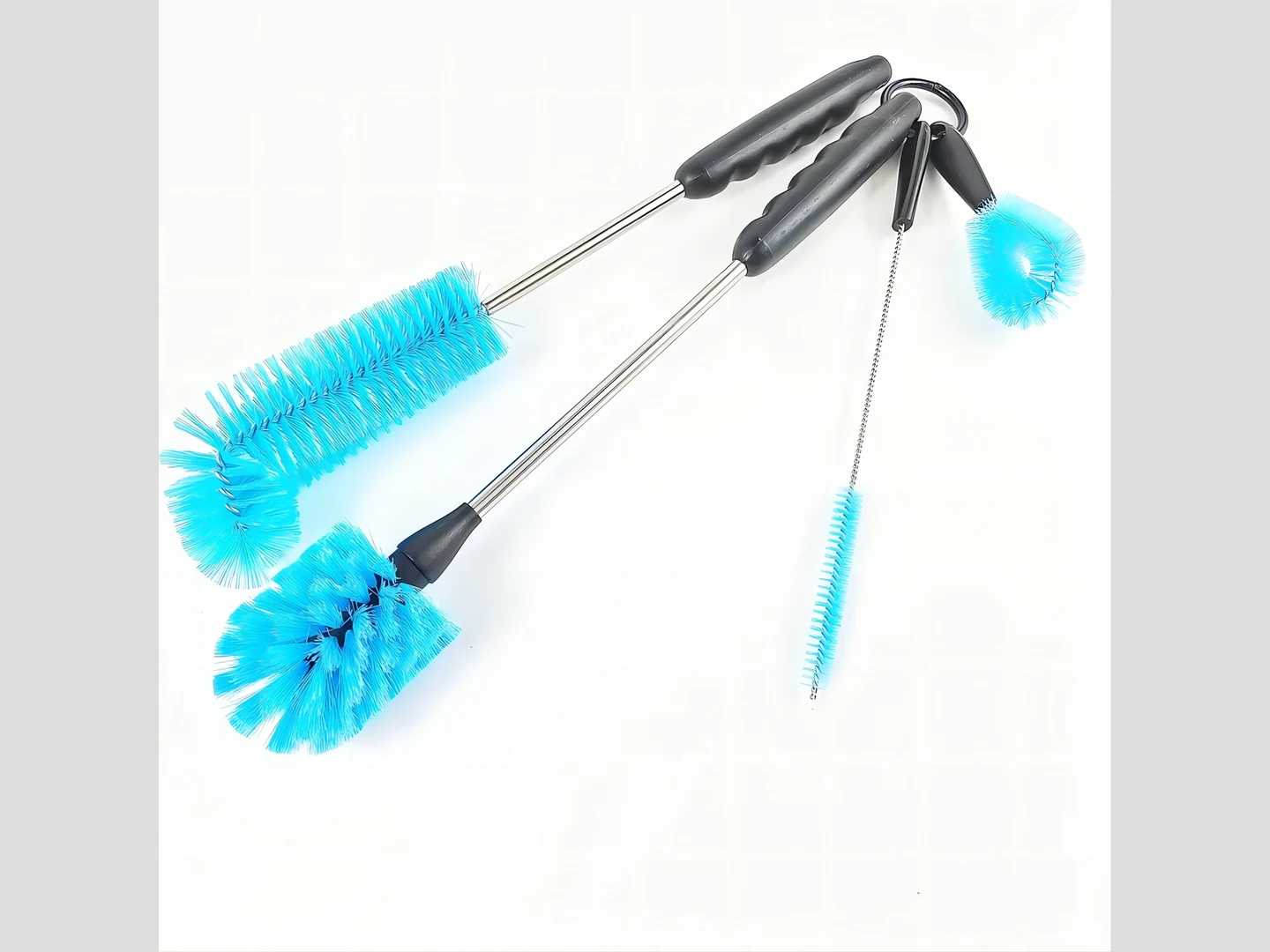
- Synthetic filament brushes – Nylon, polyester, or PBT; available in a range of stiffness; good chemical resistance.
- Silicone bristle brushes – Ultra-soft, non-abrasive, suitable for sensitive coatings, but less effective for heavy residues.
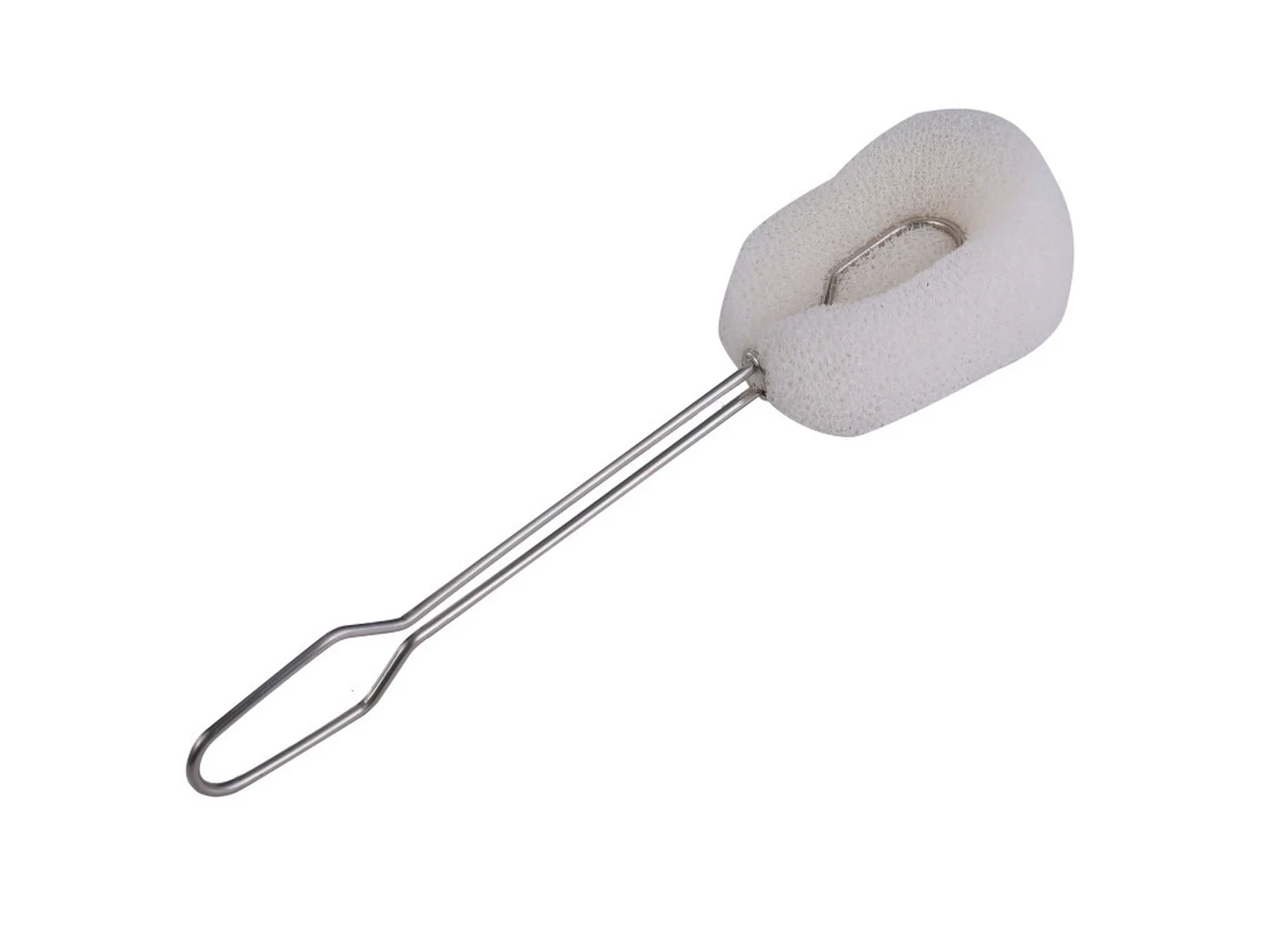
- Microfiber or sponge tip brushes – Ideal for streak-free cleaning without scratching.
- Suction cup vs. fixed base – Suction cups allow repositioning; fixed bases offer stability for repetitive use.
Comparing Brush Options for Coated Glass
| Brush Type | Bristle Material | Stiffness | Wet/Dry Suitability | Risk to Coating | Best Use Case |
|---|---|---|---|---|---|
| Soft synthetic brush | Nylon 0.1–0.2 mm | Low | Wet | Very low | Daily cleaning of AR-coated glass |
| Silicone cup brush | Silicone | Very low | Wet | Minimal | Hydrophobic or oleophobic coatings |
| Medium-stiff brush | Polyester 0.3 mm | Medium | Wet/Dry | Moderate | Removing dried contaminants from robust coatings |
| Abrasive-free sponge brush | Microfiber/foam | N/A | Wet/Dry | Minimal | Optical glass, lenses, display panels |
| Natural fiber brush | Tampico or horsehair | Low–medium | Primarily dry | Low | Dusting uncoated or durable glass |
How to Choose a Glass Cleaning Brush for Coated Surfaces
Selection should follow a series of practical checks:
- Residue type: Is it loose dust, oily film, adhesive residue, or dried water spots? Softer brushes work for loose particles; chemical-resistant brushes are needed when solvents are used.
- Surface sensitivity: Check the coating’s Mohs hardness or manufacturer’s cleaning guidelines. Anti-reflective coatings often tolerate only the softest bristles or non-contact methods.
- Equipment interface: Will the brush be hand-held, mounted on a suction base, or attached to a machine? The shank diameter, thread type, and overall length must match your setup.
- Wet or chemical exposure: For acid-based cleaners or frequent wet use, choose stainless steel cores and chemical-resistant filaments like polypropylene or polyester.
- Hygiene expectations: In cleanroom or food-glass applications, brushes must be non-shedding, autoclavable, or resistant to microbial growth.
- Maintenance frequency: Brushes that trap particles can become abrasive over time. Look for self-rinsing designs and easy-to-clean materials.
- Custom size requirements: If standard diameters or cup shapes don’t fit your sink or workpiece, request a drawing review before ordering.
Setup and Usage Factors That Affect Performance
How the brush is used day-to-day can be as important as initial selection:
- Suction cup placement: Ensure the mounting surface is smooth and non-porous. A wobbling base leads to inconsistent pressure and potential scratching.
- Water/chemical compatibility: Some bristle materials swell or soften when immersed in solvents. Confirm compatibility tables from the filament supplier.
- Applied pressure: Excessive force multiplies the risk of coating damage; use the minimum pressure needed to remove contamination.
- Angle of contact: A flat-on-flat scrubbing motion can trap particles; a 15–30° angle helps rinsing.
Common Mistakes When Selecting a Cup Brush for Glass
- Choosing by cost drivers or generic “glass brush” label – Not all glass is the same; coated glass demands specific filament and stiffness.
- Using the same brush for rough and delicate coatings – A brush that is safe for tempered glass can ruin an anti-reflective layer.
- Ignoring the core material – Steel cores rust and leave stains; brass or stainless cores are safer for wet environments.
- Skipping a spot test – Never put a new brush into production without testing on a sample or non-visible area.
- Assuming all suction cups work on all sinks – The suction force must match the surface porosity and curvature.
When a Standard Glass Cleaner Brush Isn’t Enough
Some coated glass applications exceed the capabilities of even the best brush:
- Extremely delicate coatings: e.g., thin-film photovoltaic layers or lab-grade optical coatings may require a non-contact ultrasonic or CO2 cleaning step.
- Large-scale automated lines: A single manual cup brush cannot maintain consistent cleaning across thousands of panels; an automated brush roller or curtain coater cleaning system may be needed.
- Custom geometries: Curved glass, deep concave shapes, or textured anti-glare surfaces often need brushes with tailored cup shapes, tuft patterns, or flexible bases. Always request a supplier drawing review and a sample batch test before committing to large volumes.
Final Takeaway
Selecting a glass cleaner sink cup brush for coated glass means focusing on bristle softness, chemical compatibility, and mount stability—not just size and cost drivers. Match the brush to the specific coating type, residue, and cleaning environment, and always validate with a sample test. For sensitive coatings, consider non-contact alternatives or custom brush designs reviewed by an applications engineer.
Practical Use Note
In daily use, the practical test is simple: check whether the brush reaches the full contact area, removes the target residue, and leaves the surface in the required condition. Record what changes when base material, burr or oxide level, target finish, brush speed, pressure, and acceptable surface change changes, because many brush failures are caused by the working condition shifting rather than by the brush body alone.
Frequently Asked Questions
What types of coatings are most sensitive to brush scratching?
Anti-reflective (AR) coatings, hydrophobic/oleophobic layers, and soft anti-fingerprint coatings are particularly sensitive. Low-E coatings on architectural glass are more durable but still require careful brush selection.
Can I use a silicone brush for all coated glass?
Silicone is extremely gentle and safe for most coatings, but it may not provide enough scrubbing power for dried contaminants. For heavy residues, a slightly stiffer yet still soft synthetic filament might be a better balance.
How do I perform a spot test without risking production glass?
Order a few sample brushes and use them on a coated glass coupon or a sacrificial panel identical to your product. Inspect the surface under controlled lighting and, if possible, with a microscope after 10–20 scrubbing cycles.
Does the suction cup mounting affect cleaning performance?
Yes. An unstable mount can cause the brush to tilt, leading to uneven pressure and potential edge scratching. Ensure the sink or mounting surface is clean, smooth, and flat before attaching the suction cup.
What bristle diameter is safe for AR-coated glass?
In general, filaments below 0.2 mm in diameter and made of soft nylon or polyester with feathered tips are considered safe, but always confirm with the coating manufacturer’s cleaning specifications.
When should I request a custom brush drawing?
If the standard cup diameter, tuft pattern, or filament type does not match your process geometry or chemical exposure, a customized design may be needed. Provide detailed dimensions, substrate samples, and cleaning parameters to the supplier for a review.
How often should I replace a glass cleaning brush?
Replacement frequency depends on usage intensity. Inspect brushes weekly for filament wear, embedded particles, or bent bristles. In high-volume lines, brushes may need replacement every 1–3 months to maintain consistent scratch-free cleaning.