
Custom Cleaning Brush
Wheel Cleaning Brush
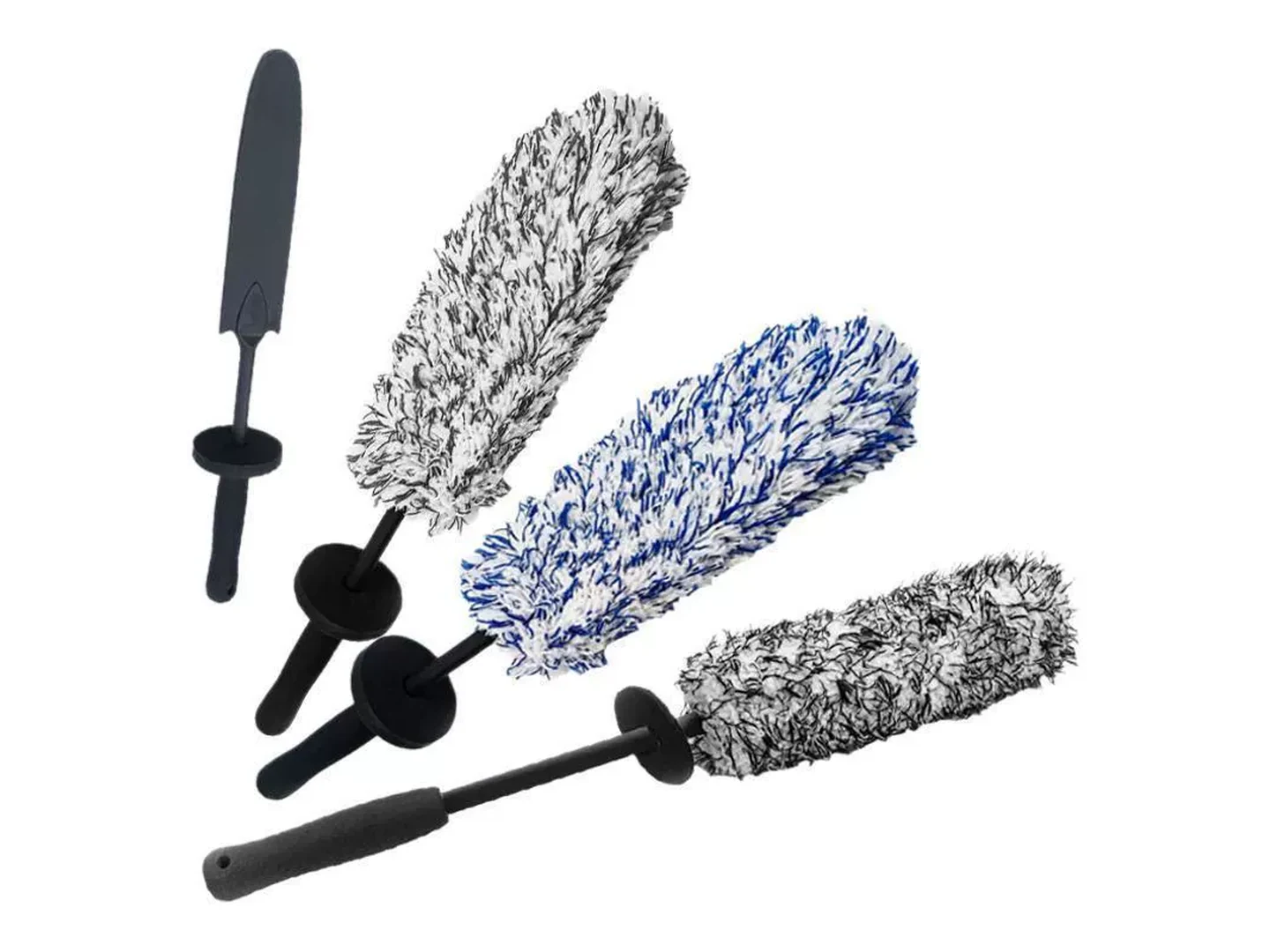
A rigid stem 300 to 500 mm long reaches inner barrels, caliper faces and suspension components through the spokes without removing the wheel.
Small brush
500 pcs
Minimum order
Held in one hand: tube, bottle, detail and swab brushes — including long-handled ones with a small head.
Production lead time, once the specification is confirmed
- Up to 500 pcsWithin 7 days
- 501–50,000 pcsWithin 14 days
- Over 50,000 pcsWithin 21 days
Peak season can extend these times; the shipping date is confirmed in writing with your quotation. Sampling and shipping are quoted separately.
A long-reach wheel cleaning brush with a filament head that lifts brake dust, road film, and grime from rims, barrels, spokes, and tire sidewalls—keeping painted and coated surfaces safe while reaching areas a wash mitt cannot.
What can this brush do for you?
Reach into wheel barrels without removing the wheel
The brush head sits on a rigid stem with an overall length from 300 mm to 500 mm. That extra reach lets operators scrub the inner barrel, caliper faces, and suspension components through the spokes, reducing the need to pull wheels for routine cleaning.
Protect painted, clear-coated, and matte wheel finishes
Microfiber and wool filament options provide soft, compliant contact that removes brake dust and road film without leaving swirl marks or micro-scratches on delicate surfaces. The filament tips deflect under pressure instead of digging into the finish.
Switch stiffness for tires and heavily soiled metal
PBT and nylon PA filaments offer firmer bristle action for rubber sidewalls, uncoated alloy, truck wheels, and baked-on brake dust. The same brush platform can be configured with different filament materials for different surfaces in a fleet or detailing operation.
Fit between spokes and around calipers
The head diameter and working profile can be tapered, rounded, or shaped to slide through spoke gaps as narrow as 25–30 mm. This allows targeted scrubbing of the barrel behind each spoke and the recessed area around the brake caliper, where most wheel soiling accumulates.
Release debris instead of holding it in the brush
Filament density and length are controlled so loosened brake dust and road film rinse out of the head during the wash cycle. The brush does not become a secondary source of contamination on the next wheel.
Stand up to wheel cleaners and wash chemicals
The filament materials, core wire, and handle are selected for compatibility with common wheel cleaning products, including alkaline and pH-neutral formulas. This prevents premature bristle softening or stem corrosion in professional use.
What is a Wheel Cleaning Brush?
A Wheel Cleaning Brush is a hand-guided cleaning tool built around a long handle, a rigid or semi-rigid core, and a dense filament head designed for automotive wheel, tire, and related detailing work. It is typically used wet—wheel cleaner or soap is applied to the surface, then the operator scrubs with short back-and-forth or circular strokes before rinsing with water.
Unlike a wash mitt or sponge, the brush concentrates thousands of filament tips into the tight transitions where brake dust, iron particles, and road film collect: the barrel behind the spokes, the lug nut recesses, the rim lip, and the gap between tire sidewall and wheel face. The rigid core gives the operator enough control to apply pressure to these areas without bending the tool.
The brush is a cleaning tool, not an abrasive resurfacing tool. It removes attached residues but does not level scratches, restore faded clear coat, or strip heavy oxidation. For those jobs, polishing or refinishing processes are required. The wheel cleaning brush fits into the washing step of professional detailing, fleet maintenance, and enthusiast car care.
Technical Specifications
The table below shows the standard configuration ranges. Specific dimensions and materials are confirmed for each project based on wheel size, spoke clearance, and operating conditions.
| Parameter | Value / Options |
|---|---|
| Overall length | 300–500 mm, matched to reach requirement and operator comfort |
| Working length (head + stem reach) | 120–300 mm, determined by wheel depth and barrel access |
| Head diameter | 40–80 mm, selected to pass through spoke gaps with clearance |
| Filament diameter | 0.10–0.40 mm, finer for soft contact on painted surfaces, thicker for stiff scrubbing |
| Core / stem diameter | 3–10 mm, stainless steel or coated steel for rigidity and corrosion resistance |
| Handle diameter | 20–35 mm, ergonomic grip with optional overmold or hanging loop |
| Filament materials | Microfiber, wool, PBT, or nylon PA, selected by surface sensitivity and residue load |
| Handle material | PP, TPE-overmolded, or stainless steel, per project requirements |
| Chemical exposure | Compatible with common alkaline and pH-neutral wheel cleaners; confirm specific product if acidic |
| Temperature range | Up to 80°C for regular wash solutions; not intended for steam sterilization |
| Brush type | Custom Handheld Detail Brushes |
| How it is driven | Hand-guided |
| Cleaning target | passenger car and suv alloy wheel, tire sidewall and tread edge, and motorcycle wheel and chain cleaning |
| Surface or part | spokes, roads, sidewalls, rims, tire sidewalls, gaps, chains, and profiles |
| Residue or debris | brake dust, road film, rubber bloom, mud, paint, iron particles, lubricant, and corrosion |
| Mounting / connection | Fixed |
Filament length and density are also adjustable. For paint-safe configurations we recommend soft filaments with higher density; for heavy grime on uncoated metal or tires, stiffer PBT or nylon with lower density allows debris to clear more easily.
Where does this brush work best?
- Passenger car and SUV alloy wheels — cleaning between spokes, around lug nuts, and behind the wheel face where brake dust accumulates.
- Tire sidewalls and tread edges — removing rubber bloom, mud, and road film with a stiffer filament configuration.
- Commercial fleet and truck wheels — larger head diameters and firmer filaments for steel and aluminum rims with heavy road contamination.
- Motorcycle wheels and chains — narrower head profiles reach between rotors and sprockets; nylon filaments withstand chain lubricants.
- Wheel wells and suspension components — long-reach handles allow cleaning of inner fender liners, brake calipers, and control arms during wheel-off detailing.
- Detailing studios and mobile wash operations — color-coded filament options help separate brushes used on wheels from brushes used on paint, preventing cross-contamination.
How do I choose the right one?
Before ordering or specifying a wheel cleaning brush, answer these questions:
1. Measure the narrowest spoke gap
Use a caliper to measure the minimum clearance between spokes or between the caliper and the wheel barrel. The brush head diameter must pass through this gap without forcing. A head that binds will bend the stem or snap filaments; a head that is too small will not scrub the barrel effectively. Allow 5–10 mm of side clearance for comfortable movement.
2. Match filament material to the surface
- Painted, clear-coated, or matte wheels: choose microfiber or wool filaments with fine diameters (0.10–0.20 mm) for scratch-free cleaning.
- Uncoated alloy, steel, or heavily soiled rims: nylon PA or PBT filaments (0.25–0.40 mm) provide more mechanical action and tolerate stronger cleaners.
- Tire sidewalls: nylon PA or PBT works well; microfiber tends to grab and mat on rubber. Consider a separate tire brush if you work on both surfaces regularly.
3. Set the overall length from your work position
If the operator stands beside the vehicle and reaches through the wheel face, a 350–450 mm overall length is common. For wheel-off cleaning on a stand, a shorter 300 mm brush gives more control. For truck wheels or deep-dish rims, a 450–500 mm handle keeps hands clear of the wheel well.
4. Choose the head shape for the access path
A round or oval head covers the barrel and face evenly. A tapered head reaches into the tight taper behind the spokes. A chamfered or angled head improves contact around the caliper bracket. If the wheel has very narrow multi-spoke cutouts, a flat or side-bristle design may work better than a full round head.
5. Confirm chemical compatibility
Tell us which wheel cleaner or degreaser you use. Alkaline and pH-neutral products are generally fine. Strong acid-based wheel brighteners can attack nylon or PBT filaments and corrode untreated steel cores, so those require specific material selection.
When to use a different brush
If the job is removing heavy rust, pitted corrosion, or multiple layers of caked brake dust, a wire brush or abrasive pad will be more effective—but may damage the finish. If the wheel face is painted and has intricate recesses, pair this brush with a smaller detail brush for lug holes and valve stem areas. Do not use a wheel cleaning brush on body paint unless it is dedicated and color-coded for that purpose; even soft filaments can transfer iron particles from wheels to clear coat.
Can I customize this brush?
Yes. The wheel cleaning brush is configured per project because wheel designs and cleaning processes vary widely. To define the right configuration, provide the following:
- Target wheel size and type (passenger, SUV, truck, motorcycle, bicycle)
- Minimum spoke gap or clearance dimensions
- Surfaces to be cleaned (painted, clear-coated, matte, chrome, raw alloy, rubber, metal chain)
- Primary residues (brake dust, road film, grease, mud, tar, rubber bloom)
- Cleaning chemicals and wash temperature
- Preferred overall length and handle style
We can adjust the following variables:
- Head geometry — round, oval, tapered, chamfered, or custom molded profile to fit specific spoke patterns.
- Filament material and stiffness — microfiber, wool, PBT, or nylon PA in different diameters, lengths, and tuft densities.
- Core and stem — stainless steel, coated steel, or polymer; diameter and length matched to reach and rigidity needs.
- Handle — straight, ergonomic, looped, overmolded grip, hanging feature, or integrated scraper tip.
- Color and marking — custom filaments, handle color, pad printing, laser marking, or identification rings for color-coded brush programs.
- Packaging — bulk, individual polybag, retail card, or project-specific kit packaging.
If your project requires material documentation, inspection reports, or third-party testing for a specific cleaning chemical, we can assist with those requirements during the customization process.
When does a worn a wheel cleaning brush stop being safe to use?
Can I use this brush on hot wheels?
No. Hot wheels can soften filament tips, warp plastic handles, and cause wheel cleaners to flash-dry before they work. Let the wheel cool to ambient temperature before brushing. If the wheel is warm to the touch but not hot, test the filament against an inconspicuous area first.
How do I prevent cross-contamination between my wheel brush and paint brush?
Use color-coded handles or filaments: one color for wheels and a different color for paint. Store wheel brushes separately from paint brushes, and never rinse them in the same bucket. Brake dust contains metallic particles that can embed in soft filaments and scratch clear coat later.
How often should I replace the brush head or the whole brush?
Inspect the brush after every detail session. Check for flattened filament tufts, embedded debris that won’t rinse out, bent stem, or cracked handle. In professional use, a wheel brush typically lasts 3–6 months with daily use, but heavy brake dust or aggressive cleaners may shorten that. Replace sooner if you notice filament loss or reduced scrubbing performance.
Is this brush safe for ceramic-coated or PPF-protected wheels?
Microfiber or soft wool configurations are safe for ceramic-coated wheels and most paint protection films. Avoid PBT or nylon with heavy pressure on coated surfaces. Always test on a small area first, and never use a wheel brush that has been used on raw or uncoated metal without thorough cleaning.
Will this brush remove caked-on brake dust that has already etched into the wheel?
No. The brush removes surface-attached brake dust, road film, and loose deposits. If brake dust has bonded to the wheel and caused pitting or etching, you need an iron remover, acid-based wheel cleaner, or mechanical polishing. Brushing alone will not repair etched clear coat or raw aluminum.
Can I use this brush for cleaning the wheel barrel while the wheel is still on the car?
Yes, that is one of its primary uses. The long handle and controlled head diameter let you reach through the spokes to scrub the inner barrel. For best results, rotate the wheel or move around the vehicle so you can access all barrel sections. A second brush with a different head shape may be needed for the area directly behind the caliper.
Guides that go deeper on this
RELATED BRUSH RESOURCES
Recommended Reading & Related Brush Resources
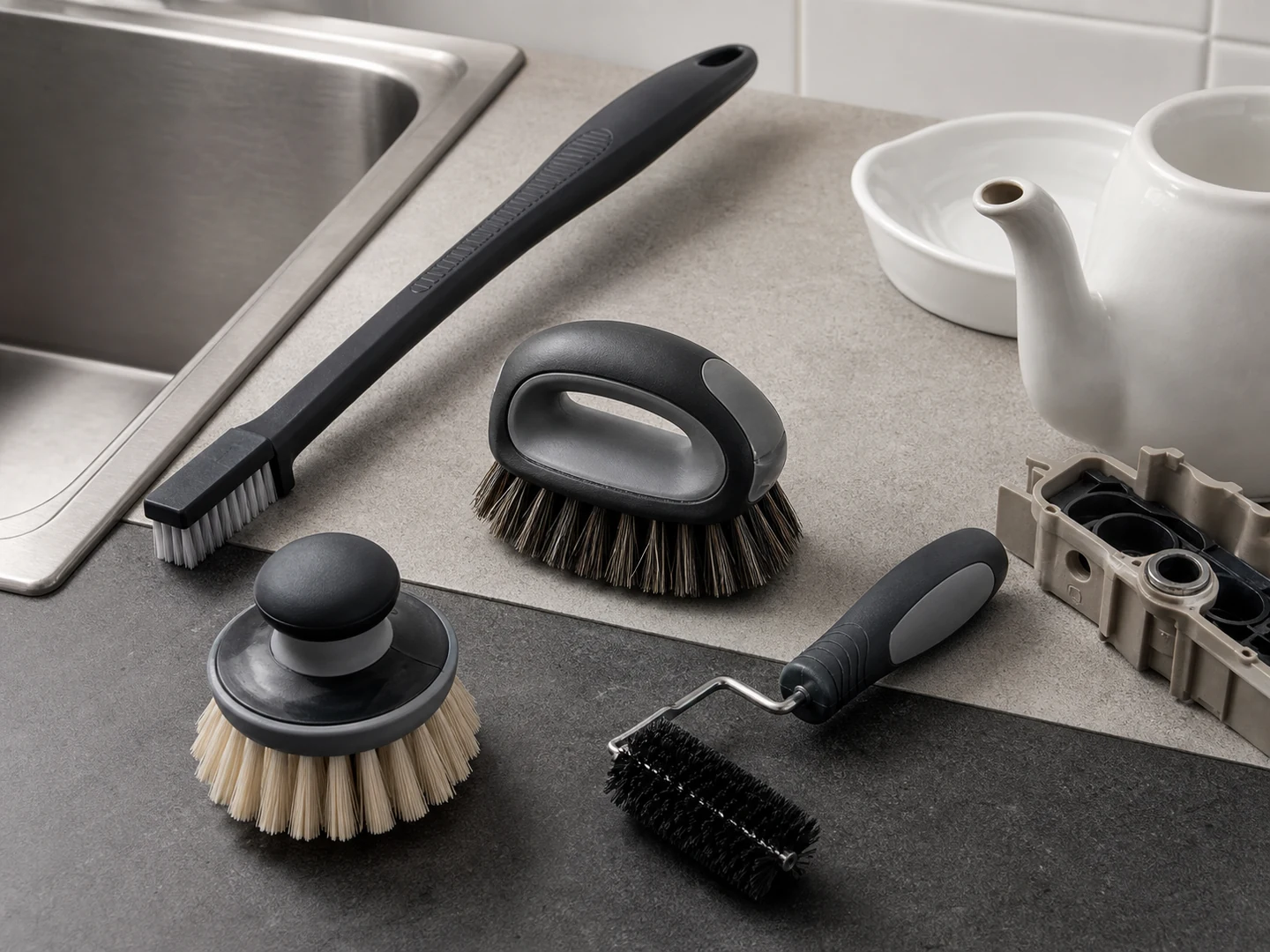
Custom Handheld Detail Brushes
Choose a handheld detail brush when you need direct control in seams, recesses, fittings,…
See how this type is built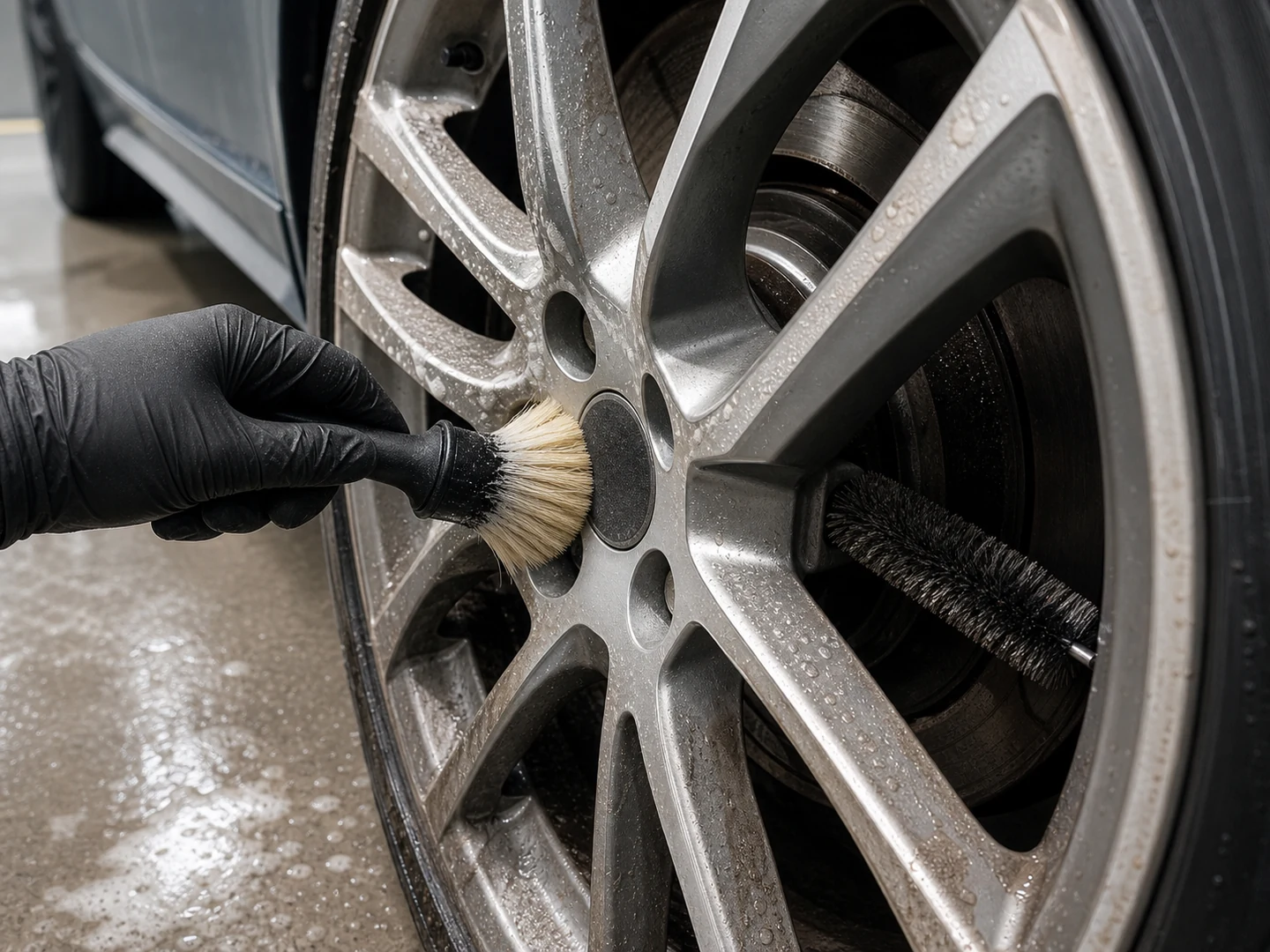
Wheel & Rim Cleaning
For Wheel & Rim Cleaning, the brush must reach the working area, disturb or…
See the cleaning job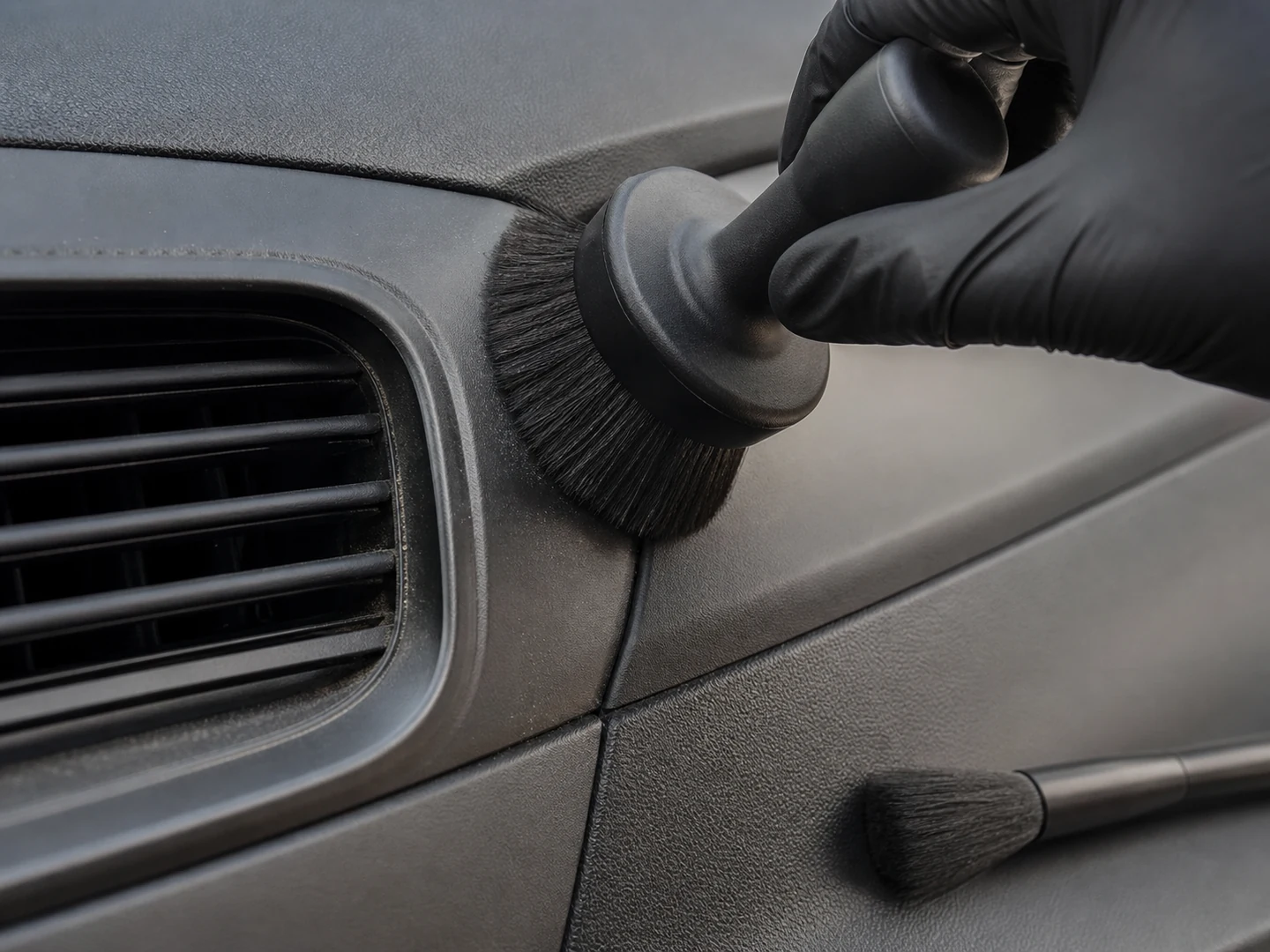
Automotive Detail Cleaning
For Automotive Detail Cleaning, the brush must reach the working area, disturb or collect…
See the cleaning job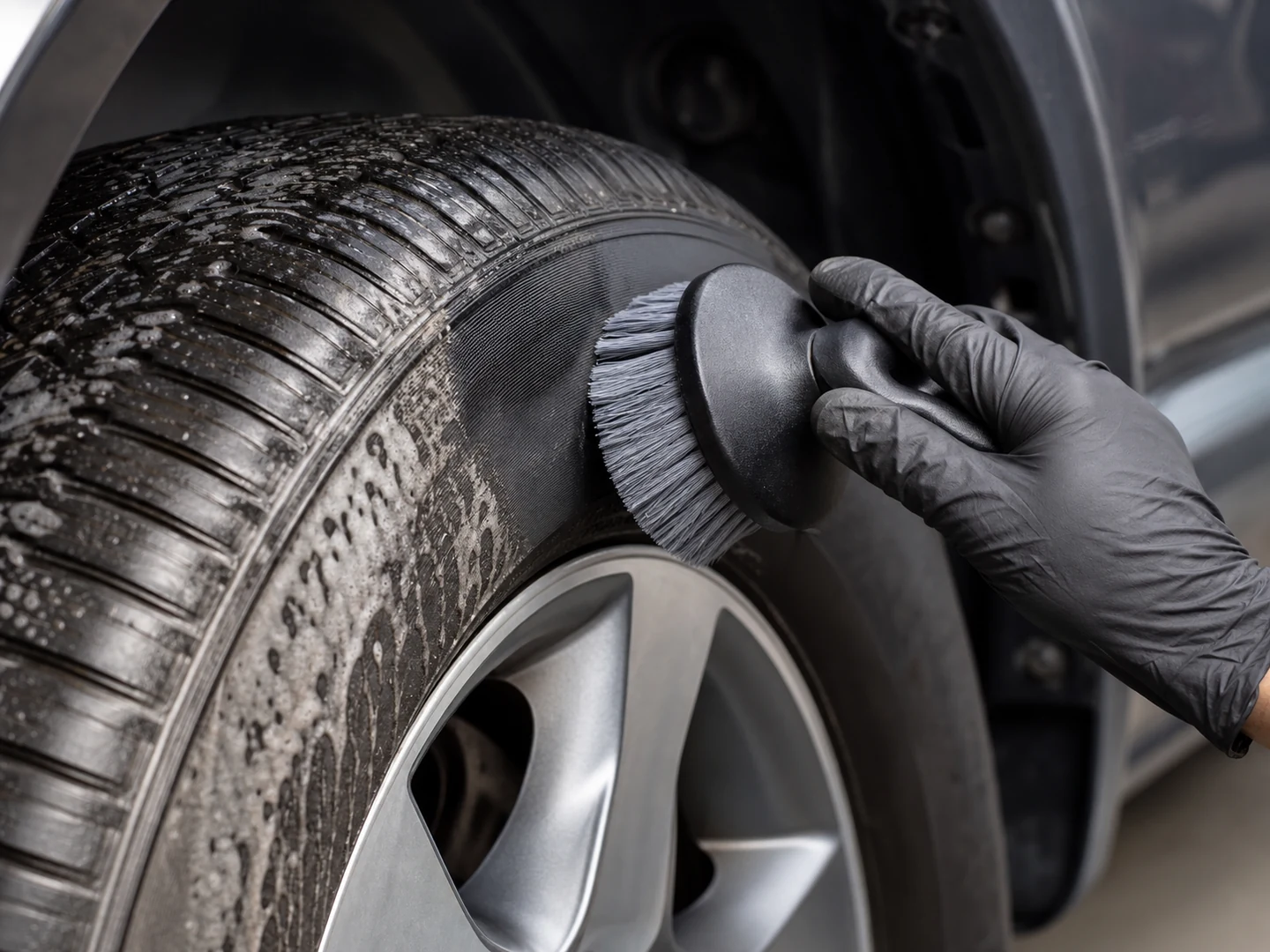
Tire Cleaning
For Tire Cleaning, the brush must reach the working area, disturb or collect silt…
See the cleaning job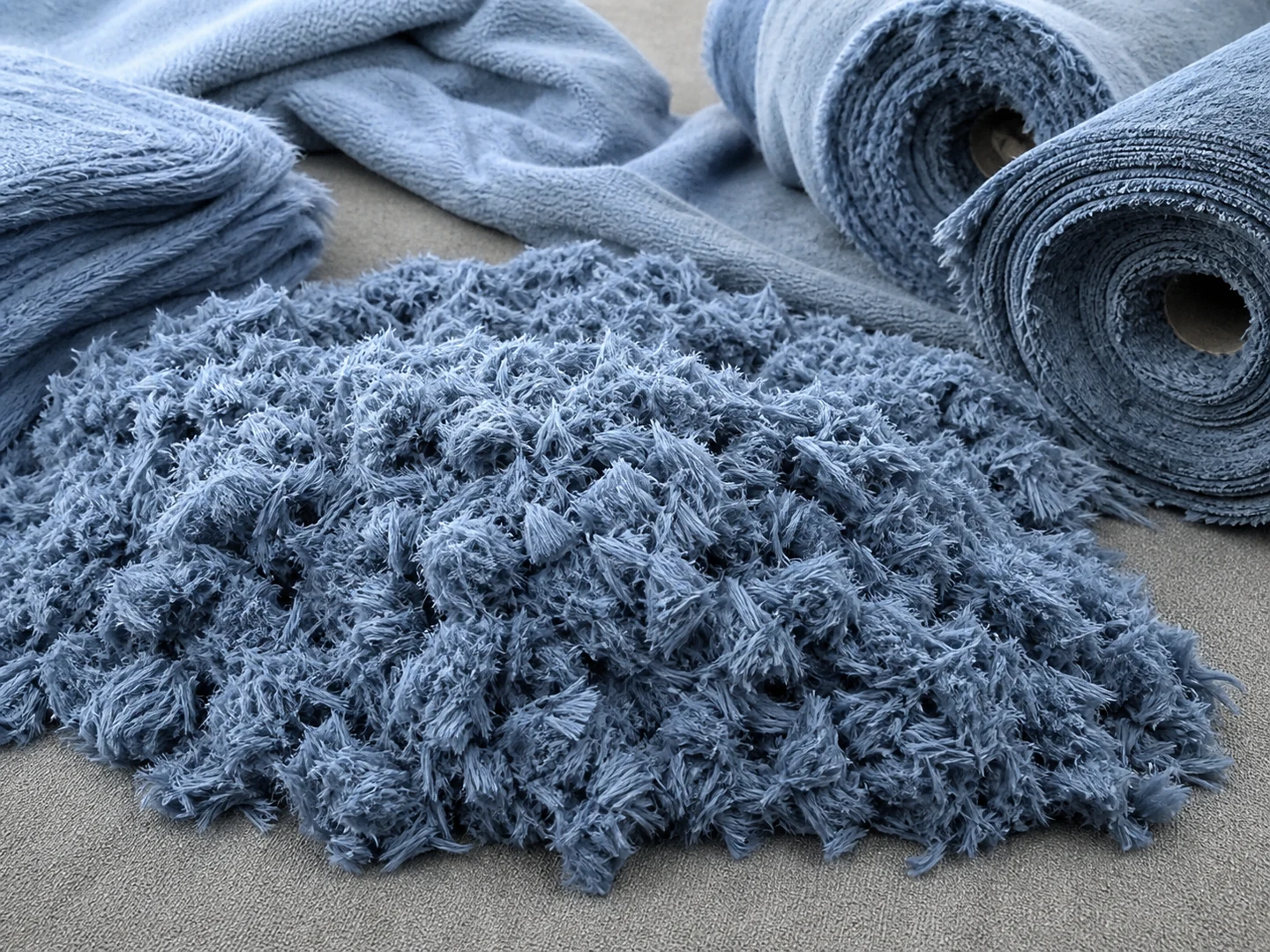
Microfiber
Choose Microfiber based on its stiffness, recovery, wear, wet-service, chemical, and temperature behavior. For…
Compare this material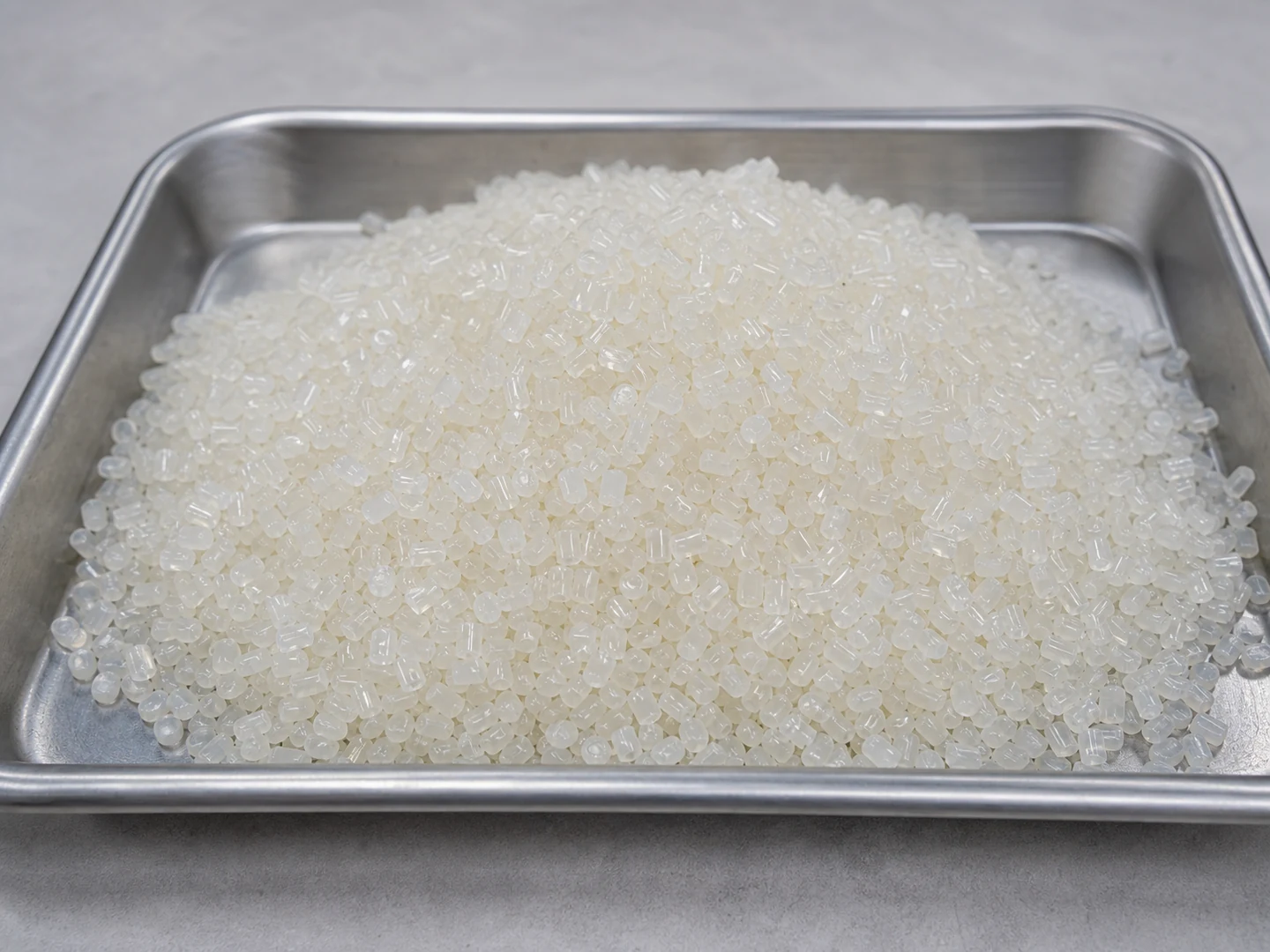
Nylon PA
Choose Nylon PA based on its stiffness, recovery, wear, wet-service, chemical, and temperature behavior.
Compare this material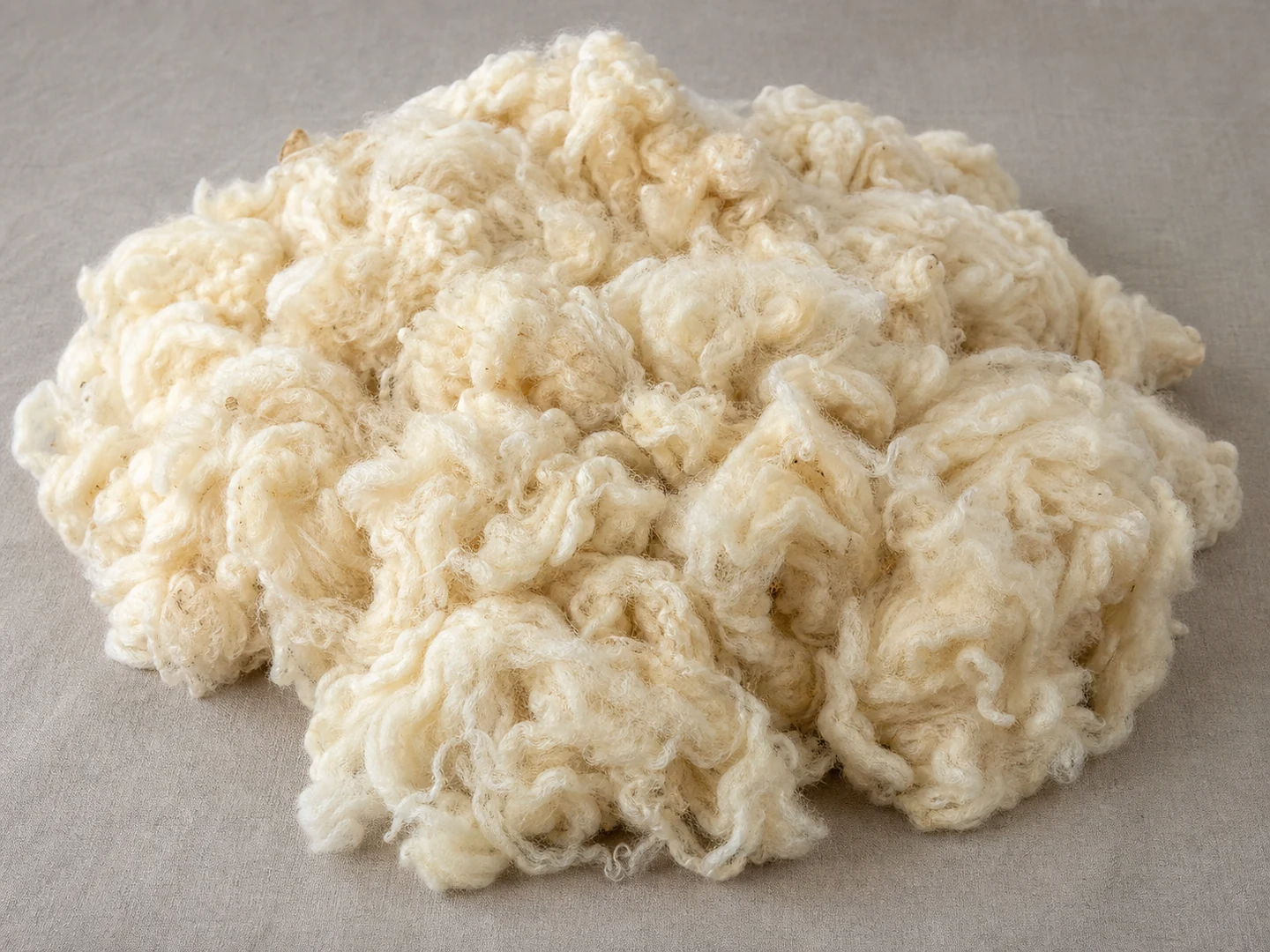
Wool
Choose Wool based on its stiffness, recovery, wear, wet-service, chemical, and temperature behavior.
Compare this material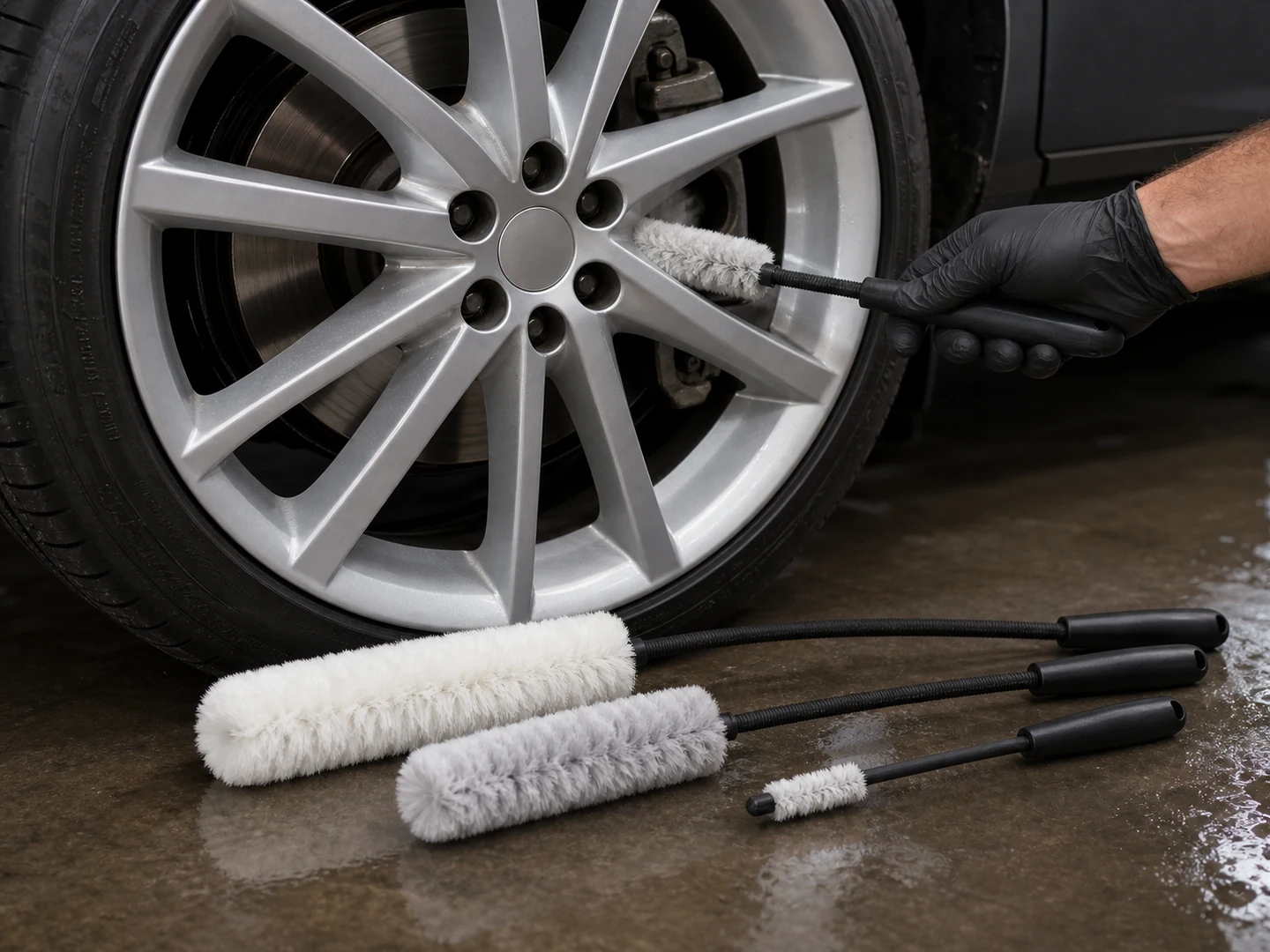
Synthetic Wool Wheel Cleaning Brush
Dense synthetic wool on a flexible twisted-wire core: the head compresses between spokes and…
Compare the specificationCustom Manufacturing RFQ
Describe Your Application
Please include the main sizes, application, residue, preferred material, interface, quantity, and any drawing or sample available.
Drawing or photo optional — it speeds things up, it does not gate the enquiry.
Custom Brush RFQ
Send Your Brush Project
Upload a drawing, product photo, or sample photo and provide the core dimensions and cleaning conditions.
“We need a brush to remove wet residue from a stainless steel conveyor, about 800mm wide. The current brush wears quickly. We can send photos.”
“We sell drinkware and need a cleaning brush to include with the product. Quantity around 5,000 pieces.”