Quick Answer
A brush creates contact and breaks adhesion. Air moves light particles, vacuum captures them, spray softens and carries soil, and scrapers remove bulk layers. Combine methods so each stage performs the task it handles best.
Hybrid Process Matrix
| Combination | Best use | Design point |
|---|---|---|
| Brush + vacuum | Fine dust, fibers, electronics, sanding debris, filters | Place capture close to the release point without pulling the brush off the surface |
| Brush + air knife | Dry particles, slots, web edges, cooling, brush self-cleaning | Direct air toward containment, not back into the process |
| Brush + spray | Oil, food, slurry, salt, water-soluble residue | Provide drainage, corrosion-resistant materials, and sufficient flow through the face |
| Scraper + brush | Thick sticky layers, belt carryback, adhesive or baked soil | Scraper removes bulk; brush cleans texture and residual film |
| Brush + rinse + vacuum | Sensitive panels, glass, precision parts | Loosen, flush, and recover without redepositing particles |
| Counter-brush / comb | Loaded cylinder or dense filament | Continuously removes wrapped fibers and packed residue |
Sequence Matters
Pre-wet before brushing when dry grit would scratch. Scrape before brushing when a thick layer would immediately load the face. Vacuum during brushing when fine particles become airborne. Rinse after brushing when loosened residue remains on the surface. Use a final soft brush or wipe only after aggressive deposits are removed.
Control the Exit Path
Every removed particle needs a destination. Design trays, hoods, drains, chutes, filters, and splash guards around the brush. A high-performing brush can still fail the process if debris falls back on the belt, enters a bearing, blocks a sensor, or contaminates the clean side of a filter.
Energy and Maintenance
Hybrid systems often allow a softer brush and lower engagement, which reduces wear and surface damage. They add pumps, blowers, filters, nozzles, and collection maintenance. Track pressure, flow, vacuum, motor current, brush wear, and filter loading as one process rather than independent components.
RFQ Inputs
Provide residue properties, surface, line speed, brush position, available utilities, air pressure/flow, vacuum volume, liquid chemistry/flow, drain or collection route, guards, temperature, noise limits, maintenance access, and acceptance criteria.
Technical References
Which bristle material fits this job — PA612 Nylon, Polypropylene PP or AISI 304 Stainless Steel Wire?
| Material | Continuous temperature (°C) | Peak temperature (°C) | Water absorption | Hardness |
|---|---|---|---|---|
| PA612 Nylon | 90–110 | 130–150 | 0.3–0.7% | Shore D 70–80 |
| Polypropylene PP | 80–100 | 120–140 | ≤0.03% | Shore D 65–75 |
| AISI 304 Stainless Steel Wire | 400 | 500 | 0% | Rockwell B 70–95 depending on temper and cold work |
| AISI 316 Stainless Steel Wire | 400 | 500 | 0% | Rockwell B 70–95 depending on temper and cold work |
Figures as published by Brushtec / DuPont; Perlon; Alleima. Confirm the exact grade against the supplier datasheet before ordering.
When are Roller and Conveyor Brushes the wrong choice?
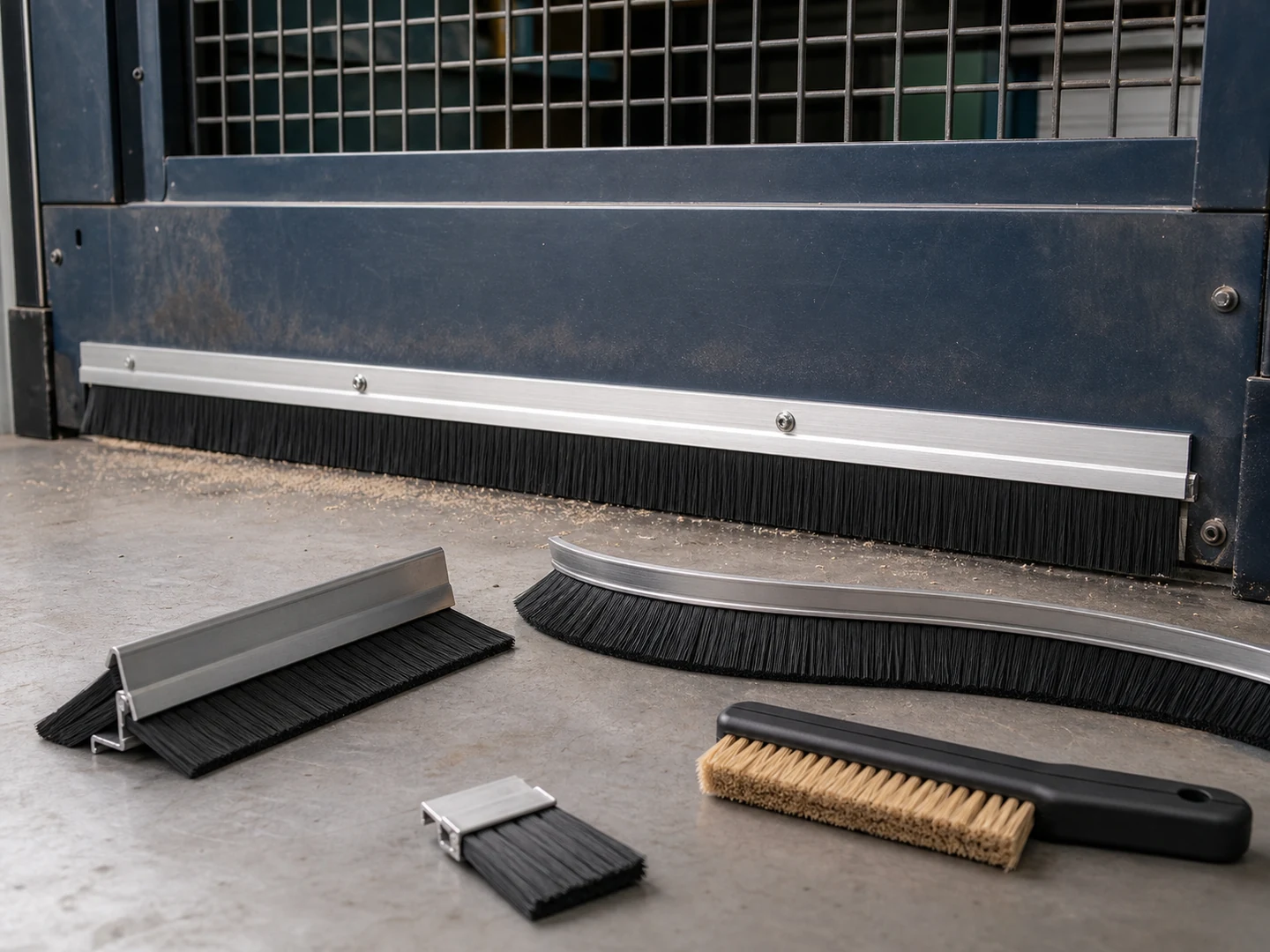
- Roller and Conveyor Brushes — Use a stationary strip brush for a fixed linear seal or wipe, or another process when rotating line contact interferes with the product or cannot discharge the residue safely.
- Strip Seal Brushes — Use rubber lips, foam, labyrinth seals, air curtains, or rigid scrapers when pressure sealing or liquid containment is required.
- Handheld Detail Brushes — Use a tube brush, powered brush, scraper, wipe, sponge, or vacuum when the target is internal, heavily bonded, or highly delicate.
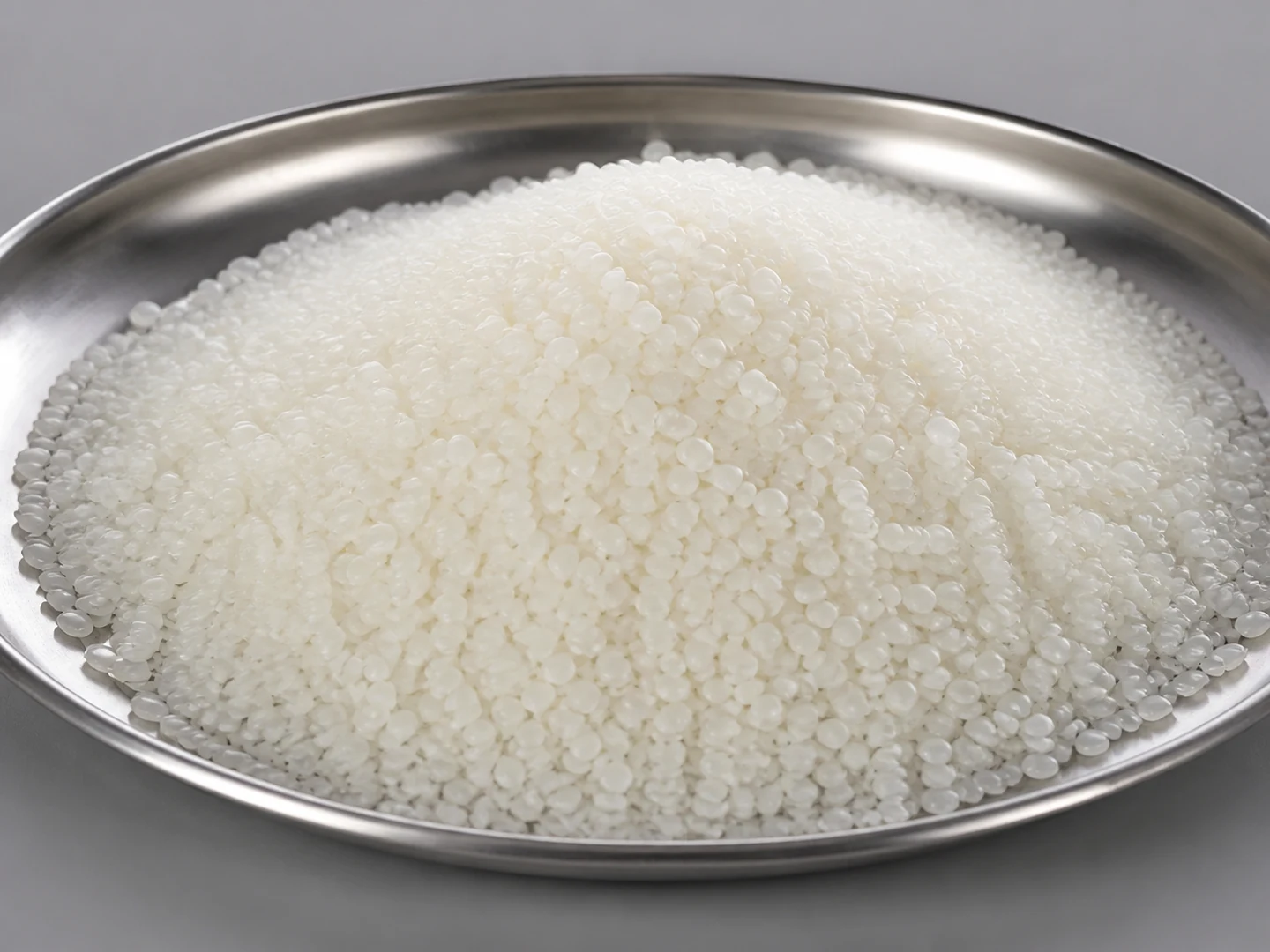
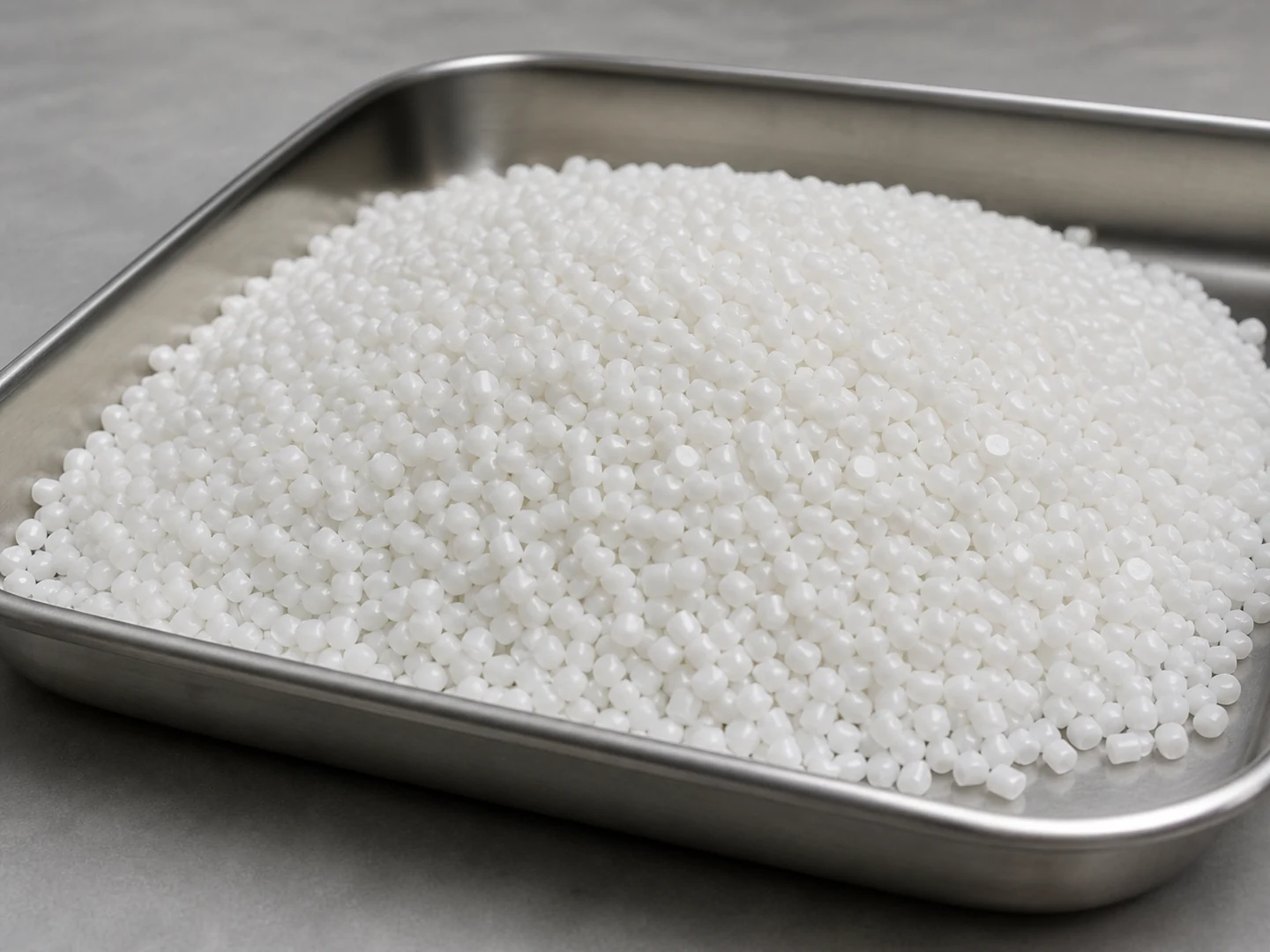
- PA612 Nylon — PA612 costs more than general PA6 and should be used where its wet stability, recovery or wear life creates a real process benefit.
What should replace Roller and Conveyor Brushes when they stop working?
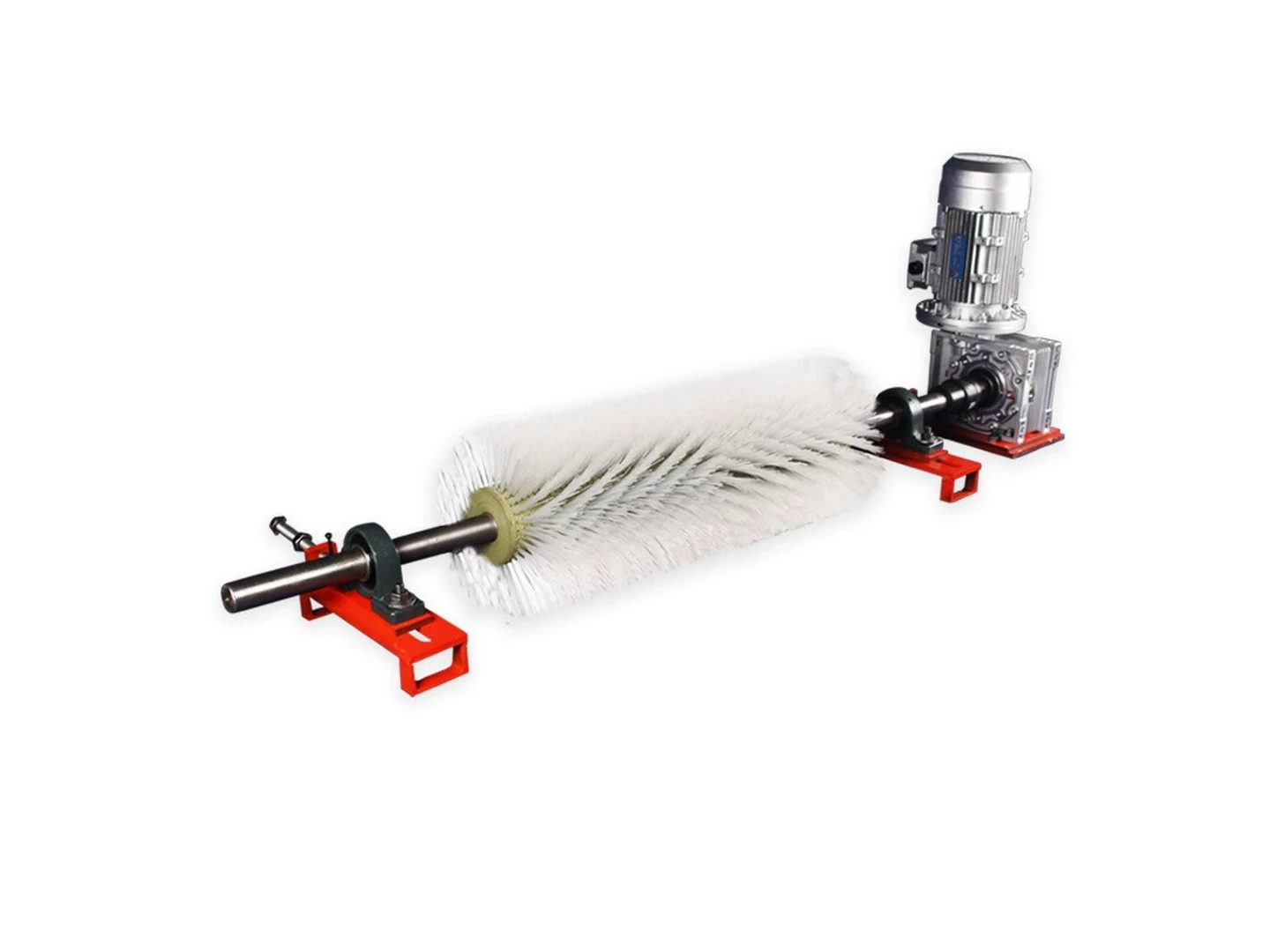
- Roller and Conveyor Brushes — Roller and conveyor brushes hold cylindrical line contact across a working width, including helix-wound builds where the filament path is set to move loosened material toward one side; a strip brush holds the same line without rotating, so it seals or wipes but cannot carry residue along the width.
- Strip Seal Brushes — Strip brushes create a linear barrier or guide; machine-table brush plates distribute load and support products over a broad area. Closest alternative: Machine Table Brush Plates.
- Handheld Detail Brushes — Handheld detail brushes cover general precision cleaning; auto-detailing brushes impose tighter controls for painted, polished, leather, display, and trim surfaces.
- PA612 Nylon — Compare PA612 Nylon with PA66, PP, PBT. Change material when wet stiffness, temperature, chemical resistance, conductivity, particle shedding, or surface marking becomes the limiting factor.