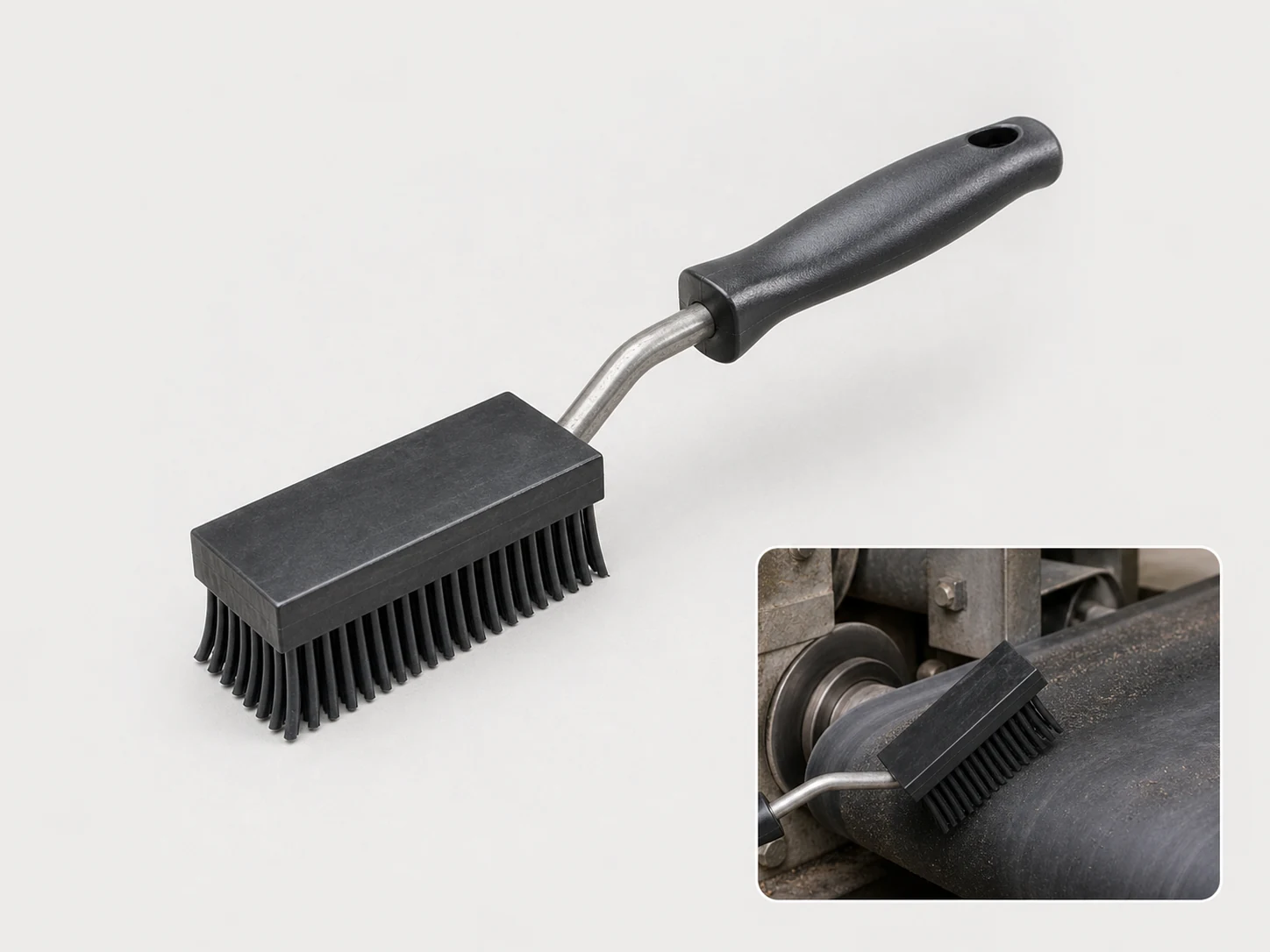
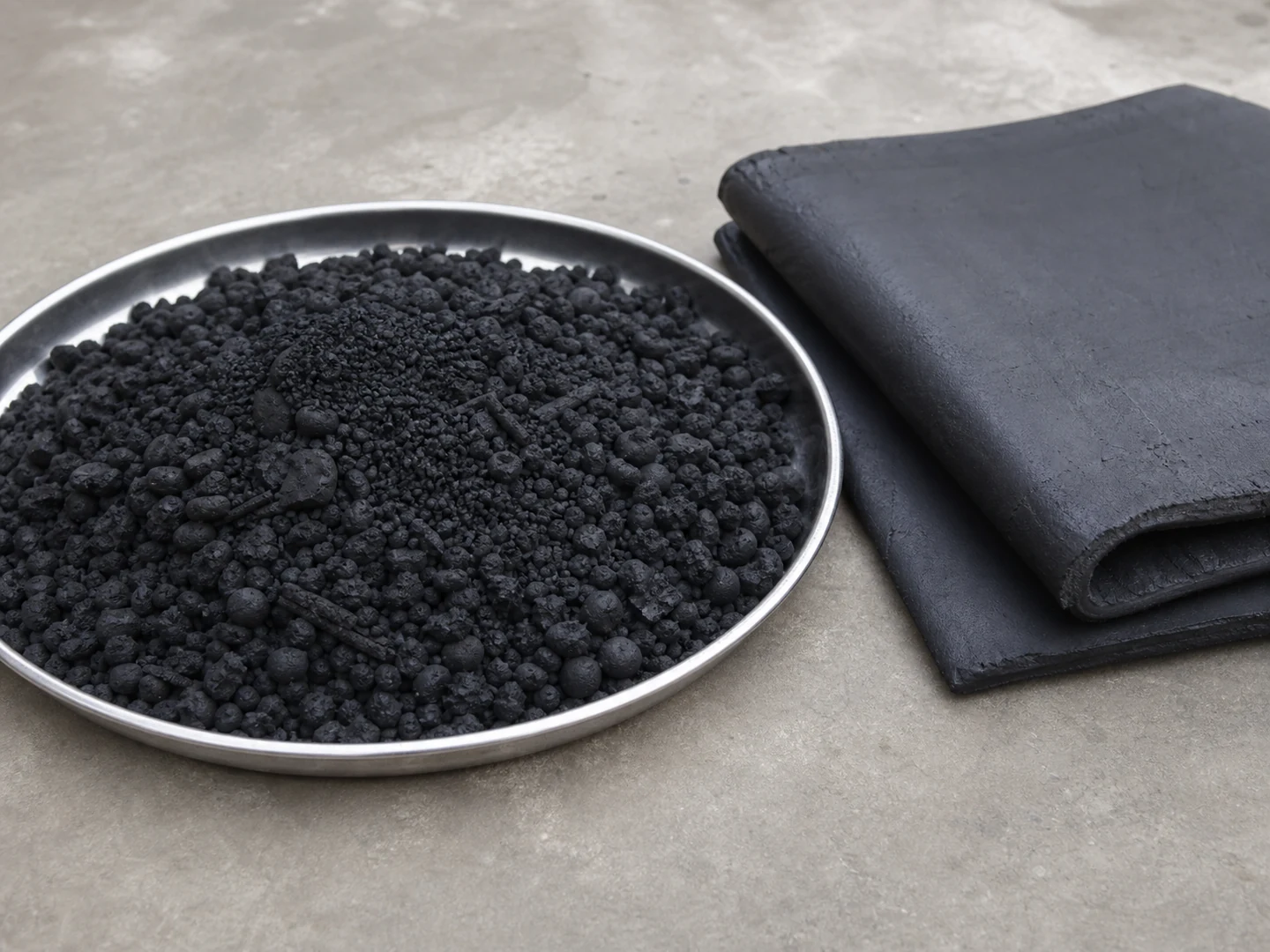
What Is a Rubber Brush Roller?
A rubber brush roller is a rotating cylindrical tool whose working elements are made from natural rubber, synthetic rubber, or thermoplastic elastomers. It is used in industrial lines to wipe, clean, convey, dust, convey product, or apply a finish to flat and shaped surfaces such as sheet metal, glass, textiles, food products, and plastic film.
For the safety point in this section, the relevant OSHA reference is OSHA — Machine Guarding.
For the safety point in this section, the relevant OSHA reference is OSHA — Control of Hazardous Energy.
For the safety point in this section, the relevant OSHA reference is OSHA — Combustible Dust.
For the environmental or chemical-safety point in this section, the supporting reference is EPA — Particulate Matter Basics.
For brush terminology and construction language, this section references American Brush Manufacturers Association — Brush Lingo.
The roller mounts on a shaft and is driven directly or by friction. Bristles or strips contact the workpiece or an adjacent roller at a controlled pressure. Unlike abrasive brushes, rubber brush rollers are chosen when surface integrity is critical and the goal is gentle removal of loose debris, liquid, powder, or sticky residue without scratching or marring.
Rubber Brush Roller Material and Construction Comparison
The elastomer compound dictates performance under heat, moisture, chemicals, and mechanical load. The table below compares widely used materials on key selection criteria.
| Material | Shore A Hardness | Key Resistances | Temperature Range | Dry/Wet | Typical Applications |
|---|---|---|---|---|---|
| Natural Rubber | 40–70 A | Moderate abrasion, low oil resistance | -20°F to 150°F | Dry, some wet | Conveying, dust cleaning, gentle product handling |
| SBR | 50–90 A | Abrasion resistant, low ozone resistance | -20°F to 180°F | Dry | General dry cleaning, light deburring |
| Neoprene | 40–80 A | Moderate oil, weather, ozone | -30°F to 200°F | Dry/wet | Moderate chemical environments, outdoor, damp applications |
| Nitrile (NBR) | 50–90 A | Excellent oil and solvent resistance | -30°F to 250°F | Dry/wet | Oily parts, metal stamping, engine components |
| EPDM | 40–80 A | Excellent water, steam, polar solvent resistance | -40°F to 300°F | Wet, steam | Food processing, paper mills, high-temperature washdown |
| Silicone | 20–70 A | Wide temperature range, low abrasion resistance | -60°F to 450°F | Dry/wet | High-heat conveyor cleaning, bakery, glass handling |
| Polyurethane | 40–95 A | High abrasion, cut, and oil resistance | -20°F to 180°F | Dry/wet | Heavy wear, metal coil cleaning, adhesive residue |
| Abrasive‑Filled Rubber | 50–90 A | Aggressive scrubbing, embedded grit | Depends on base | Dry/wet | Scale removal, rust removal, heavy deburring |
How Construction Affects Cleaning and Service Life
Beyond the elastomer, the way the rubber element is built into the roller influences maintenance and performance:
- Molded rubber segments: Easy to clean, minimal fiber entrapment, durable shape. Common in food and sanitary settings.
- Set bristle rollers: Individual bristles punched or stapled into a core, allowing high density and varying trim lengths. Can trap debris.
- Strip brush rollers: Continuous rubber strip wound spirally. Provides a linear wiping edge. Often used in web cleaning.
- Spiral‑wound rubber: Similar to strip brush but may be solid or segmented. Good for guiding and medium-duty cleaning.
How to Match the Rubber Brush Roller to Your Application
Use the decision factors below to narrow the choices before looking at a catalog.
- Identify the residue or contaminant: Dry powder, sticky paste, oil, liquid, scale, or dust.
- Assess contact surface sensitivity: Delicate film, glass, painted metal, bare steel, wet product, food contact.
- Check operating environment: Temperature extremes, presence of water or steam, chemical exposure, washdown requirements, FDA or food‑grade mandates.
- Line speed and bristle pressure: How fast does the surface move? What engagement depth or deflection gives proper cleaning without damaging the surface or heating up the rubber?
- Installation space: Roller diameter and length, core type, shaft end detailing, available envelope.
- Maintenance access: How often must the roller be cleaned or changed? Does it need a quick‑release design?
Turn these answers into a simple technical summary before contacting a supplier. For example: “Remove light silicone oil from 12‑inch‑wide glass sheets moving at 60 fpm, ambient temperature, wet operation with alkaline cleaning solution—need EPDM or nitrile roller, Shore A 50–60, molded construction, end shaft with keyway.”
Common Mistakes When Selecting a Rubber Brush Roller
- Ordering by dimensions alone and ignoring the elastomer chemistry.
- Using a harder compound than necessary, which scores or scratches the product surface.
- Specifying a soft, sticky compound that causes residue to wrap around bristles and increase cleaning time.
- Forgetting to check chemical compatibility with cleaning agents, leading to swelling or cracking.
- Overlooking clean‑in‑place requirements; a roller that cannot be sanitized easily creates downstream contamination risks.
- Assuming every rubber roller is food‑safe without verifying FDA, 3‑A, or EU 1935/2004 documentation.
- Running at surface speeds beyond the material’s limit, causing heat buildup, chunking, or premature wear.
When a Rubber Brush Roller Is Not Enough—Complementary Processes
A rubber brush alone can remove loose debris but may not dislodge baked‑on or strongly adhered contamination. In those cases, consider combining brushing with one or more of these processes:
- Vacuum extraction: A vacuum hood or through‑shaft extraction captures airborne dust at the source.
- Air knife: A high‑velocity air curtain blows off particles or liquid after mechanical loosening.
- Scraper blade: A pre‑scraper removes heavy buildup before the brush touches the surface, extending brush life.
- CIP spray system: For sanitary lines, a clean‑in‑place spray cycle pre‑conditions the surface, and the brush finishes.
- Ultrasonic pre‑treatment: An ultrasonic bath can loosen stubborn residues before mechanical brushing.
This approach prevents over‑reliance on a single stage and keeps the brush roller from being overloaded or damaged by material it was never designed to handle.
Before You Order: Information to Confirm
When the technical selection is clear, confirm the following with the manufacturer or supplier to avoid fit‑up problems:
- Roller dimensions: Outer diameter, overall length, core inside diameter, shaft length and end detailing (e.g., keyway, flat, threads).
- Mounting method: Weld‑on flange, set‑screw coupling, quick‑release hub, or other driven interface.
- Brush face: Spiral angle, bristle or strip density, bristle height, trim type (flat or shaped to a profile).
- Reference sample or drawing: If available, provide an old roller or a marked‑up engineering drawing.
- Performance expectation: Define an acceptable cleanliness level, visual standard, or defect rate limit so both sides agree on success.
Final Takeaway
The right rubber brush roller balances surface protection with effective material removal. Start by defining what must be removed and under which operating conditions, then select the elastomer chemistry and hardness that match that environment. Confirm the mechanical fit and maintenance plan before cutting a purchase order—this simple sequence eliminates the most frequent causes of roller failure on industrial lines.
Frequently Asked Questions
What is the difference between a rubber brush roller and a standard bristle brush roller?
A rubber brush roller uses rubber‑based bristles or strips as the contact element, while a standard bristle brush roller may use nylon, polypropylene, or other synthetic filaments. Rubber bristles provide a soft, non‑scratching action and are preferred when surface protection is critical.
Can a single rubber brush roller handle both wet and dry conditions?
Some materials like neoprene and nitrile perform well in both environments, but natural rubber can swell or degrade with prolonged water exposure. Always check the material’s water absorption and hydrolysis resistance for your specific condition.
How do I measure a rubber brush roller for an exact replacement?
Measure the outer diameter over the bristles, overall length, core inside diameter, and shaft dimensions. Note the bristle height, spiral direction if it was used for guiding, and the mounting style. Photograph any end details for reference.
Are all rubber brush rollers food grade?
No. Only rollers made from specific FDA‑compliant compounds (such as certain EPDM, silicone, or nitrile formulations) are suitable for direct food contact. Always request the manufacturer’s certificate of compliance and ensure it meets your local regulatory requirements.
How often should a rubber brush roller be replaced?
There is no fixed interval. Replace the roller when you observe polished bristle tips, visible cracking, loss of stiffness, or when cleaning effectiveness drops below your quality standard. Regular inspection during scheduled downtime is more reliable than a calendar‑based rule.
Can a rubber brush roller be reconditioned or retrimmed?
Some set‑bristle rollers can be retrimmed to restore a fresh tip geometry. Molded rubber segments may be replaced individually. However, strip‑wound rollers are often not serviceable. Consult the original manufacturer for their recommendations.
What causes rubber bristles to break?
Rubber bristles can break due to excessive heat, chemical attack, abrasive wear from hard particles, or excessive bending stress at high line speeds. Incompatible cleaning agents may degrade the rubber, leading to embrittlement. Ensure the roller material is rated for the operating temperature and chemical environment, and that the bristle engagement depth does not over-stress the material. Regular inspection for cracks and loss of flexibility will help determine replacement timing before breakage occurs.