What Is a Food Processing Conveyor Belt Brush for Dry Dust?
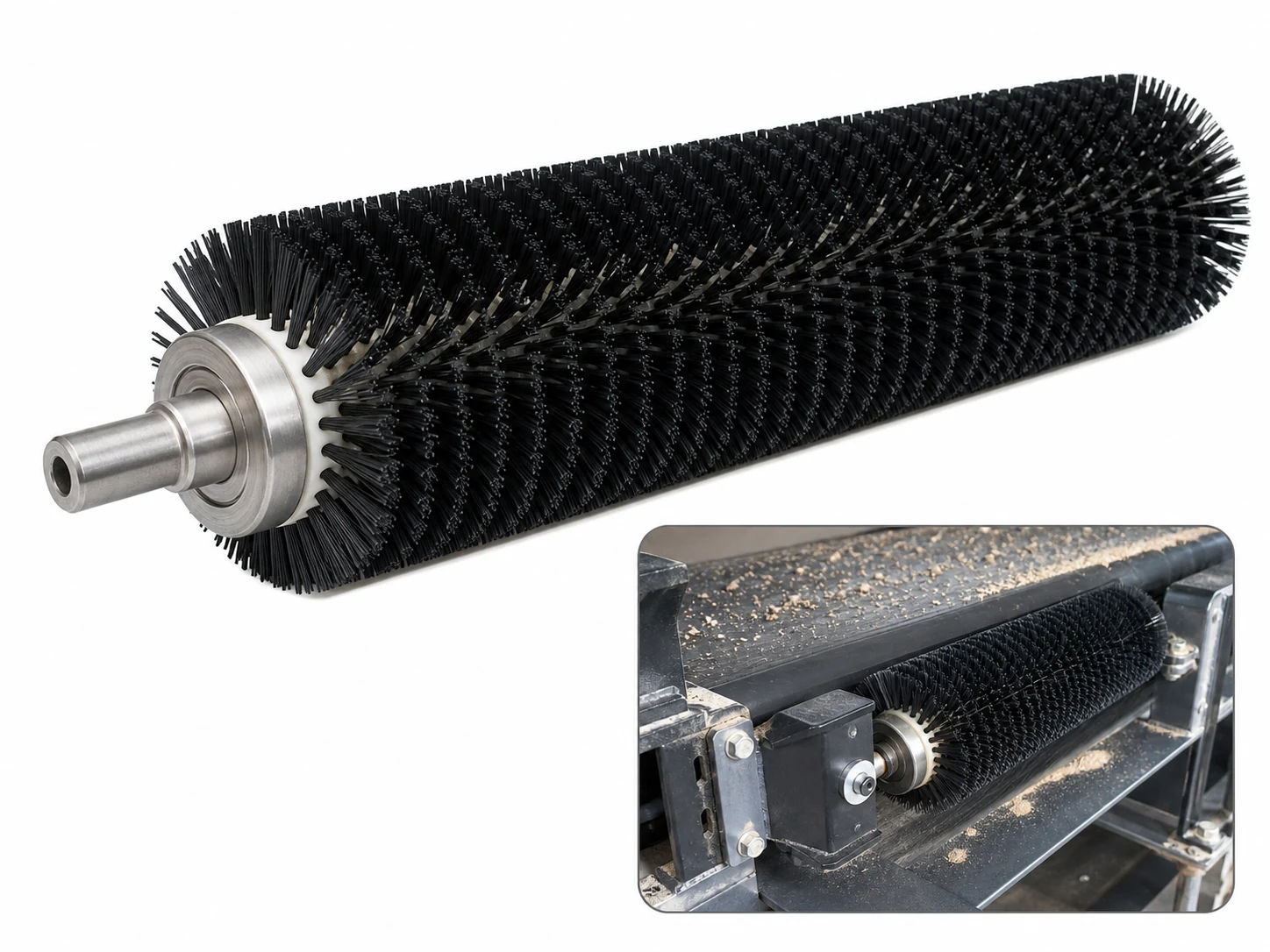
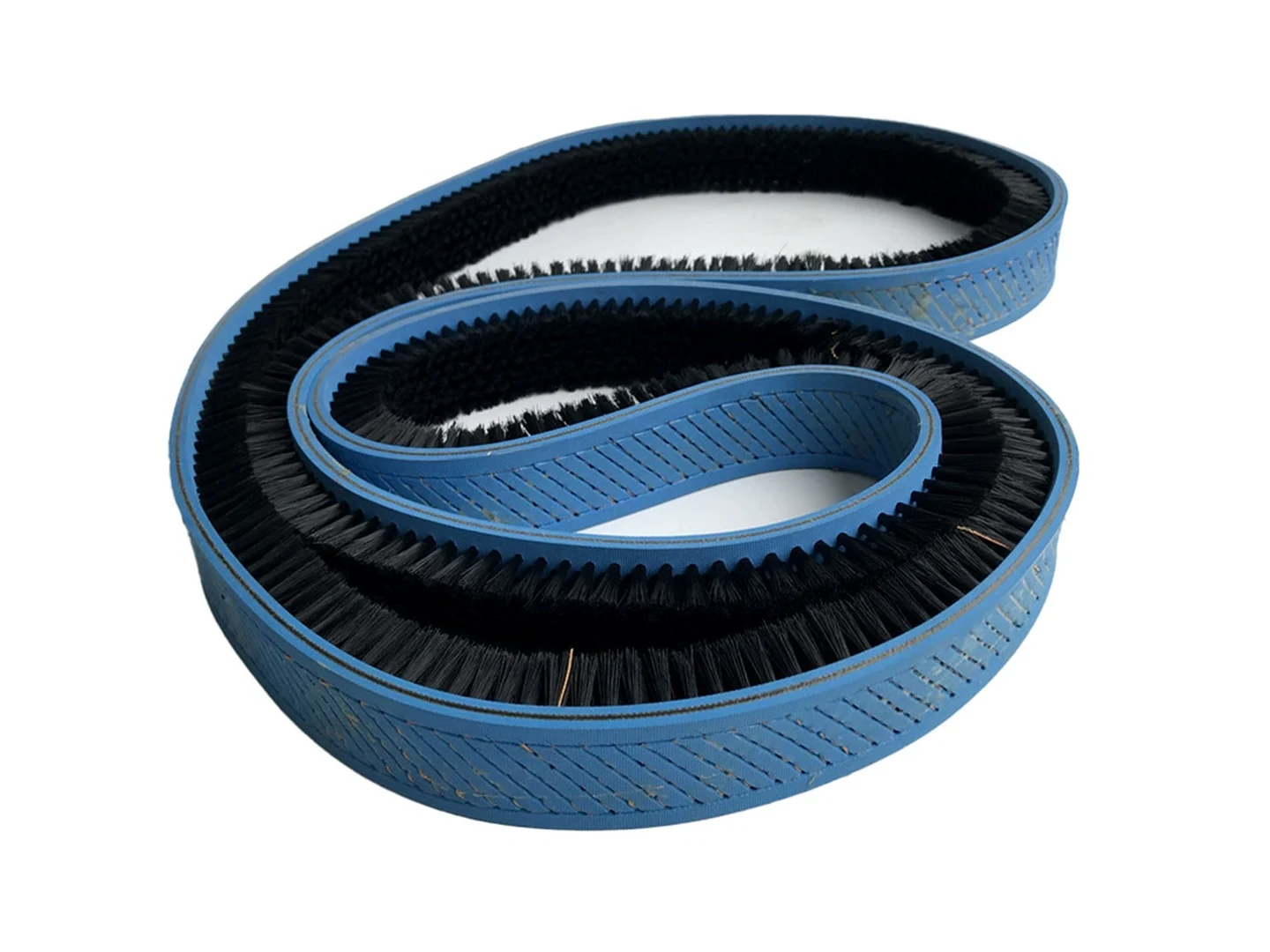
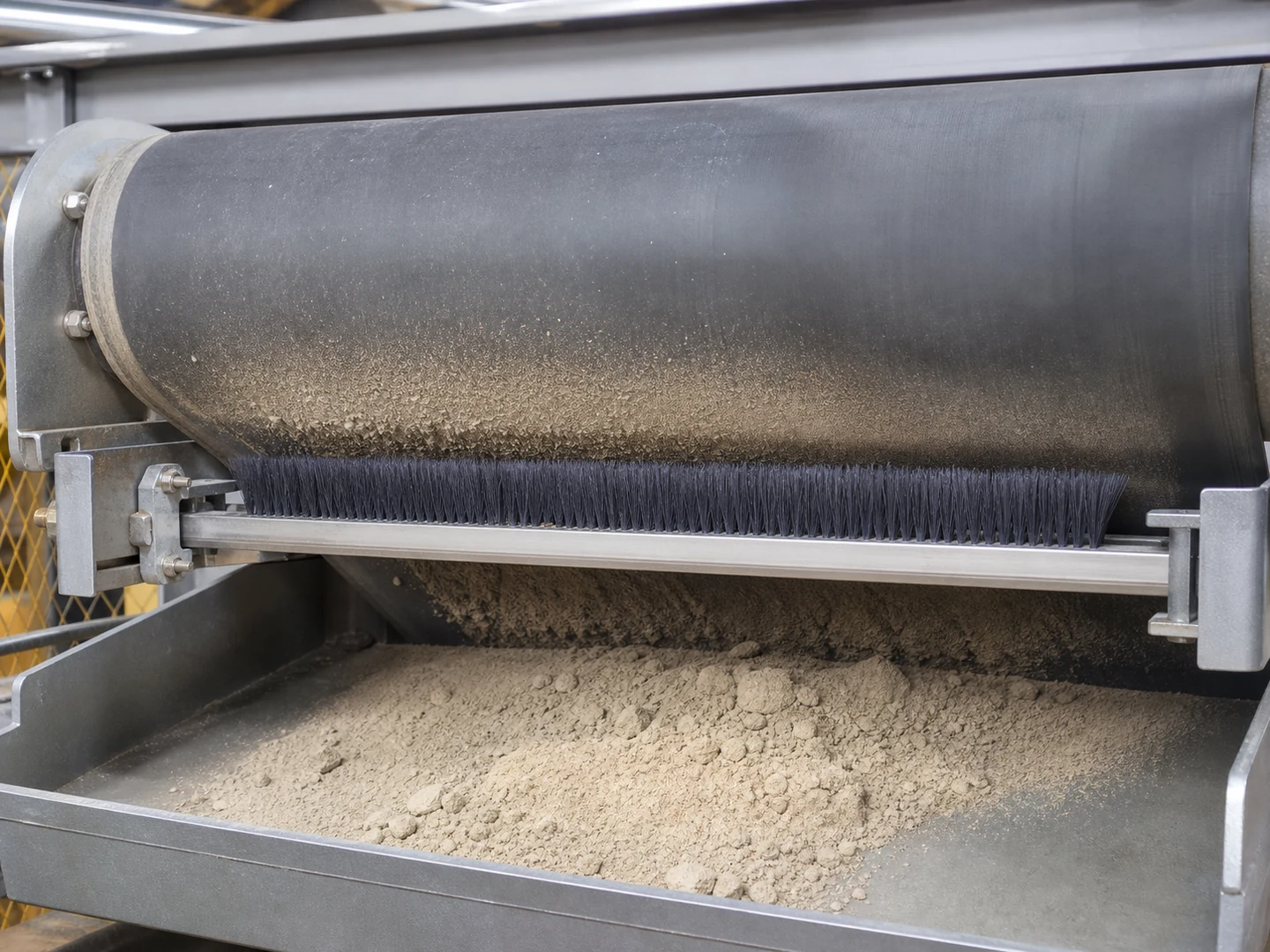
A food processing conveyor belt brush for dry dust is a brush assembly—often a strip, roller, or spiral brush—designed to sweep or knock loose dry particulates from a moving conveyor belt without using water or chemical cleaners. These brushes typically feature FDA-compliant filaments, stainless steel or rigid polymer cores, and mounting hardware that attaches to the conveyor frame. The goal is continuous, passive cleaning that keeps the belt surface clear of buildup, reduces manual cleaning frequency, and helps maintain product quality and equipment reliability.
Common Types and Custom Options for Dry Dust Removal
For food-manufacturing equipment and wet food zones, eCFR — 21 CFR Part 117 Human Food CGMP and Preventive Controls is the production-side CGMP and preventive-controls reference.
For food-service sanitation language, the FDA — Food Code is the reference point for food safety terminology rather than a brush manufacturer’s preference.
For the material or regulatory boundary in this section, the supporting reference is eCFR — 21 CFR 177.1500 Nylon Resins.
For the material or regulatory boundary in this section, the supporting reference is eCFR — 21 CFR 177.1520 Olefin Polymers.
For the material or regulatory boundary in this section, the supporting reference is eCFR — 21 CFR 177.1630 Polyethylene Phthalate Polymers.
For the safety point in this section, the relevant OSHA reference is OSHA — Machine Guarding.
Not all conveyor belt brushes are the same, and the right choice depends on belt width, dust behavior, and how the brush interacts with the belt. Common configurations include:
- Strip brushes with mounting channels (holders): A straight row of bristles held in a metal or plastic channel. Often used as a stationary wiper across the belt width.
- Roller brushes (driven or idler): A cylindrical brush that rotates against the belt, sometimes powered to improve cleaning action. Useful for sticky or stubborn dust.
- Spiral-wound brushes: Filaments set in a spiral pattern around a core, offering an aggressive sweeping motion. Good for uneven belt surfaces.
- Custom-shaped brush assemblies: Designed for unique conveyor profiles, edges, or tight spaces where standard holders won’t fit.
Most buyers will work with a supplier to specify a custom brush rather than buying an off‑the‑shelf product, because the exact length, filament type, density, and mounting interface almost always vary by machine.
Material, Diameter, Stiffness, and Mounting: What to Compare
The four most critical custom specifications are the filament material, overall brush diameter, stiffness (filament gauge and trim length), and the mounting or holder system. The table below compares common filament materials used in dry dust conveyor belt brushes.
| Material | Dry Dust Suitability | Stiffness | Food Contact | Typical Diameter Range | Notes |
|---|---|---|---|---|---|
| Polypropylene (PP) | Excellent for light, non‑abrasive dust (flour, starch) | Soft to medium | FDA compliant | 0.012–0.040 in | Good chemical resistance; low moisture absorption |
| Nylon 6 or 6.6 | Good for medium‑weight dust; some abrasion resistance | Medium to stiff | FDA compliant | 0.010–0.060 in | Durable, but can absorb moisture over time |
| Polyester (PBT) | Very good for fine, clinging dust; often used in bakery lines | Medium | FDA compliant | 0.008–0.050 in | Excellent flex fatigue resistance; low moisture |
| Tampico (natural fiber) | Good for light dust; not for wet environments | Soft to medium | Food‑grade vegetable fiber | Varies | Biodegradable; often blended with synthetics |
| Conductive filament blends | Excellent for static‑prone dust (sugar, fine powders) | Medium to stiff | Check specific blend | 0.012–0.040 in | Dissipates static to reduce dust re‑attraction |
Beyond filament material, buyers must also confirm:
- Overall brush diameter: Determines how much bristle contacts the belt; too small reduces cleaning, too large may interfere or require a stronger mount.
- Stiffness (gauge and trim length): Longer trim with thinner filaments gives softer action; shorter trim or thicker filaments increase stiffness. Dust type and belt sensitivity dictate the balance.
- Mounting type: Channel, flange, keyed shaft, or custom bracket. Must align with existing attachment points on the conveyor frame.
- Brush length and density: Total length and number of bristle rows determine the cleaning zone and brush life.
How to Choose the Right Brush for Your Dry Dust Application
When preparing a custom brush inquiry, map these decision factors to your specific conveyor and dust type:
- Residue type and particle size. Light, fluffy dust (e.g., flour) often needs a soft, dense polypropylene or polyester brush. Heavier, sticky dust may require a roller brush and stiffer nylon filaments.
- Belt surface sensitivity. Delicate plastic modular belts or thin rubber belts can be damaged by overly stiff filaments. Request a sample or review a supplier’s belt compatibility guide.
- Conveyor interface. Where will the brush attach? Backside cleaning, head pulley, or underside? Measure the available space, clearance, and any obstacles (rollers, frames, sensors).
- Operating environment. Dry environments often have static buildup. If dust clings or re‑attracts, specify anti‑static or conductive filaments. If the area is washed occasionally, the core and holder must withstand moisture.
- Hygiene expectations. In GFSI‑audited facilities, brushes must be detectable (metal‑detectable filaments) or easy to remove for sanitation. Discuss holder materials (stainless steel vs. plastic) and FDA compliance documentation.
- Maintenance frequency and brush life. High‑speed, continuous lines may require a thicker gauge or a more abrasion‑resistant filament to extend service intervals.
- Custom size requirements. Provide exact length, diameter, mounting hole spacing, and core style. A dimensional drawing or photo of the conveyor mount reduces misquotation.
Setup, Maintenance, and Hygiene Factors
Even the best brush performs poorly if installed incorrectly. Before ordering, consider:
- Positioning: Mount the brush so it contacts the belt immediately after the discharge point to remove dust before it compacts. Avoid placing it near product‑contact areas unless fully enclosed.
- Pressure adjustment: Many strip brushes use spring‑loaded or slotted mounts to maintain gentle, consistent pressure without gouging the belt.
- Cleaning the brush itself: A dust‑removal brush collects dust and must be cleaned periodically. Plan for easy removal or in‑place vacuum/purge systems.
- Hygienic design: For dry cleaning, crevice‑free holders and solid, non‑absorbent cores prevent dust buildup and pest harborage. If the brush is used near allergen zones, consider dedicated brushes or validated cleaning procedures.
- Wear monitoring: Record initial brush length or bristle tip diameter to schedule timely replacements before cleaning performance drops.
Common Mistakes Buyers Make When Ordering a Custom Brush
- Ordering by diameter or length alone. A “1‑inch brush” ignores the filament material, density, and trim length that define cleaning performance.
- Ignoring static electricity. In dry powder lines, static can make dust jump back onto the belt after brushing. Conductive filaments or grounding paths are often overlooked.
- Assuming all “food‑grade” filaments are equal. FDA compliance covers material, but the brush construction (epoxies, core materials) must also meet facility standards.
- Choosing the wrong stiffness for the belt type. Stiff brushes can scratch poly‑urethane or rubber belts, leading to micro‑abrasions and bacterial risk.
- Thinking a brush works forever. Even wear‑resistant filaments lose effectiveness eventually. Without planned replacement, dust buildup returns and may camouflage equipment issues.
- Not providing a clear interface drawing. Suppliers can’t guess bracket hole spacing, conveyor rail width, or clearance. A simple sketch prevents costly back‑and‑forth.
When a Standard Conveyor Belt Brush Is Not Enough
A food processing conveyor belt brush is a mechanical cleaner, not a sanitation system. It should not be the sole defense when:
- The dust contains hazardous allergens that require validated wet cleaning.
- Belt surfaces are deeply textured or have grooves where dust compacts beyond bristle reach.
- The product residue is oily or hygroscopic, forming a film rather than loose dust. In that case, a dry brush alone may polish the residue without removing it, and a secondary wet or scraper system may be needed.
- FDA or USDA regulations require absolute surface sanitization, which a brush cannot achieve.
- Dust is explosive (e.g., grain dust). Brushing can disperse clouds; explosion‑proof design and integrated vacuum extraction become essential.
- The brush generates filament fragments. If the process cannot tolerate any foreign material risk, consider enclosed scraper systems or validate brush durability through a sample test.
Always consult your sanitation team or a hygiene equipment specialist to determine if a dry brush alone meets your standard.
Final Takeaway: Your Pre‑Order Checklist
Before you send an RFQ for a custom food processing conveyor belt brush for dry dust, gather the following:
- Conveyor data: Belt width, speed, material, and available mounting space (with a photo or sketch).
- Dust description: Particle size, moisture level, stickiness, and static behavior.
- Brush style preference: Strip, roller, or spiral; driven or idler.
- Filament requirements: Material, diameter, stiffness, and any anti‑static/hygienic needs.
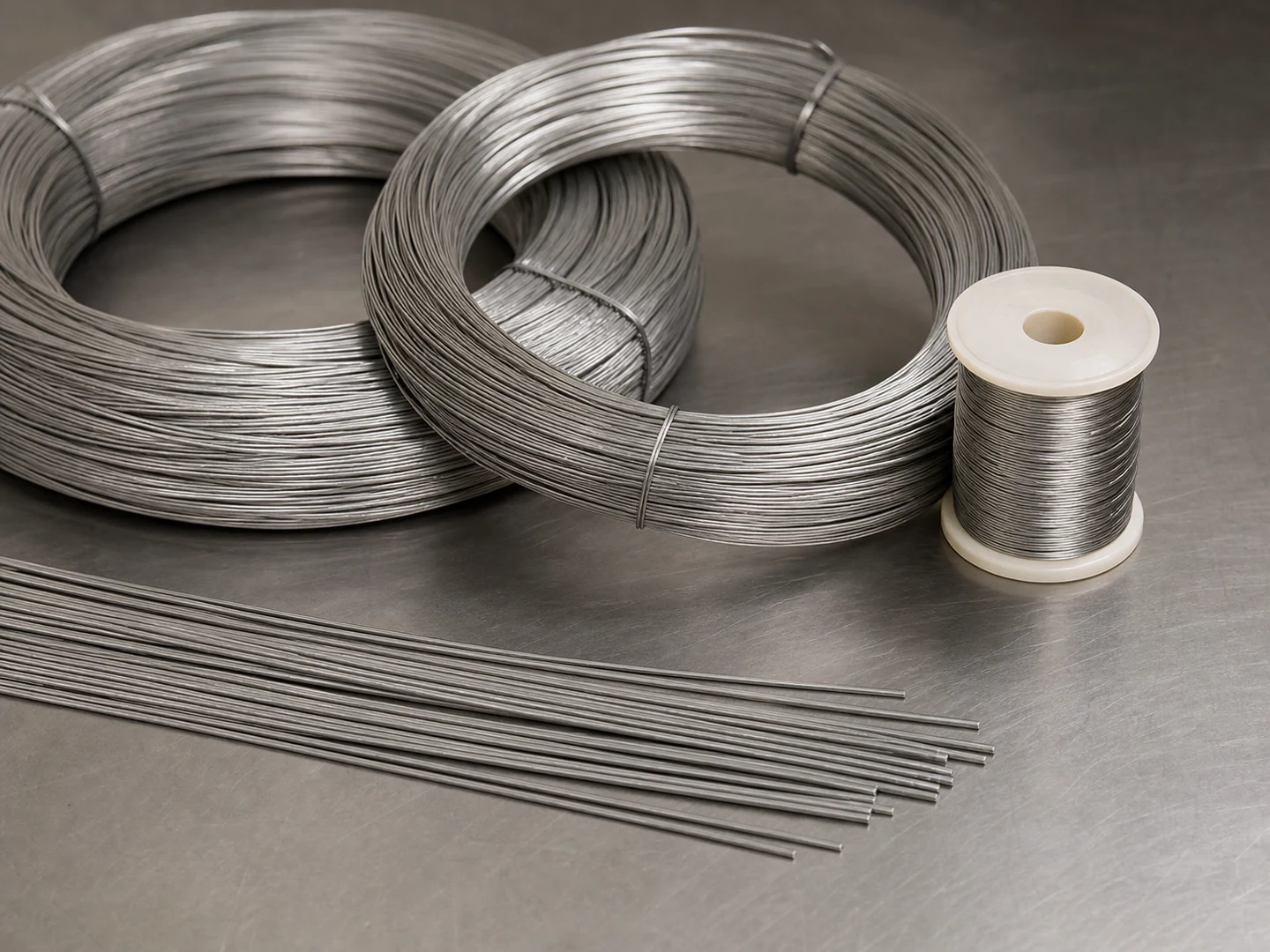
- Mounting details: Hole pattern, bracket type, core material (stainless steel or plastic).
- Operational constraints: Washdown exposure, temperature, clean‑out frequency.
- Expected brush life and replacement quantity.
- Request for a sample or drawing approval.
By turning your inquiry into a clear, measurable specification, you reduce lead time, avoid mis‑ordered brushes, and get a cleaning solution that fits your exact dry dust challenge.
Frequently Asked Questions
Can I use the same brush if my process sometimes runs wet products?
Not always. Many dry‑dust filaments absorb moisture or lose stiffness when wet. If your conveyor occasionally handles wet products or undergoes washdown, specify stainless steel cores and non‑hygroscopic filaments like polypropylene or polyester. Discuss intermittent moisture with your supplier to avoid premature failure.
How do I measure for a custom brush length?
Measure the belt width exactly, but the brush is usually ordered to match the widest part of the belt plus a small overhang on each side to catch edge dust. Provide the distance between mounting rails, not just the belt width, and note any obstructions that limit brush placement.
What filament material is best for very fine flour dust?
Soft, dense polypropylene or polyester filaments in the 0.008–0.015 inch diameter range work well. They conform to belt micro‑irregularities and sweep fine dust without scratching. If static causes dust to cling, choose a conductive blend or add a grounding path.
Can I get a sample brush before placing a full order?
Many custom brush manufacturers can supply a short sample length or a pre‑production prototype. It is highly recommended for first‑time applications or when comparing two filament materials. Ask about sample lead times and whether the supplier needs a purchase order for prototypes.
How do I avoid static buildup with a conveyor belt brush?
Specify filaments with conductive additives (carbon‑filled nylon, for example) or use a stainless steel core that can be grounded. In some cases, pairing the brush with a passive ionizing bar can neutralize charges. Describe your static problem to the supplier; they may recommend a filament blend.
What if my conveyor belt has a rough or textured surface?
A spiral‑wound roller brush often works better than a straight strip brush because the angled bristles can reach into low spots. However, extremely textured belts may require a combination of brush and vacuum. Provide a belt profile or sample to the brush supplier to check compatibility.
How long should a dry dust conveyor belt brush last?
Brush life varies widely—from a few weeks to over a year—depending on filament material, belt speed, dust abrasiveness, and contact pressure. Plan to inspect bristle length weekly after installation until you establish a reliable replacement interval.
Do I need metal‑detectable filaments in a dry food facility?
It depends on your food safety plan. Many facilities using dry cleaning in low‑moisture environments still specify metal‑detectable or X‑ray‑visible filaments as a preventive control against foreign material contamination. Check your HACCP and GFSI requirements; it is a common upgrade for peace of mind.