What Is a Food Processing Conveyor Belt Brush?
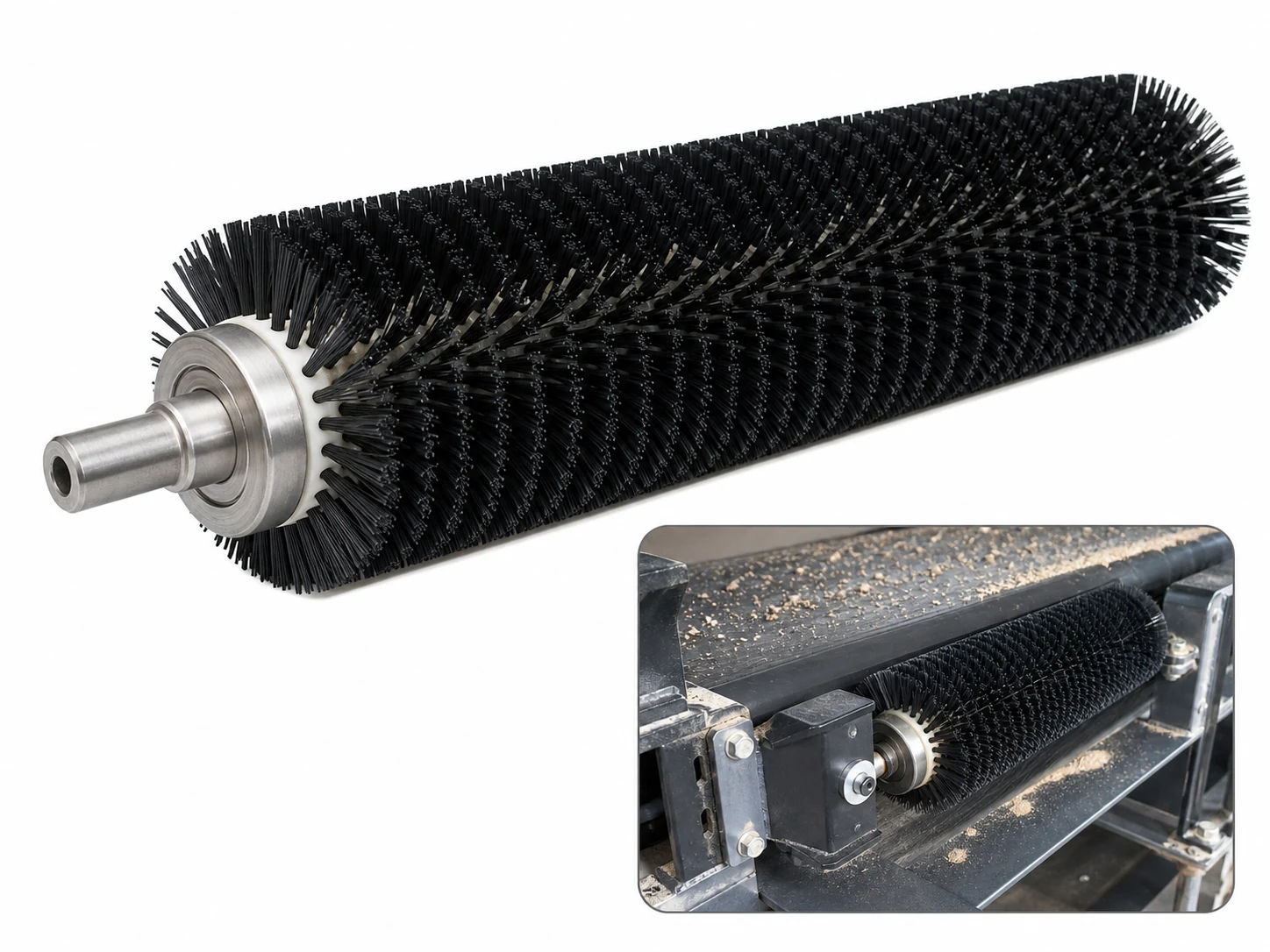
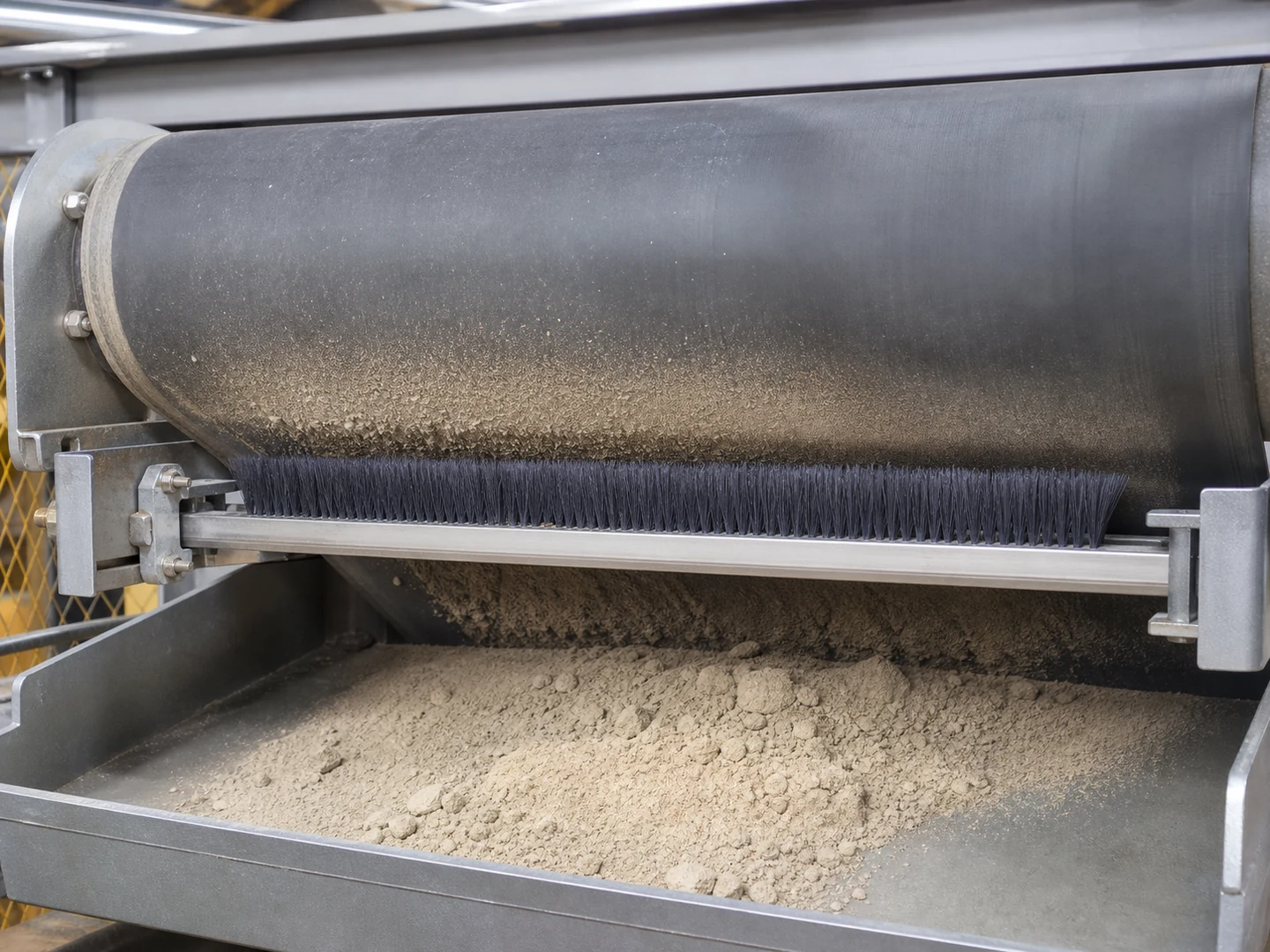
A food processing conveyor belt brush is a rotating or stationary cylindrical brush positioned to contact the belt surface and dislodge product residue, debris, and moisture. In wet material carryback applications, the brush prevents material from traveling past the discharge point and accumulating on rollers, pulleys, and plant floors. These brushes are built with filaments, core materials, and mounting hardware that comply with food safety and washdown requirements.
Common Types of Food Processing Conveyor Belt Brushes for Wet Carryback
- Rotary Belt Brushes — Powered, rotating brushes that scrub against the belt surface at a controlled speed. Ideal for heavy carryback and continuous cleaning.
- Static Belt Brushes — Fixed-position brushes that the belt runs against. Best for light residue and low-abrasion applications.
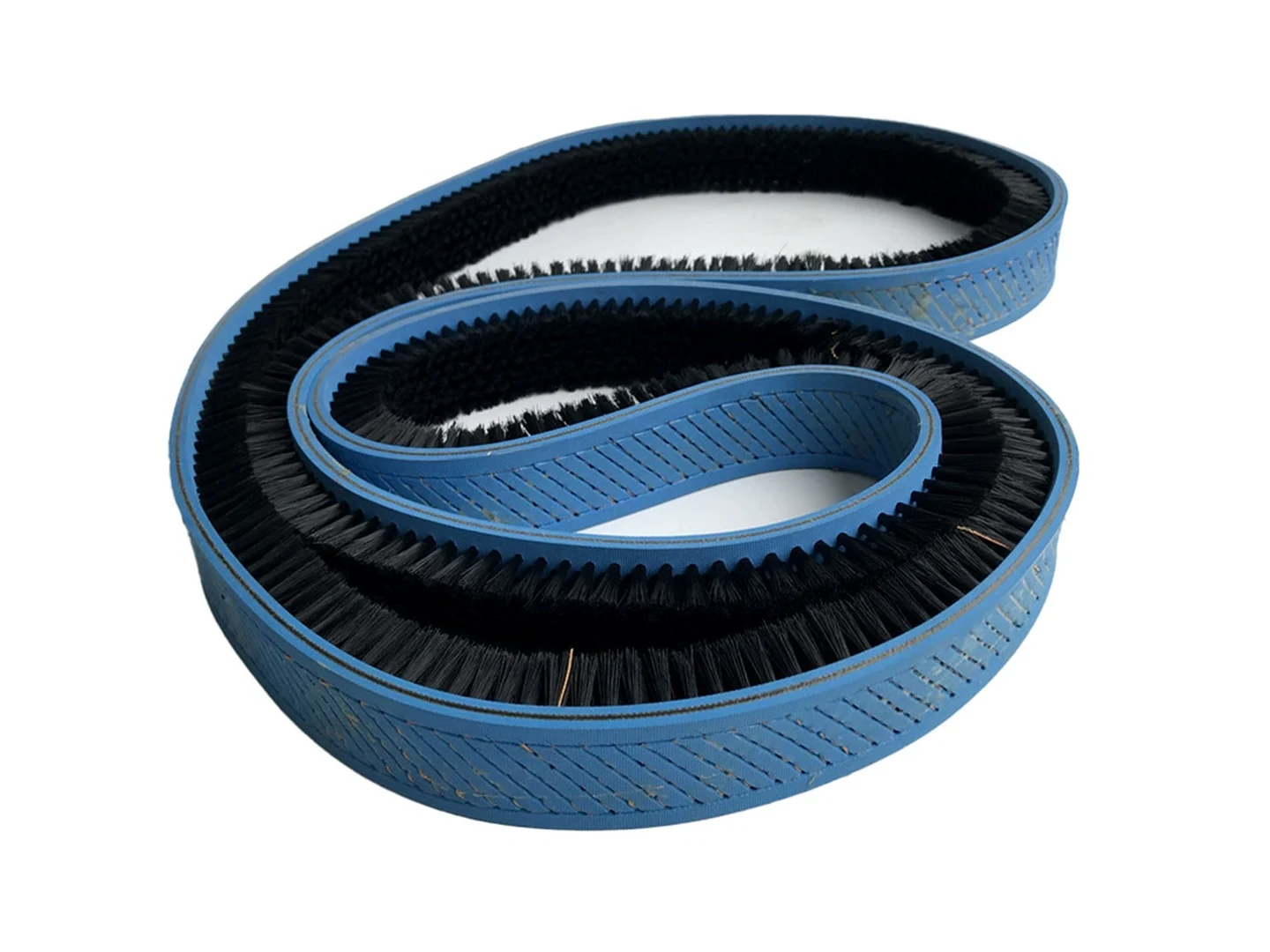
- Spiral-Wound Brushes — Continuous filament winding around a core, providing an even, gap-free cleaning face. Good for wide belts and even coverage.
- Strip Brushes — Linear brushes with filament held in a metal or plastic channel. Flexible mounting; often used for edge cleaning and smaller contact zones.
Comparing Material, Diameter, Stiffness, and Mounting Options
For food-manufacturing equipment and wet food zones, eCFR — 21 CFR Part 117 Human Food CGMP and Preventive Controls is the production-side CGMP and preventive-controls reference.
For food-service sanitation language, the FDA — Food Code is the reference point for food safety terminology rather than a brush manufacturer’s preference.
For the material or regulatory boundary in this section, the supporting reference is eCFR — 21 CFR 177.1500 Nylon Resins.
For the material or regulatory boundary in this section, the supporting reference is eCFR — 21 CFR 177.1520 Olefin Polymers.
For the material or regulatory boundary in this section, the supporting reference is eCFR — 21 CFR 177.1630 Polyethylene Phthalate Polymers.
For the safety point in this section, the relevant OSHA reference is OSHA — Machine Guarding.
Selecting the right brush construction directly affects cleaning performance, belt life, and sanitation compliance. The table below compares the most important physical design factors for wet carryback applications.
| Factor | Common Options | Best Use Case for Wet Carryback | Key Considerations |
|---|---|---|---|
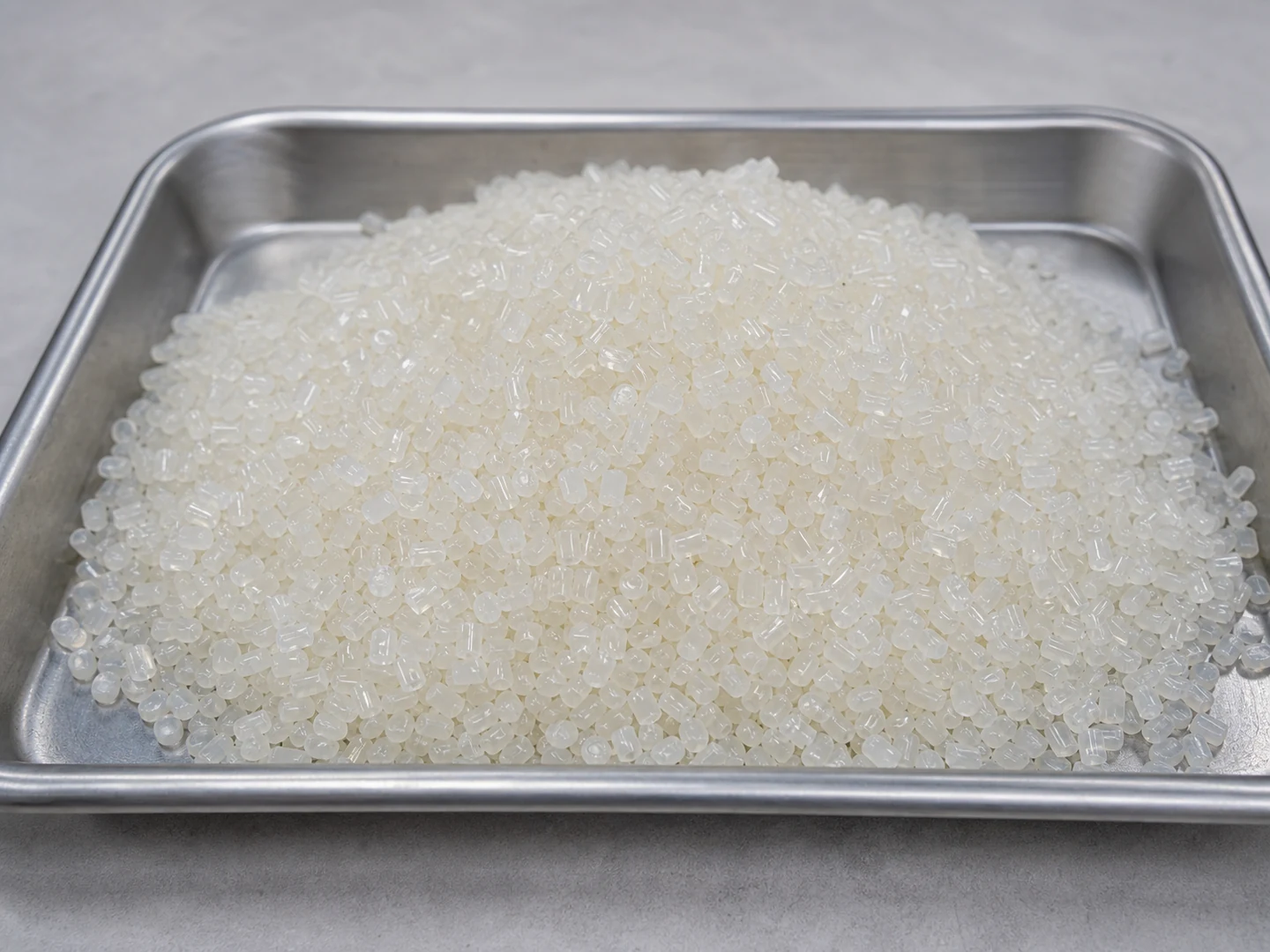
| Filament Material | Polypropylene, Nylon, Polyester, Tampico, FDA‑compliant synthetics | Nylon (abrasion resistance, wet strength); Polypropylene (chemical resistance); Tampico (gentle on delicate belts) | Must be moisture-stable, temperature-tolerant, and meet food contact or incidental contact rules |
| Brush Diameter | 2 in to 12 in (50 mm to 300 mm) common | Larger diameters for high-speed belts and heavy residue; smaller diameters for compact spaces | Affects contact arc and filament tip speed; verify clearance and shaft load |
| Filament Stiffness / Gauge | Soft (0.012–0.020 in filament diameter), Medium (0.020–0.030 in), Firm (0.030+ in) | Soft for delicate belt surfaces (e.g., thin modular plastic); Firm for high-adhesion sticky residues | Too stiff can damage belt covers; too soft may not clean effectively. Test samples recommended. |
| Core / Handle | Stainless steel shaft, plastic tube, solid aluminum hub | Stainless steel (washdown, corrosion resistance); plastic (lighter, food-safe, no rust) | Core must withstand wet chemicals, thermal swings, and mechanical load |
| Mounting Method | Flange mount, quick-release hubs, adjustable brackets, shaft-end lock collars | Quick-release and tool-less designs lower maintenance downtime; adjustable brackets allow fine-tuning belt contact | Misalignment causes uneven wear and belt damage. Design for easy washdown and replacement. |
How to Choose the Right Food Processing Conveyor Belt Brush
Narrow your selection by evaluating the following real-world factors before requesting a quote or sample.
- Residue Type: Is the carryback sticky (sugar, dough), abrasive (pet food mash), or fatty (meat emulsions)? Match filament material and stiffness to the specific adherence and abrasion level.
- Belt Surface Sensitivity: Does the belt have a textured top cover, cleats, or a thin polymer layer? Softer filaments and lower contact pressure reduce surface damage.
- Equipment Interface: Measure available space, shaft diameter, belt width, and speed. Confirm the brush can be installed without interfering with scrapers, transfer plates, or sensors.
- Wet and Chemical Exposure: Will the brush be exposed to chlorine-based sanitizers, acids, or hot water? Verify chemical resistance of both filament and core materials.
- Hygiene Expectations: Brushes in direct food contact zones must be made of FDA-compliant materials and be cleanable via CIP (clean-in-place) or easy removal for manual cleaning.
- Maintenance Frequency: Will operators change the brush daily, weekly, or quarterly? Quick-change designs reduce labor cost; durable filaments extend service life.
- Custom Size Requirements: Off-the-shelf lengths may not cover the full belt width. Check if the supplier can build a brush to your exact face length, shaft extension, and journal dimensions.
Practical Setup and Operating Factors for Wet Carryback
Even a perfectly selected brush can underperform if installed or operated incorrectly. Pay attention to:
- Contact Angle and Pressure: Set the brush to kiss the belt with enough deflection to clean without folding filaments flat. Excessive pressure accelerates filament breakage and belt wear.
- Rotation Direction: Rotary brushes should rotate opposite to belt travel or at a differential speed to shear off residue. Confirm with the brush manufacturer.
- Water Assist: A light water spray before or at the brush contact point can improve cleaning on sticky residues. Ensure drainage and sanitation are adequate.
- Inspection Schedule: Weekly checks for matted filaments, worn core, and misalignment prevent emergency change-outs and product contamination.
Common Mistakes When Selecting a Food Processing Conveyor Belt Brush
- Choosing by cost drivers Alone: A cheaper brush that wears out in two weeks or damages a $5,000 belt is more expensive long-term.
- Ignoring Chemical Compatibility: Filaments that swell in sanitizer lose stiffness; polypropylene at high temperatures may soften. Always request a chemical resistance chart.
- Using the Same Brush for Multiple Belts: Different surfaces, speeds, and residues demand different filament materials and stiffness. One-brush-fits-all leads to poor cleaning or damage.
- Overlooking Core Material: A plain steel shaft in a washdown area rusts and contaminates product. Specify stainless or food-grade plastic cores.
- Neglecting Sample Testing: Lab or in-plant testing with a sample brush reveals real-world performance faster than a spec sheet alone.
- Skipping Supplier Drawings: A simple dimensional drawing review catches interference issues before fabrication. Always request and check a CAD layout or dimensioned print.
When a Food Processing Conveyor Belt Brush Is Not Enough
A belt brush solves carryback in many applications, but it is not a substitute for a complete conveyor belt cleaning system when:
- Extreme Adhesion: Materials like crystallized sugar or thick dough may require a pre-cleaner scraper followed by a brush for final polishing.
- Wide Belt Tracking Issues: If the belt sways side-to-side, a fixed brush may miss the contact zone or gouge the belt edge.
- Deep Cleat or Sidewall Belts: Brushes may not reach residue trapped between tall cleats. Consider a different cleaning method or a multi-level brush array.
- High-Temperature Belts: Belts running over 200°F (93°C) can degrade common filament materials. Check temperature limits before selecting a brush.
- Zero-Foreign-Object Environments: Some final inspection lines cannot tolerate any loose filament fragments. A metal detectable filament or a sealed scraper system may be required.
When in doubt, request a consultation with the brush supplier or a third-party cleaning system engineer to review the entire conveyor line dynamics.
Final Takeaway
Selecting a food processing conveyor belt brush for wet material carryback comes down to matching filament properties, diameter, and mounting to your specific residue, belt surface, and sanitation requirements. Start with a clear definition of the carryback problem, compare options using the table above, and always validate with a sample test or supplier drawing review. The right brush not only improves belt cleanliness but also reduces maintenance downtime, water usage, and food safety risk.
Frequently Asked Questions
What filament material is best for a food processing conveyor belt brush exposed to sanitizers?
Polypropylene and nylon are common for their chemical resistance, but verification against your specific sanitizer at operating temperature is essential. Many bristle polymers can absorb chemicals and soften, reducing cleaning effectiveness.
How often should I replace a wet carryback brush?
Replacement intervals depend on filament wear, which is influenced by residue abrasiveness, belt speed, and contact pressure. Inspect weekly; replace when the filament length shortens by 30% or if the brush no longer makes full contact with the belt.
Can I use the same brush for a plastic modular belt and a fabric belt?
Not always. Plastic modular belts often have a harder surface and may tolerate stiffer filaments, while fabric belts require softer bristles to avoid surface erosion. Surface sensitivity should guide filament stiffness choice.
Do I need a powered rotary brush or is a static brush enough?
Static brushes work for light, dry carryback on slow belts. For wet, sticky materials and higher belt speeds, a powered rotary brush provides the scrubbing action needed to consistently remove residue.
Are there brush designs that simplify washdown cleaning?
Yes. Look for open-core designs, stainless steel shafts with sealed bearings, and quick-release hub mounts. These allow high-pressure washdown without trapping water and facilitate rapid change-out.
What diameter brush should I choose?
Diameter is guided by belt width, space constraints, and cleaning aggressiveness. A 4–6 inch (100–150 mm) diameter is typical for many food lines, but high-speed or wide belts may benefit from 8–12 inch diameters to maintain enough filament tip speed without excessive RPM.
Can a brush remove peanut butter or sticky dough without water?
Dry cleaning such materials is difficult. A small amount of water spray ahead of the brush dramatically improves removal. If water is prohibited, consider a scraper pre-cleaner followed by a soft brush, and expect frequent brush maintenance.
Is a brush the only way to remove wet carryback?
No. Belt scrapers, wash systems, and air knives are alternatives. Often the most effective solution is a combination of pre-cleaner scraper and a secondary brush. The best approach depends on the specific residue and line constraints.