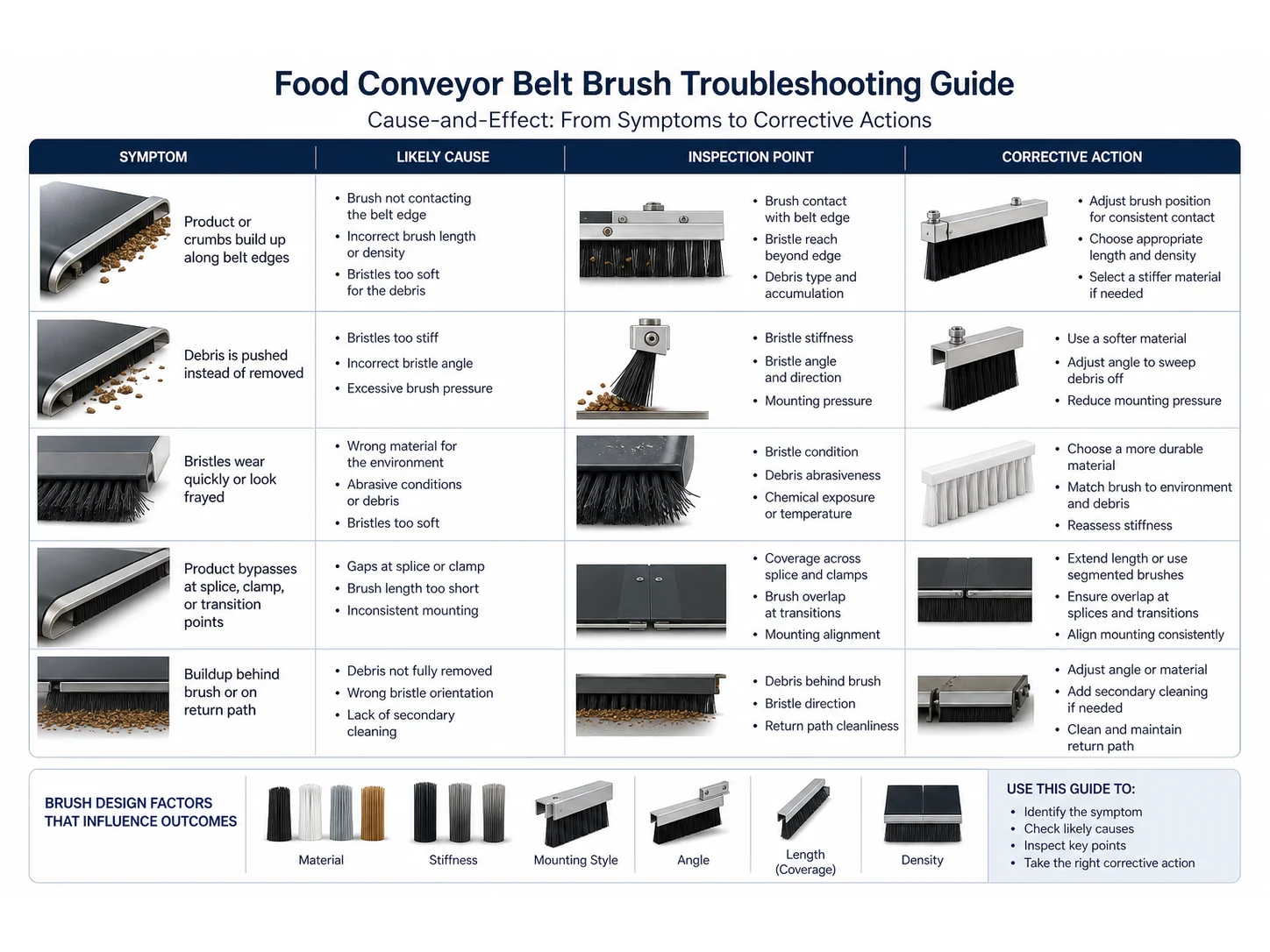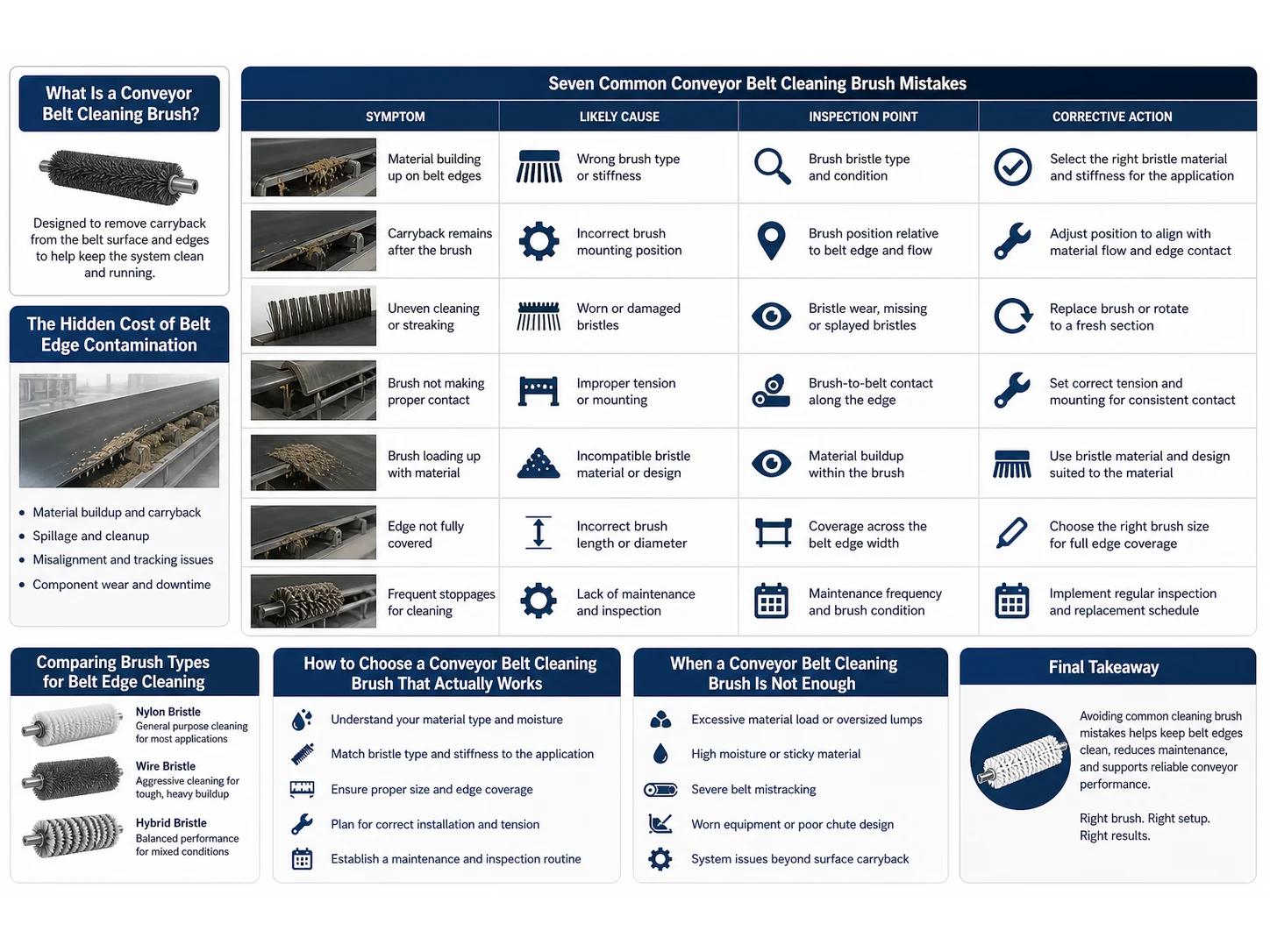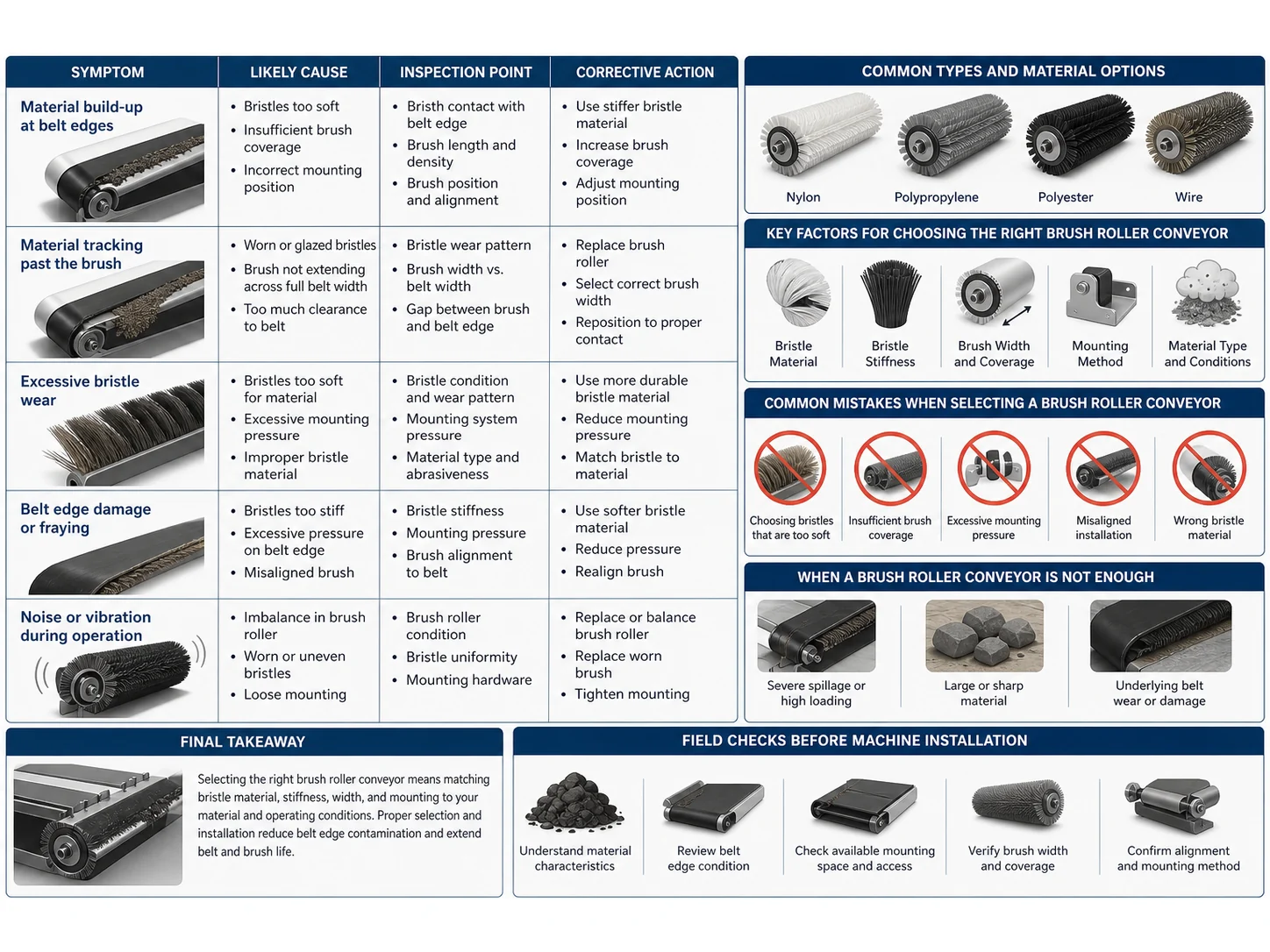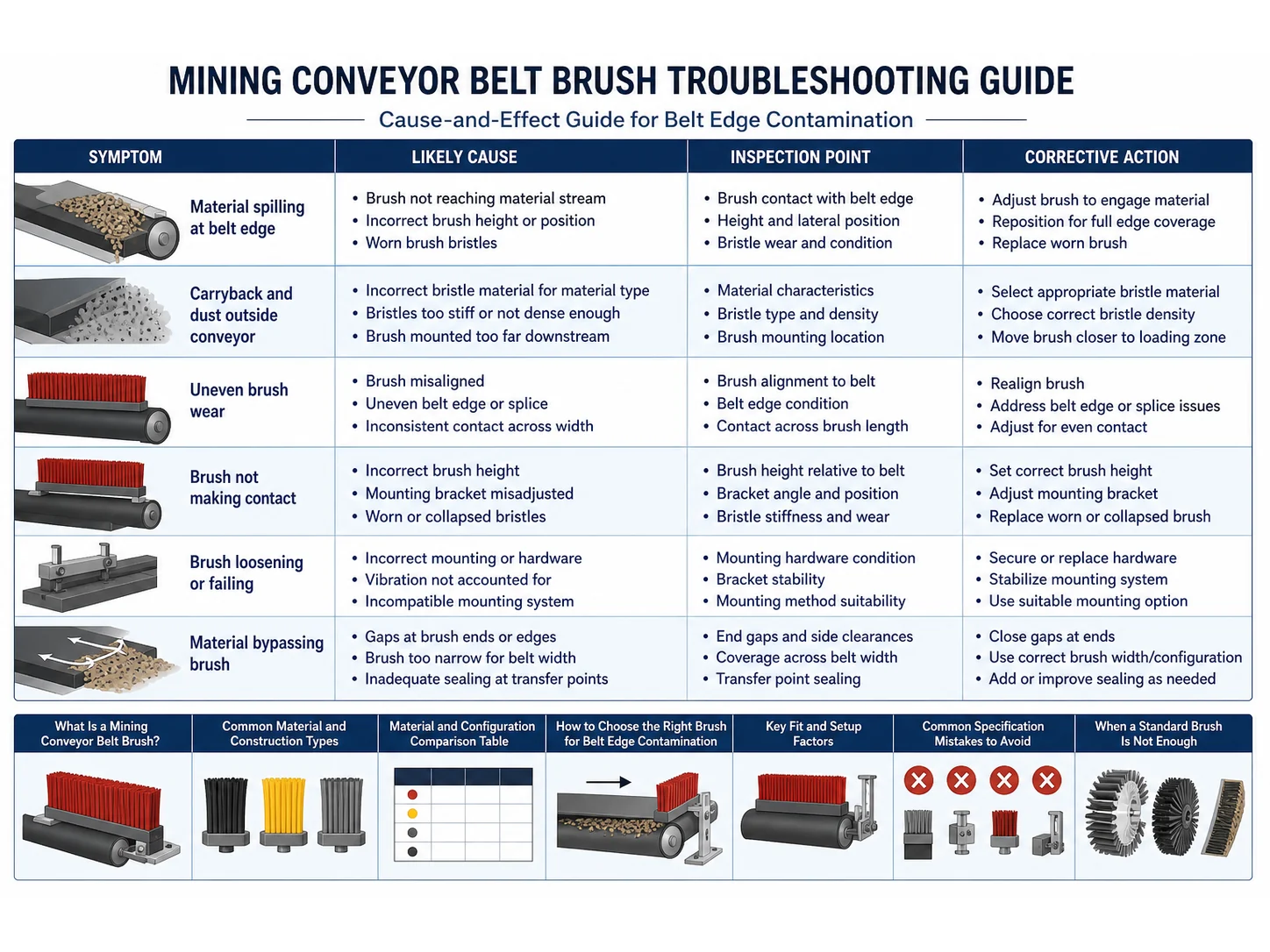
What Is a Mining Conveyor Belt Brush?
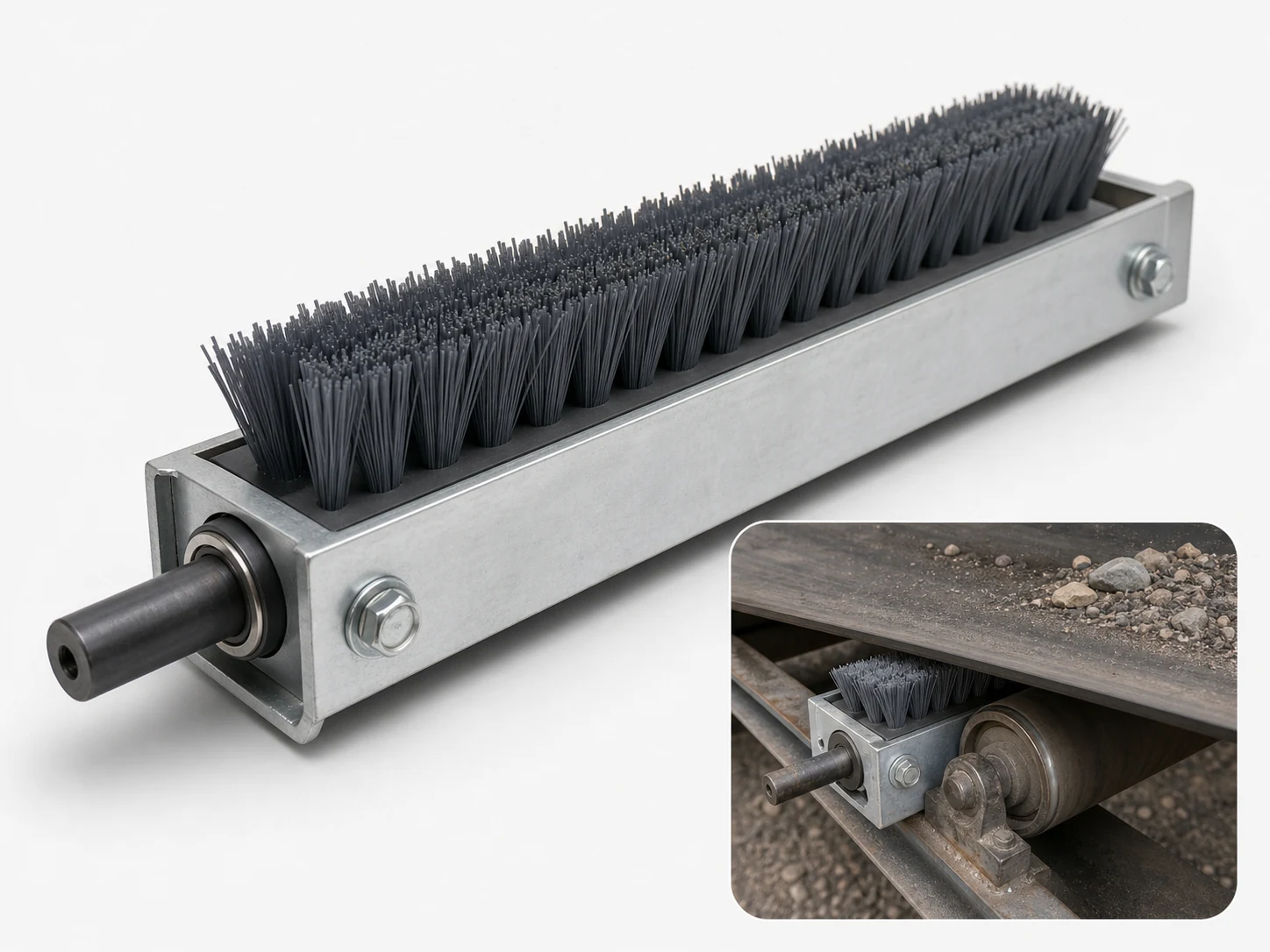
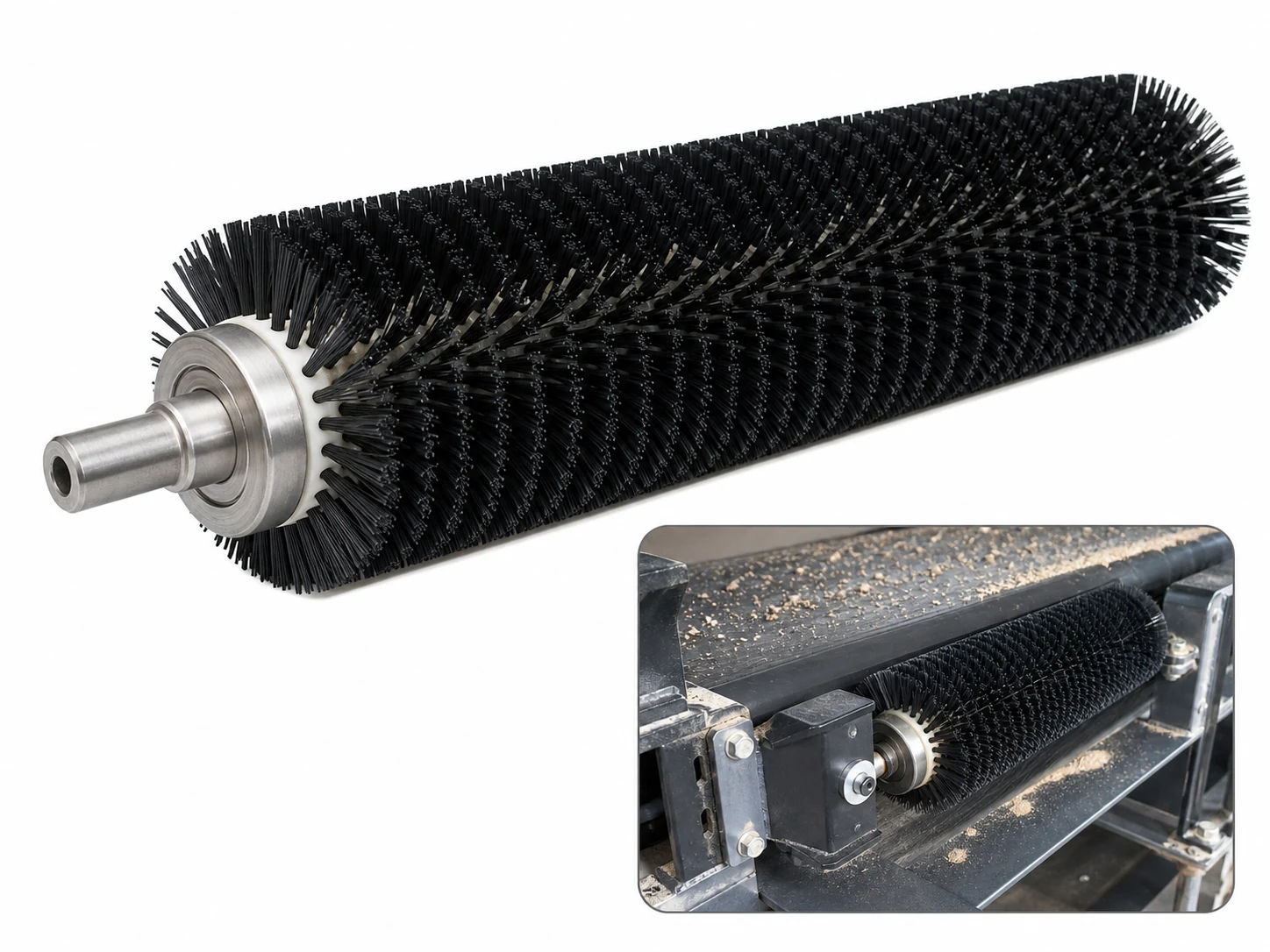
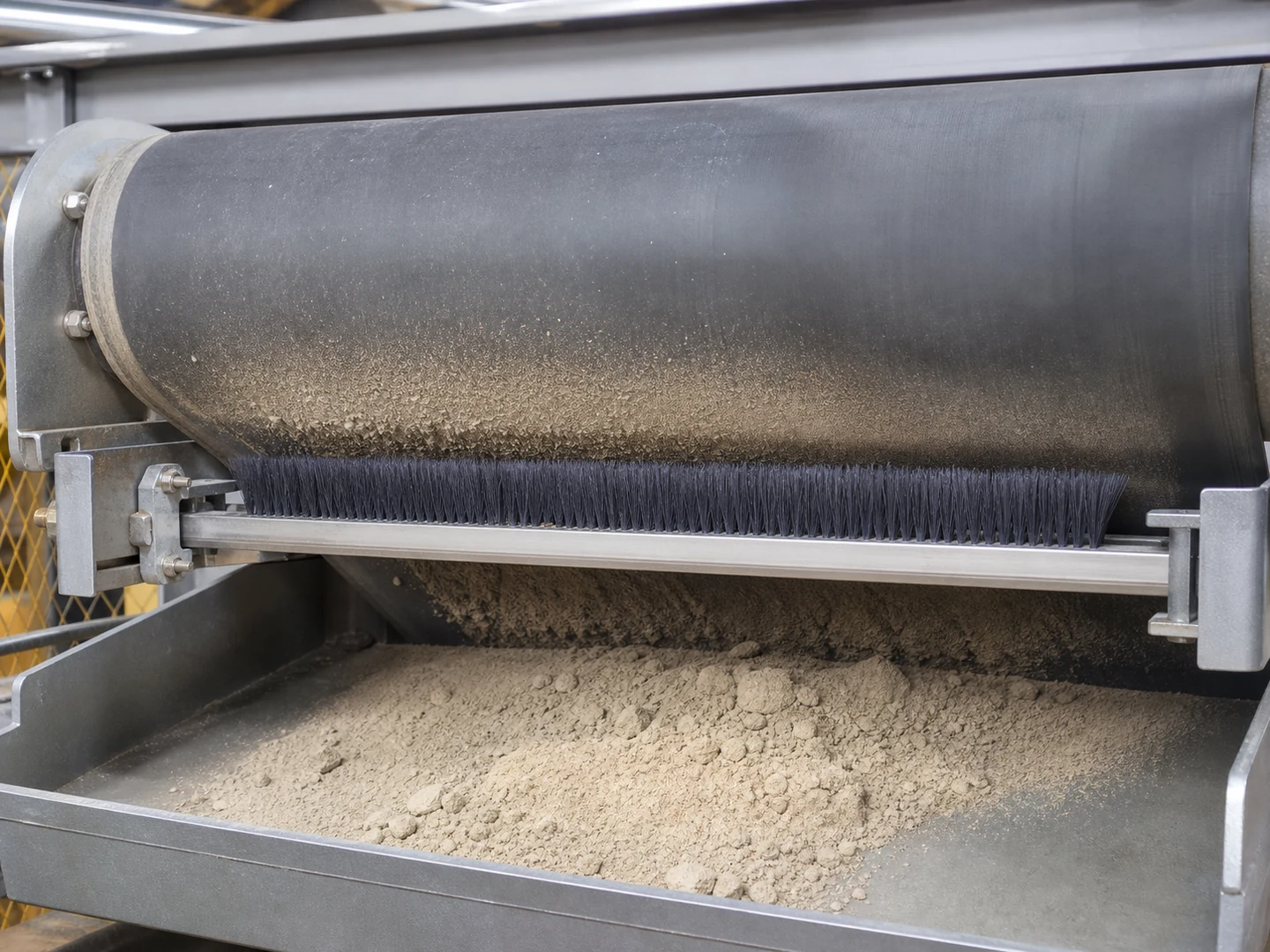
A mining conveyor belt brush is a rotary or stationary strip brush that makes controlled contact with the belt surface or edge to dislodge material that remains after the primary scraper. Unlike single-blade scrapers, a brush uses thousands of flexible filaments to clean irregular surfaces, textured belts, and edges where wet or sticky fines pack into crevices. Brushes are used in wet, dry, abrasive, and corrosive mining environments to reduce carryback, extend belt life, and keep walkways safer.
Common Material and Construction Types
For the safety point in this section, the relevant OSHA reference is OSHA — Machine Guarding.
For the safety point in this section, the relevant OSHA reference is OSHA — Control of Hazardous Energy.
For the safety point in this section, the relevant OSHA reference is OSHA — Combustible Dust.
For the environmental or chemical-safety point in this section, the supporting reference is EPA — Particulate Matter Basics.
For dimension and measurement language, NIST — Metric SI supports the use of consistent SI/metric specifications.
Mining conveyor belt brushes are built around three main decisions: filament material, core style, and mounting interface. Most brushes for belt edge cleaning fall into these categories:
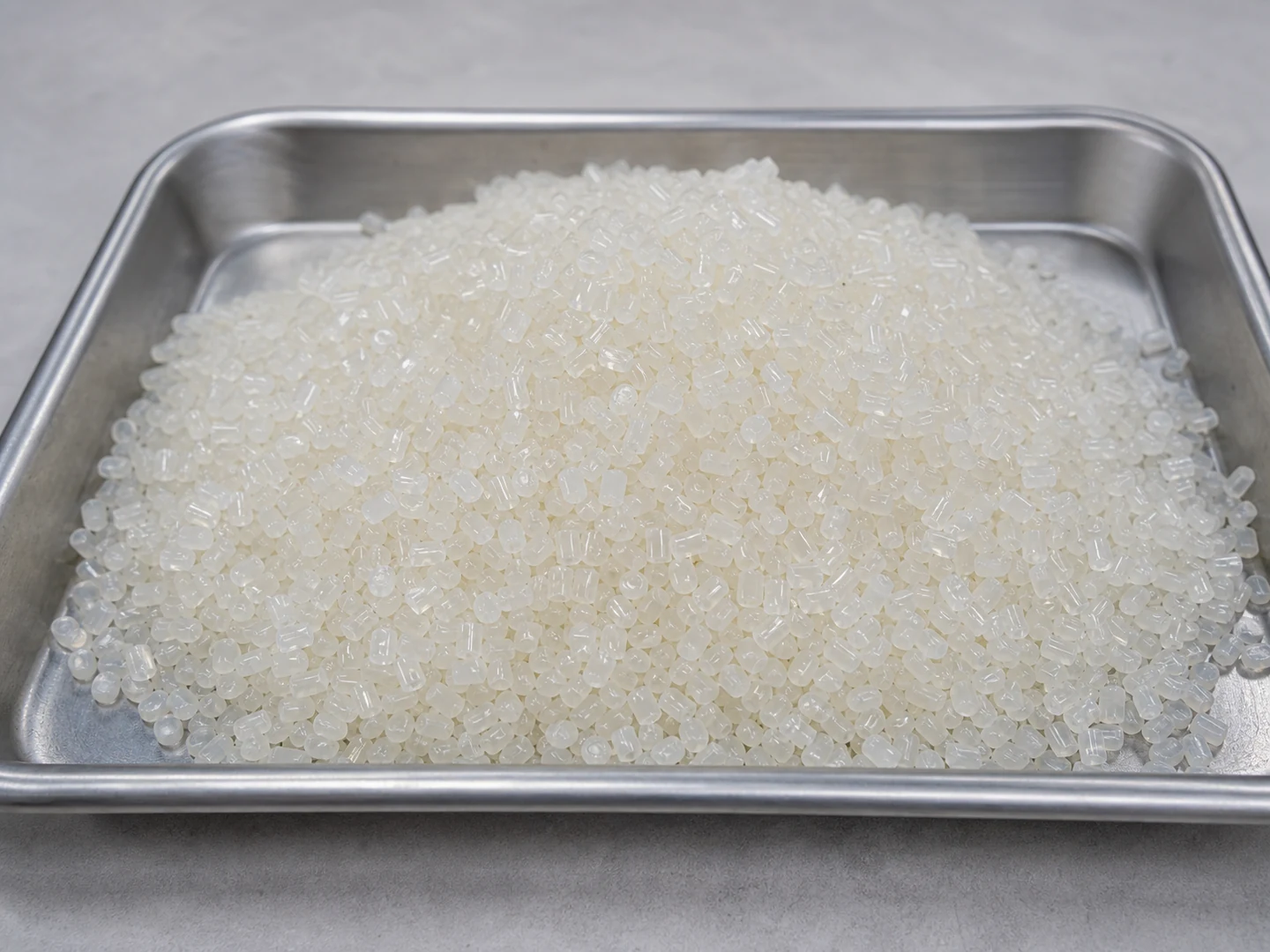
- Nylon (solid round or abrasive-filled): Good balance of stiffness and wear life for dry, non-aggressive fines. Abrasive-filled nylon (silicon carbide or aluminum oxide) adds cutting action for sticky residues without damaging the belt cover.
- Polypropylene: Excellent chemical and moisture resistance. Softer than nylon, often used in wet processing where chemicals or high humidity are present, and where gentle cleaning is required.
- Polyester (PET): Higher temperature tolerance than nylon or polypropylene. Used near hot process conditions or where belt surface temperatures exceed 160°F (70°C) continuously.
- Steel wire: Aggressive cleaning for heavy, compacted carryback. Only used on abrasive-resistant belt covers with a heavy gauge or in stainless steel versions for corrosive wet conditions. Risk of belt damage if not correctly specced.
- Horsehair or natural fiber blends: Very soft, used when belt surface sensitivity is critical or for food-grade ancillary mining processes. Rare in heavy mining but useful in mineral processing or packaging transfer points.
- Custom hybrid blends: Mixed filament diameters or materials within one brush to balance scrubbing action and surface protection.
Core and mounting options include straight shafts with keyways, quick-change split hubs, T-slot strip holders, and adjustable brackets that control contact pressure and angle. The right combination prevents chatter, uneven wear, and excessive power draw.
Material and Configuration Comparison Table
| Brush Material | Typical Filament Type | Stiffness | Max. Continuous Temp. | Chemical / Moisture Resistance | Common Core | Best for Residue Type |
|---|---|---|---|---|---|---|
| Solid Nylon (PA6 or PA6.6) | Round, crimped, or straight | Medium-hard | ~180°F (82°C) | Good; avoid strong acids | Steel shaft, aluminum hub | Dry fines, light dust |
| Abrasive-Filled Nylon | Silicon carbide or aluminum oxide impregnated | Hard, aggressive | ~180°F (82°C) | Good; medium wears faster in wet acidic conditions | Steel shaft | Sticky clay, compacted fine ore |
| Polypropylene (PP) | Round or oval | Soft to medium | ~160°F (71°C) | Excellent; ideal for wet, acidic, or alkaline | Stainless steel, composite hubs | Chemical slurries, wet organics |
| Polyester (PET) | Round, often larger diameter | Medium-hard | ~250°F (121°C) | Good; better hydrolytic stability than nylon | Steel shaft | Hot carryback, elevated belt temps |
| Steel Wire | Carbon steel or stainless, crimped or knotted | Very hard | Up to 400°F (204°C) with stainless | Poor to good (grade dependent) | Steel shaft, welded | Caked-on, compacted, high-abrasion residue |
| Horsehair / Tampico | Natural fiber | Very soft | ~150°F (65°C) | Poor chemical resistance; absorbs moisture | Wood hub, aluminum | Delicate belt covers, archival or specialized transfer |
Filament diameter, trim length, and bristle density (fill density) further modify cleaning aggression. A common mistake is choosing material only by cost or availability without checking temperature, moisture, and chemical exposure at the cleaning station.
How to Choose the Right Brush for Belt Edge Contamination
Start by describing the residue and the belt. Then match the brush to operating realities, not just to horsepower or brush diameter. Ask these practical questions:
- Residue composition: Dry fines need medium stiffness; sticky wet clay may require abrasive filaments or softer material that flexes to shed buildup.
- Belt surface sensitivity: Thin, mechanically spliced, or specialty covers (e.g., heat‑resistant, oil‑resistant) cannot tolerate steel or overly stiff filaments. Polypropylene or soft nylon is safer.
- Equipment interface space: Edge cleaning often happens near the head pulley, inside a chute, or at a return strand with limited clearance. Overall brush diameter, shaft length, and bracket footprint must be verified against drawings.
- Wet or chemical exposure: Frequent washdowns, process water, or acidic carryback may require stainless steel cores and chemically inert filaments like polypropylene or PET.
- Hygiene or cross-contamination: Mining operations feeding into mineral processing or specialty material facilities may require brushes that do not shed metal or absorb moisture. Fill material and core material choice directly affect compliance.
- Maintenance access and frequency: Brushes that are hard to reach will be ignored. Quick-change hubs, split brush assemblies, and adjustable tensioners extend service intervals and reduce labor.
- Custom size requirements: Not all belt edges need a full-width brush. Some installations benefit from a shorter, denser strip brush that targets only the 2–4 inches of edge where material accumulates.
There is no single “best” mining conveyor belt brush—only the right combination of material, size, filament density, and core for the specific cleaning station.
Key Fit and Setup Factors
Getting the physical dimensions right is as important as material selection. Even the best filament fails if the brush does not fit the conveyor frame or make proper contact.
- Overall diameter: Affects surface speed at the brush tip. Larger diameters can run at lower rpm for the same surface speed, which may reduce filament breakage. Make sure the diameter does not interfere with guarding or nearby structures.
- Face length and edge coverage: For belt edge cleaning, the brush face must span the area where carryback escapes—typically from the belt edge inward by a few inches. Too short, and contamination continues; too long, and the brush may contact areas that don’t need cleaning, adding unnecessary drag.
- Core and shaft attachment: Keyed shafts work for standard speeds. Taper-lock hubs simplify removal. For strip brushes, the holder or channel must resist vibration and allow precise angle adjustment.
- Contact angle and interference: Brushes should be installed so filaments just sweep the belt surface, not dig in. A small, controlled interference (often 0.5–2 mm of filament deflection) provides cleaning action without excessive friction or heat buildup.
- Trim length and bristle density: Longer trim lengths flex more and are less aggressive. Shorter, denser brush segments scrub harder and wear faster. Balance density with the ability to shed debris so the brush doesn’t become a secondary dirt trap.
Common Specification Mistakes to Avoid
Mining conveyor belt brush performance often falls short because of avoidable specification errors. Watch for these:
- Choosing by cost drivers alone: A low-cost brush that wears out in weeks costs more in downtime and labor than a properly specified one that lasts a full maintenance interval.
- Ignoring chemical compatibility: Standard steel cores and nylon filaments degrade quickly in acidic or caustic environments. Always check pH and chemical exposure before finalizing material.
- Underestimating abrasiveness of the residue: Fine quartz or iron ore acts like sandpaper, wearing filaments and cores. In such cases, specify wear indicators, sacrificial strips, or thicker filaments.
- Using overly stiff filaments on sensitive belt covers: Steel or hard abrasive nylon can score or groove rubber covers, leading to belt damage and replacement. Match stiffness to belt durometer and cover thickness.
- Forgetting to check mounting space: A brush that arrives on site and doesn’t clear nearby structures, idler brackets, or skirt boards becomes an expensive paperweight. Always request a dimensioned drawing.
- Skipping a sample or test section: Buying a large quantity before validating performance on the specific belt and residue is the quickest way to waste budget. A single test brush run for a few shifts reveals whether material, density, and diameter are correct.
When a Standard Mining Conveyor Belt Brush Is Not Enough
A mining conveyor belt brush is an important secondary or tertiary cleaner, but it has limits. Recognize when a different approach is needed:
- Extreme carryback volume: If the brush loads up immediately or pushes material back onto the belt rather than removing it, you may need a combination system: primary scraper, secondary blade, and brush—or a belt washing system with spray bars and air knives.
- Inaccessible belt edge: Some conveyor stringer designs or deep channel framing prevent brushes from reaching the edge. In such cases, design changes, skirting upgrades, or custom narrow-profile brush assemblies may be required.
- Very high belt speeds (>800 fpm): At high speeds, filament flutter and centrifugal forces can reduce cleaning effectiveness. Large-diameter or helically wound brushes may be necessary, and a full engineering review is advised.
- Explosion-proof or confined-space requirements: When the environment demands ATEX, MSHA, or other classifications, standard brush materials and drive systems may not comply. Special antistatic filaments, spark-resistant cores, and certified motor/drive packages become essential.
- When a drawing review reveals no standard match: If the required diameter, face length, and mounting configuration deviate from common offerings, work with the supplier on a custom brush design. Provide belt speed, residue data, and dimensional constraints; ask for performance predictions, not just a quote.
In these situations, a sample test with a documented trial plan—including inspection intervals and wear measurements—prevents costly mistakes.
Final Takeaway
The right mining conveyor belt brush for edge contamination balances cleaning aggression with belt safety, fits the available space, and withstands the operating environment without constant adjustment. Start by defining the residue and belt cover. Then select a filament material that matches chemical, temperature, and abrasion realities. Verify all dimensions from mounting bracket to belt surface, and run a test before committing to a full order. This approach turns the brush from an afterthought into a reliable part of your carryback control strategy.
Frequently Asked Questions
How long does a mining conveyor belt brush typically last?
Lifespan varies widely by material, residue abrasiveness, and contact pressure. In dry, non-abrasive conditions a nylon brush may last 6–12 months. In wet, abrasive slurry it could be 1–3 months. Use wear indicators or laser alignment to track consumption and schedule replacement before the brush loses effective cleaning height.
Can one brush type work for multiple different conveyors on site?
Only if belt speeds, residue characteristics, and access are nearly identical. Standardizing on one brush material and diameter for different belts often leads to poor cleaning on some and belt damage on others. It’s safer to group conveyors by residue type and belt cover and specify the minimum number of brush variations that actually fit.
How do I measure for a replacement brush if the original drawing is lost?
Measure the overall brush diameter, face length, shaft or mounting hole diameter, and the keyway (if any). Also record the current interference setting and note the belt width and edge distance. Photograph the bracket and hub assembly. Send these to the supplier along with residue photos and belt speed for a reliable match.
Do I need a stainless steel core for a wet mining conveyor belt brush?
Not always. If water is neutral pH and exposure is intermittent, a plated steel core with proper drainage design can work. However, acidic or alkaline process water, or frequent washdowns, quickly corrode standard steel. Stainless steel (304 or 316) is recommended when corrosion is a known problem.
What’s the difference between a strip brush and a rotary roller brush for belt edge cleaning?
A strip brush is a stationary brush mounted in a holder, often used for passive sealing or light dusting at the edge. A rotary roller brush is powered (by belt contact or external motor) and rotates to actively flick material off the belt. Rotary brushes are more effective for moving heavy or sticky fines but require more maintenance and power.
How do I prevent a brush from becoming a clump of trapped material?
Choose an open-face filament pattern with enough space between bristles to shed debris. Avoid extremely dense fills unless the residue is dry and powdery. Adding a light spray bar or periodic vibration to the brush can also dislodge buildup. Regular inspections catch matting before it hardens.
Should I always ask for a test brush before ordering a large quantity?
Yes, especially if the residue is unusual, the environment is extreme, or the belt cover is sensitive. A test installation for 1–2 weeks, with documented performance and wear data, confirms that material, diameter, and density are correct and avoids expensive reorders or belt damage.