What Is a Conveyor Belt Cleaning Brush?
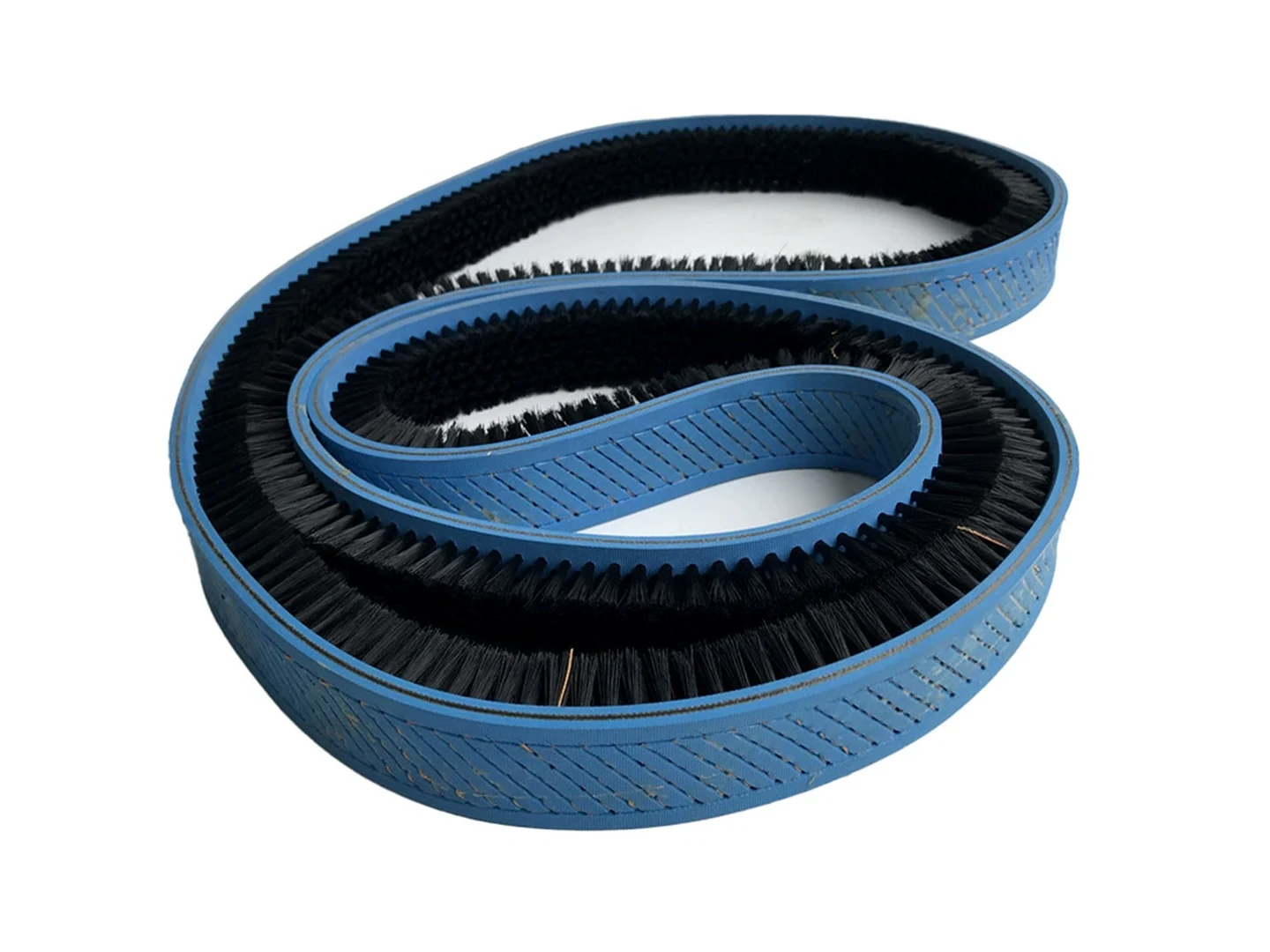
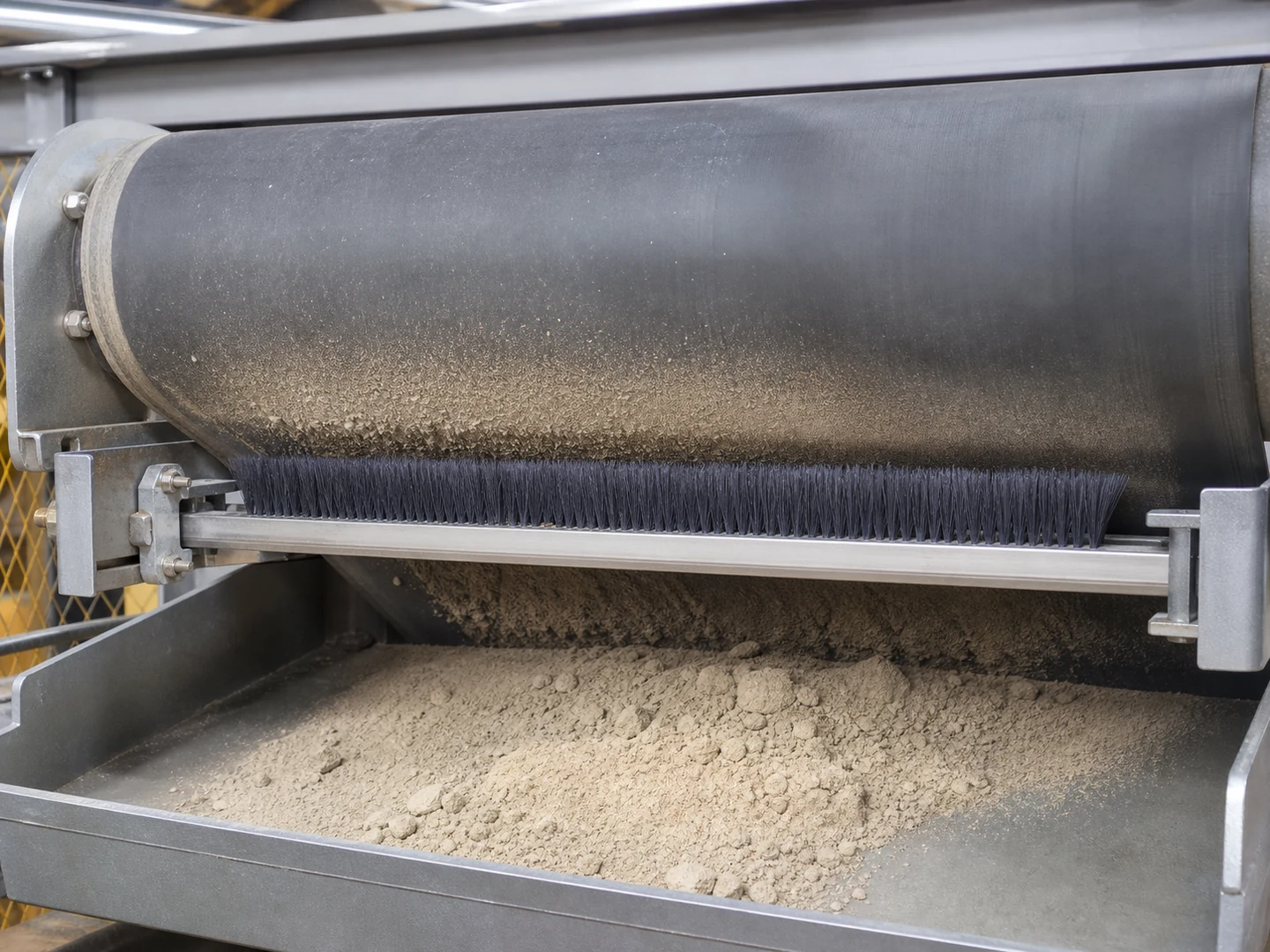
A conveyor belt cleaning brush is an industrial brush that contacts the conveying surface—usually the return side—to mechanically dislodge material that sticks to the belt after discharge. It can be a rotating roller, a fixed strip brush, or a spiral-wound brush mounted across the belt width. The goal is reliable, continuous cleaning without damaging the belt or creating new contamination risks.
Common Types of Conveyor Belt Cleaning Brushes
For the safety point in this section, the relevant OSHA reference is OSHA — Machine Guarding.
For the safety point in this section, the relevant OSHA reference is OSHA — Control of Hazardous Energy.
For the safety point in this section, the relevant OSHA reference is OSHA — Combustible Dust.
For the environmental or chemical-safety point in this section, the supporting reference is EPA — Particulate Matter Basics.
For brush terminology and construction language, this section references American Brush Manufacturers Association — Brush Lingo.
Most conveyor belt brushes fall into a few practical categories. Each has a typical use case, and matching the type to the job avoids most early failures.
- Spiral-wound brushes: Filament wound around a central core; often used for light debris and delicate belts.
- Strip brush holders: A metal or plastic channel holding a dense row of bristles; bolted in place for static cleaning or manual adjustment.
- Powered roller brushes: Driven by a motor or belt to rotate against the conveyor surface; common for aggressive or high-volume cleaning.
- Wash box brushes: Enclosed systems that combine sprays and soft brushes; used where wet cleaning and containment are needed.
Conveyor Belt Brush Selection Comparison Table
| Brush Type | Typical Filament Material | Stiffness Range | Best For | Mounting Style | Main Limitation |
|---|---|---|---|---|---|
| Spiral-Wound Brush | Nylon, Polypropylene, Horsehair | Soft to Medium | Dry dust, food crumbs, coated belts | Integral shaft / core mount | Less aggressive; may not handle sticky residues |
| Strip Brush | Nylon, Abrasive Nylon, Wire | Medium to Stiff | General dry cleaning, moderate buildup | Bracket bolted to frame | Requires precise alignment; can wear unevenly |
| Powered Roller Brush | Nylon, Polyester, Steel Wire | Medium to Very Stiff | High-volume continuous cleaning, abrasive residues, wet/dry | Driven roller with end bearings | Higher maintenance; can be aggressive on sensitive belts |
| Wash Box Brush | Soft Nylon, PBT | Soft | Food processing, wet sanitation, chemical washdown | Inside enclosed wash chamber | Limited to wet cleaning; higher initial investment |
How to Choose the Right Brush Based on Your Cleaning Problem
Begin with the cleaning challenge, not the brush catalog. Answer these five questions in order to narrow the field before you look at part numbers.
- What residue are you removing? Dry powder, sticky paste, abrasive grit, or food-grade residue each demand a different filament stiffness and tip shape.
- What is the belt surface? Smooth, textured, grooved, or coated (e.g., PU, PVC, rubber). A wire brush on a soft coating will shorten belt life drastically.
- Is the environment wet, dry, or chemically aggressive? Wet and chemical conditions require stainless steel cores and chemically compatible filaments (polypropylene, PBT, or approved nylon grades).
- How often must the brush run? Continuous duty cycles need more robust bearings and heat-resistant materials. Intermittent cleaning may allow simpler designs.
- What maintenance access do you have? If the brush will be changed frequently, a quick-release cartridge design saves man-hours; if access is tight, a one-piece spiral brush might be the only practical fit.
Operating Conditions That Affect Brush Performance
Beyond the residue, the place where the brush works will dictate many materials and design choices.
- Placement and contact angle: The brush should contact the belt just past the head pulley where carryback releases most easily. Too much pressure or wrong angle accelerates filament wear and can groove the belt.
- Temperature: High-temperature lines (e.g., dryers, ovens) need heat-stable filaments like Nomex® or high-temperature nylon. Standard nylon softens and loses stiffness.
- Hygiene and food safety: Food-contact areas require FDA-compliant filaments and cores, corrosion-resistant metal parts, and often a design that minimizes filament loss. Enclosed wash box brushes are typical here.
- Chemical exposure: Check compatibility charts. Polypropylene resists many acids and solvents; nylon can swell and degrade in strong acids or hot water.
Common Mistakes When Selecting a Conveyor Belt Cleaning Brush
- Choosing by cost drivers or size alone: A low-cost brush that doesn’t clean or damages the belt costs more in downtime and replacement belts.
- Ignoring belt surface sensitivity: Wire bristles on a food-grade belt can create scratches that harbor bacteria.
- Selecting based on static catalogue images: A drawing or photo cannot tell you how the brush will behave under your specific load and speed. Whenever possible, base decisions on a sample test or a detailed supplier drawing review.
- Assuming one brush fits all zones: A single line may need different brushes—a soft spiral for the food zone and a stiffer strip brush for the return run—to avoid cross-contamination.
- Overlooking adjustment and tracking: A brush that cannot be fine-tuned for belt tracking or wear compensation will soon become ineffective.
When a Standard Brush Is Not Enough
Off-the-shelf conveyor belt cleaning brushes solve most routine tasks, but certain situations demand a different approach. If you regularly face excessive carryback despite correct brush selection and alignment, the problem may be upstream (belt surface degradation, improper scraper performance, or product temperature issues). In those cases, the brush alone cannot compensate. Similarly, if the required brush size, filament density, or core material does not exist in standard catalogs, a custom brush roll designed around a supplier drawing becomes necessary. Custom brushes often require a longer lead time, but they ensure the exact filament density, trim length, and mounting interface for your machine. Before ordering a custom solution, always request a technical drawing review and, when the project size justifies it, a sample test on your actual residue.
Final Takeaway
Choose the conveyor belt cleaning brush by following the residue, not the cost drivers tag. Map your cleaning problem to a brush type that matches stiffness, material, and mounting, then verify that the operating environment won’t defeat the brush within weeks. A well-chosen brush keeps production moving and belt life long; a poorly chosen one becomes a hidden cost center. When the standard options don’t fit, be ready to work with a supplier who can deliver a validated custom design.
Practical Use Note
In daily use, the practical test is simple: check whether the brush reaches the full contact area, removes the target residue, and leaves the surface in the required condition. Record what changes when screen opening, belt or surface material, carryback, uptime risk, and whether the brush can clean without process damage changes, because many brush failures are caused by the working condition shifting rather than by the brush body alone.
Frequently Asked Questions
Can one brush handle both dry dust and sticky residues?
Rarely. Dry dust requires softer, flagged bristles to sweep without agglomeration, while sticky residues need stiffer, often cut-tip bristles to scrape or flick the material off. Using one for both usually results in poor performance on at least one type.
How do I know if a brush is too stiff for my belt?
A brush is too stiff if it leaves visible scratches, changes the belt surface gloss, or increases the belt’s running amperage. Conduct a short trial on a return section and inspect the belt after a few hours. Abrasive filaments should only be used on hard, wear-resistant belt coatings.
How often should I replace the brush?
There is no fixed interval. Monitor the cleaning result daily. When carryback appears despite correct adjustment, measure the filament length. Most brushes lose effectiveness when filament length is reduced by 30–40% from original, depending on interference fit. Keep a wear log to establish your own replacement cycle.
What is the difference between a strip brush and a roller brush for cleaning?
A strip brush is stationary; the belt moves past it. It relies on bristle interference and often works best for light, dry materials. A powered roller brush rotates against the belt, which provides a mechanical scrubbing action useful for heavier or sticky deposits, but it requires a drive mechanism and more maintenance.
Can I use the same brush in a wet washdown environment?
Only if the core, filament, and bearings are rated for wet use. Standard mild‑steel cores will rust. Choose stainless steel cores, chemically resistant filaments (polypropylene or PBT), and sealed bearings. For frequent washdowns, an enclosed wash box brush is usually safer and more effective.
What information should I give a supplier when asking for a quote?
Provide belt width, belt surface material, residue description (dry, sticky, abrasive, wet), operating environment (temperature, chemicals, washdown), line speed, and the available mounting space. A photo of the residue on the belt and a simple sketch of the mounting area help the supplier recommend the right brush and core design.
Is a custom brush always more expensive?
Not necessarily. While custom brushes may have higher unit costs, they often last longer and clean better, reducing total cost of ownership. For large volumes or standard applications, stock brushes are economical. Compare the cost of downtime and belt replacement when making the decision.