What Is a Food Processing Conveyor Belt Brush?
A food processing conveyor belt brush is a sanitation brush engineered specifically for continuous or manual cleaning of conveyor belts in food manufacturing environments. Unlike general-purpose brushes, it must meet strict hygiene standards, use FDA-compliant materials, and be designed to avoid damaging the belt surface while effectively removing contamination along the belt edge, the area most prone to buildup.
Common Types and Material Options
For food-manufacturing equipment and wet food zones, eCFR — 21 CFR Part 117 Human Food CGMP and Preventive Controls is the production-side CGMP and preventive-controls reference.
For food-service sanitation language, the FDA — Food Code is the reference point for food safety terminology rather than a brush manufacturer’s preference.
For the material or regulatory boundary in this section, the supporting reference is eCFR — 21 CFR 177.1500 Nylon Resins.
For the material or regulatory boundary in this section, the supporting reference is eCFR — 21 CFR 177.1520 Olefin Polymers.
For the material or regulatory boundary in this section, the supporting reference is eCFR — 21 CFR 177.1630 Polyethylene Phthalate Polymers.
For the safety point in this section, the relevant OSHA reference is OSHA — Machine Guarding.
Understanding the main categories helps narrow down the choice quickly:
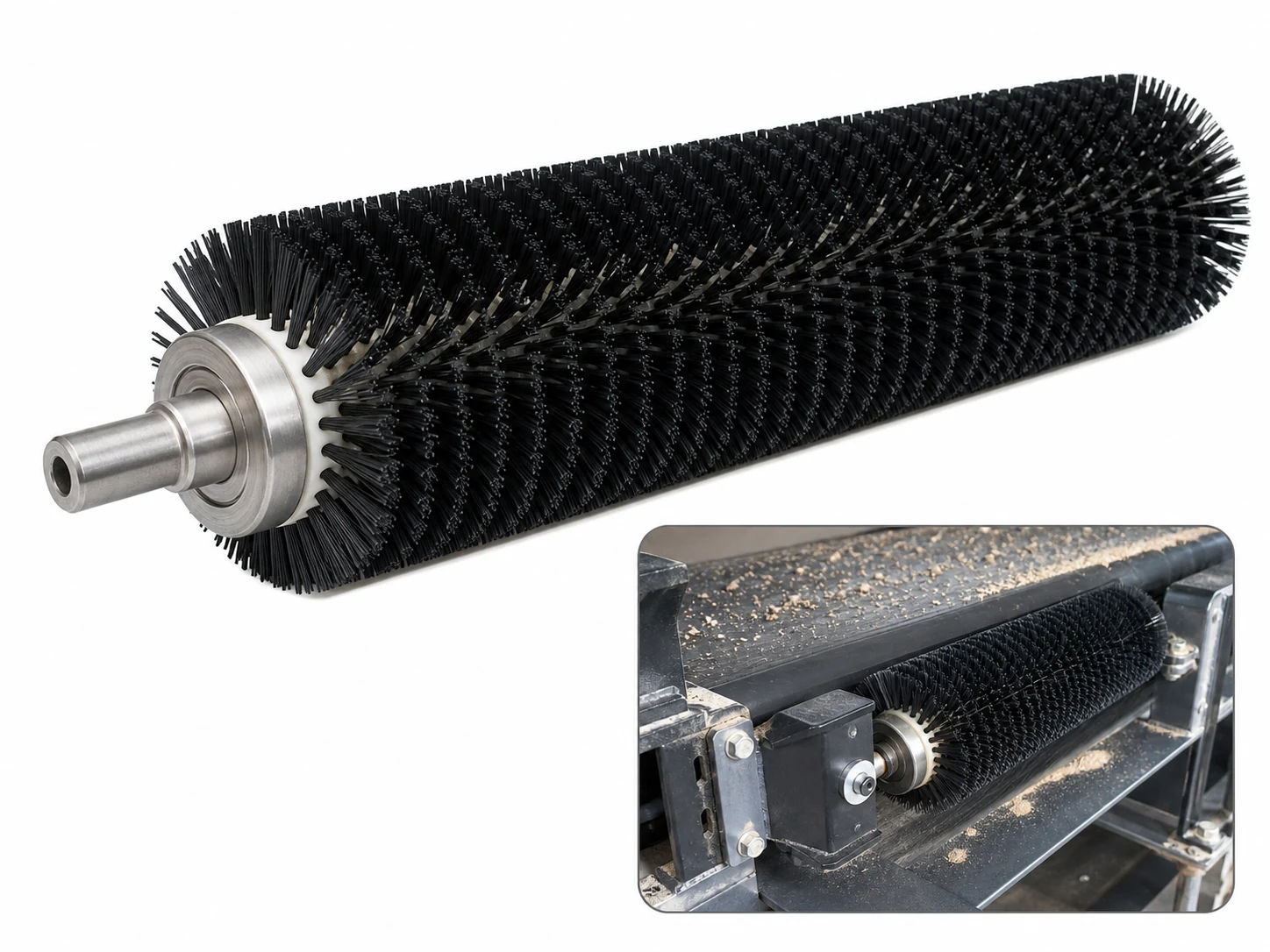
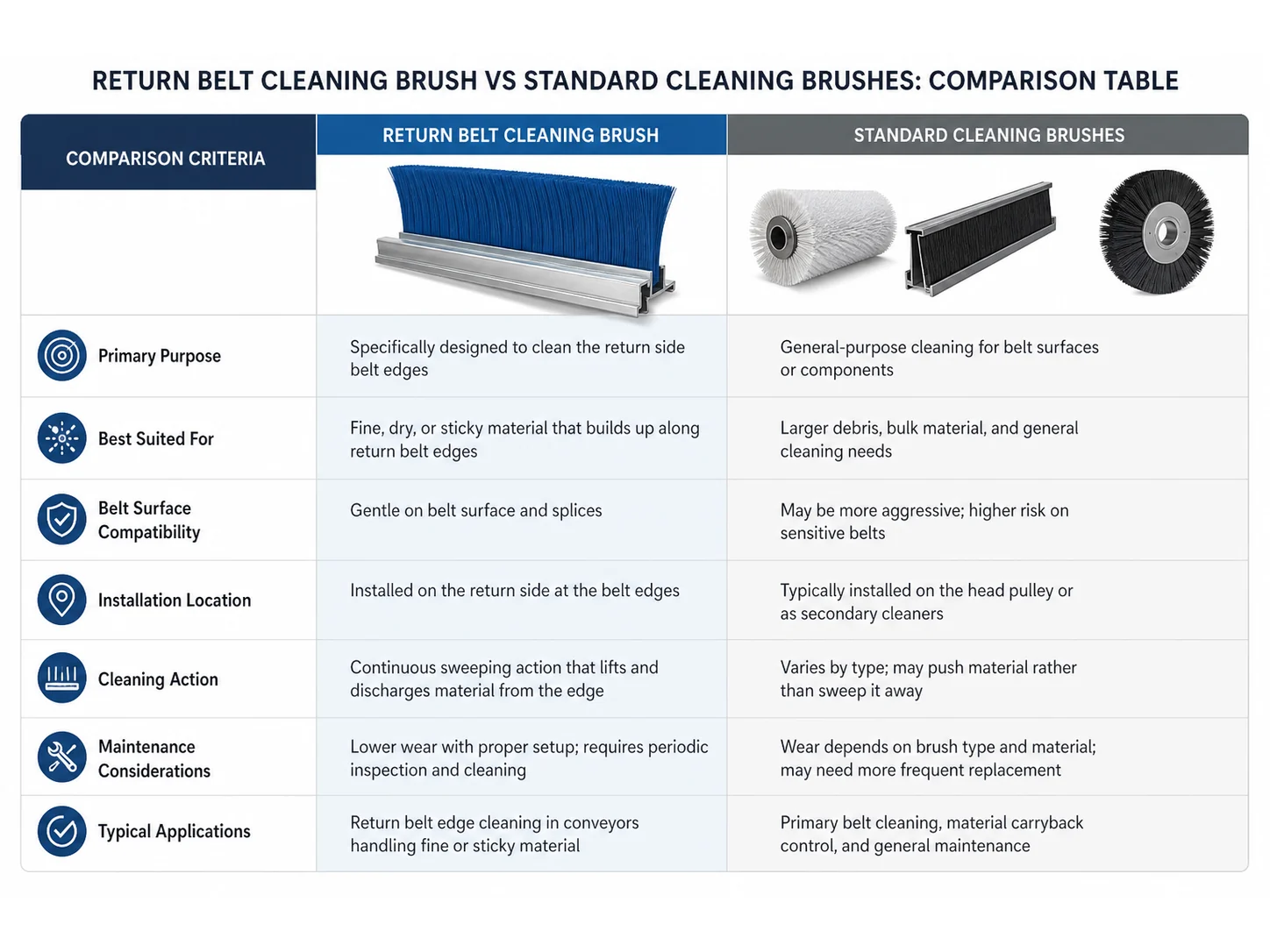
- Rotary Belt Brushes: Motor-driven, cylindrical brushes that mount beside the belt to clean continuously during production.
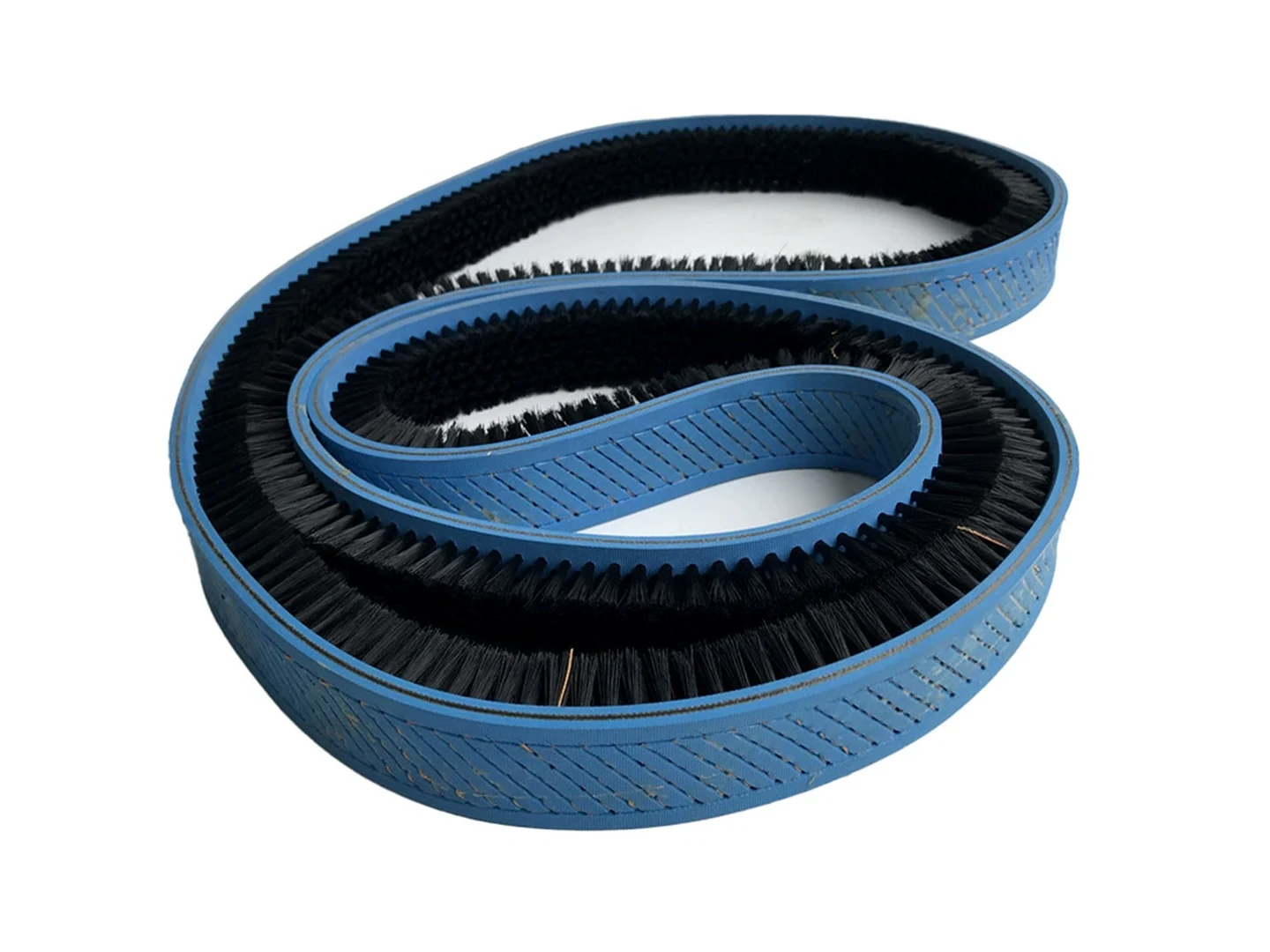
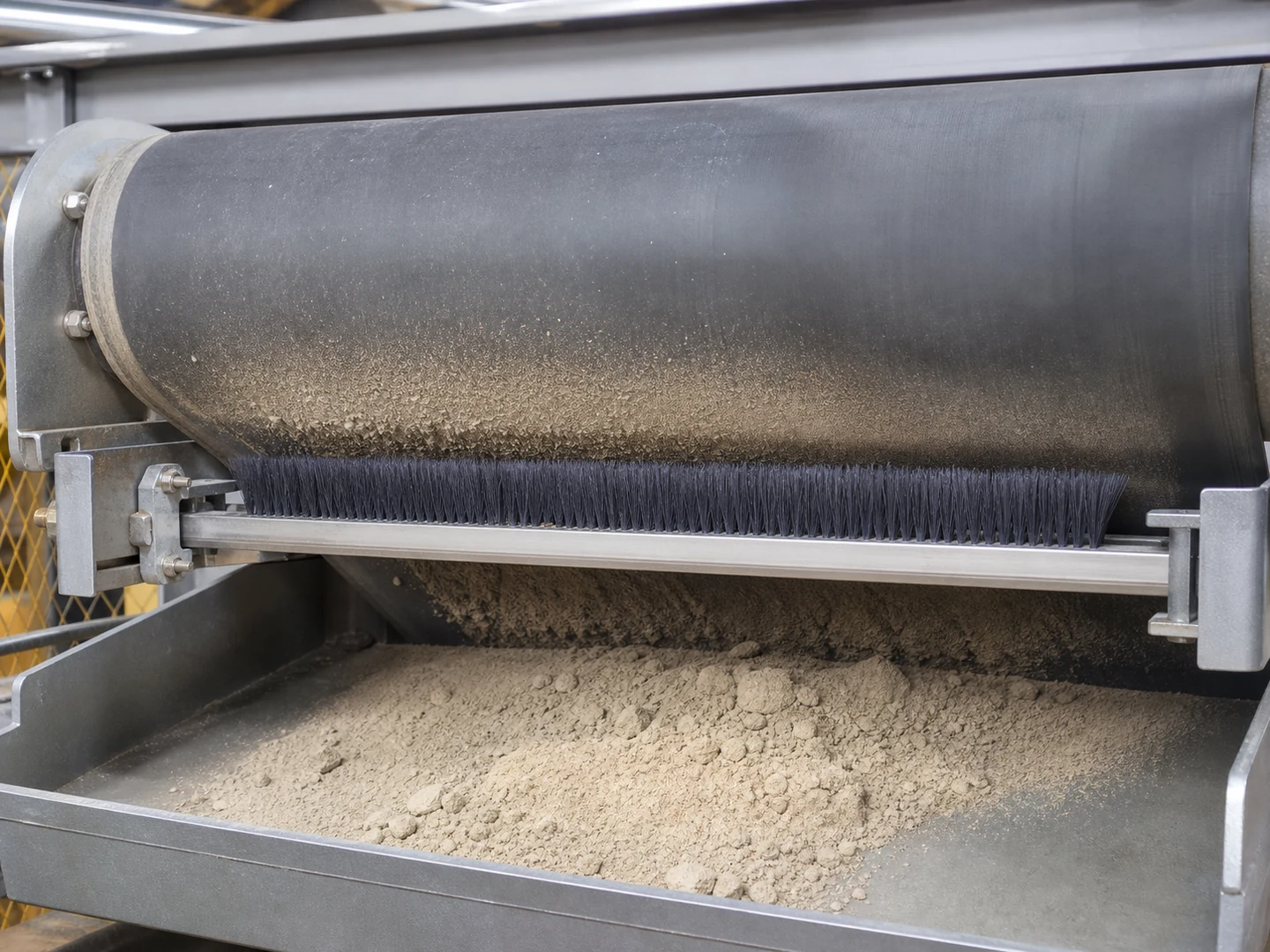
- Strip Brush Assemblies: Linear brushes held in a metal or plastic channel, often used as wipers or static edge cleaners.
- Manual Hand Brushes: Ergonomic, angled brushes designed for spot cleaning during sanitation shifts.
Key materials include:
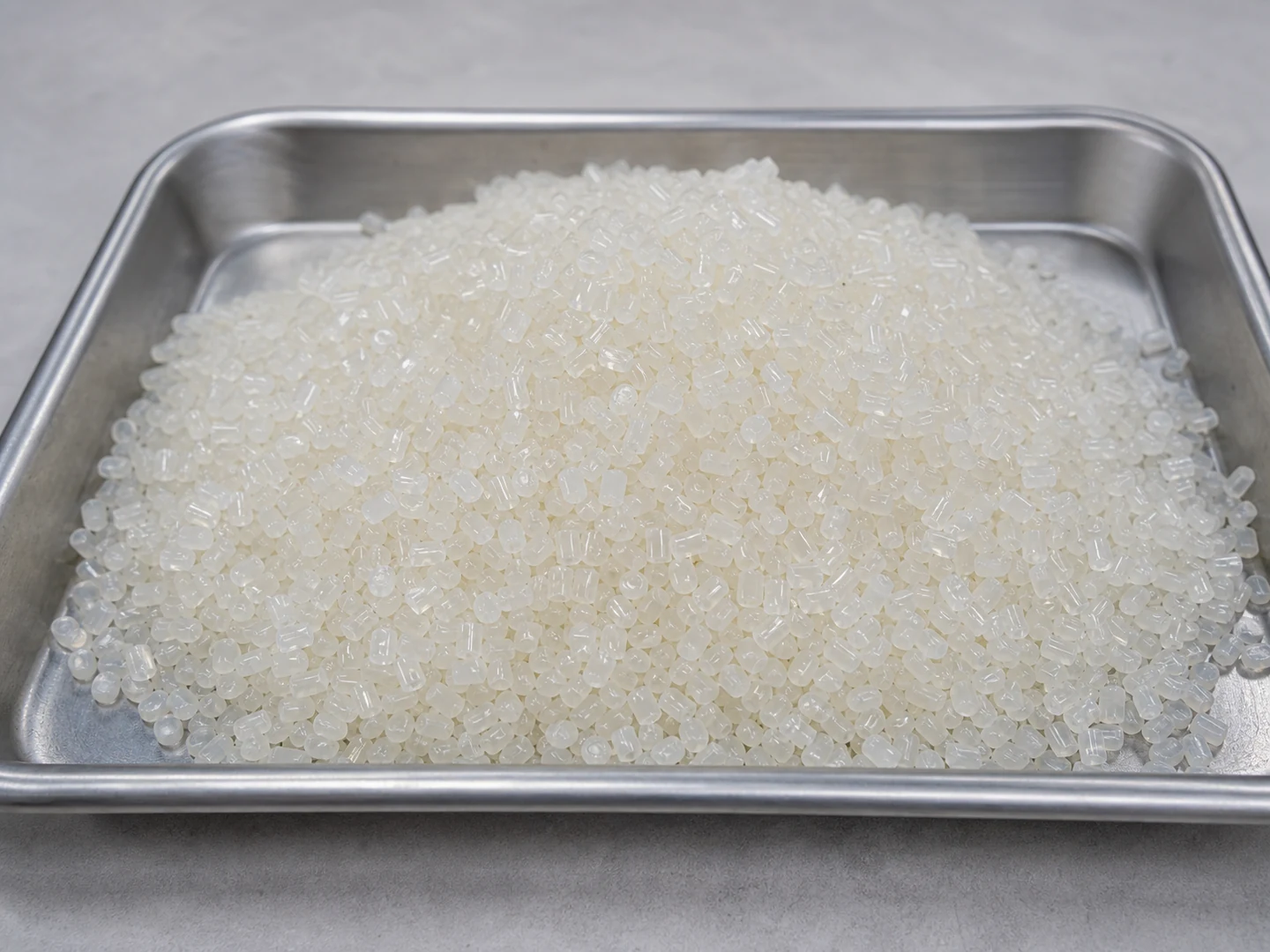
- Polypropylene (PP): Good chemical resistance, moderate stiffness, common for general food residue.
- Nylon 6.12: Excellent abrasion resistance, withstands higher temperatures, suitable for oily or abrasive soils.
- Polyester: Superior wet stiffness, often used in wet environments and USDA-approved applications.
- Tampico (natural fiber): Soft, absorbent, may be used for gentle cleaning, but less durable and not for high-moisture settings without treatment.
Food Processing Conveyor Belt Brush vs Standard Cleaning Brushes: A Practical Comparison
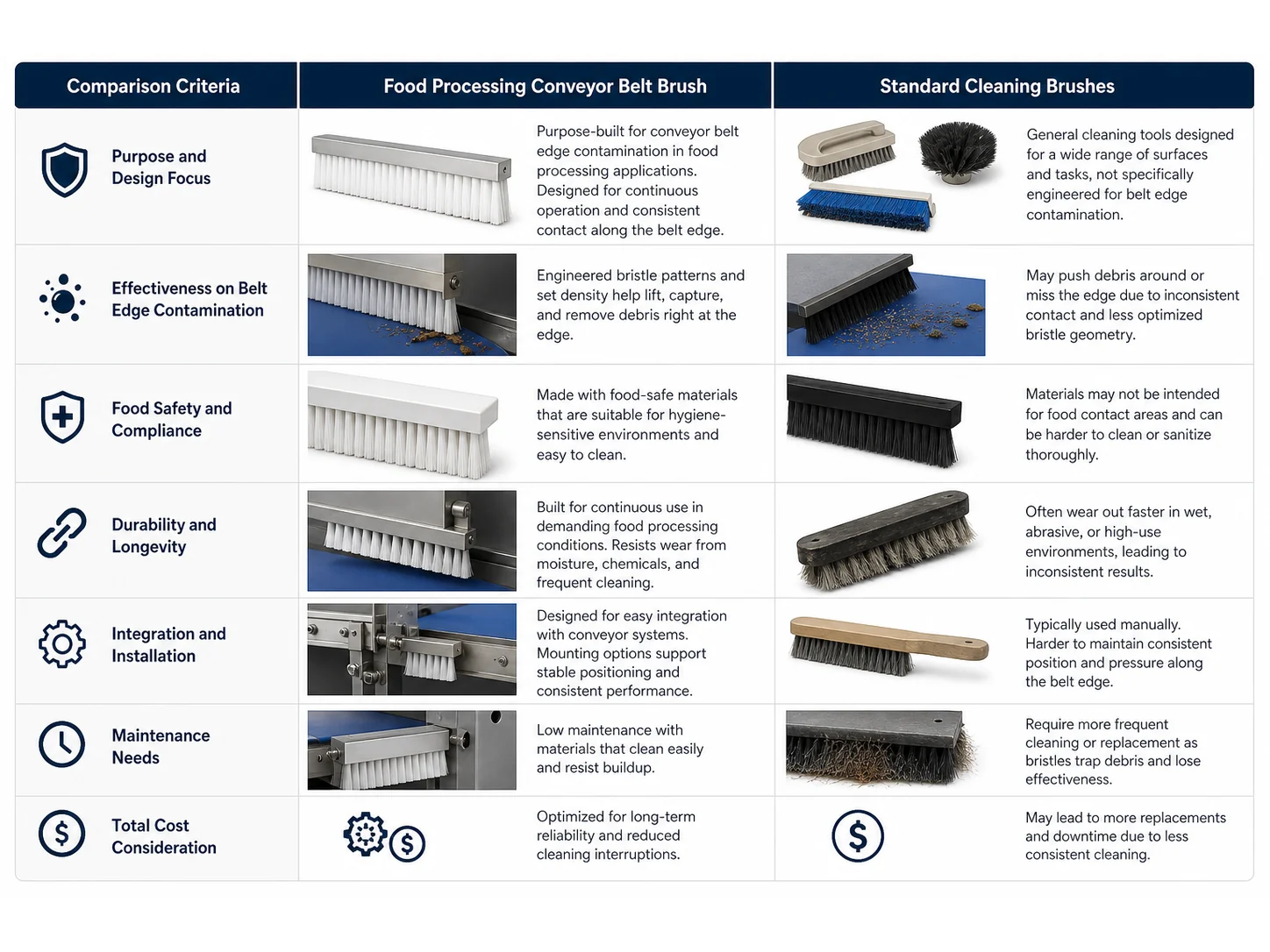
| Factor | Food Processing Belt Brush | Standard Cleaning Brush |
|---|---|---|
| Filament Material | FDA-compliant polymers (PP, Nylon, Polyester), non-absorbent, color-coded for zone segregation | General-purpose plastics, natural fibers, wire, unknown origin; may shed or absorb |
| Hygiene Compliance | Designed for HACCP zones, easily sanitized, often autoclavable or resistant to high-pressure washdown | Not validated for food contact; may harbor bacteria in bristle holes or absorb water |
| Mounting and Interface | Precise rotary shafts, strip holders, or quick-change handles compatible with belt cleaners or operator use | Simple handles or shanks; no standardized mounting for machine integration |
| Belt Protection | Filament stiffness, trim length, and end finishing prevent belt abrasion or splice wear | Often too stiff or too soft; metal wire can scratch belts; uneven tufting causes damage |
| Chemical Resistance | Tested for compatibility with common CIP chemicals, acid/alkaline foams, and sanitizers | Unknown resistance; may dissolve, discolor, or contaminate product |
| Cost Trend | Higher upfront, but longer service life and reduced downtime; custom sizes available | Lower purchase cost, but shorter life, higher contamination risk, and frequent replacement |
How to Choose the Right Brush for Belt Edge Contamination
Match the brush to your specific residue and operating conditions. Ask these questions:
- Residue Type: Is it sticky sugar-based syrup, oily seasoning, dry flour dust, or protein-based biofilm? Sticky residues often need a stiffer filament with better release characteristics; oily residues demand a filament that resists swelling; dry dust may need a softer, denser brush to capture instead of aerosolize.
- Surface Sensitivity: Does your belt have a delicate coating or textured surface? Softer filaments (e.g., Tampico, soft polyester) and rounded filament ends prevent micro-abrasion. Avoid wire brushes entirely.
- Equipment Interface: Is the brush for an automated rotary cleaner, a strip wiper, or a manual tool? Rotary applications require precise outside diameter and core dimensions; strip brushes need the correct channel size; hand brushes need ergonomic handles and angled heads for belt edges.
- Wet or Chemical Exposure: Will the brush be submerged, sprayed with hot water, or exposed to harsh CIP chemicals? Select stainless steel hardware and filaments like polyester or high-grade nylon that won’t degrade. Check absorption rates.
- Hygiene Expectations: Does the area require a specific zone brush color? Is metal-detectable filament needed to prevent foreign object contamination? Some brushes incorporate X-ray detectable materials.
- Maintenance Frequency: How often can you replace or service the brush? If daily, a lower-cost general-purpose brush might work, but if biweekly, choose a more durable, clean-grade option.
- Custom Size Requirements: Belt width, edge profile, and machine clearance dictate custom overall dimensions. Many food processing brush manufacturers offer custom trim lengths, diameters, and hub configurations.
Setup and Usage Factors
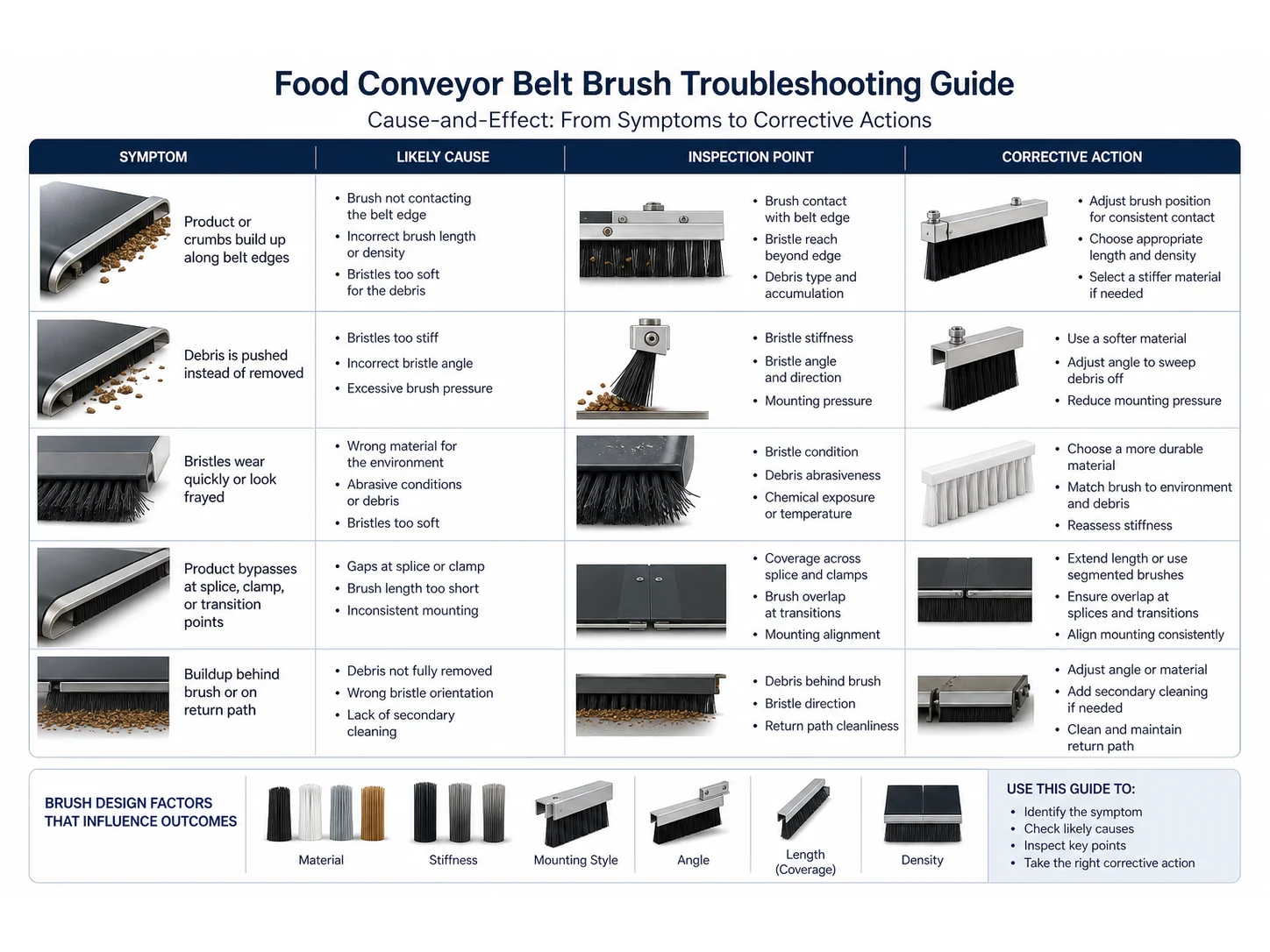
Even the right brush fails if setup is wrong. For rotary brushes, ensure proper alignment and contact pressure: too little pressure leaves residue; too much accelerates wear and belt damage. For strip brushes, verify the mounting channel is straight and the brush forms a continuous seal without gaps. In manual cleaning, train operators to brush with the belt edge, not against the splice, and rinse brushes after each use to prevent cross-contamination.
Common Mistakes
- Using a standard wire brush on a plastic modular belt. Always a mistake—wire scratches, creates crevices, and introduces metal fragments.
- Selecting by cost drivers instead of by material compatibility. A low-cost nylon brush can swell in oil and become ineffective, costing more in downtime.
- Ignoring filament end treatment. Unflagged, sharp-cut bristles can scratch belts; flagged (frayed) ends are more gentle but may hold residue. The right finish matters.
- Assuming all “food-grade” brushes are the same. Regulations vary; always request documentation for FDA compliance and temperature limits.
- Forgetting to check chemical resistance data. Quat sanitizers can degrade some plastics, leading to bristle fall-out and contamination.
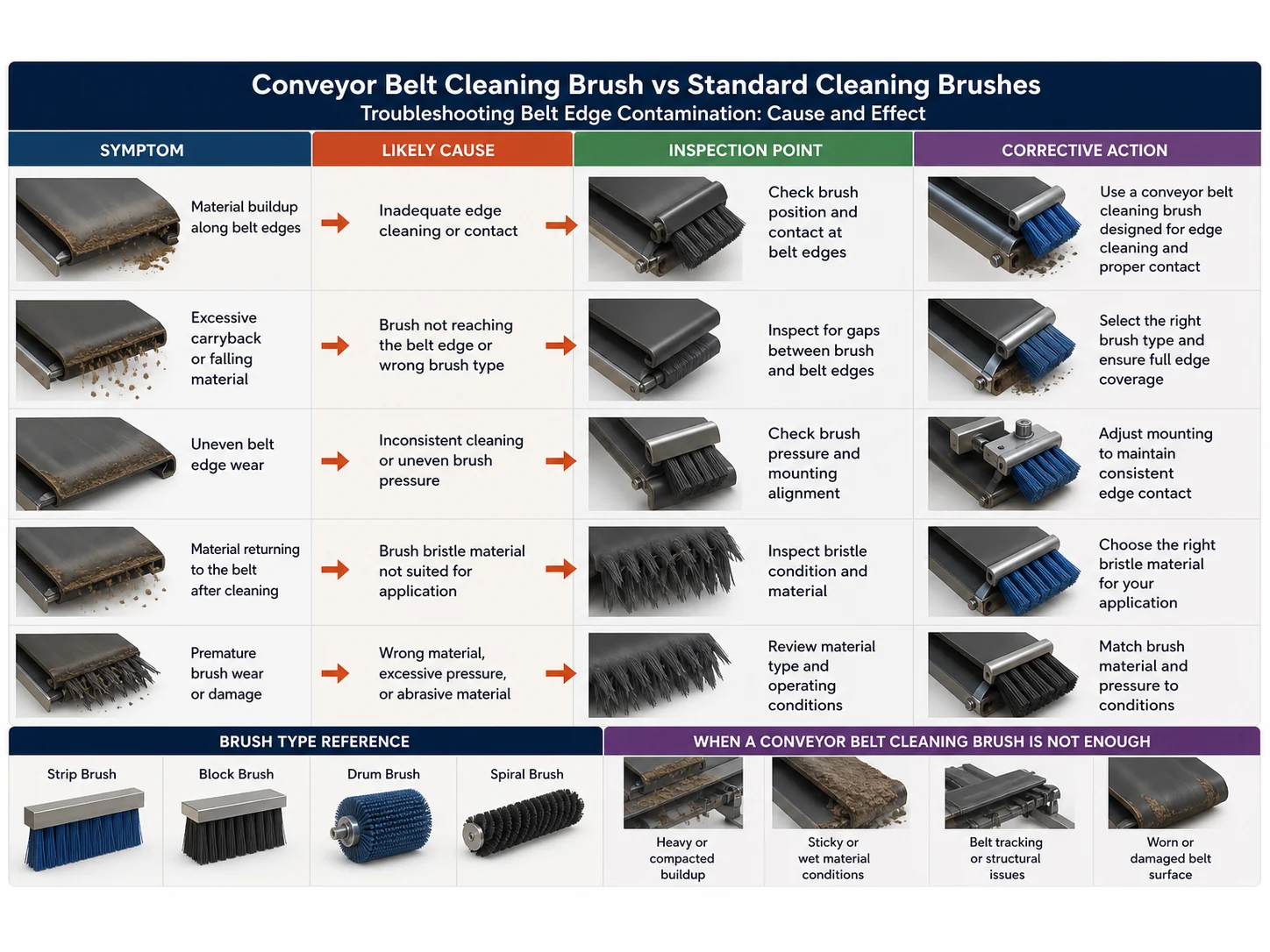
When a Food Processing Conveyor Belt Brush Is Not Enough
A brush alone cannot solve all contamination problems. If the residue is hard, baked-on, or extremely tenacious, you may need to combine a brush with a spray system, steam, or a chemical pre-soak. If contamination is embedded in belt seams or open hinge areas, a brush may not reach deep enough; consider belt design modifications or a dedicated high-pressure cleaning station. Additionally, if you have highly irregular belt profiles, a standard rotary brush may contact only the high points; consult a supplier for a custom profiled brush or trial a sample on your actual belt before full commitment.
Final Takeaway
For belt edge contamination in food processing, the right food processing conveyor belt brush consistently outperforms standard cleaning brushes in hygiene, belt protection, and long-term reliability. Define your residue, hygiene needs, and machine interface first, then select a material and configuration that matches those conditions. When in doubt, run a trial with a sample brush and involve your sanitation and maintenance teams in the evaluation.
Frequently Asked Questions
Can I use the same brush for raw and cooked product areas?
No, brushes must be zone-designated, typically by color. Using the same brush across zones can transfer allergens or pathogens and violate HACCP plans.
How do I know if the filament is really FDA-approved?
Ask the supplier for a letter of compliance or certification document. The filament material should comply with FDA 21 CFR 177 for food contact articles. Avoid brushes without traceability.
What if my belt edge has a splice bump? Will a brush damage it?
A properly designed brush with flexible, flagged filament ends can ride over minor splices without damage. However, for pronounced bumps, choose a filament with higher fatigue resistance and consider a lower pressure setting.
How often should I replace the brush?
Replacement depends on usage, chemical exposure, and wear. Inspect daily for bristle loss, deformation, or contamination buildup. Many processors establish a preventive replacement schedule, such as every 2–4 weeks in high-soil environments.
Can I clean the brush in a dishwasher or autoclave?
Only if the brush is rated for those temperatures. Polyester handles high heat, but Nylon 6.12 also performs well. Check the maximum temperature rating from the manufacturer before autoclaving.
Is a continuous rotary brush better than manual cleaning?
For 24/7 lines with persistent edge buildup, a continuous rotary brush is more effective because it removes residue before it hardens. Manual cleaning is better for intermittent shifts or hard-to-reach spots where an automatic brush cannot be mounted.
What about brush shedding? How can I prevent filament in my product?
Inspect brushes regularly for loose bristles. Use metal-detectable filaments if the risk is high. Properly crimped and epoxied tufts reduce shedding. If you still see shedding, switch to a different brush construction or supplier.