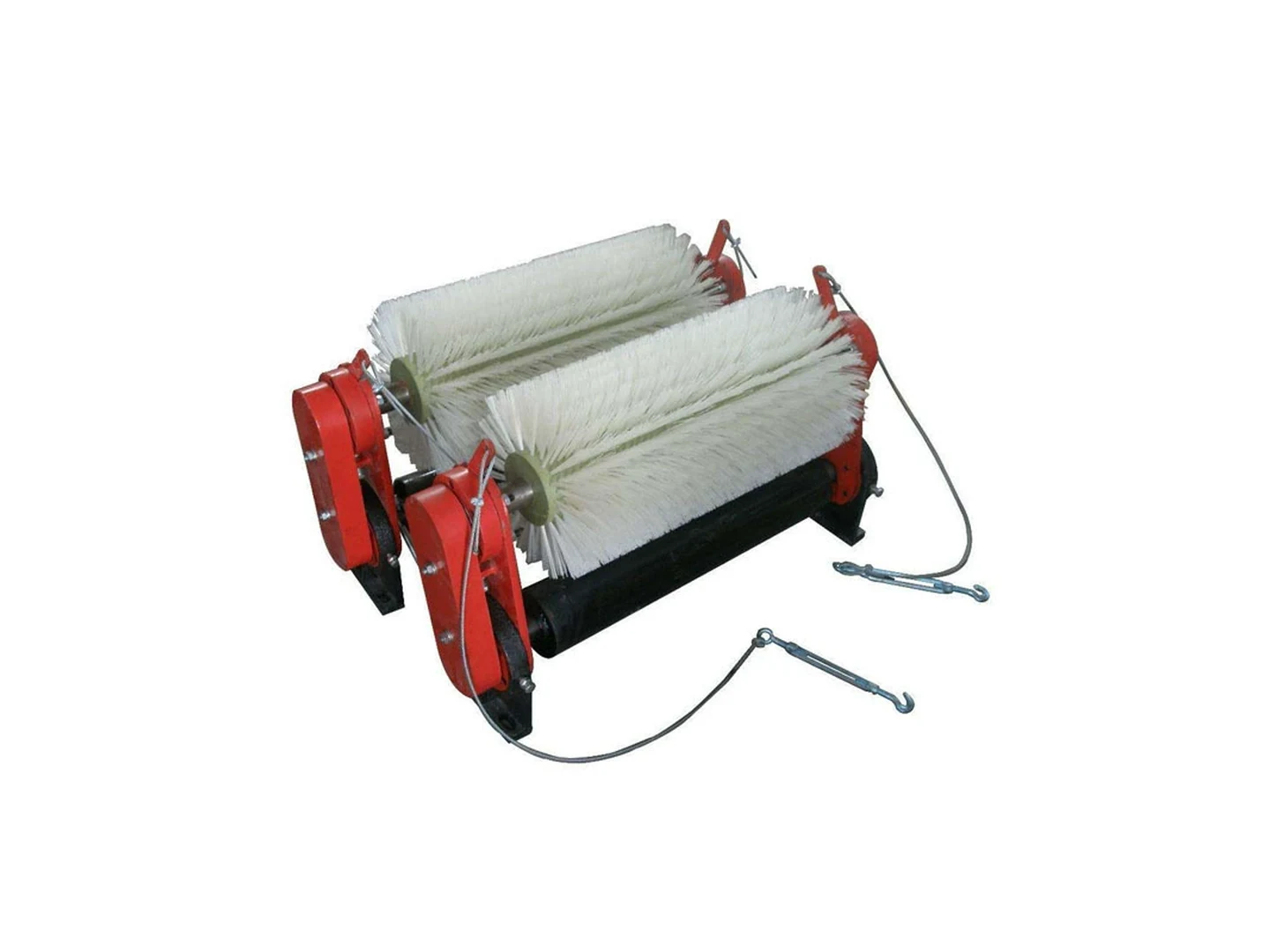
What Is a Bakery Conveyor Brush?
A bakery conveyor brush is a specialized tool used to remove dry particles, light residues, or product buildup from conveyor belts in bakeries, snack plants, and confectionery lines. It can be a driven roller brush rotating against the belt, a strip brush mounted across the conveyor path, or a cup brush targeting specific zones. The primary role is to keep belts clean enough to prevent dust accumulation, product cross-contamination, and premature belt wear without scratching or degrading the belt surface.
Common Brush Types for Dry Dust in Bakeries
For food-manufacturing equipment and wet food zones, eCFR — 21 CFR Part 117 Human Food CGMP and Preventive Controls is the production-side CGMP and preventive-controls reference.
For the material or regulatory boundary in this section, the supporting reference is eCFR — 21 CFR 177.1500 Nylon Resins.
For the material or regulatory boundary in this section, the supporting reference is eCFR — 21 CFR 177.1520 Olefin Polymers.
For the material or regulatory boundary in this section, the supporting reference is eCFR — 21 CFR 177.1630 Polyethylene Phthalate Polymers.
For the safety point in this section, the relevant OSHA reference is OSHA — Machine Guarding.
For the safety point in this section, the relevant OSHA reference is OSHA — Control of Hazardous Energy.
Buyers typically encounter three main construction styles:
- Spiral-wound roller brush: Continuous helical filament wrapping around a core; offers even contact and smooth rotation. Excellent for non-stop belt cleaning.
- Strip brush (channel-mounted): A straight brush held in a metal or plastic channel, often used as a fixed scraper or wiper. Simple to mount and replace.
- Cup brush or disc brush: Used for targeted cleaning, such as around curves or at transfer points. Less common for full-width belt cleaning but useful in tight spaces.
The right style depends on the conveyor layout, belt width, and available mounting points.
Material, Stiffness, and Diameter Options
For dry dust, filament material is the single most important choice. The wrong material can leave the belt dirty, generate static, or cause unnecessary belt wear. Use the table below to compare common options suitable for bakery dry-dust environments.
| Filament Material | Dry Dust Performance | Stiffness | Moisture Sensitivity | Static Behavior | Typical Diameter Range |
|---|---|---|---|---|---|
| Nylon 6 or 6.6 | Good for fine dust (flour, starch) | Medium to stiff | Absorbs moisture; stiffness changes | Can generate static | 50–150 mm (2–6 in) |
| Polypropylene | Excellent for light, non-abrasive dust | Soft to medium | Low moisture absorption | Low static build-up | 50–200 mm (2–8 in) |
| Tampico (natural fiber) | Good for flour and sugar dust; gentle on belts | Soft | Can absorb moisture; may harbor bacteria if wet | Low static | 50–250 mm (2–10 in) |
| Polyester | Good for dry dust; durable | Medium to stiff | Low moisture absorption | Moderate static | 50–150 mm (2–6 in) |
Important: For bakery applications, confirm with the supplier whether the filament is FDA-compliant for incidental food contact if the brush may touch product or product-contact surfaces. Dry-dust zones often still require food-grade materials. Core material—stainless steel, aluminum, or food-grade plastic—should also match washdown and corrosion resistance needs.
How to Choose the Right Bakery Conveyor Brush
Base your selection on these six factors, each of which should be clearly stated in your RFQ or inquiry:
- Type of dry dust: Flour is fine and sticky; sugar is abrasive; starch dust is light. The filament tip size and density must match the particle size to avoid dust just being pushed around.
- Belt surface and speed: A soft urethane belt needs a gentler filament than a textured fabric belt. High-speed lines (>30 m/min) may require denser brush fill to prevent dust fly-off.
- Equipment interface: Measure the current or planned bracket locations, shaft diameters, and keyway dimensions. A brush that doesn’t fit the existing drive system creates costly rework.
- Moisture or chemical exposure: Even in a “dry” zone, occasional washdowns or cleaning chemicals can affect nylon or Tampico. Specify if the area sees sanitation sprays.
- Hygiene expectations: Bakery environments often require brushes that are non-absorbent, easy to clean, and resistant to fungal growth. Ask the supplier about filament treatments or additives.
- Maintenance and replacement frequency: A brush that wears out in two months might be cheaper upfront but increases labor and production stops. Consider filament diameter, fill density, and core durability to predict life.
Custom Sizes and Mounting: What to Verify
Custom brush orders often go wrong because of incomplete dimensional data. Before approving a quote, confirm:
- Face length (F/L): The brush contact width; should cover the full belt width plus a slight overhang (typically 10–20 mm per side).
- Overall length (O/L): The total shaft or core length, including bearing journals and drive extensions.
- Outer diameter (O/D): Specified as a range or minimum; worn diameter changes cleaning pressure.
- Shaft diameter and keyway: Must match the drive sprocket or pulley. Metric vs imperial units cause frequent mismatches.
- Direction of rotation: Ensure the filament lay or helical direction matches the belt travel to avoid unwinding or poor cleaning.
Always request a dimensioned drawing with tolerances before production, and check it against the actual conveyor measurements.
Common Mistakes When Ordering Custom Bakery Conveyor Brushes
- Choosing by cost drivers alone: A low-cost brush may use hollow filaments that wear quickly or a core that corrodes in a humid bakery environment.
- Ignoring filament material for the specific dust: Nylon can build up static, attracting fine dust back onto the belt; polypropylene may be too soft for sticky sugar residues.
- Not checking the core material: Standard steel cores rust in many food plants; stainless steel or aluminum is often worth the small premium.
- Skipping the drawing review: Buyers frequently assume a “standard” diameter or shaft end will fit; a 25 mm vs 1-inch shaft mismatch is a common ordering error.
- Forgetting to specify moisture exposure: Even occasional washdowns can swell nylon or degrade Tampico, causing the brush to lose its shape or harbor bacteria.
When a Bakery Conveyor Brush Is Not Enough
A dry-dust brush alone cannot solve every cleaning challenge. Consider additional or alternative approaches when:
- Moisture or oils are present: Wet residues require a squeegee-type blade, a water-wash system, or a brush designed for wet service with stainless steel core and synthetic filaments that won’t absorb grease.
- Sanitation demands full washdown: If the brush must withstand hot water and chemicals, specify a fully stainless steel core and chemically resistant filaments (e.g., polypropylene or polyester).
- ATEX or explosion-proof zones: Fine flour dust is combustible. Metal cores and static-dissipative filaments may be mandatory; consult a specialist and relevant safety codes.
- Product contact surfaces: If the brush directly touches dough or finished product, FDA-compliant (or equivalent) materials are not optional—they are a regulatory requirement. Request a Certificate of Compliance from the supplier.
- The belt is already damaged: A brush will not fix a torn, misaligned, or overly worn belt. Fix the belt first, then add tailored cleaning.
Final Takeaway: Turn These Checks into an RFQ Checklist
Before ordering a custom bakery conveyor brush for dry dust, compile a one-page summary that includes: dust type and particle size range, belt material and speed, brush style and preferred filament material, diameter and face length with tolerances, shaft details and mounting points, any sanitation or moisture exposure, and a requested drawing for approval. A clear specification reduces the risk of receiving a brush that underperforms or fails prematurely. Use this guide as a structured checklist to discuss with your supplier and compare options objectively, not just by cost drivers.
Frequently Asked Questions
What filament material is best for fine flour dust on a fabric belt?
Soft Tampico or medium-soft polypropylene often work well for fine flour dust because they are gentle on belts and have low static tendencies. Avoid stiff nylon if the belt surface is delicate, and confirm moisture resistance if any humidity is present.
How do I specify the correct brush diameter and face length?
Measure the belt width and add 10–20 mm to each side for face length. For diameter, the supplier can recommend a size based on your conveyor speed and cleaning pressure needs, but provide the minimum O/D you can accept as the brush wears. Always verify the diameter at the mounting brackets to avoid interference.
Should I choose a spiral-wound roller brush or a strip brush?
A spiral-wound roller brush is preferred for continuous belt contact and even wear; a strip brush is simpler for light, stationary wiping tasks. Consider your maintenance access: roller brushes are harder to replace but clean more uniformly.
What core material should I specify for a dry bakery environment?
Stainless steel (304 or 316) is the safest choice for corrosion resistance and hygiene. Aluminum is lighter and cheaper but can oxidize over time. Food-grade plastic cores work well for narrow, light-duty brushes but may deflect under heavy pressure.
How do I know if I need FDA-compliant filaments?
If the brush may touch product or product-contact surfaces, FDA compliance is required. Even in dry-dust zones, bakeries often mandate food-grade materials because dust can contact the product indirectly. Request documentation from the supplier and verify the specific filament grade.
Can I order a sample brush before full production?
Many custom brush manufacturers offer prototype or sample services. A sample lets you test cleaning performance, filament life, and fit before committing to a large order. Ask about lead time and cost for a sample in your inquiry.
What information should I include in an RFQ for a custom bakery conveyor brush?
Include dust type, belt width and material, conveyor speed, operating environment (dry/washdown), preferred filament material and stiffness, core material requirement, diameter and face length ranges, shaft details, mounting orientation, and any drawings or photos. Also state your expected annual usage and replacement cycle.
How often should I replace a bakery conveyor brush in a dry-dust application?
Replacement frequency depends on filament material, dust abrasiveness, and hours of operation. A brush may last 3–12 months. Monitor cleaning effectiveness and belt wear; when the brush loses its shape, bristles break, or dust buildup increases, it’s time for a replacement.