What Is Replacement Brush Matching?
Replacement brush matching means identifying the critical features of an existing brush—its type, dimensions, bristle material, mounting style, and intended use—and using that information to find or create a functionally equivalent replacement. The goal is not to label the brush as an original part, but to duplicate its performance in the same operating conditions. A properly matched brush fits correctly, wears at a predictable rate, and does not damage the workpiece or surfaces it contacts.
Common Types of Replacement Brushes
Industrial and commercial brushes come in many forms. Knowing the basic type of your sample narrows the search immediately. Below are common categories:
- Strip brushes: Metal or flexible backings with a row of bristles, often used for sealing, conveying, or wiping.
- Roller brushes: Cylindrical brushes with bristles attached radially, used in sweepers, washers, and material handling.
- Wheel brushes: Disc-shaped brushes with a center bore, designed for power-driven deburring, polishing, or cleaning.
- Cup brushes: Brushes with bristles set in a cup shape, common in angle grinders for surface preparation.
- Tube brushes: Brushes with a twisted wire stem holding bristles, used for cleaning bores, pipes, or test tubes.
- Plate brushes: Flat brushes with bristles grouped in clumps, often for scrubbing or sealing.
Each type has a typical mounting method and dimensional profile that must be matched.
Key Brush Features and What to Check – Comparison Table
| Feature | Why It Matters | How to Verify on Sample |
|---|---|---|
| Brush type | Defines shape, mounting, and operating envelope | Compare with standard industrial brush categories (strip, roller, wheel, etc.) |
| Overall length & width (or diameter) | Must fit in the existing space without interference | Use calipers; measure the brush body, not including compressed or splayed bristle tips |
| Bristle length (trim length) | Affects flexibility, surface contact pressure, and reach | Measure from the backing or hub to the original unflexed bristle tip on a less-worn section |
| Bristle material | Determines stiffness, wear life, chemical/thermal resistance | Check original specs or do a burn test (see Common Mistakes); note color, stiffness, and any marking |
| Bristle diameter (thickness) or gauge | Controls stiffness and abrasive capability | Micrometer on an undamaged bristle; finer bristles flex more, thicker bristles cut more |
| Mounting type & dimensions | Ensures the brush attaches securely to the shaft, holder, or adapter | Check bore diameter, keyway, threads, bolt circle, or bracket shape |
| Bristle pattern or density | Affects debris evacuation, fluid flow, and surface coverage | Count rows or clusters; note spacing and arrangement (staggered, straight, spiral) |
| Rotation or feed direction | Prevents incorrect operation that could damage workpiece or brush | Look for directional arrows; note the spiral or bristle orientation |
How to Identify the Right Brush from an Existing Sample
Follow this measurement and inspection checklist when you have a physical sample. Always note the application conditions—temperature, chemical exposure, wet or dry use, and speed or pressure—because they affect material choice.
Step 1: Determine the Brush Type
Classify the worn part as strip, roller, wheel, cup, tube, or plate. This sets the basic geometry and potential suppliers.
Step 2: Measure the Backing or Hub Dimensions
Record the overall length, width, and height of the backing or hub. If it’s a strip brush, measure the back strip length, width, and thickness. For a roller brush, measure the core length, outer diameter of the core, and the shaft diameter if present.
Step 3: Measure Bristle Trim Length
Find a section where the bristles are least worn. Measure from the backing surface to the original, un-flexed bristle tip. Do not measure a crushed or bent tip. If the brush is symmetrical, check several spots and take the average.
Step 4: Document Bristle Material and Properties
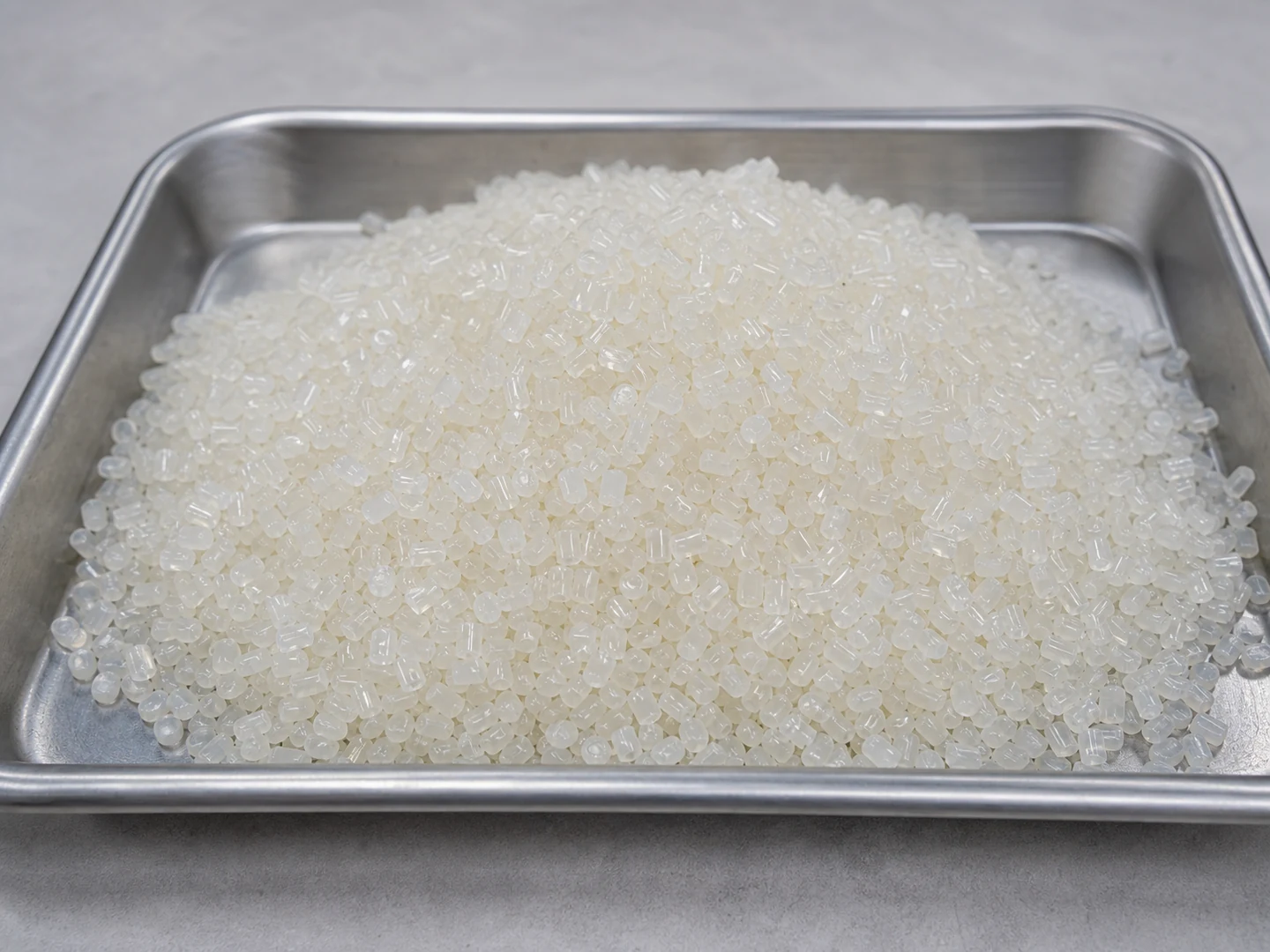
If documentation exists, start there. Otherwise, inspect stiffness (how easily a single bristle bends), resistance to chemicals (check for swelling or brittleness), and heat sensitivity (did the old brush show signs of melting?). Common industrial bristle materials include nylon (abrasion-resistant, good chemical resistance), polypropylene (good acid resistance, less stiff), natural fibers (horsehair, tampico for fine polishing), and abrasive nylon (nylon impregnated with grit). Resist guessing solely by color.
Step 5: Confirm Mounting Style and Dimensions
Check how the brush attaches to the machine: shaft with keyway, threaded arbor, clamp-on bracket, clevis pin, or friction fit. Measure the critical mounting dimensions with calipers—bore diameter, thread size, bracket hole spacing, etc.
Step 6: Inspect Wear Pattern for Pressure and Alignment Clues
Uneven wear may indicate misalignment, excessive pressure, or a problem with the feed mechanism. If the replacement will be used in the same setup, note whether the original bristle length fully met the need or if a slightly different trim might improve performance.
Common Mistakes in Replacement Brush Matching
- Copying worn dimensions: A worn-down bristle length will result in a brush that is too short and may not make sufficient contact.
- Assuming material by color alone: Many plastics can be colored the same. Two white bristles could be nylon, polypropylene, or polyester, each with different stiffness and chemical tolerance.
- Ignoring bristle stiffness / gauge: A replacement with the same overall dimensions but thinner or softer bristles will not cut or clean with the same force.
- Overlooking mounting details: A brush that physically fits in the space but has the wrong bore size or thread won’t attach.
- Forgetting application environment: Heat, chemicals, and wet conditions drastically affect which materials work. A brush that matches dimensions but melts at the working temperature will fail quickly.
- Matching only by cost or quick visual similarity: This leads to underperformance, short life, or damage to the product or equipment.
When Standard Matching Is the Wrong Choice
Some situations go beyond basic dimensional matching. If the original brush is non-standard—combining multiple brush types, using custom-molded bristle holders, or operating under extreme conditions—simple measurement may not support a safe replacement. In these cases:
- The brush may require a detailed drawing with tolerances.
- A sample test with a few candidate replacements is advisable before ordering a full replacement set.
- Involving a brush manufacturer or technical specialist early can clarify material selection and production feasibility.
- If the application involves food contact, medical use, or high-speed rotating parts, additional certifications or material testing beyond visual comparison are essential.
Final Takeaway
Matching a replacement brush is a methodical engineering task, not a guess. Start by defining the brush type and measuring all key dimensions on an unworn area. Document the mounting interface and operating conditions. Use that data to compare potential replacements or to create an accurate request for quote. When in doubt, test a sample or consult an experienced supplier—reducing the risk of an incorrect fit pays for itself quickly through less downtime and better performance.
Frequently Asked Questions
Can I use a brush with a different bristle material if the dimensions match?
It depends on the application. For example, nylon bristles are more abrasion-resistant than polypropylene, while stainless steel bristles withstand higher temperatures. If the new material meets the original’s stiffness, chemical, and thermal requirements, a change may be acceptable, but always test in a non-critical run first.
How do I measure a brush with badly frayed or missing bristles?
If the bristles are uneven or missing, look for a photo or drawing from the original equipment manual. Another option is to measure the backing spacing and estimate the required trim length based on the intended use. When the sample is too damaged, providing the mounting dimensions and a description of the application to a supplier is the safest route.
What if the brush has no manufacturer markings or part number?
Treat the brush as a physical template. With precise measurements of its dimensions, bristle features, and mounting, a competent brush supplier can often suggest a standard catalog item or produce a custom replacement. Photographs next to a ruler help communicate what you are matching.
Should I always replace with the same mounting style?
Generally yes, because altering the mounting requires machine modifications. However, if your drive shaft or holder is a standard size, an adapter or a different but compatible mounting style (e.g., a clamp-on brush replacing a bolt-on brush) might work. Verify the mechanical forces and speed rating.
How do I match a brush that is part of an assembly and cannot be removed without damage?
Measure as many accessible dimensions as possible before disassembly. If disassembly is possible, do it carefully and record the complete profile. If not, consider using a borescope to inspect internal mounting features, or consult the equipment manufacturer for brush specifications.
What is the best way to request a custom replacement brush from a supplier?
Provide a clear drawing or photo with dimensions, state the application (temperature, speed, chemicals, surface finish needed), and include any original part numbers or machine model details. Suppliers can then recommend material and construction methods. Sending the old brush as a sample is often the most reliable approach when possible.
Can I use a softer brush to avoid surface damage when replacing a stiffer one?
Possibly, but a softer brush may not produce the required abrasion, cleaning action, or be able to withstand the same operating speed. If surface damage is a concern, first check for abrasive grit in the original brush and confirm the equipment settings. A technical review of the process can help decide if a softer material is a safe trade-off.
Technical References
Which bristle material fits this job — Nylon PA, AISI 304 Stainless Steel Wire or Abrasive Nylon?
| Material | Continuous temperature (°C) | Peak temperature (°C) | Water absorption | Hardness |
|---|---|---|---|---|
| Nylon PA | 93 | 121 | 0.3–9% by PA grade and conditioning | Medium to firm; filament diameter and trim length control bending force. |
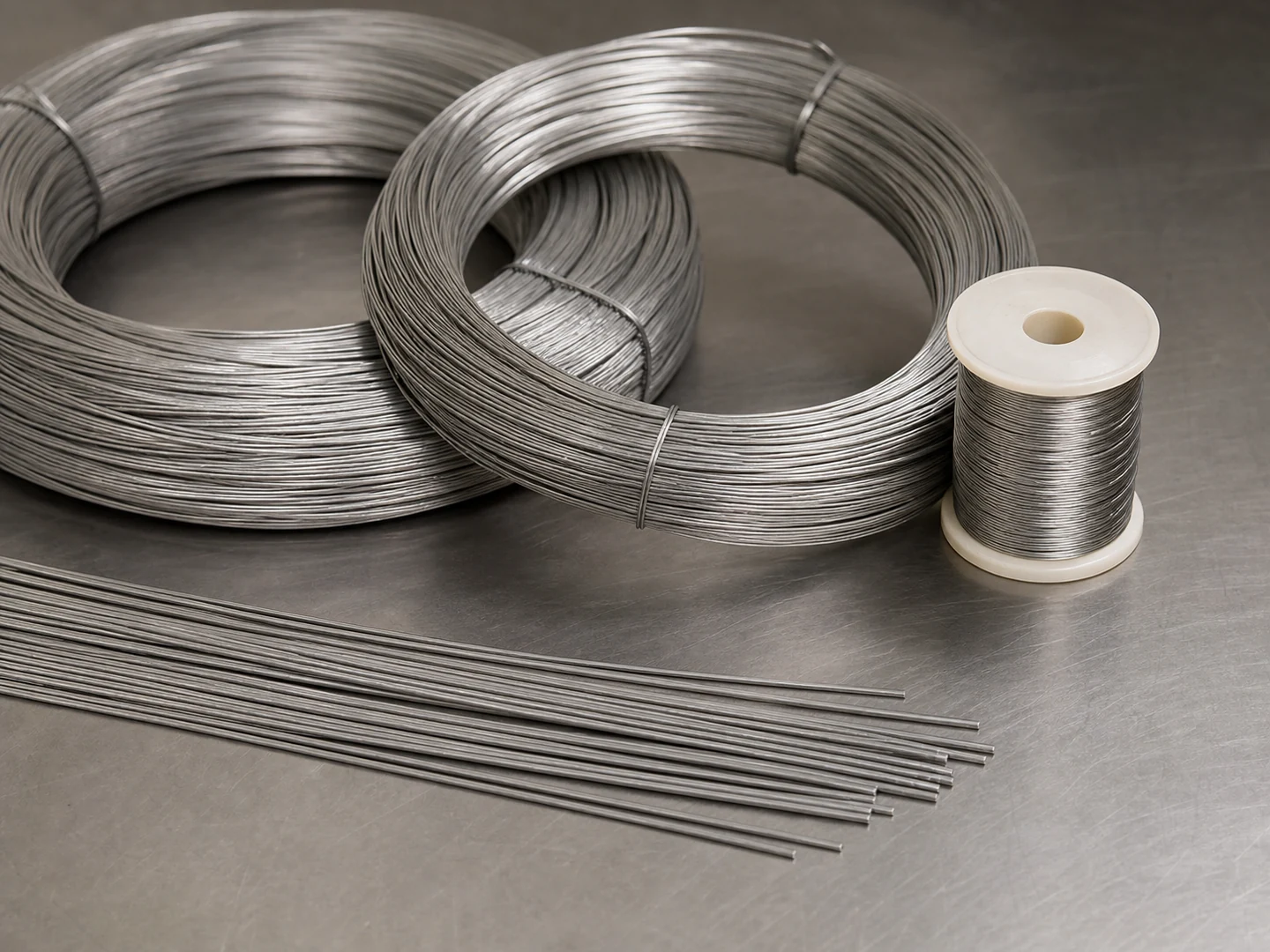
| AISI 304 Stainless Steel Wire | 400 | 500 | 0% | Rockwell B 70–95 depending on temper and cold work |
| Abrasive Nylon | 120 | 150 | 0.1–1.0% | Abrasive filament; stiffness and cutting level is controlled by PA base, grit type, grit size, filament diameter and trim height. |
| Horsehair | 60–80 | 100–120 | 8–15% | — |
Figures as published by Brushtec / DuPont; Alleima; Perlon. Confirm the exact grade against the supplier datasheet before ordering.
What should replace Nylon PA when it stops working?
- Nylon PA — Compare Nylon PA with PP, PBT, PET. Change material when wet stiffness, temperature, chemical resistance, conductivity, particle shedding, or surface marking becomes the limiting factor.
- AISI 304 Stainless Steel Wire — Use AISI 316 stainless steel wire for chloride, marine, dairy, beverage, chemical washdown, or higher pitting-resistance requirements. Use carbon steel for dry aggressive cutting and brass or abrasive nylon for lower marking risk.
- Abrasive Nylon — Compare Abrasive Nylon with PP, PBT, PET. Change material when wet stiffness, temperature, chemical resistance, conductivity, particle shedding, or surface marking becomes the limiting factor.
- Horsehair — Compare Horsehair with Boar bristle, goat hair, microfiber. Change material when wet stiffness, temperature, chemical resistance, conductivity, particle shedding, or surface marking becomes the limiting factor.