What Is a Thread Cleaning Brush?
A thread cleaning brush is a small hand tool designed to remove debris, old sealant, rust, and light corrosion from threaded surfaces. Unlike a wire brush used for general surface prep, a dedicated thread cleaning brush often has bristles arranged in a spiral or radial pattern that match the thread’s profile. Common types include small circular brushes for internal threads (female) and cup-shaped or straight brushes for external threads (male).
Common Types of Thread Cleaning Brushes
Choosing the right brush shape prevents damage and saves time. Here are the most common options:
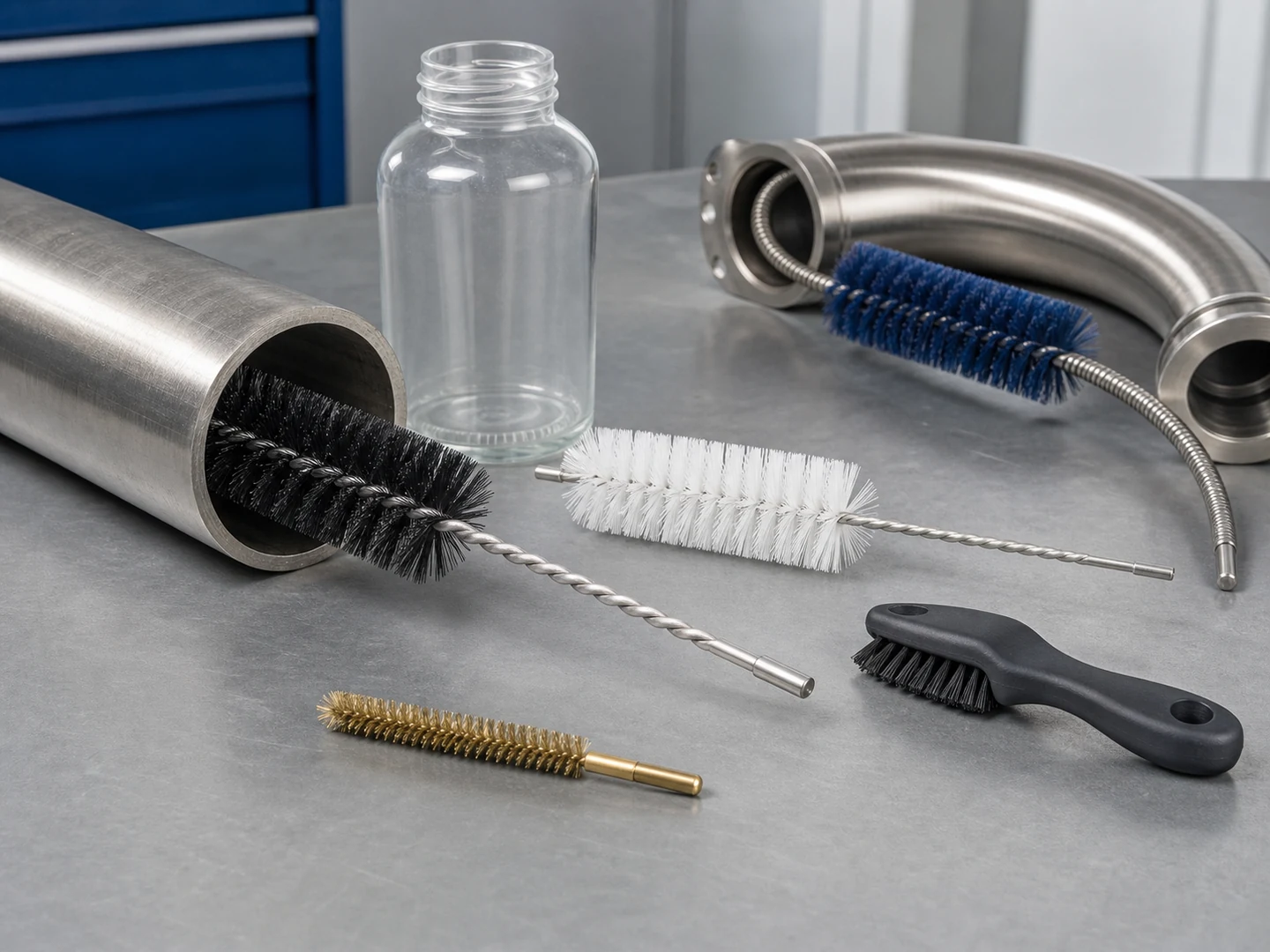
- Twisted wire end brushes: Good for cleaning deep internal threads. The bristles are twisted into a spiral, which helps reach into valleys.
- Cup brushes: Ideal for cleaning the outside of bolts and threaded studs. They wrap around the thread to clean 360 degrees.
- Tube brushes: Straight brushes with bristles along the entire length, useful for cleaning threaded holes from end to end.
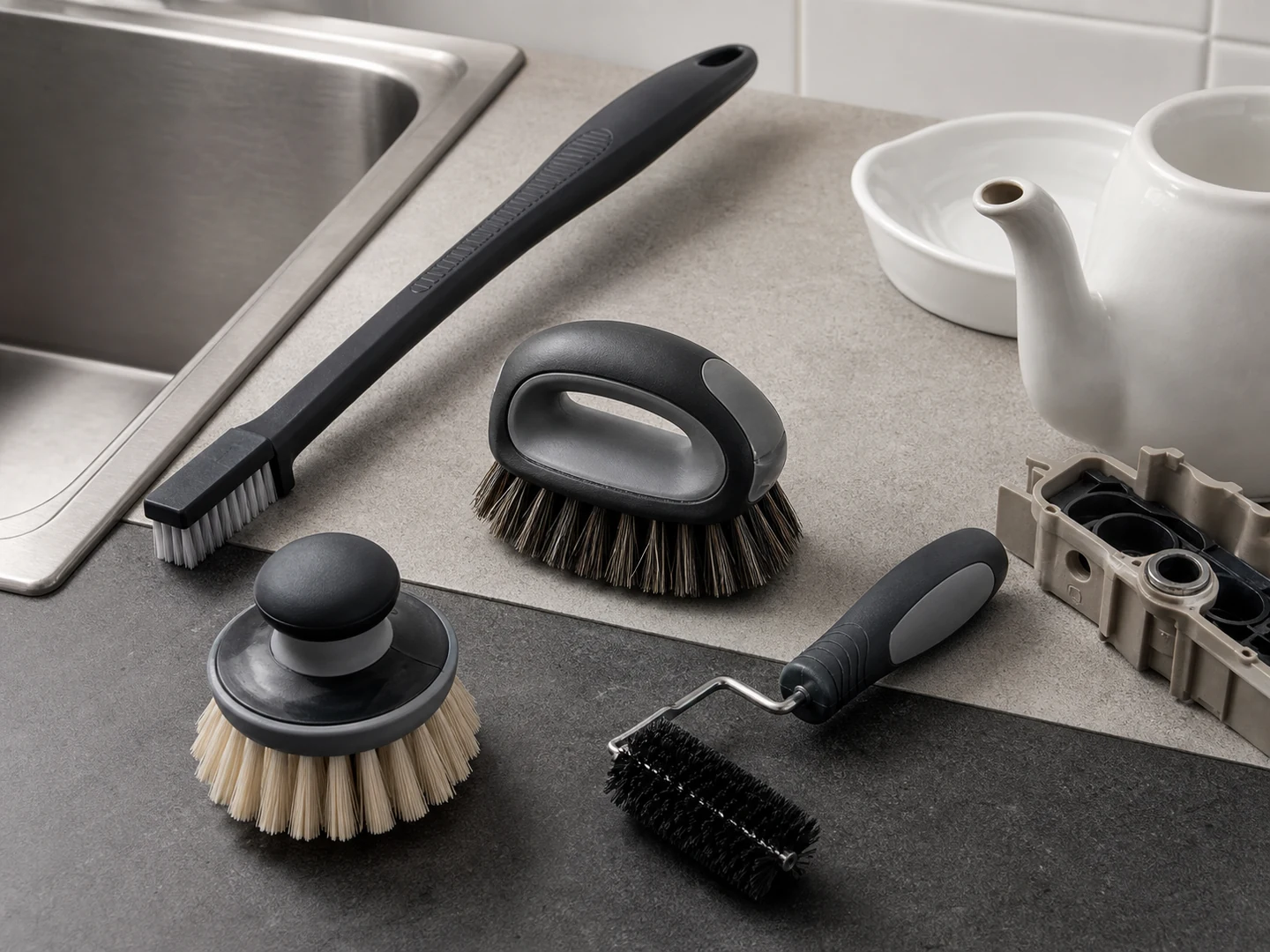
- Handled detail brushes: Small, often with nylon or brass bristles, for delicate threads where scratching must be avoided.
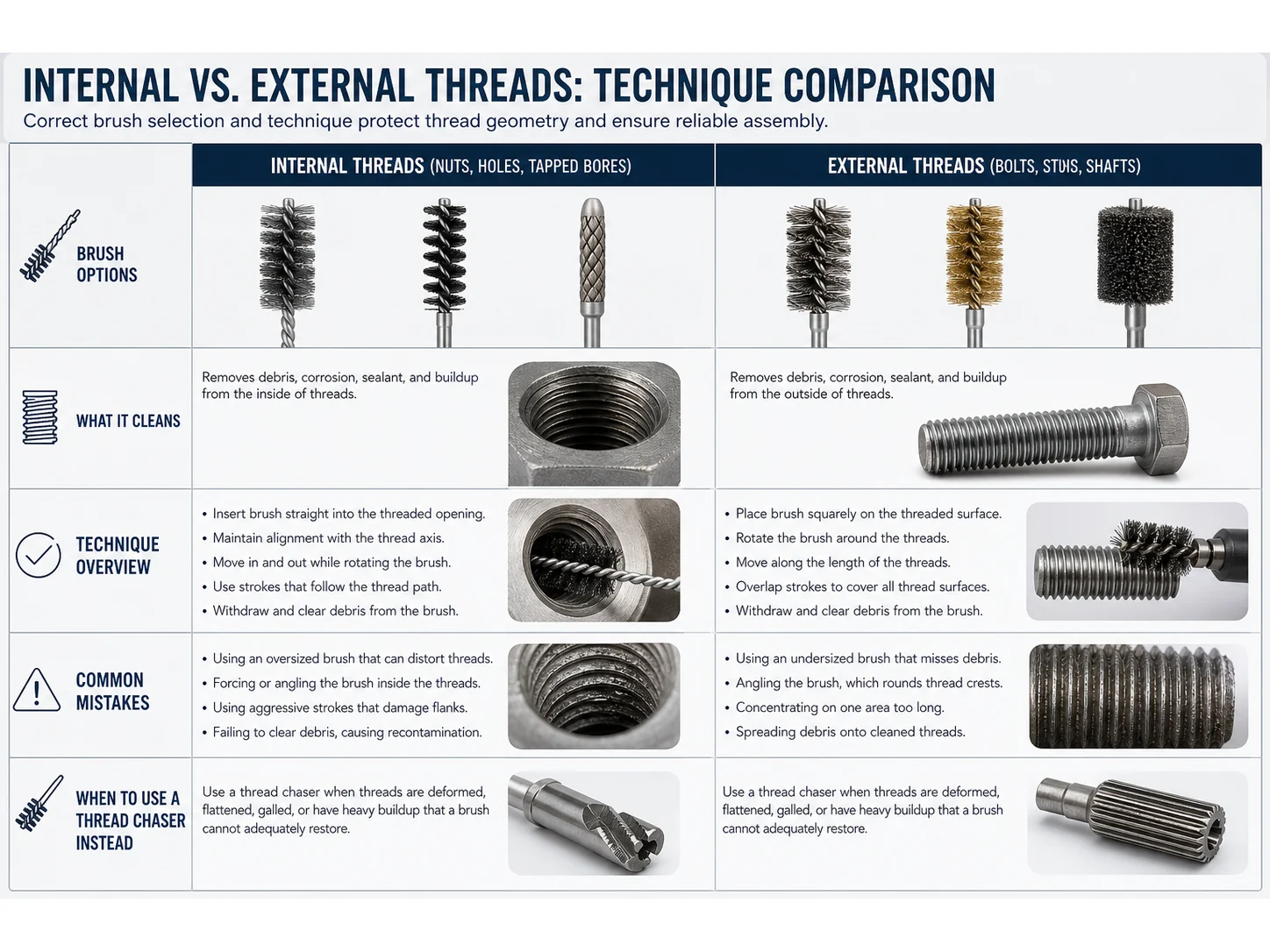
Internal vs. External Threads: Technique Comparison
The cleaning motion and pressure differ significantly depending on which side of the thread you are working on. The table below summarizes the key differences.
| Factor | Internal Threads (Female) | External Threads (Male) |
|---|---|---|
| Brush type | Twisted wire end brush or tube brush | Cup brush or straight detail brush |
| Direction | Turn the brush clockwise (same as tightening), then pull out straight | Brush along the thread helix (follow the spiral) to sweep debris off |
| Stroke count | 3–5 full rotations inside the hole | 1–2 passes along each thread root |
| Pressure | Light to moderate; let the bristles do the work. Do not press radially outward | Light pressure; avoid bending bristles flat against the crest |
| Common error | Forcing a brush that is too large, which can score the thread flank | Using a rotary tool at high speed, which can gall or round the crest |
How to Clean Internal Threads Properly
Internal threads trap dirt and old sealant easily. Follow these steps:
- Select a brush that matches the thread diameter. The brush should fill the hole but not bind.
- If the hole is blind, apply a small amount of mild solvent or penetrating oil to soften old residue. Do not flood the hole.
- Insert the brush straight into the hole. Rotate it clockwise (in most cases, right-hand threads) for 3–5 full turns. Turning clockwise follows the thread direction and helps push debris out rather than driving it deeper.
- After rotating, pull the brush straight out without turning backwards. This removes loosened debris.
- Inspect with a flashlight. If threads appear shiny and free of dark buildup, cleaning is complete.
How to Clean External Threads Properly
External threads are more accessible but also more vulnerable to over-brushing that rounds the crest. The technique focuses on following the helix.
- Choose a cup brush or a small handheld wire brush with bristles that can flex into the thread valleys.
- Hold the brush so the bristles contact the thread at a slight angle, roughly matching the thread pitch.
- Starting at the end nearest the shoulder, brush along the spiral direction. Use 1–2 passes per thread root. Do not scrub back and forth aggressively.
- Work your way around the entire bolt, overlapping slightly to ensure all debris is swept off.
- Avoid using a powered wire wheel unless you can control speed and pressure. Hand cleaning is safer for precision threads.
Post-Cleaning Inspection
After cleaning, a quick inspection ensures the thread is ready for reassembly. Check for:
- Bright, bare metal surface: No remaining rust, sealant, or dirt.
- Definition of thread crest: The top of the thread should be sharp or flat (depending on standard) but not rounded or nicked.
- No embedded bristles: Wire bristles can break off and lodge in the thread; run a dry rag or blow compressed air to remove them.
- Fit test: Hand-thread a known good nut or bolt. It should turn smoothly without binding.
If you feel resistance or see damage, do not force assembly. Stop and evaluate whether a thread chaser is required.
Common Mistakes That Damage Threads
Even experienced technicians make these thread-damaging mistakes. Avoid them to extend fastener life.
- Using the wrong brush size: A brush that is too large can scratch the thread flank; too small will not clean the root.
- Excessive pressure: Pressing hard bends the bristles and transfers force to the thread surface, causing scratches.
- High-speed rotary tools: A wire wheel at full speed generates heat and friction that can gall threads or remove the protective coating.
- Back-and-forth scrubbing: This drives debris deeper into internal threads or rolls burrs onto the crest of external threads.
- Skipping inspection: Assuming a clean-looking thread is always undamaged. Corrosion pitting or micro-cracks can hide under surface dirt.
When a Thread Chaser Is Needed Instead of a Brush
A thread cleaning brush is great for routine cleaning, but it cannot repair damaged threads. Use a thread chaser (or a thread-restoring file) under these conditions:
- Visible nicks or burrs on the thread flank or crest.
- Galling marks from previous cross-threading.
- Threads that feel tight even after thorough brushing.
- When sealant or rust has hardened beyond what a brush can remove.
- Critical applications where thread geometry must be restored to approved tolerances (e.g., cylinder head bolts).
A thread chaser cuts or reforms the thread slightly, removing a tiny amount of material to create a clean form. This is a more aggressive step and should only be used when brushing fails.
Final Takeaway
The correct thread cleaning technique is simple but not arbitrary: rotate internal brushes clockwise and pull straight out, follow the helix on external threads, and always use light pressure. Post-cleaning inspection is the only way to confirm a thread is truly ready for service. Remember that a brush is for cleaning, not repair. When you see thread damage, switch to a chaser or replace the fastener. This approach keeps connections safe, leak-free, and easy to disassemble next time.
When a Thread Cleaning Brush Is the Wrong Choice
This brush is not enough when the main problem is blocked access, unsafe working conditions, damaged equipment, incompatible chemicals, or a process setting that keeps recreating the residue. In those cases, review access, residue type, surface sensitivity, brush stiffness, operating environment, and replacement routine and confirm the surrounding cleaning method before increasing brush stiffness or contact pressure.
Frequently Asked Questions
Can I use a general-purpose wire brush for cleaning threads?
Yes, if the bristle size and stiffness are appropriate, but dedicated thread brushes have a shape that fits threads better and reduces the risk of scratching. A general wire brush may not reach the root of fine threads.
What is the best brush material for thread cleaning—brass or steel?
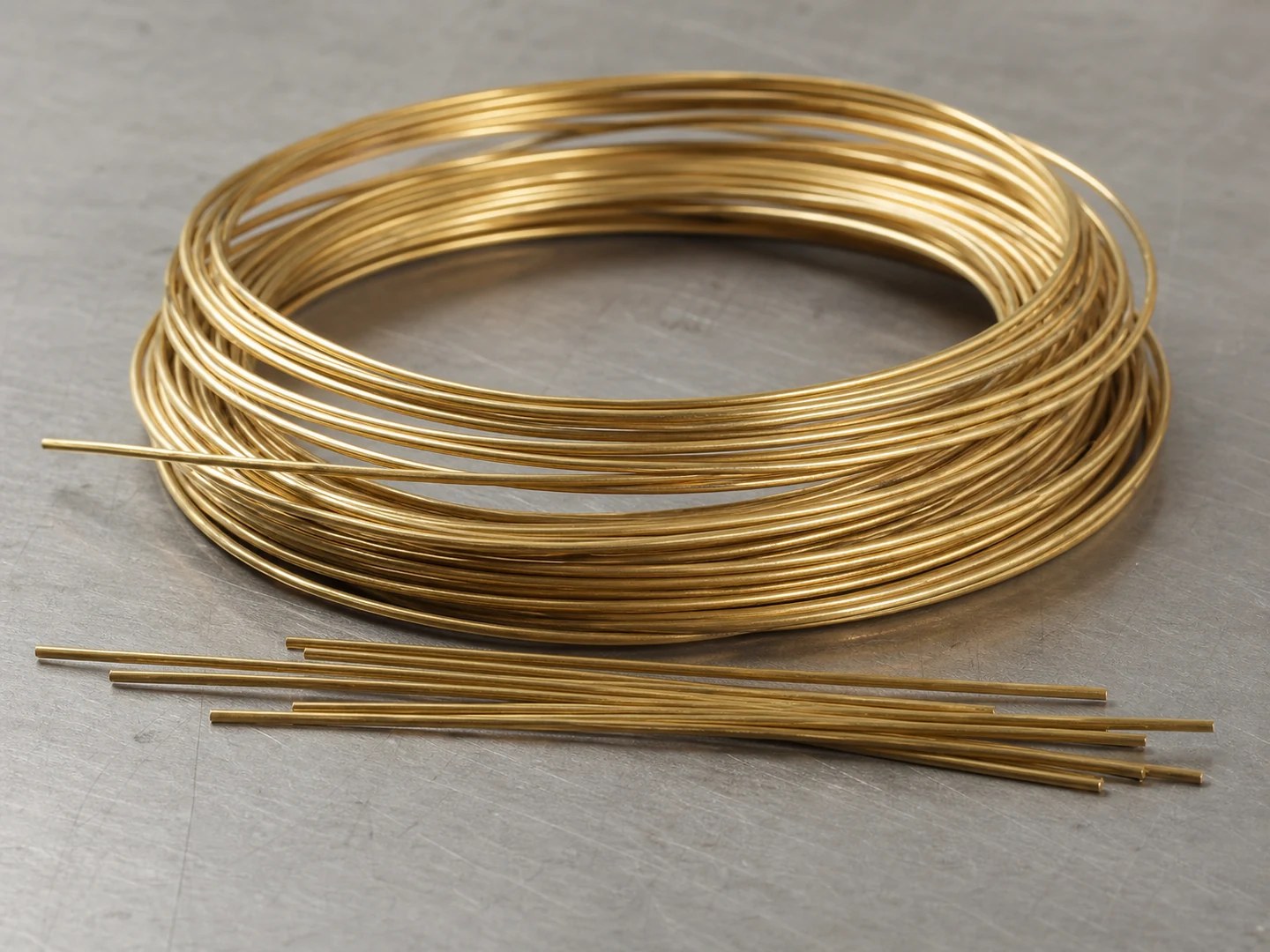
Brass is softer and less likely to scratch threads, making it ideal for precise or coated fasteners. Steel bristles clean more aggressively but can remove material if used with too much force. Match the brush material to the thread material and required cleanliness.
How many strokes are enough for internal threads?
Usually 3–5 full clockwise rotations are sufficient for most applications. More strokes increase the risk of bristle breakage without significant improvement.
Can I use a power tool with a thread cleaning brush?
It is possible at very low speeds, but hand cleaning is recommended. High rotational speeds generate heat and friction that can gall threads or break bristles off inside the hole.
Why is it important to brush clockwise for internal threads?
Most threads are right-hand, meaning they tighten clockwise. Brushing clockwise follows the helix and pushes debris toward the opening. Brushing counter-clockwise may drag dirt deeper into the hole.
What should I do if a wire bristle breaks off in the thread?
Use a bright light and fine tweezers or a magnet to remove it. If left behind, it can cause a poor seal or damage the mating thread during assembly.
How can I tell if a thread is clean enough for a good seal?
Run a clean white cloth over the thread; if it picks up no visible residue, the surface is likely clean. Then check by hand-threading the mating part. Smooth, consistent resistance means a good fit.
Is thread cleaning necessary for new bolts and nuts?
New fasteners often have a light protective oil or minor manufacturing residue. A quick brush or solvent wipe ensures optimal torque values and sealant adhesion, especially in critical assemblies.
Technical References
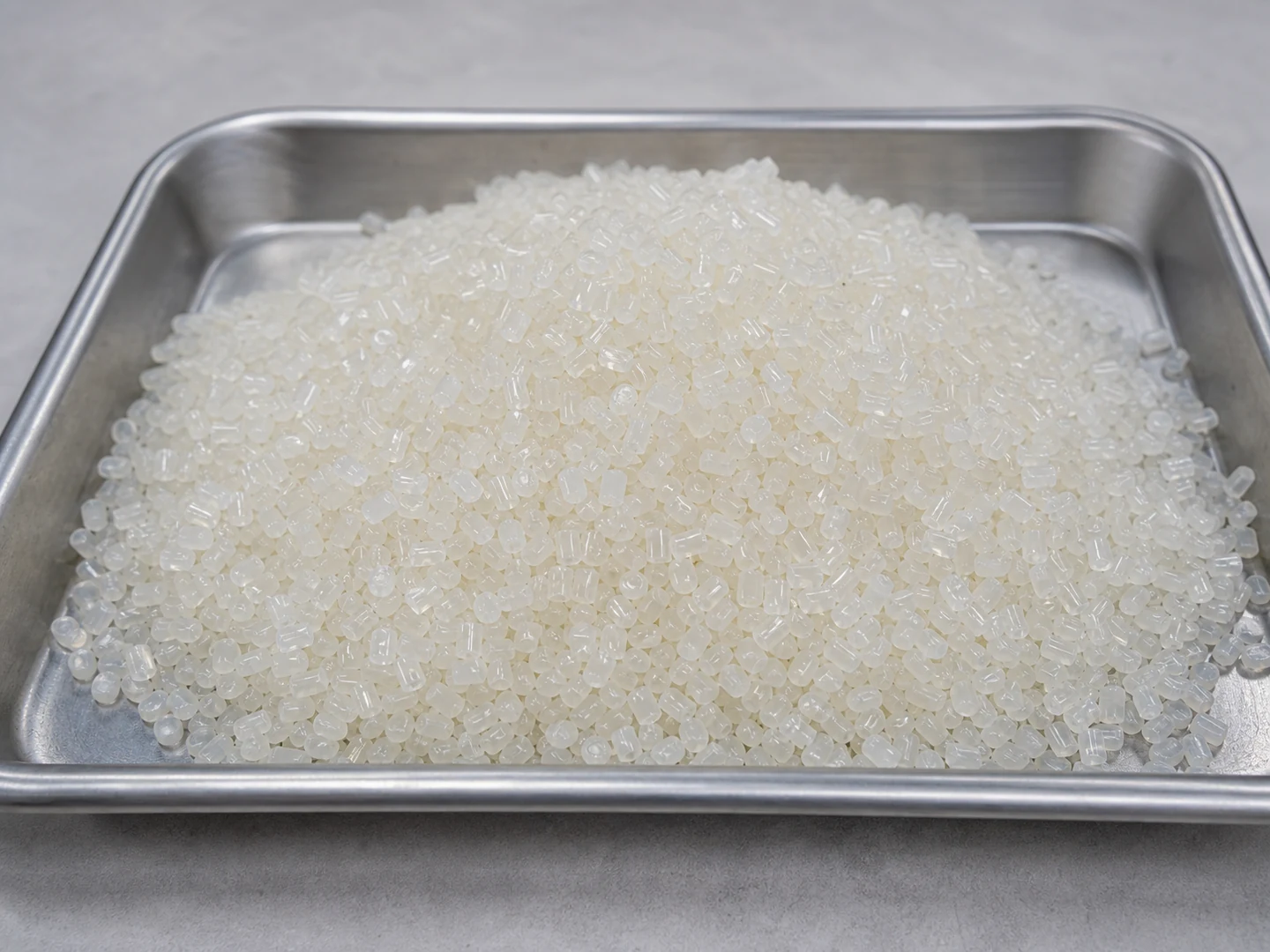
Which nylon grade fits this job — Nylon PA, PA6 Nylon or PA66 Nylon?
| Grade | Continuous temperature (°C) | Peak temperature (°C) | Water absorption | Hardness |
|---|---|---|---|---|
| Nylon PA | 93 | 121 | 0.3–9% by PA grade and conditioning | Medium to firm; filament diameter and trim length control bending force. |
| PA6 Nylon | 80–100 | 130–160 | 1.5–3.0% | Shore D 75–85 |
| PA66 Nylon | 100–120 | 150–180 | 1.0–1.8% | Shore D 80–88 |
| PA610 Nylon | 90–110 | 130–150 | 0.5–1.0% | Shore D 72–82 |
| PA612 Nylon | 90–110 | 130–150 | 0.3–0.7% | Shore D 70–80 |
Figures as published by Brushtec / DuPont. Confirm the exact grade against the supplier datasheet before ordering.
What should replace Handheld Detail Brushes when they stop working?
- Handheld Detail Brushes — Handheld detail brushes cover general precision cleaning; auto-detailing brushes impose tighter controls for painted, polished, leather, display, and trim surfaces.
- Tube & Pipe Bore Brushes — Tube and bore brushes work by radial contact inside a confined diameter; wire wheels and cups work mainly on external edges, profiles, welds, and broad surfaces.
- Cup Brushes — Cup brushes cover a broader face than wheel brushes; end brushes are better for small recesses or pockets where the cup body blocks access.
- End Brushes — End brushes concentrate contact at the end of a small stem; wheel brushes work along a longer edge and cup brushes cover a broader open face.