
Custom Cleaning Brush
Shoe Brush
Custom shoe brushes for footwear cleaning, polish application, and buffing. Nylon, PBT, or horsehair fills, adjustable sizes and handles.
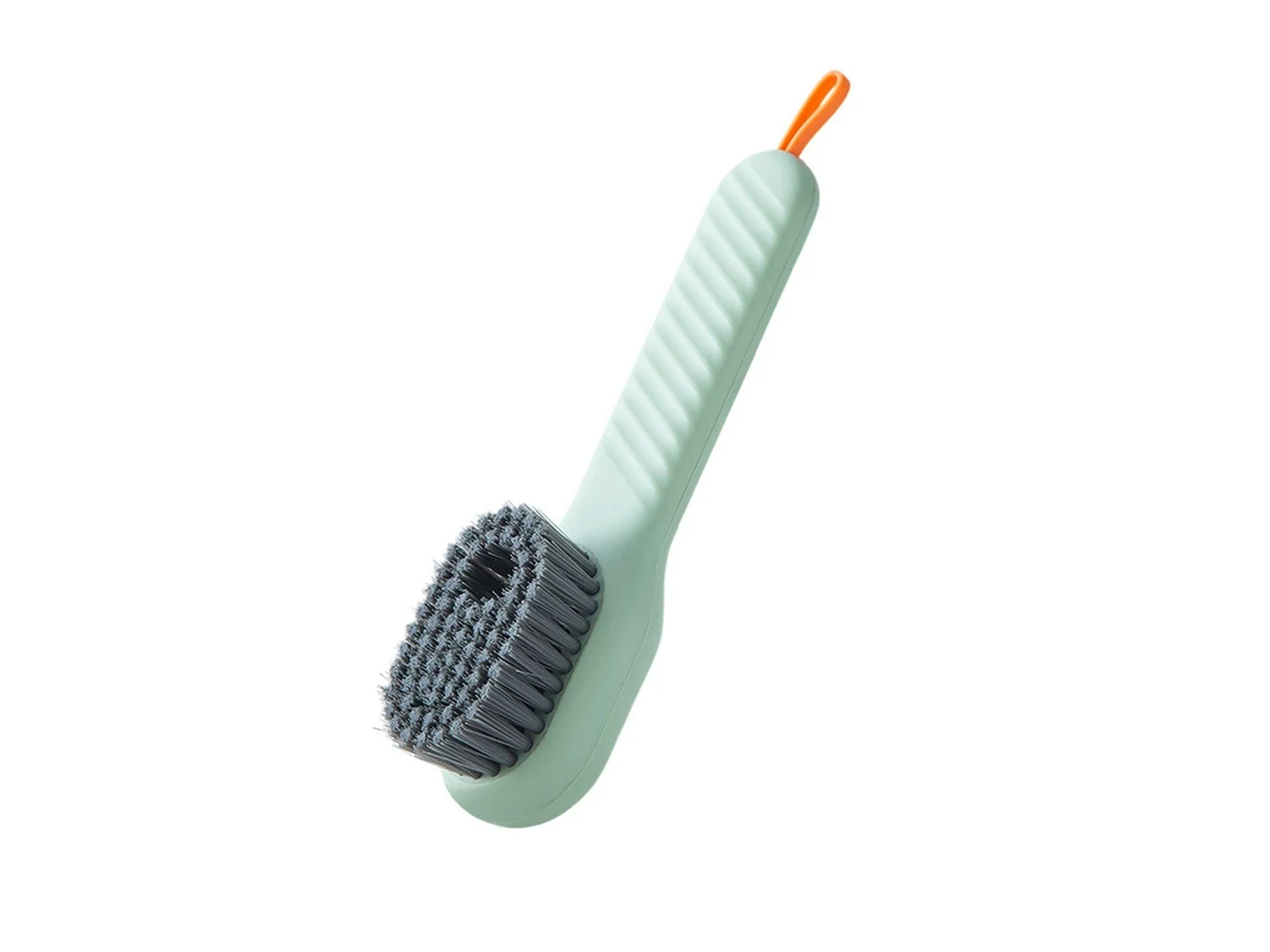
Small brush
500 pcs
Minimum order
Held in one hand: tube, bottle, detail and swab brushes — including long-handled ones with a small head.
Production lead time, once the specification is confirmed
- Up to 500 pcsWithin 7 days
- 501–50,000 pcsWithin 14 days
- Over 50,000 pcsWithin 21 days
Peak season can extend these times; the shipping date is confirmed in writing with your quotation. Sampling and shipping are quoted separately.
A hand-built shoe brush for footwear cleaning, care, and polishing — designed to remove dirt and dust from uppers, apply and spread polish evenly, and buff smooth leather to a controlled shine without scratching the surface.
What can this brush do for you?
Remove Dried Mud and Loose Soil Without Damaging the Upper
The nylon PA filament option uses crimped, medium-stiff bristles that break up dried mud and lift embedded debris from soles, welts, and textile uppers. The filament ends are flagged and rounded, so the brush scrubs effectively without cutting into leather grain or snagging knit fabrics.
Apply Cream and Wax Polish in Even, Thin Layers
A horsehair fill naturally picks up a measured amount of polish and releases it gradually across the leather surface. Because horsehair is soft and slightly absorbent, it spreads product without leaving brush marks or pulling polish out of creases — the result is consistent coverage that buffs out faster.
Reach the Welt, Seam, and Lace Areas That Wide Brushes Miss
The head can be built with a tapered or angled trim profile so the outer rows of filament reach into the stitching channel next to the welt, around eyelets, and under the lacing. A narrower head width or a contoured tip gives operators control in tight spots without scrubbing the entire upper.
Buff Smooth Leather to a Working Shine
Longer, softer horsehair rows at the heel of the head are suited for rapid back-and-forth buffing after polish has dried. The natural fiber softness lets the operator build gloss by hand motion rather than abrasive pressure, which helps preserve the finish on dress shoes and boots.
Cover Different Footwear Materials with One Tool
A mixed fill — outer horsehair for polishing and inner nylon PA for deeper cleaning — lets a single brush handle both the prep and finish steps on smooth leather, coated leather, and most textile uppers. Retail shoe-care kits often use this combination to reduce the number of brushes customers need to buy.
What is a Shoe Brush?
A shoe brush is a hand-guided cleaning and polishing tool with a filled filament head mounted on a rigid handle. It is used in footwear maintenance routines to dislodge loose soil from the upper and sole, to work cream or wax polish into smooth leather, and to buff the surface after the polish has set. The brush works by mechanical brushing action: the operator moves the head across the shoe with short, controlled strokes, and the filament tips contact the surface to lift debris, spread product, or generate friction heat for shine development.
The performance of a shoe brush depends on four design factors: filament material and stiffness, trim length and density, head shape and size, and handle ergonomics. A brush built for cleaning needs stiffer, flagged nylon or PBT filament. A brush built for polishing needs softer horsehair with enough density to hold and release product evenly. A brush built for detailing needs a smaller head and a shaped trim profile that follows the curves of the shoe.
This is a reusable maintenance tool, not a disposable wipe or a power tool. It applies consistent pressure through manual action, which gives the operator control over how aggressively the brush contacts the surface. It is not intended for heavy caked-on mud removal from deep treads or for restoring the nap on suede — those jobs require stiffer scrubbing brushes or specialized suede lifting tools.
Technical Specifications
The standard shoe brush uses the following parameter ranges. Dimensions, materials, and trim profiles are adjusted for each footwear type and polishing process.
| Parameter | Value / Options |
|---|---|
| Overall length | 110–200 mm, matched to operator grip and surface reach |
| Head width | 30–60 mm, selected for shoe size and access space |
| Head length | 60–110 mm, sized to contact the vamp, quarter, or sole efficiently |
| Trim length | 15–30 mm, shorter for scrubbing, longer for buffing |
| Fill materials | Nylon PA (flagged or crimped), PBT (chemical resistant), horsehair (natural, soft), or mixed fill |
| Filament diameter | 0.15–0.40 mm for nylon/PBT; horsehair grade selected by stiffness class |
| Fill density | Medium to high, depending on polish transfer or scrubbing requirement |
| Trim profile | Flat, feathered, angled, contoured, or welt-tip configuration |
| Handle material | Beech, maple, bamboo, PP, ABS, or TPE-overmolded for wet grip |
| Handle finish | Natural, stained, varnished, matte, or soft-touch coating |
| Operating conditions | Room-temperature use; handle and filament rated for common shoe-care solvents, waxes, and mild detergents |
| Brush type | Custom Handheld Detail Brushes |
| How it is driven | Hand-guided |
| Cleaning target | leather dress shoe and boot, casual and athletic footwear, and shoe-care kit cleaning |
| Surface or part | profiles, edges, and soles |
| Residue or debris | polish, dust, mud, cream, wax, dried mud, and fiber |
| Mounting / connection | Fixed |
All values are project-configurable. We recommend specifying the intended shoe type, polishing procedure, and operator grip preference before finalizing dimensions.
Where does this brush work best?
- Leather dress shoes and boots: Applying cream or wax polish to smooth leather and buffing to a controlled shine. Horsehair fill prevents finish scratching and works product into creases.
- Casual and athletic footwear: Removing dried mud and loose dirt from rubber outsoles, mesh and knit uppers, and welt edges. Nylon PA fill handles the higher dirt load without damaging fabric.
- Shoe-care kits for brands and retailers: A standard-format brush included with polish, conditioner, and cloth. Mixed fill gives the end user both cleaning and polishing capability in one tool.
- Shoe manufacturing and repair shops: Pre-treatment brushing before finishing, removal of dust and compound residue after grinding or stitching, and final hand-buffing on small production runs.
- Suede and nubuck footwear: A soft horsehair version can lift surface dust and lightly refresh the nap, but a dedicated suede brush with brass or rubber lifting elements is required for deeper nap restoration.
How do I choose the right one?
Define the primary job first
Cleaning and scrubbing call for nylon PA or PBT filament with flagged ends. Applying polish calls for horsehair with medium density. Buffing to a high gloss calls for the softest horsehair grades and a longer trim. If one brush must do all three, choose a mixed fill and confirm the filament blend with us before ordering.
Match the filament to the contact surface
Smooth leather tolerates horsehair and flagged nylon well, but avoid unf lagged nylon with sharp cut ends — it can leave micro-scratches. Suede and nubuck should only be brushed with a very soft horsehair fill for surface dust; any scrubbing action may flatten the nap. Textile uppers accept medium nylon, but stiff bristles can pull fibers on delicate knits.
Size the head to the shoe and the operator
A 30–40 mm head width gives control for dress shoes and women’s footwear. A 50–60 mm width covers boots and larger work shoes faster. The handle should allow a full grip with the brush resting naturally in the palm; TPE overmolding improves control during long polishing sessions.
Consider the cleaning environment
If the brush will be used with water, saddle soap, or alcohol-based cleaners, choose PBT filament and a sealed or molded plastic handle. Horsehair absorbs moisture and can deform when wet, so it is best reserved for dry polishing work.
When a different brush fits better
Use a stiff scrubbing brush or a wash-down process for heavy caked mud before using this brush. Use a brass or wire suede brush to raise the nap on suede and nubuck. Use a dauber brush for applying liquid dye or edge dressing precisely. This shoe brush is the right tool for maintained footwear with normal soil levels and for regular polish and shine work.
Can I customize this brush?
Every shoe brush project starts with the footwear type, the intended care step, and the surface condition. Provide the shoe category (dress, casual, athletic, boot), upper material, current cleaning or polishing process, and any packaging requirements. A sample shoe, photo, or dimensioned drawing helps us match the head shape and trim profile exactly.
We can adjust:
- Head geometry — width, length, shape, angle, contour, and tip profile for welt or lace access
- Filament — material (nylon PA, PBT, horsehair, or blend), diameter, stiffness, color, flagged or unflagged ends, and density
- Trim profile — flat, feathered, angled, contoured, or mixed-length rows for polishing and buffing
- Handle — material, length, shape, grip texture, hanging hole, ergonomic curve, and color
- Branding — laser engraving, pad printing, hot stamping, embossed logo, or custom handle insert
- Packaging — bulk, individual polybag, retail box, hang tag, display tray, or private-label kit assembly
If your project requires material documentation, inspection reports, or third-party testing for retail or export compliance, we can assist with those requirements during the customization process.
When is a shoe brush worn out rather than just dirty?
How can I tell if the brush is too stiff for my leather shoes?
Test on a small, inconspicuous area first, such as the inside of the heel counter. Brush firmly with normal pressure and check for visible scratching, finish dulling, or fiber breakage. If any of these appear, switch to a softer horsehair fill or a flagged nylon version.
Can I use this brush with water or cleaning solutions?
Nylon PA and PBT fills can be used with water, mild soap, or diluted cleaning solutions, but the handle material must also be moisture-resistant. Horsehair fills should be kept dry because they absorb water, soften, and may lose their shape. Specify wet-use requirements during ordering so the correct filament and handle combination is selected.
What should I check during routine brush inspection?
Look for loose or broken filaments, flattened or bent bristle rows, cracks in the handle, and embedded debris or dried polish that cannot be removed. A healthy brush should have uniform filament height, no gaps in the fill, and a secure head-to-handle bond. Replace the brush if the filament tips no longer contact the surface evenly.
Does brushing replace the final polish cloth?
No. Brushing applies product, removes loose dirt, and produces an initial buff. For a high-gloss mirror shine, a soft cotton or microfiber cloth is still used after brushing. The brush and cloth work together in the polishing sequence; the brush should not be expected to deliver the final finish alone.
How many shoes can one brush service before replacement?
A well-maintained brush used on clean shoes and stored dry can last for hundreds of polishing cycles. The replacement trigger is usually deformed or clogged filament rather than a fixed shoe count. If the brush no longer picks up polish evenly or leaves streaky application marks, it is time to replace it.
When is a shoe brush not the right tool?
Use a stiff scrubbing brush or a wash-down process for heavily soiled work boots or thick mud. Use a brass or rubber suede brush to restore the nap on suede or nubuck. Use a dauber brush for precision application of edge dressing or liquid dye. This shoe brush is intended for routine dirt removal, polish application, and buffing on maintained footwear.
Guides that go deeper on this
We have not written a guide specific to this one yet. The material that covers selection, filament, dimensions, maintenance and sourcing is collected in the technical resources library.
Custom Manufacturing RFQ
Describe Your Application
An accurate custom quote starts with the dimensions, working surface, residue, material choice, connection, quantity, and reference files.
Drawing or photo optional — it speeds things up, it does not gate the enquiry.
Custom Brush RFQ
Send Your Brush Project
Upload a drawing, product photo, or sample photo and provide the core dimensions and cleaning conditions.
“We need a brush to remove wet residue from a stainless steel conveyor, about 800mm wide. The current brush wears quickly. We can send photos.”
“We sell drinkware and need a cleaning brush to include with the product. Quantity around 5,000 pieces.”