What Is a Dairy Equipment Cleaning Brush?
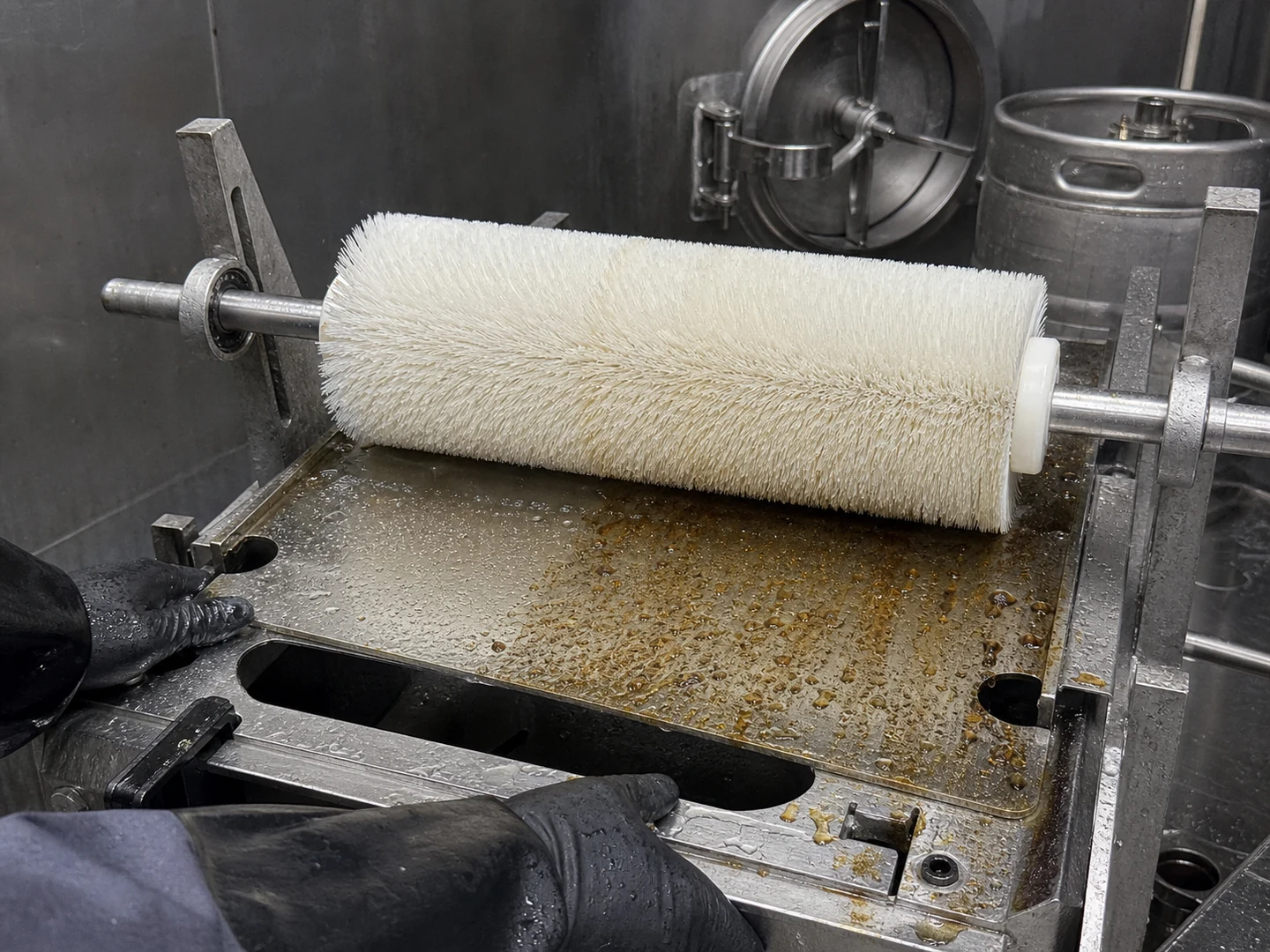
A dairy equipment cleaning brush is a manual or machine-driven tool designed to remove product residues, biofilms, and soils from food-contact surfaces in dairy and beverage facilities. Unlike generic industrial brushes, these brushes must withstand frequent chemical exposure, elevated temperatures, and strict hygiene requirements without shedding bristles or scratching stainless steel. Selection involves matching brush shape, bristle material, and construction to the specific cleaning task and the processing environment.
Common Brush Types by Application
Dairy and beverage plants use several brush shapes, each suited to different equipment geometries and cleaning challenges. The table below summarizes the main types and the risks of choosing incorrectly.
| Brush Type | Typical Equipment | Material Options | Key Risk if Wrong |
|---|---|---|---|
| Tube/Pipe | Pipes, small tanks, valve bodies | Nylon, stainless steel wire, polypropylene | Incomplete residue removal; wire shedding |
| Bottle | Filler bowls, narrow-neck containers | Soft nylon, polyester, tampico | Moisture trap at ferrule; bristle fallout |
| Tank/Kettle | Large vessels, agitators, corners | Polyester, polypropylene, stainless steel | Surface scratching; chemical degradation |
| Conveyor | Belt top, chain links, guides | Abrasive nylon, brass, medium polyester | Conveyor belt damage; chemical attack |
| Detail/Corner | Gaskets, crevices, small ports | Short stiff nylon, polyester | Bristle breakage in tight spots |
Comparing Brush Materials for Dairy and Beverage Use
Bristle material determines chemical resistance, temperature tolerance, bristle retention, and the risk of surface damage. Use the following comparison to match the material to your cleaning chemistry and operating conditions.
| Material | Chemical Resistance | Max Temp | Bristle Retention | Typical Use |
|---|---|---|---|---|
| Polypropylene | Good acid/alkali resistance | ~80°C | Fair; can mat | General manual cleaning |
| Nylon | Excellent alkali; fair acid | ~90°C | Good; flexible | Pipe and bottle brushing |
| Polyester | Best overall chemical resistance | ~100°C | Very good; stiff | CIP-compatible manual cleaning; high-temp |
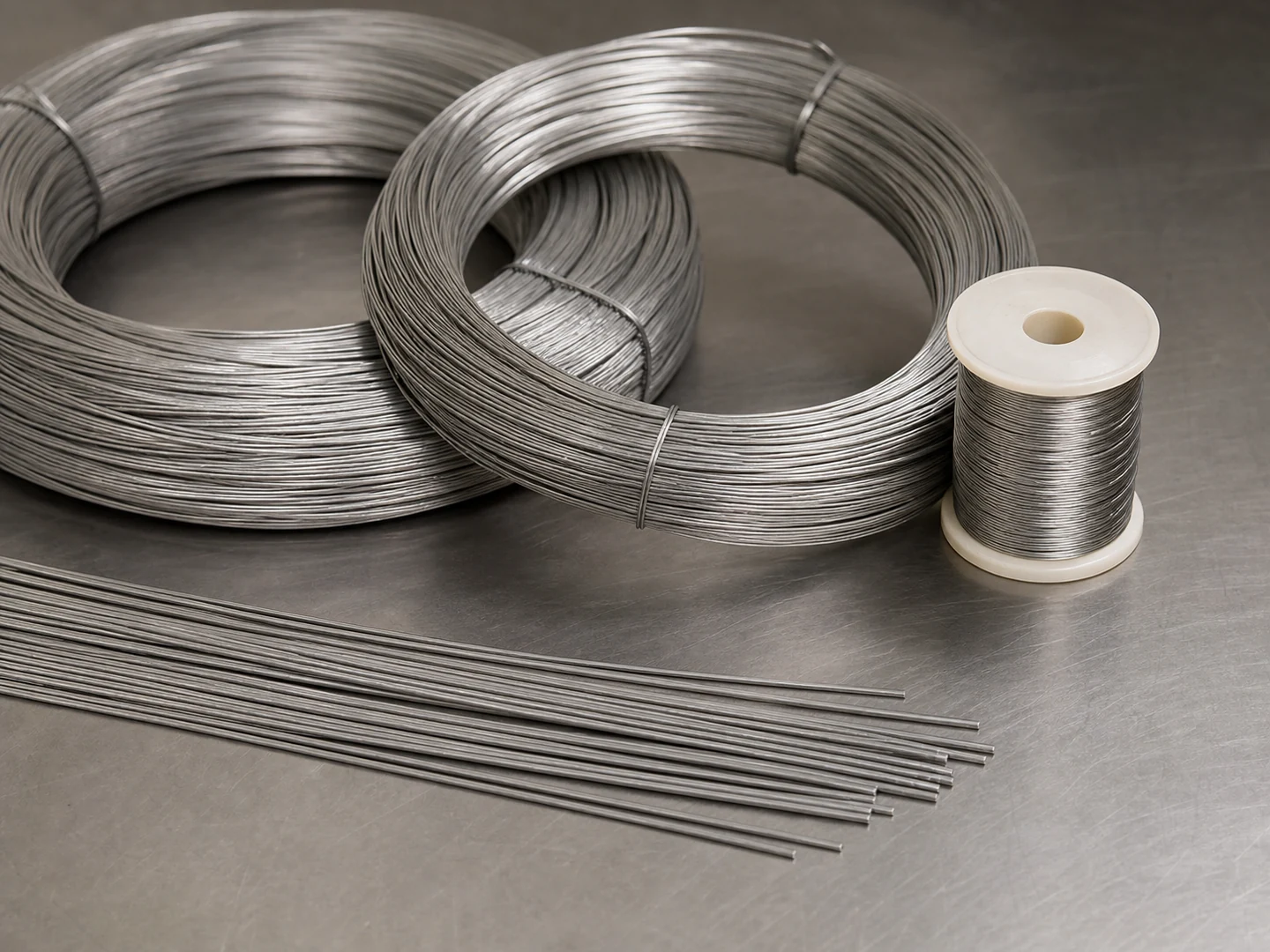
| Stainless Steel Wire | Excellent for most chemicals; avoid chlorides | >120°C | No shedding but can scratch | Heavy soils, non-food contact or with care |
| Tampico (natural) | Poor chemical resistance; limited use | ~60°C | Moderate; can rot if not dried | Gentle scrubbing, lab glass |
How to Choose the Right Dairy Equipment Cleaning Brush
Beyond shape and material, several operational factors drive a sound selection. Evaluate each point before purchasing a dairy equipment cleaning brush:
- Equipment geometry and access: Confirm the brush can reach all surfaces without disassembling more than your standard cleaning procedure allows.
- Cleaning chemistry: Match bristle material to the acids, alkalis, and sanitizers used in your wash cycles. Even short contact can degrade the wrong plastic.
- Temperature range: Consider both wash and rinse temperatures. Polyester holds up better in high-heat CIP rinse steps than nylon or polypropylene.
- Bristle retention: Check how bristles are secured. Molded-in or stapled designs with a sealed ferrule reduce the risk of bristles falling into product.
- Surface finish protection: For 2B or electropolished stainless steel, avoid metal bristles unless absolutely necessary. Use medium or soft plastics.
- Documentation needs: If your facility is subject to third-party audits, select brushes with available material certifications (FDA, EU 1935/2004) and traceable lot numbers.
Setup and Usage Factors That Affect Performance
Even the best brush will fail early if misused. Adopt these practices to extend brush life and protect hygiene:
- Rinse brushes with clean water after each use and hang to dry. Trapped moisture accelerates bristle fallout and microbial growth.
- Assign brushes to specific zones (raw vs. pasteurized) and use color coding to prevent cross-contact.
- Inspect bristles for deformation, discoloration, or missing filaments before each use. Retire any brush with more than 10% bristle loss.
- Do not use manual brushes inside CIP circuits unless you have a validated procedure to prevent foreign-object contamination.
Common Mistakes When Selecting a Cleaning Brush
Avoid these frequent errors that lead to costly re-cleaning, product holds, or audit findings:
- Choosing by diameter only: A brush that fits the pipe or opening may still miss residues in dead legs, behind valve seats, or around gaskets.
- Ignoring trapped-residue points: Threaded connections, ferrules, and brush hubs can trap soil and chemicals. Look for sealed or easy-to-clean designs.
- Using wire brushes on food-contact surfaces without evaluation: Stainless steel bristles can scratch and harbor bacteria. Reserve metal brushes for non-contact areas or after a detailed risk assessment.
- Not matching bristle stiffness to soil type: Too soft a brush won’t remove baked-on deposits; too stiff may gouge elastomer seals or gaskets.
- Overlooking chemical compatibility: A brush that works in alkaline cleaning may crumble after exposure to an acid rinse. Always check the manufacturer’s chemical guide.
- Failing to document brush change schedules: Without a log, you cannot prove to an auditor that brushes are replaced at defined intervals.
When a Cleaning Brush Is the Wrong Choice
Manual brushing cannot replace a validated CIP system for critical hygiene zones. In these situations, seek specialist input:
- Process validation: If you are qualifying a new line or changing cleaning chemistry, a cleaning validation study should determine whether manual brushing is needed and where.
- Regulatory audit findings: An auditor may question your brush selection and documentation. A third-party hygiene consultant or brush supplier with food-safety experience can help close the gap.
- CIP design limitations: Some vessel features (manways, agitator blades, long drop legs) may require manual brushing as a supplement. Work with a CIP specialist to define those points and the exact brush specification.
In all cases, the goal is to integrate the dairy equipment cleaning brush into a holistic sanitation plan, not to rely on it as a standalone solution.
Final Takeaway
Match brush shape to equipment geometry, bristle material to your chemistry and temperature range, and documentation to your audit requirements. A dairy equipment cleaning brush is only as sanitary as the process around it. By avoiding diameter-only selection and verifying food-contact compliance, you reduce contamination risk and improve cleanability where CIP cannot reach.
Frequently Asked Questions
Can I use the same brush for CIP systems and manual cleaning?
No. CIP systems rely on spray patterns and flow dynamics, not bristle contact. Manual brushes should only be used on areas CIP cannot reach, and must be managed separately to avoid cross-contamination.
What bristle material is best for acidic cleaners?
Polypropylene and polyester offer good acid resistance. Nylon is more susceptible to acid, while stainless steel may corrode if the acid contains chlorides. Always verify with the chemical supplier.
How can I prevent bristle loss in food production?
Use brushes with tightly secured bristles, inspect before and after use, and replace at the first sign of wear. Consider brushes with molded-in bristles for critical zones.
What documentation do I need for a cleaning brush audit?
Keep records of brush specifications, material certifications (FDA, EU 1935/2004), cleaning schedules, replacement logs, and inspection checklists. Third-party test reports for bristle retention and abrasion can help.
Can a worn brush scratch stainless steel surfaces?
Yes, especially wire brushes or those with embedded debris. Inspect for broken bristles and discard brushes that show signs of hardening or contamination.
Are color-coded brushes required in dairy facilities?
Not by regulation, but many facilities use color coding to prevent cross-contact between zones (e.g., raw vs. pasteurized). Choose a scheme that aligns with your HACCP plan.
How often should dairy cleaning brushes be replaced?
There is no universal rule, but brushes should be replaced when bristles become matted, discolored, bent, or when more than 10% of bristles are missing. Frequent chemical exposure may shorten life to weeks or months.
What does “food-grade” mean for a cleaning brush?
The term is not regulated. Look for brushes with materials compliant with FDA 21 CFR or EU 1935/2004. Always request a certificate of compliance for plastic and metal components that contact food.
Technical References
- eCFR — 21 CFR 178.1010 Sanitizing Solutions
- eCFR — 21 CFR 177.1500 Nylon Resins
- eCFR — 21 CFR 177.1520 Olefin Polymers
- eCFR — 21 CFR 177.1630 Polyethylene Phthalate Polymers
- eCFR — 21 CFR Part 117 Human Food CGMP and Preventive Controls
Which bristle material fits this job — AISI 304 Stainless Steel Wire, Nylon PA or Abrasive Nylon?
| Material | Continuous temperature (°C) | Peak temperature (°C) | Water absorption | Hardness |
|---|---|---|---|---|
| AISI 304 Stainless Steel Wire | 400 | 500 | 0% | Rockwell B 70–95 depending on temper and cold work |
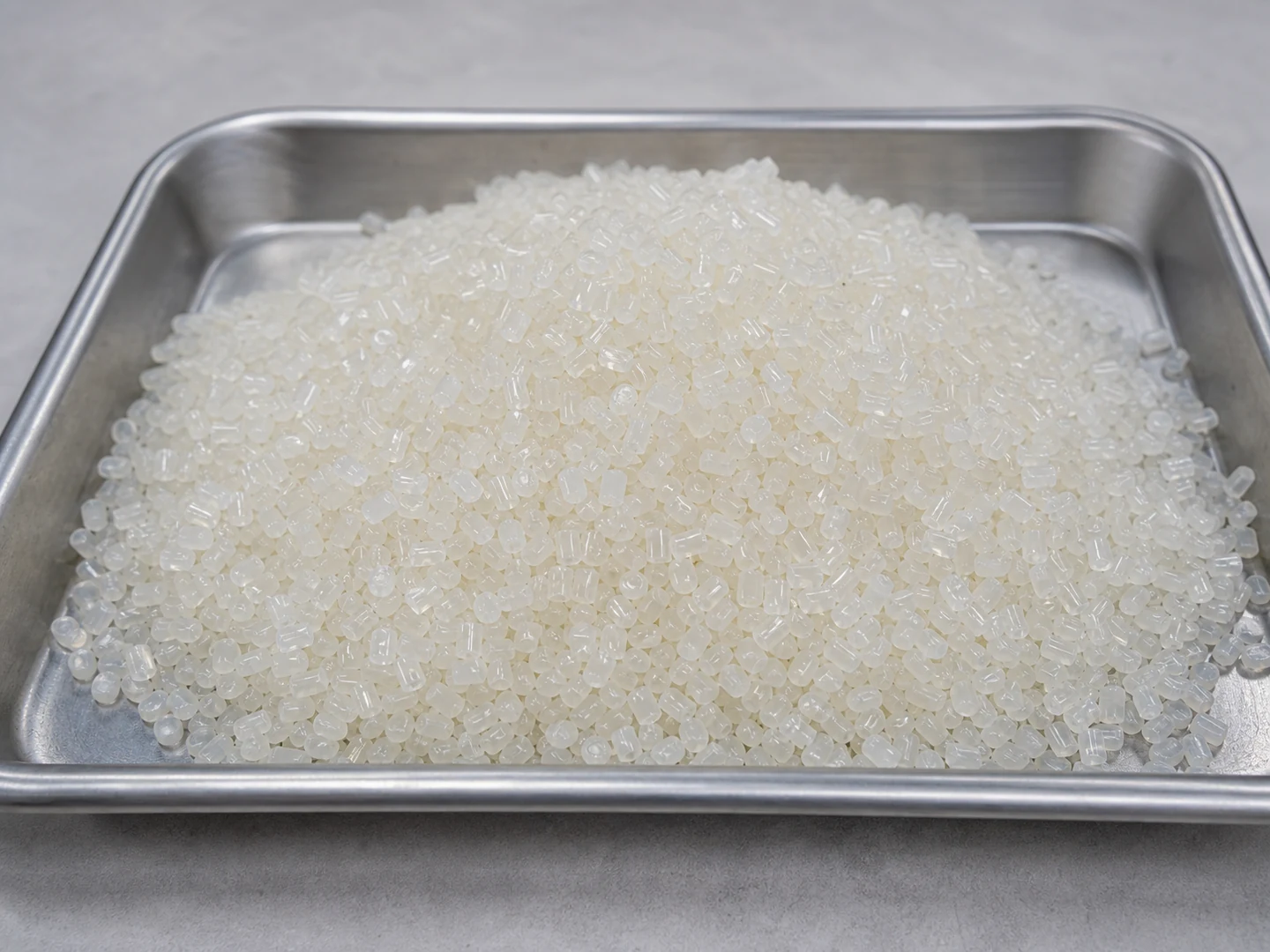
| Nylon PA | 93 | 121 | 0.3–9% by PA grade and conditioning | Medium to firm; filament diameter and trim length control bending force. |
| Abrasive Nylon | 120 | 150 | 0.1–1.0% | Abrasive filament; stiffness and cutting level is controlled by PA base, grit type, grit size, filament diameter and trim height. |
| PBT | 120–140 | 160–180 | 0.05–0.20% | Shore D 80–90 |
Figures as published by Alleima; Brushtec / DuPont; Perlon. Confirm the exact grade against the supplier datasheet before ordering.
What should replace AISI 304 Stainless Steel Wire when it stops working?
- AISI 304 Stainless Steel Wire — Use AISI 316 stainless steel wire for chloride, marine, dairy, beverage, chemical washdown, or higher pitting-resistance requirements. Use carbon steel for dry aggressive cutting and brass or abrasive nylon for lower marking risk.
- Nylon PA — Compare Nylon PA with PP, PBT, PET. Change material when wet stiffness, temperature, chemical resistance, conductivity, particle shedding, or surface marking becomes the limiting factor.
- Abrasive Nylon — Compare Abrasive Nylon with PP, PBT, PET. Change material when wet stiffness, temperature, chemical resistance, conductivity, particle shedding, or surface marking becomes the limiting factor.
- PBT — Compare PBT with Nylon, PP, PET. Change material when wet stiffness, temperature, chemical resistance, conductivity, particle shedding, or surface marking becomes the limiting factor.